
Some dogs can crunch through life like iron-bellied little tanks, while others need a gentler approach to every meal. If you have ever wondered which breeds shrug off new foods and which ones require extra care, you are in the right place.
I will walk you through the tough-tummied champs and the sensitive sweethearts so you can feed with confidence. By the end, you will know which dogs handle variety and which do best with a careful, consistent plan.
Labrador Retriever
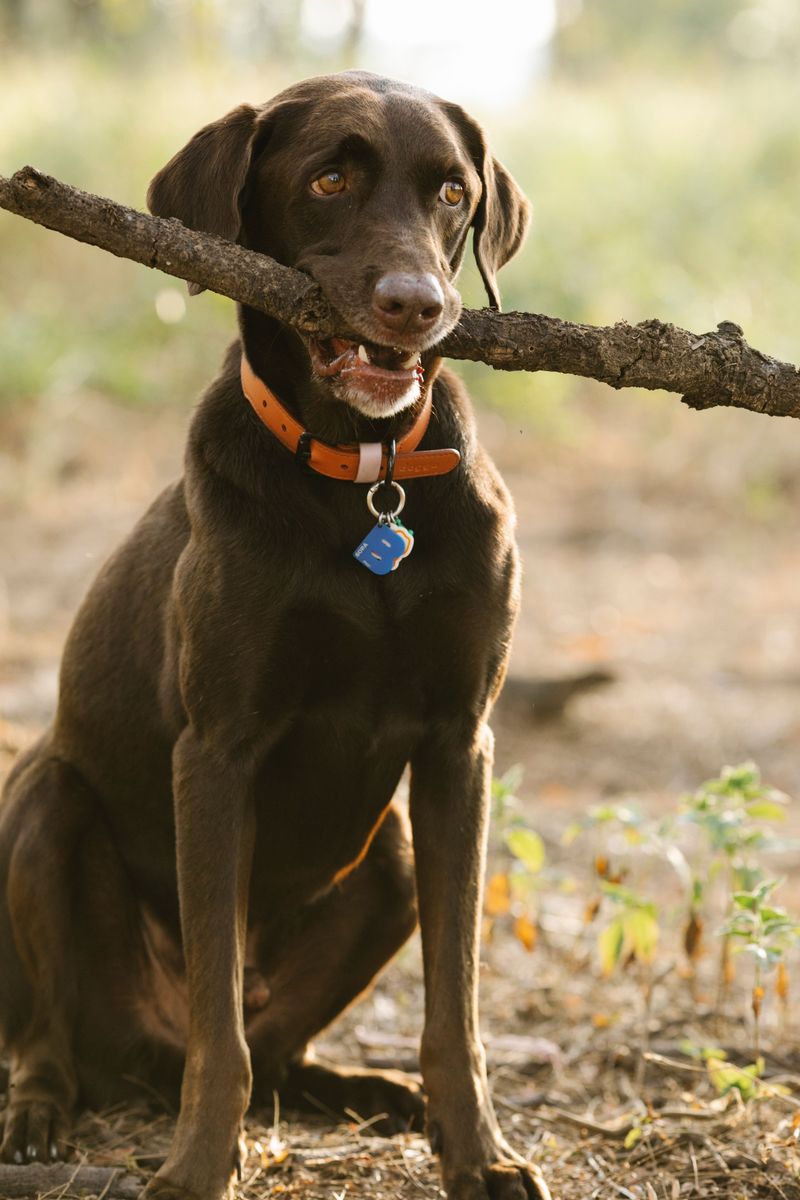
Labradors are famous for hearty appetites and sturdy digestion when fed balanced meals. If you keep portions sensible and activity high, most Labs handle varied proteins and training treats without drama.
You will still want to introduce new foods gradually, but they usually bounce back fast.
Watch for the classic Lab tendency to overeat, because that can mask subtle tummy grumbles. I suggest regular meals, limited table scraps, and a reliable probiotic during transitions.
With steady exercise and a fiber-smart kibble or fresh plan, a Lab’s gut typically stays resilient. Keep water clean, ramp up novelty slowly, and you will probably see that classic Labrador iron belly shine.
Beagle

Beagles love to explore with their noses, and that adventurous spirit extends to food. Many handle diverse ingredients well, provided you manage fat levels and keep portions honest.
You can rotate proteins and add crunchy veggies or berries for enrichment without much stomach pushback.
What trips Beagles up is garbage scouting and unapproved snacks, so prevention matters. I like a high quality, moderately high fiber base plus measured toppers to keep things regular.
Hydration, daily walks, and a slow feeder help maintain calm digestion. Introduce novelty over several days and your Beagle’s belly often stays steady.
When in doubt, stick to simple treats and consistent timing, and you will likely enjoy a reliable, happy gut.
German Shepherd

German Shepherds can thrive on robust diets, but you will hear mixed stories about sensitivity. The big wins come from structure: consistent meals, quality proteins, and predictable transitions.
Many shepherds handle varied foods well once you lock in routine and avoid rich, greasy add ons.
I recommend a digestibility first approach with clear labels, good fiber, and probiotics. Keep stress low, because anxious tummies can complain.
With measured introductions, your shepherd’s gut often proves tougher than expected. Watch stool quality as you experiment, and adjust slowly.
If something causes gas or loose stools, step back, simplify, and stabilize before trying again. Done right, many German Shepherds show dependable, athletic digestion you can trust.
Border Collie

Border Collies burn fuel fast, so they usually do well with nutrient dense food and steady routines. Most handle variety without much drama when you scale portions to training intensity.
I like rotating lean proteins and adding omega rich fish toppers to support that busy brain and belly.
Because they are sharp and active, stress or boredom can lead to gulping and gassy hiccups. Slow feeders and calm mealtimes help a lot.
Introduce new items gradually and watch output. If stools stay formed and energy hums, you are golden.
Keep treats purposeful, not random, and your Border Collie’s gut typically stays resilient through changing schedules and adventures.
Australian Cattle Dog

Australian Cattle Dogs are rugged workers with guts that often match their grit. Feed a balanced, high quality plan and they typically handle rotating proteins, training treats, and travel diets well.
You will want to avoid excessive fat spikes and sudden buffet style changes, but they bounce back fast.
For best results, tie meals to activity and hydration. I like firm schedules, steady fiber, and probiotics during transitions.
If you keep portions aligned with workload, stools usually stay consistent. Watch for scavenging on hikes, because these clever dogs find snacks.
With thoughtful structure and slow novelty ramps, most Cattle Dogs show stomachs of steel and keep charging happily.
Jack Russell Terrier
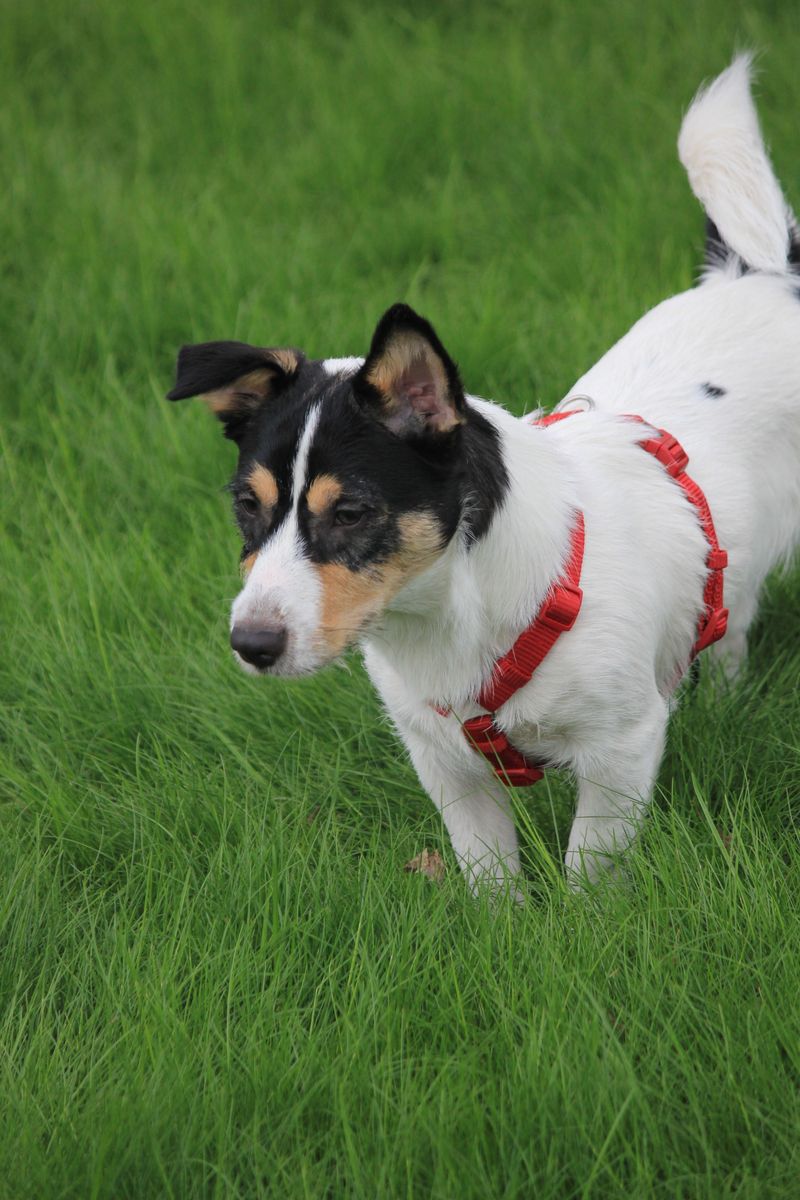
Jack Russells are fiery, athletic, and surprisingly sturdy in the tummy when meals are consistent. Keep fats reasonable, watch table scraps, and introduce new foods over several days.
Many handle crunchy veggies, lean meats, and training treats without upset, provided portions suit their size.
Because they move nonstop, I like smaller, frequent meals to keep everything smooth. Slow feeders prevent gulping that can cause burps or gassy moments.
If you keep treats purposeful and hydration steady, digestion usually hums. Rotate proteins thoughtfully, monitor stools, and adjust.
You will likely enjoy a tough, plucky gut that matches their bold spirit and daily zoomies.
Brittany
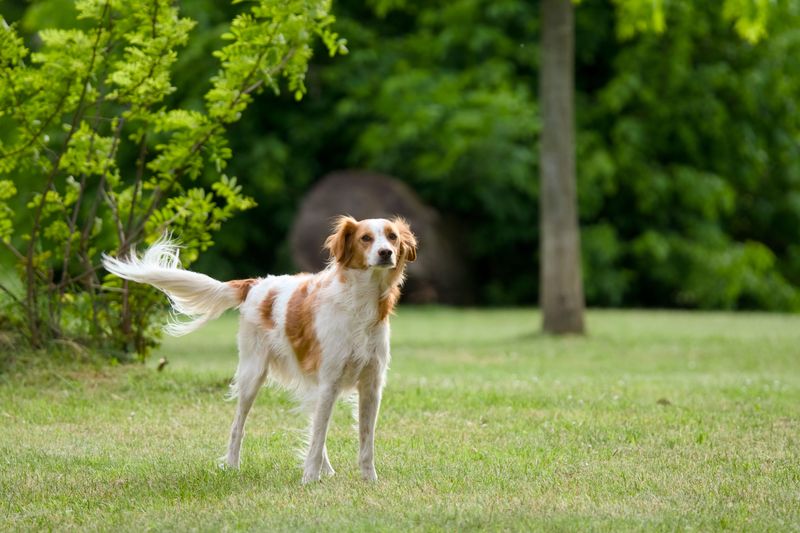
Brittanys tend to be adaptable eaters with athletic metabolisms. When you feed balanced meals and keep training treats measured, their digestion usually stays steady.
Many do well with varied lean proteins, moderate fat, and a pinch of fiber from veggies or oats.
What helps most is structure: clear meal times, slow transitions, and hydration before and after runs. I like adding probiotics during seasonal changes or travel.
Watch stools, tweak portions, and avoid rich table scraps that can surprise the gut. With that approach, Brittany bellies often feel iron clad, supporting long days in the field and playful weekends alike.
Vizsla

Vizslas are elegant athletes with generally dependable digestion when routines are consistent. Most handle lean proteins, gentle grains, and smart toppers like sardines or kefir.
If you introduce novelty slowly and keep fats moderate, their stomachs usually stay calm and capable.
Because Vizslas bond closely, stress can ripple into the gut. I recommend predictable mealtimes, gentle training rewards, and quiet rest after eating.
Track stools while rotating foods to confirm tolerance. When things are balanced, you will see that trademark, effortless energy and tidy output.
With thoughtful feeding and exercise, a Vizsla’s tummy often feels like a steady, well tuned engine.
Belgian Malinois
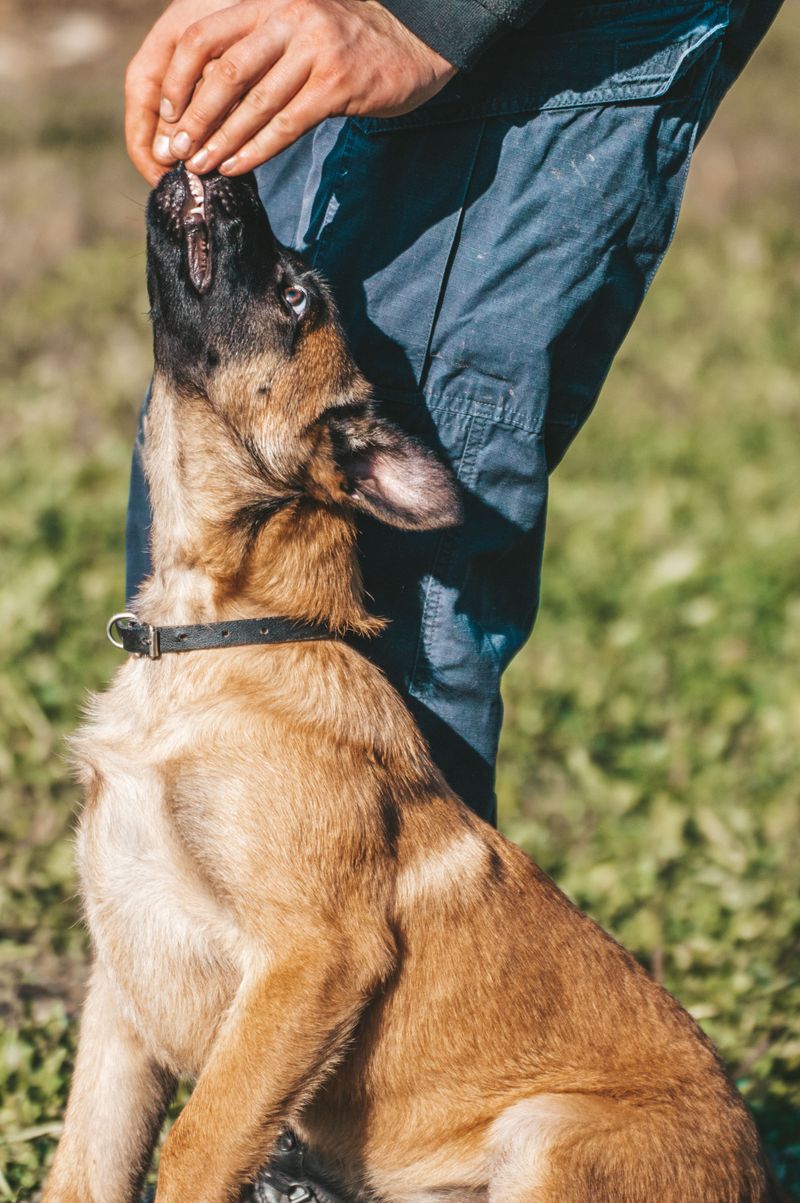
Belgian Malinois thrive on routine, work, and clean nutrition. With that trio, many boast stomachs that handle rotating proteins, travel, and training days without a hiccup.
Keep ingredients simple, fat levels appropriate, and novelty introduced in measured steps for best results.
Because they operate at full throttle, portion control and hydration are essential. I like a digestible base plus targeted toppers for performance days.
Probiotics and fiber help stabilize during heavy workloads. Track stools, adjust gradually, and your Malinois will likely show durable, mission ready digestion.
When you respect structure, their guts keep pace with their unstoppable drive.
English Springer Spaniel

Springers are eager, food motivated partners that generally handle variety well. Keep meals balanced, watch fatty table scraps, and ease into new proteins over a few days.
Most do great with gentle grains, lean meats, and crisp veggie add ins that support tidy stools.
Because they can get excited, slow feeders and calm mealtimes prevent gulping. I like a moderate fiber baseline and probiotics when travel or training ramps up.
Hydration and predictable timing round out the plan. With that structure, English Springer bellies usually stay steady through busy family life and weekend adventures.
Standard Schnauzer

Standard Schnauzers are hardy, intelligent, and often blessed with reliable digestion when fed sensibly. They tend to do well with lean proteins, clean carbs, and measured fats.
Rotate ingredients thoughtfully and they can handle novelty without much fuss.
Beard cleanup aside, the biggest trick is consistent portions and steady exercise. I recommend a balanced base plus occasional toppers like pumpkin or kefir to keep everything moving smoothly.
Probiotics during diet changes can help. With predictable routines, your Schnauzer’s stomach typically shows quiet, no drama performance that makes feeding pleasantly simple.
Australian Shepherd

Australian Shepherds are energetic problem solvers that usually tolerate dietary variety well. If you keep fats moderate and introduce changes slowly, many display steady, happy digestion.
I like rotating lean meats, adding omega rich fish, and using veggie fiber to keep stools consistent.
Because they are clever, they find snacks if you let them. Secure the counter, use slow feeders if gulping appears, and stick to a schedule.
Probiotics help during travel or high training blocks. With balanced meals and predictable routines, an Aussie’s gut often proves rugged, matching their adventurous spirit and big daily mileage.
Chesapeake Bay Retriever

Chessies are tough, outdoorsy retrievers with digestion to match, especially on steady, protein forward diets. They typically handle varied fish and meat sources well, as long as fat spikes are reasonable.
Slow transitions keep everything smooth when seasons or training loads change.
Because they work hard in cold water, hydration and electrolytes matter. I like a digestible kibble or fresh base plus fish oil and fiber from veggies.
Probiotics can steady the ship during travel. Keep treats purposeful and monitor stools as you rotate options.
With that structure, most Chesapeake Bay Retrievers show reliable, iron bellies that power long days and quick recoveries.
French Bulldog
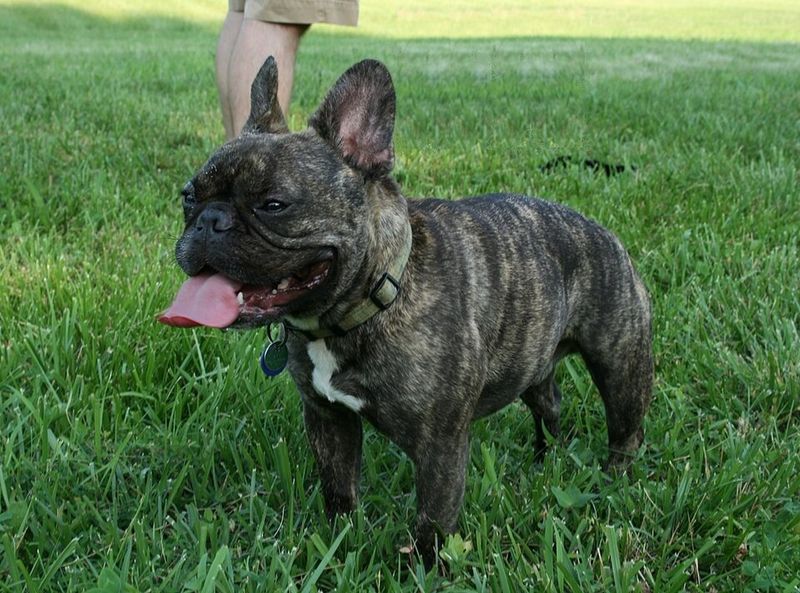
French Bulldogs are lovable but often have sensitive stomachs that prefer simple, consistent meals. Rich, fatty foods and sudden changes can trigger gas or loose stools.
You will do best with limited ingredient recipes, moderate fat, and careful portion control.
I like adding gentle fiber and probiotics to support regularity. Slow, measured transitions are essential.
Track stool quality closely and avoid random table scraps. Hydration and calm mealtimes help reduce gulping and air intake.
With patience and predictable feeding, your Frenchie’s digestion can settle nicely, but it is not usually a stomach of steel.
Boxer

Boxers are enthusiastic eaters, but their stomachs can be touchy without structure. Sudden diet swings or very rich treats often spark gas or soft stools.
Keep meals simple, moderate in fat, and introduce changes slowly to protect the gut.
I recommend high digestibility formulas, steady fiber, and probiotics during any transition. Use slow feeders to curb gulping and bloat risk.
Track output and adjust portions to activity. When you keep things predictable and avoid heavy scraps, many Boxers stabilize well.
Still, this breed is not known for iron bellies, so plan for consistency over culinary adventures.
Yorkshire Terrier

Yorkies are tiny charmers with delicate tummies that appreciate gentle, consistent feeding. Large treats or fatty table bites can overwhelm quickly.
I like small, frequent meals with limited ingredients and careful protein rotation to avoid surprises.
Use slow, stepwise transitions and add probiotics if stools wobble. Watch for hypoglycemia with long gaps, and keep hydration easy with fresh water always available.
Soft, digestible textures can help sensitive mouths and bellies. With steady routines and portion control, your Yorkie can feel great, but this breed usually does not have a stomach of steel.