
Good dogs are not born with a manual, and even loving owners accidentally send mixed messages. The result is confusion that looks like stubbornness, reactivity, or chaos at home.
If you have ever thought my dog knows this, you are not alone. Here are the most common mistakes that quietly trip dogs up and how to fix them fast.
Giving inconsistent commands
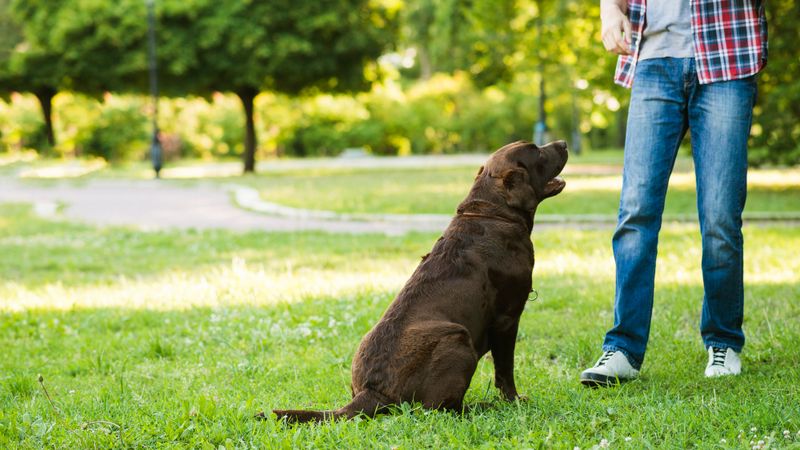
When cues keep changing, dogs guess instead of learning. You might say Sit one day, Sit down the next, and expect flawless obedience.
To your dog, those are different signals with different histories. Consistency builds a clean association, while inconsistency muddies it fast.
Dogs thrive on patterns, not surprises. If the pattern shifts, behavior frays.
Pick one cue, one hand signal, and one release word, then stick with them everywhere. Ask family and walkers to match you exactly so practice does not unravel.
Reward the first correct response every time until the habit is solid. Then gradually vary locations and distractions, not the language.
Clear, repeatable rules reduce conflict and boost trust. Your dog will relax and respond faster daily.
Changing household rules frequently
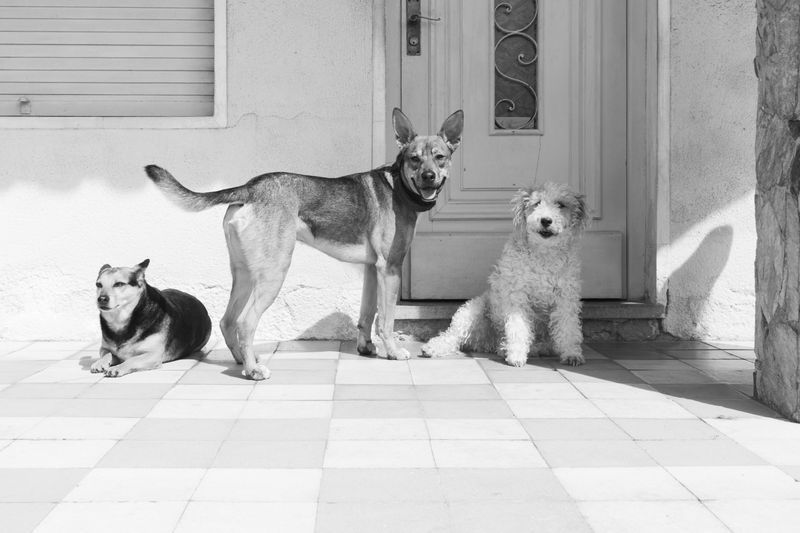
Rules that shift week to week feel like moving targets. One day the couch is fine, the next day it sparks scolding.
Dogs cannot decode exceptions without a pattern to follow. They learn by repetition paired with clear consequences.
When expectations wobble, anxiety rises and pushy behaviors return. Inconsistency does not teach respect, it teaches confusion.
Decide your household boundaries and write them down. Share them with family, roommates, and sitters so the rules stay identical no matter who is home.
Provide alternatives for each no, like a comfy bed instead of the sofa. Reinforce the right choice with praise and treats.
Predictability builds security, which unlocks better manners and calmer energy. Your dog will stop testing and start relaxing.
Punishing after the fact
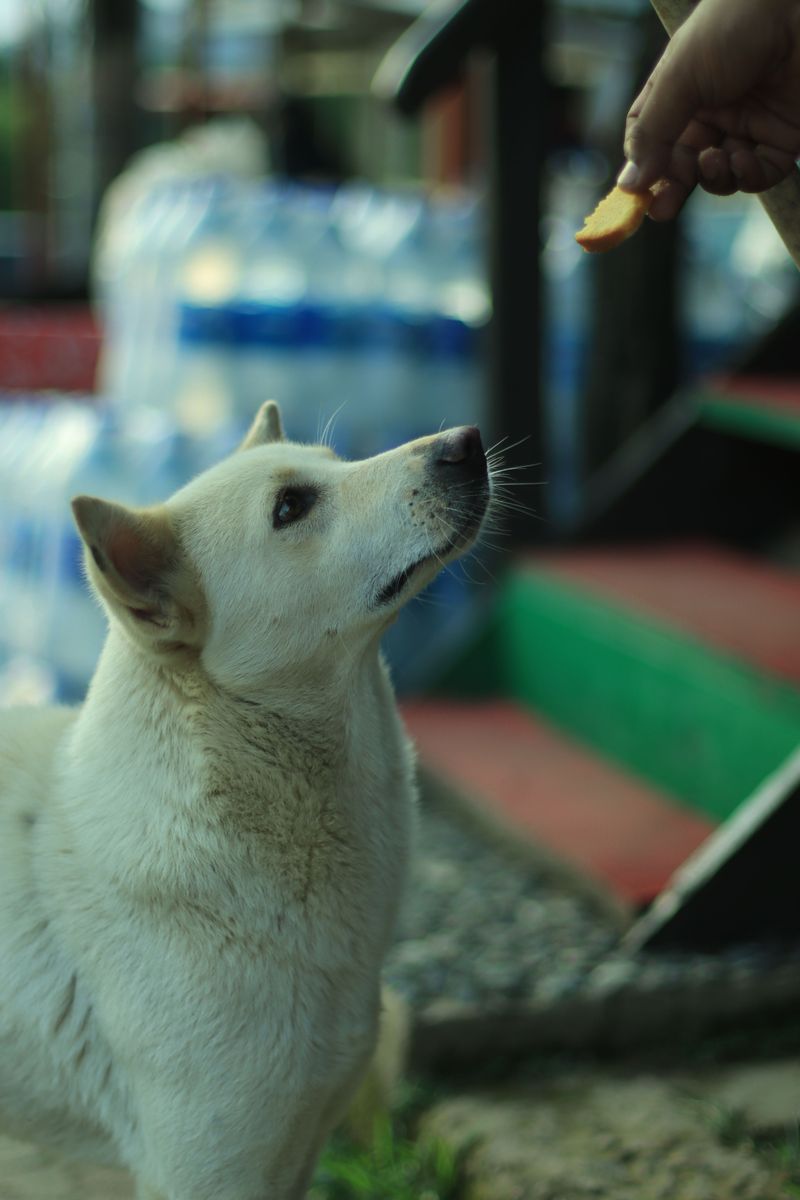
Scolding a dog for a mess discovered hours later teaches nothing about the original act. Dogs connect feedback to what they are doing in the moment.
Pointing, lecturing, or dragging them to the scene only creates fear of you and that spot. The guilty look is appeasement, not admission.
Late punishment damages trust without improving behavior.
Catch the behavior early and redirect instead. Set up management like crates, gates, tethers, and timers to prevent rehearsals.
Reward the right choice every single time so the desired habit grows stronger than the impulse. Clean quietly with enzymatic cleaner to remove odor cues.
Calm, timely guidance beats anger, and it preserves your relationship beautifully. Your dog will learn faster when feedback is immediate.
Skipping socialization

Missing early social experiences can seed lifelong worries. Puppies need gentle exposure to people, dogs, sounds, textures, and handling before fear peaks.
Without guided practice, normal life feels startling, and avoidance or reactivity can blossom. Socialization is not chaos at a dog park.
It is curated, positive, bite sized encounters that build optimism and flexibility.
Create a checklist and move at your dog’s comfort pace. Pair every new thing with treats, play, or distance until curiosity appears.
Keep sessions short, safe, and frequent. Invite friends to feed snacks, and reward calm sniffs around friendly, vaccinated dogs.
Early deposits in the confidence bank pay dividends for years, especially through adolescence and beyond. Start now even if your dog is older today.
Not providing enough mental stimulation
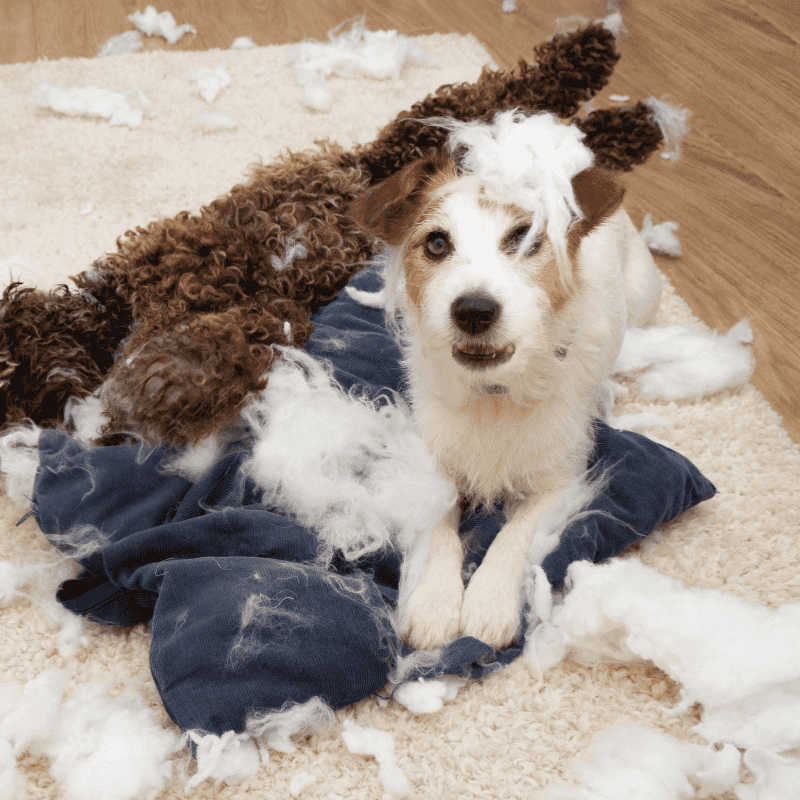
Physical exercise alone will not settle a busy brain. Many dogs crave problem solving, sniffing, and jobs that make sense.
Without outlets, they invent projects like shredding, digging, or nonstop barking. Boredom rarely looks sleepy.
It looks mischievous, mouthy, and relentless because unmet needs keep refueling the engine. Mental work tires dogs faster than sprinting laps.
Rotate puzzle feeders, scent games, training games, and chew sessions daily. Feed part of meals from snuffle mats or frozen Kongs to extend focus.
Teach new tricks that build body awareness and confidence. Scatter search toys in the yard, or hide treats indoors on rainy days.
Twenty thoughtful minutes can transform energy from frantic to fulfilled. You will see calmer behavior for hours afterward.
Expecting too much too quickly
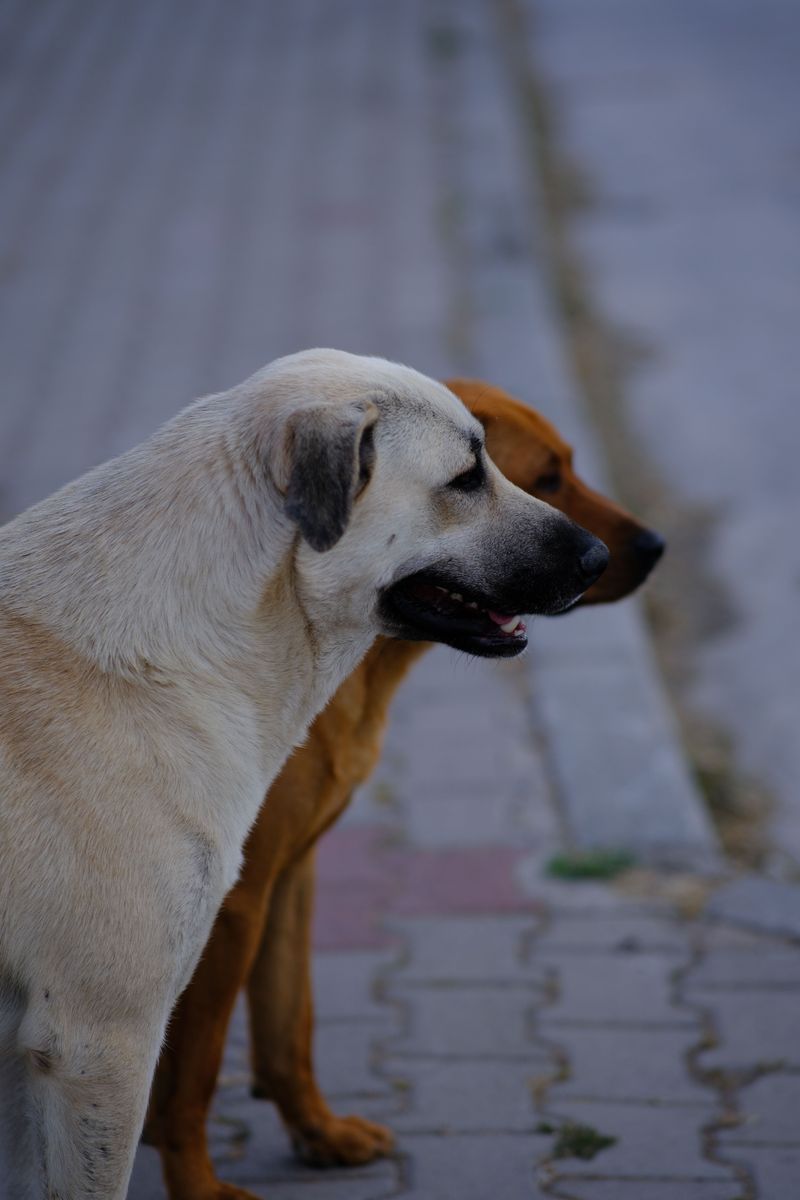
Progress is rarely linear. Dogs need many successful repetitions before skills hold under distraction.
Jumping levels too early looks like stubbornness, but it is simply incomplete learning. We often raise criteria faster than the dog can process.
That pressure creates mistakes, which we then label as defiance. The cycle erodes confidence and slows the whole journey.
Slice tasks thinner and celebrate tiny wins. Practice in quiet rooms first, then add distance, duration, and distraction one layer at a time.
Use generous reinforcement so your dog stays eager to try. When setbacks appear, step back a stage and rebuild fluency.
Patience now compounds later into reliable responses in real life chaos. Your steadiness teaches steadiness, and trust blossoms with repetition daily.
Sending mixed body-language signals
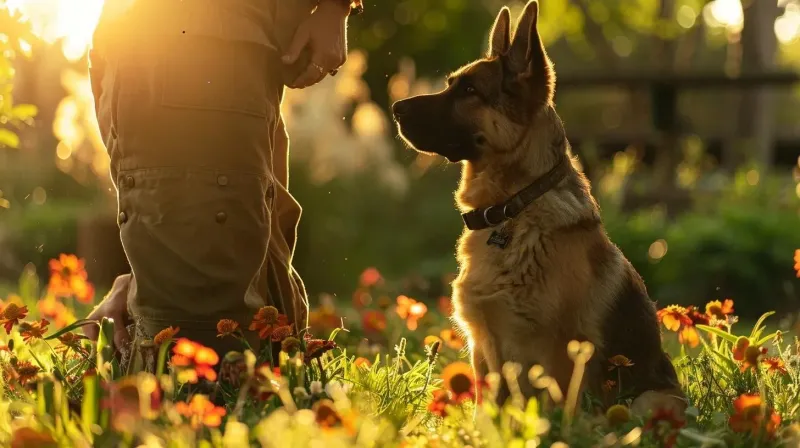
Dogs read posture, timing, and movement more than words. Leaning over, staring, or reaching can feel threatening even while your voice sounds sweet.
Patting fast can amp energy, while slower strokes calm. Smiling teeth can confuse some dogs.
We accidentally say come with words and stay with our feet. Conflicts between body and voice stall learning.
Practice neutral, inviting shapes. Turn sideways, soften your knees, blink slowly, and pat your thigh once to invite approach.
Step backward to encourage movement toward you. Pair clear hand signals with simple cues.
Ask others to mirror your calm style so feedback matches. When your whole body agrees, dogs relax and choose the right answer.
Clarity lowers arousal and speeds learning dramatically for everyone.
Ignoring stress signals
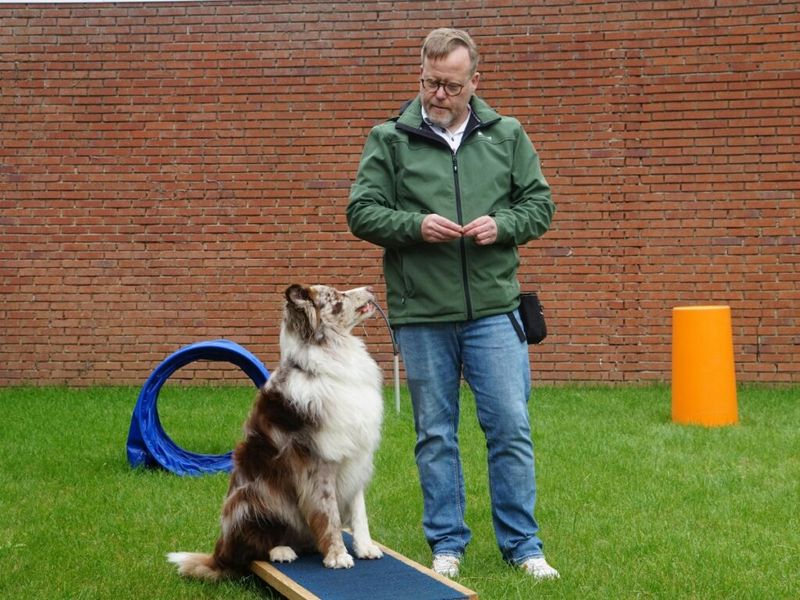
Lip licking, yawning, turning away, sniffing, and slowed movement often mean discomfort. Many people miss these whispers and only notice growls or snaps.
Dogs ask for space long before they escalate. If early signals are ignored, they learn subtlety does not work.
Then bigger warnings appear. Listening sooner protects safety and shows your dog you care.
Scan the environment and your dog’s body often. Create distance, offer sniff breaks, or switch to easier tasks when tension rises.
Teach a Let’s go cue that means follow me to relief. Reward de escalation like head turns, softer eyes, and slower breathing.
Respecting thresholds today prevents explosions tomorrow and strengthens mutual trust. Comfort brings curiosity, which opens the door to learning and growth.
Rewarding unwanted behavior by accident
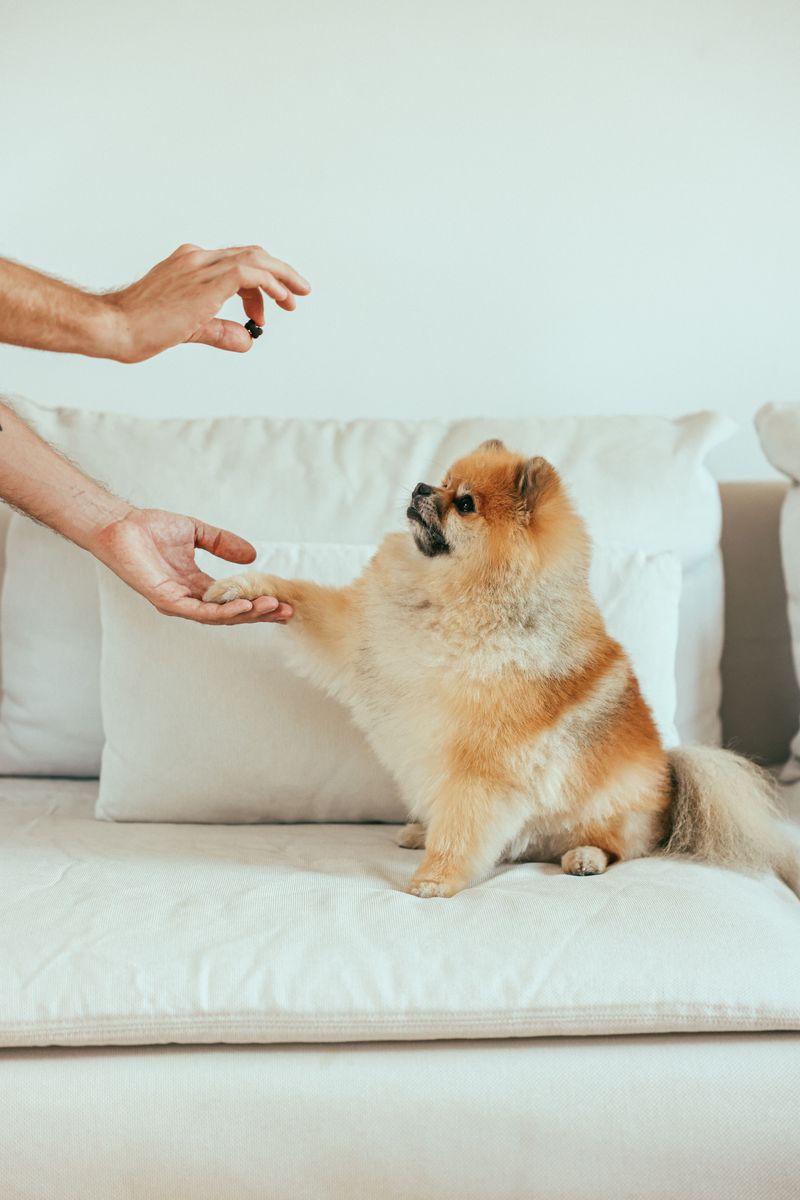
Attention is a powerful paycheck, even when it is scolding. If barking, pawing, or jumping gets you to look, talk, or touch, the behavior wins.
Dogs repeat what works. We often reinforce the very thing we dislike without meaning to.
Payments can be eye contact, laughter, or chasing the dog around. Consequences drive choices, not intentions.
Decide what you want instead and pay that generously. Turn away from jumping, then reward four feet on the floor with treats or attention.
Go silent for barking, but feed calm quiet or a settled mat. Manage space and practice with friends, so your timing is fast and fair.
Behaviors grow where reinforcement flows consistently. Your calm plan will reshape habits quickly and kindly.
Inconsistent daily routines
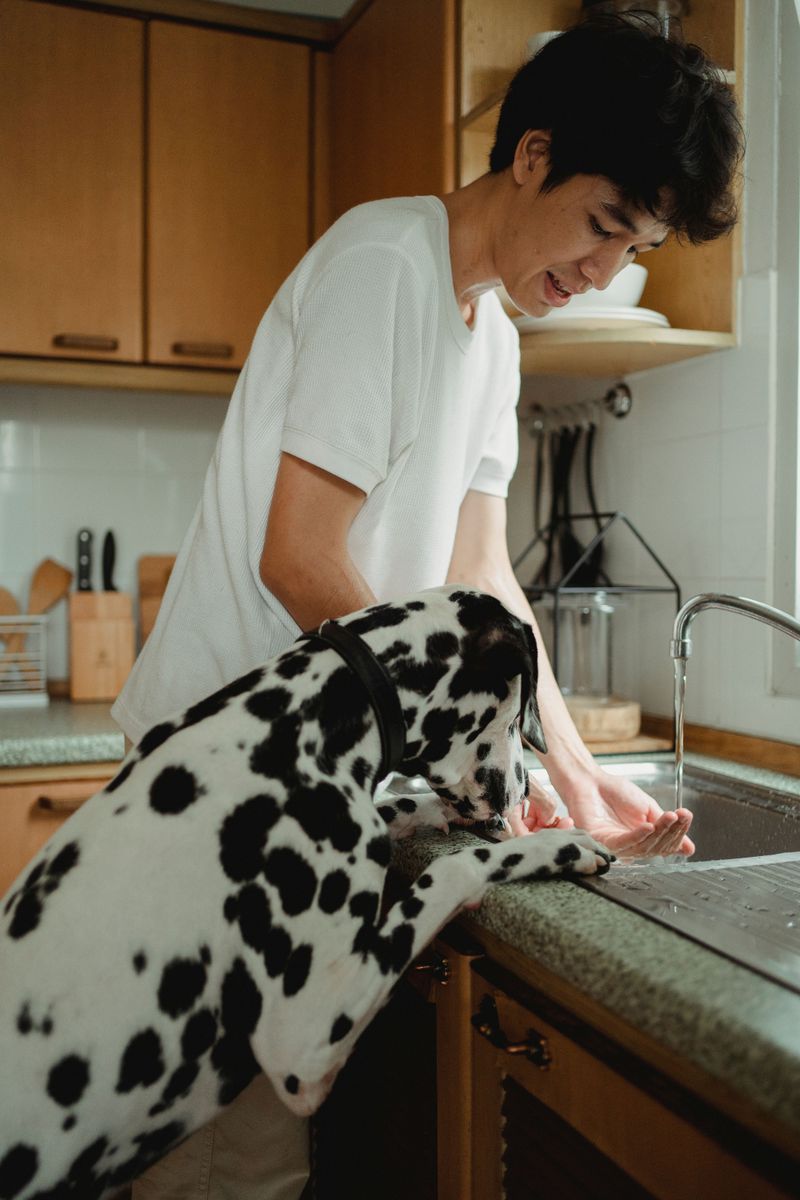
Unpredictable schedules make needs hard to meet. When mealtimes, walks, and potty breaks change daily, stress builds and accidents creep in.
Dogs relax when they can forecast what happens next. Routine is not boring.
It is a safety net that steadies energy and sleep. Without structure, training stalls because the basics are never comfortably handled.
Anchor the day with predictable touchpoints. Feed at set times, schedule relief breaks, and plan movement blocks matched to your dog’s age.
Protect naps like appointments. Keep a simple tracker so everyone stays aligned.
Structure shrinks uncertainty, which reduces barking, restlessness, and pacing. Soon you will notice easier focus and smoother behavior across the board.
Consistency frees mental space for learning and bonding each day.
Overusing verbal corrections
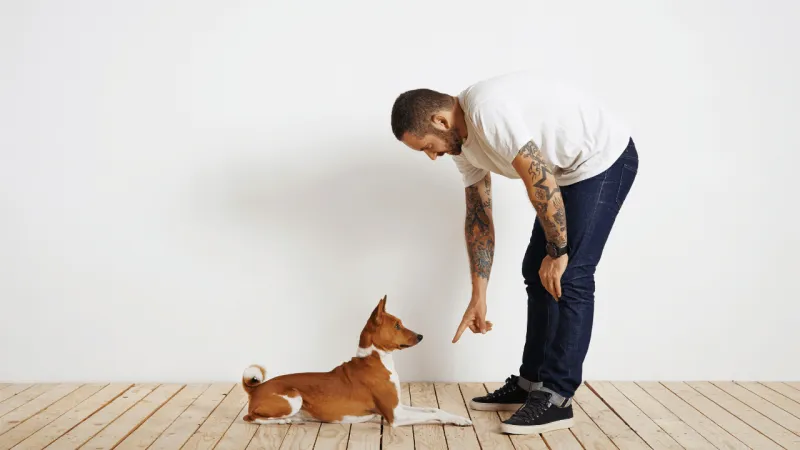
Too much no turns into background noise. Frequent scolding can sour the relationship and teach avoidance instead of choices.
Dogs get better results when told what to do, not just what to stop. Constant chatter also masks our timing.
Clear, brief information paired with reinforcement cuts through the static. Fewer, smarter words protect motivation.
Name the right behavior and reward it generously. Teach alternate skills like go to mat, drop, or leave it, then pay them in real life.
Use interrupters sparingly, then guide toward a yes. Practice silence, mark the instant of success, and deliver reinforcement quickly.
Positive clarity builds reliability without constant conflict or nagging. Your voice becomes meaningful again, and your dog listens with joy and confidence.
Neglecting rest and recovery

Overtired dogs act wild, mouthy, and unfocused. Just like kids, they melt down when sleep debt grows.
Puppies and active breeds often need much more downtime than owners expect. Muscles, joints, and brains repair during rest.
Without recovery, stress hormones linger and sensitivity spikes. Training fails not from lack of effort, but from lack of sleep.
Build a sleep friendly routine. Protect quiet zones with crates, pens, or bedrooms, and coach children to let dogs be.
Insert decompression walks and calm chewing after exciting outings. Cap intense sessions and alternate hard days with easy days.
Support bodies with balanced nutrition and regular vet care. Rested dogs learn faster and behave better.
Your home will feel calmer and more predictable too.