
Some dogs are masters at hiding when something feels off, and that can leave you guessing until small problems become big ones. The good news is that subtle tells are there if you know where to look.
From stoic workers to lovable clowns, each breed has its own quiet signals and care tweaks that make a real difference. Let’s spot the whispers early so your best friend stays happy, comfortable, and ready for life’s next adventure.
Labrador Retriever
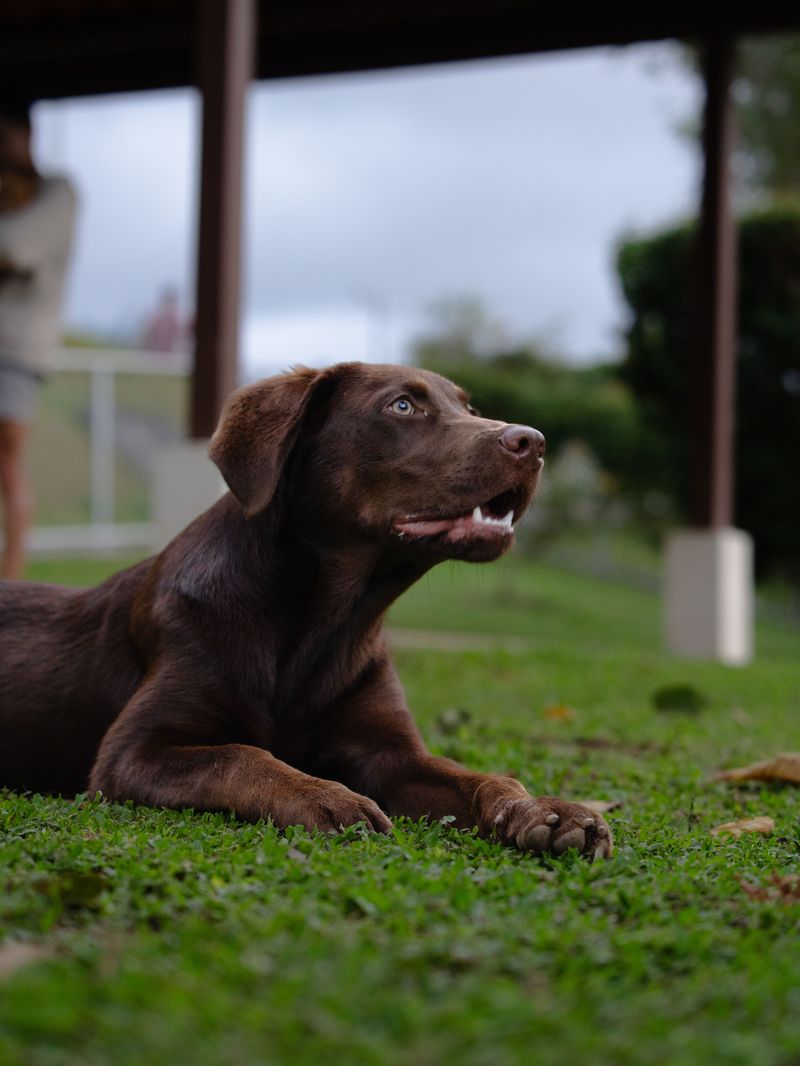
Labrador Retrievers are famously cheerful, which makes it easy to miss subtle discomfort. Many keep playing through sore joints, skin flare ups, or ear infections, flashing that classic grin.
Watch for slowed fetch returns, brief head shakes, a tighter wag, or pausing at stairs. Those tiny changes whisper that something hurts, even when the tail keeps moving.
Because Labs love food and people, they often hide aches to stay near the action. Build soft surfaces, keep nails short, and manage weight to protect hips and elbows.
Learn their baseline stride and sit so you notice small deviations. Gentle massage, low impact exercise, and routine vet checks help enormously, letting that happy spirit shine without pushing through pain.
Golden Retriever
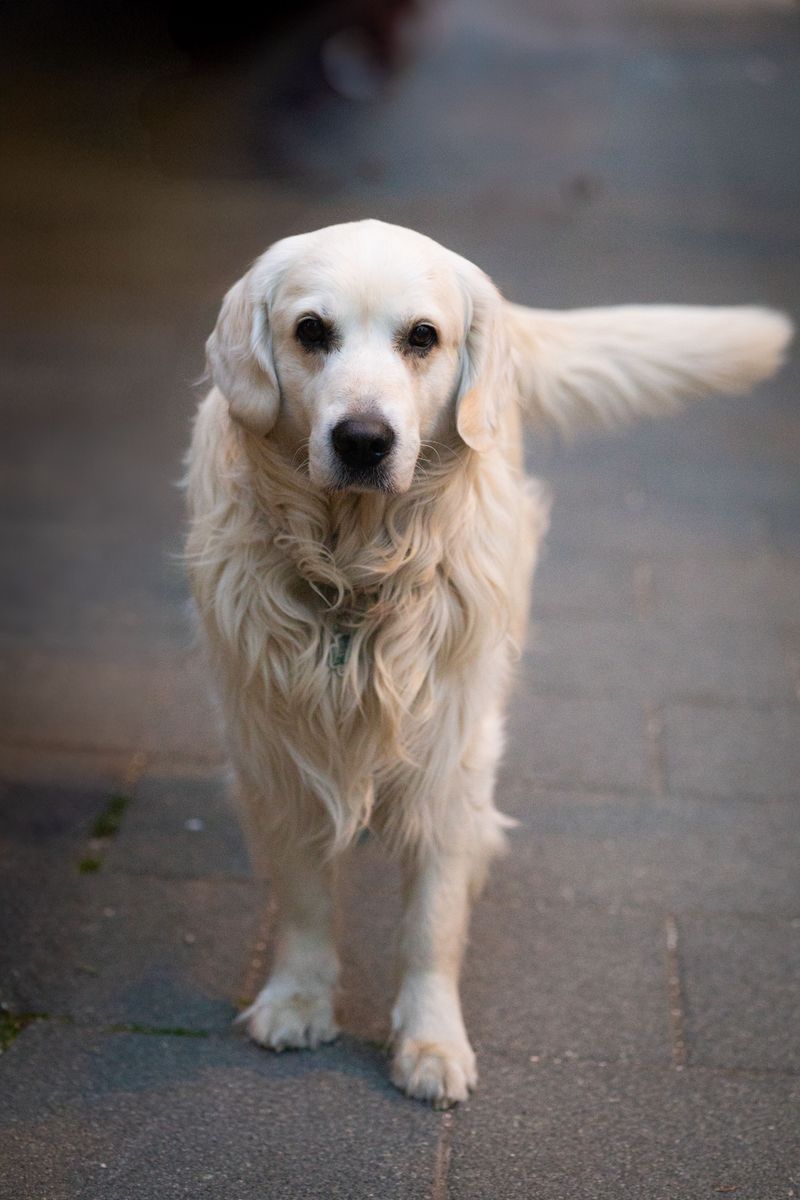
Golden Retrievers radiate sunshine, which can hide nagging soreness or anxiety. They may greet you with a toy while quietly favoring a paw or stiffening their lower back.
Look for shortened strides, lip licking after jumping off the couch, or settling down more quickly than usual. A soft sigh, a slower shake off, or repeated paw chewing can be their polite way of asking for help.
Keep coats brushed to spot skin hot spots early, and use non slip rugs around corners. Moderate fetch with swim days to spare shoulders.
Teach a relaxed settle so they do not overwork during playdates. Regular dental checks, joint supplements, and mindful weight keep that gentle heart comfortable without needing to pretend everything is fine.
German Shepherd
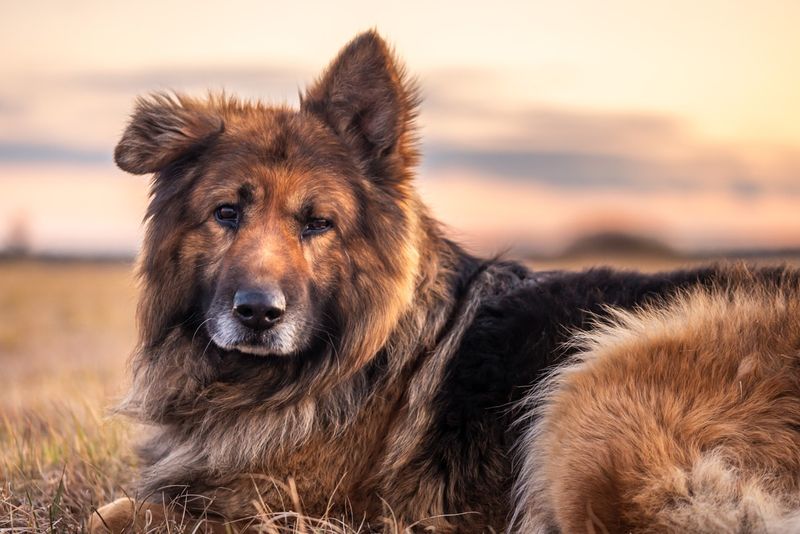
German Shepherds are stoic workers, bred to push through pressure. That drive can cloak hip twinges, digestive upset, or paw cracks until they become bigger problems.
Notice subtle pacing at night, slower sits, or bunny hopping up stairs. If their ears pin briefly when you touch a flank, or the tail drops during turns, discomfort is likely knocking.
Channel their brains with scent games and controlled heelwork rather than endless ball chasing. Use traction mats, core strengthening, and consistent warm ups before agility.
A well fitted harness protects the neck on urban walks. Track bowel habits and appetite, since stress sensitive stomachs often whisper before they shout.
Early action keeps your vigilant partner comfortable while still feeling purposeful.
Rottweiler
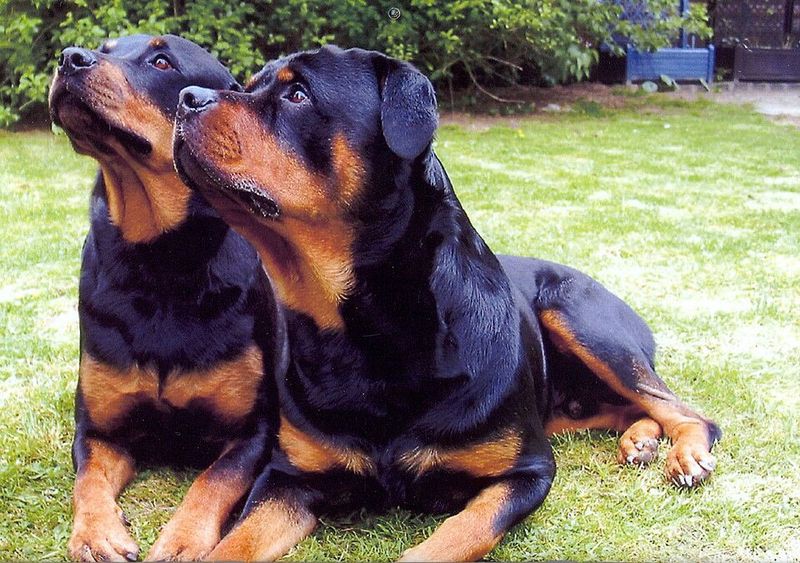
Rottweilers are tough and dignified, which can make early pain signs easy to overlook. Many will square up proudly, tolerating discomfort in silence.
Watch for a narrower stance, slower pivots during play, or a brief hesitation before jumping into the car. A quick head turn when you brush a shoulder or a grunt on lying down can be valuable clues.
Keep muscle mass with controlled strength work and low impact cardio. Nail care, rear end awareness games, and orthopedic beds protect aging joints.
Train a calm wait so they do not slam through doors. Regular vet screenings for cruciate and elbow issues matter.
Attentive tweaks let that steady temperament stay confident without needing to bottle up the aches.
Boxer
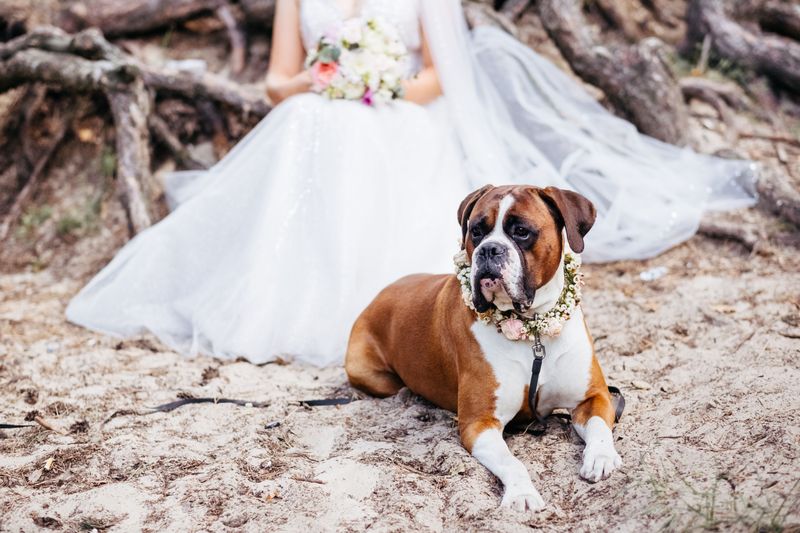
Boxers are clowns with engines that rarely idle, so they often gloss over aches. You might see zoomies right after a collision, then a sudden pause later.
Look for shallow jumps, skipping a stride, or slow sit to down transitions. Repeated licking at the chest or paw, or a stubborn refusal to settle after play, can hint at brewing discomfort.
Swap marathon fetch for sniffy walks and puzzle feeders to drain excitement without pounding joints. Watch heat and humidity, since their short muzzles tire fast.
Build core strength with wobble boards and gentle hill work. Keep nails trimmed and traction steady on sleek floors.
A little structure preserves that goofy sparkle without forcing them to pretend everything is great.
Siberian Husky
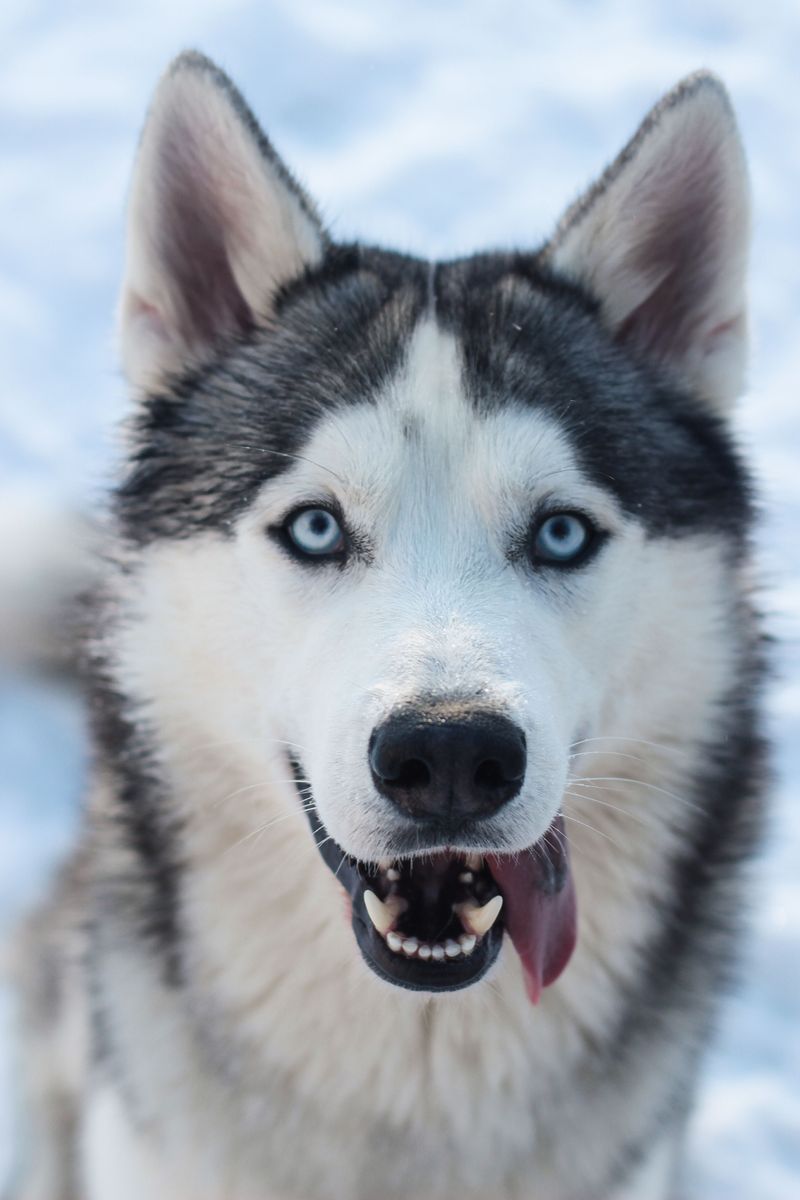
Siberian Huskies are elegant endurance machines, and they will trot through aches with theatrical bravado. Many sing the song of their people about boredom, not pain, which confuses things.
Watch for shortened rear drive, a stiffer back, or a quieter tail carriage after big runs. Subtle snow angel rolling or repeated scratching at one spot can also signal brewing issues.
Protect feet from ice balls and hot pavement, and manage harness fit carefully. Rotate high output days with decompression sniff walks.
Add rear end stability work, and teach a thoughtful warm up routine before canicross. Hydration, coat care, and regular dental checks matter.
Catching whispers early keeps that sparkly mischief alive without asking them to grit through discomfort.
Border Collie
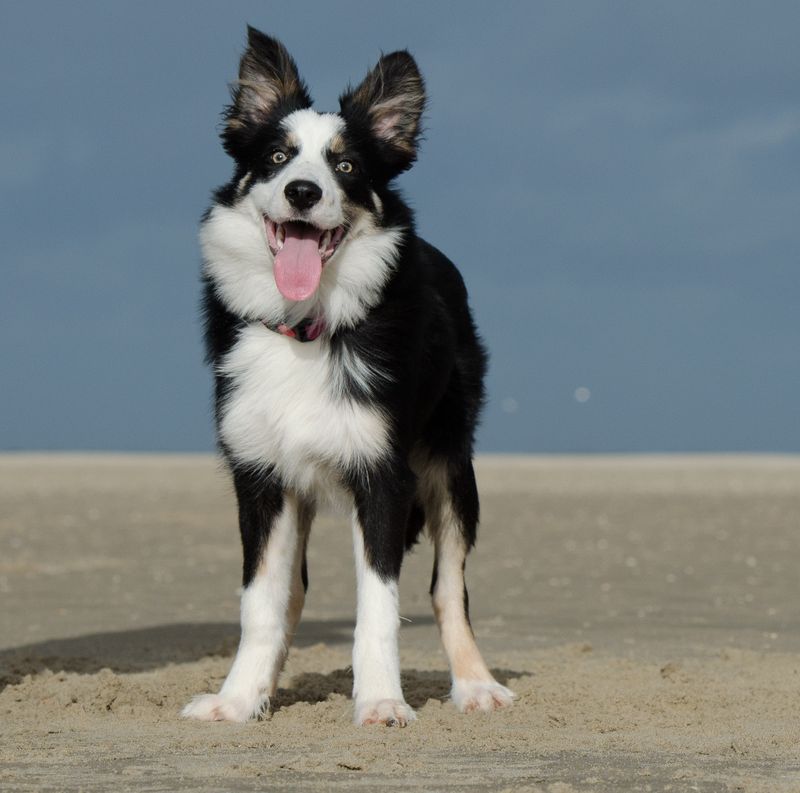
Border Collies are brilliant and busy, and that sharp focus often overrules bodily whispers. They may nail a task while quietly bracing a shoulder or locking their back.
Look for tight turns becoming wider, dropping bars in agility, or delayed downs. Eye softness changing to a squint, or a tongue flick when you touch a hip, deserves attention.
Replace repetitive ball throws with varied scent games and shaping sessions. Build symmetry with cavaletti, backing up, and controlled spins both directions.
Schedule off days like an athlete. Teach a true off switch so arousal does not mask pain.
With thoughtful routines and keen observation, you can protect that incredible work ethic without letting discomfort hide behind enthusiasm.
Australian Shepherd
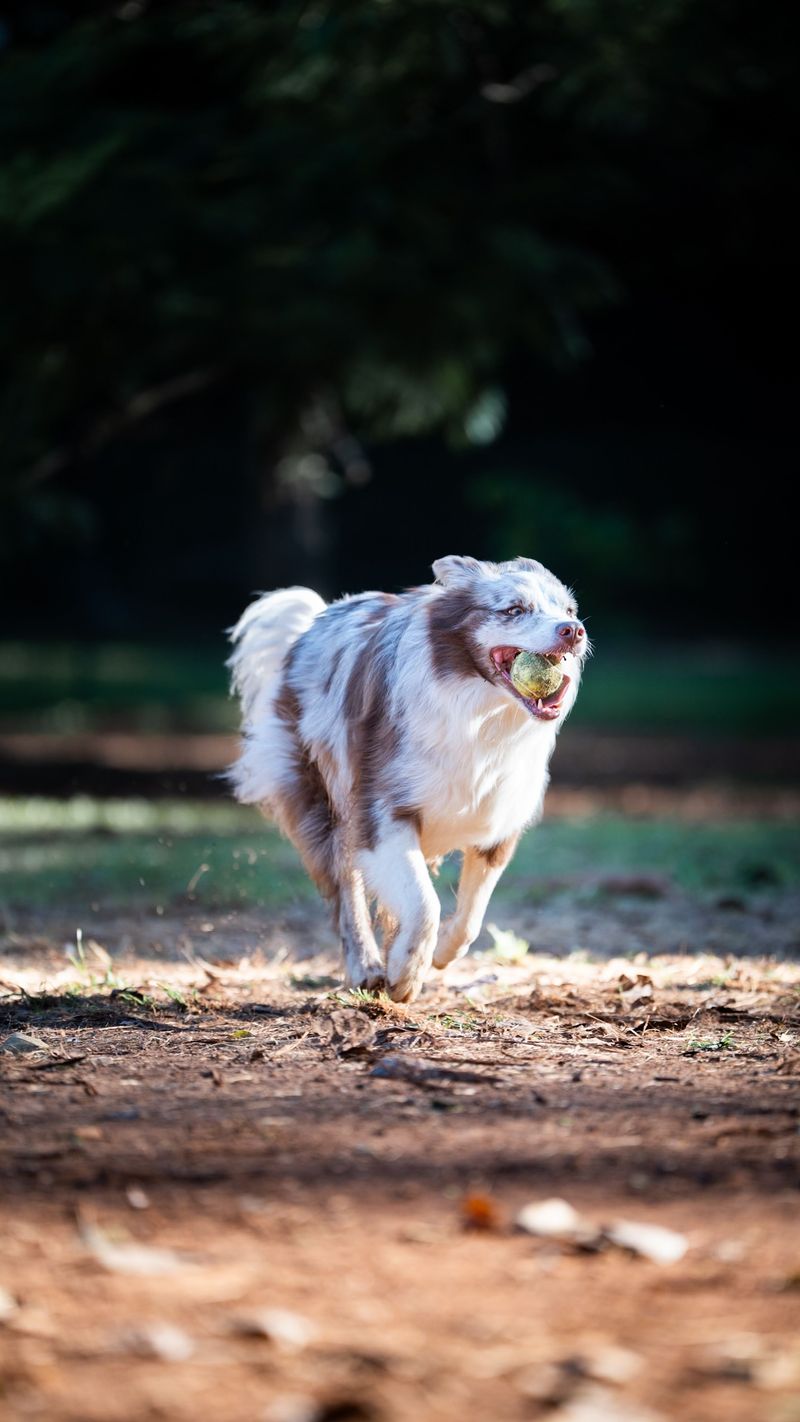
Australian Shepherds mix athleticism with big feelings, so they can power through twinges while grinning. Many will herd shadows or chase frisbees even when something pinches.
Notice slower crouches, early fatigue on tight circles, or a reluctant down. A twitch when you brush the flank, or a quick shake after landing, can be that subtle red flag.
Give brain work through trick training and nosework, not just fetch. Use traction mats, balance discs, and planned decompression days.
Keep grooming regular to catch foxtails, burrs, and skin irritation under that coat. Warm up before high jumps and cool down afterward.
Thoughtful structure lets their sparkle stay bright without needing to mask discomfort behind endless motion every single day.
Beagle
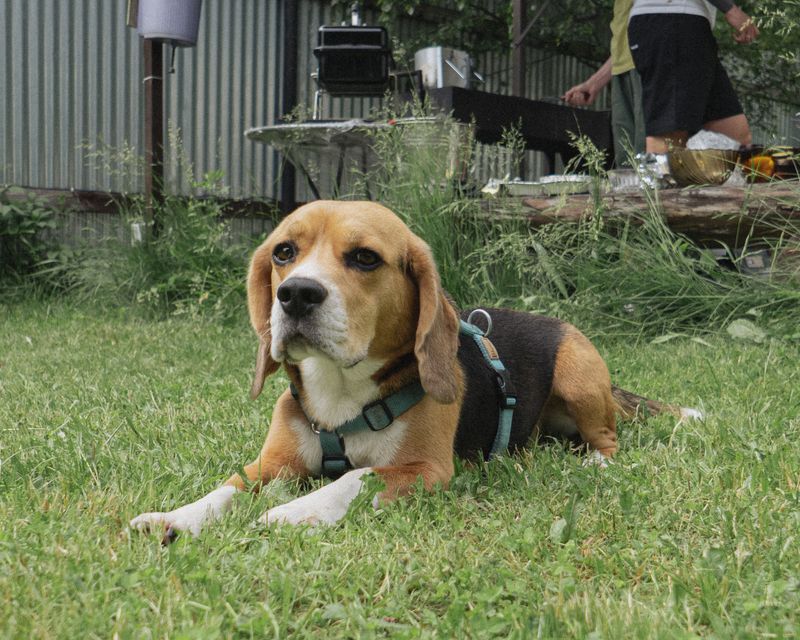
Beagles are merry and nosy, often following a scent long after their body says pause. That determination can cover ear pain, sore paws, or a tight back.
Notice a lower tail, reluctance to jump into the car, or extra shaking after walks. If sniffing seems frantic instead of curious, or they sit crookedly at rest, discomfort may be steering the show.
Guard ears from infections with regular checks and gentle drying. Swap marathon tracking for shorter, richer scent puzzles.
Keep nails tidy, manage weight carefully, and build core strength with slow hill work. Harnesses protect necks from sudden sniff stops.
With a little structure and consistency, your cheerful hound can feel great without needing to hide little aches.
Newfoundland
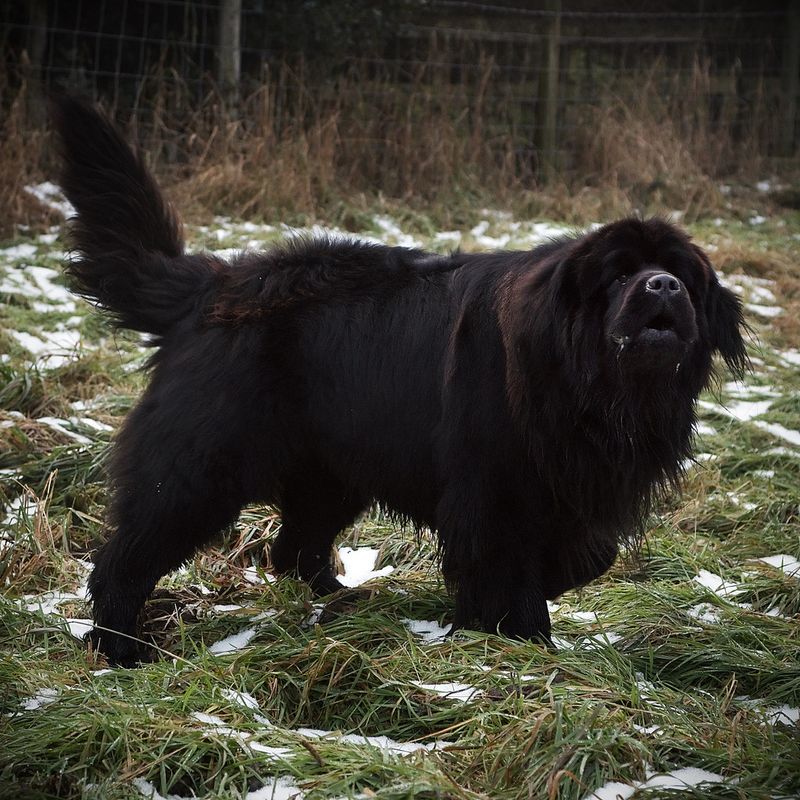
Newfoundlands are gentle giants who prefer calm waters to complaints. That stoic sweetness can disguise joint strain, skin irritation, or heat stress.
Watch for slower risings, a shortened swim stroke, or a reluctance to climb stairs. If they pant earlier than normal or groan softly when settling, assume their body is asking for a kinder plan.
Keep them cool with shade, fans, and strategic swim sessions. Maintain coat care to prevent hot spots and matting that tugs skin.
Use non slip surfaces, supportive beds, and slow strengthening exercises. Break big tasks into smaller ones, and keep greetings low key.
Respecting thresholds lets your bighearted lifeguard stay comfortable without needing to swallow discomfort to keep everyone smiling.
Great Dane
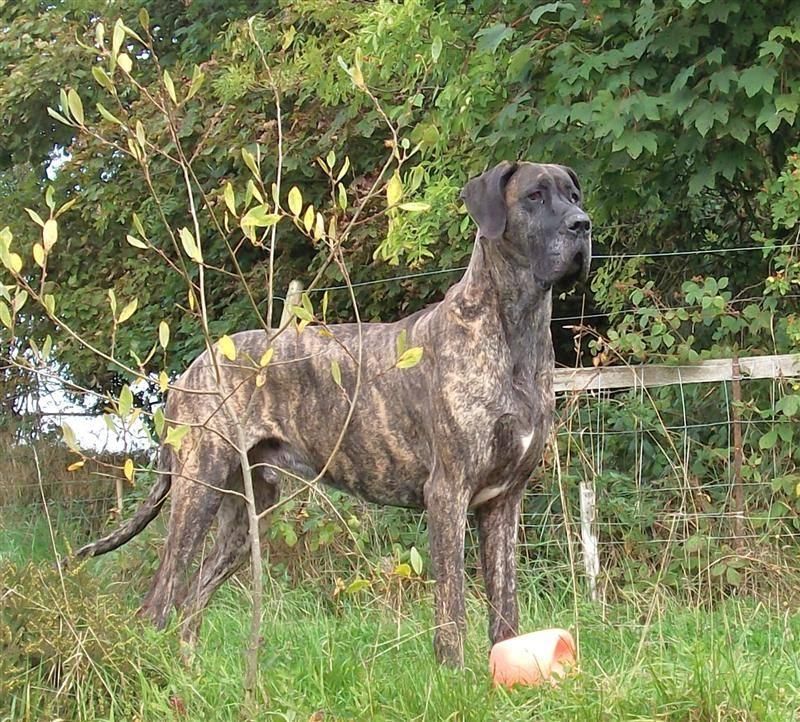
Great Danes wear elegance like a tuxedo, and many quietly tolerate discomfort to keep the peace. Long legs and rapid growth can strain joints and feet.
Watch for shortened steps, slower turns on slick floors, or parking instead of sitting. Drooling more than usual, burping, or restlessness after meals can flag brewing tummy issues that deserve swift attention.
Prioritize slow feeding, raised bowls used thoughtfully, and calm routines to reduce bloat risk. Lay down runners, keep nails short, and build strength with short, frequent walks.
Use supportive bedding and gentle stretching. Teach polite greetings that spare joints.
With steady care and early checks, your regal friend can feel comfortable without needing to hide those long limbed aches.
Chow Chow
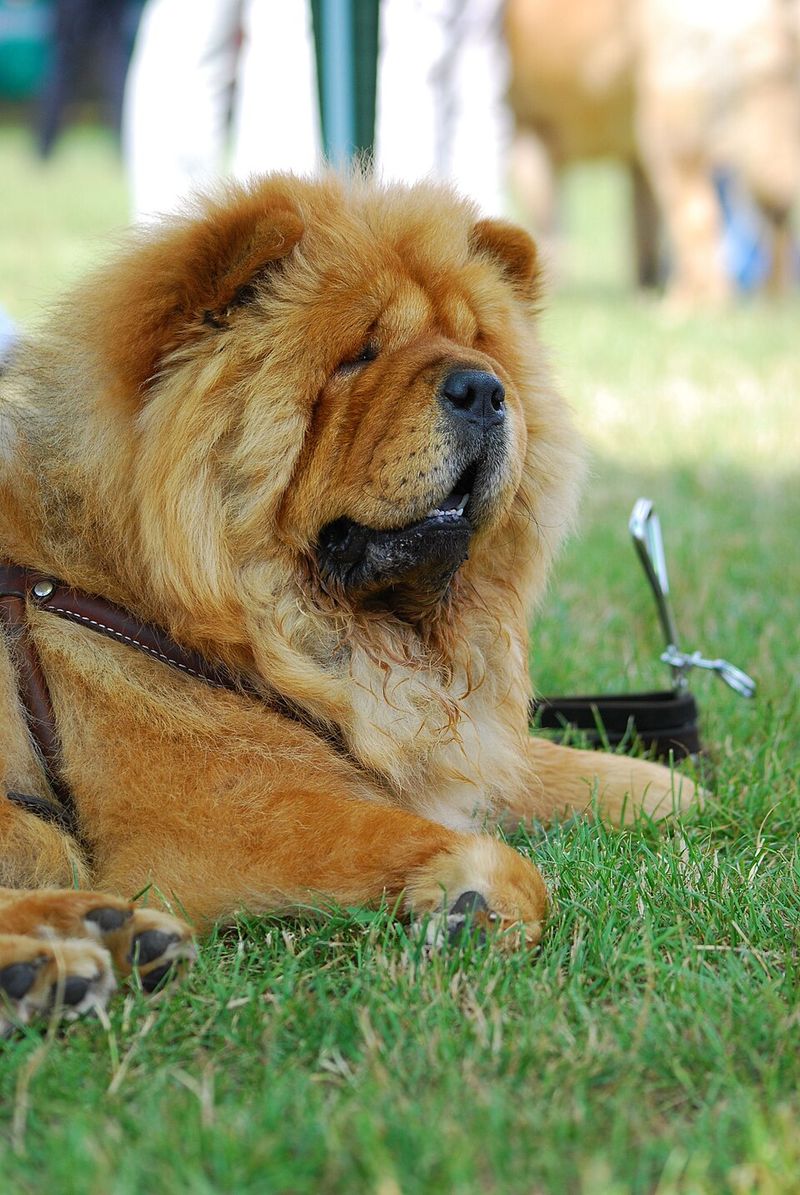
Chow Chows can be reserved and proud, communicating discomfort with subtlety and distance. They may freeze instead of flinch, or refuse contact rather than complain.
Look for a tighter gait, a tucked tail in unfamiliar spaces, or a small head turn when touched. Sudden reactivity to grooming or harnessing can be a low key plea for space and a softer plan.
Patience wins. Pair handling with high value treats and choice, moving at their pace.
Keep grooming gentle, equipment well fitted, and environments predictable. Teach cooperative care behaviors like chin rest and paw target.
With steady respect, you earn trust, spot issues early, and support wellbeing without battles, which is exactly what these dignified companions need.
Basenji
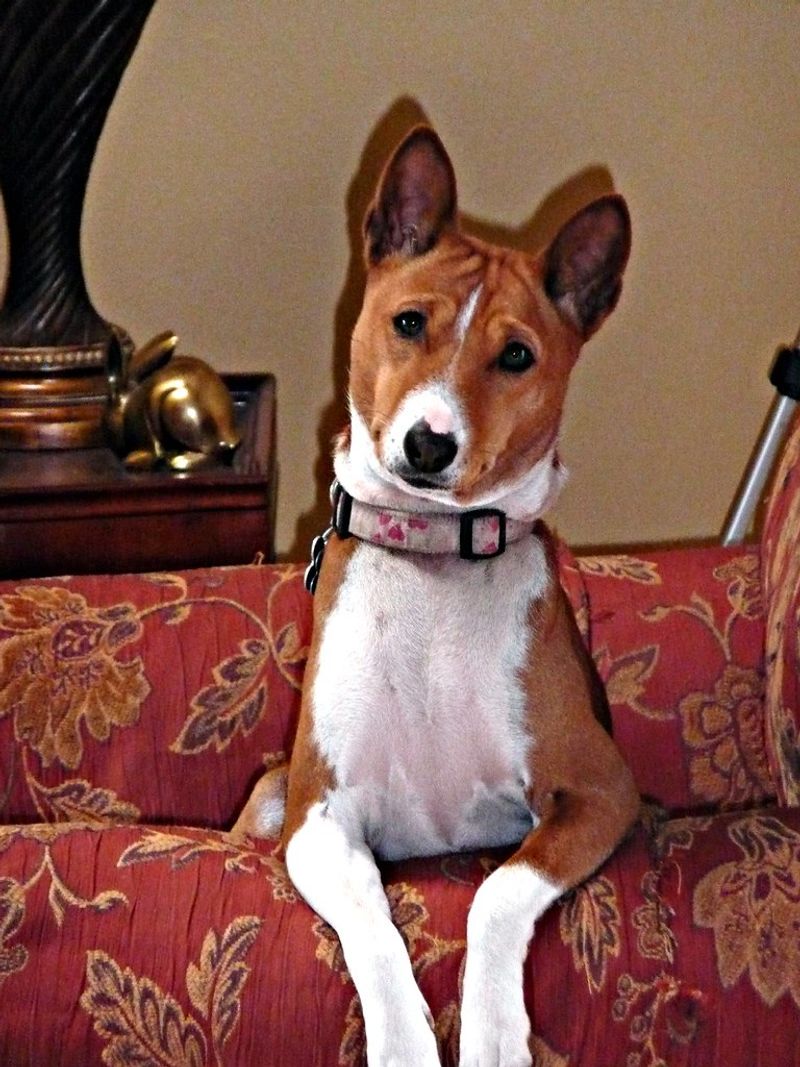
Basenjis are clever, catlike, and sensitive to pressure, so discomfort often shows as aloofness. They rarely yodel about pain, reserving voice for mischief.
Watch for subtle gait changes, a reluctance to jump up, or excessive self grooming. If they sidestep your hands during harnessing, or stare into the distance after play, take it as a request for slower, kinder handling.
Patience, choice, and predictability make the difference. Teach cooperative care with start buttons, and reward consent generously.
Use well fitted gear, keep nails tidy, and reduce repetitive impact. Rotate enrichment to avoid boredom related zooms.
When you listen closely and move thoughtfully, these brilliant non barkers meet you halfway, making comfort and trust the center of your routine.
Shiba Inu
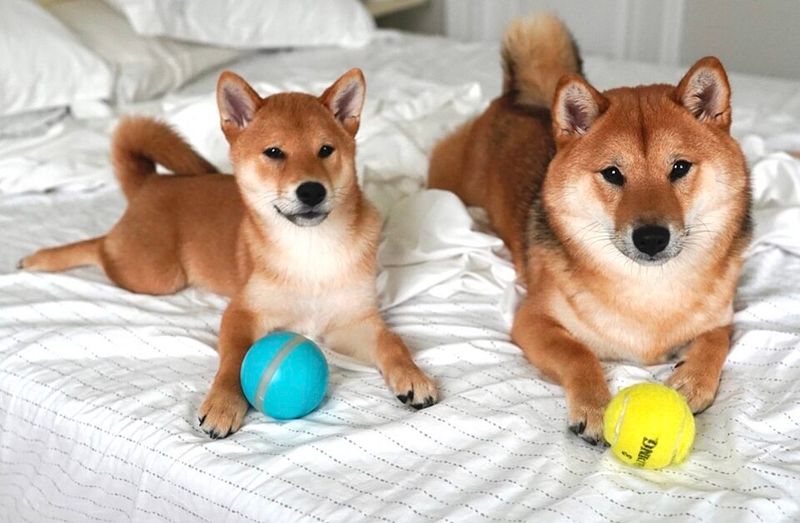
Shiba Inus are independent, dramatic about preferences, and understated about pain. A side eye or strategic avoidance often replaces overt signals.
Look for slower stairs, stiffer turns, or a sudden dislike of being picked up. If grooming triggers quick air snaps or whale eye, consider body discomfort before assuming stubbornness.
They are communicating, just not with a loudspeaker.
Patient, choice based care matters. Introduce equipment gradually, pair touch with treats, and let them opt in.
Keep surfaces grippy, nails short, and routines predictable. Use enrichment that rewards thinking instead of endless sprinting.
When you respect boundaries and notice small shifts, your spirited fox can stay comfortable while trusting you to advocate for their needs every single time.