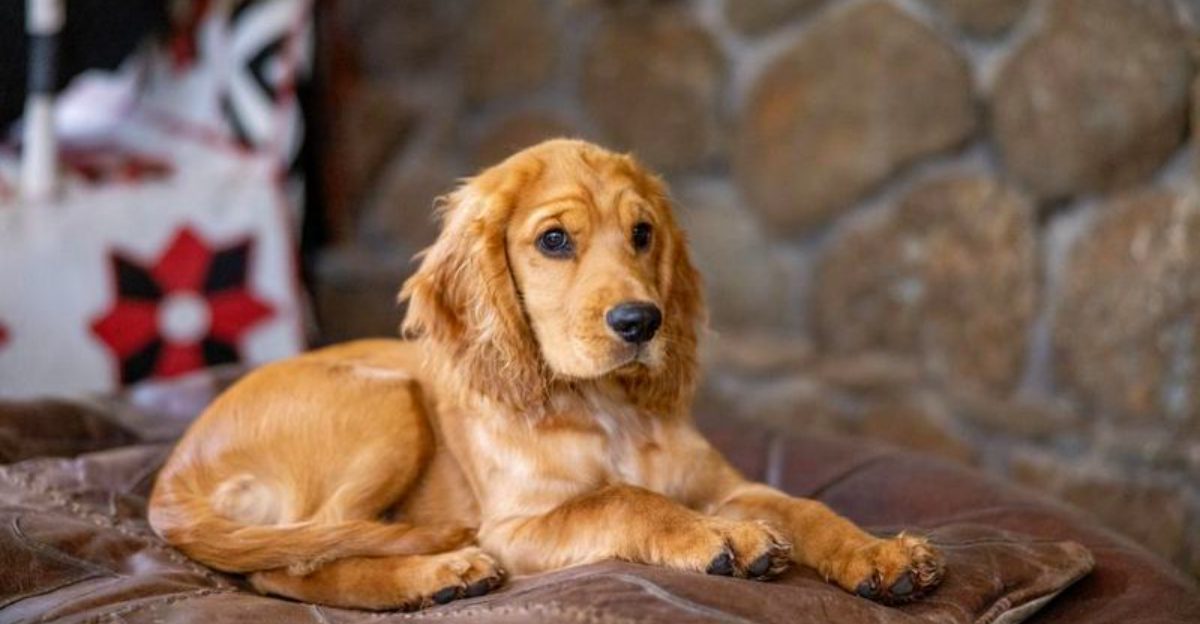
Some dogs treat the mail carrier like a long lost friend, while others pause and size things up first. Knowing which breeds lean friendly and which prefer a quick check keeps deliveries smooth and stress free.
With the right training and a little preparation, even excitable greeters can learn perfect door manners. Let us walk through the breeds most likely to wag hello, plus the two who may choose to investigate before offering a welcome.
Labrador Retriever
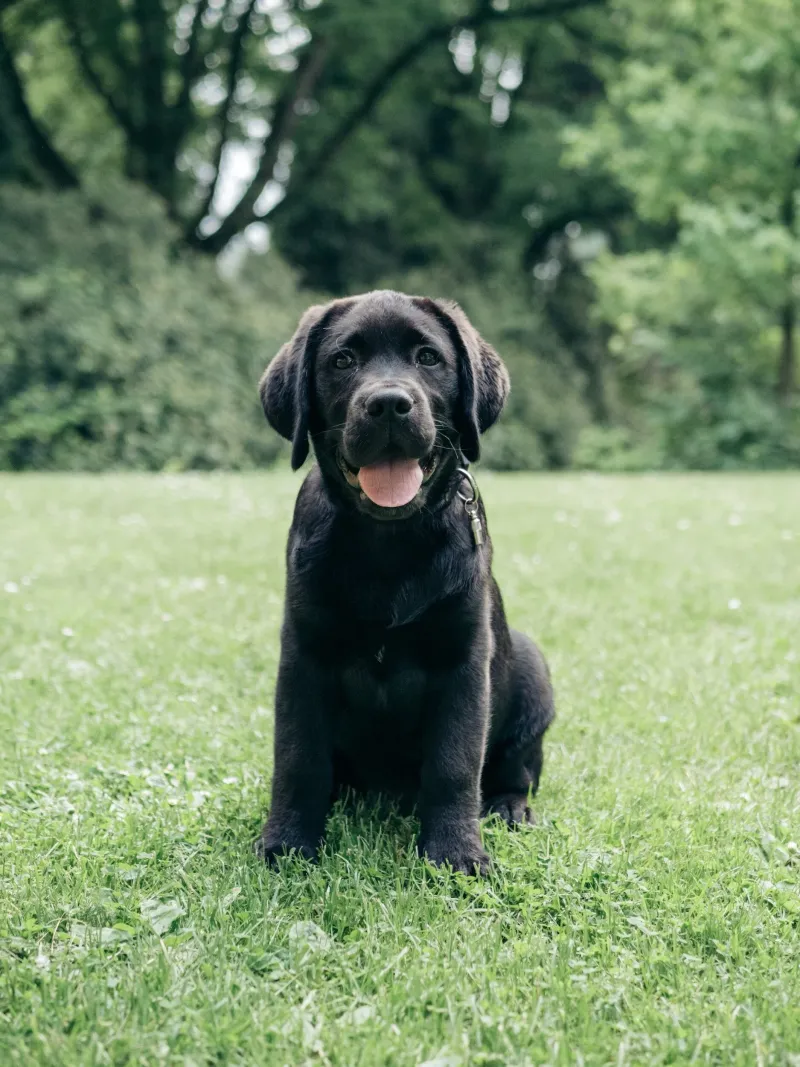
Labs are the classic friendly face at the door, tail moving like a metronome. With people focused optimism and food motivation, they usually see the mail carrier as a potential buddy.
Give yours a quick sit cue before opening, and you will watch polite enthusiasm replace bouncing.
Daily exercise and a job to do keep greetings calmer. Fetch sessions, scent games, and structured walks burn off that rocket energy.
Socialize early with friendly delivery folks so the uniform, bag, and footsteps predict snacks and praise instead of mystery.
Labs shed and slobber a bit, so keep a towel by the entry. A front clip harness helps manage doorway zoomies.
With consistency, your Lab becomes the cheeriest greeter on the block, charming even hurried carriers.
Golden Retriever
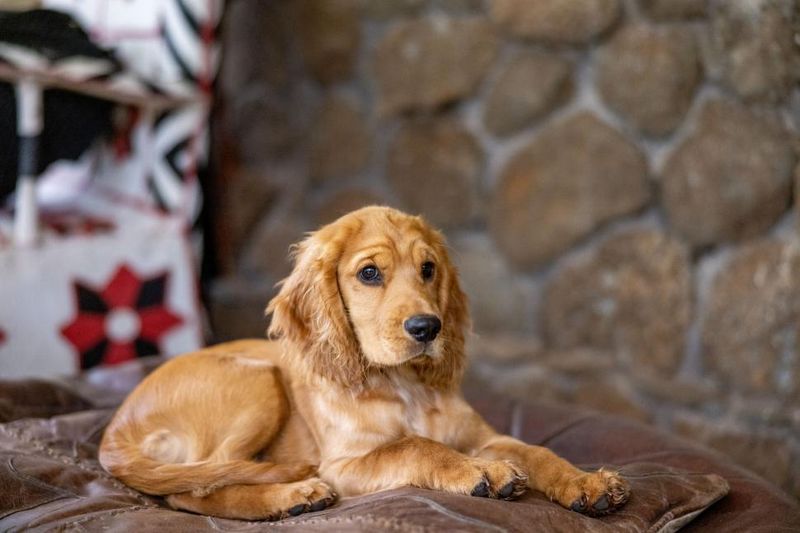
Goldens are sunshine in dog form, and that warmth shows at the door. They are social butterflies who tend to believe every visitor is a future friend.
Before deliveries, practice a calm sit and stay on a mat so the happy wiggles have a place to land.
These sweethearts thrive on routines that blend exercise, training, and gentle boundaries. Use a leash at first, reward quiet eyes and loose bodies, and let the carrier offer a treat with permission.
Repetition turns the door into a predictable, low drama moment.
Regular brushing keeps that glorious coat under control, especially during shedding bursts. Goldens want to please you, so clear cues matter.
With guidance, you will have a gold standard greeter every afternoon.
Beagle
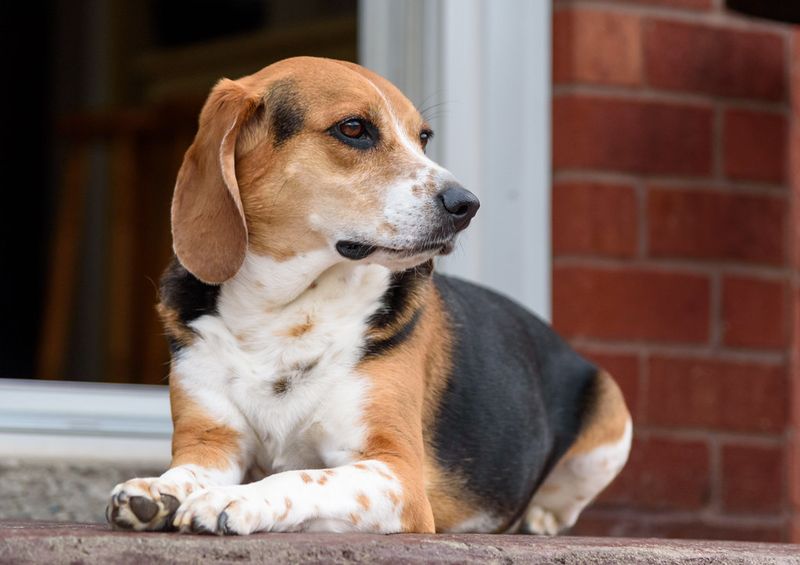
Beagles greet with their noses first and their hearts immediately after. Expect enthusiastic sniffing and that signature musical voice if arousal gets high.
Teach a quiet cue and redirect excitement to a sniffy scatter of treats on a welcome mat.
Because scent is their superpower, turn mail time into a mini nose work game. Hide a treat pouch by the door and release them to search only after a sit.
The carrier becomes part of the fun routine instead of a surprise intruder.
Regular walks and scent games reduce pent up energy that can fuel baying. A lightweight harness gives you leverage without pressure.
With patience and structure, your Beagle will wag at deliveries and sing less about them.
Boxer
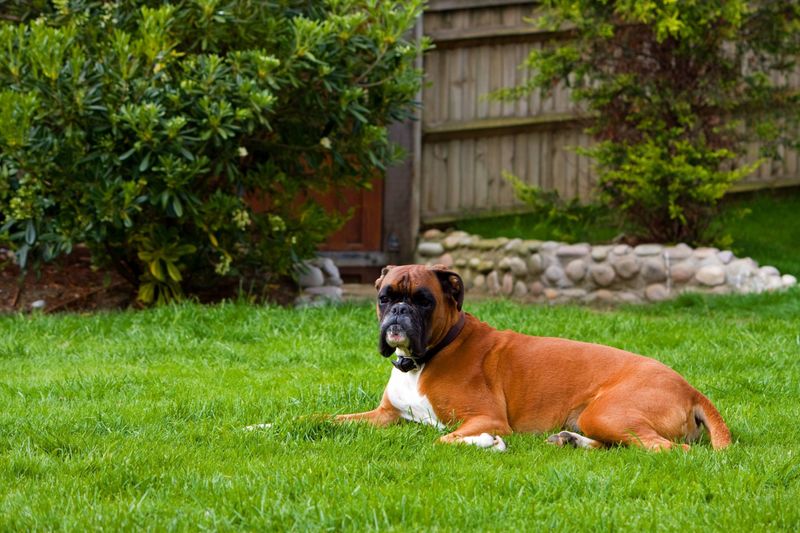
Boxers are clownish charmers who often bounce into greetings like it is game time. Channel that zest with a reliable sit and hand target before the door opens.
Let the carrier wait a beat so your dog can collect those wiggly beans.
Short, fun training bursts keep a Boxer’s brain engaged. Practice impulse control with doorbell drills, then reward calm bodies with attention.
A flirt pole session or brisk walk earlier in the day helps take the edge off their spring loaded energy.
They are sensitive, people loving dogs who respond to upbeat coaching. Keep sessions brief, clear, and rewarding.
With a little structure, your Boxer will beam at the mail carrier without bowling anyone over.
Cavalier King Charles Spaniel
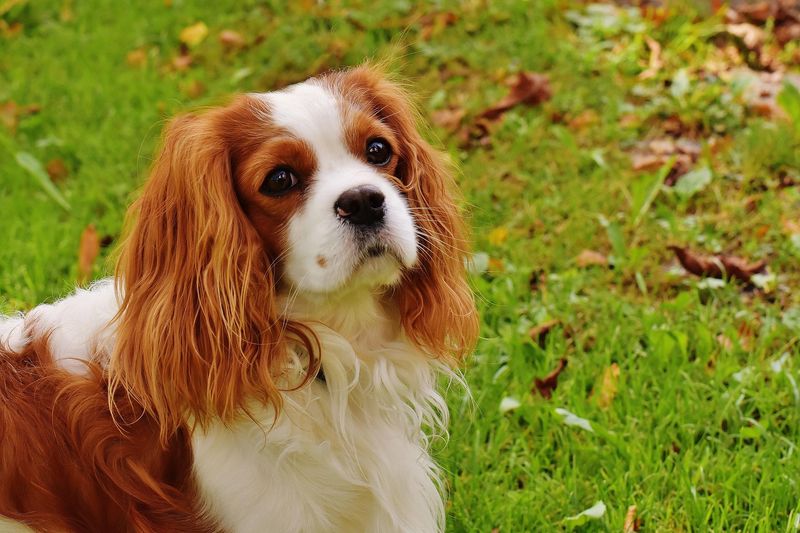
Cavaliers are professional cuddlers who usually see visitors as new lap opportunities. That soft nature makes friendly mail greetings easy to shape.
Ask for a perch on a mat or ottoman so hello time is cozy and contained.
They read your tone closely, so speak calm and cheerful. Reward settled eyes, relaxed ears, and quiet tails.
If your carrier is comfortable, a gentle chin scratch can become the highlight of each route, turning arrivals into a predictable routine.
Because Cavaliers can be sensitive, keep training kind and simple. Short walks plus sniff breaks meet their needs without over arousing.
With consistency, your Cavalier will host the sweetest mail call welcome committee on the street.
Irish Setter
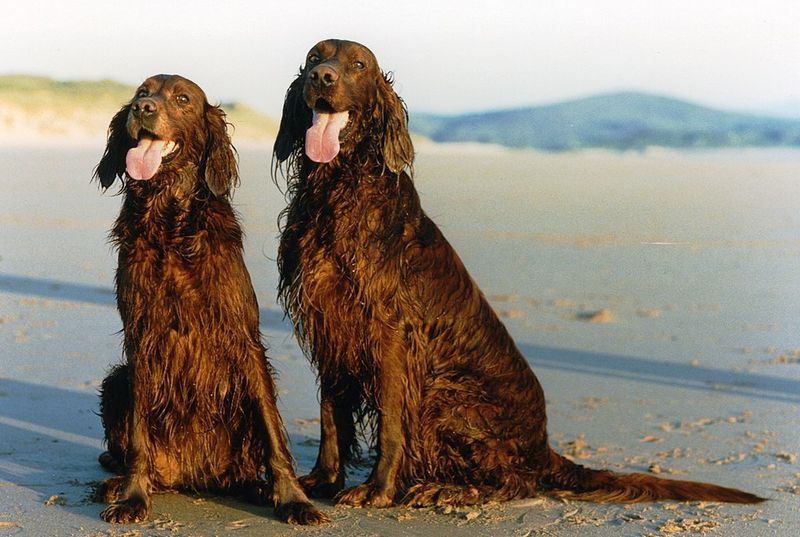
Irish Setters bring joyful gusto to nearly everything, including greeting the person with the satchel. That exuberance needs a plan so it stays charming, not chaotic.
Teach a long duration sit or down on a specific rug before opening the door.
Provide generous exercise, because these athletes run on enthusiasm. A morning jog, recall games, and sniffy hikes balance their energy for calmer afternoons.
Pair the carrier’s arrival with scatter feeding on the rug to anchor focus downward.
Setters thrive on praise and motion, so reward calm with a quick play burst outside afterward. Grooming keeps that gorgeous coat tidy for social moments.
With routine and outlets, your Setter’s welcome feels like a red carpet instead of a red blur.
English Setter
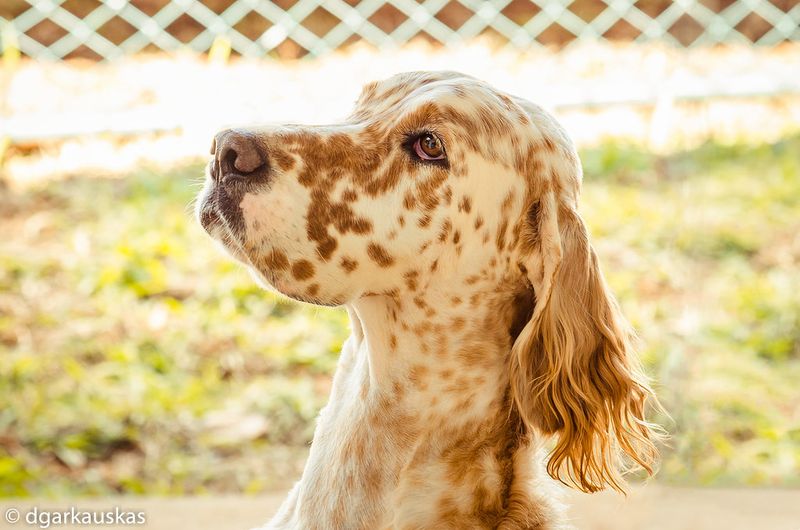
English Setters are gracious and people friendly, often offering a soft eyed hello. They do best when expectations are predictable.
A station by a window seat or hallway runner becomes their greeting post, where calm earns rewards.
Light to moderate exercise plus brain games suit them well. Practice stay with the door cracked, reward relaxation, then build to full openings.
Invite your carrier to say hi only after you release your dog, keeping choice and consent clear.
Regular brushing helps manage feathered fur around doorways that collect burrs and leaves. Keep treats handy and praise generously.
With a steady routine, your English Setter becomes the elegant ambassador of mail time, gracious and delightfully composed.
Havanese
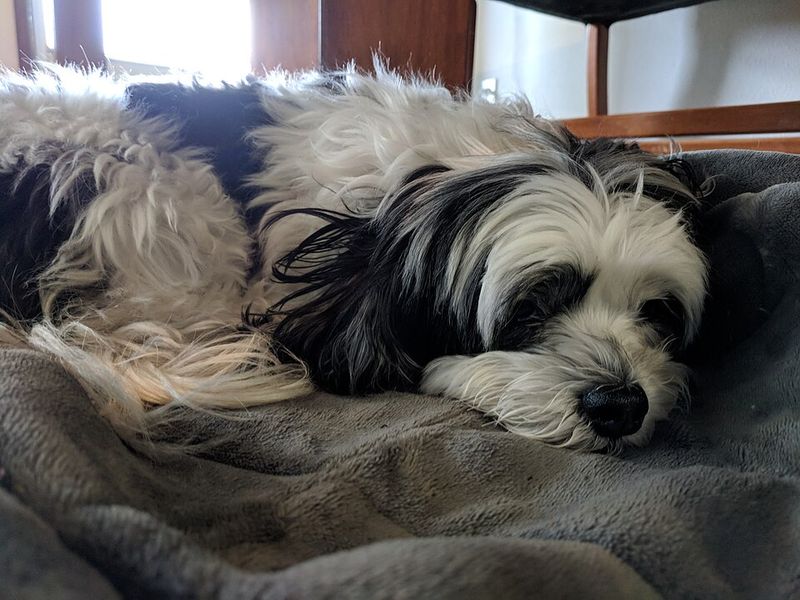
Havanese are social charmers who love to entertain visitors with bright eyes and quick wags. Their small size makes doorway management simple, especially with a perch cue on a mat or low bench.
Reward quiet paws and still shoulders as the carrier approaches.
Short training games fit their clever minds. Teach hand targeting to guide greetings, then follow with a tiny treat from you, not strangers, if needed.
Many carriers enjoy offering a pre approved nibble, turning mail time into a friendly routine.
Regular brushing keeps their coat fluff photo ready after outdoor excitement. Keep sessions upbeat and brief to prevent over arousal.
With consistency, your Havanese becomes a pocket sized concierge, welcoming deliveries with polished manners and sparkle.
Bichon Frise
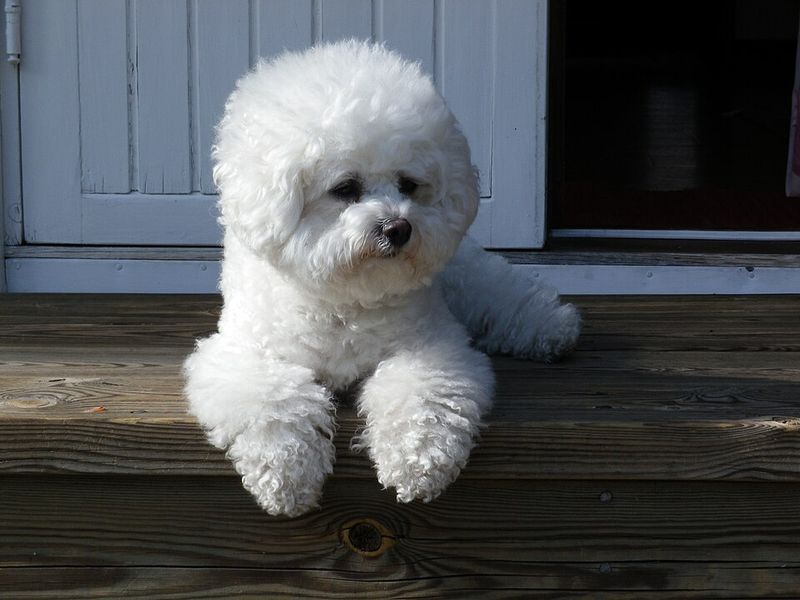
Bichons bring a buoyant, cheerful spirit that makes hellos feel like a tiny parade. Their confidence grows with clear routines, so teach a wait on a textured mat they can feel underfoot.
Reward soft eyes and relaxed backs instead of pogo jumping.
Because they are people focused, practicing doorbell drills pays off. Ring, cue a sit, feed a treat, and only then open an inch.
Build to wider openings and brief carrier chats as your dog holds position.
Grooming is part of the package, so keep a small towel nearby for damp paws on rainy delivery days. Celebrate calm with gentle praise.
With your guidance, a Bichon turns mail time into a polished, cotton cloud greeting.
Papillon
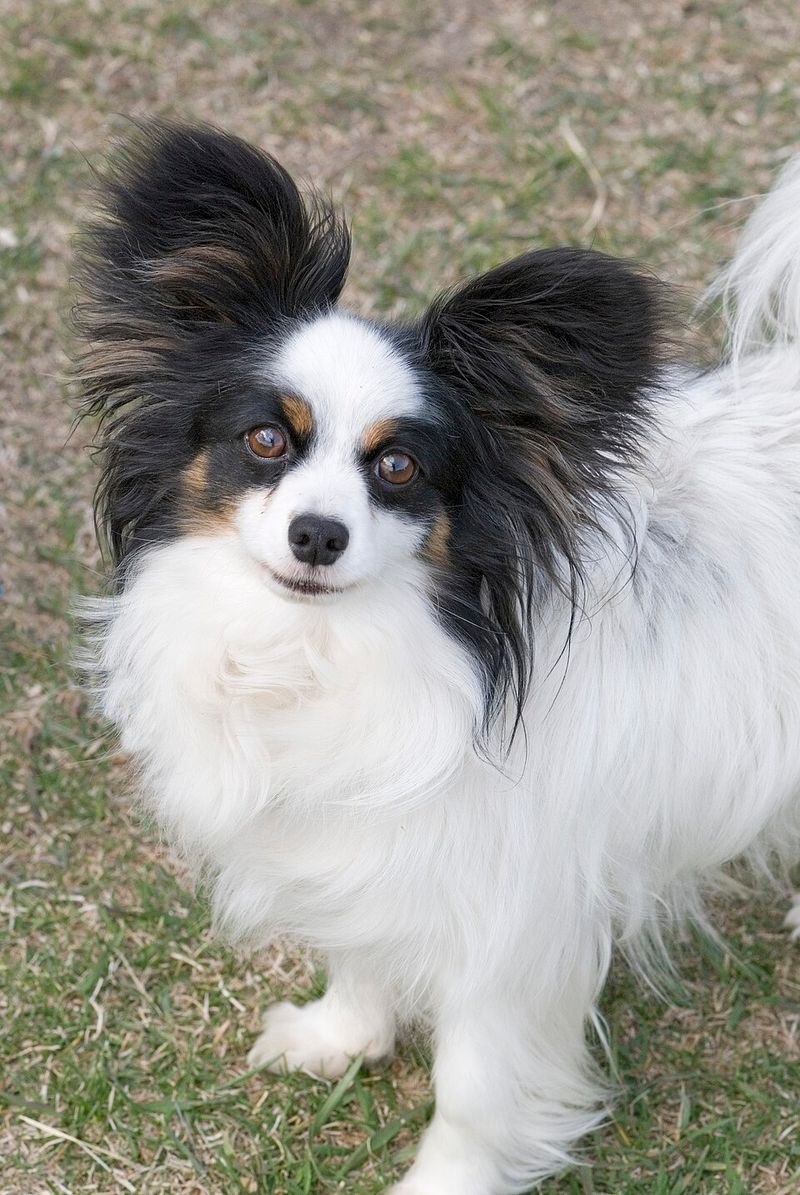
Papillons may be tiny, but their confidence and curiosity shine at the door. They often float into greetings with perked ears and delicate steps.
A place cue on a rug keeps that elegance anchored while the carrier approaches.
Use small, frequent rewards for quiet behavior and still paws. Teach a chin rest on your palm so you can guide arousal down if the doorbell excites them.
When released, a brief hello followed by a toy toss keeps interactions light.
These bright thinkers excel at training games, so mix in tricks between deliveries. Gentle brushing maintains those signature ears for photo worthy moments.
With clear structure, your Papillon becomes a polite, feather eared concierge for every envelope.
Cocker Spaniel
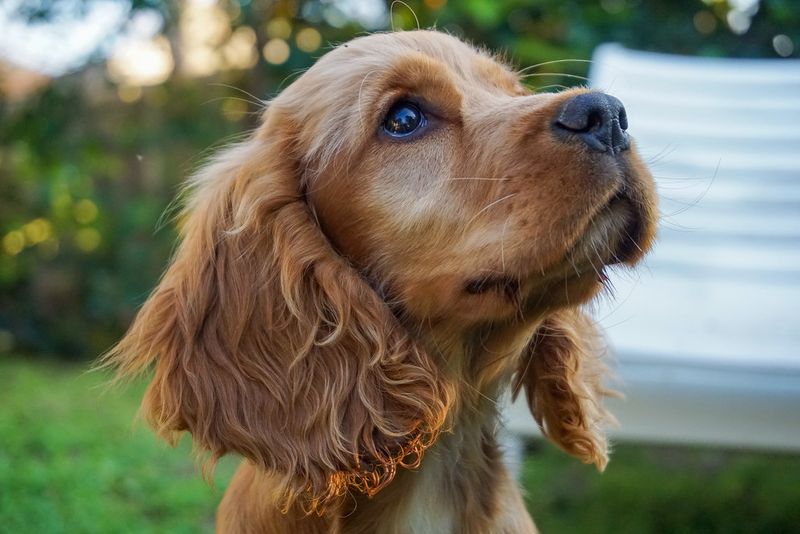
Cockers love their people and tend to welcome guests with wagging bodies and soft eyes. Structure helps their enthusiasm shine without spiraling.
Assign a greeting station near the doorway where sits and eye contact earn treats.
Many Cockers enjoy carrying something, so offer a soft toy to occupy their mouth during hellos. Practice door manners after a walk, not before, to reduce jittery energy.
Ask your carrier to pause while you mark and reward calm, then release for a brief sniff.
Keep ears clean and coats trimmed so door drafts do not tangle feathering. Gentle praise and predictable routines soothe sensitive souls.
With practice, your Cocker becomes a gracious greeter, equal parts sweetness and poise.
Boston Terrier
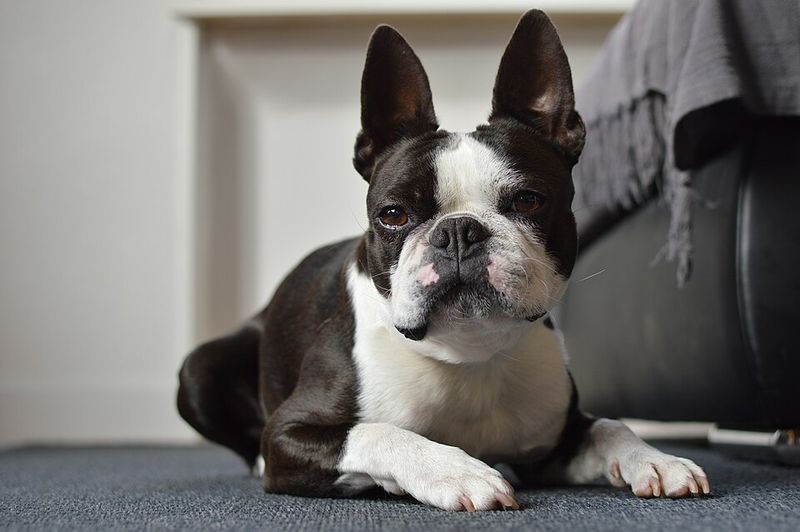
Boston Terriers bring upbeat humor and big hearted curiosity to doorstep meetings. Their compact build makes training positions crisp and easy.
Practice sit, watch, and touch before the door opens so they channel excitement into simple tasks.
Short sprints or a flirt pole session before delivery time helps take the fizz out. Reward quiet, wiggly but grounded greetings with praise.
If they snort with excitement, pause and let breathing settle before continuing.
Many Bostons adore people, so supervised, brief hellos keep confidence high. Keep treats tiny to protect sensitive stomachs.
With steady routines and cheerful cues, your Boston will greet the mail carrier like a polite comedian, all charm and zero chaos.
Pug
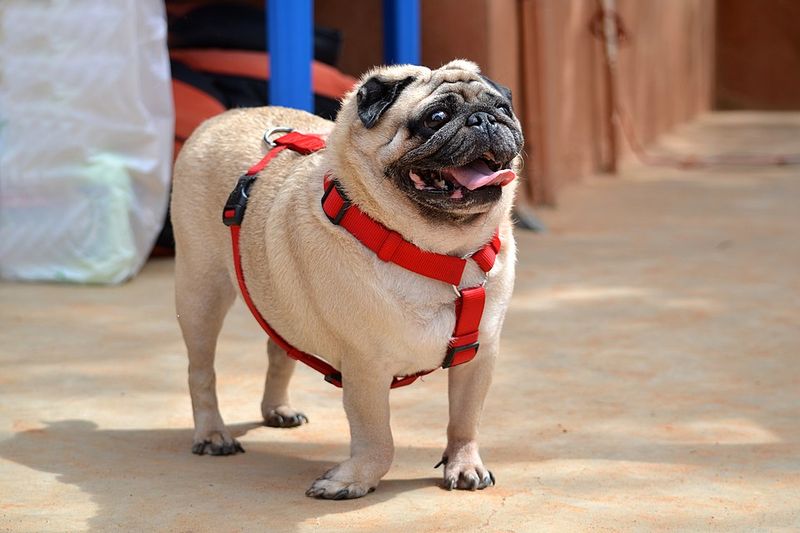
Pugs are social little clowns who often welcome visitors with snorts and smiles. Keep greetings low key to support easy breathing.
A cozy mat by the door becomes a predictable place for sits, snacks, and short hellos.
Use gentle, positive training to shape calm. Reward still paws and soft eyes, and pause if arousal raises those adorable snuffles.
Ask the carrier to offer a single small treat, then end the interaction while your Pug is still relaxed.
Because Pugs heat up fast, avoid big excitement during hot afternoons. A harness helps manage wiggles without neck pressure.
With simple routines and kind boundaries, your Pug will deliver prime time cuteness at every delivery stop.
German Shepherd
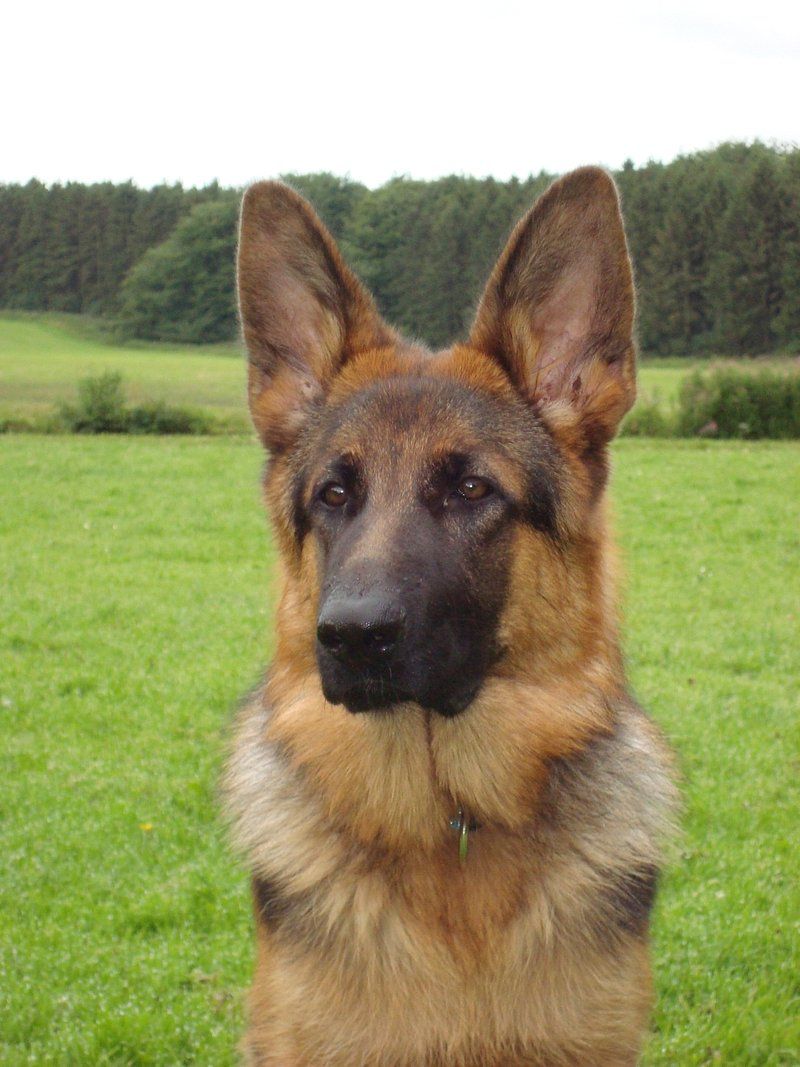
German Shepherds are thoughtful guardians who often choose to assess first. Expect an investigative pause, focused eyes, and still bodies as they evaluate.
Teach a solid place command behind a barrier or on a mat, rewarding calm observation.
Introduce the carrier gradually, pairing neutral presence with treats tossed by you, not strangers. Keep greetings brief and structured, prioritizing predictability.
A muzzle trained shepherd can gain public comfort while maintaining safety as you build trust.
Daily exercise, scent work, and obedience keep their minds satisfied. Clarity is kindness for this breed, so communicate confidently.
With leadership and routine, your German Shepherd will investigate thoughtfully, then settle, allowing deliveries to proceed smoothly and respectfully.
Akita
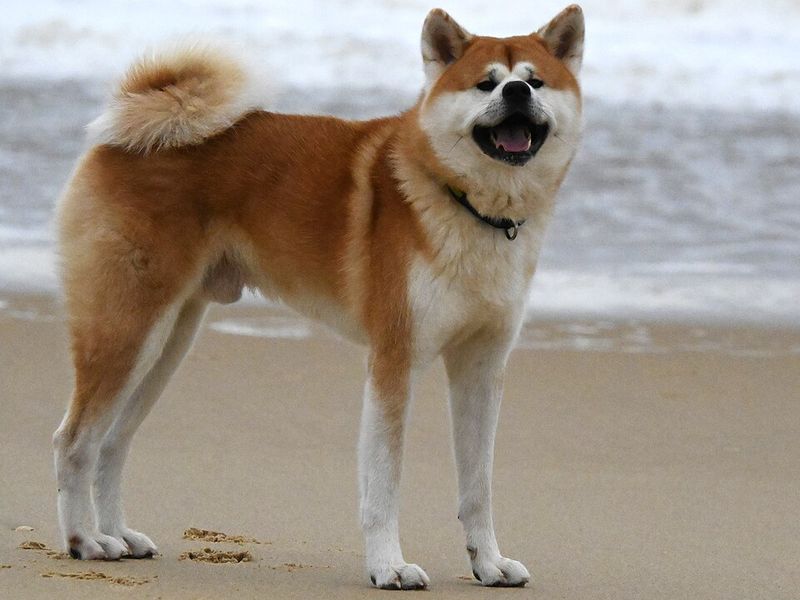
Akitas are discerning and independent, inclined to investigate visitors before offering acceptance. Expect quiet watchfulness rather than automatic friendship.
Create a structured routine with a secure boundary, such as a baby gate or tethered mat, to support calm evaluation.
Introduce the carrier slowly with consistent timing and neutral body language. Reinforce relaxed posture and soft eyes with treats delivered by you.
Avoid forced petting or crowding, and end sessions on a calm note to build trust over time.
Regular exercise plus impulse control games help channel their powerful presence. Keep training clear and confident to match their thoughtful nature.
With boundaries and predictability, your Akita will assess first, then allow mail days to pass peacefully.