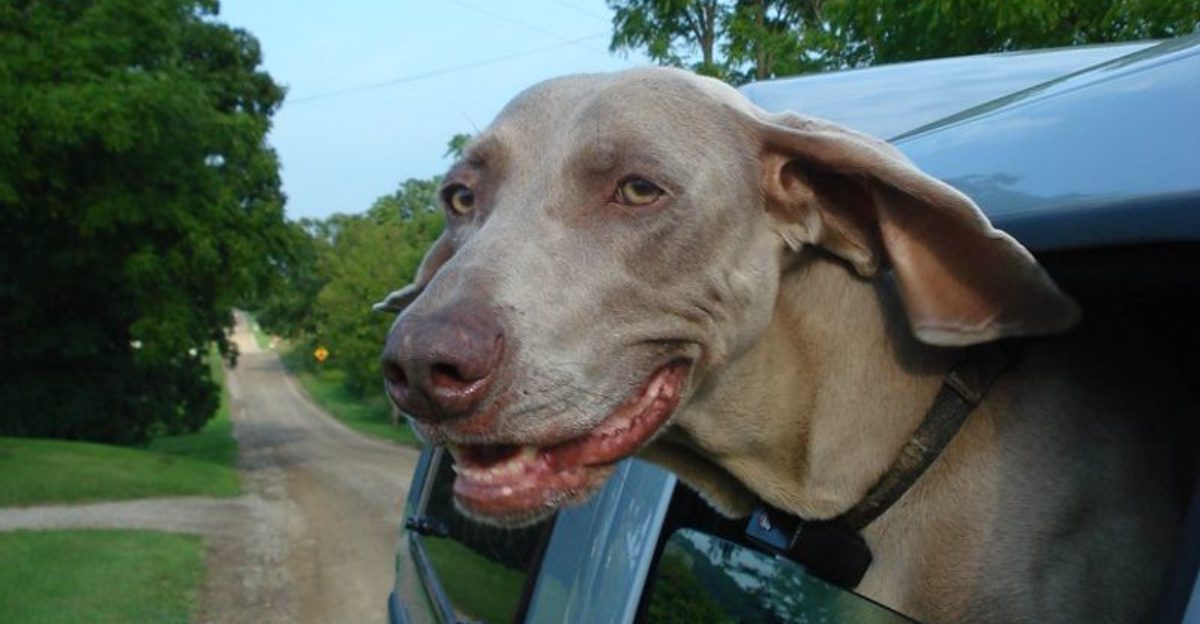
Some dogs leap into the car like it is the start of an epic adventure, while others start drooling the second the engine turns on. If you have ever cleaned up a backseat after a bumpy drive, you know the struggle is real.
Understanding which breeds tend to wobble and which ones wander happily can make every trip smoother. Here is your friendly guide to what to expect and how to help, so your next road day actually feels fun.
Labrador Retriever
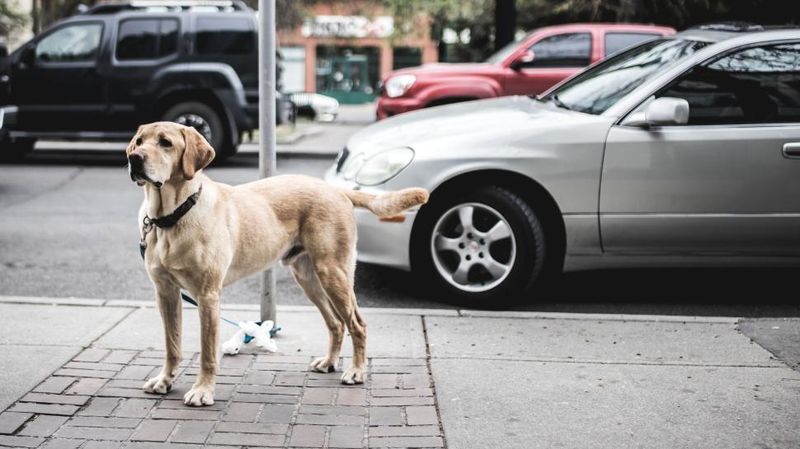
Labradors usually love adventures, yet car rides can still trigger motion sickness, overexcitement, or stress panting. You will notice pacing, drool strings, and that classic sit stand shuffle when the scenery rushes by too fast.
Help by offering a secure crash tested harness, pre ride potty breaks, and calm loading routines.
Crack windows slightly for fresh airflow, play soothing music, and reward quiet behavior generously. Keep meals light before driving to reduce nausea, and stash odor neutral wipes just in case.
With predictable routes, slow starts, and comfy bedding, most Labs settle into happy road buddies.
Golden Retriever
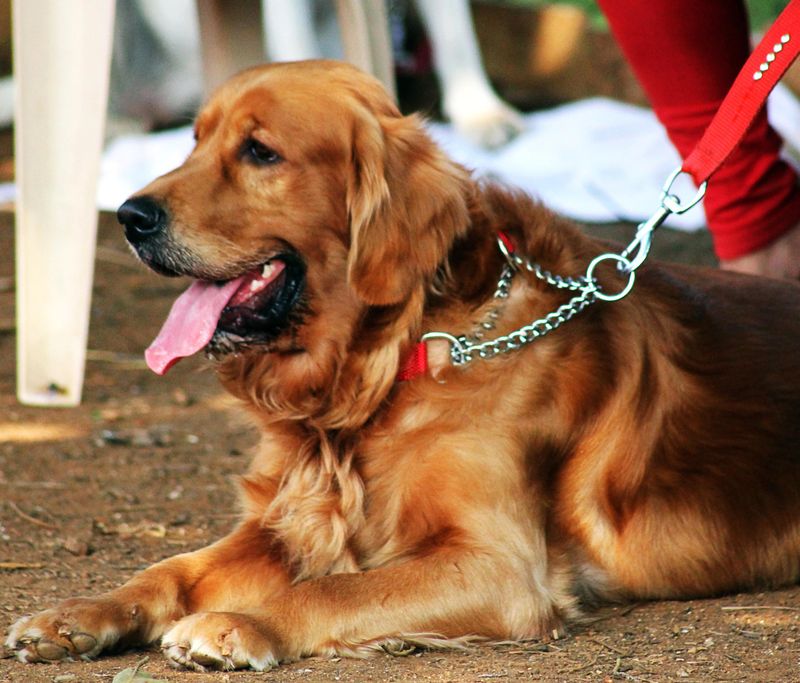
Goldens are people pleasers, but that sensitivity can tip into car jitters. You might see lip licking, yawning, and paw shifting as the vehicle accelerates or brakes.
Ease the ride by building positive associations with super short drives ending at parks or quiet walks.
Use a non slip bed, a clipped harness, and a light snack of ginger treats your vet approves. Keep grooming tools nearby because stress shedding is real with this fluffy friend.
After a few consistent sessions, many Goldens transform from anxious passengers into golden road trip legends.
Boxer
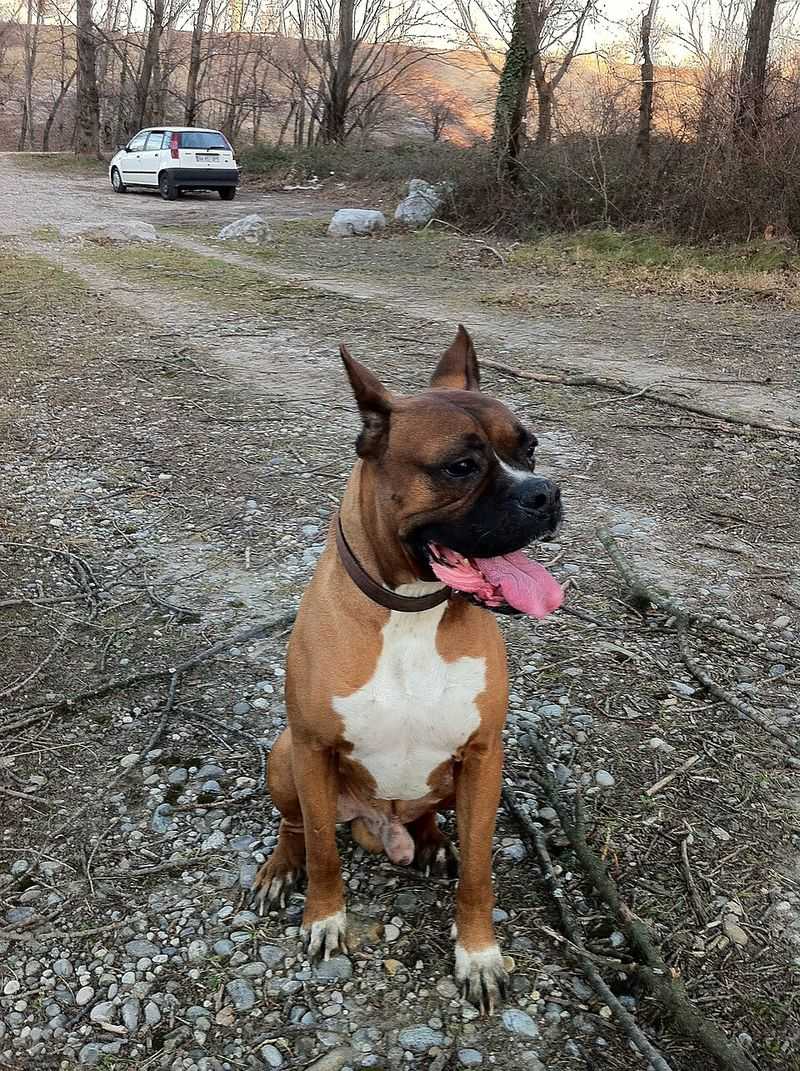
Boxers brim with enthusiasm, which can explode into restless bouncing and loud breathing in cars. That short muzzle also means heat management matters, so keep temperatures cool and airflow steady.
Practice sit stay games before starting the engine to channel that energy productively.
Plan frequent stretch breaks, and avoid feeding right before motion to reduce queasy bellies. Durable chew toys help redirect excitement during stoplights.
With structure, patience, and shade, your Boxer can ride like a champ instead of a wiggly workout partner on wheels.
Dalmatian
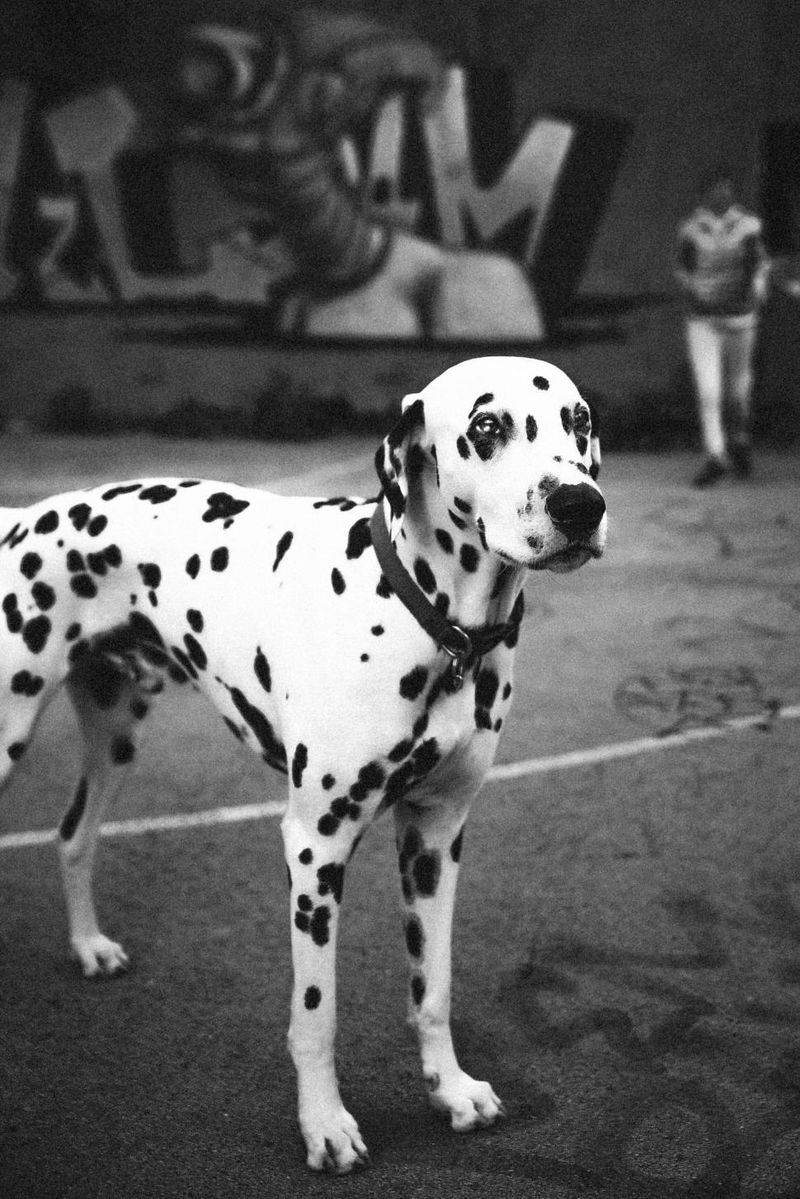
Dalmatians are athletic and alert, making sudden noises and turns extra stimulating. Without guidance, that vigilance becomes pacing, whining, and fence patrol mode along the windows.
A sturdy crate with a view and a snug mat helps them chill without feeling trapped.
Start with tiny practice drives, then slowly extend distance while rewarding relaxed posture. Avoid chaotic errands and keep the route smooth.
Once the pattern becomes predictable, Dalmatians often settle, saving their sprint energy for the destination instead of burning it in the backseat.
Border Collie
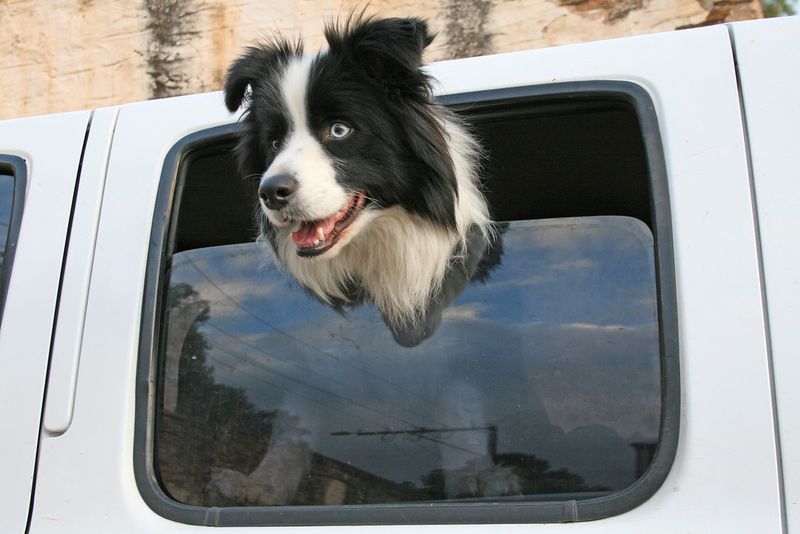
Border Collies track every flicker, so passing cars and signs can feel like a nonstop herding assignment. That mental overload looks like trembling, staring, and sharp alert barks at sudden sounds.
Reduce stimuli with window shades, a forward facing bed, and calm reward markers.
Short mental games before departure can drain brain buzz just enough for rest. Keep rides purposeful and smooth, avoiding chaotic city loops.
With consistent boundaries, Collies learn that the car is downtime, not a high stakes job with endless moving targets.
Australian Shepherd
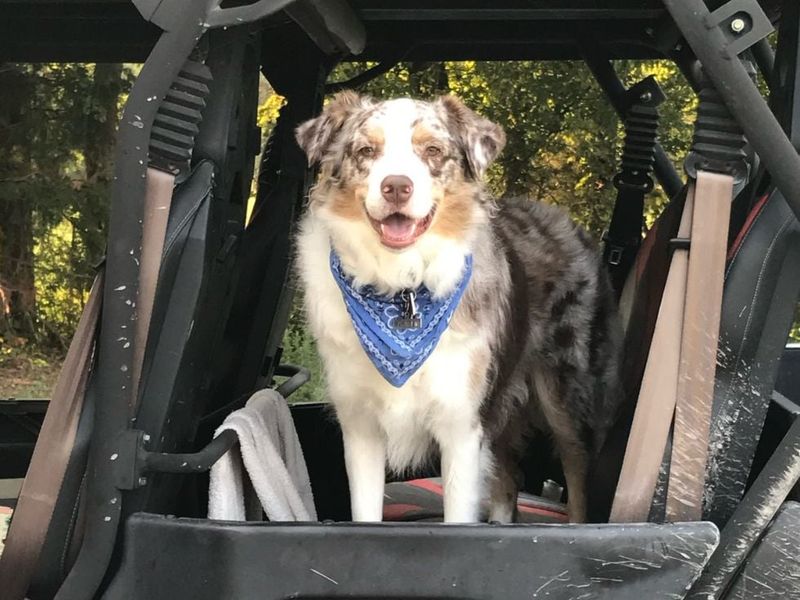
Aussies thrive on structure and tasks, yet car rides can feel like uncontrolled chaos. Expect alert barking at cyclists, trucks, and sudden brakes if you skip training.
Teach a settle cue on a defined bed or hammock so the job becomes resting quietly.
Use white noise or gentle playlists to soften triggers, and keep windows only slightly cracked. Offer puzzle treats at stop breaks to satisfy problem solving needs.
With predictable rituals, most Aussies flip from watchdog mode to content co pilot status.
Cocker Spaniel
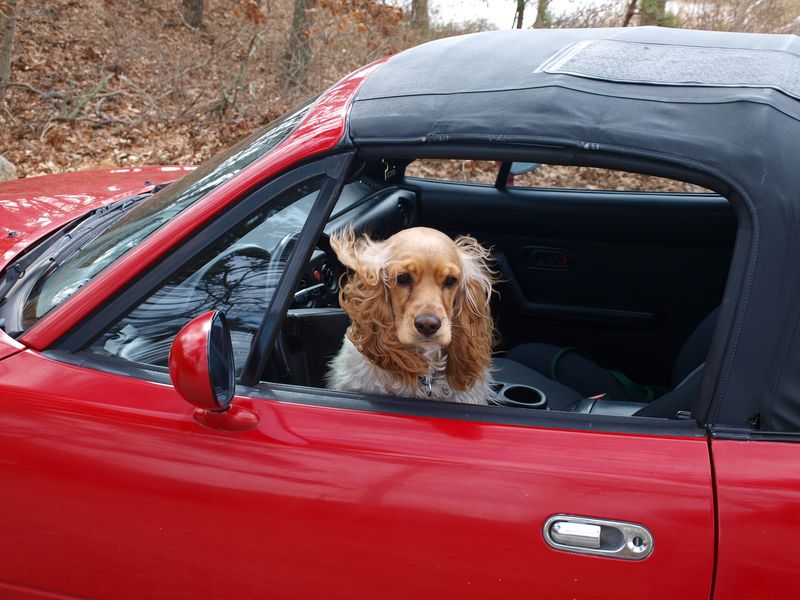
Cockers can be sensitive to motion and ear discomfort, so rides may bring whining and drool. A supportive booster seat helps them see out without straining neck or balance.
Keep long ears secure and away from windows to avoid tangles or debris irritation.
Plan gentle routes and maintain cool temps to manage panting. Offer small, bland treats after stops, not before driving, to prevent nausea.
Add a favorite blanket with familiar scent, and your Cocker will start linking the car with cozy, predictable comfort.
Dachshund
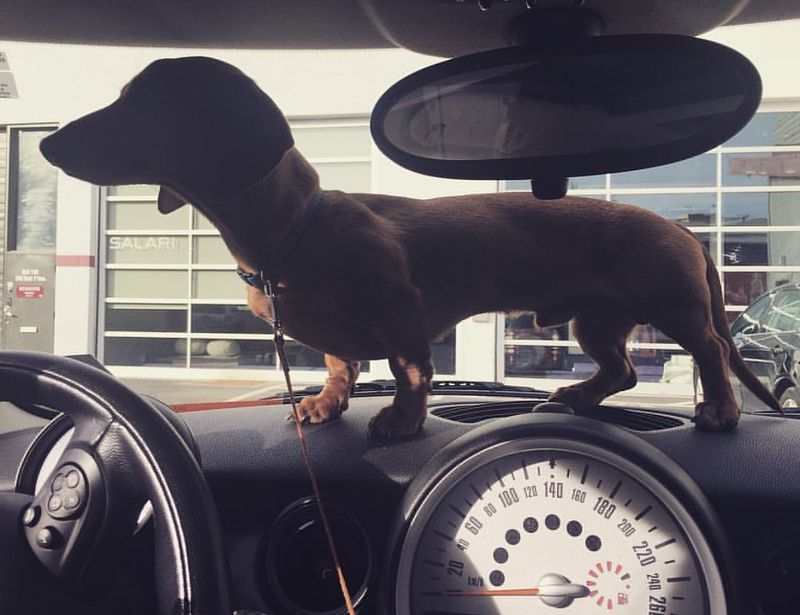
Long backs need careful support, and bumpy rides can make Dachshunds tense and vocal. A snug crate or booster with side bolsters limits jostling that stresses their spine.
Keep jump risks low by lifting them in and out instead of letting leaps happen.
Schedule frequent potty pauses, since small bladders plus motion can mean accidents. Light meals well before departure cut nausea, and gentle airflow reduces drool.
With steady handling and thoughtful positioning, your Doxie can cruise comfortably without back strain or wobbly worries.
Great Dane
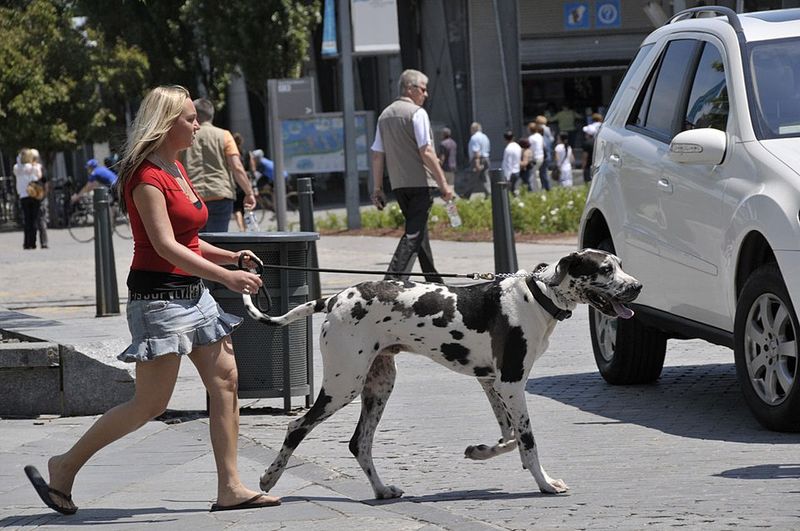
Giant bodies magnify every turn, so Danes can feel off balance and uneasy in tight spaces. Provide a wide, padded area with grippy flooring that prevents sliding.
Use a robust harness and anchor point so sudden stops do not shift that gentle giant.
Plan extra leg stretch breaks and keep cabin temperatures cool. Feed well before travel to avoid bloat concerns, per your vet’s guidance.
With room to sprawl and predictable stops, Great Danes usually relax into peaceful passengers instead of anxious skyscrapers on wheels.
Saint Bernard
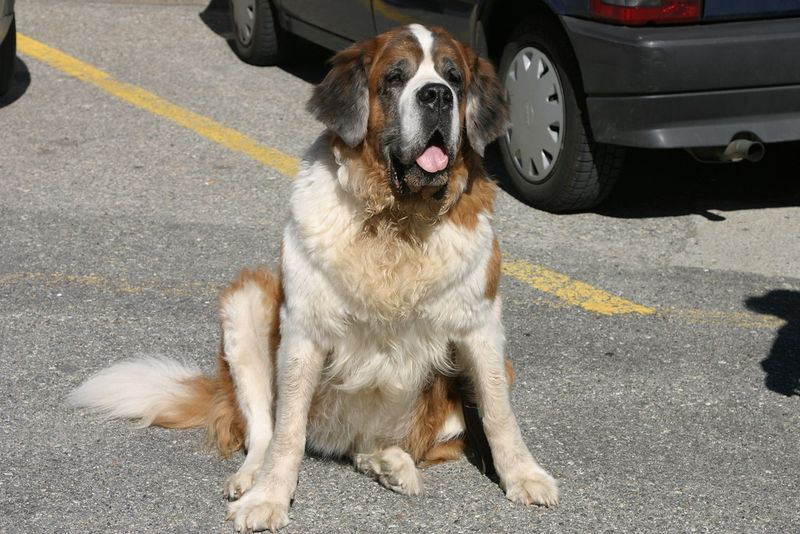
Saint Bernards can overheat easily and drool when nervous, making car rides messy and tiring. Keep airflow steady, offer water at stops, and bring extra towels for comfort.
A wide, skid resistant mat helps them brace without sliding on turns.
Short, positive outings build confidence, especially if destinations are cool and quiet. Avoid heavy meals before driving to reduce nausea.
With patient conditioning and climate control, Saints transition from reluctant riders to laid back travel buddies who fill the cargo area with calm vibes.
Weimaraner
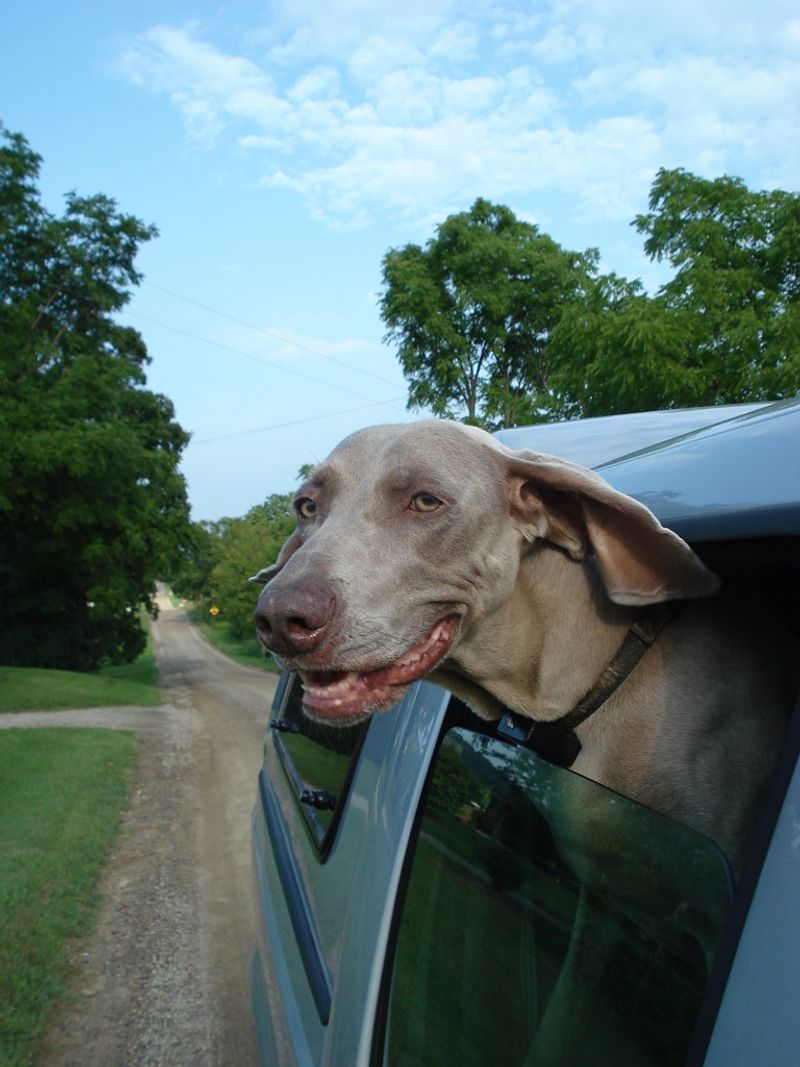
Weimaraners bond hard, so separation from the front seat can spark whining and restless pacing. Create a defined space with a bed and a consistent settle cue.
Practice micro trips that end in praise and movement, not immediate excitement.
Because they are athletic, plan exercise before driving to take the edge off. Use window shades to cut visual triggers and keep the cabin cool.
With structure and predictable expectations, your Weim learns that riding quietly is the new normal, not a suspenseful cliffhanger every mile.
Beagle
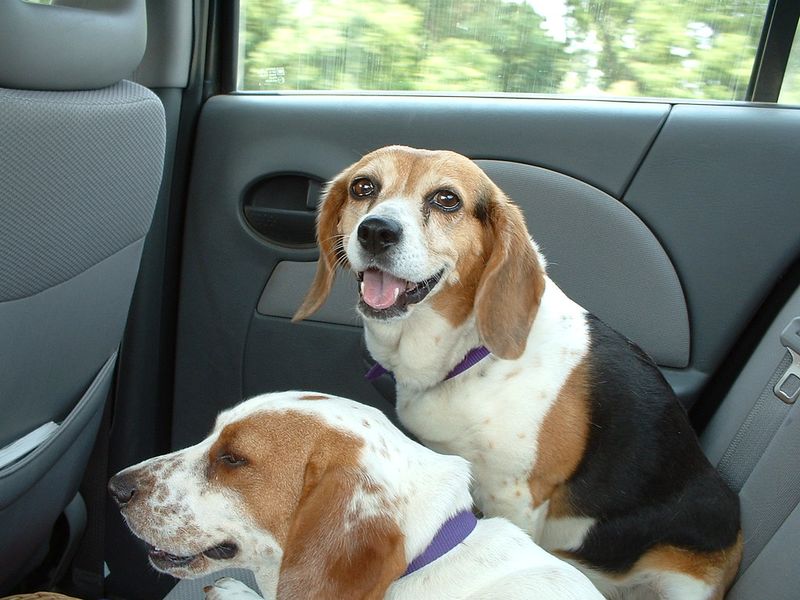
Beagles track scent stories, so every open vent is a novel begging to be chased. That sniff drive can morph into whining and attempts to roam if boundaries are fuzzy.
Use a secure hammock or crate, and reward quiet settles between interesting sniffs.
Keep windows barely cracked to manage airflow without sensory overload. Plan sniffy breaks at safe rest stops so they can read the news properly.
With consistency, Beagles learn rides are the bridge to better walks, not a puzzle they must solve from the backseat.
German Shepherd
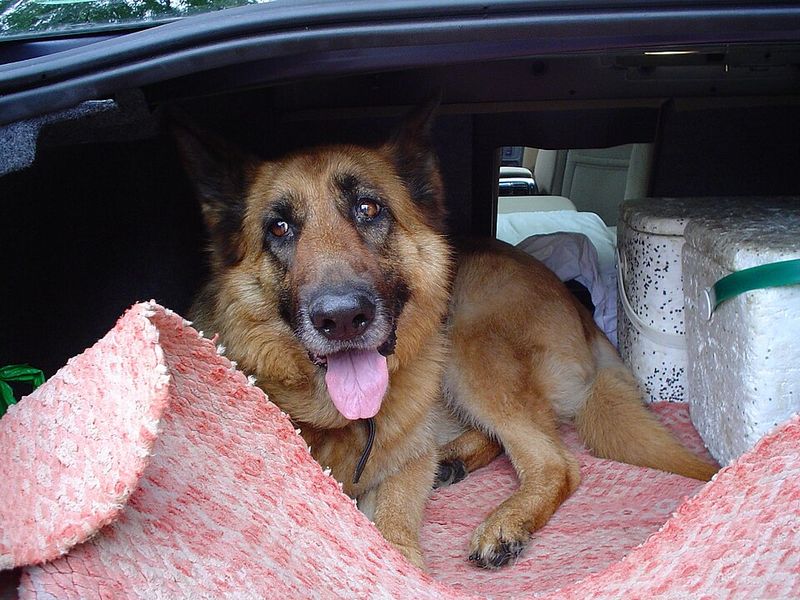
German Shepherds are vigilant guardians, which can translate to scanning, barking, and bracing in cars. Give them a clear job by teaching a down stay on a travel mat.
Window shades and a defined boundary reduce the urge to patrol every lane.
Exercise before departures to burn nervous energy, then reward calm with quiet praise. Keep handling consistent across drivers so expectations never drift.
Once routine takes hold, Shepherds ride like professionals, watching but not worrying about the world whooshing by.
Whippet
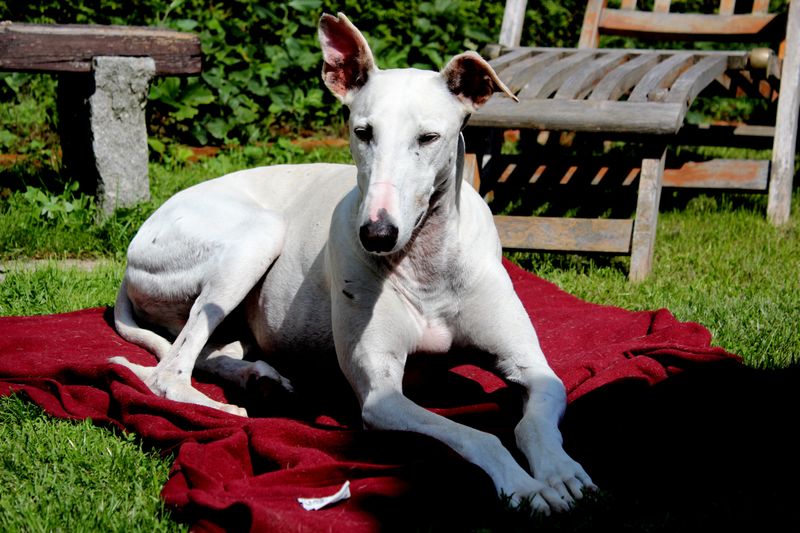
Whippets love speed, yet motion without running can feel strange and chilly. Their lean frames benefit from cozy blankets and stable footing to prevent shivers and sliding.
A soft sided crate with a familiar scent creates security without bulk.
Warm the cabin slightly, avoid direct drafts, and keep turns smooth. Offer brief walk breaks for leg stretching, then cue a settle back into the nest.
With comfort and rhythm, Whippets snooze elegantly, saving their turbo mode for the destination sprint.
Vizsla
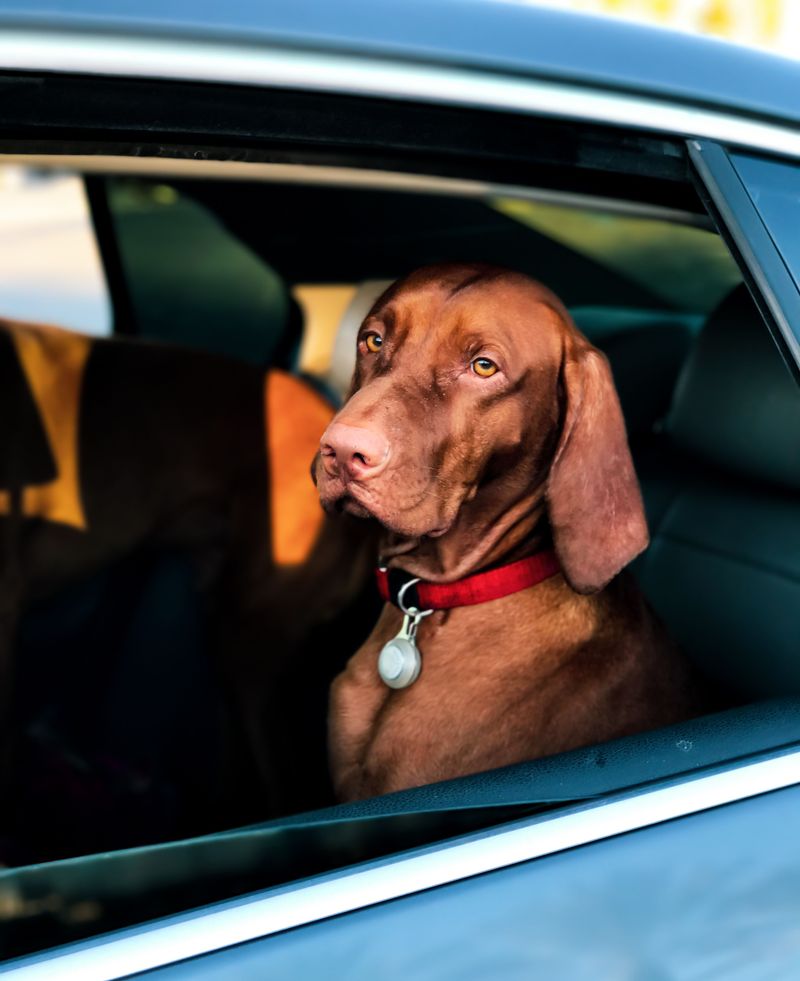
Velcro by nature, Vizslas often fuss when separated from your lap during drives. Set boundaries kindly with a clipped harness and a cushioned mat they can claim.
Build short, happy trips that end with praise and a sniffy stroll.
Because they are sensitive, keep cues calm and the cabin comfortably cool. A frozen lick mat at rest stops can take the edge off excitement.
Over a few weeks, expect smoother rides where your Vizsla lounges like a pro beside you, not on you.
Jack Russell Terrier
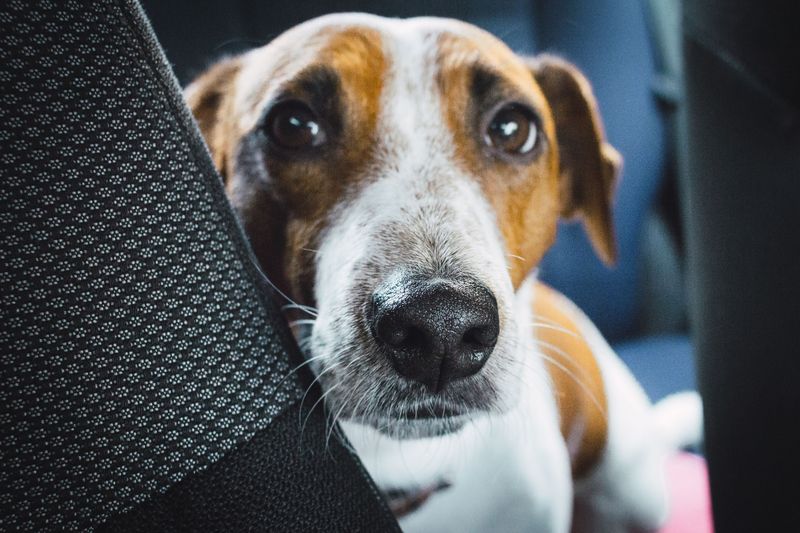
Jacks are turbo charged problem solvers, which can explode into seat hopping and commentary at every bicycle. A snug booster seat gives a view without chaos, while a tether anchors enthusiasm safely.
Practice calm loading and reward quiet sits before moving.
Break long trips into sprints with frequent potty and sniff stops. Keep toys handy for redirection during traffic snarls.
With outlets for energy and clear rules, your Jack Russell becomes a pint sized co pilot who rides politely instead of captaining the cockpit.