
Puppies get all the attention, but the real test often starts when that baby face grows into teenage energy and big-dog confidence. Suddenly manners wobble, instincts wake up, and your once-easy companion starts ignoring cues you swear they knew yesterday.
Do not panic, because this is normal and fixable with the right game plan. Here is how those tricky months show up and what you can do to navigate them with calm, clarity, and success.
Labrador Retriever
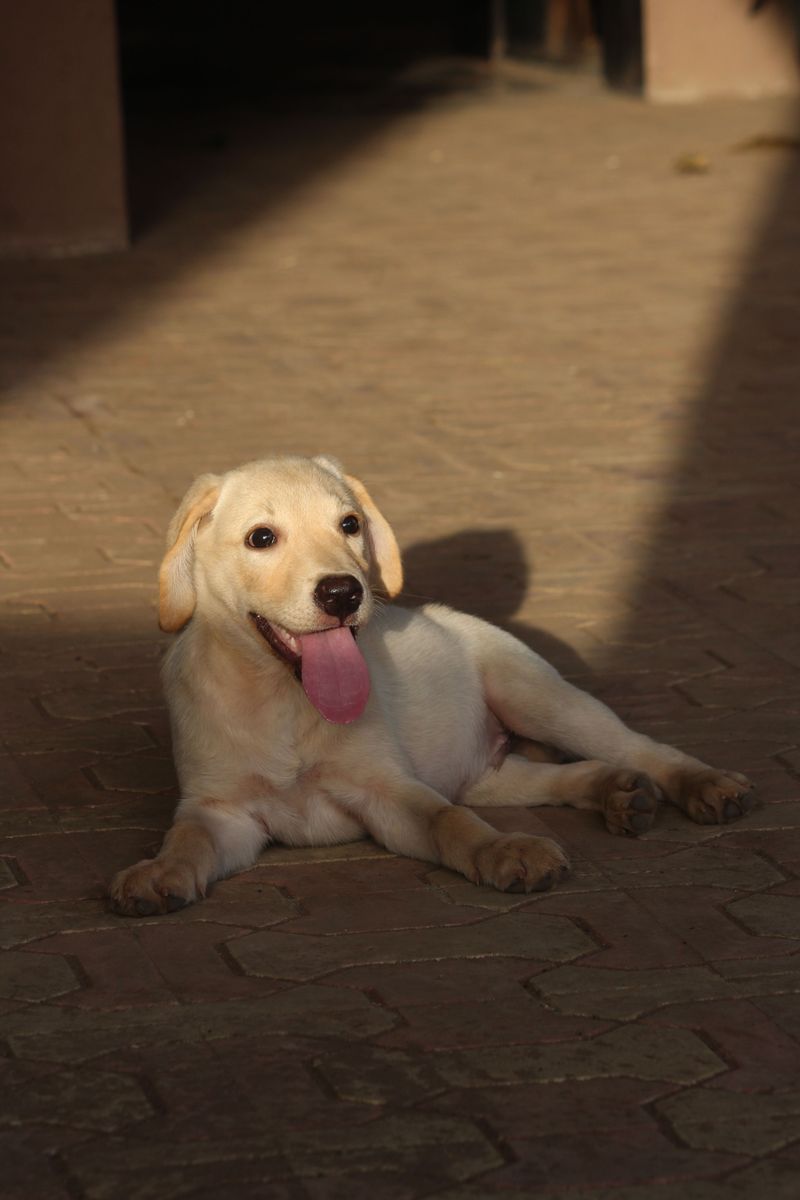
Puppy Labs are goofy, but the trickiest stretch often hits between 8 and 18 months when adolescence collides with full-grown power. Energy spikes, impulse control dips, and that famous appetite targets countertops and trash cans.
You will see selective hearing during recalls, restless pacing, and sudden leash pulling around squirrels and kids.
Plan relentless enrichment and structure. Rotate food puzzles, scent games, and swim sessions, then pair them with calm mat training and rock-solid door manners.
Tighten management by crating after meals, tethering during meal prep, and rehearsing boring daily routines. Once the brain catches up to the body, you will get that sweet, steady Lab again.
If chewing returns, upgrade toys and supervise like clockwork.
Golden Retriever
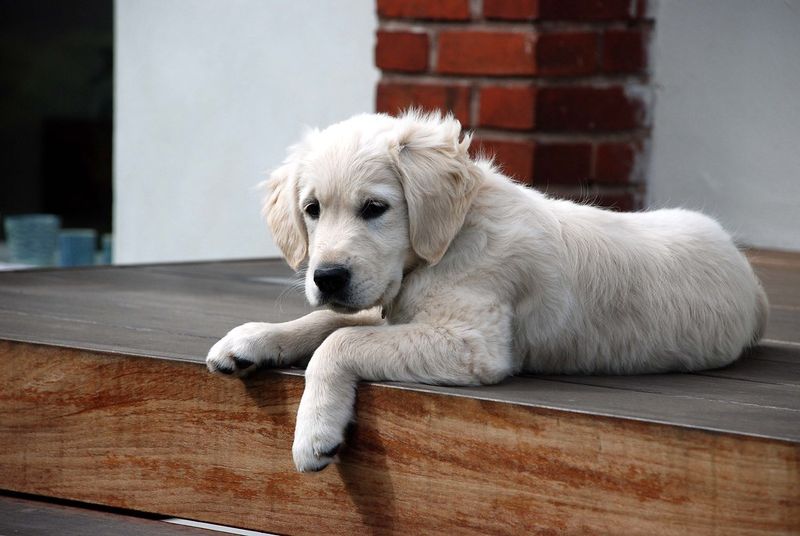
Golden puppies charm everyone, yet the storm often arrives after the first coat blows. Around adolescence, confidence surges while judgment lags, and social butterflies start barreling toward every friendly human or dog.
Mouthiness can rebound, jackets get mouthed, and loose-leash walking unravels whenever excitement peaks near parks or school pickups.
Channel that sunshine through structured greetings and impulse games. Practice sit to say hi with neighbors, station on a mat during doorbells, and reinforce check-ins on calm neighborhood loops.
Food scatter hunts and retrieve sessions drain energy without chaos. Stay consistent a few months, and you will see the gentle, thoughtful Golden return.
If jumping persists, clip the leash before guests arrive and reward four paws planted.
German Shepherd
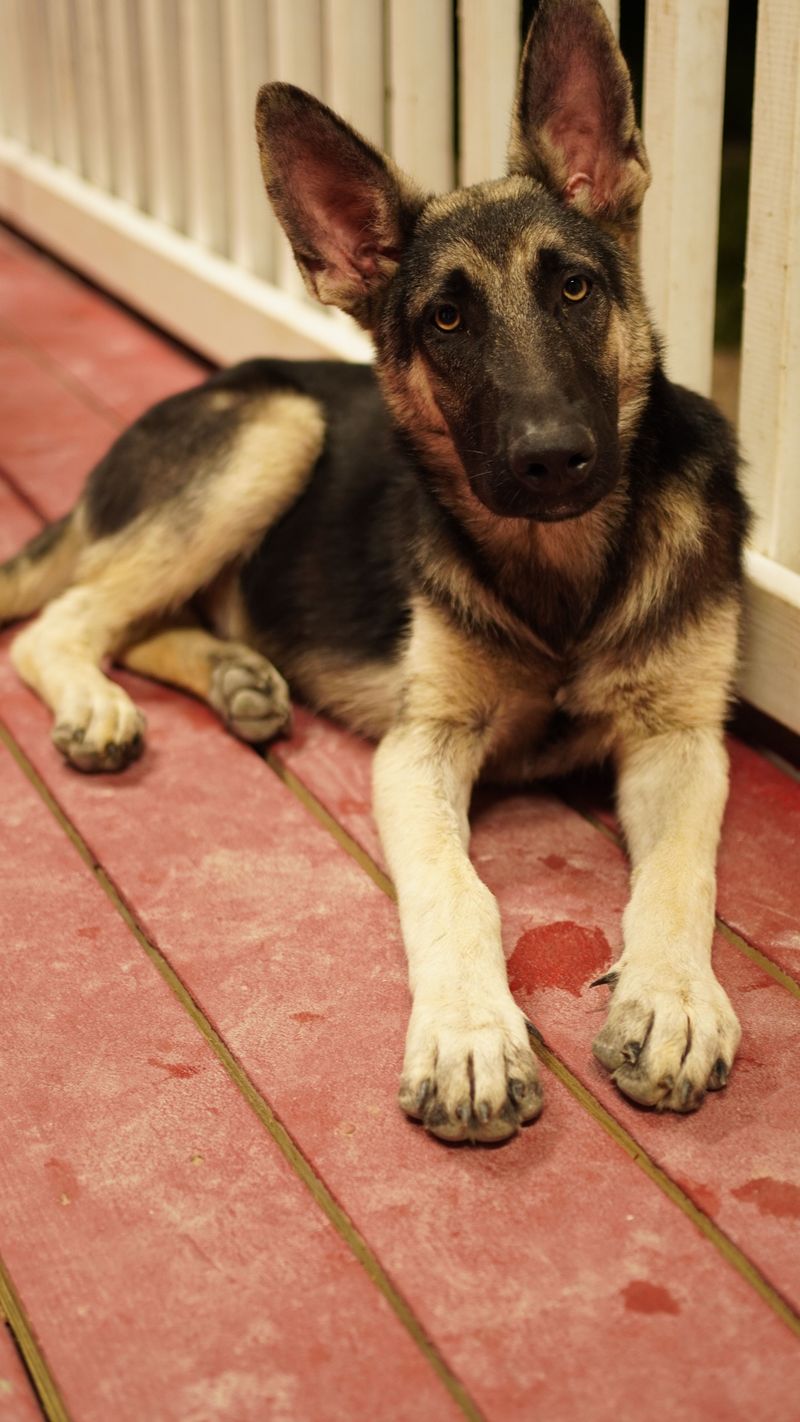
After puppyhood, many German Shepherds hit a sensitive period where guarding instincts switch on faster than judgment. Sudden suspicion of strangers, big lunges at bikes, and overalert window duty can spike.
Adolescent joints are strong, brains are buzzing, and rehearsal of barking becomes self-rewarding, especially if deliveries keep moving away.
Shrink the world to grow confidence. Frosted window film, predictable visitor scripts, and quiet parallel walks let arousal drop.
Teach middle position, emergency u-turns, and a bombproof place cue for doorways. Layer in scent work and bite-safe tug rules, and you will get a thoughtful, courageous partner instead of a reactive whirlwind.
Advocate space from pushy greeters, and reward every calm glance away on cue.
Belgian Malinois
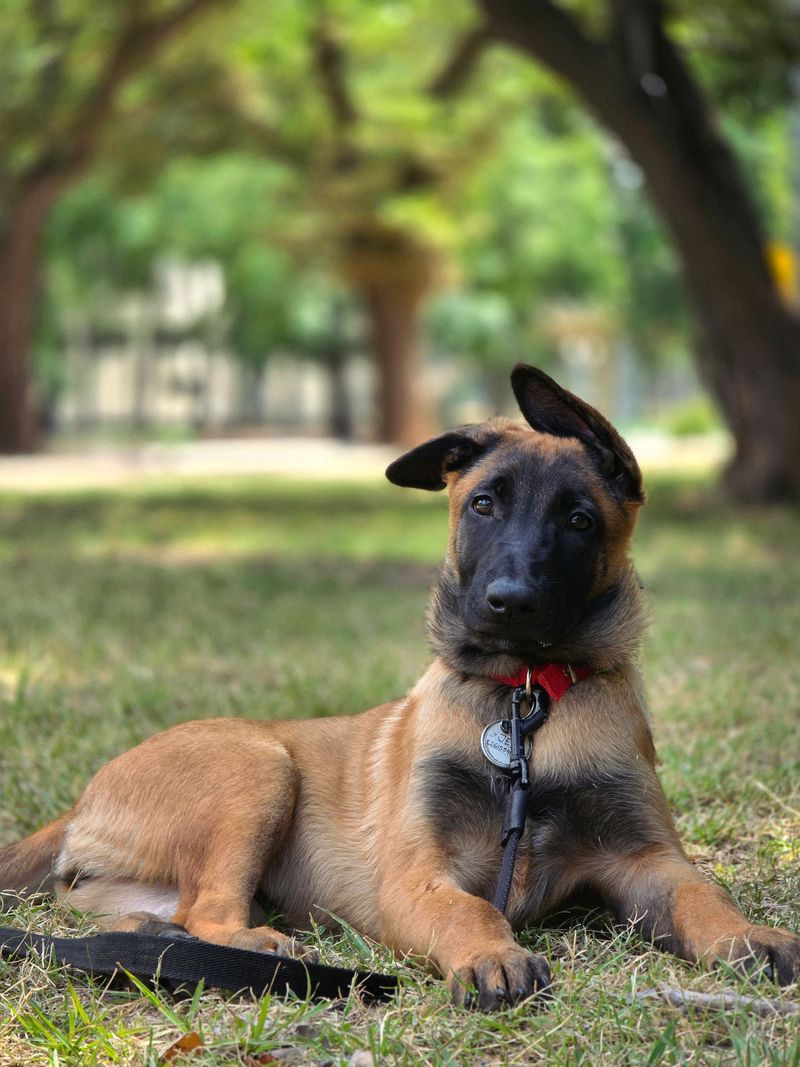
The Malinois adolescent phase is a pressure cooker. Drive skyrockets, sleep seems optional, and nipping or pogo-jumping can reappear when boredom sneaks in.
Environmental sensitivity also grows, so leaf blowers, joggers, and flapping signs trigger scanning and rehearsed chasing behaviors that outpace manners.
Survive this window with militant structure and precision outlets. Short, focused obedience, platform work, and grip-safe tug sets feed the machine without chaos.
Sprinkle scatter searches, bike beside at a trot, and cap drive with place and breathing drills. Do not skip rest.
Protect off-switch training, and you will unlock brilliance without burnout. Use a trainer early for neutrality around people and dogs, and rehearse calm exposure daily.
Keep criteria clear and consistent.
Border Collie
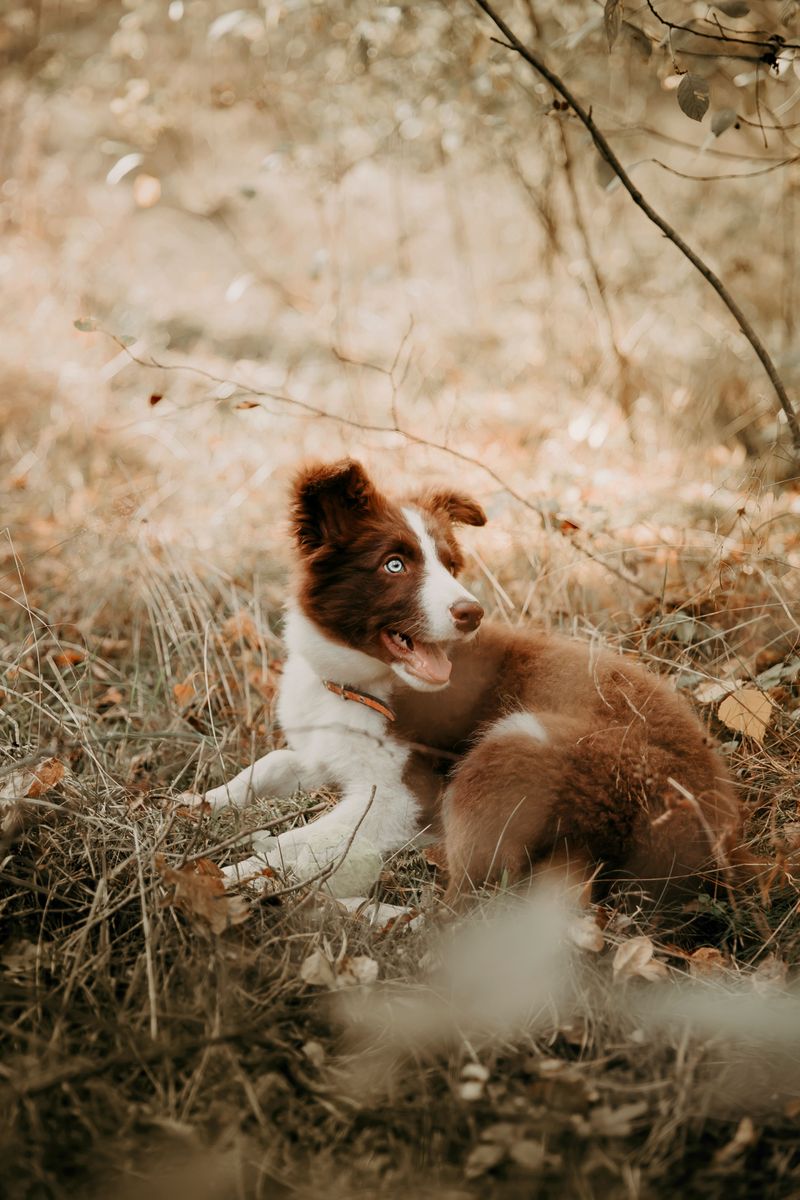
Post-puppy Border Collies often morph into motion-obsessed teenagers. Herding instincts flare, eyes lock on joggers, bikes, and kids, and creeping or heel-nipping can surface when stress rises.
Mental stamina exceeds impulse control, so they collect patterns faster than you can interrupt them.
Build a job before the job builds itself. Pattern games, chin rests, and down-stay with released eye contact channel that intensity.
Replace chasing with controlled flanks around cones, disc routines, and decompression hikes on long lines. If staring returns, block line of sight and cue a scatter.
Suddenly, calm choices start paying better. Daily trick training plus sniffaris exhaust the brain without frying nerves.
Stick with it daily. Progress feels slow, then clicks.
Australian Shepherd
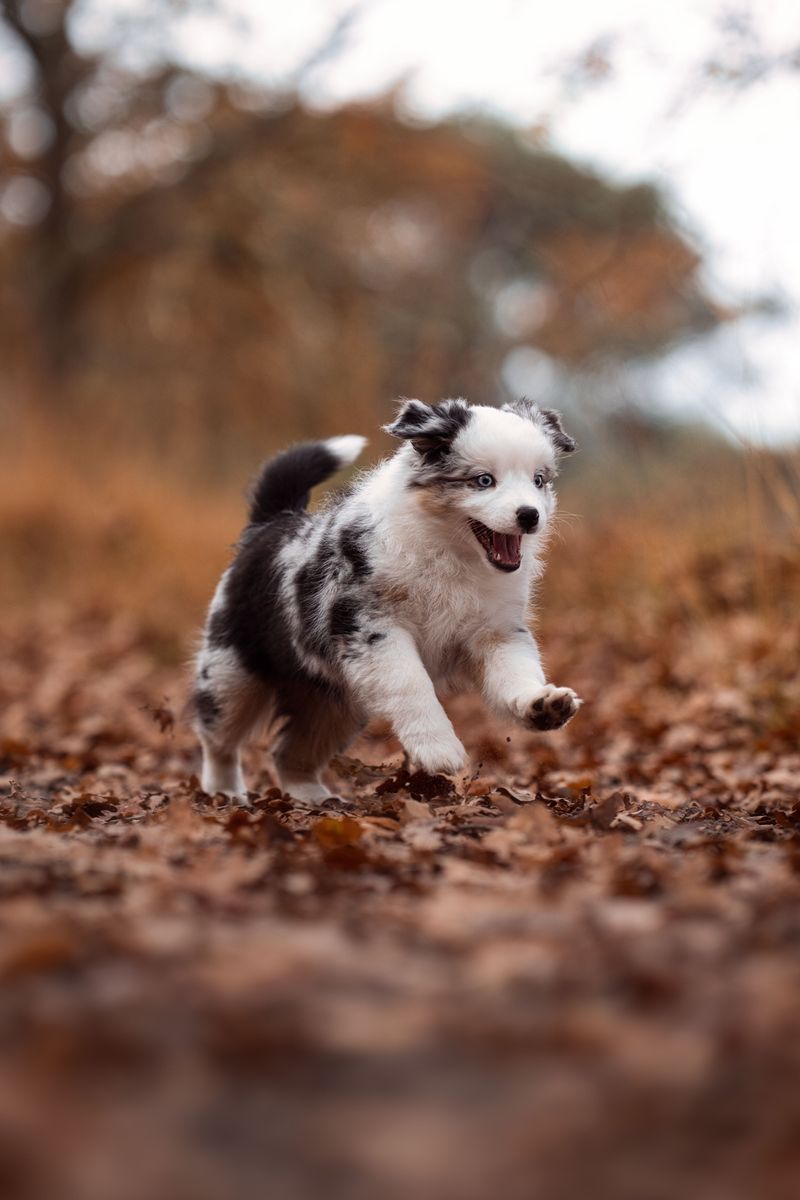
After puppy filters fade, many Aussies become bossy project managers. They start herding visitors toward couches, barking at doorways, and pacing when routines wobble.
Sensory vigilance spikes, so shadows, skateboards, and sudden noises keep arousal simmering just below a boil.
Meet that brain with clarity and chores. Teach settle on a cot while dinner cooks, hand them a sniffy cardboard task, and proof quiet on cue.
Add stock-like outlets with herding games, treibball, or controlled fetch, then cap the session with slow breathing on place. Predictability soothes, and soon choiceful calm becomes the habit.
Block windows during rush hours and reward every check-in around triggers. Advocate space and end greetings early.
Consistency builds confidence daily.
Doberman Pinscher
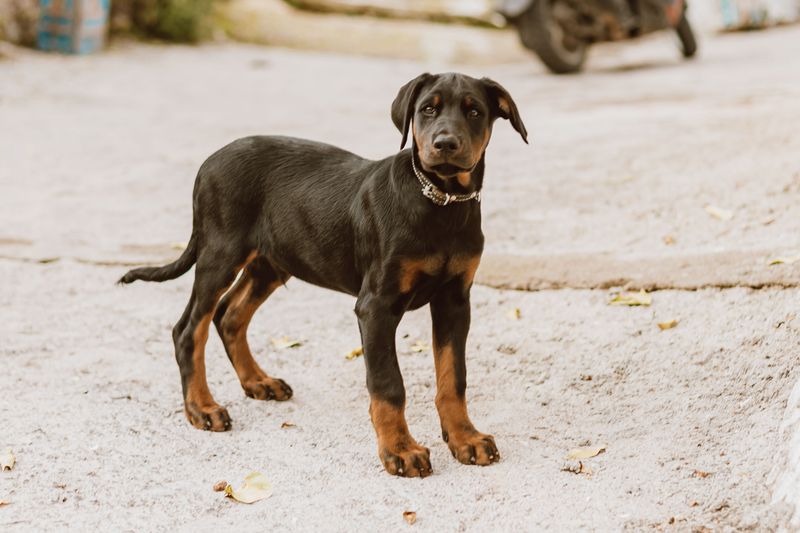
Adolescent Dobermans often discover their volume and velocity. Sprinting zoomies, hard mouth on toys, and suspicious barking at dusk can spike just as size peaks.
Sensitivity to your mood means mixed signals create confusion, then pushy testing of boundaries follows.
Answer with crisp routines and purposeful outlets. Practice elegant heeling past distractions, teach a quiet cue, and rehearse relaxed place while life happens.
Tug becomes permission-based, with clean outs and calm restarts. Use long lines for manners in public, and reinforce check-ins generously.
The edge softens, and the loyal, refined Doberman shines through. If reactivity pops, create distance, breathe together, and pay calm observation heavily.
Protect sleep windows and keep guests low key during practice weeks.
Boxer
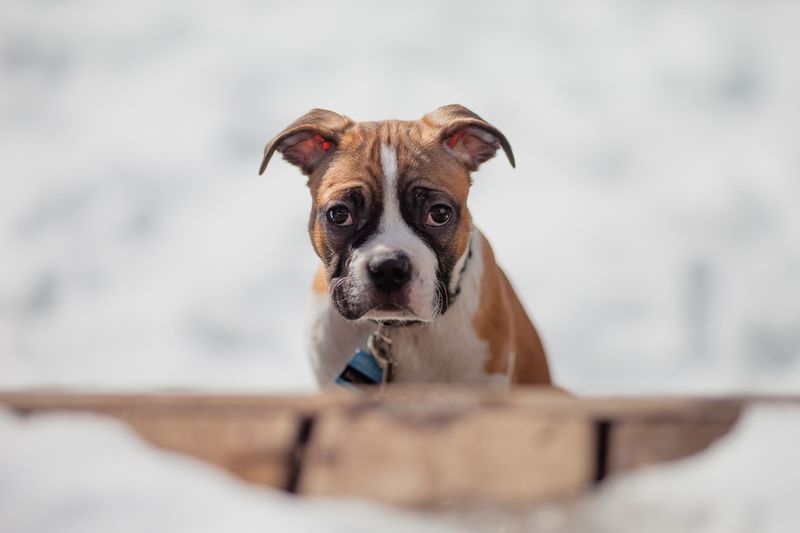
Boxers stay puppies in spirit, then adolescence adds horsepower. Suddenly you have a comedian with springs who body slams friends and forgets sit when joy explodes.
Heat, boredom, and excitement can trigger barking concerts and destructive chewing sessions.
Outsmart that exuberance with structure and play rules. Teach hop up then off on cue, practice polite greetings, and channel bounce into tug with clear start and stop.
Use shaded sniff walks, frozen Kongs, and training sprints to burn energy wisely. Keep routines predictable, and soon the clown learns timing, patience, and glorious self-control.
Interrupt chaos early, leash indoors when guests arrive, and reward stillness generously. Short, frequent sessions beat marathons for focus and manners.
Breathe together.
Siberian Husky
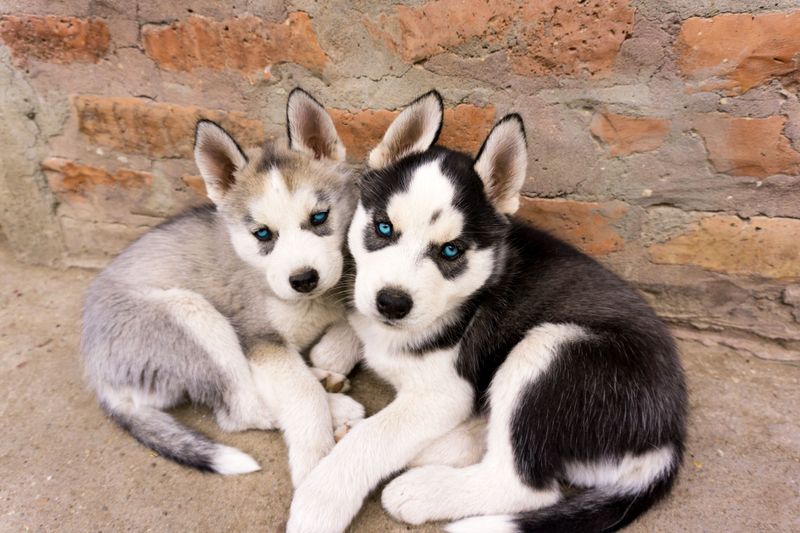
After puppyhood, many Huskies discover independence that tests patience. Recall fades when wind carries scents, howling increases at dawn, and furniture suffers if exercise drops.
Pulling surges because running hard feels right, not because they are ignoring you.
Lean into their nature with smart outlets. Fit a canicross belt, teach cues for go and easy, and log purposeful miles safely.
Off days get puzzle feeders, sniff hikes, and tethered chill time. Practice whistle recalls with jackpots after allowed sprints.
Respect the engine, and cooperation blossoms without breaking that sparkling northern spirit. Secure yards matter, and long lines protect wildlife while training sticky responses.
Expect plateaus, then surprising leaps as routines settle. Keep faith through winter.
Cane Corso
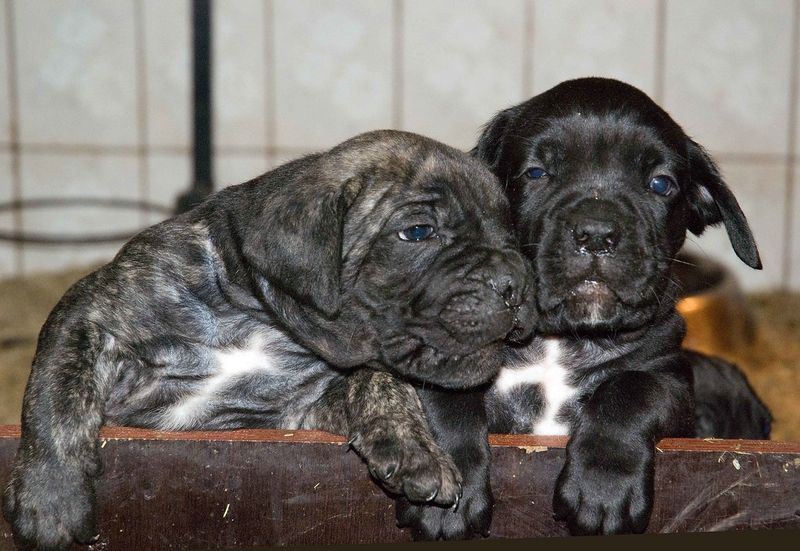
With Corsos, the hardest window is when size surges and discernment lags. Territorial instincts light up, strangers feel suspicious, and sloppy greeter habits can spiral into big problems.
Adolescents also hit fear bumps, suddenly wary of men in hats, delivery carts, or echoey entryways.
Answer with guardrails and leadership, not force. Rehearse place while guests sit, reward calm observation, and keep introductions brief and boring.
Manage windows, add structured muzzle training, and practice neutral field trips with distance. Recruit a skilled trainer early.
Do this diligently, and you will raise a stable, impressive Corso with thoughtful confidence. Advocate space in public, and never let pushy strangers corner your dog.
Slow is smooth, smooth is safe.
Rottweiler
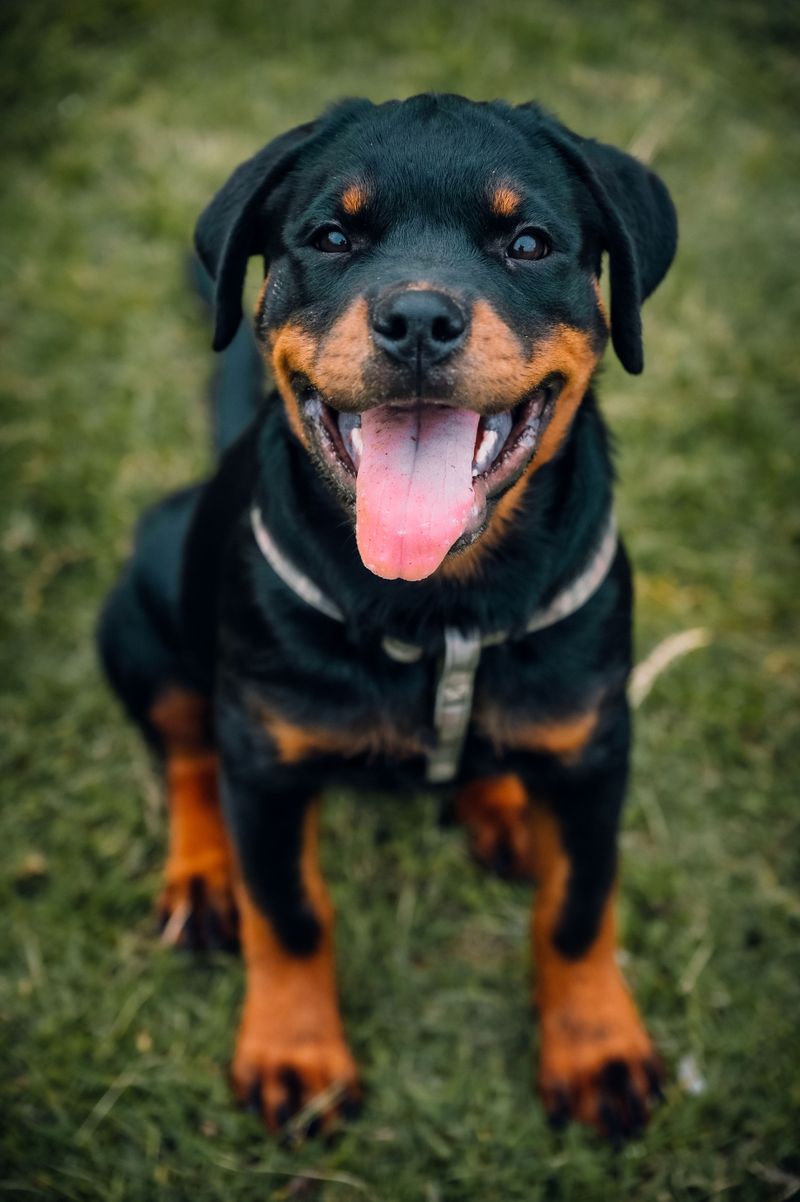
Rottweilers mature slowly, and the sketchy stretch often arrives late. Confidence swells, testing begins, and doorways become checkpoints where pushy behavior sneaks in.
Barking at night sounds, posturing at rowdy dogs, and ignoring recalls during yard patrol can all surface together.
Build manners like a trade. Calm sits buy access, loose-leash buys sniffing, and quiet buys attention.
Practice place for mealtimes and guests, plus slow heeling past chaos with deep breathing. Add carting or weight pulls carefully for purpose.
With patient repetition, that big presence settles into reliable judgment and a velvet glove of control. Advocate space during adolescence and limit rough play that rehearses bad habits.
Consistency outmuscles bravado every single week. Hold steady.
Weimaraner
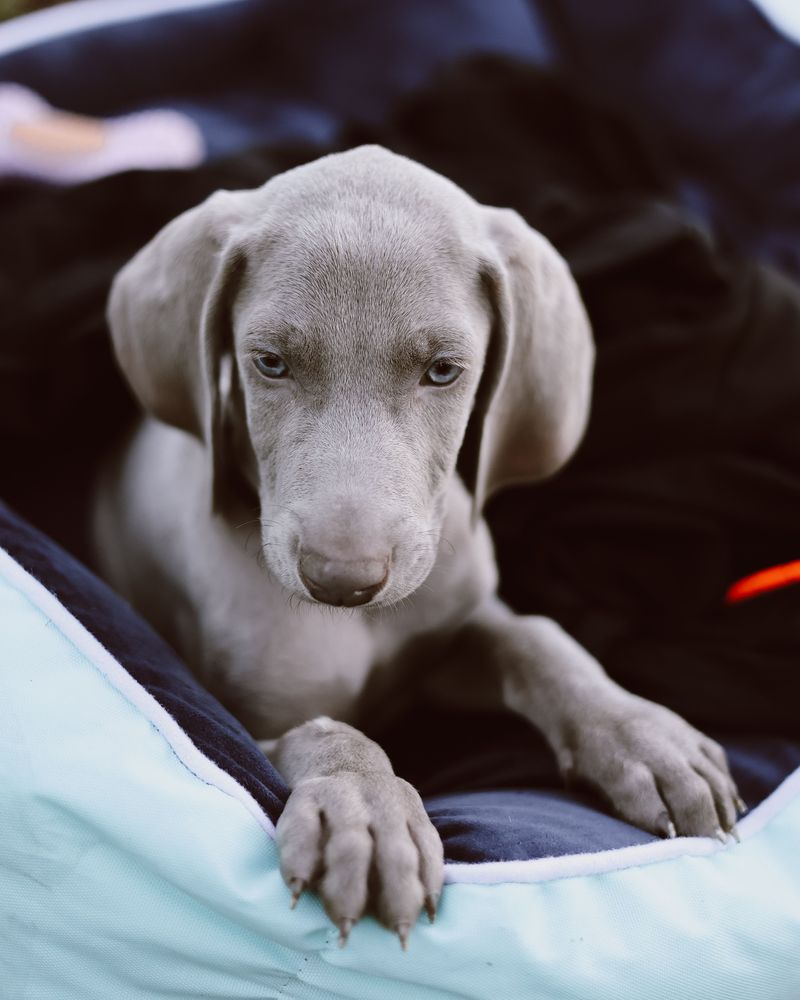
Weimaraners often become intensity wrapped in velvet once teenage months start. Separation frustration spikes, counters get raided, and zoomies turn into household parkour.
Their need for closeness means boredom becomes mischief fast, especially after a big run that wakes the engine instead of draining it.
Solve the puzzle with connected work and rest. Practice recall to hand target, settle on a mat while you read, and use puzzle feeders that require thoughtful licking.
Plan two-a-day micro sessions with long naps between. If clinginess grows, add gradual alone-time training.
Soon the silver rocket learns to throttle back and choose calm. Block windows during absences and reward independent chewing near you first.
Then widen distance slowly daily.
Dalmatian
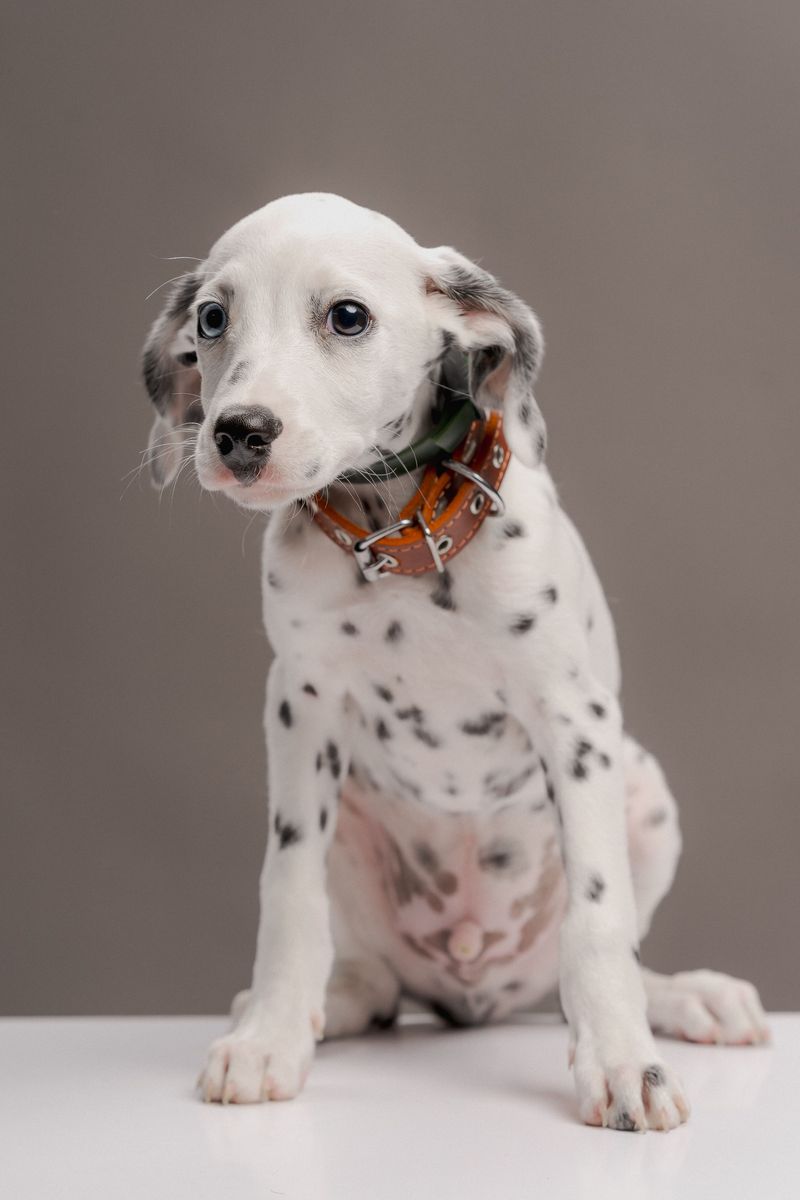
Adolescent Dalmatians can go from charming to chaotic in a flash. Endurance rises, novelty chasing appears, and vocal protests show up when plans change.
Spots do not guarantee patience, so guarding toys or spaces may flicker if rest and rules are fuzzy.
Give that athlete a playbook. Teach trading games, patterned walks, and a default settle whenever conversation starts.
Use carting, caching scent games, and trick titles to supply purpose. Lower arousal with slow food work and snuffle mats, then practice quiet while life moves.
With repetition, sparkle stays while chaos fades into reliable civility. Interrupt fence running early and reward shadowing you at home.
Short check-ins beat long scoldings every time. Stay playful always.
Vizsla
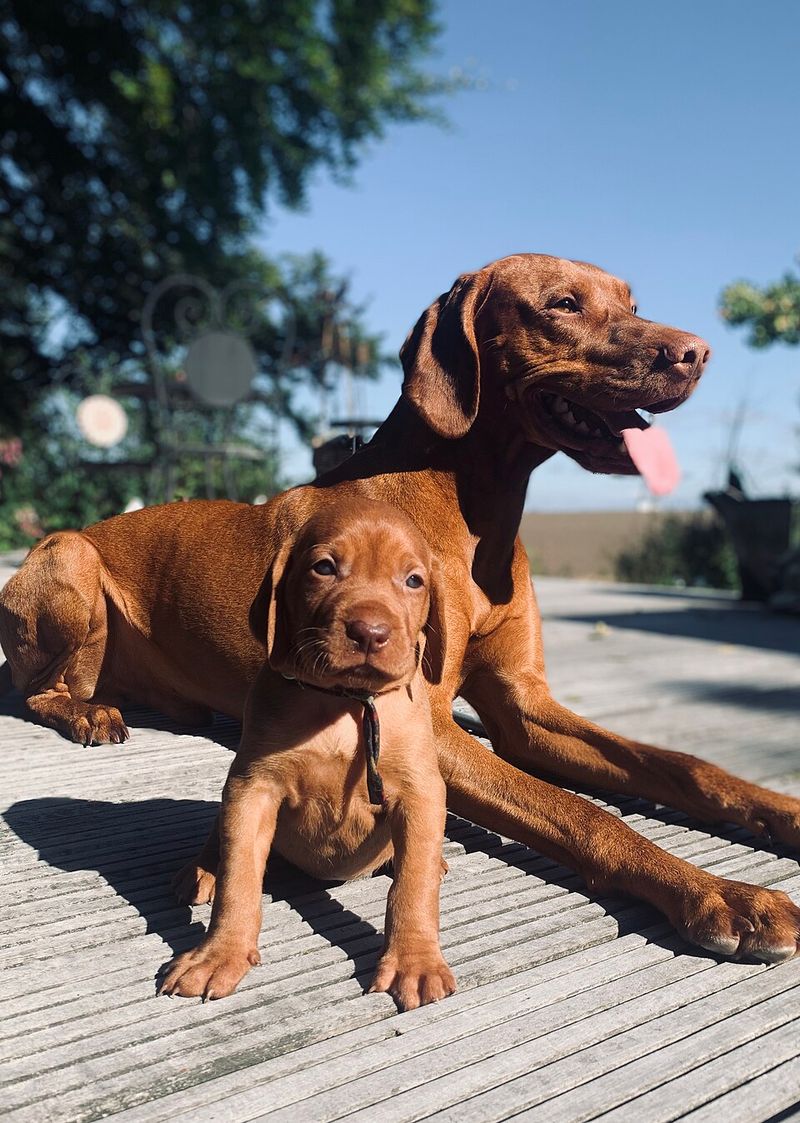
Post-puppy Vizslas often become velcro athletes with opinions. Sensitivity runs high, whining grows during downtime, and door manners evaporate when reunions happen.
Off switch seems missing after runs, and mouthy play can resurface with guests.
Guide the heart with rhythm. Schedule predictable exercise, sprinkle field retrieves, and practice place while life flows around you.
Teach chin rest for nail care and vet handling, then reinforce quiet with slow exhale games. Use soft training, not nagging.
Soon the gentle red shadow learns balance, patience, and relaxed closeness that lasts. If clinginess spikes, add gradual absences with food projects and return calmly.
Invite independent settling beside you first, then inch the distance. Celebrate small wins daily.
Keep going.