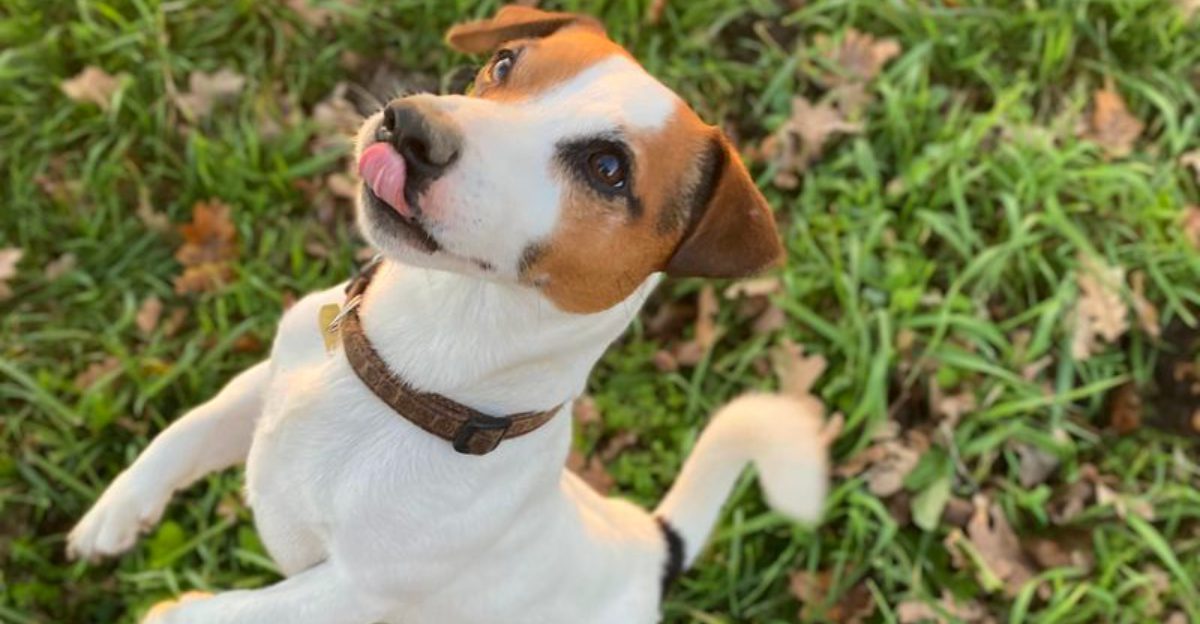
Some dogs seem to breeze through obedience, while others make you rethink every training tip you have ever heard. If you have wondered whether it is the breed or the method, you are not alone.
These dogs can spark big conversations about motivation, structure, and patience. Let’s explore which pups test your skills and which ones tend to feel a bit more straightforward.
Belgian Malinois
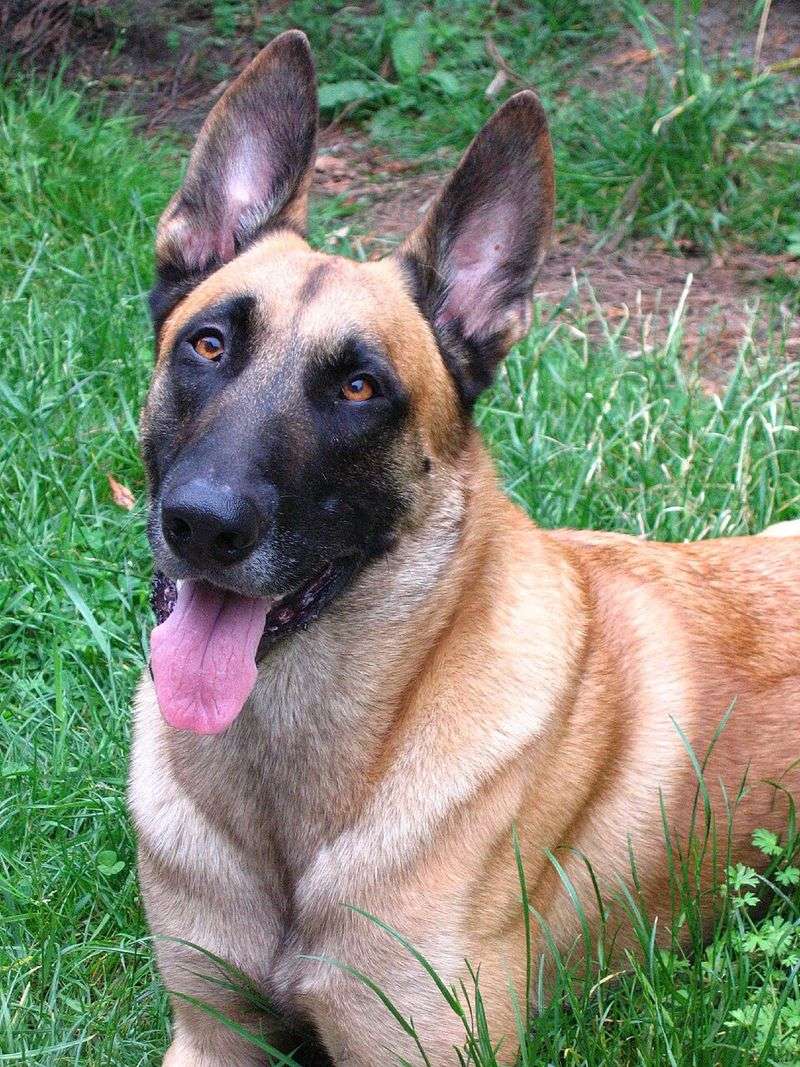
The Belgian Malinois is brilliant, driven, and relentless, which means you must be too. If you love structure, this dog rewards your effort with crisp obedience and lightning fast responses.
If routines slip, the Malinois invents its own job, which usually includes herding your guests.
Training thrives on clarity, short sessions, and purposeful outlets like agility or bite sports. You will need impulse control games, off switches, and plenty of decompression walks.
Without that balance, arousal spikes and reactivity can take over.
Border Collie
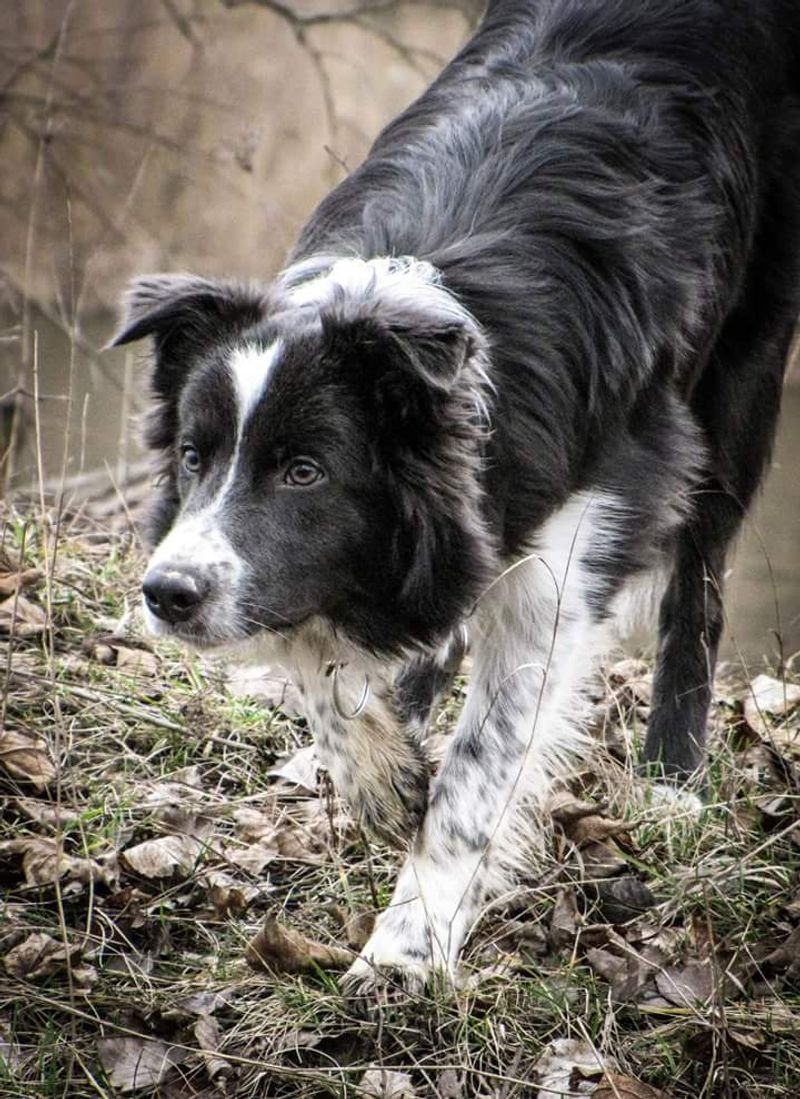
Border Collies read your body language like subtitles, which is magical and maddening. You will celebrate mind blowing progress, then watch them outthink your plan.
Their eye and stalking heritage demand structured games that channel precision without spiraling into obsession.
Balance energetic drills with calm reinforcement and mat training. Keep sessions short, layered, and varied to prevent pattern lock.
Trick training, scentwork, and disc can build confidence without fueling frantic intensity.
Siberian Husky
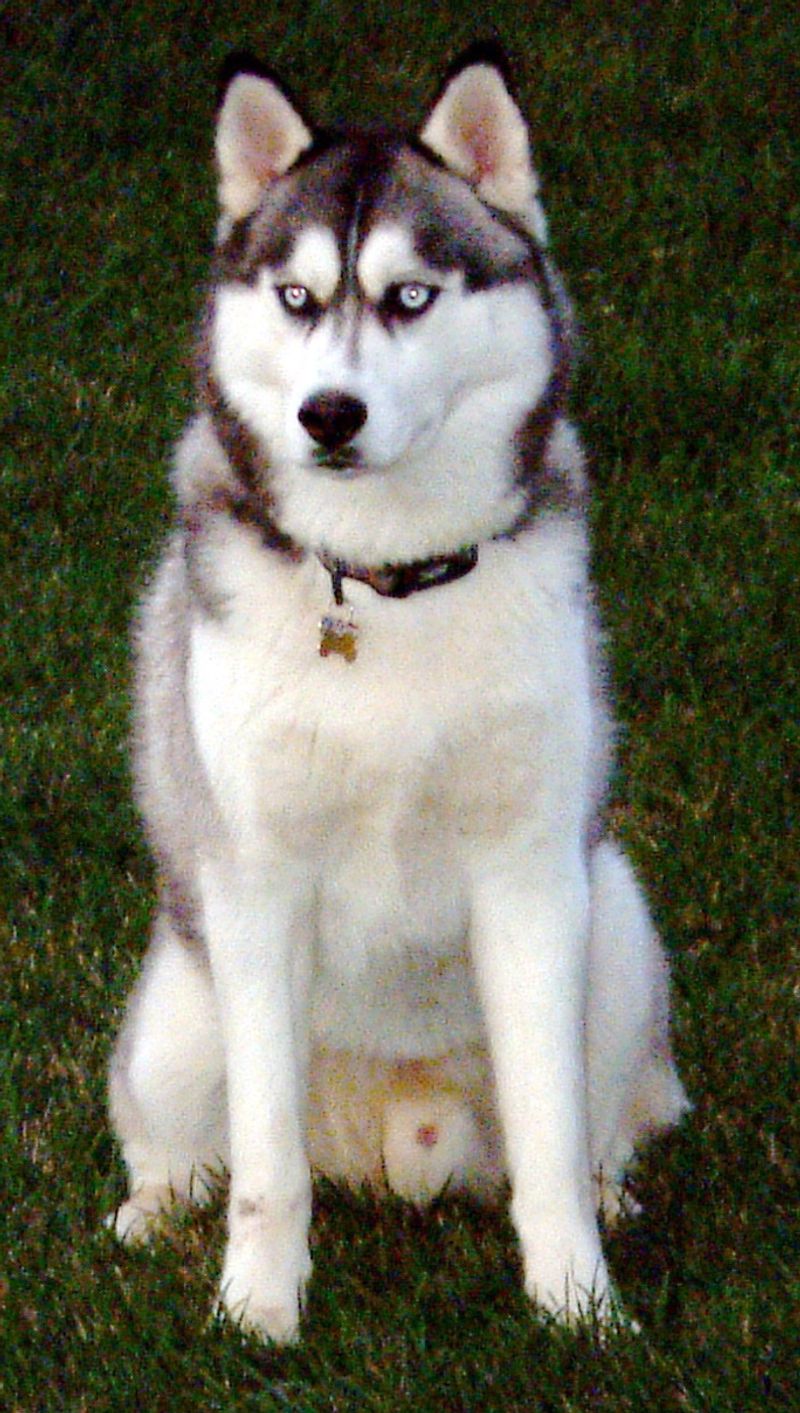
Huskies are charming escape artists with selective hearing, especially when the wind smells like adventure. You will need creativity, patience, and seriously tasty rewards.
Reliable recall comes from management, long lines, and rehearsing success in low distraction environments.
Think games that pay for checking in and choosing calm. Flirt poles, canicross, and sniffy walks burn energy without turning everything into a sprint.
If you expect Labrador style eagerness to please, you might misread their independent brain.
Akita
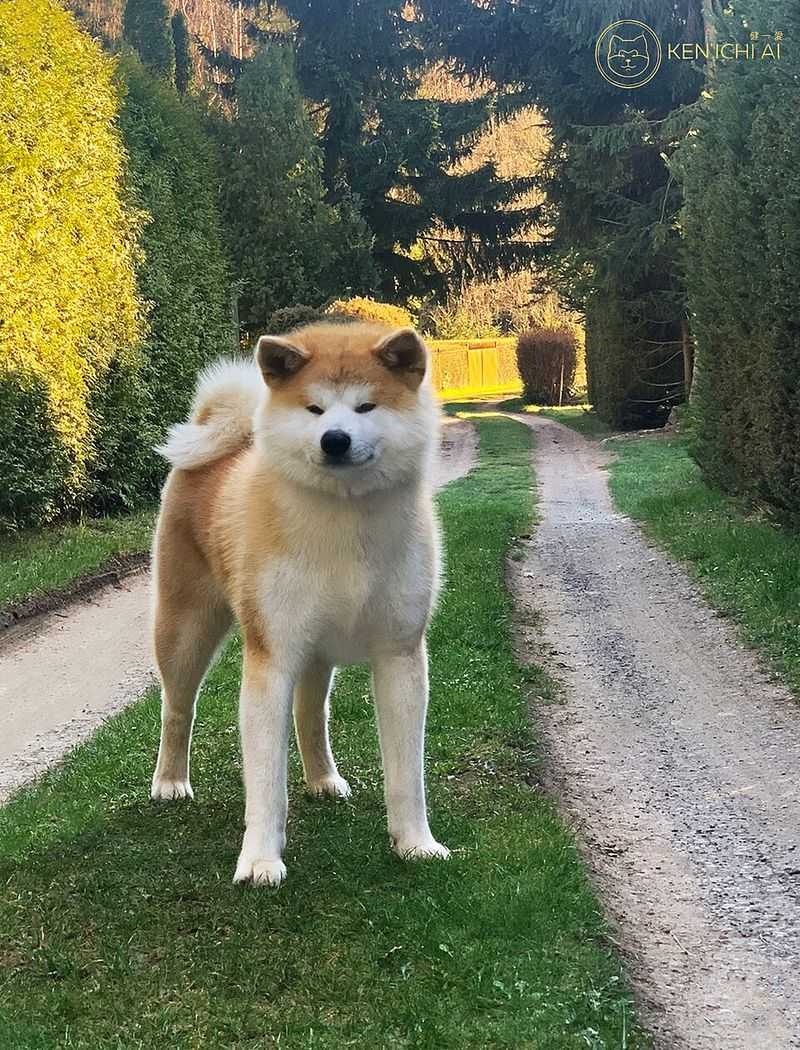
Akitas are loyal, composed, and deeply independent, which can make basic cues feel negotiable. You will earn trust through consistency and calm leadership, not constant chatter.
Short, respectful sessions with high value rewards work better than repetition and cheerleading.
Guarding tendencies mean early social exposure matters. Teach neutrality around people and dogs rather than forced friendliness.
Clear boundaries, reliable routines, and confidence building games help prevent pushiness and conflict.
Shiba Inu
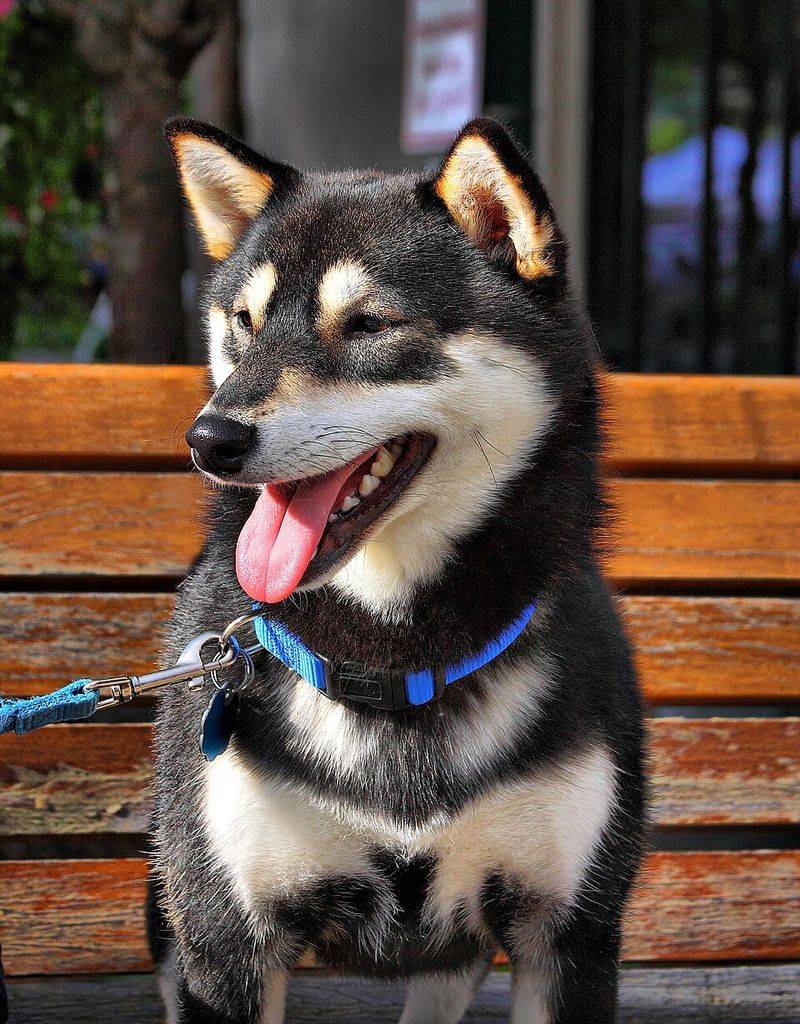
Shibas are witty minimalists who ask why before they comply. You will need to make training worth their time, because bribery without structure quickly backfires.
Teach life skills through everyday routines, like sit for leash clip and wait for door opens.
Use quiet reinforcement, avoid wrestling matches, and practice handling with patience. Recall lives on long lines, pattern games, and safe fenced areas.
When you respect their independence, you will find a surprisingly affectionate and tidy roommate.
Chow Chow
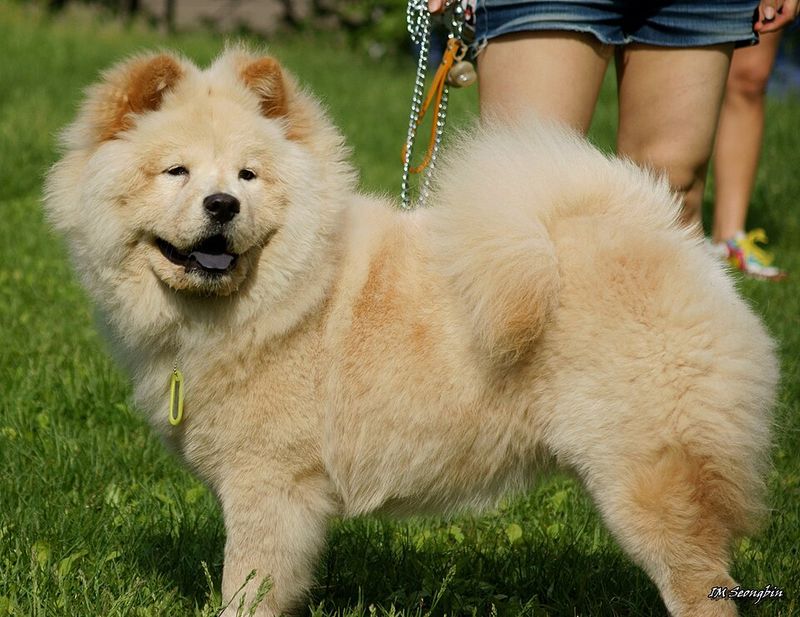
Chows value peace and personal space, so loud corrections and frantic drills backfire quickly. You will make better progress by pairing calm handling with predictable routines.
Cooperative care sessions for brushing and paws build trust and reduce conflict.
Socialization should be thoughtful, not overwhelming. Teach neutrality to visitors and reward quiet choices.
Keep cues simple, proof them slowly, and protect rest time, because overtired Chows get prickly.
Cane Corso
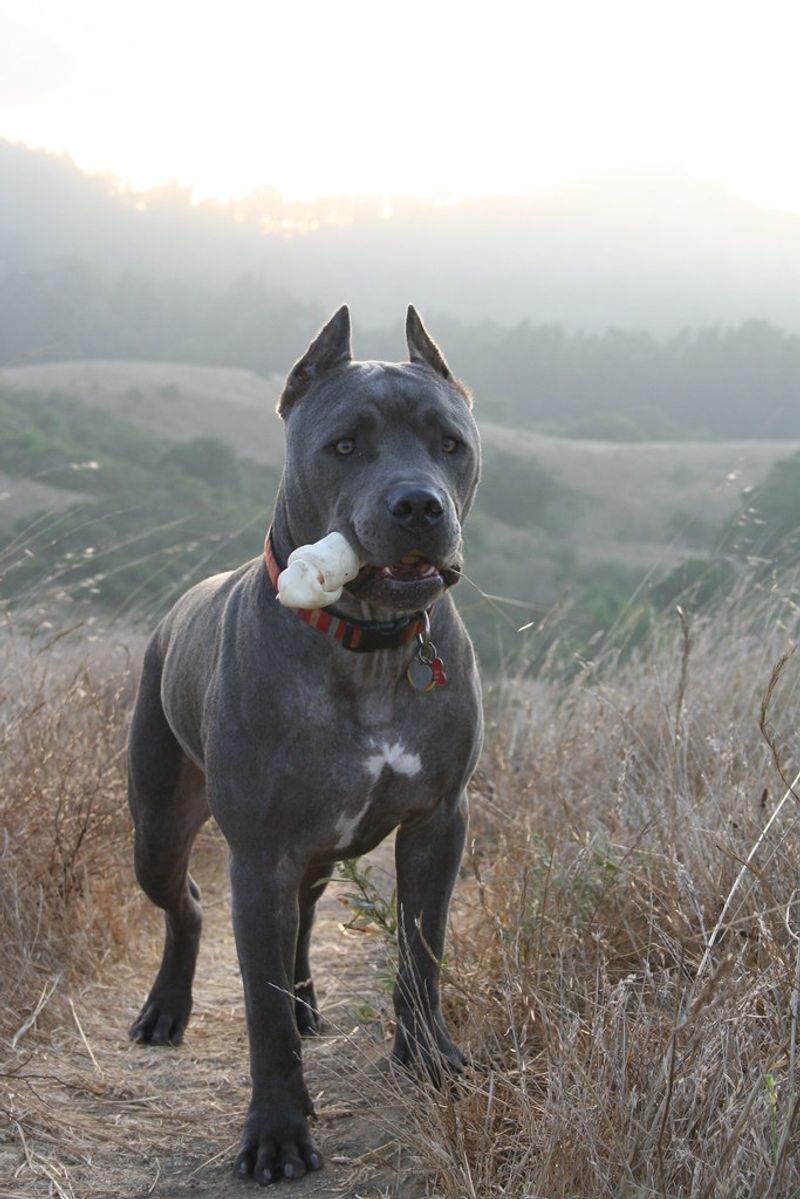
Powerful and sensitive, the Cane Corso reads your mood and mirrors it. You will want clear rules, generous reinforcement, and zero chaos at home.
Early social exposure to sounds, surfaces, and calm strangers keeps big feelings manageable.
Focus on impulse control, place training, and polished leash skills. Reward neutrality in public and shut down rough play before it spikes.
When leadership is steady and kind, this guardian becomes a thoughtful companion.
Beagle
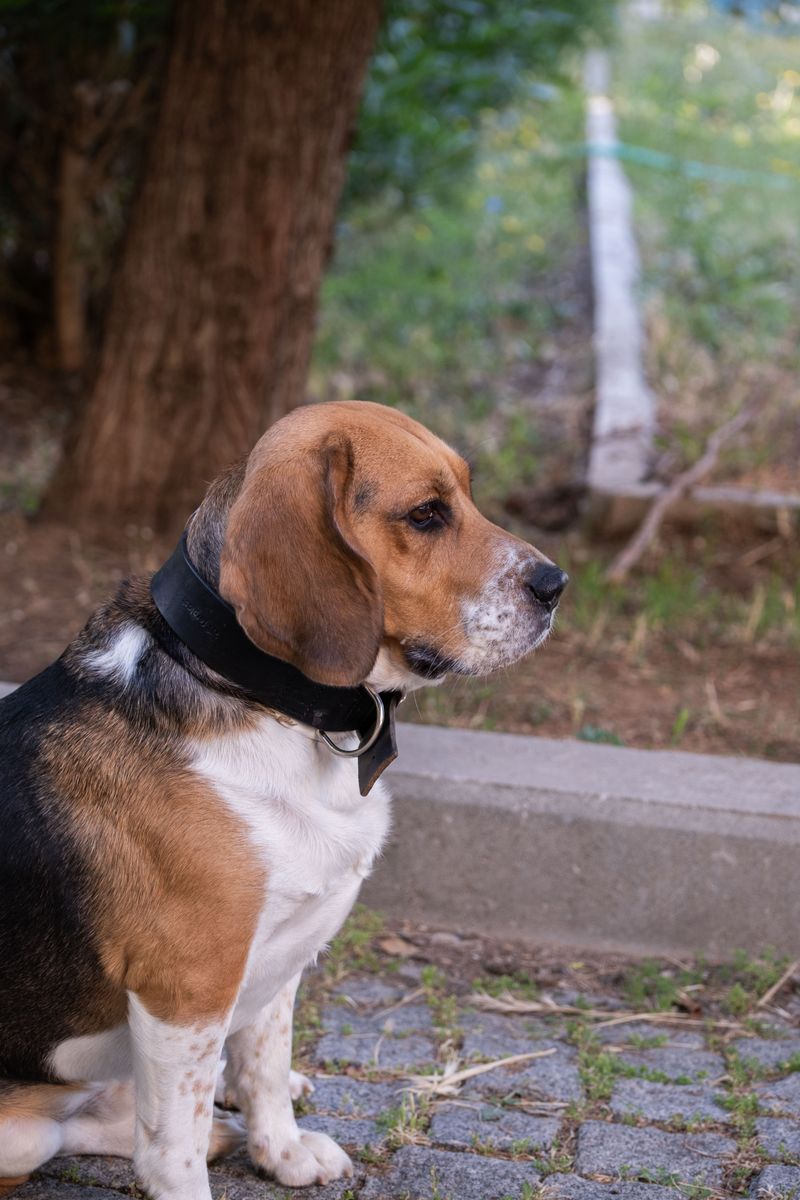
Beagles follow their noses like it is a calling, not a hobby. You will win by making you more interesting than the scent, which means jackpots and playful games.
Long lines and pattern recalls keep them safe while they learn.
Use food generously, add sniff breaks as rewards, and avoid punishment that suppresses curiosity. Scentwork and tracking satisfy the hound brain without wrecking manners.
When the environment pays less than you do, obedience shows up with a wag.
Jack Russell Terrier
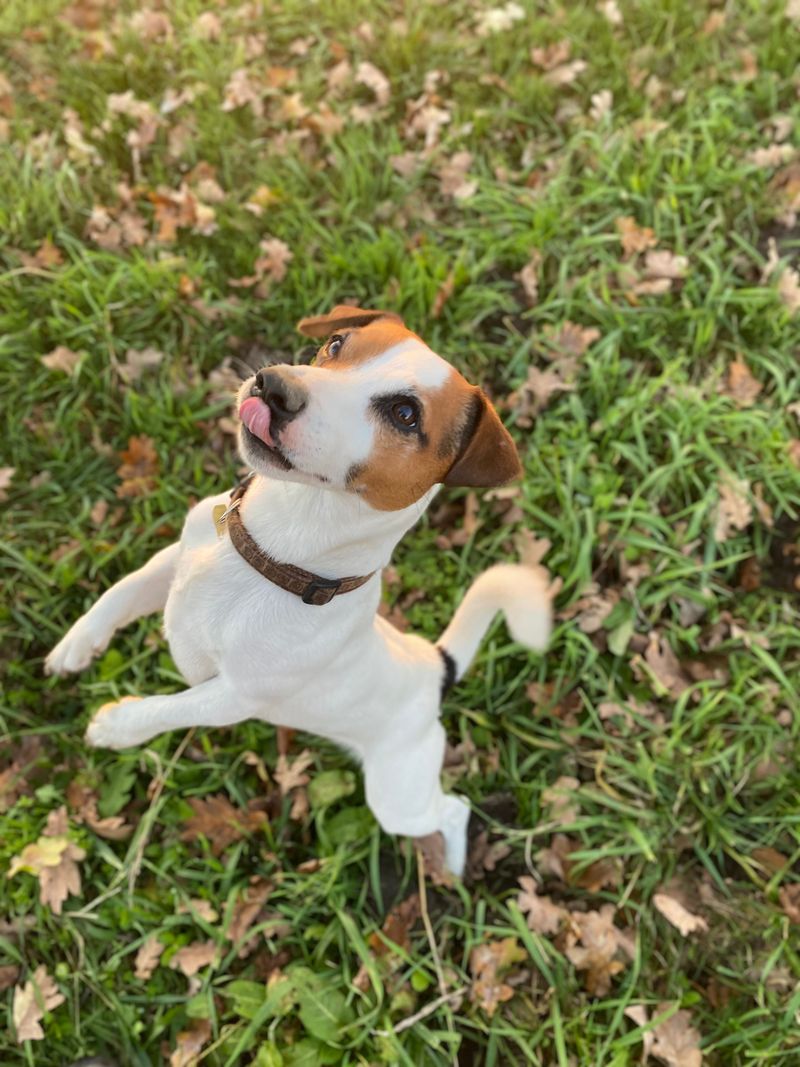
Jack Russells are caffeine with paws, built for problem solving and persistence. You will need bite sized sessions, tug rewards, and clear stop cues.
If you forget to provide outlets, they will excavate your garden with pride.
Teach fetch with rules, impulse control around movement, and settle on a mat after play. Agility, nosework, and puzzle feeders channel that terrier tenacity.
Keep training upbeat and structured, and you will unlock the comedian behind the chaos.
Dachshund
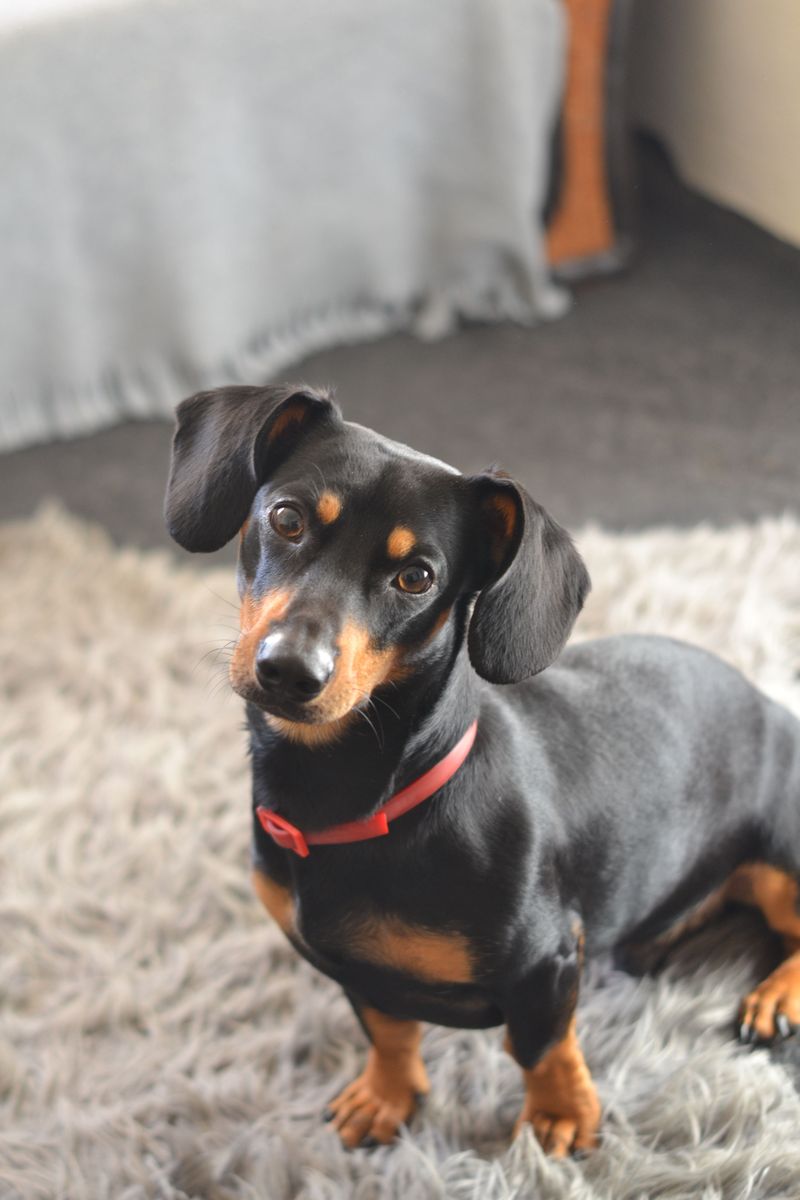
Stubborn is the rumor, but Dachshunds are simply strategic. You will get better results with tiny criteria and rich paychecks.
Protect their backs with low impact exercises and ramps, then build confidence with easy wins.
Potty training needs patience, strict schedules, and weather accommodations. Recall improves when you trade high value snacks for that interesting hole.
Keep lessons cheerful and short, and you will watch bravery grow in small steps.
Australian Shepherd
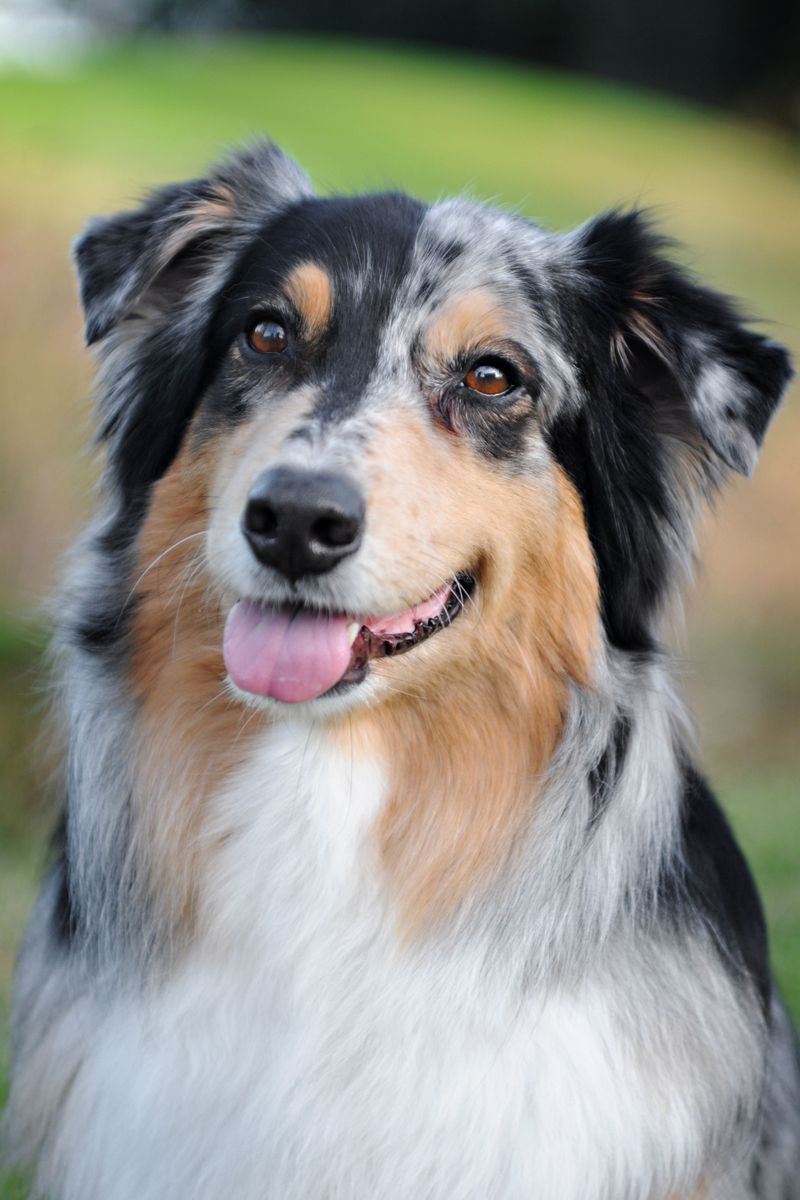
Australian Shepherds thrive on purpose, patterns, and partnership. You will see fast learning, but also sensitivity to tone and pressure.
Keep criteria clear, rotate jobs, and prevent boredom so mischief does not bloom.
Herding instincts make motion control and recall essential. Teach off switches with mat time and reinforce calm greeting manners.
When you invest in brain work and fair boundaries, this breed gives you stunning teamwork.
German Shepherd
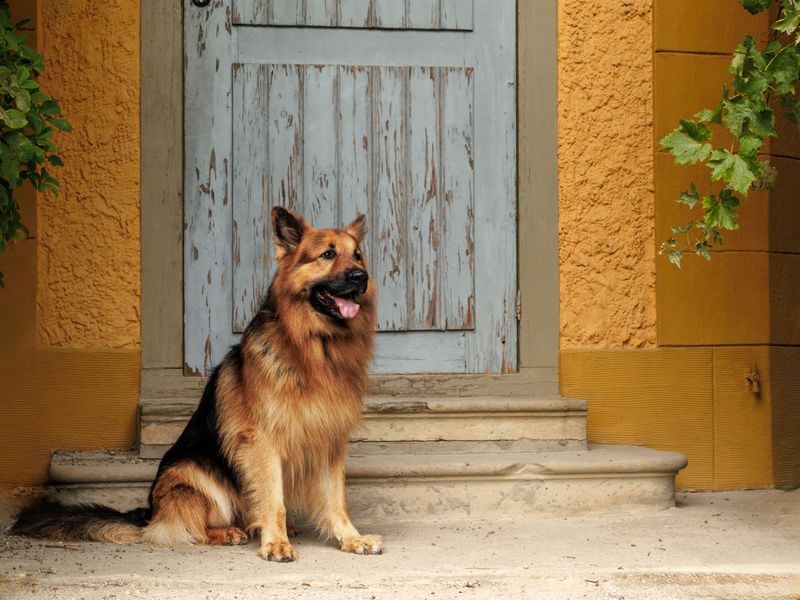
German Shepherds combine biddability with big feelings, so clarity matters. You will want strong foundations, neutral exposures, and careful reward placement to prevent nervy habits.
Socialization should focus on confidence, not constant interaction.
Teach rock solid engagement, recall, and down-stays early. Keep sessions varied, prioritize joints with smart exercise, and add scent games for balance.
With fair leadership, they become steady partners in everyday life.
Basenji
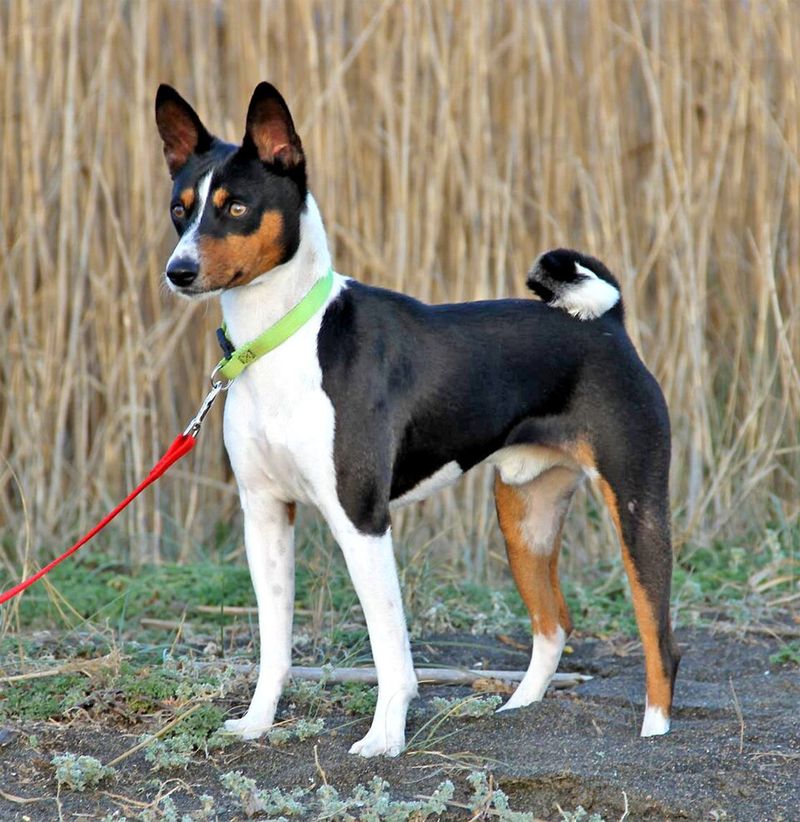
Basenjis are elegant, quiet, and decidedly self employed. You will succeed by making choices pay, not by repeating cues louder.
Curiosity games and chase alternatives keep the hunter satisfied without losing manners.
Use long lines, reinforce calm, and practice cooperative care early. Novel environments matter more than endless sits.
When you trade control battles for smart reinforcement, this independent thinker becomes a witty companion.
Golden Retriever
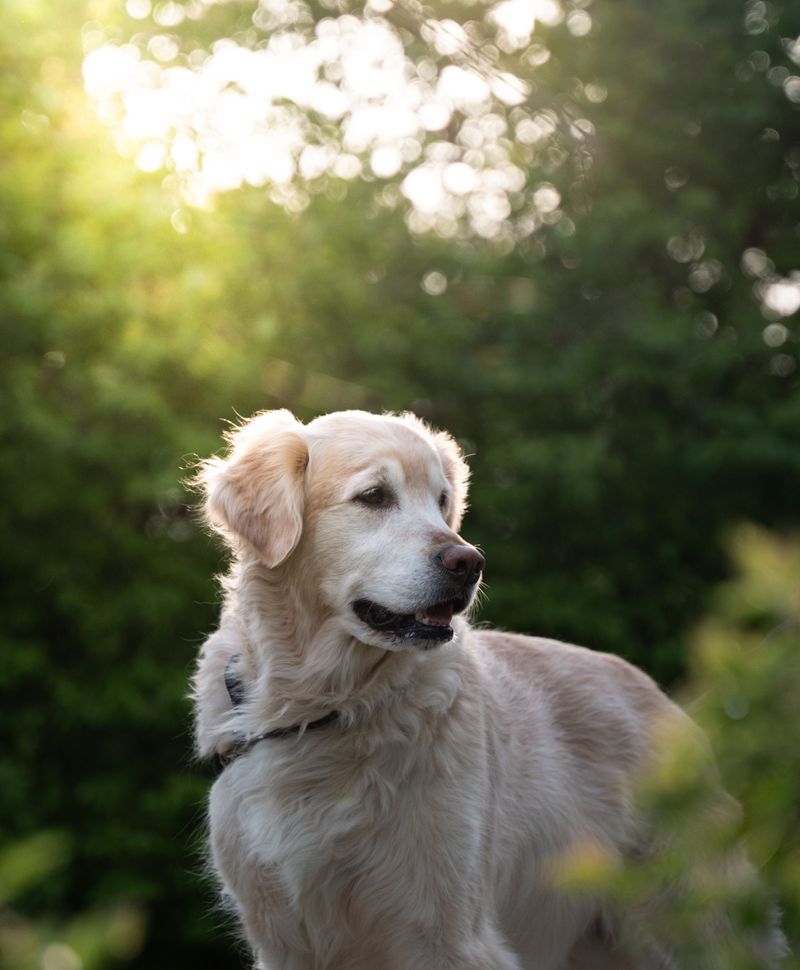
Goldens are crowd pleasing optimists who generally love to learn. You will find food and play land beautifully, especially for loose leash and polite greetings.
Watch for overexcitement and teach calm early so friendliness does not bulldoze manners.
Short, happy sessions with fetch breaks keep momentum high. Reinforce settling on a mat, gentle mouth skills, and impulse control at doors.
With consistency and patience, you get a dependable family teammate who brings sunshine to practice.
Labrador Retriever

Labs are enthusiastic partners that respond beautifully to food, toys, and structure. You will see quick wins on basics, though teenage fizz can test patience.
Channel energy into retrieves, scent games, and swimming to keep brains and bodies satisfied.
Teach impulse control around doors and food bowls, and reinforce calm greetings. Consistent routines beat scolding every time.
With fair expectations and fun workouts, you get a steady, eager learner that makes training feel easy.
Shetland Sheepdog
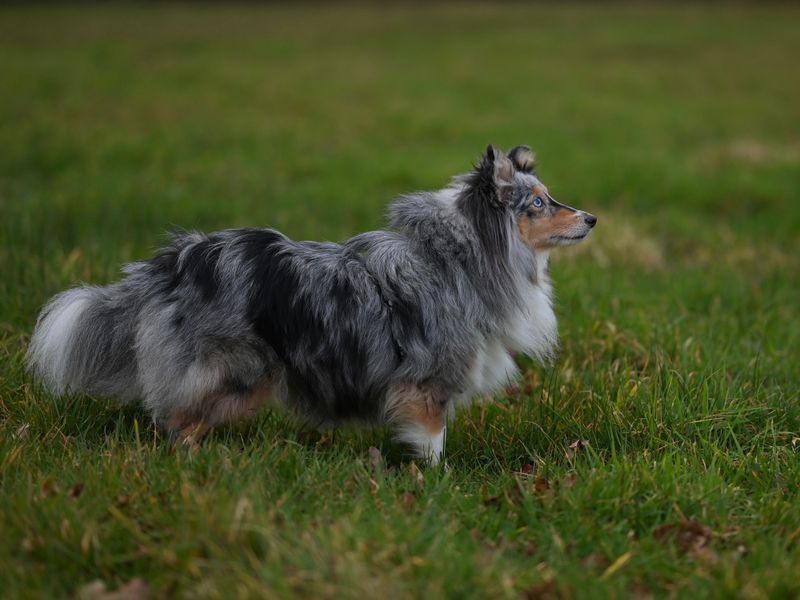
Shelties are sensitive overachievers who try hard when they feel safe. You will gain speed using quiet markers, tiny criteria, and generous reinforcement.
Loud environments can rattle them, so build confidence with gradual challenges.
Teach focus games, settle on a mat, and recall that pays brilliantly. Agility and tricks showcase their sparkle without flooding them.
With empathy and structure, you unlock a delightful, precise partner that loves to get it right.