
Some dogs take a fence or gate way too personally. One flash of movement and suddenly it is a full neighborhood announcement.
If you have ever wondered why certain breeds light up at barriers, you are in the right place. Learn what drives those reactions and how to channel the energy into calm, confident choices.
German Shepherd
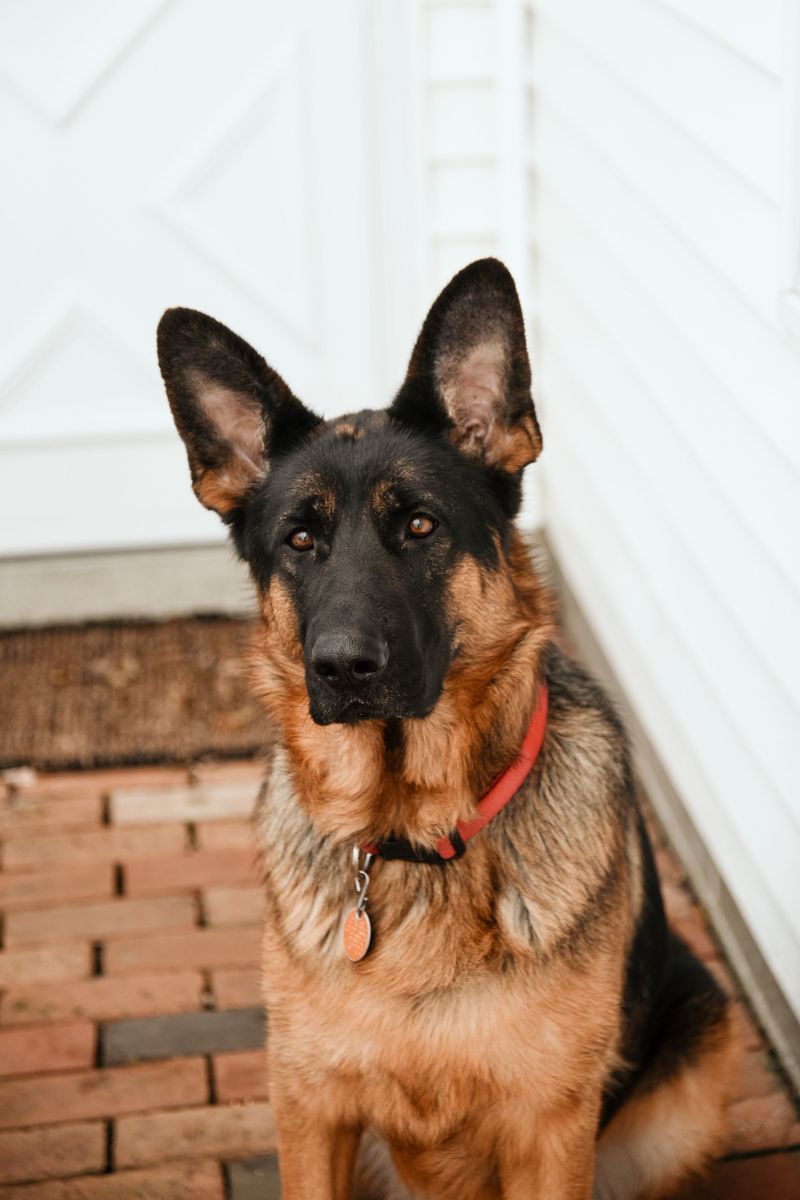
German Shepherds are brilliant problem solvers, so a fence can feel like a puzzle begging to be cracked. When they see movement on the other side, their protective instincts flip on quickly.
That mix of brains, brawn, and loyalty can turn a quiet yard into a full voice patrol.
Give them structured outlets and you will see calmer reactions. Daily obedience refreshers, scent games, and supervised meet and greets through a safe barrier work wonders.
If reactivity spikes, create distance, reward neutral looks, and use a solid place cue, because channeling that intense focus is your secret power. Consistency, fair rules, and enough mental exercise help them stop rehearsing the bark and lunge routine, so they practice patience instead daily.
Belgian Malinois
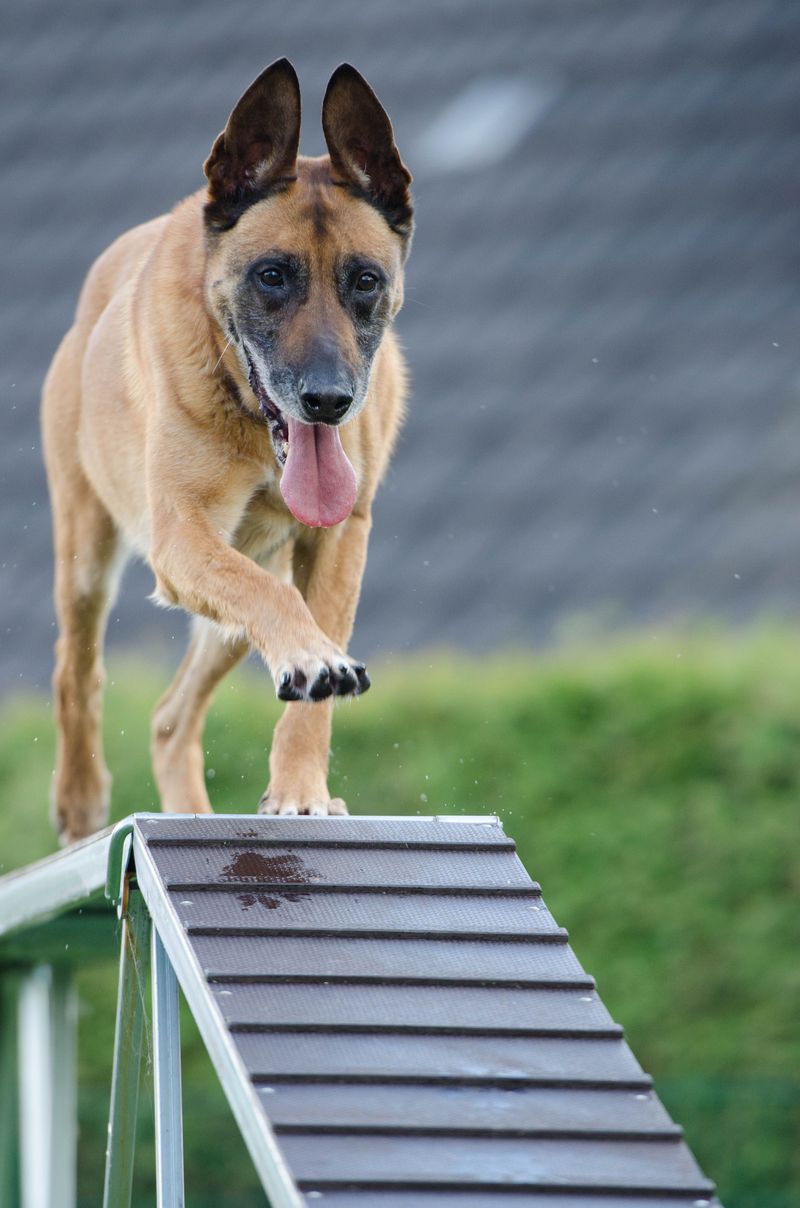
Belgian Malinois read the world like a live mission feed, and a gate is simply a staging line. Their eyes lock, muscles coil, and every fiber says go.
When a stranger or fast dog streaks by, that prey and protection blend can turn arousal into fence fighting in seconds.
You can flip that energy into work before trouble starts. Pattern games, tug with rules, and fast recalls away from the barrier build impulse control.
Pair distance with jackpots for choosing to disengage, rotate visual blockers if needed, and tire the brain with tracking, because a busy Mal is a balanced one. Short, focused sessions beat marathon drills, keeping arousal below threshold while still satisfying that incredible drive to engage daily.
Border Collie
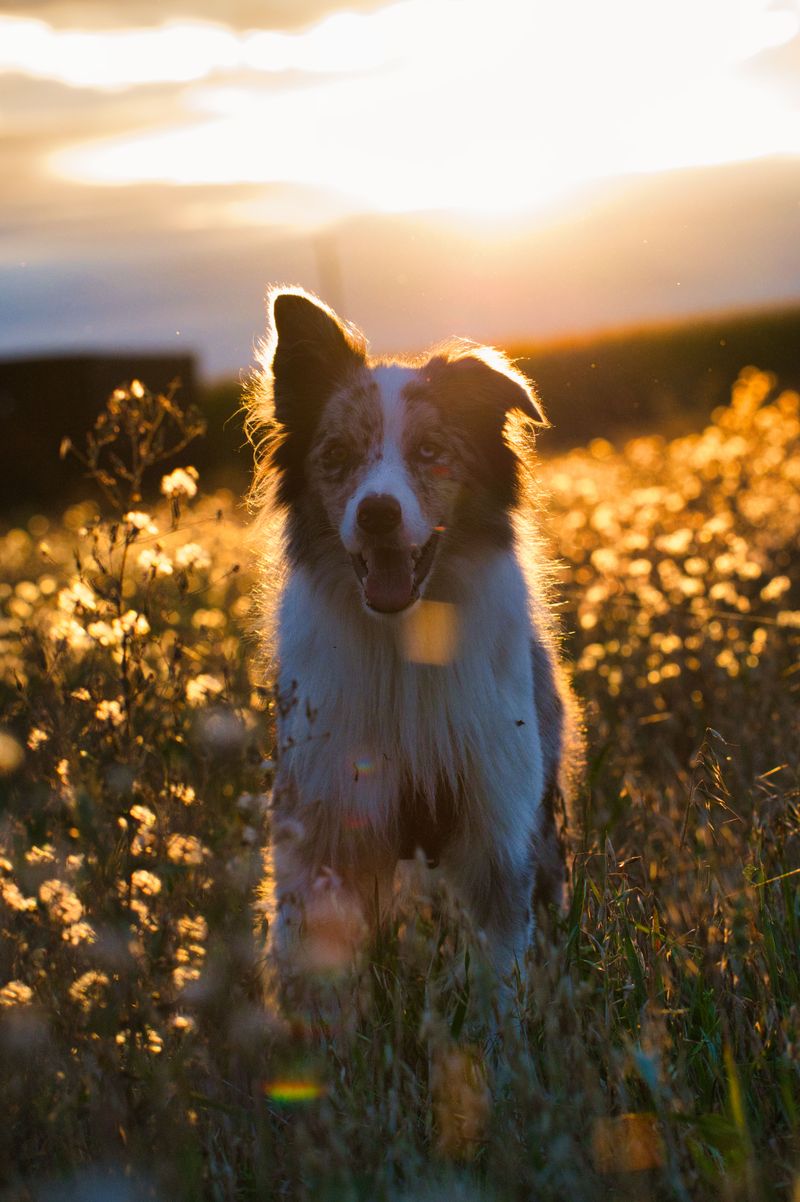
Border Collies are motion magnets, so a fence becomes a frustrating movie screen. They fixate on every flicker, rehearse stalking, and explode when the scene speeds up.
That rehearsal builds habits fast, and soon the barrier becomes the stage where barking, circling, and eye locking feel rewarding.
Break the cycle with structured herding outlets, long downs, and pattern work that interrupts staring. Reward calm glances away, use visual barriers, and teach a clean out cue paired with a fun job.
Nosework and scatter feeding in the yard shift the brain from chase mode to thoughtful problem solving. Regular decompression walks, predictable routines, and enough mental mileage let your Collie greet fences with curiosity instead of compulsive rehearsals most days outside.
Australian Shepherd
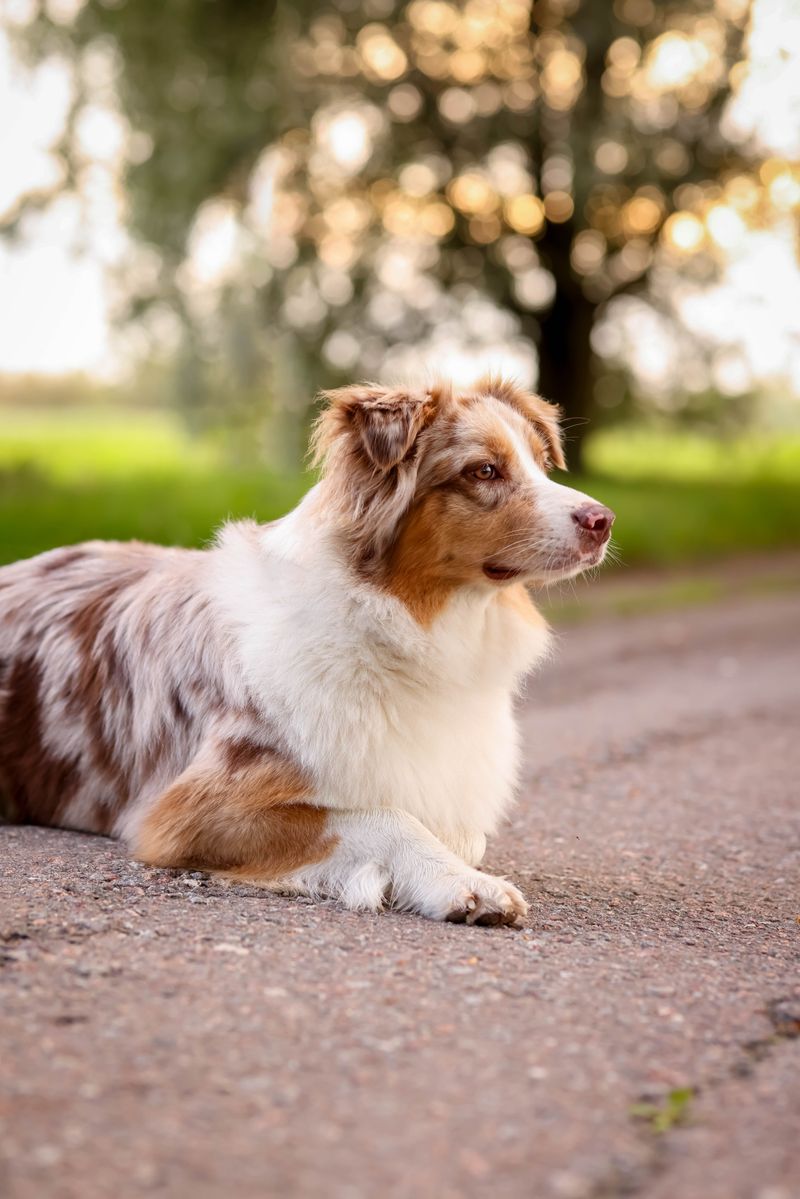
Australian Shepherds are busy supervisors, and a gate feels like a checkpoint they must manage. Movement triggers that rounding instinct, so they bark, spin, and push closer.
The longer they practice at the barrier, the stronger the habit gets, weaving arousal and purpose into a noisy routine.
Channel that drive with structured jobs before yard time. Do obedience patterns, moving stands, and hand targets, then reinforce any calm check ins away from the fence.
Add privacy screening, set clear boundaries, and reward disengagement, because giving their brain a task lets your Aussie choose manners over mayhem. Rotate enrichment like snuffle mats, puzzle bowls, and flirt poles to drain steam, so greeting neighbors becomes a relaxed, waggy check instead most times.
Labrador Retriever
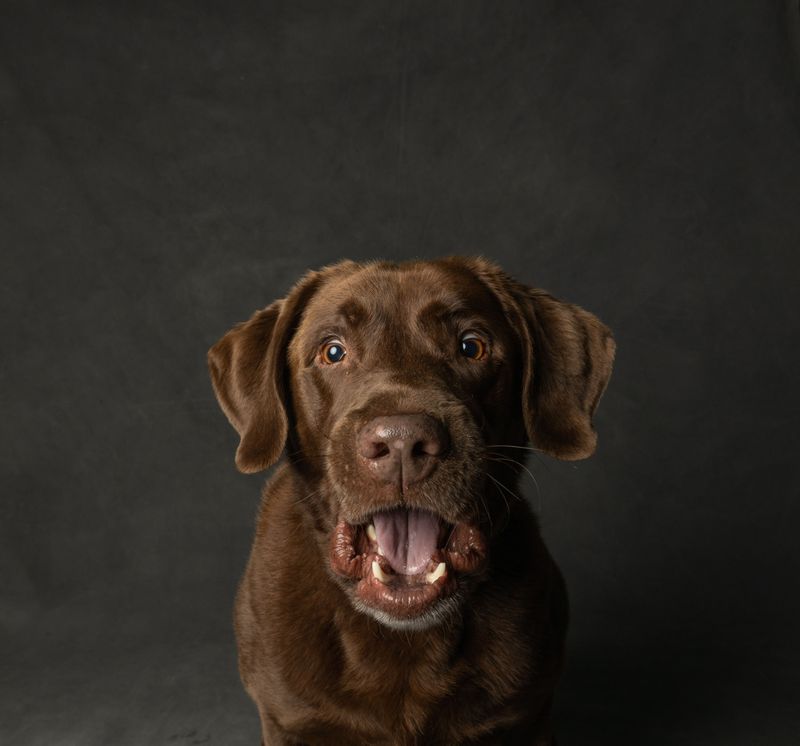
Labradors are social optimists, so a fence can feel like a rude closed door. They bounce, woo woo, and jump, hoping the world opens faster.
When excitement peaks, that friendly frustration can look like reactivity, especially if greetings have always been loud, chaotic, and face to face.
Teach polite anticipation with sit, watch, and back up cues near the barrier. Reward quiet breaths, four on the floor, and easy eye contact while distance is maintained.
Use controlled introductions, long lines, and chill decompression walks after play, so your Lab learns fences mean patience first, party later. Sprinkle sniff breaks, food games, and calm departures into routines, turning that enthusiastic energy into steady manners you can count on anywhere every day.
Golden Retriever
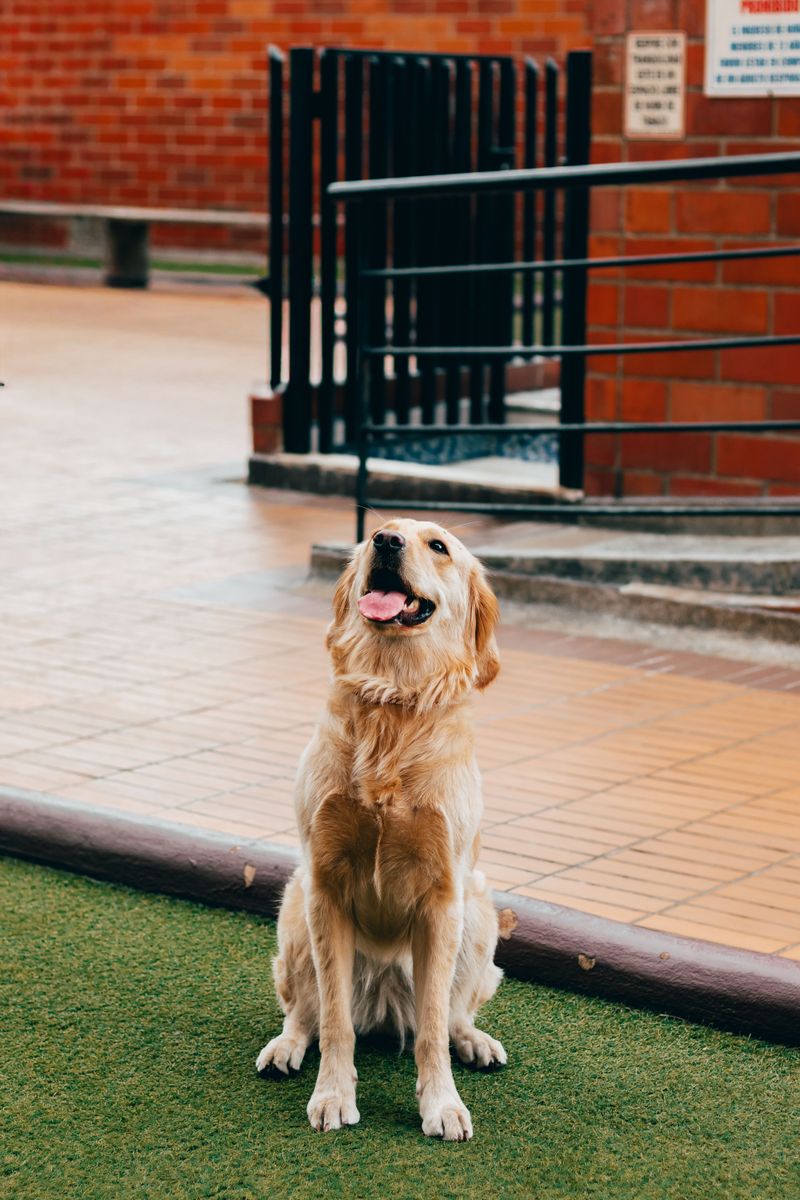
Golden Retrievers wear their hearts on their sleeves, and a fence can amplify those big feelings. Joy, worry, or curiosity spills out as barks and pogo hops.
If neighbors respond, even accidentally, the attention reinforces a habit that grows from friendly hello into rehearsed, over the top excitement.
Reset the script by teaching calm approaches. Practice stationing on a mat, reinforce quiet scanning, and play find it games that lower arousal while you chat.
Layer distance, line handling, and predictable goodbye rituals, so your Golden learns barriers are background noise and good things happen when they relax. Short, sweet sessions build habits quickly, keeping greetings soft, tails loose, and voices low, even when tempting commotion pops off next door daily.
Boxer
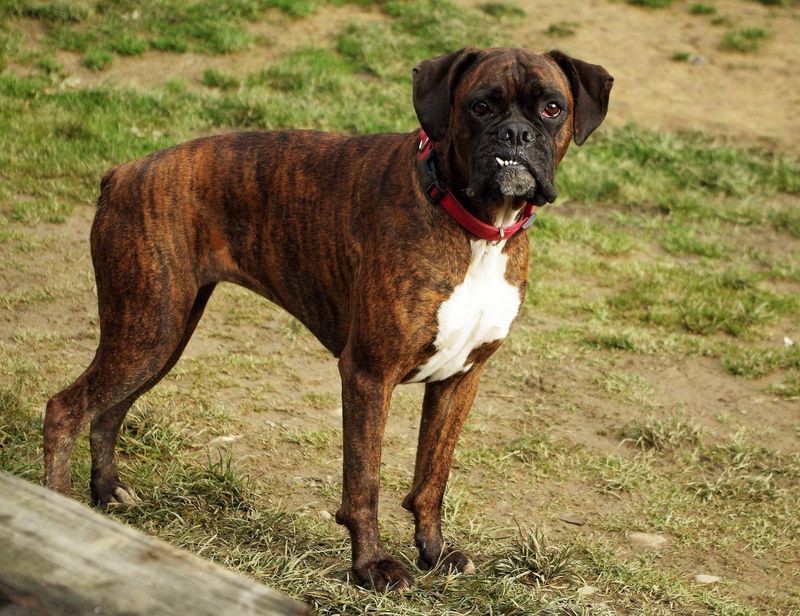
Boxers love contact and clowning, so a gate can spark loud conversations with their whole bodies. Those play bows turn into thumps, spins, and big vocals fast.
If they feel blocked from friends or threats, frustration bubbles, and suddenly the fence becomes the stage for dramatic performances.
Channel that bounce into rules of play you control. Rehearse sit to say hi, release on a cue, and quick downs when arousal rises.
Use barriers strategically with peekaboo exposures, pay generously for quiet, and end sessions before overload, so your Boxer learns gates mean games with manners. Rotate tug, fetch, and sniff hunts, then decompress with a chew, helping that big heart stay regulated when exciting neighbors parade past your fence daily.
Siberian Husky
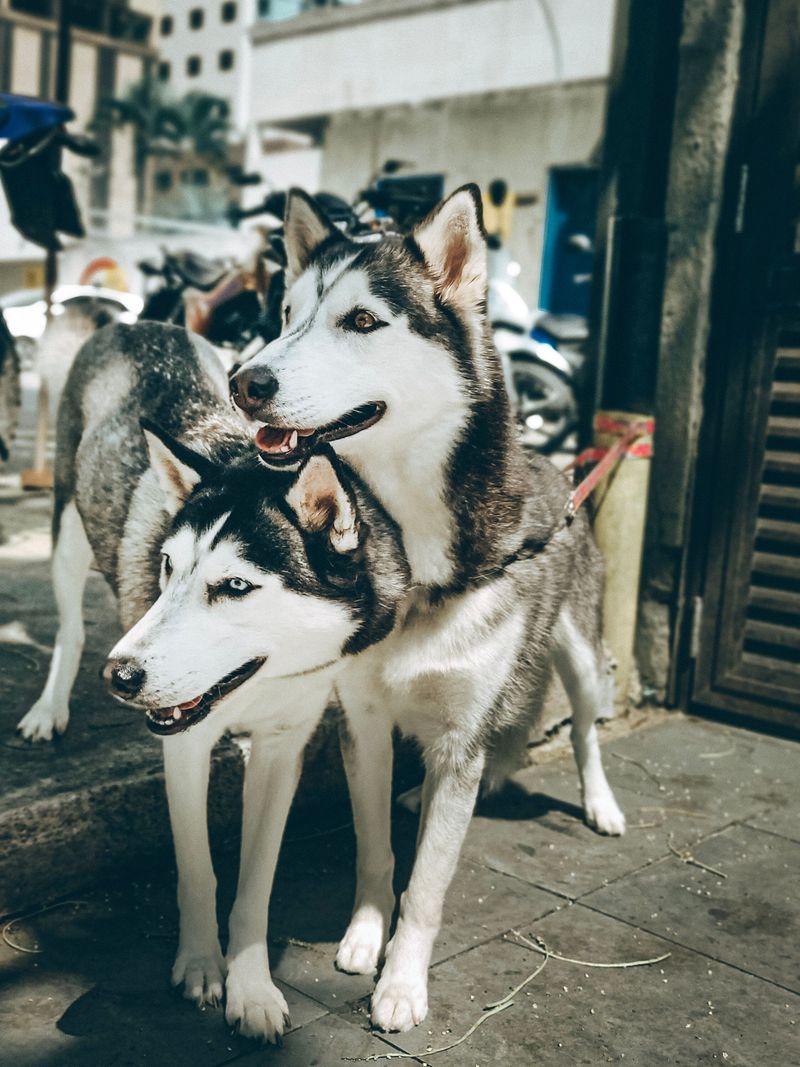
Huskies are storytellers with legs, and a barrier turns tales into arias. They see movement and that sled dog engine revs, pulling the voice along.
If escape attempts ever worked, the fence becomes a challenge, and persistent testing mixes with serenades that carry impressively across the block.
Plan for management and outlets. Secure dig guards, double gates, and tall, smooth panels, while satisfying the need to move with structured runs.
Teach a rocket recall, reinforce quiet sniffing, and provide howling on cue, so your Husky gets expression and exercise without rehearsing fence drama or plotting routes. Mental work like tracking games, puzzle feeders, and obedience sprints burn brain fuel, turning barrier time into calm observation rather than escape auditions today.
Jack Russell Terrier
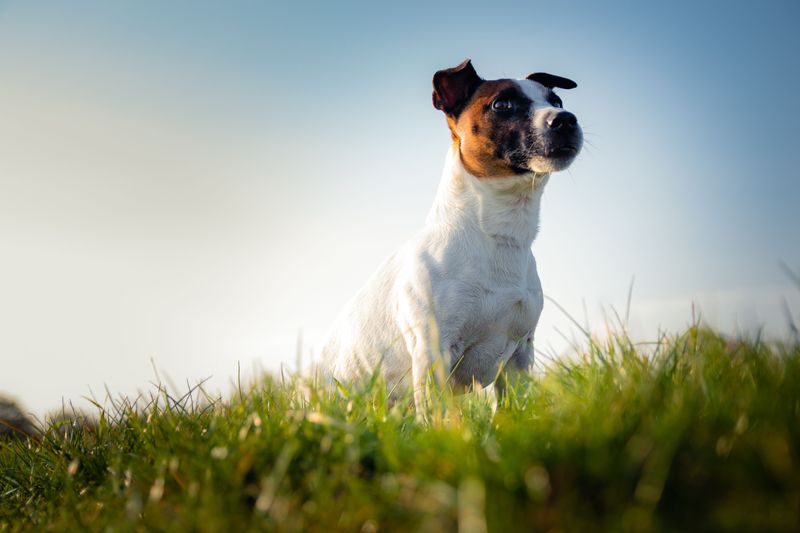
Jack Russells are tiny dynamos, and a fence is just a suggestion. Critter movement flips their hunt switch instantly, and they launch into sharp commentary.
That intensity, multiplied by repetition, can build a habit of lightning fast sprints, leaps, and bark chains aimed squarely at the barrier.
Outthink the impulse with scent work, terrier games, and solid boundaries. Reinforce go to mat, reward stillness, and practice look at that with rapid payoffs.
Keep sessions short, rotate digging boxes and flirt poles, and gate the yard when windups start, so your JRT stays witty without going nuclear. Daily decompression walks, food scatters, and chill crate time help reset arousal, making fence moments feel boring instead of invitations to explode at home.
Vizsla
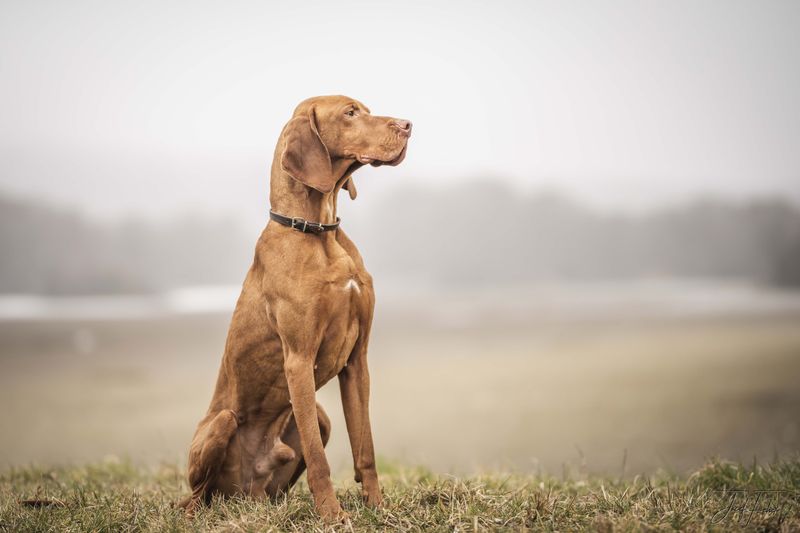
Vizslas are sensitive athletes, and barriers can amplify big feelings fast. They read your mood, mirror excitement, and vocalize when connection is blocked.
If they have not rehearsed patience, that warm enthusiasm can spill into pogo bouncing, yodeling, and sprinting the fence line whenever visitors appear.
Build emotional regulation before greetings. Practice settle on a mat, reward soft eyes and slow breaths, and add distance when arousal climbs above thinking range.
Mix running games with nosework and recall jackpots, then close with cuddly cooldowns, so your Velcro pup treats fences like scenery, not social barriers. Predictable routines, kind feedback, and extra touch tank refills keep that sensitive soul steady, helping them choose composure even when action buzzes beyond the gate.