
Many families adore a cute face, then feel overwhelmed when reality arrives. Some breeds are misunderstood not because they are bad, but because they are built for specific jobs and intensity.
Before giving up, learn what these dogs truly need so expectations match energy. Here is how to meet them where they shine.
Siberian Husky
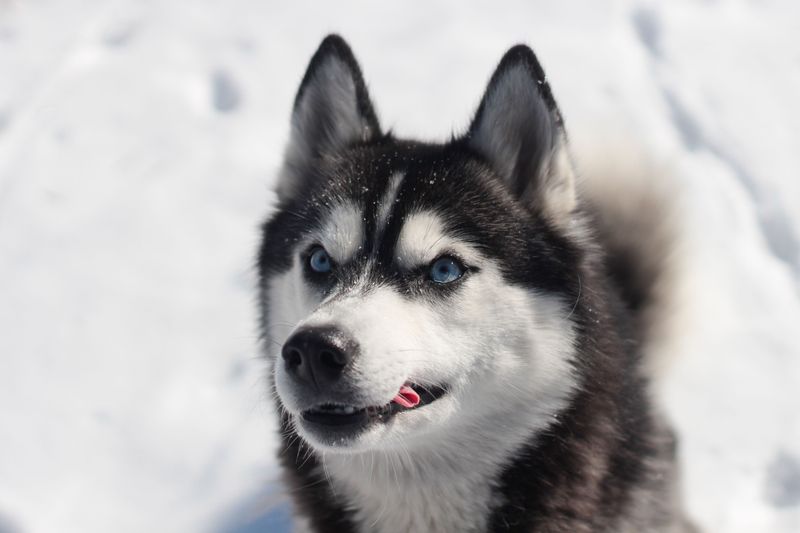
Those ice-blue eyes pull you in, but a Siberian Husky is not a casual choice. Bred to run miles, they treat your neighborhood like an open trail and your fence like a puzzle.
Without real exercise and structure, you will meet a furry escape artist who howls, digs, and redecorates shoes.
Give their brain and body jobs every single day. Think canicross, bikejoring, long hikes, and scent games before breakfast.
Nail crate training, invest in secure fencing, and commit to recall games early, or you will chase a speck disappearing across snow or suburbia. Pair that with consistent grooming, slow introductions to small pets, and calm leadership, and you will discover a hilarious, stubborn teammate built for adventure, not couch duty.
Belgian Malinois
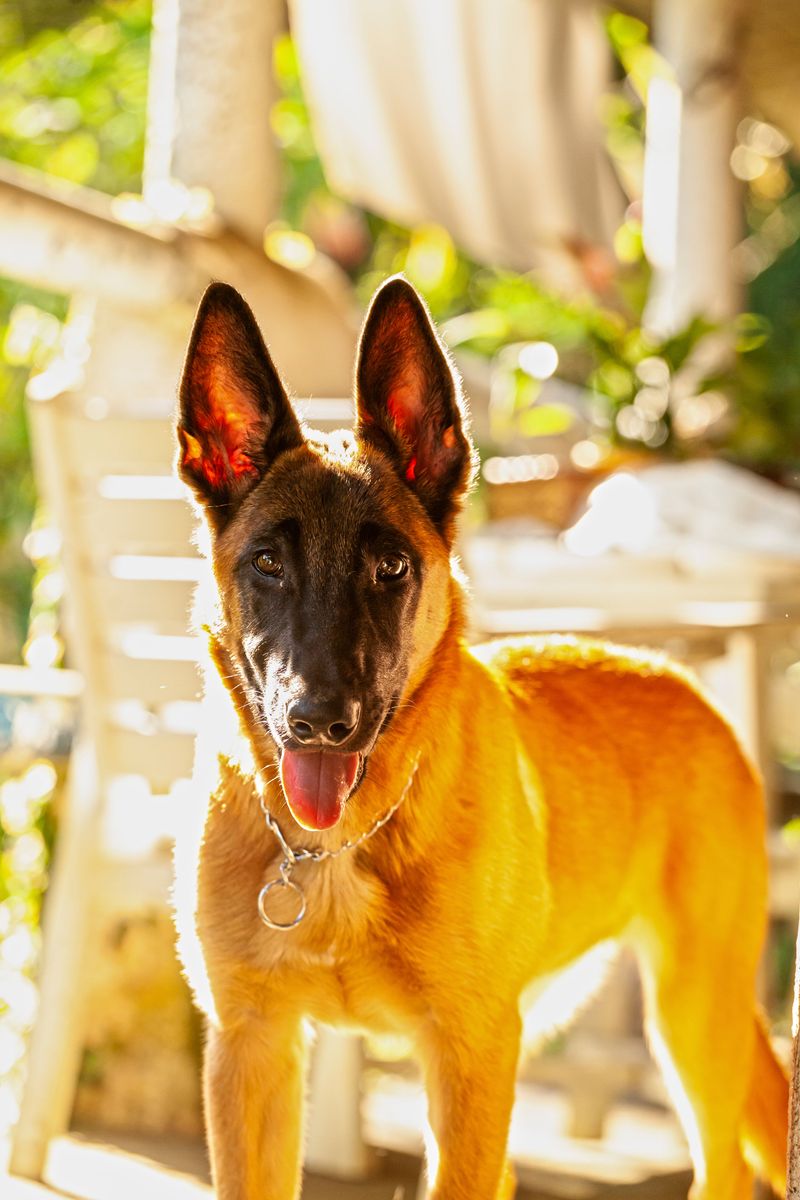
The Belgian Malinois is a Ferrari with paws, and it does not come with valet mode. Energy pours out in zigzags, paired with a brain that learns your routines by day two.
Without structured outlets, that intelligence becomes demolition, redecoration, and perimeter patrols you never requested.
You will need purposeful work, not just fetch. Daily obedience, bite-safe tug, controlled agility, tracking, and off-switch training keep this athlete sane.
Clear boundaries, a job board of tasks, and thoughtful neutrality around strangers help channel intensity into partnership instead of chaos.
If your lifestyle craves precision, projects, and progress, a Mal can thrill you. If not, admire from afar and choose a calmer copilot.
Schedule rest like training, or burnout arrives fast.
Border Collie
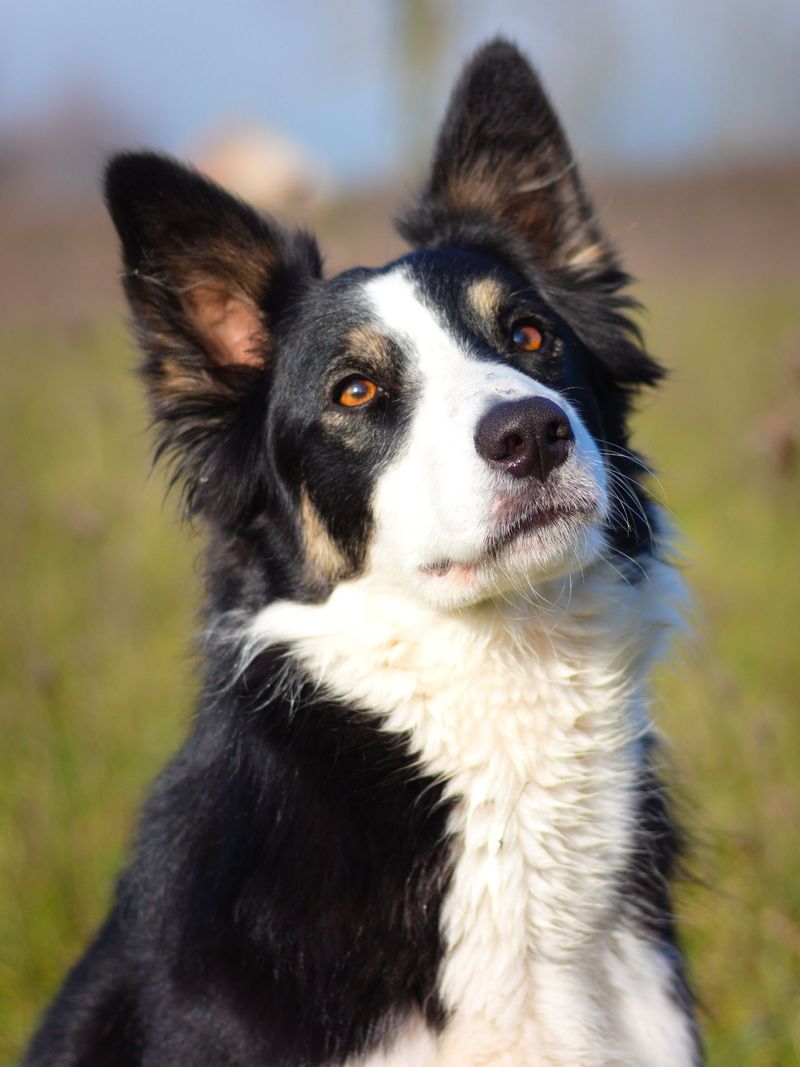
Border Collies watch everything, including you checking your phone. They are wired to notice motion, predict patterns, and solve problems before you finish asking.
When boredom hits, they invent jobs like herding kids, shadow chasing, or dismantling the remote.
Channel that focus into purposeful tasks. Herding lessons, trick chains, scentwork, and impulse control games build balance, not just speed.
Teach a true off switch with place training and decompression walks, so the mind can idle without anxiety.
If you love training plans and tiny breakthroughs, this partner will dazzle you daily. If you prefer casual weekends, pick a gentler thinker, or the brilliance will feel relentless instead of fun.
Build variety, celebrate calm, and protect rest like any performance athlete.
Australian Shepherd
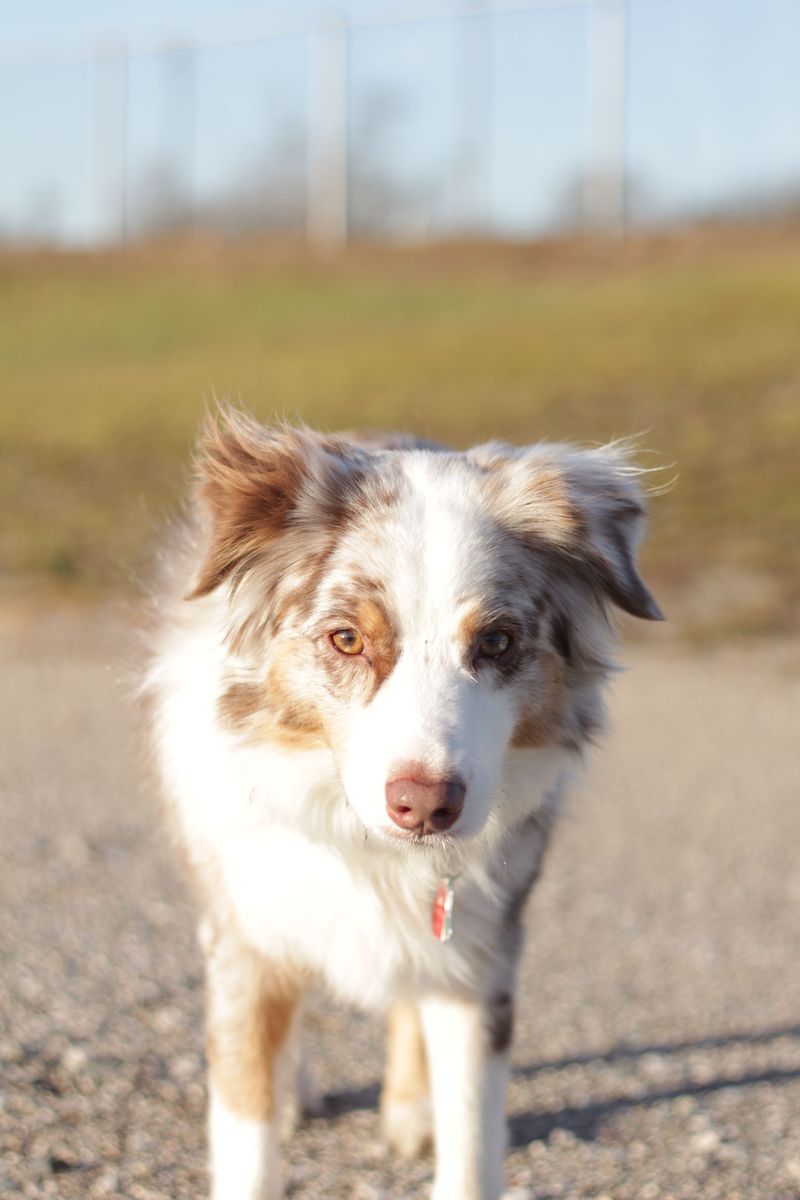
Australian Shepherds are velcro athletes with opinions. They thrive on purpose, movement, and being included in whatever you are doing.
Leave them under-stimulated and they will herd ankles, bark at whispers, and redecorate baseboards.
Give them structure and variety. Short obedience sprints, trick sequences, disc, agility foundations, and farm chores or urban equivalents satisfy both brain and body.
Teach polite greetings early, manage motion sensitivity, and practice settle on mat until relaxing becomes a learned skill.
They are breathtaking coworkers when guided kindly and consistently. If your schedule swings chaotic, plan outlets in advance, or this brilliant friend will turn household management into their personal full-time project.
Protect joints, groom weekly, and prioritize impulse control to balance that turbo drive.
Cane Corso
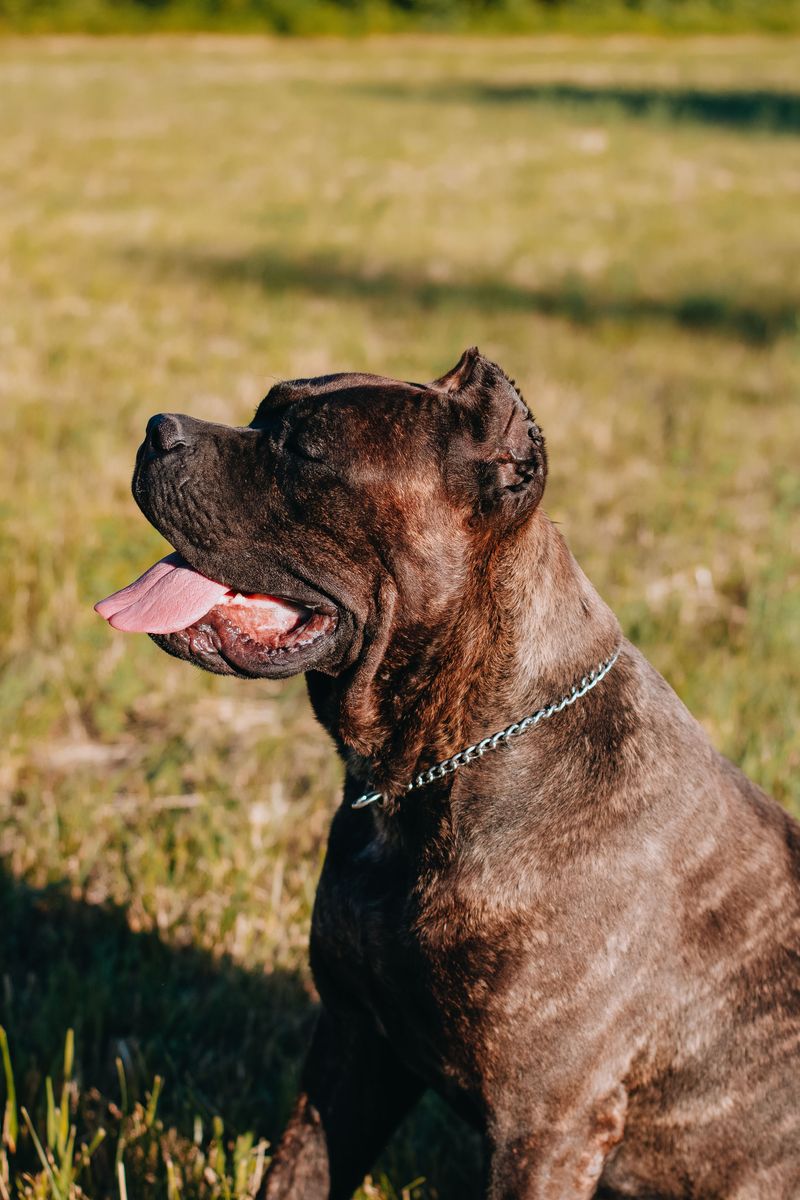
The Cane Corso is impressive, powerful, and deeply loyal. That presence needs thoughtful leadership, early socialization, and daily obedience, not bravado.
Without guidance, guarding instincts can swell beyond reason, turning simple deliveries into dramatic events.
Focus on neutrality first. Reward calm choices around strangers, advocate clear boundaries, and teach reliable place, leash skills, and recall before adolescence hits.
Supervise play, fit equipment properly, and keep training short, fair, and frequent to protect joints and confidence.
If you want a steady guardian, become a steady person who trains consistently. Skip harsh methods, maintain vet and breeder partnerships, and build manners patiently so courage stays paired with discernment, not reactivity.
Early exposure to varied environments and sounds keeps confidence broad and balanced.
Akita
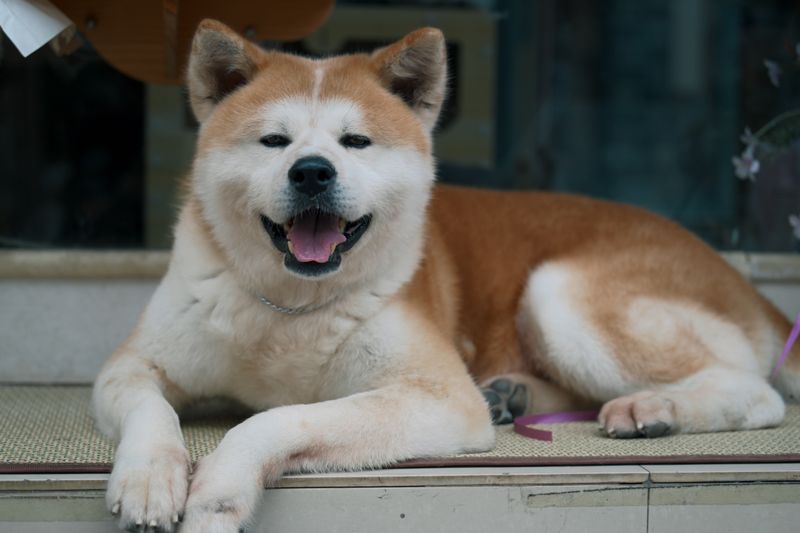
Akitas are dignified, catlike, and quietly opinionated. They bond intensely with family yet can be aloof with strangers and prickly with same-sex dogs.
If you expect a bubbly greeter, you and the Akita will argue.
Set clear rules and practice calm handling. Teach cooperative care for grooming, nails, and vet visits before size and strength peak.
Prioritize neutrality walks, polite thresholds, and recall games in low distraction first, then proof slowly.
Respect their independence while guiding choices with patience. Protect from rough dog parks, manage introductions carefully, and value quality over quantity in socialization so confidence deepens without pressure.
Earn trust, and you gain a thoughtful partner who watches everything. Daily mental work prevents mischief and keeps communication clear between you.
Chow Chow

Chow Chows carry a regal vibe and a serious streak. They are independent, clean, and particular about touch, which surprises families wanting a plush teddy.
Pushy handling backfires quickly with this breed.
Start with consent-based grooming and patient socialization. Pair treats with brushing, harnessing, and vet handling, and let them opt in whenever possible.
Teach rock-solid leash skills, boundaries in doorways, and a cheerful recall long before adolescence challenges momentum.
Respect the dignity while still setting firm rules. Keep training short, upbeat, and fair, and provide enrichment that does not overwhelm.
Do that, and the Chow becomes a calm companion who chooses connection, rather than tolerating it. Prioritize safety around unknown dogs, and skip chaotic dog parks for harmony gently.
Jack Russell Terrier
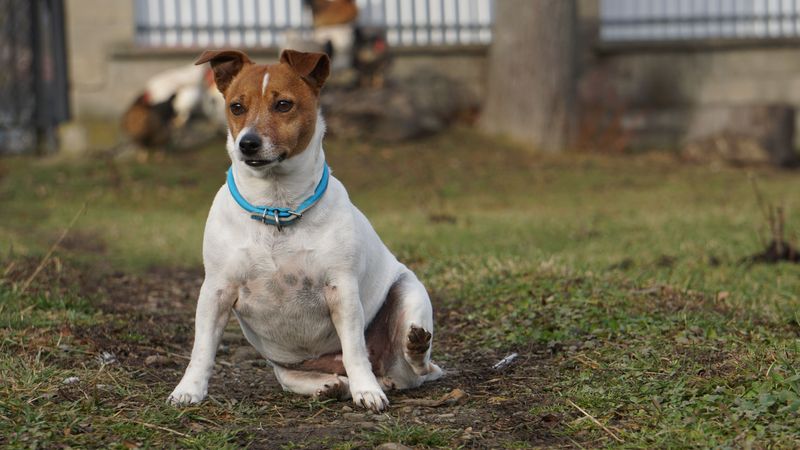
Jack Russell Terriers are caffeine in dog form. They leap before looking, scale furniture, and turn boredom into excavation projects under your fence.
A quick walk is not enough for this spring-loaded comedian.
Give them puzzles, nosework, tug with rules, and daily sprint sessions. Reinforce calm by paying for stillness as enthusiastically as sits.
Teach impulse control around doors, wildlife, and toys, and use long lines until recalls hold under real temptation.
Manage the environment like a pro and they become delightful. Skip outlets and structure, and you will own a world-class digger with opinions.
Embrace the spark, and you get an endlessly curious partner who makes you laugh. Teach settle on mat, and celebrate quiet like gold after storms.
Weimaraner

Weimaraners are elegant shadows with engines. They attach closely and disintegrate when left without a plan.
That combination of sensitivity and stamina becomes chaos if exercise, training, and alone-time skills are missing.
Build independence kindly. Crate train, practice calm departures, and create enrichment stations so the brain stays busy when you leave.
Run, hike, and cross-train early in the day, then downshift with obedience, nosework, and massage for recovery.
They read your mood like headlines, so keep feedback clear and upbeat. With structure, they become loyal athletes who thrive on purpose and partnership.
Without it, you will return to artfully shredded mail and a dog pacing pathways into the rug. Teach settle cues and protect sleep to smooth sensitive edges.
Dalmatian

Dalmatians are dazzling athletes with history as carriage dogs. That heritage means endurance, alertness, and a watchdog streak that can misfire without direction.
Add possible diet sensitivities, and casual ownership gets tricky.
Plan for motion and manners. Roadwork beside a bike, trick training, and clear greeting rules keep the dots happy.
Socialize widely while focusing on neutrality over forced friendliness, and introduce calm crate time so recharging becomes normal.
Discuss diet with your vet to manage purines and hydration needs. Keep enrichment creative but not chaotic, and protect joints with smart surfaces.
Given structure and outlets, the Dalmatian transforms from spotted whirlwind into a balanced partner who shines anywhere. Train impulse control at doors, and practice quiet in exciting places.
Beagle
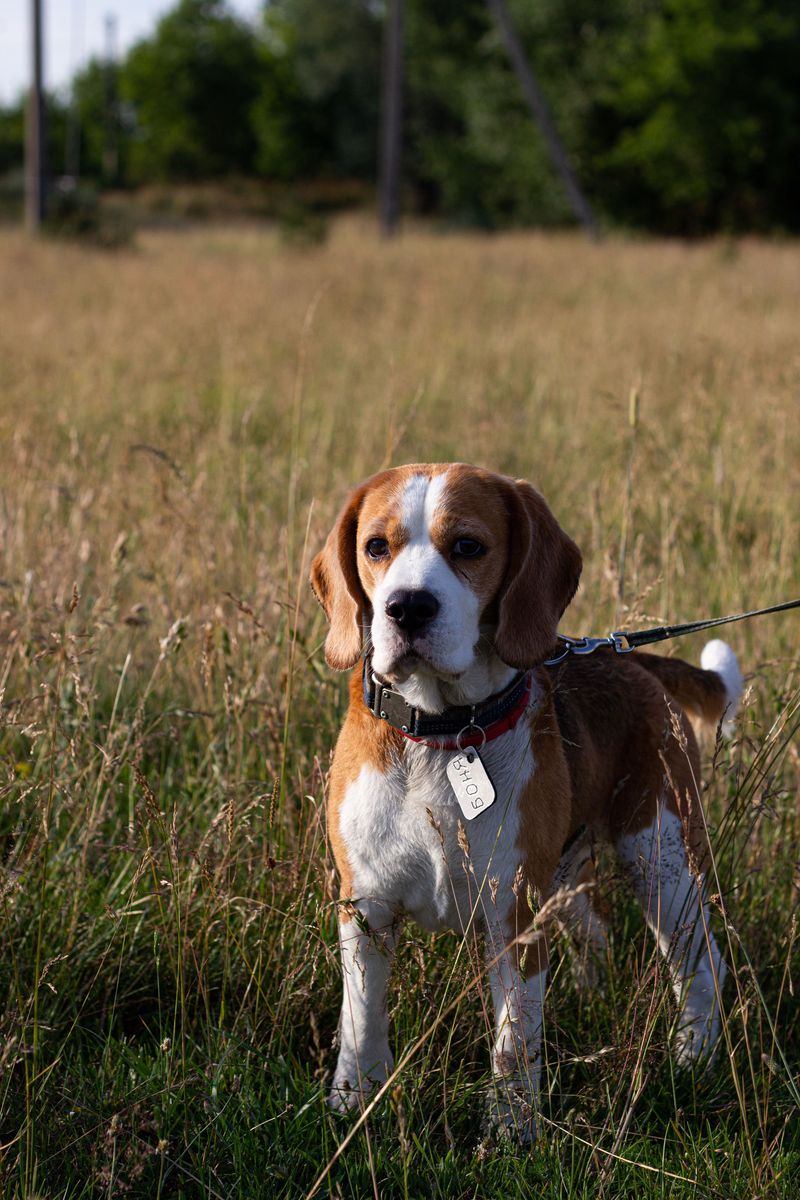
Beagles live by their noses, not your to-do list. That glorious sniffing can pull you into brambles unless you plan ahead.
Left understimulated, they sing the song of their people and hunt snacks like professionals.
Make scentwork a lifestyle. Scatter feeds, tracking games, and nosework classes satisfy instincts while building focus.
Use secure long lines outdoors, proof recalls around wildlife scents, and reinforce check-ins like you mean it.
Be generous with friendly structure, because softness without clarity confuses this merry hound. Rotate chewables, teach settle after sniff-safaris, and keep neighbors happy with quiet reinforcement.
Meet them where their nose lives, and you will have a joyful, manageable companion. Embrace patience, laugh often, and let curiosity fuel your training plan daily.
Standard Poodle
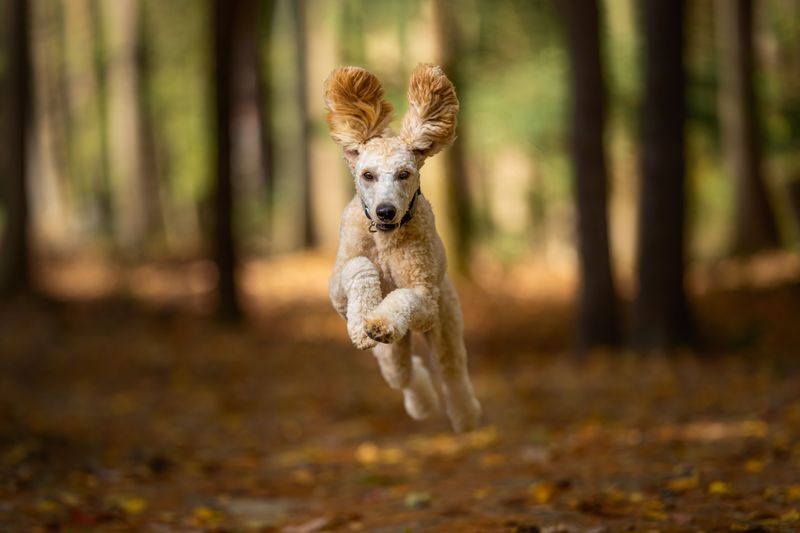
Standard Poodles are comedians in tuxedos with serious brains. Behind the curls sits an athlete who loves learning, moving, and being part of decisions.
Without outlets and clarity, they get mouthy, springy, and mischievous.
Train like you are teaching a witty teammate. Rotate obedience, tricks, retrieving, and swimming, and keep sessions crisp and playful.
Start cooperative grooming early so clips, drying, and paws become routine rather than drama.
They read patterns quickly, so vary routes and games to prevent scripting. Reward quiet thinking as much as flashy speed, and you get brilliance with manners.
Ignore the mind, and the clown writes the schedule with chaos and confetti. Daily cardio, joint care, and puzzles keep elegance grounded and joy focused beautifully.
Vizsla
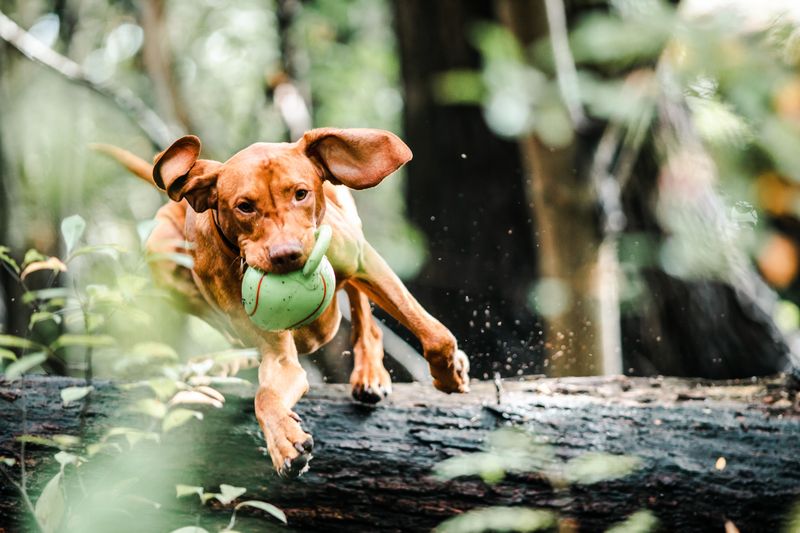
Vizslas are sensitive, springy, and velcro by design. They thrive on partnership and wilt under isolation, which can surprise busy families.
Leave energy and emotions unaddressed, and the wiggles turn into jumping, mouthing, and torn cushions.
Plan daily cardio with purpose. Field runs, fetch with rules, recall games, and steadiness drills satisfy the hunter and the hugger.
Balance that with place training, calm handling, and gradual alone time so the nervous system learns to downshift.
Keep feedback gentle and consistent, and you will see confidence bloom. With smart outlets, the Vizsla becomes an affectionate athlete who keeps pace on trails then naps under your desk.
Skip structure, and chaos becomes the default soundtrack. Gentle exposure to noises and surfaces builds resilience without overwhelming the spirit.