
Some dogs dazzle you with talent, then test your patience five minutes later. If you have a quick temper or a rushed schedule, certain breeds can turn daily life into a tug of war.
Learn which remarkable pups ask for consistency, creativity, and calm leadership from day one. With the right mindset, you will turn frustration into teamwork and real joy.
Border Collie
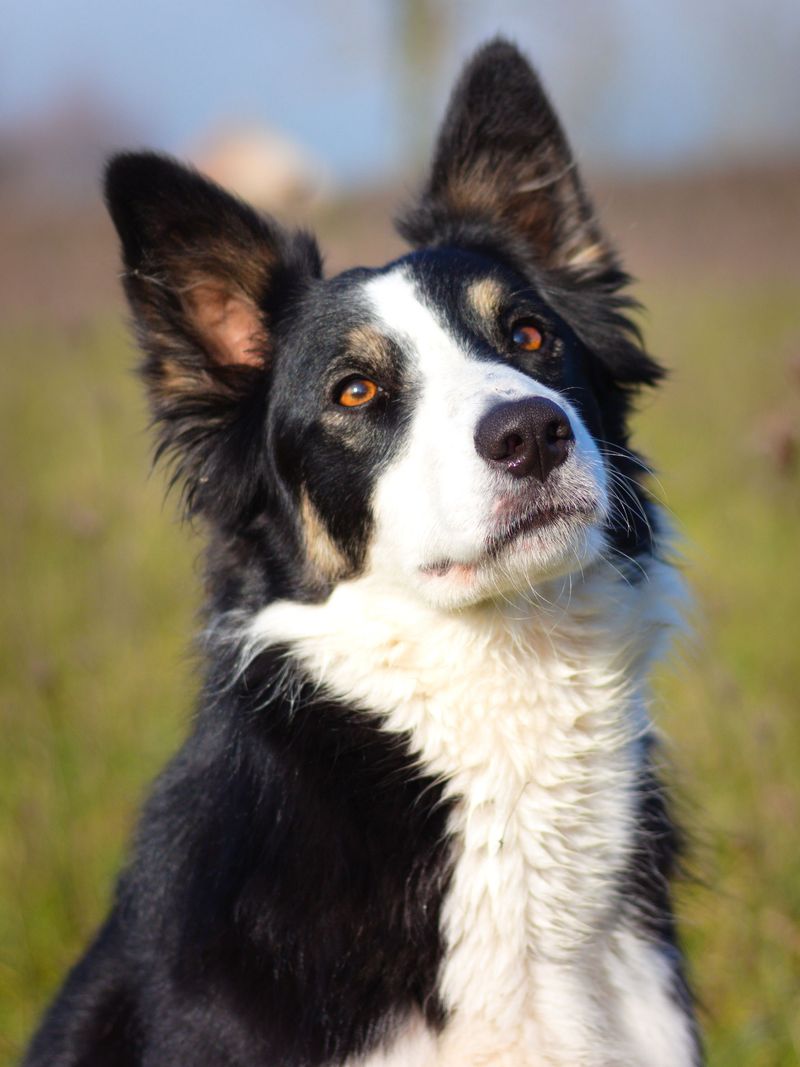
Border Collies are brilliant, busy minds in athletic bodies. They crave complex tasks, lightning fast feedback, and near daily problem solving.
Without structure, that intelligence turns into mischief, herding ankles, chasing bikes, and reorganizing your living room.
If you get impatient, they will sense it and push harder, not relax. You need short, upbeat sessions, clear cues, and creative outlets like scent games, trick training, and sheepdog style drills.
Give a job every day, even if it is a puzzle feeder and a brisk hike.
Practice an off switch too, teaching settle on a mat and calm crate time. A flirt pole and interval fetch can meet that energy without chaos.
Consistency wins, because this breed remembers everything, including your slip ups.
Belgian Malinois
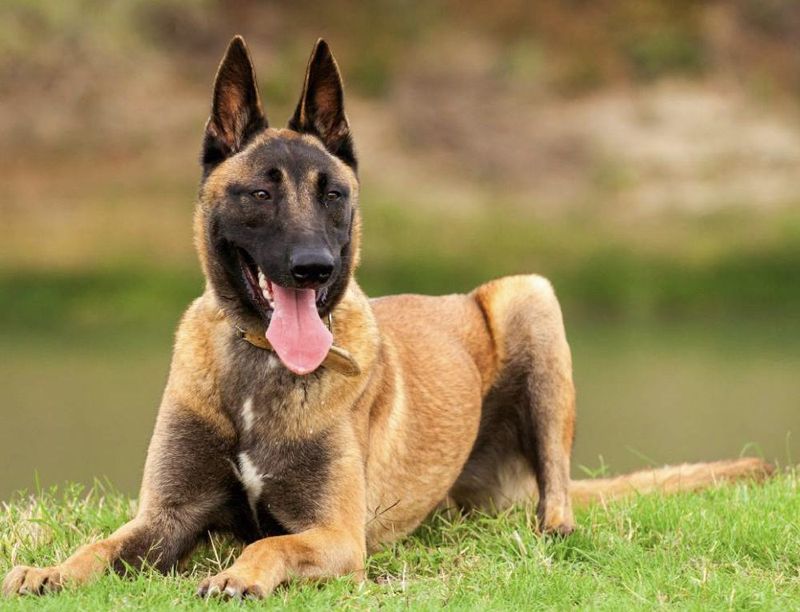
The Belgian Malinois is a working rocket that thrives on precision, pressure, and purpose. They read your body language like subtitles and notice every inconsistency.
Impatience or raised voices create more arousal, which becomes jumping, mouthing, and frantic pacing.
Plan fast, focused drills with clear start and stop cues. Rotate obedience, tug with rules, and impulse control games to keep that engine pointed forward.
Skip long, chaotic play sessions that teach bad habits and reward overstimulation.
Daily cardio matters, but the real key is mental work under calm leadership. Reinforce neutrality around distractions and practice place training religiously.
If you can stay steady and predictable, this powerhouse becomes a breathtaking partner rather than a runaway freight train.
Australian Shepherd
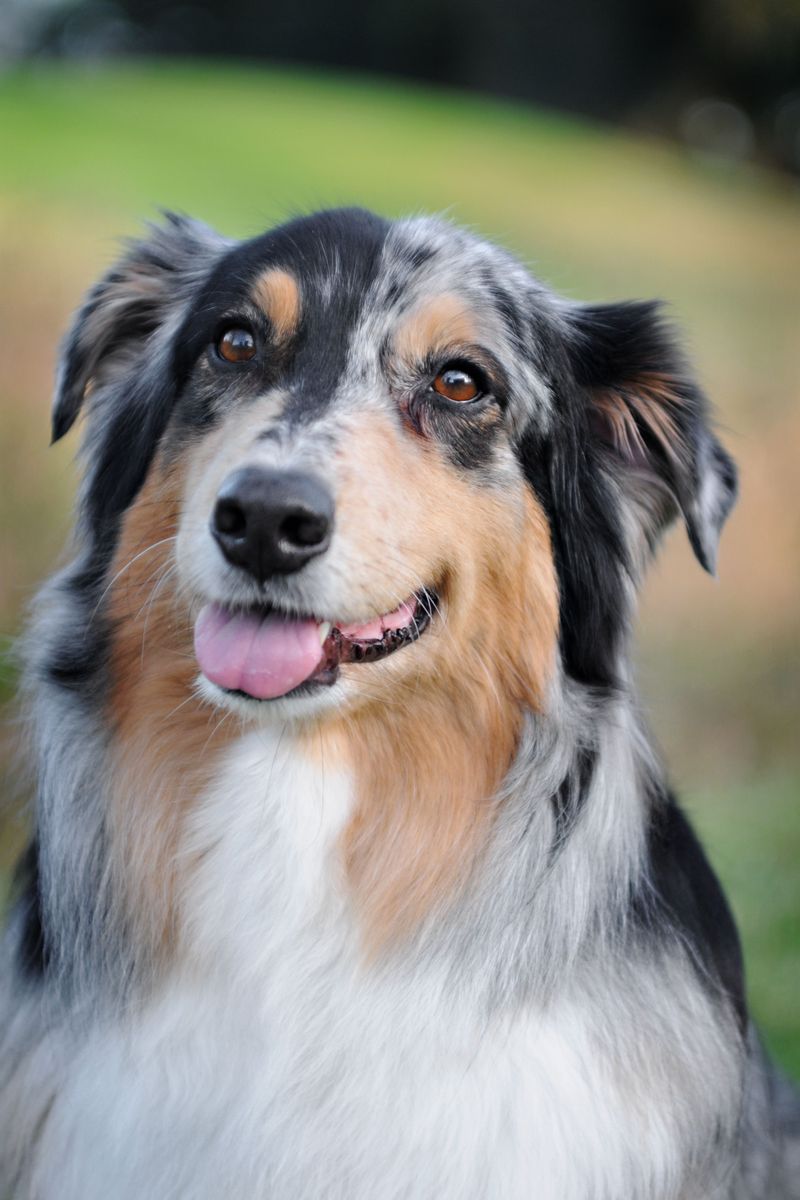
Australian Shepherds are clever herders with endless curiosity and bounce. They invent jobs when you forget to assign one, often featuring couch parkour and door herding.
Impatient corrections simply fuel the excitement, and suddenly you have a louder, springier challenge.
Short, varied training blocks keep them engaged without spiraling. Try pattern games, hand targets, and rally style heeling to build rhythm and clarity.
Give structure to play with tug rules, fetch boundaries, and automatic downs between reps.
They need social exposure paired with calm reinforcement, not frantic playdates. Teach settle after fun so the brain learns to shift gears.
With predictable routines, these comedians channel their spark into dependable teamwork and wonderfully satisfying trail partners.
Siberian Husky
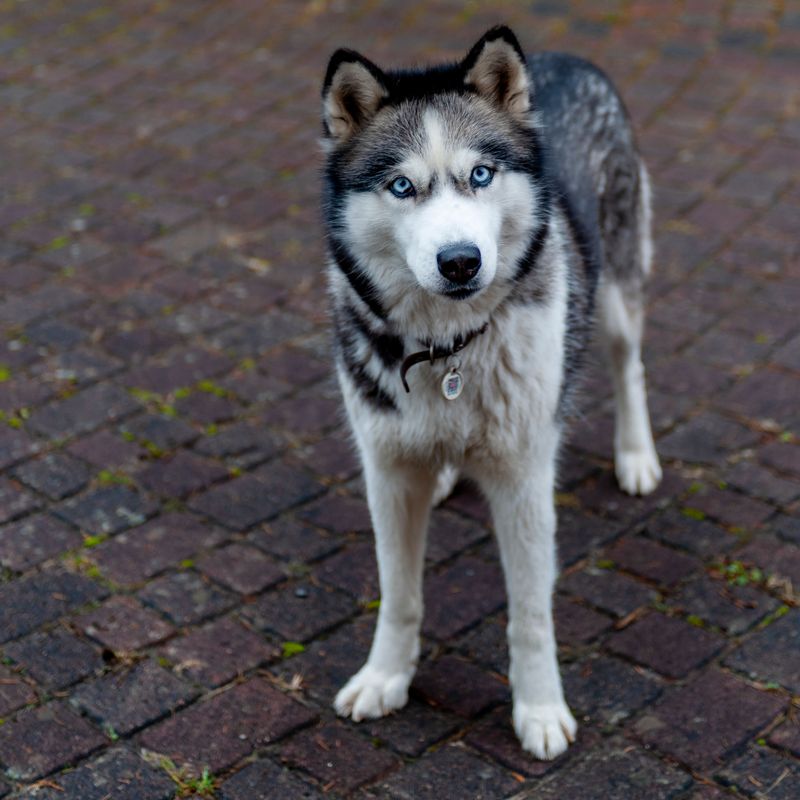
Siberian Huskies are born to go, not to ask permission first. They vocalize opinions, test fences, and treat recalls like negotiations.
If you get flustered, the game becomes more thrilling, and off they sprint.
Focus on management and motivation over confrontation. Use long lines, secure yards, and high value rewards while teaching recalls as a practiced habit, not a hope.
Outlet the engine with canicross, skijoring, or fast urban hikes that honor their ancestry.
Independence does not mean impossible. Build partnership with predictable routines, clear criteria, and frequent reinforcement for checking in.
Keep sessions playful and brief, and you will see a dazzling transformation from escape artist to adventurous teammate with manners.
Akita
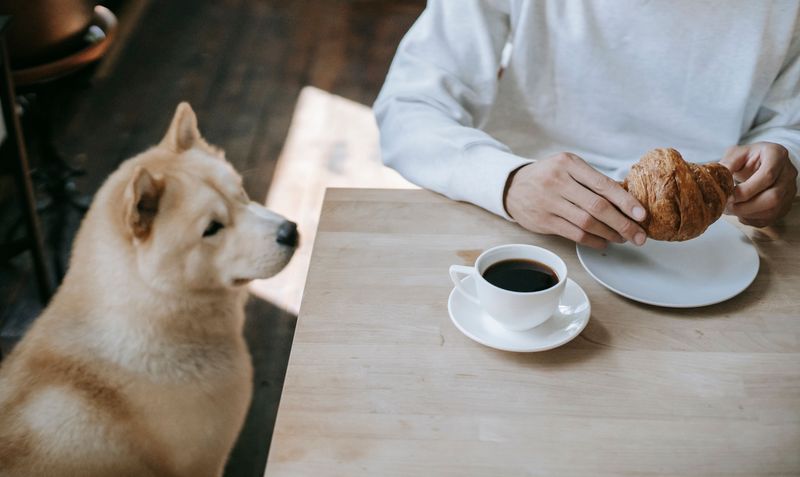
Akitas are dignified guardians with strong opinions and slow trust. They dislike sloppy handling and inconsistent rules, and they remember slights.
Impatient scolding can damage the relationship, making them aloof or immovably stubborn.
Work with quiet confidence and clear boundaries. Keep sessions short, reward calm cooperation, and avoid nagging commands.
Socialization must be thoughtful and controlled, building neutrality instead of forced friendliness.
Teach cooperative care early, like muzzle conditioning and consent cues for grooming. Provide daily structure, moderate exercise, and jobs that respect their independence, such as scent work or place training.
With steady leadership and real respect, the Akita becomes a loyal, composed companion who chooses you over conflict.
Chow Chow
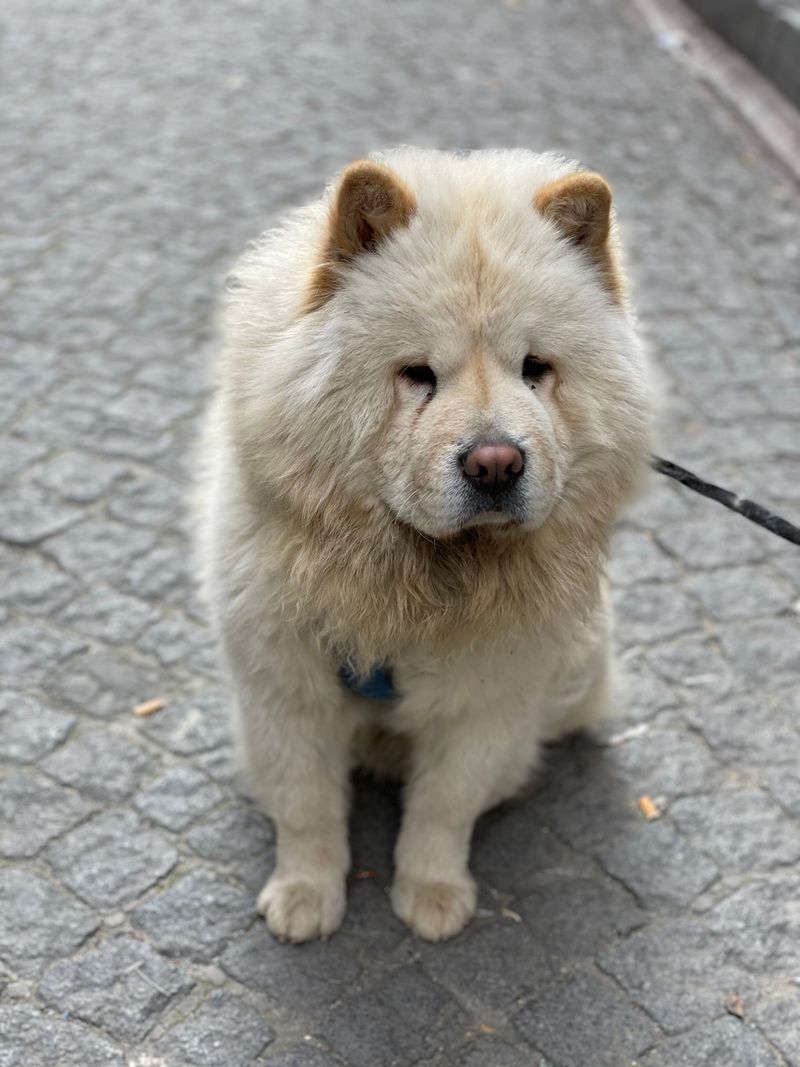
Chow Chows are stoic, catlike, and particular about touch and space. Rushed greetings or impatient grooming can sour trust quickly.
They thrive when communication is calm, predictable, and respectful.
Use slow introductions, high value rewards, and cooperative handling routines. Keep training concise with clear criteria, and let them choose to engage rather than be dragged.
Avoid chaotic dog parks, and favor parallel walks that build neutrality.
Mental enrichment matters more than endless fetch. Try food puzzles, platform games, and place work to create a peaceful rhythm.
When you honor their boundaries and reinforce small wins, a Chow will quietly bloom, offering steady companionship and surprising affection on their own terms.
Basenji
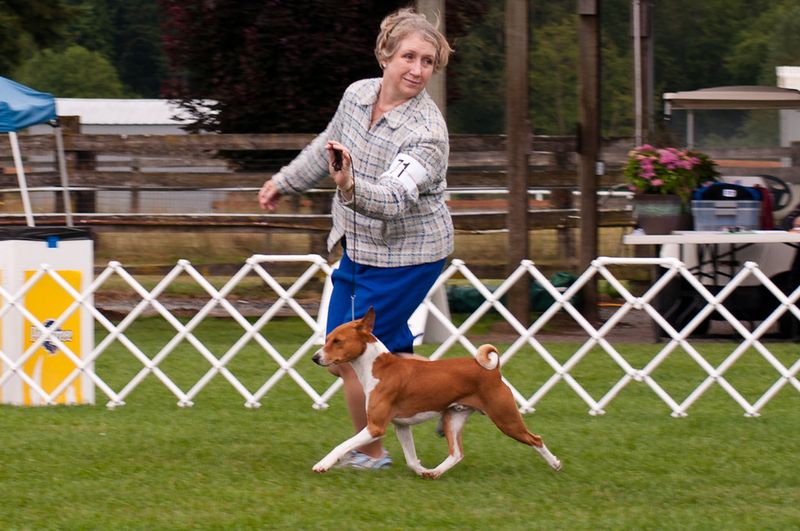
Basenjis are clever, graceful problem solvers with a mischievous streak. They do not bark much, so frustration shows up as stealthy counter surfing, shredding, or strategic deafness.
Harsh reactions add fuel to their independence and creativity.
Think like a puzzle designer. Use management, rotate engaging chews, and set up training games that reward curiosity and calm choices.
Recall and leave it should be taught with long lines, jackpots, and patient repetition.
Short, upbeat sessions beat marathon lectures every time. Practice settle on a mat, pattern games on walks, and calm crate routines.
With respectful consistency and witty enrichment, the Basenji becomes a charming housemate rather than an artful prankster.
Jack Russell Terrier
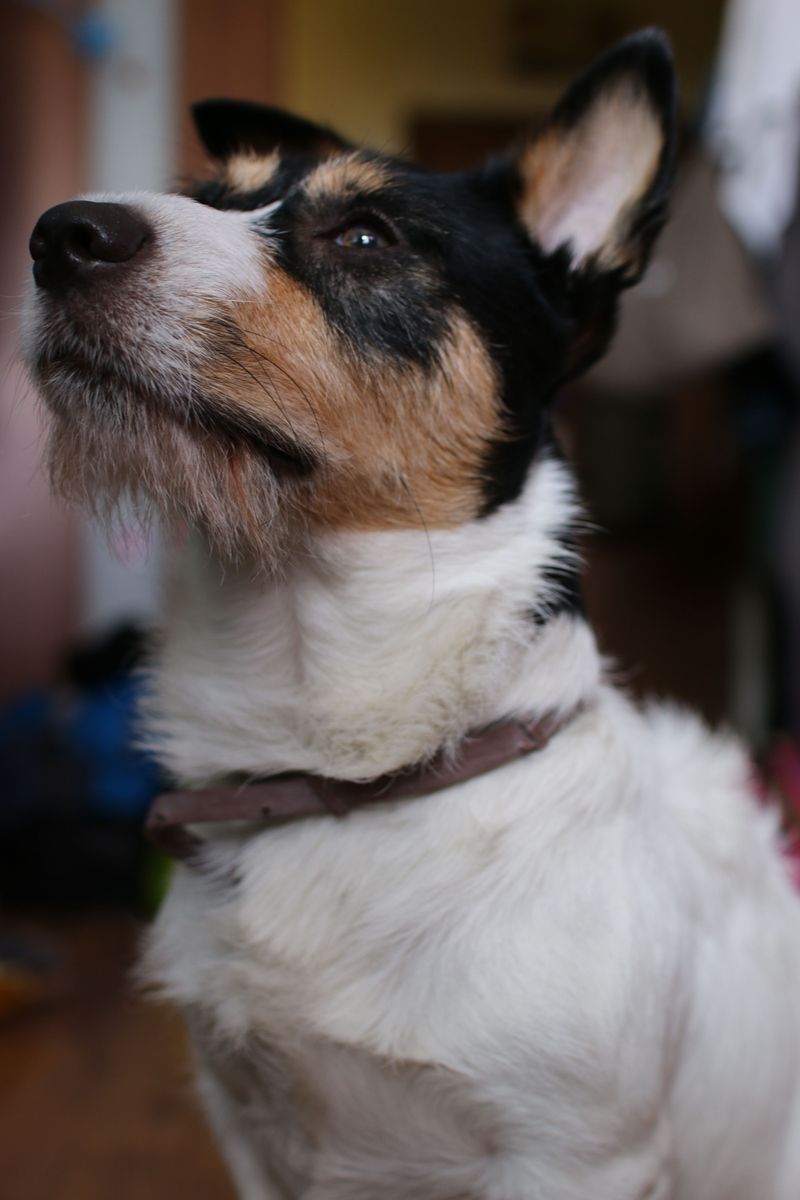
Jack Russell Terriers are pocket rockets with opinions and a nose for chaos. Impatience during training only turns the dial higher.
They need rules that feel like games and outlets that satisfy their hunting brain.
Try structured tug, flirt pole sessions, and scent work boxes to channel intensity. Keep drills snappy, cue clarity high, and rewards frequent.
Off switch practice is vital, pairing play bursts with downs or place to reset arousal.
Management prevents rehearsed madness. Use long lines, baby gates, and enrichment feeders so good choices are easy.
With consistency and fun boundaries, this fearless comedian transforms into an eager partner who can focus, fetch, and then nap like a pro.
Weimaraner
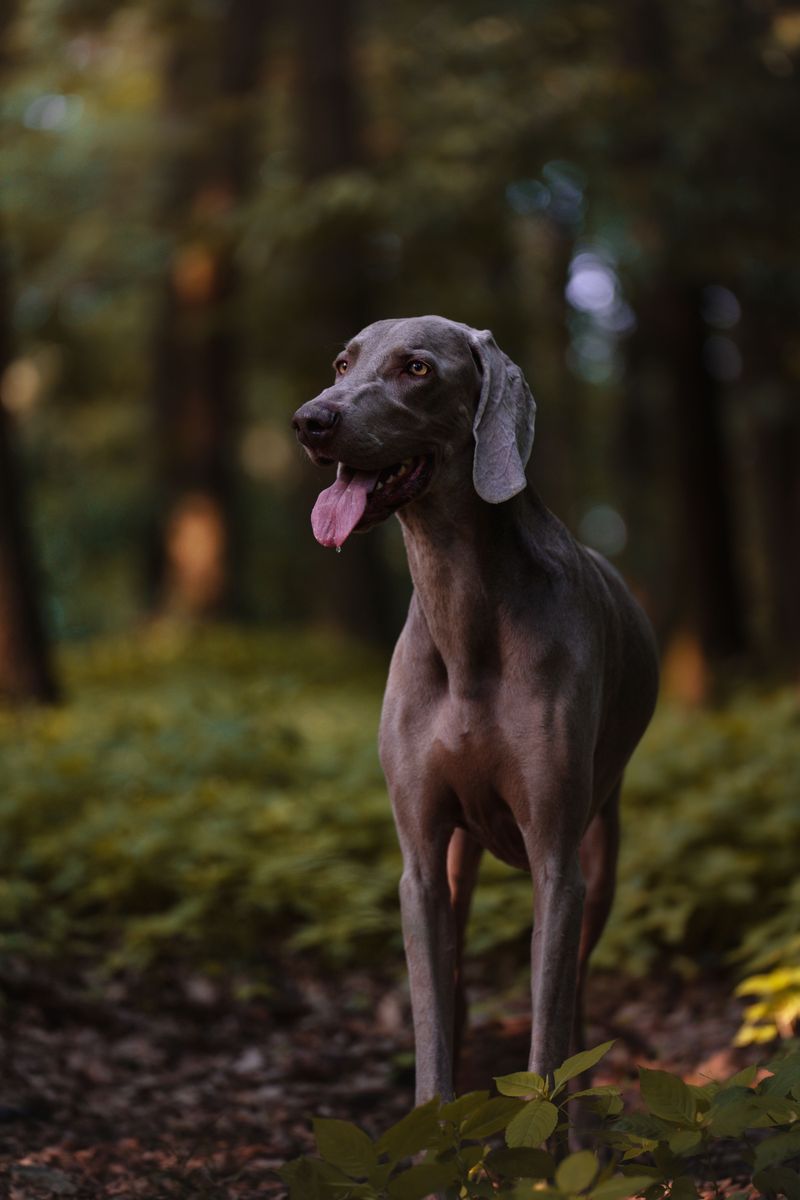
Weimaraners are velcro athletes who hate boredom and isolation. Impatient reprimands for clinginess make anxiety worse.
They do best with purposeful exercise, steady routines, and confident, calm communication.
Teach independence gradually with place training, door manners, and strategic separations. Blend cardio with brain work, like tracking, retrieving drills, or field style recalls.
Reinforce quiet behavior generously, so stillness feels safe and rewarding.
Expect sensitivity and plan for it. Avoid chaotic dog parks and focus on structured exposures with predictable outcomes.
With empathy and consistency, the Weimaraner becomes a graceful shadow that can settle at your feet after turning in a strong workout.
Cane Corso
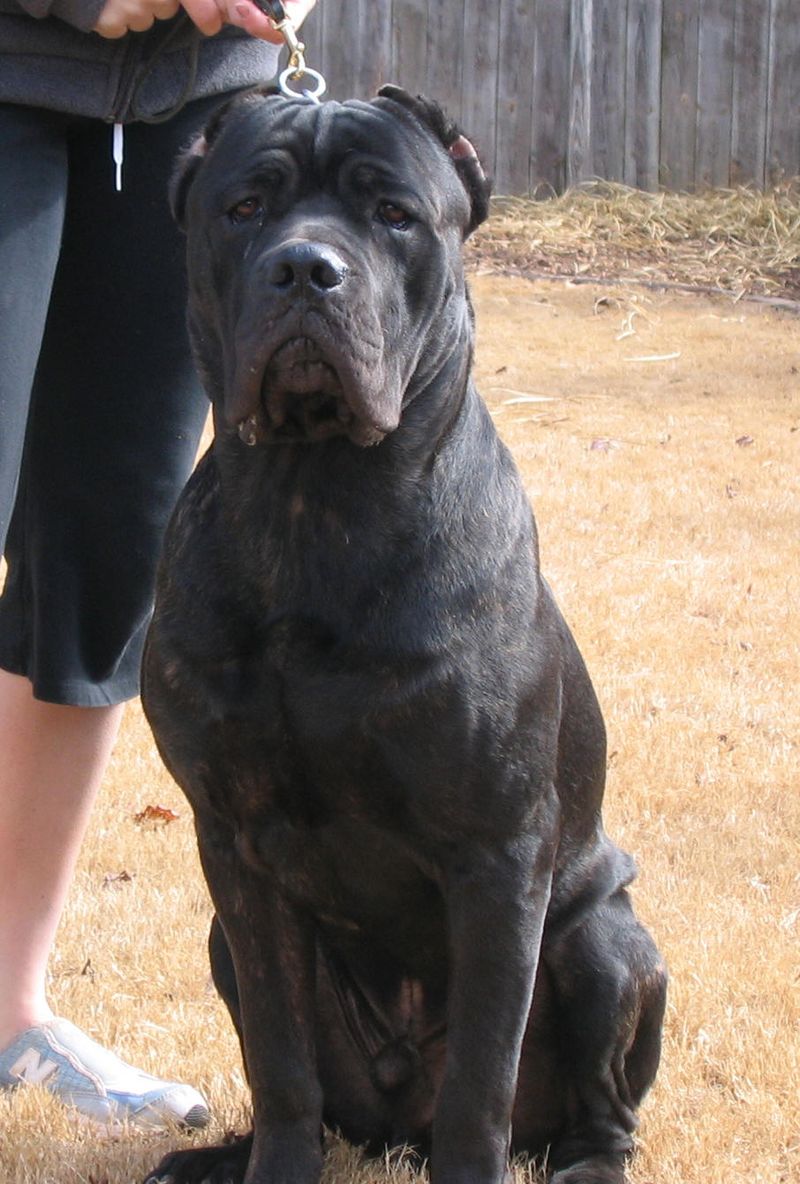
The Cane Corso is imposing, intelligent, and sensitive to your energy. Impatience or unclear rules make them assume the role of bouncer.
They need calm leadership, tight management, and early training that rewards thoughtful behavior.
Focus on neutrality in public, place work at home, and reliable leash skills. Keep guests controlled, doorways boring, and greetings structured.
Reward calm eye contact and slow movement so impulse control becomes a habit.
Daily outlets matter, but mental clarity matters more. Mix obedience with short protection sport style games only under guidance.
With steadiness and clear boundaries, the Corso matures into a stable guardian who chooses discernment over intimidation.
Beagle
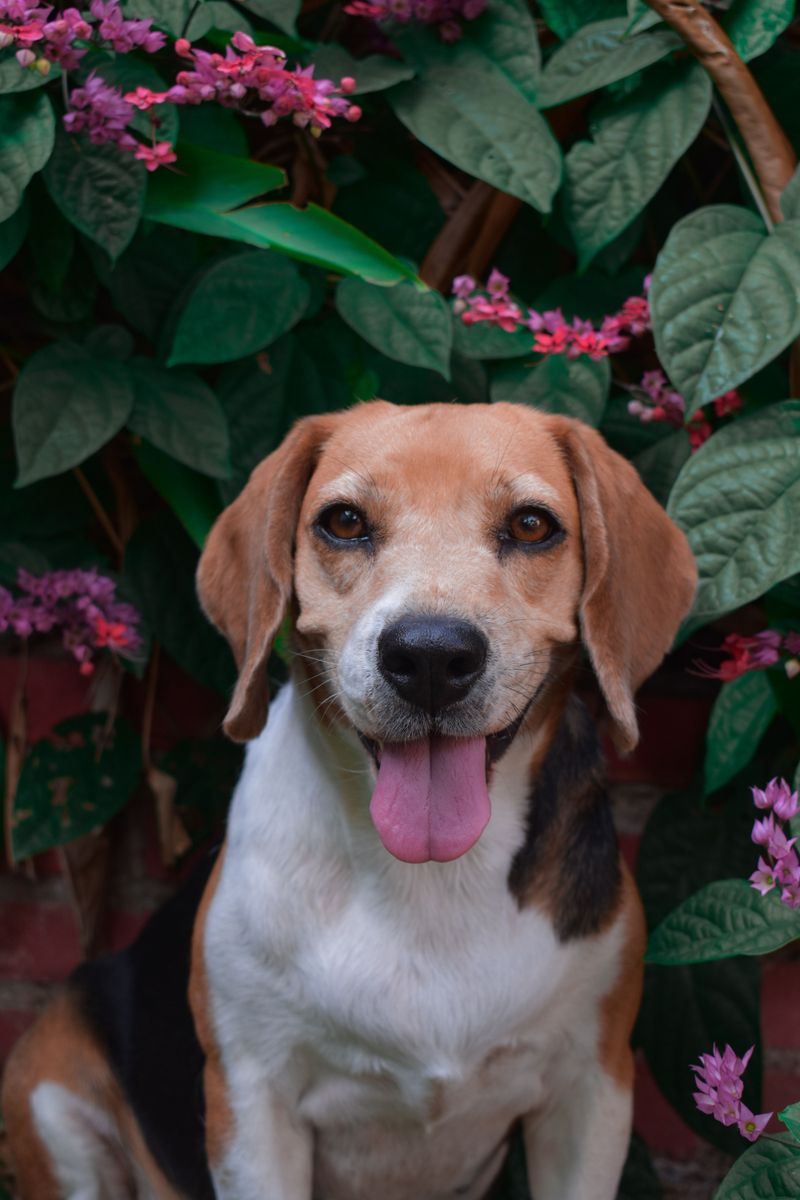
Beagles are scent-driven optimists who consider rules negotiable when a trail appears. Impatient yelling just turns into background noise under the perfume of rabbit.
They need nose-first training strategies and ironclad management.
Use long lines, tracking games, and sniffaris to make you part of the hunt. Teach automatic check-ins and reinforce generously when they lift their head to you.
Practice recalls from easy scents before graduating to the big leagues.
Food puzzles and scatter feeding satisfy natural foraging needs. Keep sessions short, fun, and predictable so focus grows.
With patience and clever routines, the Beagle channels that glorious nose while still choosing you when it counts.
Afghan Hound
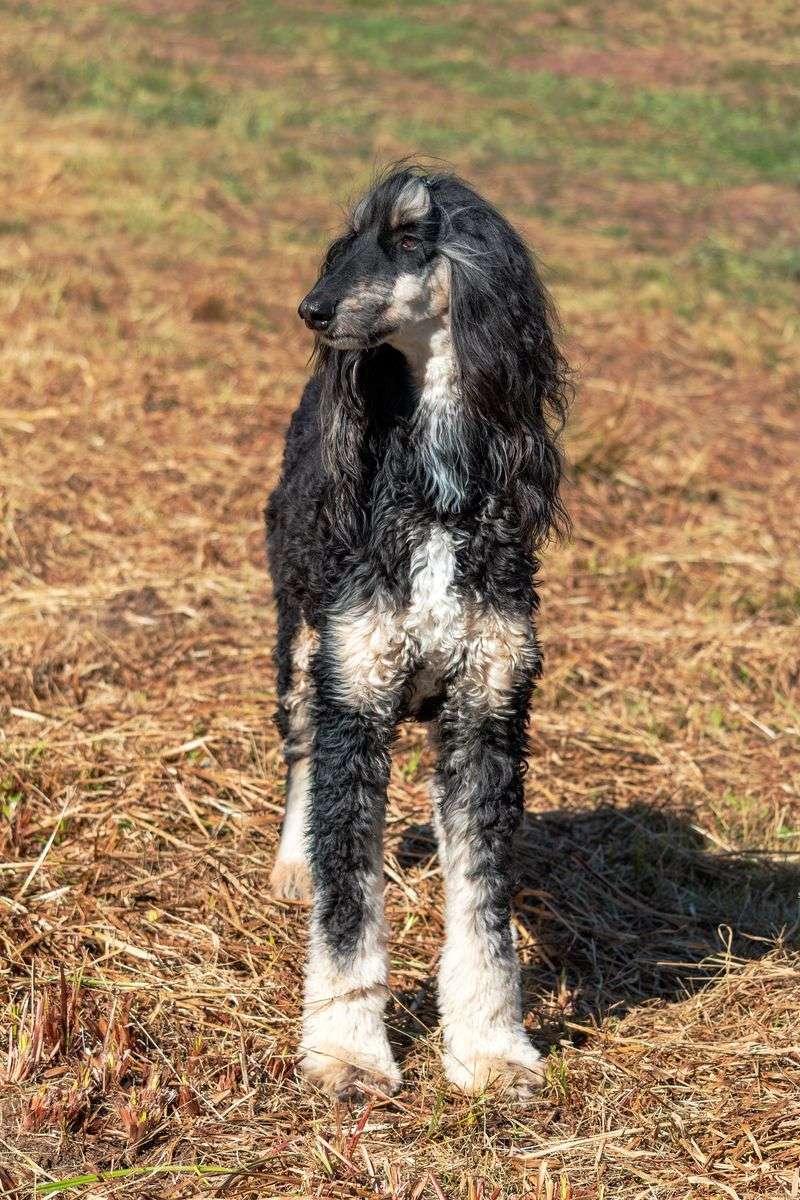
Afghan Hounds are independent artists wrapped in silk. They take offense at heavy-handed handling and tune out impatient repetition.
A light touch, thoughtful management, and generous reinforcement work far better than confrontation.
Use short sessions that celebrate small wins. Teach polite leash skills with pattern games, and make recalls a highly paid trick, not a command shouted into the wind.
Protect the coat with cooperative grooming routines that build trust.
Exercise should be graceful and safe, like fenced sprints or long lines on open fields. Keep training elegant and interesting, never nagging.
With respect and creativity, the Afghan Hound becomes a breathtaking companion who chooses connection without pressure.
Vizsla
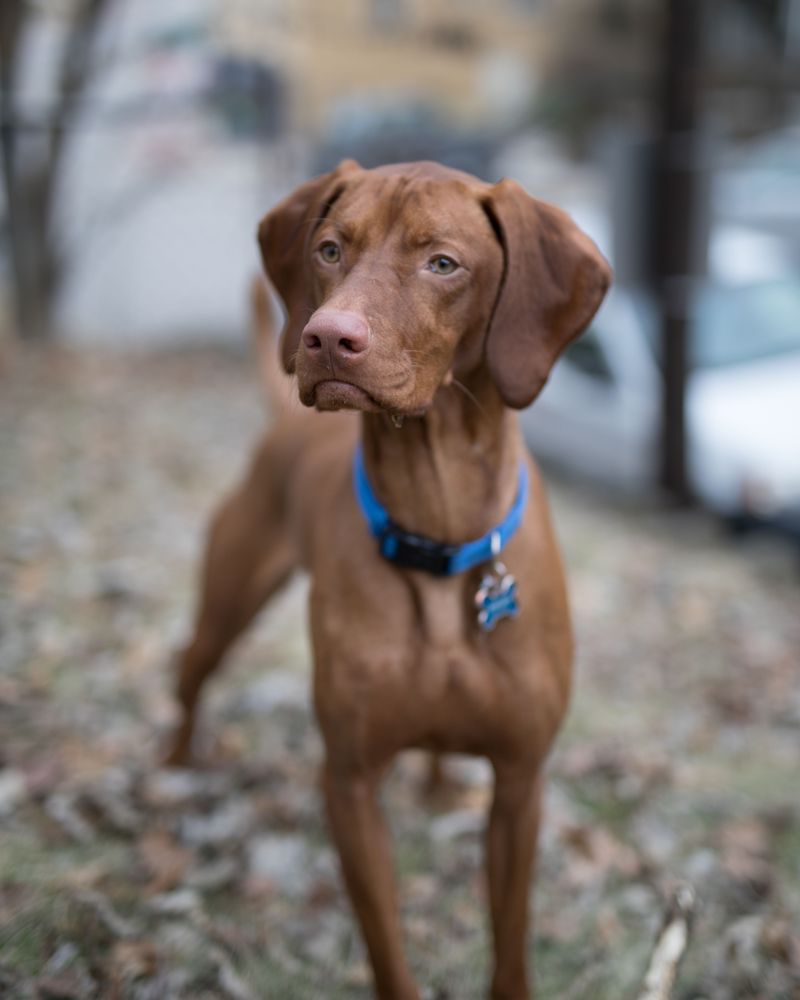
Vizslas are affectionate sprinters with turbocharged enthusiasm. They overheat on impatience and wilt under harsh tones.
What works is upbeat structure, steady exercise, and constant clarity.
Blend running or bikejor sessions with obedience circuits and field retrieves. Practice calm in motion, rewarding check-ins and clean downs mid excitement.
Use place training and strategic rest so the engine learns when to idle.
They are sensitive, which is a superpower when channeled kindly. Keep social time positive but not chaotic, and reinforce stillness as much as speed.
With consistency and warmth, the Vizsla becomes a velcro athlete who can settle beautifully after lighting up the trail.