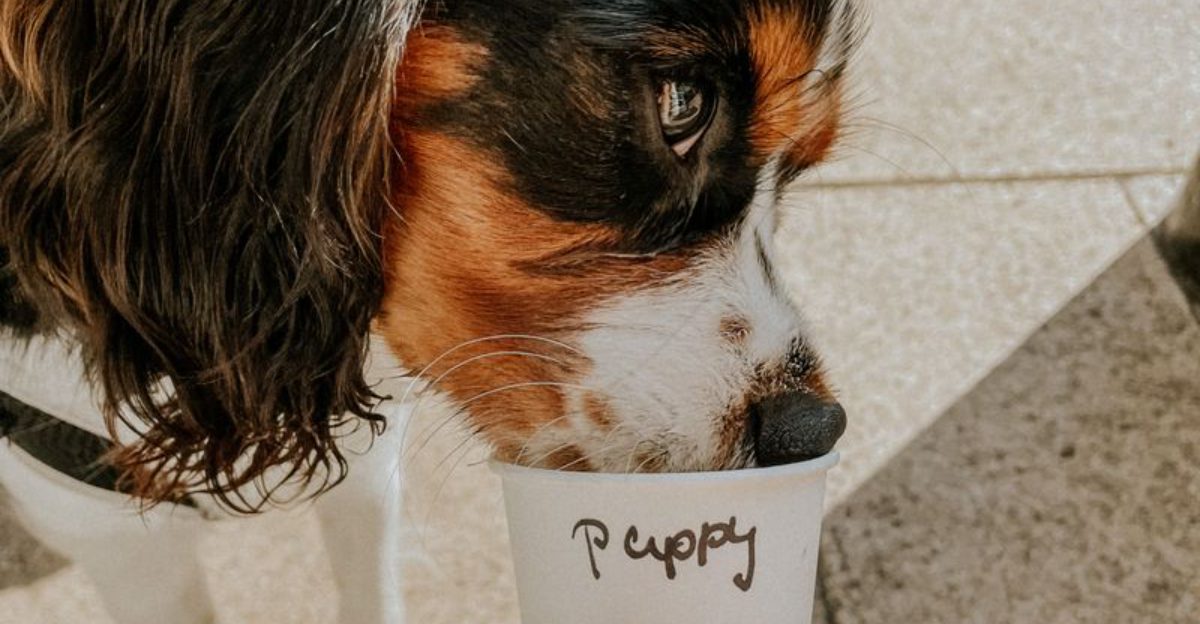
Some of the foods you love most can be silent threats to your dog. The scary part is that a single bite can snowball into a true emergency.
Learn the biggest culprits now, so you can prevent accidents before they happen. Here is what every dog owner should know today.
Chocolate

Chocolate might smell heavenly to you, but its theobromine and caffeine can be devastating for dogs. Even small amounts can trigger vomiting, diarrhea, restlessness, rapid heart rate, and tremors.
Dark and baking chocolates pack the highest risk, so a tiny square can be far more dangerous than a milky bar.
If your dog gets chocolate, call your vet or an emergency clinic immediately and share the estimated amount and type. Do not wait for symptoms, because signs can escalate quickly.
Keep candy dishes, baked goods, and cocoa powder sealed and far out of reach, especially during holidays when desserts are everywhere. Consider pet-safe carob treats as a sweet alternative that will not harm your pup.
Grapes
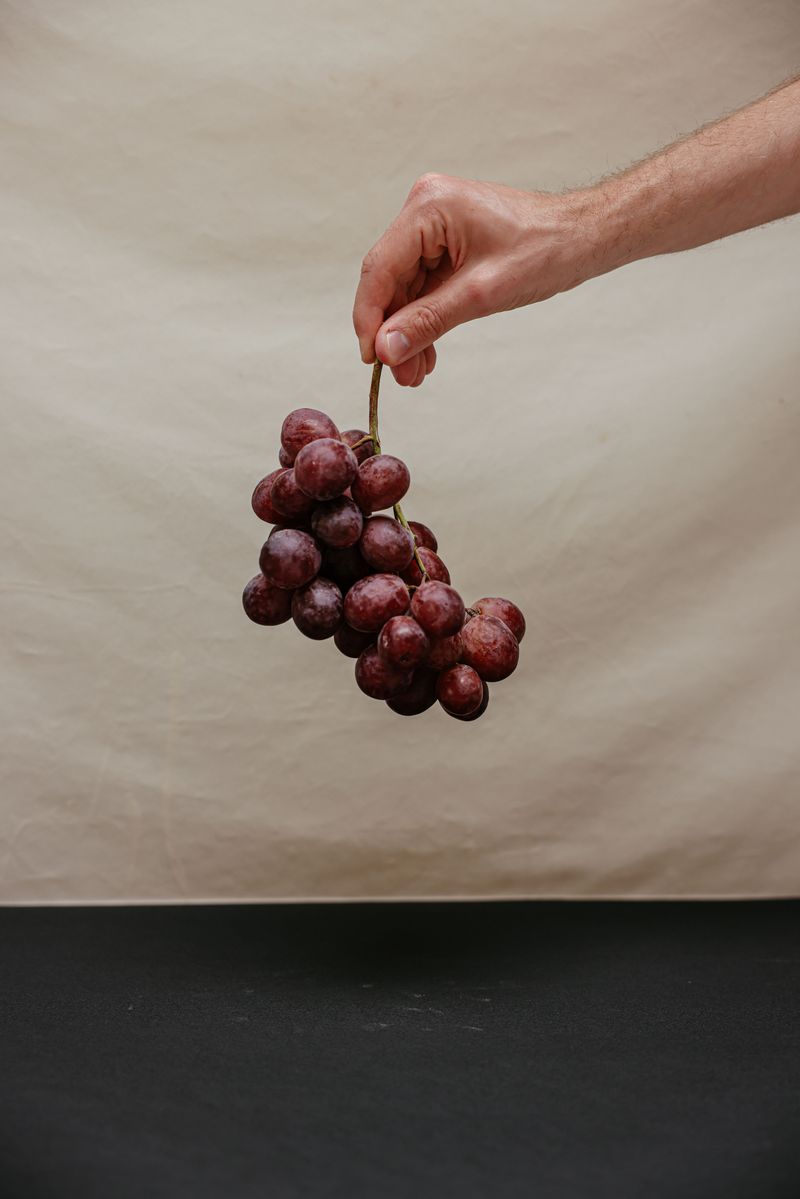
Grapes seem like a healthy snack, but in dogs they can cause sudden kidney failure. There is no safe amount, and sensitivity varies wildly between individual dogs.
Seeds or seedless, green or red, raisins made from them, all can be risky and unpredictable.
If your dog eats grapes, act fast and call your vet right away. Early decontamination and fluids can save precious kidney function.
Store grapes high in the fridge, clean up dropped fruit promptly, and teach kids not to share their snacks, so accidents do not become emergencies. Keep a pet poison helpline number saved, because minutes matter when toxins are involved.
When in doubt, treat exposure as dangerous and seek guidance immediately.
Raisins
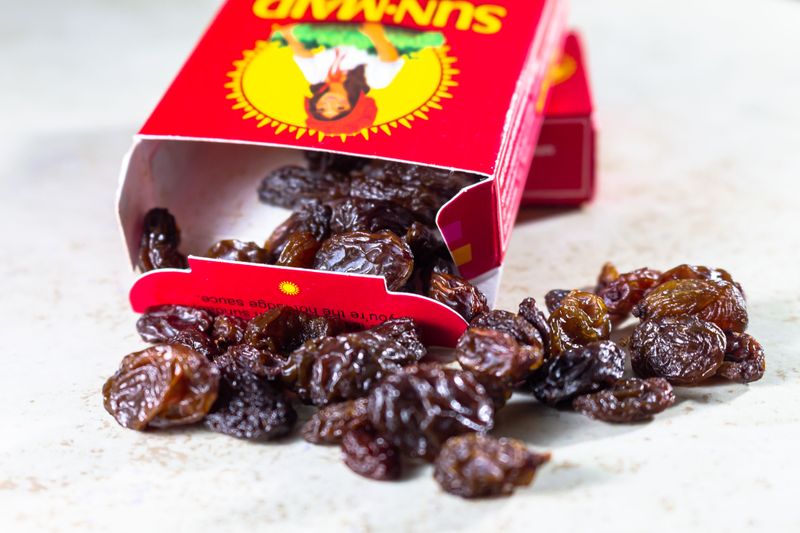
Raisins concentrate the same grape toxins and are often even more dangerous by weight. Because they are small and sticky, dogs can gulp them unnoticed from cookies, trail mix, or oatmeal bars.
Symptoms may include vomiting, lethargy, belly pain, and reduced urination within hours.
If raisins go missing, assume your dog ate them and call your vet at once. Inducing vomiting early might be recommended, followed by monitoring kidney values.
Keep raisin breads, cereal boxes, and baking supplies sealed, and choose pet-safe training treats so your pockets do not carry hidden hazards. Share household rules with guests, because accidental handouts during parties can undo careful planning.
Keep reminders on pantry doors until everyone forms safer habits.
Xylitol (artificial sweetener)
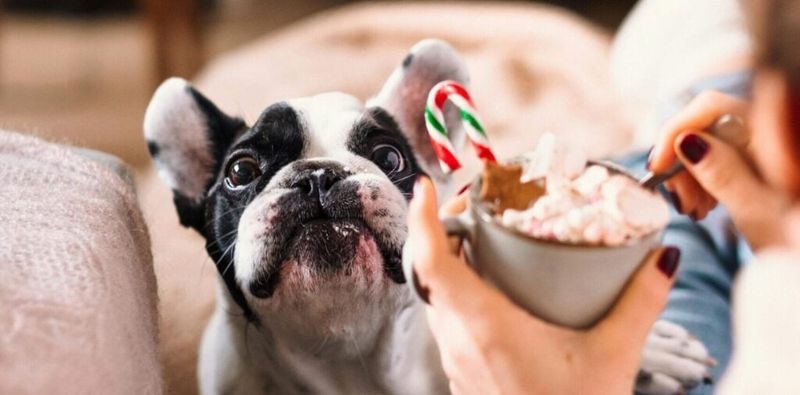
Xylitol shows up in sugar-free gum, peanut butter, mints, and baked goods, and it can drop a dog’s blood sugar dangerously fast. Within minutes to hours, you might see weakness, wobbling, vomiting, or even seizures.
Larger exposures can also damage the liver, turning an emergency into a life-threatening crisis.
Check every label on snacks, toothpaste, and nut butters before sharing a taste. If your dog might have eaten xylitol, this is not a wait-and-see situation, so call your vet immediately.
Keep purses, gym bags, and car consoles closed, and switch to xylitol-free brands, because prevention is far safer than frantic midnight drives. Save your clinic’s number in your phone and on the fridge for quick action.
Onions
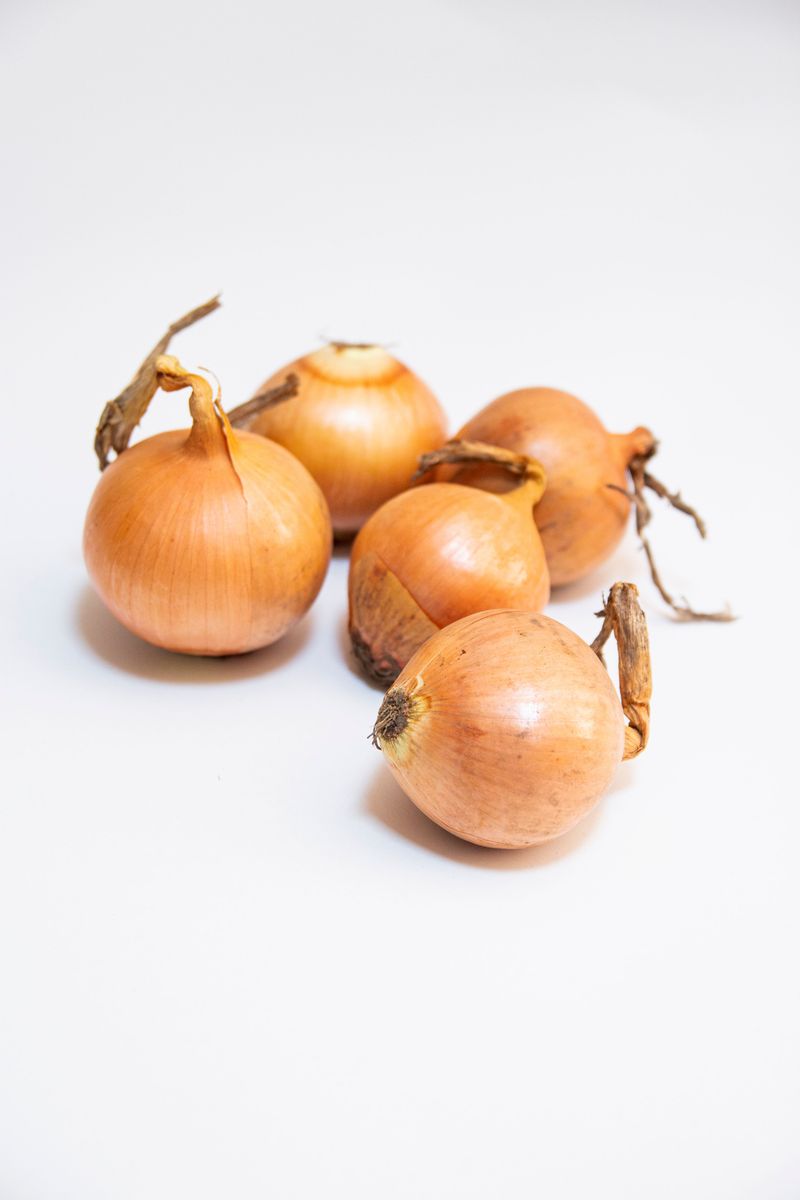
Onions, leeks, and chives contain compounds that damage a dog’s red blood cells, leading to anemia. Cooked, raw, powdered, or dehydrated, they all pose risk, and some breeds are especially sensitive.
Signs can include pale gums, weakness, vomiting, and a fast heart rate days after exposure.
Skip sharing oniony leftovers like stir-fries, gravies, and seasoned burgers. Read labels on broths and baby foods, which often hide onion powder.
If your dog gets exposed, call your vet for guidance and testing, because early care helps prevent severe complications and costly hospital stays. Freeze plain dog-safe portions before adding seasonings so you can share safely later.
Train a leave it cue to stop fallen scraps from getting swallowed.
Garlic
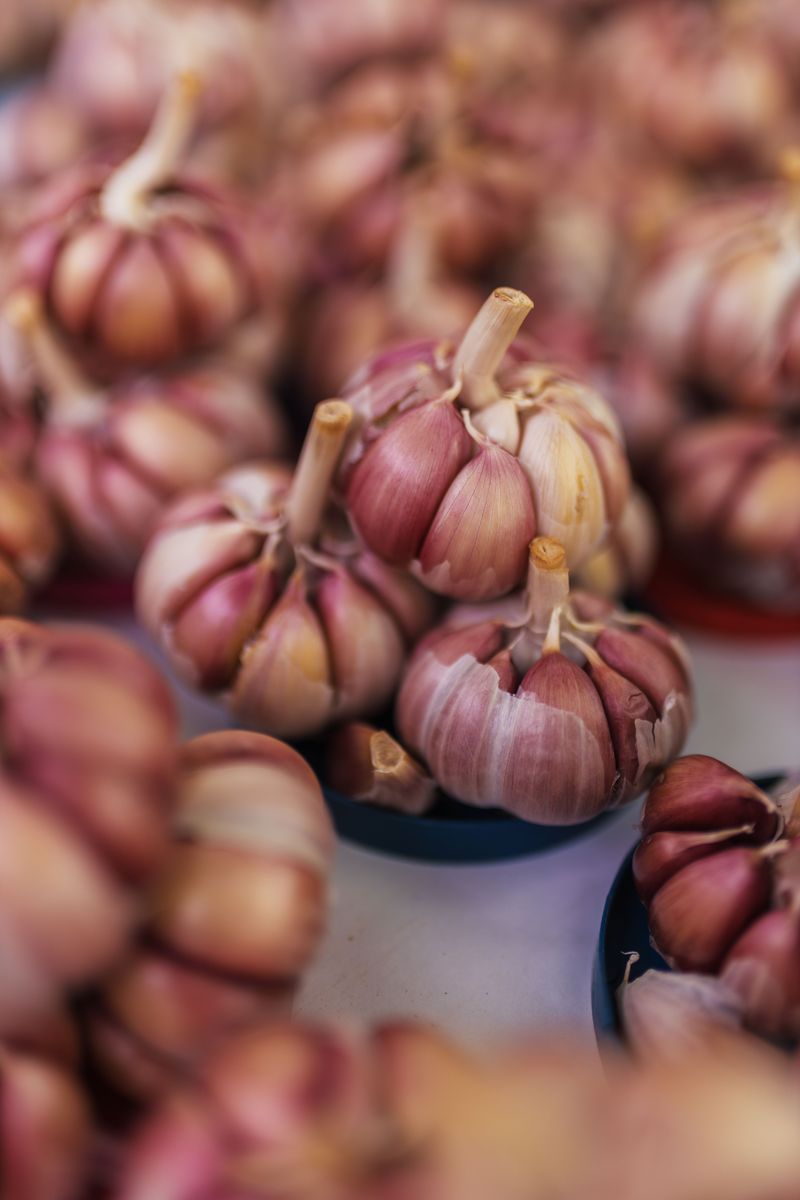
Garlic belongs to the same family as onions and can cause similar oxidative damage to red blood cells. Some people claim small amounts are safe, but dogs vary and toxicity can build over repeated exposures.
It is not worth the gamble when safer flavor options exist.
Keep garlic powders, salts, and roasted cloves away from curious noses. Skip garlic supplements marketed with bold promises, and ask your vet before giving any herbal product.
If your dog ate garlic, note the amount and call right away, because early intervention beats waiting for pale gums and weakness. Choose parsley, basil, or dog-safe broth to add aroma without dangerous side effects.
Your dog will not miss the garlic.
Macadamia nuts
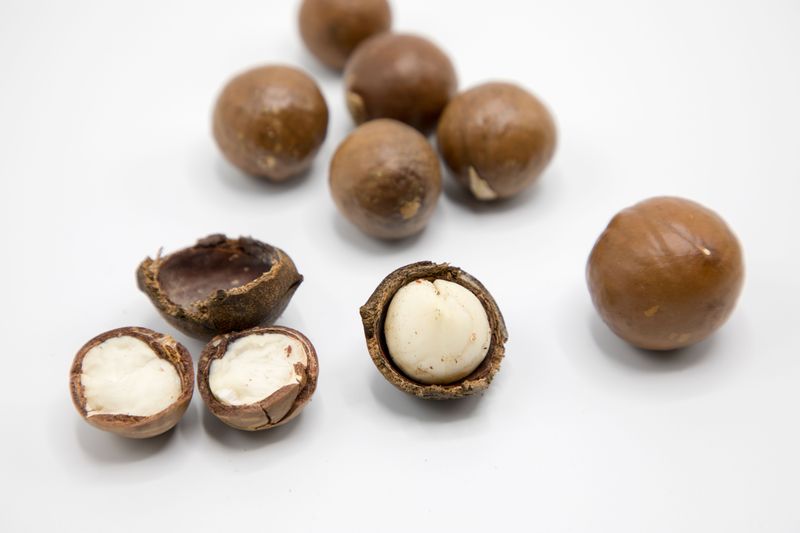
Macadamia nuts can trigger weakness, hind limb tremors, vomiting, and elevated temperature in dogs within hours. The exact toxin remains unclear, but the pattern is well documented and concerning.
Even a handful from trail mix can cause misery and a scary night.
If your dog snacks on macadamias, call your vet and monitor closely. Supportive care often helps, but severe cases need hospitalization and temperature control.
Store nuts high, choose nut-free training treats, and remind friends that sharing bar snacks with dogs is never a good idea. Keep trail bags zipped, label jars clearly, and sweep floors after parties to prevent scavenging.
When traveling, pack dog-specific snacks so temptation stays off the table. It makes choices easier.
Alcohol

Alcohol affects dogs far more than humans, depressing the central nervous system and dropping blood sugar. Beer, wine, cocktails, and unbaked rum cakes are all dangerous.
Even spilled drinks or fermented fruit in the yard can lead to staggering, vomiting, and life-threatening complications.
Never share sips, and wipe up spills quickly. Lock bar carts, secure trash, and keep guests from leaving cups on low tables.
If your dog ingests alcohol, call a vet immediately, because dextrose support and monitoring might be needed to prevent seizures and keep breathing steady. Post reminders during parties, use covered cups outdoors, and offer water bowls in social areas to redirect curiosity.
Your dog depends on you to set boundaries.
Caffeine
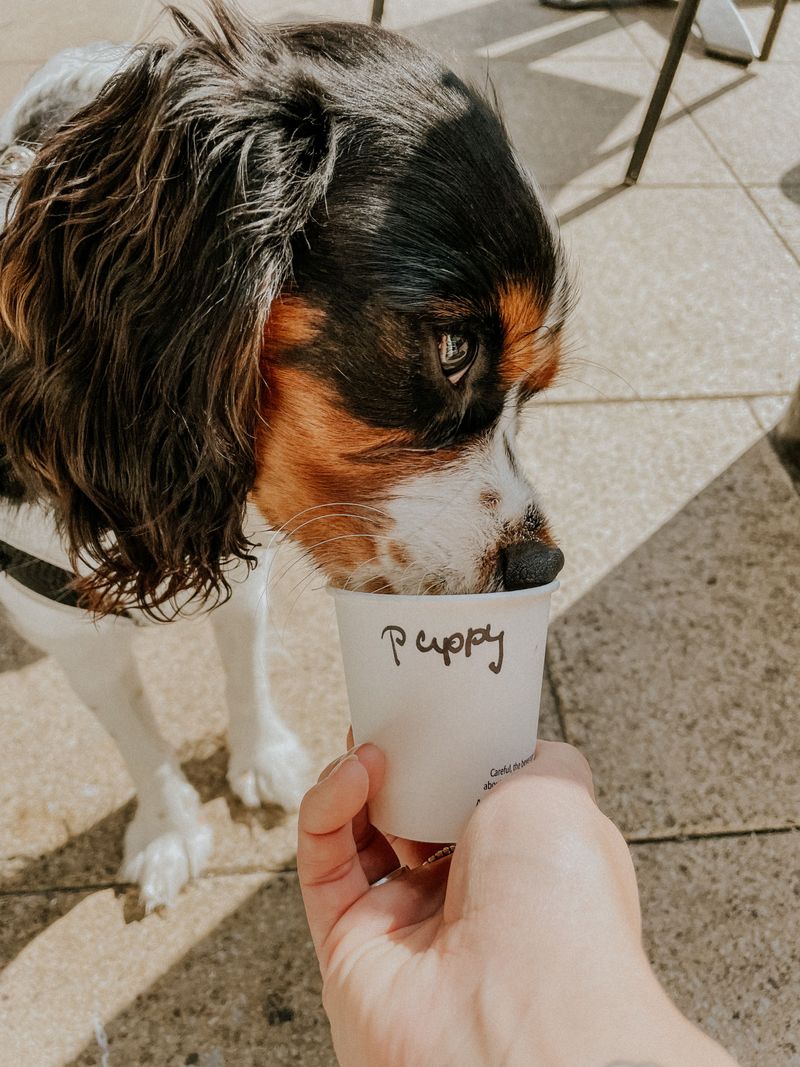
Caffeine from coffee, tea, soda, energy drinks, and diet pills can overstimulate a dog’s heart and nervous system. Restlessness, pacing, panting, vomiting, and tremors may appear quickly.
Used grounds and K-cups still contain enough caffeine to cause harm if scavenged.
Keep mugs out of tongue range and secure trash where filters or pods live. Skip sharing coffee ice cream or chocolate-covered beans.
If your dog gets into caffeine, call your vet, because timely care with fluids and medications can prevent dangerous arrhythmias and a terrifying night for everyone. Store energy shots high in cabinets, and bring travel mugs with tight lids to dog parks.
Curiosity plus jitters is a recipe for trouble.
Raw yeast dough
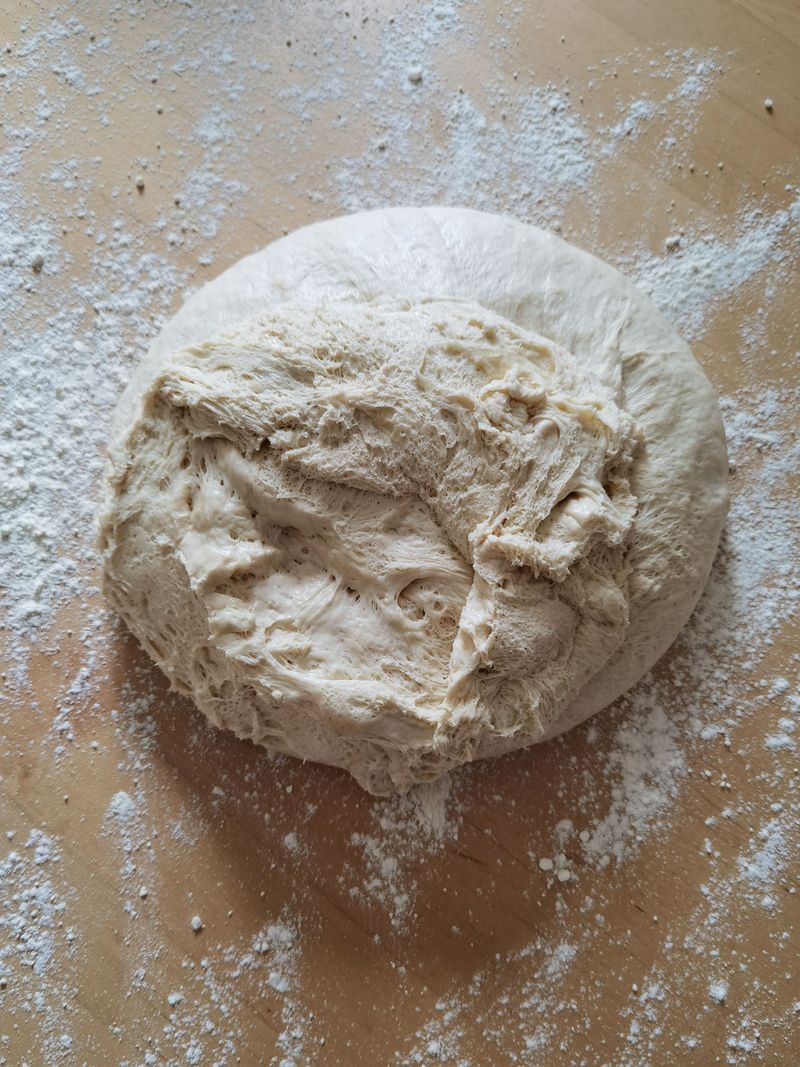
Raw yeast dough can expand in a dog’s stomach, causing painful distention and dangerous bloat. As yeast ferments, it produces alcohol, adding intoxication risk on top of swelling.
Counter surfing during baking day can turn festive plans into a crisis.
Keep dough bowls covered and ovens closed while items rise. Take out the trash promptly, and do not compost raw dough where pets can access it.
If your dog eats dough, call your vet immediately, because decompression and supportive care may be needed to prevent stomach rupture and alcohol toxicity. Plan dog-free zones during baking, and hand out long-lasting chews to keep them occupied elsewhere.
It keeps counters calm and bellies safe.
Cooked bones
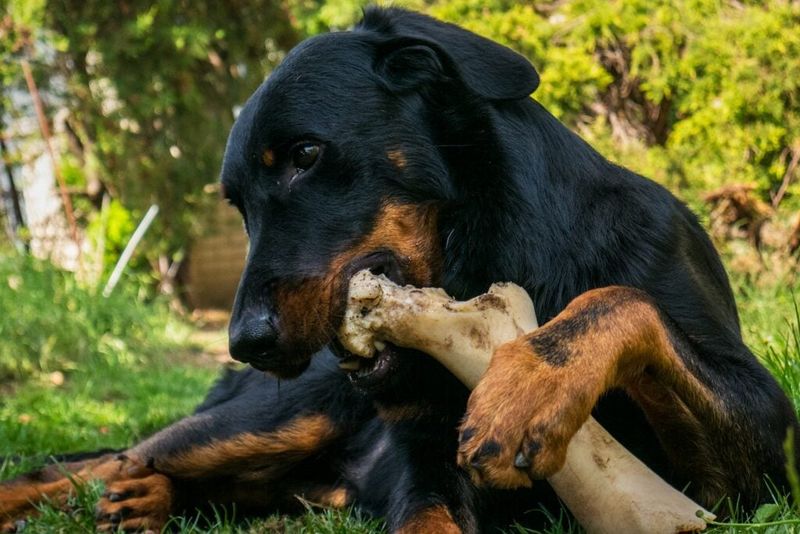
Cooked bones splinter easily and can puncture a dog’s mouth, throat, or intestines. They also create choking hazards and painful constipation.
Even leftover steak bones or rib bones that seem sturdy can shatter under powerful jaws.
Offer vet-approved chew alternatives like rubber toys or raw meaty bones under professional guidance. Always supervise chewing and discard worn toys before they break.
If your dog swallows a sharp fragment, call your vet right away rather than trying risky home tricks that could make injuries worse. Teach drop it and trade games so you can calmly swap unsafe finds for something better.
Keep trash secured, and never leave plates on the floor after meals.
Moldy food
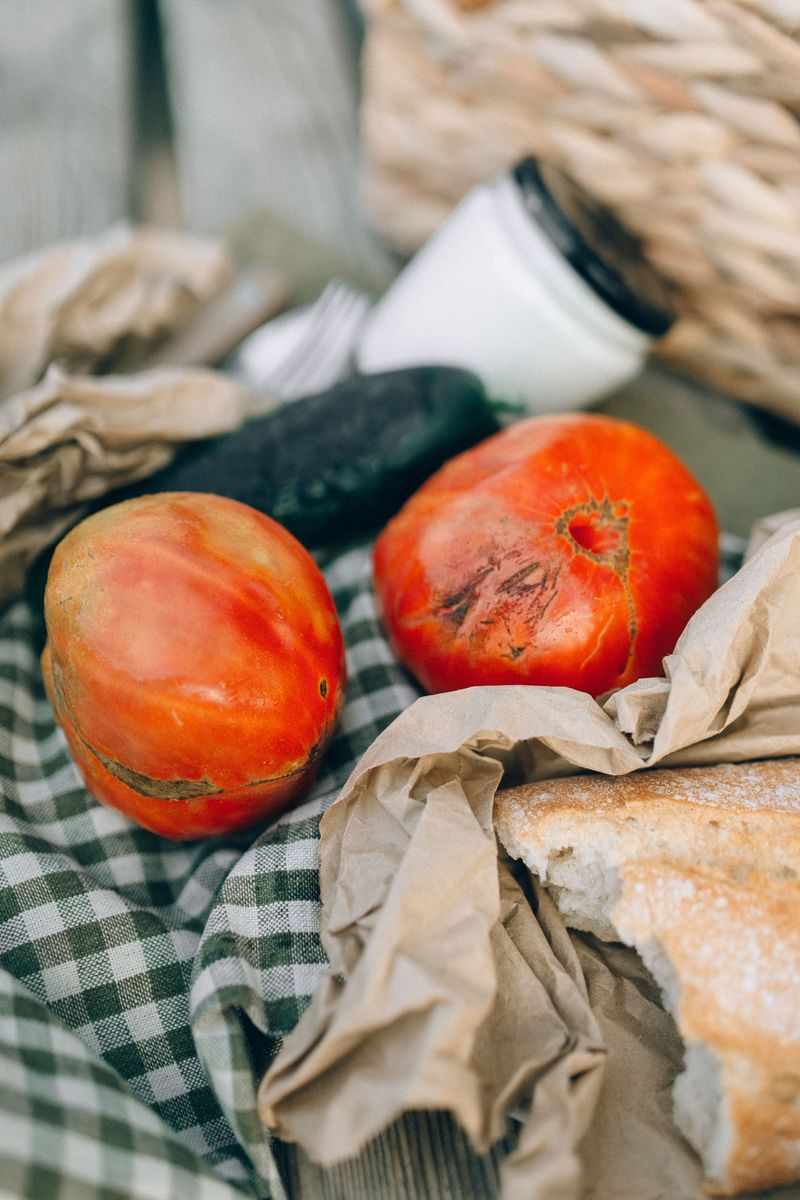
Moldy foods can harbor tremorgenic mycotoxins that cause agitation, panting, tremors, and seizures in dogs. Blue cheese, spoiled nuts, and trash scraps are frequent culprits.
Symptoms can strike fast, turning a casual sniff through the garbage into a medical emergency.
Secure indoor and outdoor trash, and use tight-fitting compost lids. Do not let dogs sample suspicious leftovers or chew on yard mushrooms.
If exposure happens, contact a vet or poison helpline immediately, because decontamination and medications may be crucial to stop seizures and protect your dog’s brain. Clean fallen fruit quickly, and teach leave it during walks when you pass tempting bins and curbs.
Curiosity plus mold can become chaos.
Excess salt
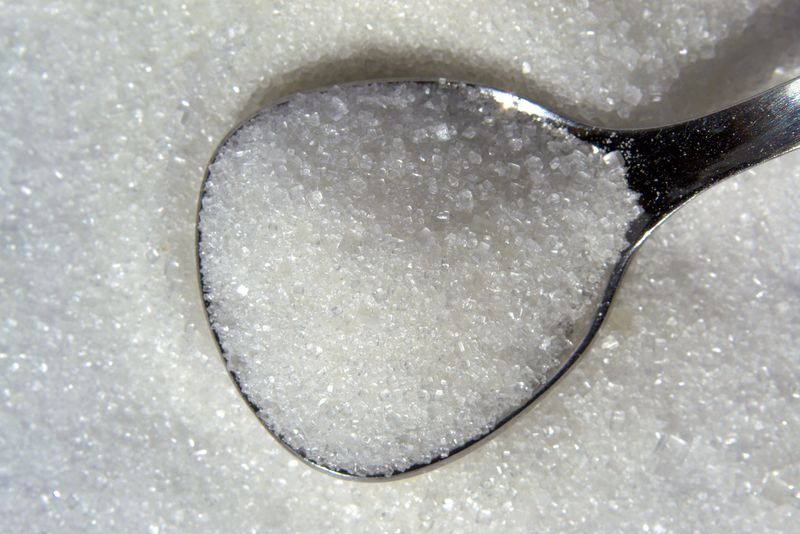
Excess salt pulls water from cells and can lead to dehydration, vomiting, diarrhea, tremors, and even seizures. Risk spikes when dogs gulp seawater, snack on salty chips, or eat homemade playdough.
Severe cases may develop dangerous sodium imbalances that require intensive care.
Offer fresh water often, especially at the beach, and rinse your dog after ocean swims. Skip sharing salty snacks, and store playdough and seasoning shakers out of reach.
If you suspect salt poisoning, call your vet immediately, because rapid assessment and careful fluids are key to protecting the brain. Pack a travel bowl, take shade breaks, and watch for excessive panting or sudden lethargy during hot days.
Prevention is far easier than emergency treatment.