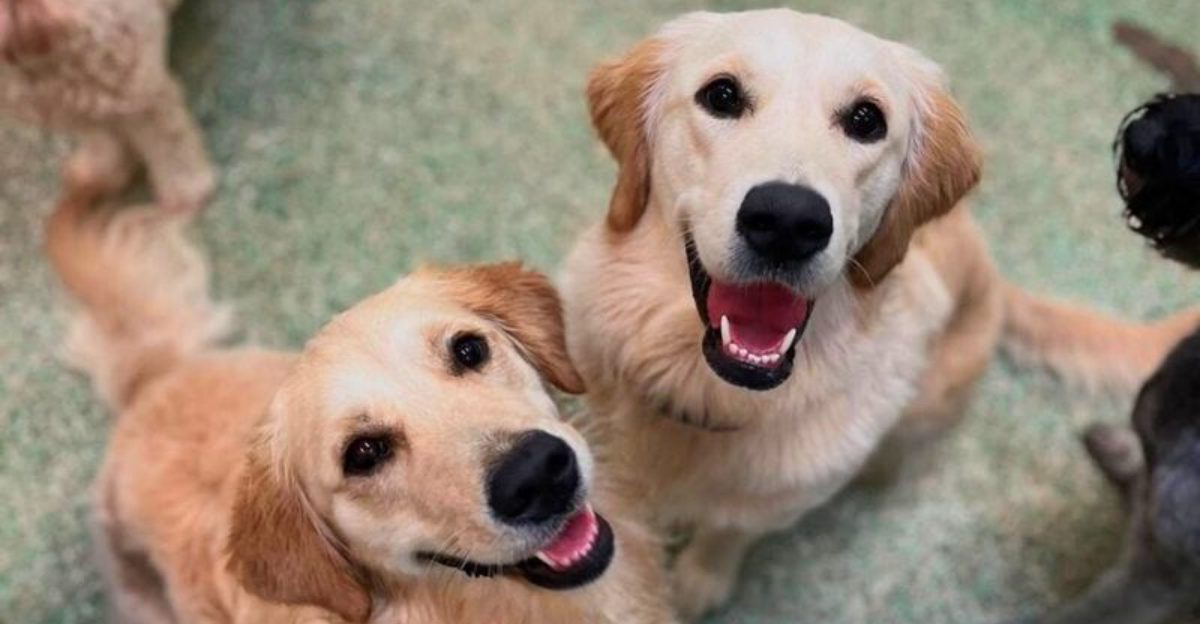
Ever feel your dog interrupting right when your focus slips? That is not coincidence, it is communication.
Dogs are masters at reading micro cues and they respond when your attention drifts. Here are the telltale behaviors that prove they notice, and how to turn each one into connection.
Pawing at you repeatedly
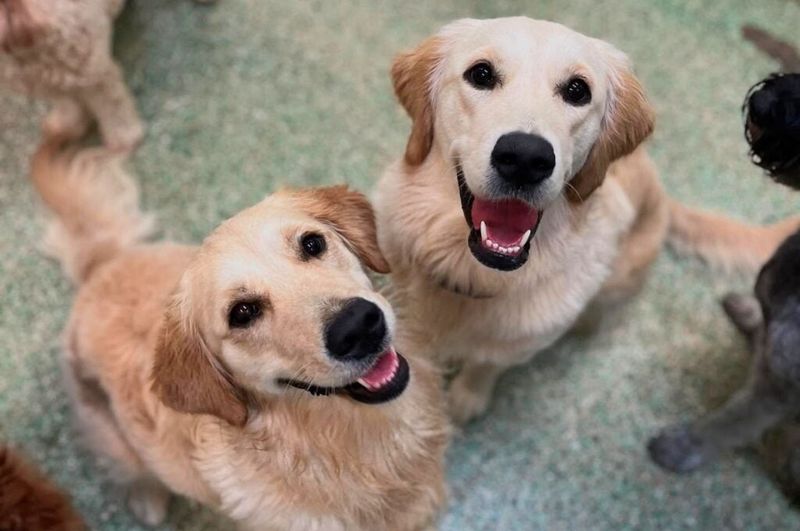
When your dog paws at you over and over, it is not random. They have learned that touch reliably gets your attention, especially when your focus has drifted to a screen.
That rhythmic pat on your knee or thigh is their way of saying hey, you missed my cue.
Respond by pausing what you are doing and offering a cue like sit, then reward with play or a short walk. If you ignore it completely, pawing can escalate into scratching or jumping, which feels frustrating for both of you.
Teach an alternate signal by reinforcing a nose target or settling on a mat.
Consistency matters. Notice the first gentle tap and reward calm attention before intensity rises.
Nudging your hand or arm
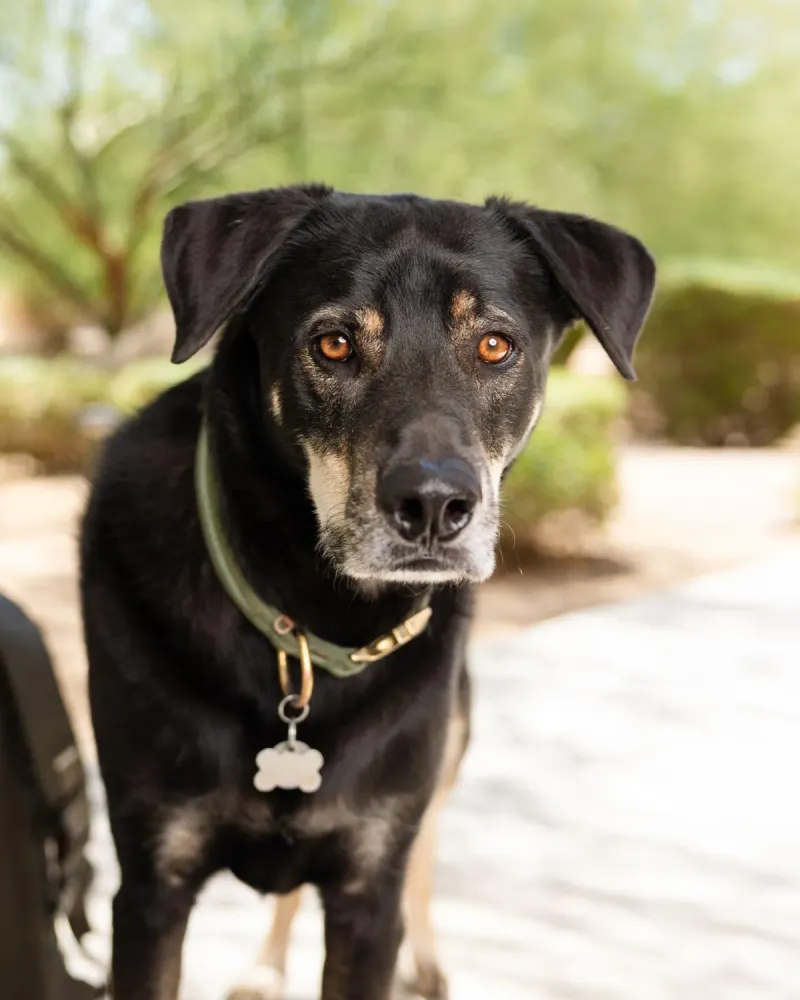
A soft nose pressing under your hand is classic you forgot me communication. Dogs learn that nudging lifts your hand off the phone or keyboard, reconnecting you through touch.
It is a polite, persistent reminder that presence matters more than scrolling.
Reward the nudge by acknowledging your dog, then give a simple task like down before offering affection. This channels their effort into cooperation, not demand.
If the behavior becomes pushy, teach a chin rest on your palm and mark it with a calm yes.
Set boundaries kindly by ending attention when the nudge gets harder, then reengage when they soften. Over time, your dog learns that gentle requests unlock connection, while forceful shoves pause the fun.
Sitting directly in front of you
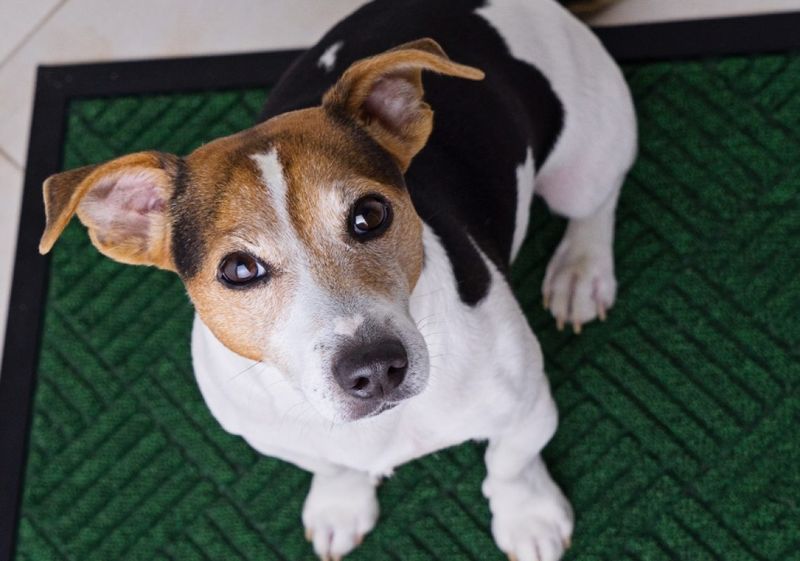
Parking themselves squarely in your line of sight is the canine version of a highlight reel. Dogs place their bodies where your attention naturally lands, especially when you are distracted.
The sit says look up, breathe, and notice me right here.
Reward that centered sit with eye contact, a cue like watch, and a quick game or treat. If you keep typing through it, many dogs escalate to blocking the keyboard or stepping on feet.
Celebrate the first quiet sit to prevent theatrical stunts.
Teach a place mat near your desk so attention seeking turns into settled presence. Reinforce often at first, then gradually space out rewards as relaxation becomes a habit you both enjoy.
Bringing toys unexpectedly
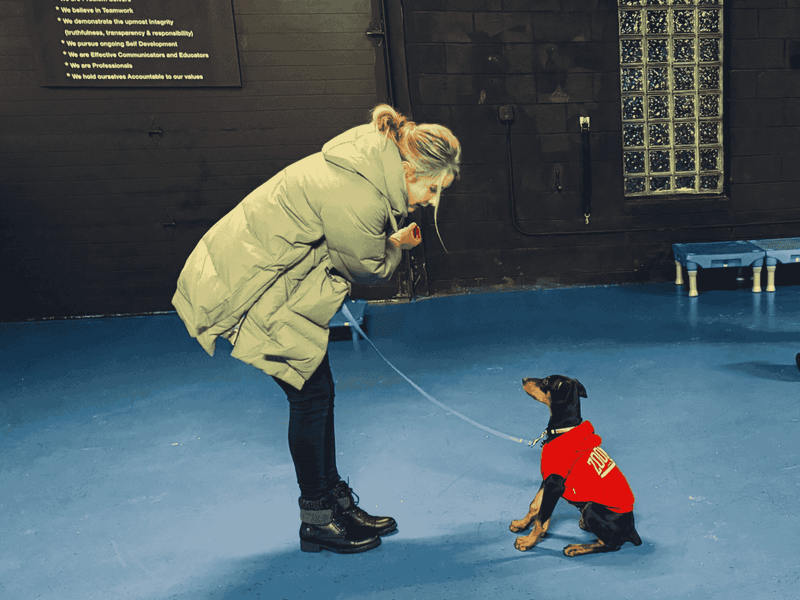
When a slobbery toy appears in your lap uninvited, your dog is reading your drifting focus. Delivering a favorite squeaker is a bold invitation to reenter the moment and play.
It is hard to ignore a grinning face and wagging tail.
Say thanks by asking for a drop, then launch a short game as a reward. This keeps impulse control woven into fun, and it resets your bond without derailing your day.
If play is impossible, trade for a food puzzle or chew.
Prevent nagging fetch by setting play windows and consistent cues. Your dog learns when toys start adventures, and when quiet time means relaxing nearby without constant pitches for both of you today.
Following you from room to room
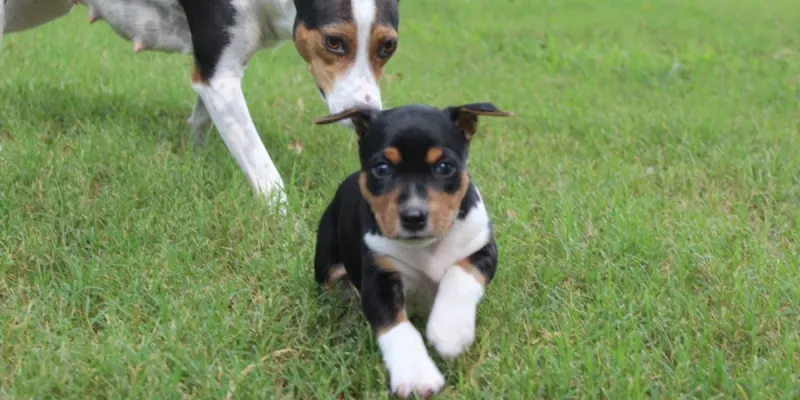
Shadowing your every step is a moving billboard announcing hey, you are drifting. When attention slips, many dogs trail you to stay inside your bubble, ready for a glance or cue.
It is attachment, curiosity, and a little quality control.
Invite connection by sprinkling small check ins like name recognition, touch, and recall games as you move. These micro moments pay the attention bill before big demands arrive.
If following feels clingy, build confidence with scatter feeding and independent settle training.
Provide predictable routines so your dog knows when focus is coming. Consistency reduces pacing, because certainty tells them you will reconnect soon without chasing every step.
Use gates to create calm pauses. Reward waiting with calm praise.
Whining for attention
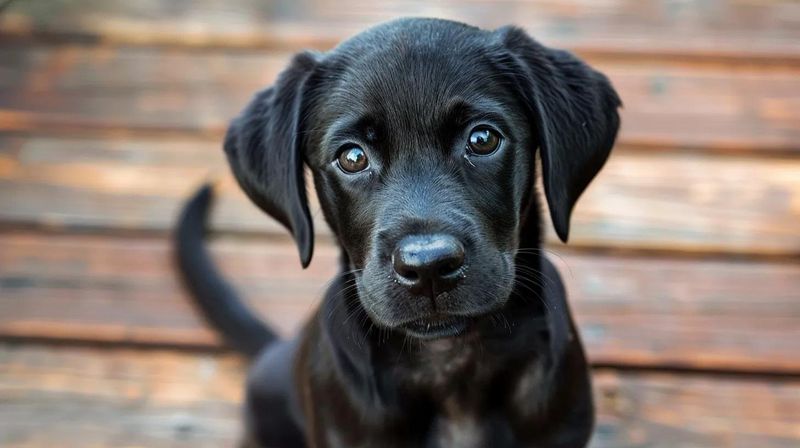
That rising, sing song whine often starts when your eyes glaze at a screen. Vocalizing says I tried polite signals and they failed, so I am turning up the volume.
It is communication, not spite, and it deserves a thoughtful response.
First, check needs water, potty, pain, and boredom. Then reinforce quiet by marking split seconds of silence and delivering attention or a sniffy walk.
Avoid rewarding the actual whine, or you will accidentally teach louder equals faster.
Give your dog a predictable ask for attention, like ringing a bell or resting a chin. Clear options reduce frustration and keep communication honest without frayed nerves.
Practice during calm moments, not peak whining times. Consistency makes progress feel easy.
Interrupting conversations or work
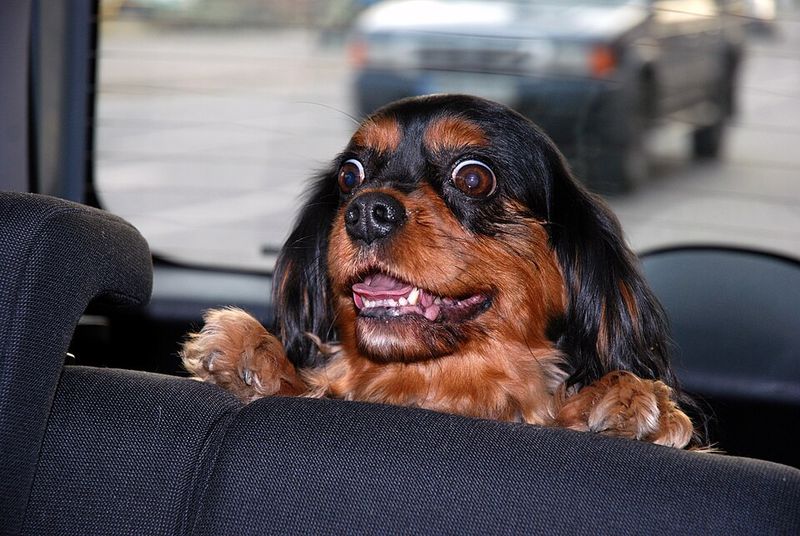
Dogs are expert pattern watchers, and they notice when your voice shifts to meeting mode. Interruptions like pawing, nudging, or wedging between you and a laptop often mean I am bored and you are elsewhere.
They are trying to pull you back to them.
Plan ahead with enrichment before calls frozen Kongs, snuffle mats, and safe chews. During work, reinforce a settle on a bed beside you with periodic treats for calm.
If your dog interrupts, quietly reset them and pay again when they relax.
Teach a go to place cue so conversation time predicts relaxation. Clear routines help your dog feel included without constantly stealing the spotlight.
End meetings with playful reconnect rituals. They will wait easier.
Staring at you until you respond
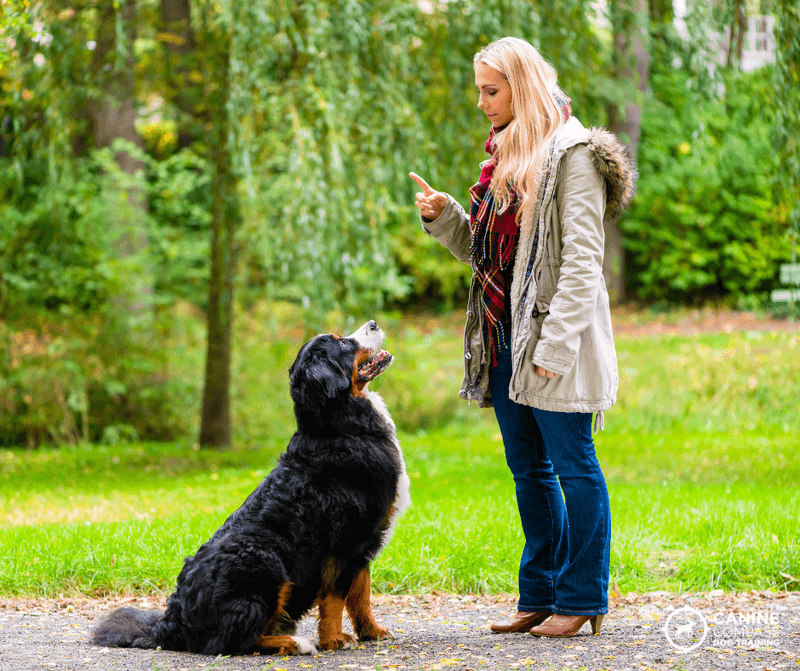
That unwavering gaze is your dog’s laser pointer for attention. Staring is quiet, deliberate, and incredibly effective at pulling your eyes from a screen.
It says I am here, ready, and waiting for connection whenever you are.
Meet that look with warmth. Offer a cue like touch or watch, then reward with play, a walk, or simply shared breathing.
If you repeatedly ignore soft eye contact, many dogs escalate to pawing or vocalizing because subtlety stopped working.
Balance is key by scheduling specific connection breaks. Predictable windows protect your focus while assuring your dog that the stare will be answered soon.
Blink slowly, smile, and acknowledge them before diving back in. That tiny ritual keeps trust strong.