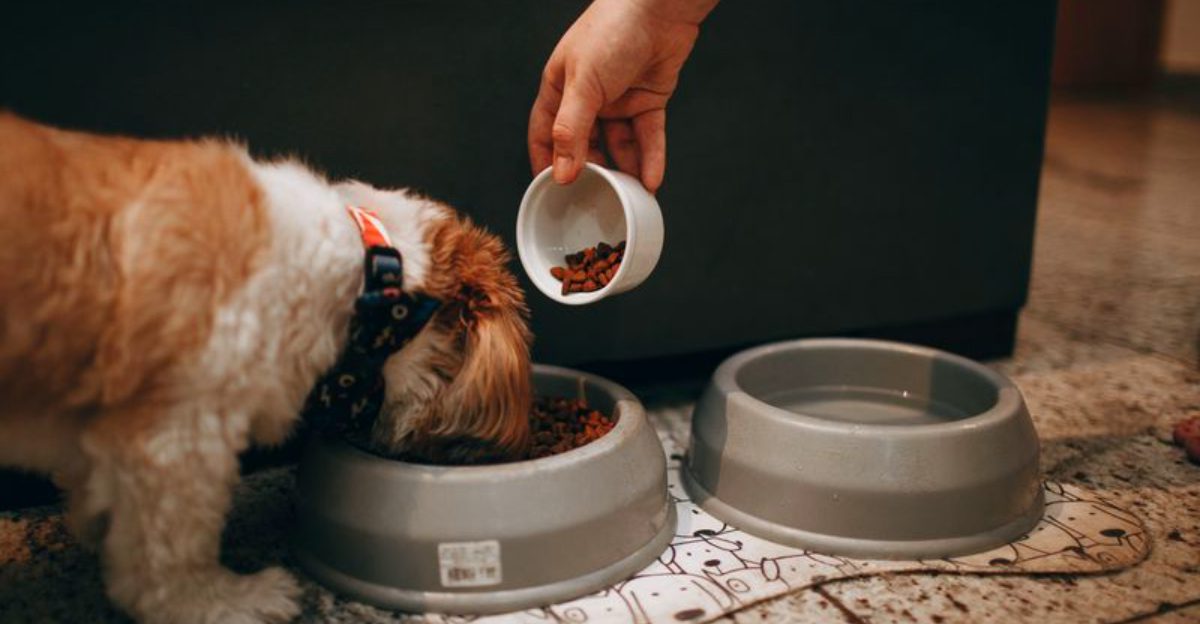
A healthy gut does not happen by accident. Small daily habits can quietly upset your dog’s digestion until problems feel constant and confusing.
The good news is that a few smart tweaks can turn things around fast. Let’s spot these common mistakes and fix them before they become long-term issues.
Overfeeding
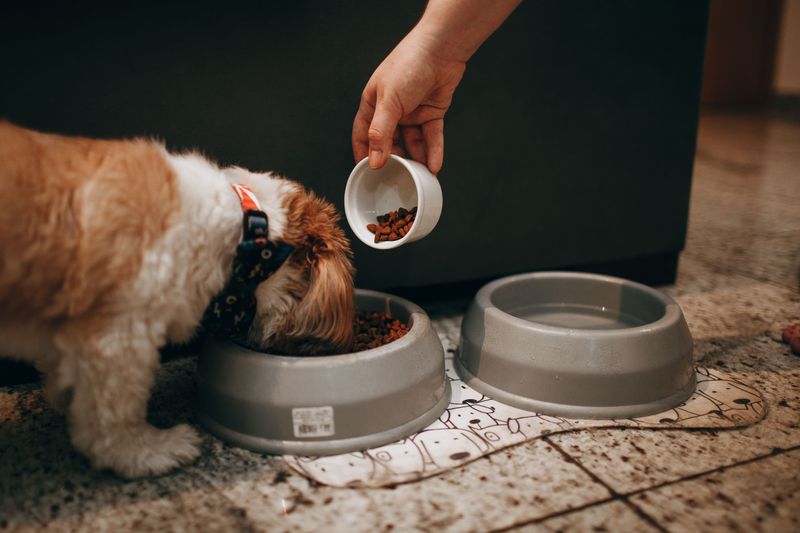
Overfeeding seems loving, but your dog’s gut pays the price. Extra calories stretch the stomach and slow motility, making digestion sluggish and uncomfortable.
Over time, the constant surplus can inflame the intestines and shift the microbiome in the wrong direction.
You might notice gassiness, loose stools, or a dog that always begs because appetite signals get confused. Measure meals with a scoop, check body condition weekly, and use your vet’s calorie targets.
If you want to treat, subtract from the next meal and choose low calorie options.
Slow feeders and puzzle bowls help pace eating so fullness cues have time to register. Keep a food diary for two weeks, then adjust portions gradually until ribs feel easily under a thin fat layer.
Feeding table scraps regularly
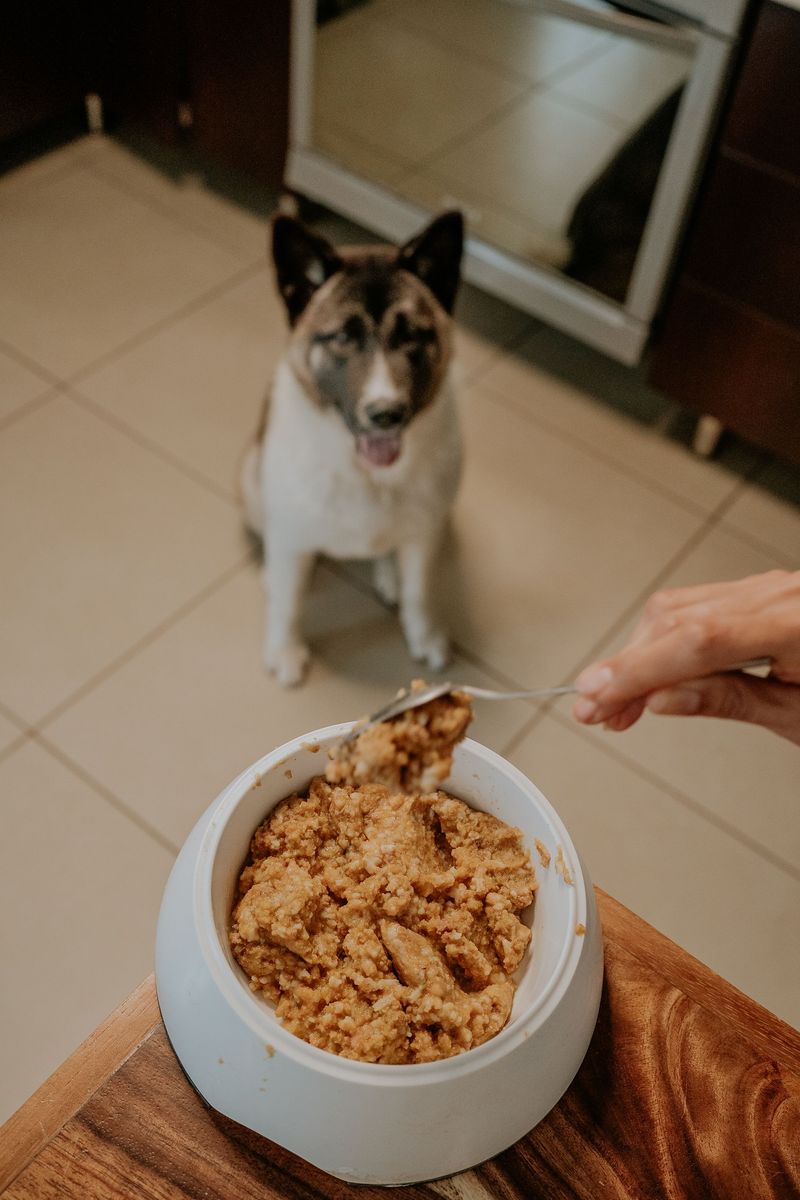
Regular table scraps teach your dog to expect rich, salty flavors that upset the gut. Sudden fat, spices, and onions or garlic can irritate the lining and disrupt beneficial bacteria.
Over months, that rollercoaster increases inflammation and diarrhea risk.
You also reinforce begging and food stealing, which leads to more gut-unfriendly choices. Set boundaries for the whole family so consistency sticks.
Offer a bit of the dog’s regular kibble as a training reward instead, and keep human plates off limits.
If you want to share, choose plain steamed veggies like green beans or carrots in tiny amounts. Track any new addition in a log with portion size and stool quality notes.
That way, you can spot patterns early.
Switching foods too quickly
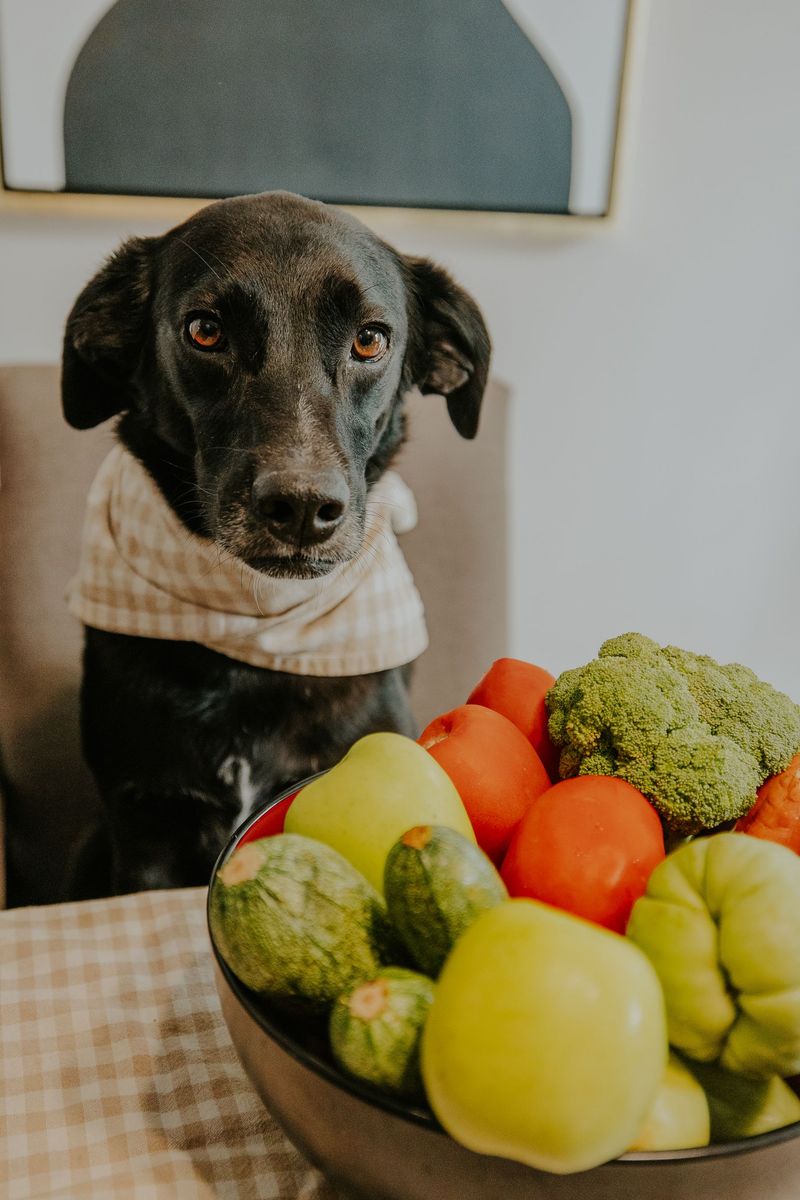
Changing foods overnight shocks the microbiome, which relies on gradual shifts to adapt. Different proteins, fibers, and fats require new enzyme balances and bacterial partners.
A rapid swap can trigger gas, cramping, and watery stools that linger for weeks.
Use the 7 to 10 day rule. Start with 75 percent old, 25 percent new, then shift every few days until fully transitioned.
If your dog has a sensitive stomach, extend to two or three weeks and add a vet-approved probiotic.
Keep everything else stable during the switch, including treats and meal timing. Mix thoroughly so your dog cannot pick around the new bits.
If loose stools appear, pause progression for three days, offer extra water, and contact your vet if lethargy develops.
Too many treats
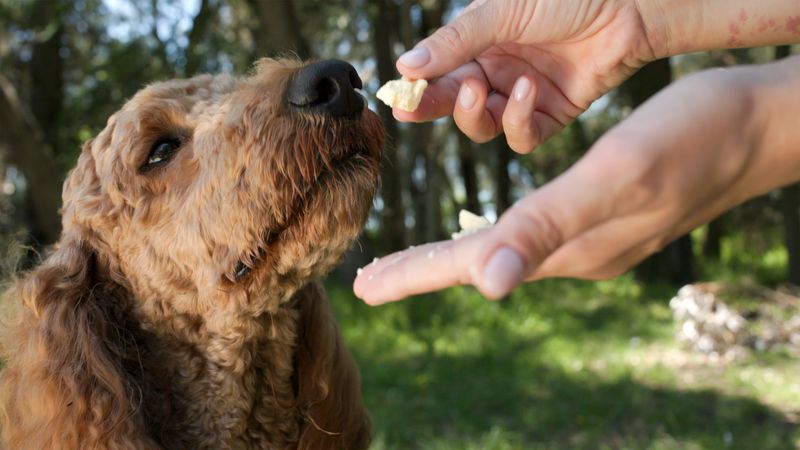
Treats pile on calories and disrupt balanced nutrition when they exceed 10 percent of daily intake. Many are high in fat, salt, or glycerin that can ferment oddly in the gut.
That combination fuels gas, soft stools, and inconsistent appetites.
Use treats strategically for training, not constant nibbling. Break pieces small, count them toward the day’s calories, and choose single-ingredient options like freeze-dried meats or crunchy veggies.
Rotate flavors to keep novelty high without needing big portions.
If your dog gets snacky, add enrichment instead, like sniff walks or puzzle toys that lower stress. Stress hormones can slow digestion and worsen symptoms.
Water first, meal second, then a measured treat at the end seals the routine.
Feeding after intense exercise
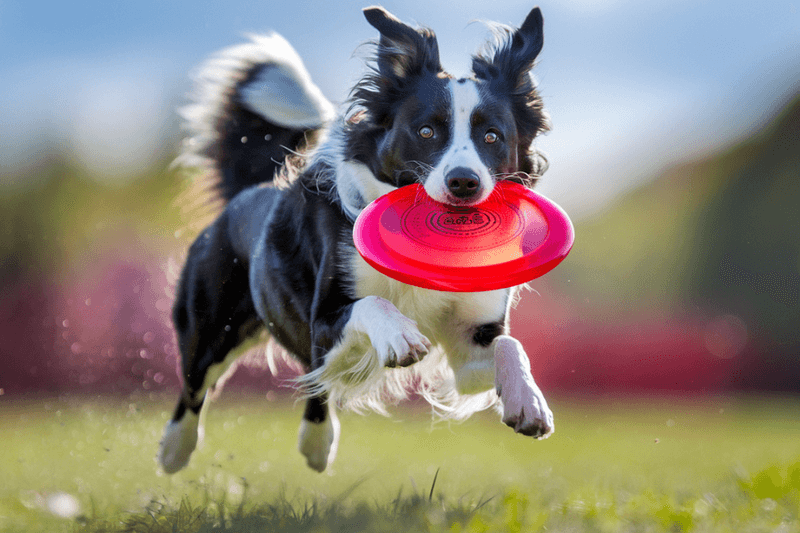
Feeding right after a hard run or vigorous play can jolt a sensitive stomach. Blood flow is still shunting to muscles, not the gut, so digestion stalls and nausea can follow.
Fast gulping of air and water also increases bloat risk in some breeds.
Cool down first. Let breathing normalize, offer small sips, and wait 45 to 60 minutes before a meal.
Evening athletes may do better with two smaller meals spaced apart, which smooths energy and reduces gastrointestinal surprises overnight.
If your dog is deep chested, ask your vet about bloat prevention strategies and feeding setups. Elevated bowls are controversial, so decide based on current guidance.
Record pre and post exercise stools to fine tune timing and portion sizes confidently.
Inconsistent meal times
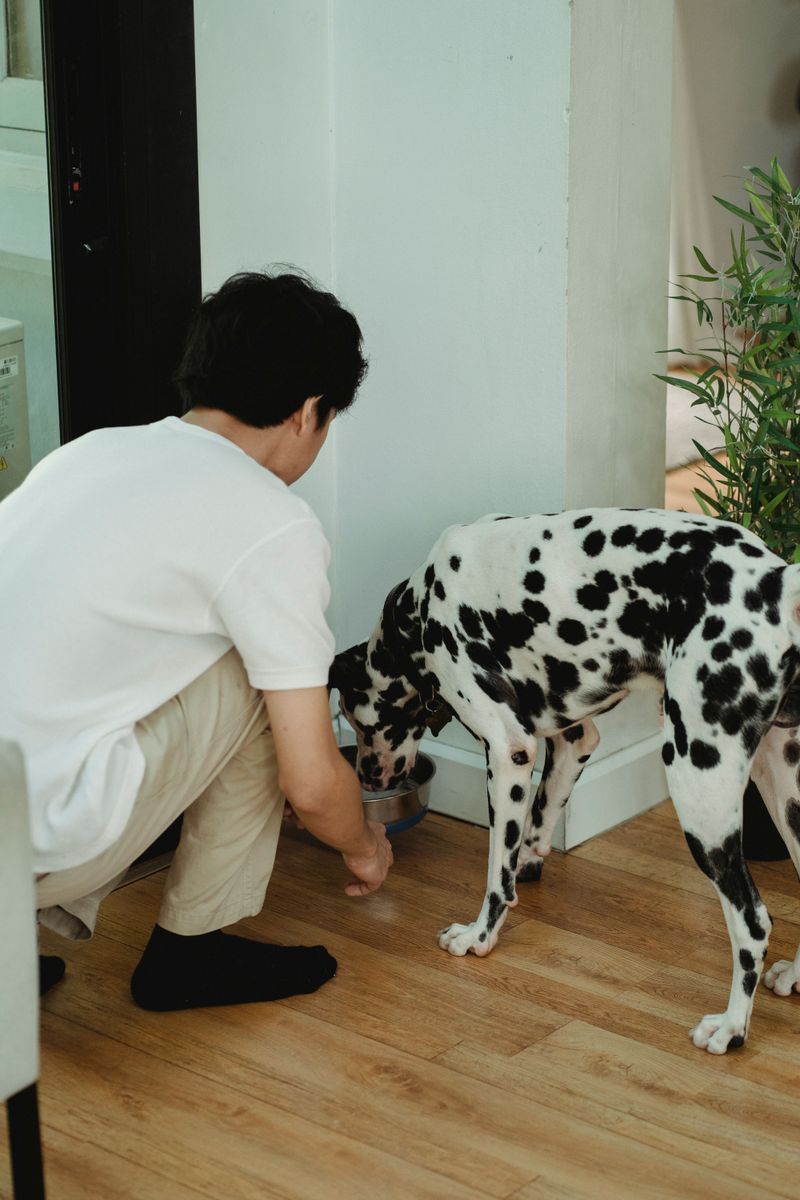
Dogs thrive on predictable rhythms, and the gut is no different. Inconsistent meal times confuse hunger hormones and bile secretion, leading to acid buildup or gurgly, empty-stomach nausea.
Over time, that unpredictability can trigger vomiting, constipation, or stressy diarrhea.
Choose windows you can keep, morning and evening, then stick to them within 30 minutes. Use reminders and pre-portioned bags so busy days do not derail you.
Your dog will relax, and stools usually become more formed and predictable.
If schedules vary, feed smaller, more frequent meals that average out the day. Automatic feeders can help, as long as you pre-measure accurately.
Pair meals with short sniff walks to cue digestion and lower anxiety around food time naturally.
Giving fatty human foods
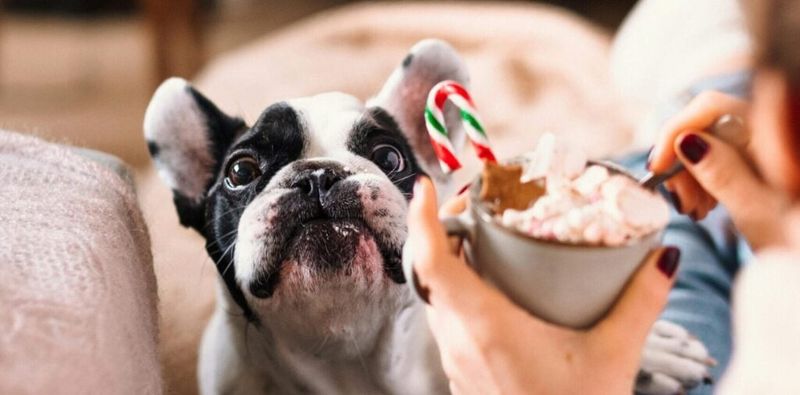
Fatty foods like bacon, skin-on chicken, or cheesy leftovers overwhelm a dog’s pancreas. Excess fat stimulates intense enzyme release that can inflame tissues and spark pancreatitis.
Even milder episodes leave the gut sensitive and prone to loose, smelly stools.
Keep rich foods off the menu, especially around holidays when temptation is everywhere. If you want to share, offer a few green beans or a bite of plain cooked turkey breast.
Read labels on treats and avoid mystery fats and gravies.
If vomiting or abdominal pain appears after a fatty slip, call your vet early. Withholding food briefly and offering water may help, but pancreatitis can escalate quickly.
A low fat diet plan afterward protects long term gut health and comfort.
Letting dogs eat too quickly
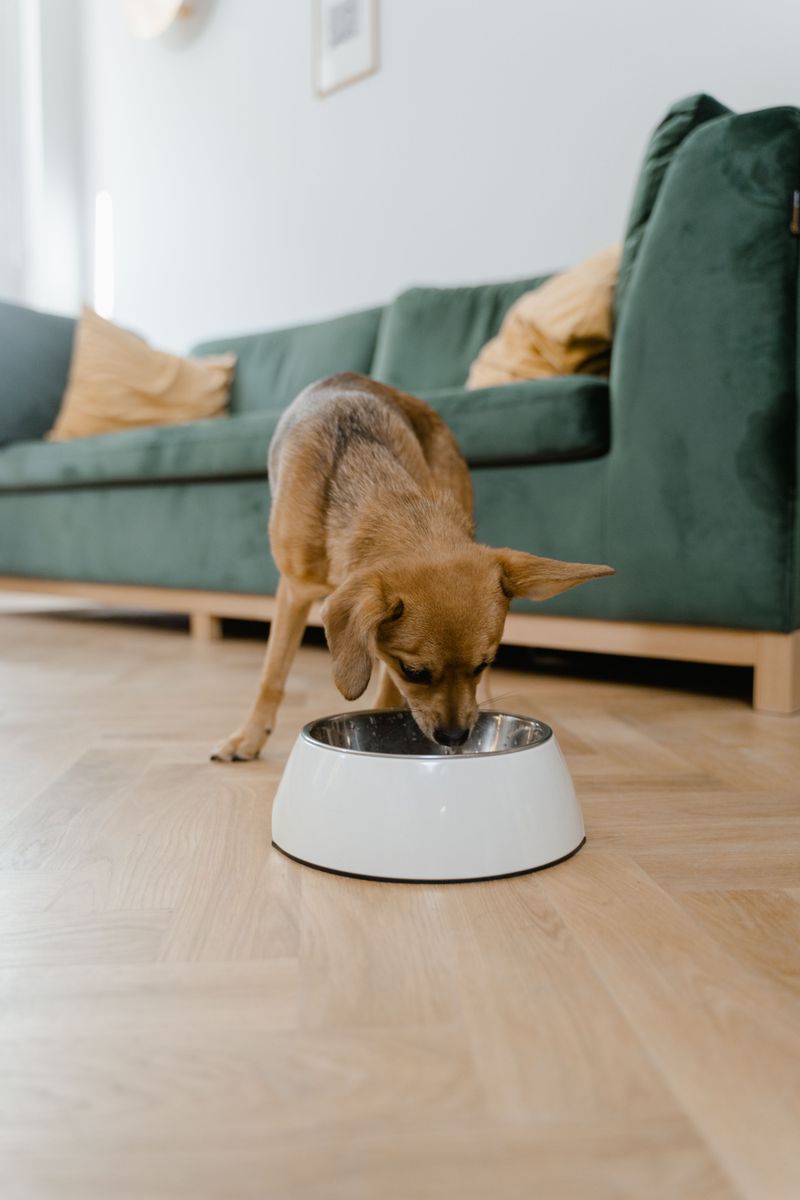
Rapid eating sends huge boluses of food and air into the stomach, stressing valves and sphincters. That pressure can cause regurgitation, gas, and in vulnerable breeds, dangerous bloat.
Fast eaters also chew poorly, leaving the gut extra work to do.
Use slow bowls with ridges, muffin tins, or scatter feeding on a mat to extend meals. Split portions into three mini servings spaced five minutes apart.
Add a bit of water to kibble to reduce friction and encourage calmer bites.
If guarding appears when pacing meals, train with hand feeding and trade games to build trust. Stand back while your dog eats to lower arousal.
Track burps and gas in a journal so you can see improvements as speed drops.
Free-feeding without portion control
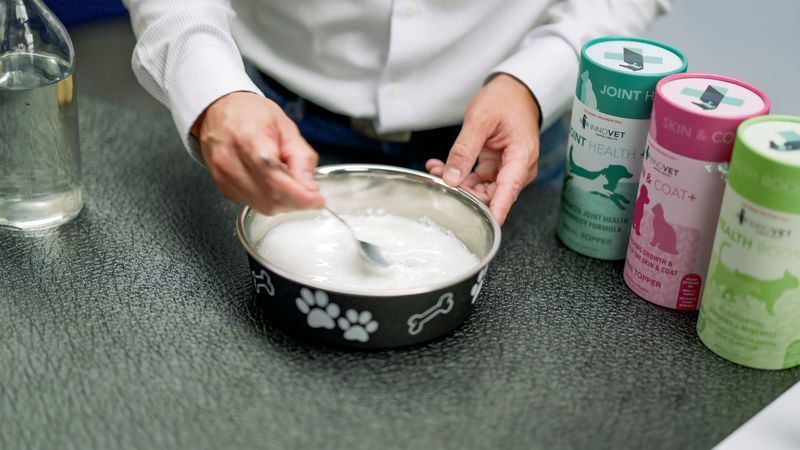
Leaving food out all day blurs hunger cues and invites boredom eating. Grazing often leads to silent weight gain that strains joints and destabilizes hormones tied to digestion.
Some dogs also become picky, nibbling without ever fully satisfying the stomach.
Set meal times, measure portions, and remove leftovers after 20 minutes. You will quickly learn true appetite and stool patterns.
Use your dog’s ideal weight to calculate calories, then adjust five to ten percent based on weekly body checks.
Food motivation can stay high with enrichment feeders and training sessions using part of the meal. Label containers with scoop sizes so everyone feeds consistently.
Consistency helps the gut anticipate meals, improving enzyme release and comfortable, dependable poops.
Not providing enough fresh water
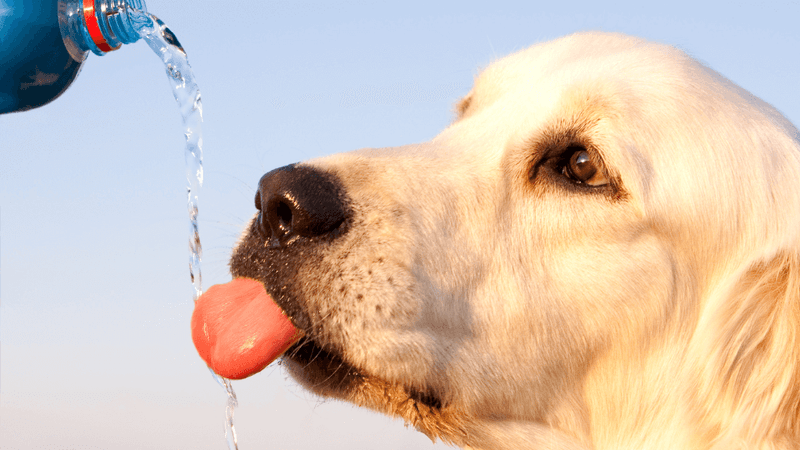
Dehydration thickens digestive contents, slowing transit and irritating the colon. When stools sit too long, water is pulled back into the body and constipation follows.
Concentrated stomach acid can also trigger vomiting or reflux in sensitive dogs.
Offer multiple bowls, refresh frequently, and clean them so the water smells inviting. Add a splash of warm water to meals or use a pet fountain for playful sippers.
During hot days or after exercise, increase access and monitor urine color.
If your dog drinks little, flavor water with a tiny bit of low sodium broth, or float kibbles to encourage lapping. Track daily intake for a week.
Call your vet if thirst changes suddenly, which can signal underlying disease.