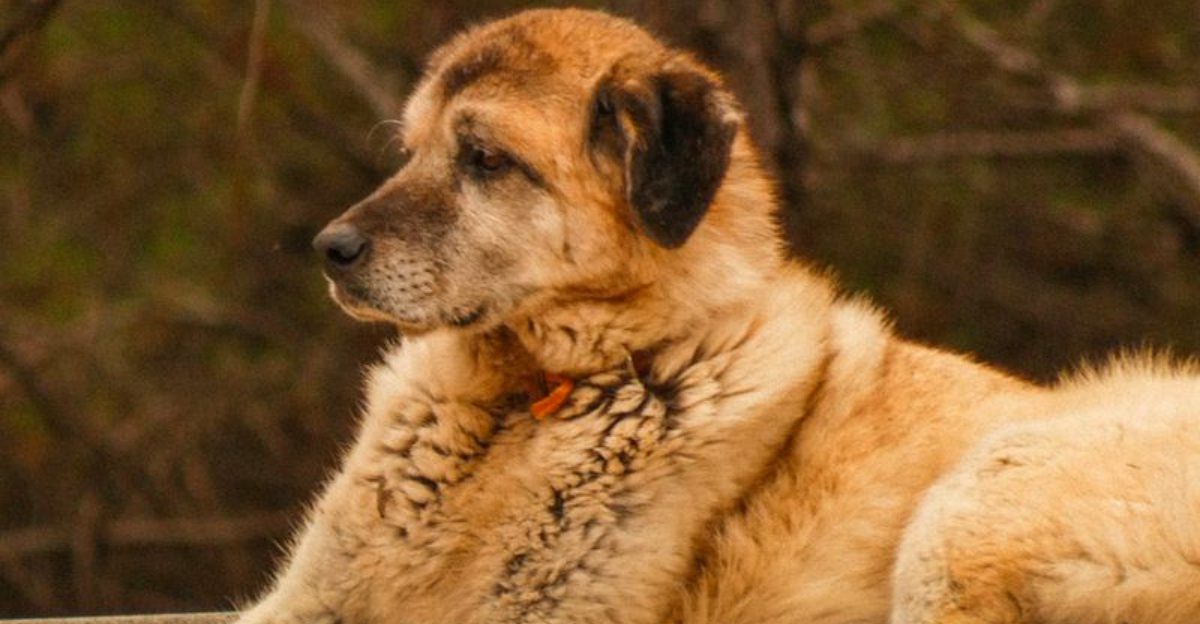
Some dogs still wake up every day ready to do exactly what they were bred to do. You can feel it in their focus, their choices, and the way they light up when a real job appears.
Understanding those instincts turns chaos into harmony and effort into partnership. Ready to see what drives your dog and how to work with it, not against it?
Border Collie
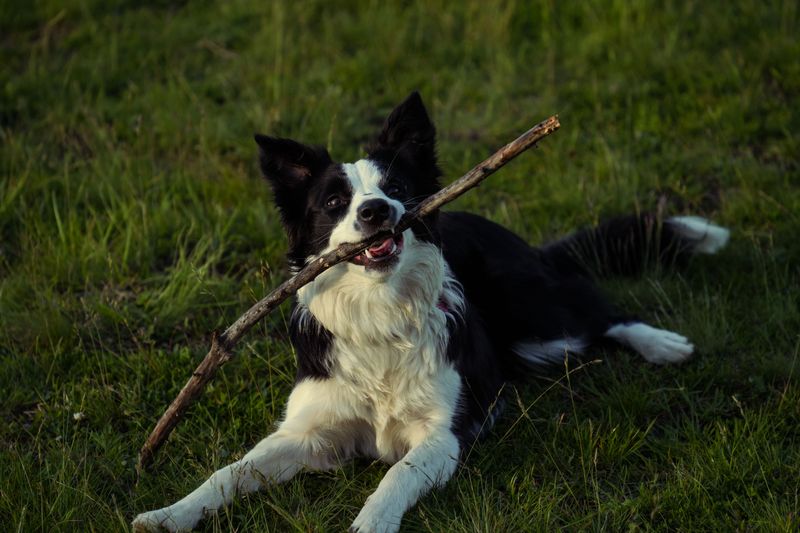
Border Collies were built for movement, focus, and finesse, and you can still see it in every stride. Their classic eye, a steady, intense stare, naturally collects and balances anything that moves.
Give them a job and they lock in, reading your cues like seasoned teammates.
Without sheep, that herding brain looks for outlets in agility, nosework, or puzzle toys. They thrive on structure, quick feedback, and clear boundaries, not endless fetch marathons.
When their minds click into place, you feel it too, as if the room suddenly organizes around their purpose. Fair warning, boredom invites mischief, so plan training games, varied routes, and regular mental resets.
Your calm leadership becomes the fence that guides all that electric energy daily.
Bloodhound
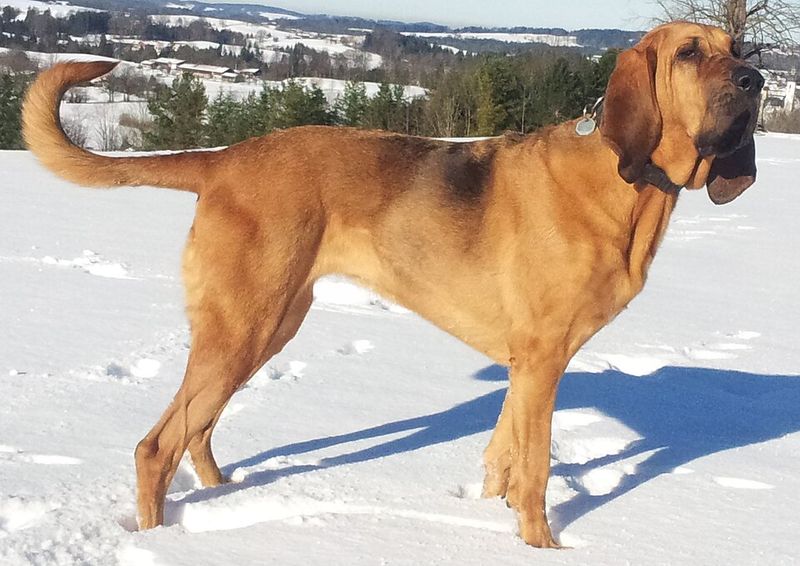
Bloodhounds are scent artists, bred to trail truth across miles and time. Their droopy skin funnels odor, and their cavernous noses archive stories we cannot see.
Clip on a lead and they compose a path, head low, tail flagging, ears brushing clues from the ground.
That single minded drive is breathtaking and stubborn, so smart handling matters. Teach a solid start and finish, honor decompression, and celebrate calm after the search.
Daily scent games, long lines, and patient pacing let this detective relax at home and shine outside. If you rush or overcorrect, they simply follow their nose harder, so choose cooperation over confrontation.
Structure walks with planned sniffs, water breaks, and quiet resets to keep that genius tuned beautifully.
German Shepherd
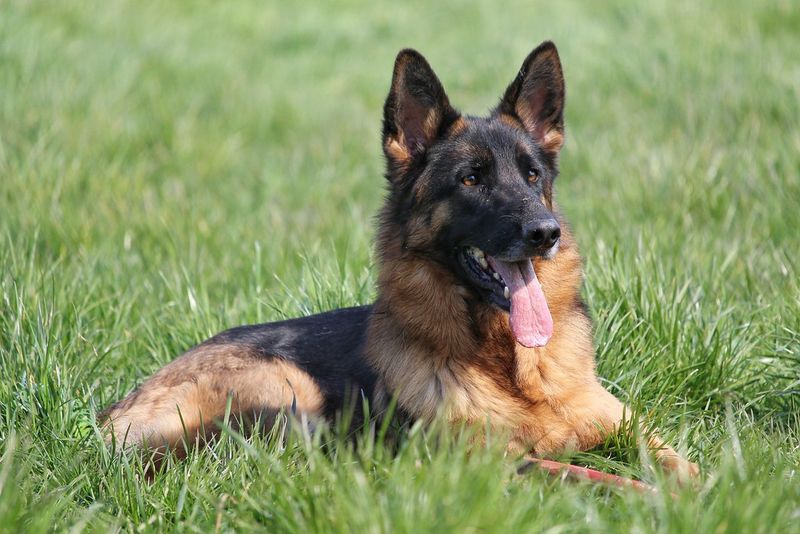
German Shepherds carry a blueprint for service, vigilance, and problem solving. Even at rest, the ears track, the eyes assess, and the body coils like a spring.
Ask for a task and watch them sequence steps, check back for input, then complete the job cleanly.
That versatility needs outlets, or frustration creeps in. Balanced training that mixes obedience, tracking, grip development, and decompression teaches control without crushing spirit.
Fair routines, strong socialization, and health conscious conditioning help them age into steady, confident guardians who still love a goofy game. Guide that engine with clarity, then let them win often, because competence fuels calm.
Regular scent work, hillside hikes, and bite pillows build skills while protecting joints and minds at home.
Belgian Malinois
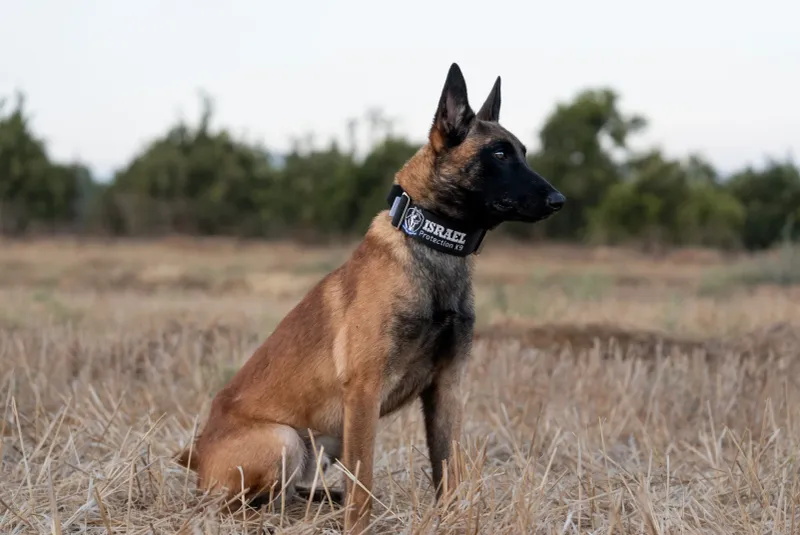
Belgian Malinois are high voltage athletes with laser pointed intent. The original farm dog still lives inside, scanning, sprinting, and switching gears at a glance.
Ask for heel, send, or search, and they pour everything forward, then bounce back asking what comes next.
That fire needs channeling through structure, impulse control, and enrichments that actually satisfy. Short technical sessions, tug games with rules, and decompression walks help reset the system.
Skipping rest is a mistake, because recovery is training too, turning frantic edges into sleek, sustainable power. Choose clarity over volume, reward bravery, and end while motivation is still high.
Surface changes, ladder work, and scent puzzles build confidence, so that grit becomes focus, not fizz in the long run.
Great Pyrenees
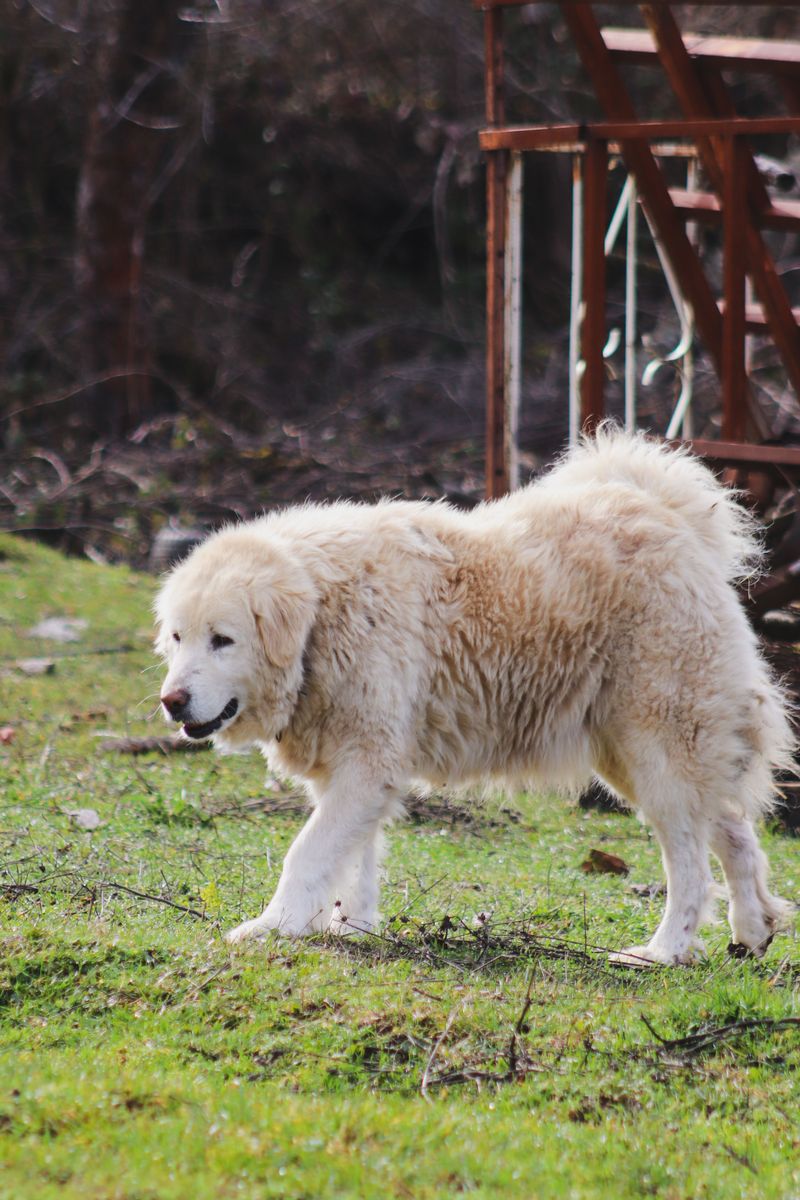
Great Pyrenees were bred to think independently while guarding flocks in harsh mountains. That calm, statuesque posture hides a radar that never powers down.
They patrol perimeters, check the wind, and position themselves between threats and family without waiting for detailed directions.
Training relies on respect, patience, and understanding what truly motivates them. Short, meaningful sessions, secure fencing, and predictable routines honor their purpose while keeping peace.
Nighttime alerting can surge, so teach a quiet cue and provide jobs like purposeful walks and boundary checks. With kids or other pets, their gentle presence shines when introductions are slow, supervised, and consistent.
Grooming, joint care, and steady exercise keep that majestic worker comfortable enough to keep watching through every changing season.
Australian Cattle Dog
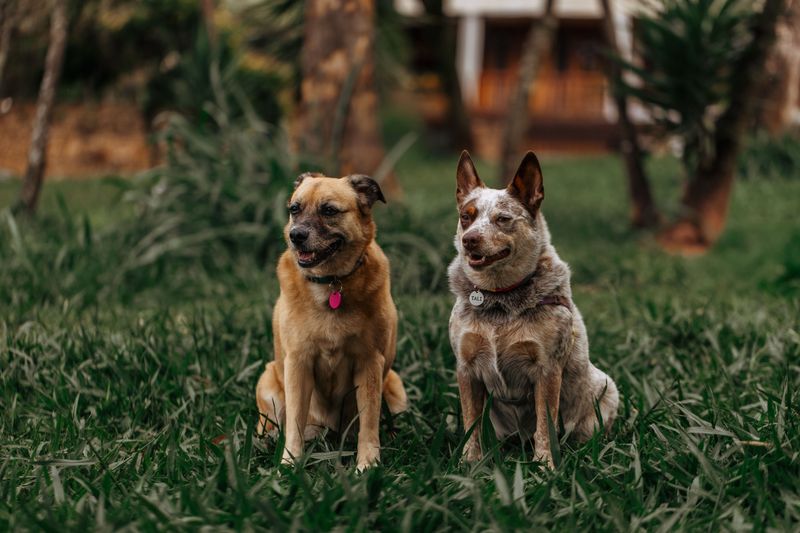
Australian Cattle Dogs are compact dynamos built to drive herds across rough country. Their heel nipping heritage shows up as quick decisions, gritty stamina, and suspicious smarts.
Give clear targets and timely releases, and you will see crisp lines, sharp turns, and proud prancing.
They do best with brainy chores, not chaotic fetch loops. Rally obedience, trick chains, and stock work outlets teach impulse control, without dimming boldness.
Socialization must be thoughtful and fair, building neutrality so that protective instincts become judgment, not noise. Vary terrain, set goals, and finish sessions early to keep them hungry for the next rep.
Food scatters, platform games, and controlled tug satisfy that chompy mouth while preventing rough habits with family in close quarters.
Beagle
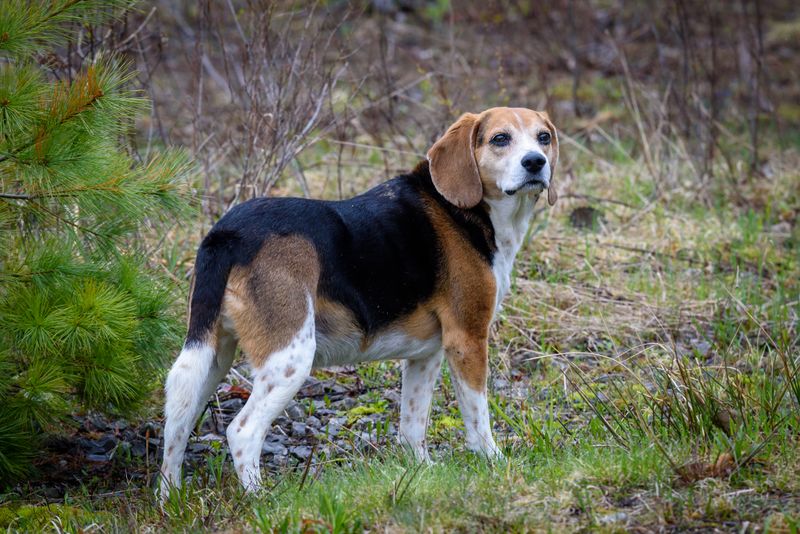
Beagles sing with their noses, following scent ribbons like cheerful storytellers. That merry voice and wagging tail come from centuries of pack hunting on foot.
When a trail appears, they tune in, ears scooping scent, and the world narrows to delicious possibility.
Use that drive kindly by offering sniff walks, food searches, and recall games layered with rewards. Fences matter, because curiosity outruns courtesy when the wind is right.
Keep training upbeat and brief, and you will watch independence transform into partnership. Channel the song with cues for quiet, then celebrate the chorus at agreed times.
Puzzle feeders, long lines, and friendly scent meets give safe outlets that honor their history while satisfying modern neighborhoods without losing that sunny disposition.
Siberian Husky
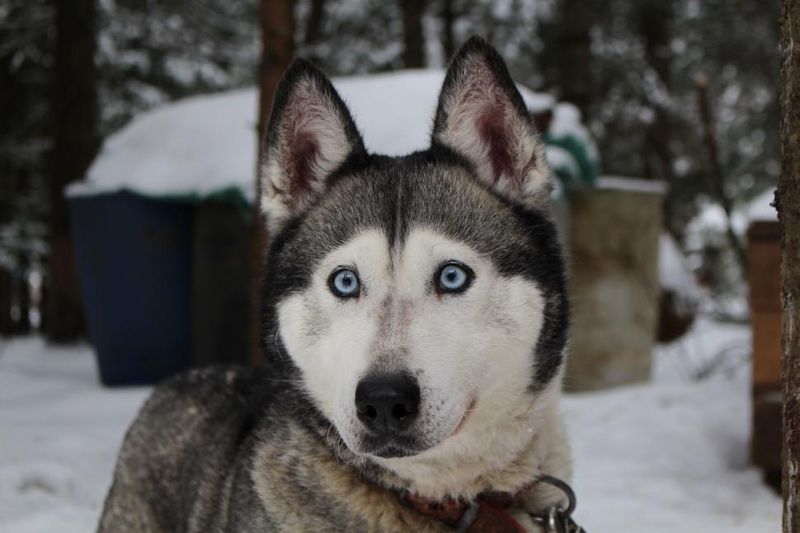
Siberian Huskies were engineered for teamwork, endurance, and efficient motion across frozen distances. Their instincts say keep moving, conserve energy, and sing when the moon feels close.
Hook them to a line, and the engine engages, paws drumming, eyes bright, heart set on horizon.
Fulfill that pull with canicross, bikejor, or sled practice, then offer calm decompression. Secure yards and double checks on doors protect wander prone minds.
Training favors consistency, generous rewards, and humor, because stubbornness here is really commitment to the original mission. Grooming that dense coat, monitoring heat, and timing exercise keep performance high without stress.
Teach a settle on mat and rotate chews to help the body rest between thrilling adventures, with you nearby at times.
Labrador Retriever
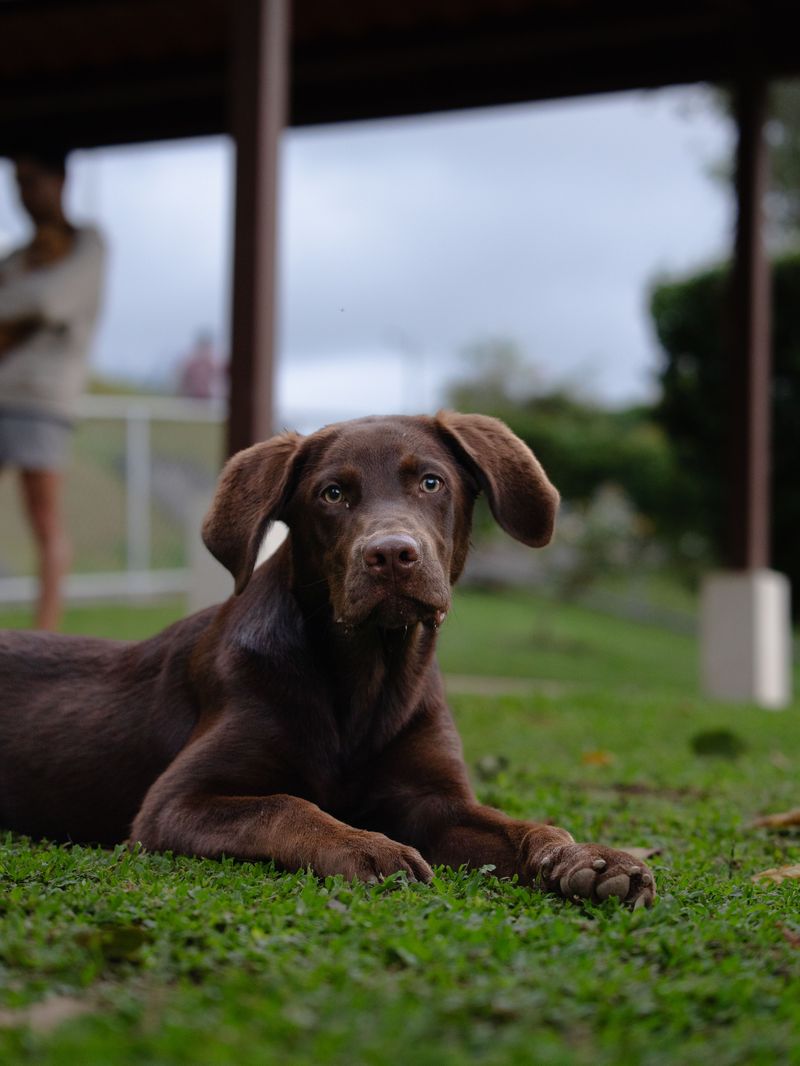
Labrador Retrievers bring soft mouths, eager retrieves, and social optimism to nearly any scene. Bred to haul nets and collect birds, they love water, teamwork, and clear objectives.
Toss a bumper and you see straight lines out, decisive turns, and a gentle delivery.
That drive thrives with structure. Balance field drills, steadiness at heel, and off switches like place training.
Keep food motivation purposeful, protect joints during growth, and give daily swims or searches so that the classic smile reflects fulfilled instincts, not frantic energy. Polish delivery with gentle hold work, then celebrate returns with praise, tug, or marks.
Introduce blinds, water entries, and scent discrimination gradually, building confidence step by step, so progress sticks happily through each new challenge.
Anatolian Shepherd Dog
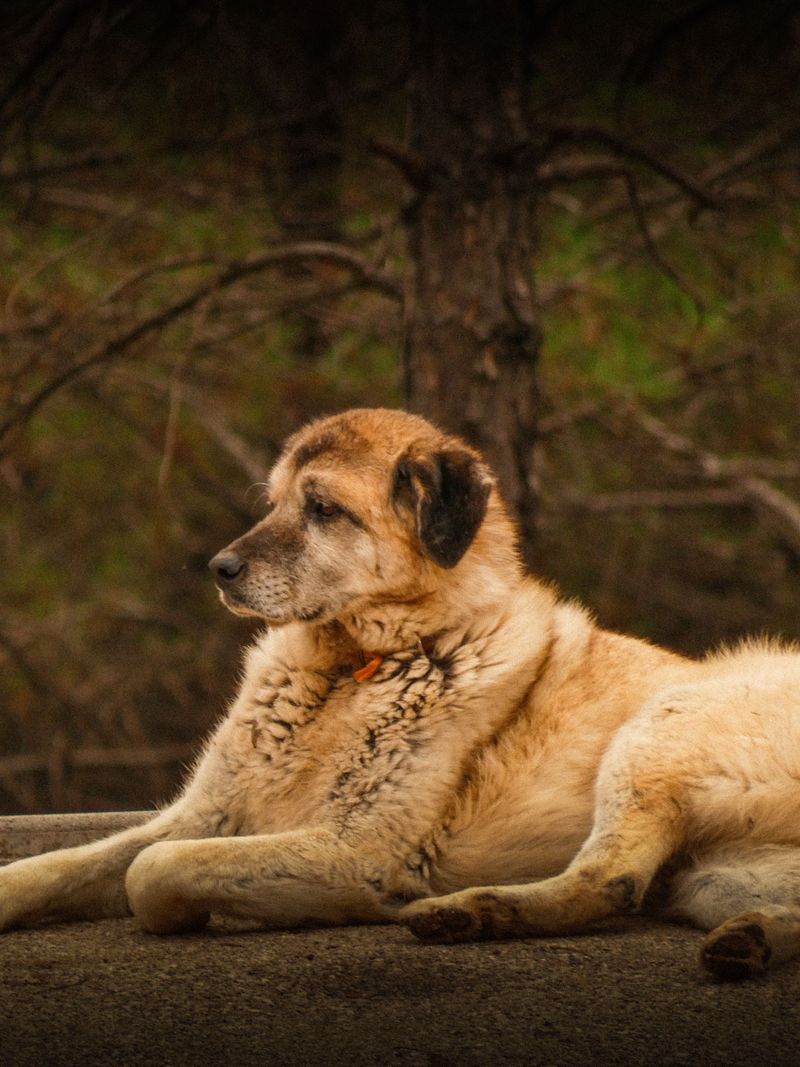
Anatolian Shepherd Dogs were shaped by isolation, predators, and responsibility beyond fences. Their baseline is thoughtful watchfulness, not flashy obedience or endless fetching.
They map space, note changes, and step forward only when their internal ledger says action protects the group.
Respect that mindset with secure boundaries, calm introductions, and clear, fair rules. Teach essential cues, practice neutrality, and offer purpose through patrol walks and settled companionship.
Pressure often backfires, so use patience, predictable routines, and honest leadership to earn cooperation that feels mutual. With livestock or kids, steady supervision and slow exposure protect trust on all sides.
Grooming, joint support, and weather appropriate rest keep this rugged partner ready without wearing down spirit, over long seasons of thoughtful work.