
Dog advice spreads fast, but not all of it holds up when you look closer. Some long standing myths sound neat and tidy, yet they can lead you to make choices that do not fit your dog.
Let’s unpack the biggest misunderstandings so you can feel confident about training, health, and daily care. You will walk away with practical insights you can use today.
Pit Bulls are naturally aggressive.

Pit Bulls have a reputation that makes many people nervous, but breed alone does not predict behavior. Genetics, early socialization, training, and environment all shape how any dog responds to the world.
You see the headlines, yet most Pit Bulls are affectionate, goofy companions who thrive with structure and kindness.
A responsible owner sets dogs up for success with positive reinforcement and clear routines. If you meet one, watch loose body language, soft eyes, and a wiggly butt that signals comfort.
Judge the individual in front of you, not the label, and you will find personality matters far more than breed. Shelters evaluate behavior carefully, so adopt with guidance and keep training consistent.
Most public fears overlook context and care.
Old dogs can’t learn new tricks.
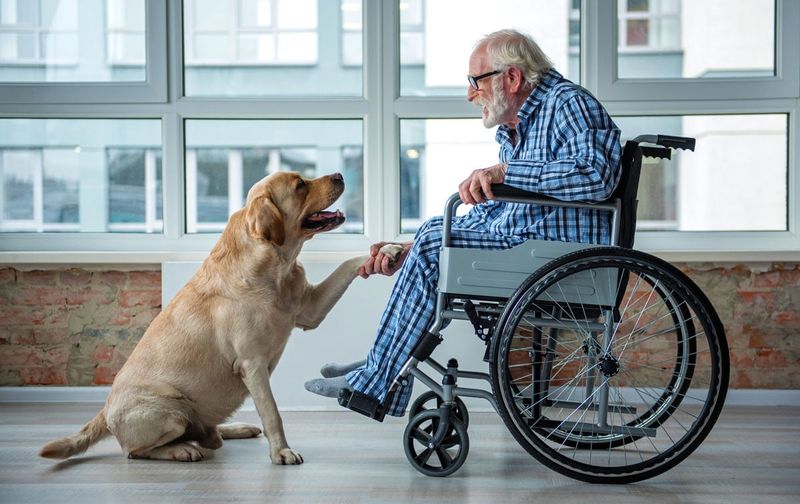
Age changes joints and energy, but it does not erase a brain’s ability to learn. Senior dogs often focus better because they are calmer and less distracted.
With shorter sessions, soft treats, and patience, you can teach hand targets, gentle spins, nose work, and helpful cues like settle.
Be mindful of arthritis, vision, or hearing loss, and adapt surfaces and signals. Keep it fun, end before fatigue, and celebrate tiny wins that build confidence.
Training provides mental exercise, eases anxiety, and strengthens your bond, proving that new tricks are always possible when methods match the dog’s body. Ask your vet about pain management, then choose low impact games like scent puzzles, puzzle feeders, and slow, thoughtful shaping.
They love success.
Mixed-breed dogs are always healthier.

Hybrid vigor can reduce certain inherited risks, but it is not a guarantee. Mixed breeds still inherit genes, and they can carry the same conditions found in parent lines.
Health depends on responsible breeding, early care, weight management, dental hygiene, and regular checkups, not just a label.
Ask your vet about breed related screenings that fit your dog’s ancestry and lifestyle. DNA tests can guide monitoring, but wellness habits matter most every single day.
Feed balanced diets, schedule vaccinations and parasite prevention, and keep activity consistent to support joints, minds, and hearts across every background. Choose breeders or rescues that share records, prioritize temperament, and avoid extreme features that can harm breathing, mobility, or skin.
Transparency protects dogs and families.
A wagging tail always means a happy dog.
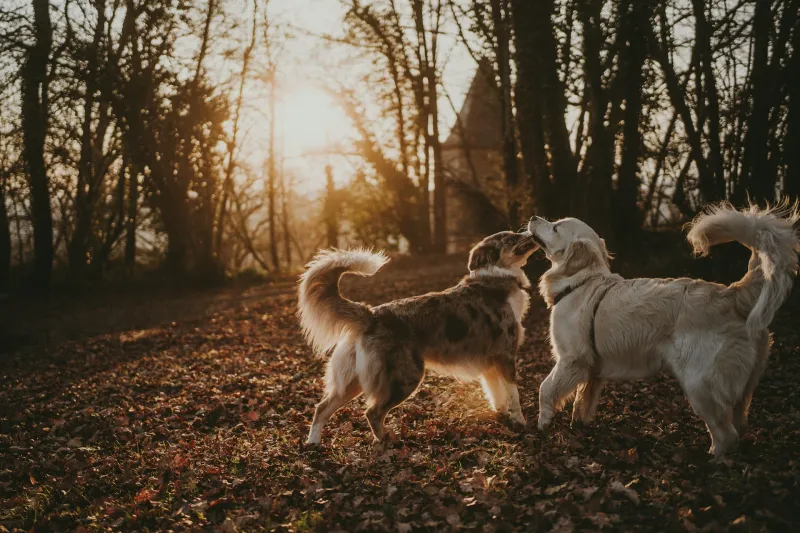
Tail movement communicates arousal, not just joy, so context matters. Fast, high, tight wags can signal tension, while loose, sweeping wags suggest comfort.
Look at the whole dog instead, including ears, eyes, mouth, posture, and movement toward or away from you.
If a dog freezes, leans back, licks lips, or shows a hard stare, give space and let them choose. When you see a relaxed body, soft eyes, and a gentle approach, invite interaction.
Reading signals as a package keeps everyone safer and helps dogs feel understood during greetings, play, and vet visits. Practice consent by pausing petting and waiting for the dog to nuzzle back, lean in, or stay, rather than pushing contact.
Choice builds trust and comfort daily.
One human year equals seven dog years.
That simple math feels tidy, but canine aging curves are not linear. Puppies rocket through development, while large breeds reach senior stages far earlier than toy breeds.
Vets now use life stage charts that consider size, breed tendencies, and health markers to estimate biological age more accurately.
Use wellness visits, screening tests, and behavior changes to guide care instead of a blanket ratio. Your dog might be middle aged in joints but youthful in mind.
Plan nutrition, exercise, and preventive medicine by stage: puppy, young adult, mature, senior, and geriatric, adjusting as your companion evolves. Ask your vet about dental timelines, vaccine schedules, lab work, and mobility screenings tailored to size, because timely adjustments add healthy, comfortable years for dogs.
Small dogs don’t need much exercise.
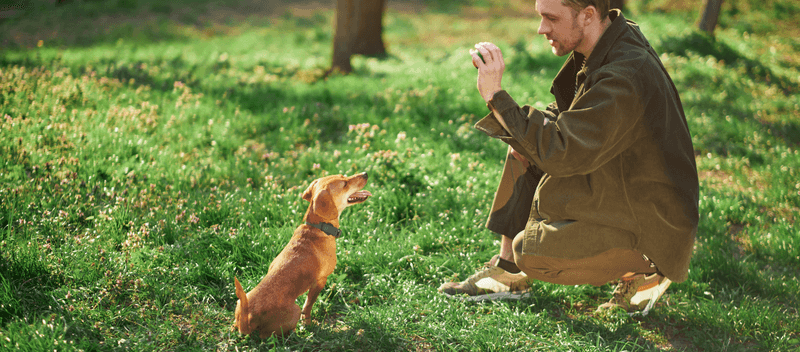
Tiny legs still power big minds, and mental energy needs an outlet. Many small breeds were developed for work, so they enjoy training, scent games, and brisk walks.
While distance may be shorter, consistency matters more, and daily movement helps weight, joints, and behavior.
Aim for varied sessions: sniffaries, short agility, fetch with rules, and puzzle feeders at home. Watch for overexertion signs like lagging or heat stress, and adjust to weather.
When exercise pairs with enrichment and rest, little companions stay happier, bark less, and bring that delightful sparkle to every neighborhood adventure. Ask your vet about patella issues, trachea care, and safe harness choices, so you can protect tiny bodies while building stamina with kind, playful structure daily.
Black dogs are naturally more aggressive.

Color does not control temperament, but bias absolutely shapes perception and outcomes. Black dogs often linger in shelters because photographs hide facial expressions and superstition persists.
When people expect menace, they misread neutral behavior as threatening, and those assumptions harm adoption chances and daily experiences.
Judge by behavior, training history, and body language, not fur. Good lighting and bright bandanas help cameras capture softness, which changes hearts.
Share positive stories, enroll in classes, and advocate kindly, because every well handled interaction can rewrite a narrative and help more dark coated dogs find loving homes. Ask photographers for eye level portraits, and introduce with relaxed walks, letting curiosity bloom before touch, so natural warmth replaces outdated myths and fear in communities.
Dominance is the key to training every dog.

Modern science shows dogs learn best through reinforcement, clarity, and meeting needs, not intimidation. Dominance describes a relationship over resources, not a personality trait or training plan.
When you rely on threats, dogs may shut down or escalate, and trust crumbles right when you need cooperation most.
Instead, set achievable steps, reward generously, and prevent rehearsals of unwanted behavior. Use management tools like gates, leashes, and enrichment to reduce conflict.
Teach alternatives, reinforce calm, and give choices, and you will see polite behavior blossom because the dog understands how to earn what they want. Consult certified trainers who use evidence based methods, and track progress with journals and videos so small wins stay visible and momentum keeps building over time.
Purebred dogs are always predictable.

Breed standards outline tendencies, but individuals still vary widely in drive, sensitivity, and health. Even within litters, temperaments can diverge based on early experiences.
Predictability improves when breeders prioritize stable nerves, functional structure, and socialization, then match puppies to households that fit exercise levels and expectations.
Ask to meet parents or relatives, review health testing, and see how puppies handle novelty. A thoughtful program reduces surprises, yet training and lifestyle still shape outcomes.
If you want a certain trait, be honest about time, space, and goals, because even predictable dogs need consistent guidance and compassion. Rescue groups also evaluate behavior and can recommend matches that align with your routines, hobbies, and noise tolerance, which supports lasting, happy placements for families.
Dogs feel guilty after doing something wrong.
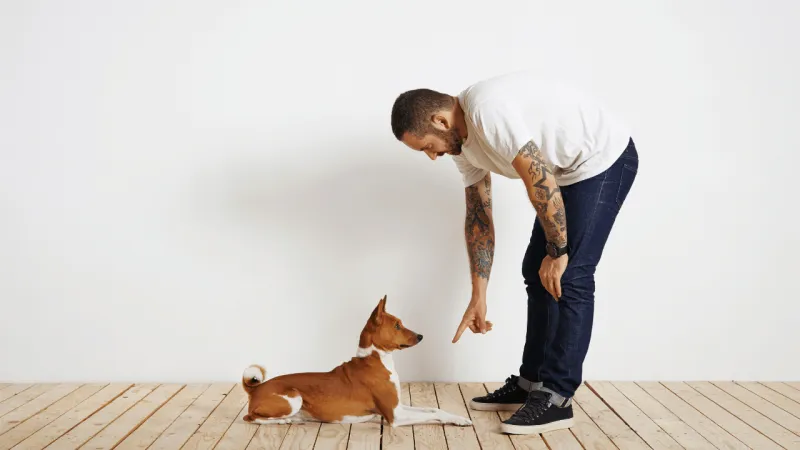
That guilty look usually signals appeasement, not moral understanding. Dogs read our tone and posture, then offer calming signals like lowered heads, tucked bodies, and whale eyes.
If you scold after the fact, the dog links your anger to your presence, not the earlier mess on the rug.
Prevent problems, reward what you want, and supervise until habits form. Clean accidents with enzyme products, and manage access to temptations.
When evidence is found late, stay neutral, set up success, and teach alternative behaviors, because confidence and clarity create reliable choices far better than shame ever could. Capture calm greetings, redirect chewing, and schedule potty breaks, then celebrate wins so your dog learns the path that always pays with your guidance.