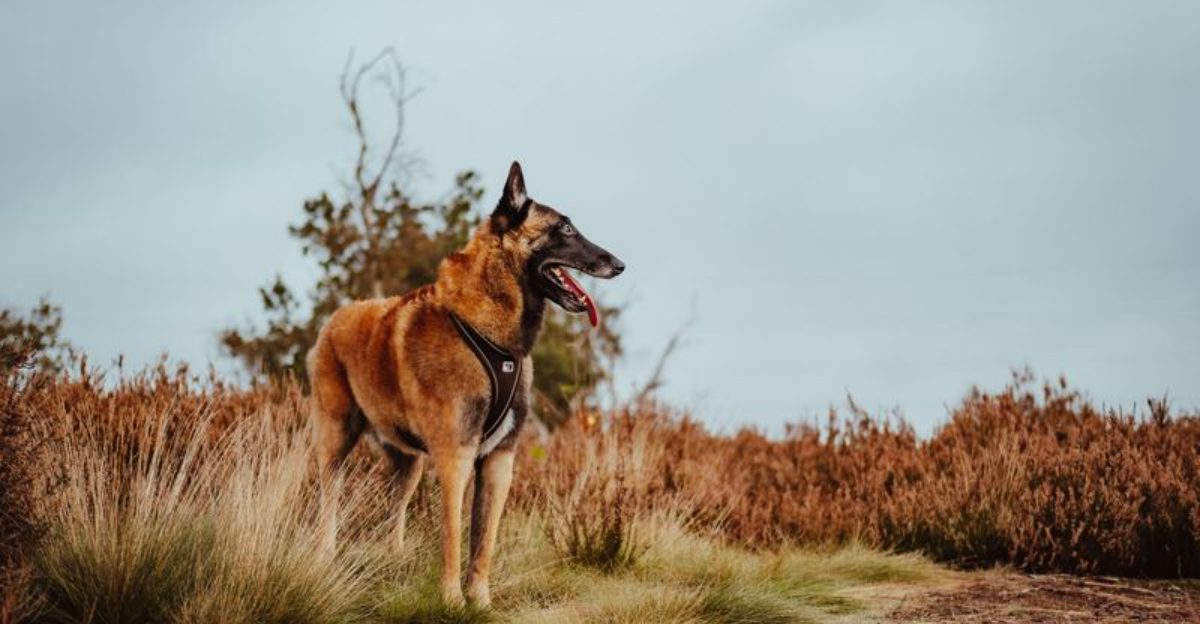
Some dogs treat every new face like a best friend in waiting, while others prefer a polite hello from a comfortable distance. Understanding where your pup sits on that spectrum can make greetings safer, kinder, and a lot less stressful.
Here is a friendly tour through breeds that run from instant charmers to thoughtful guardians. Use these insights to tailor training and help your dog feel confident with new people.
Golden Retriever
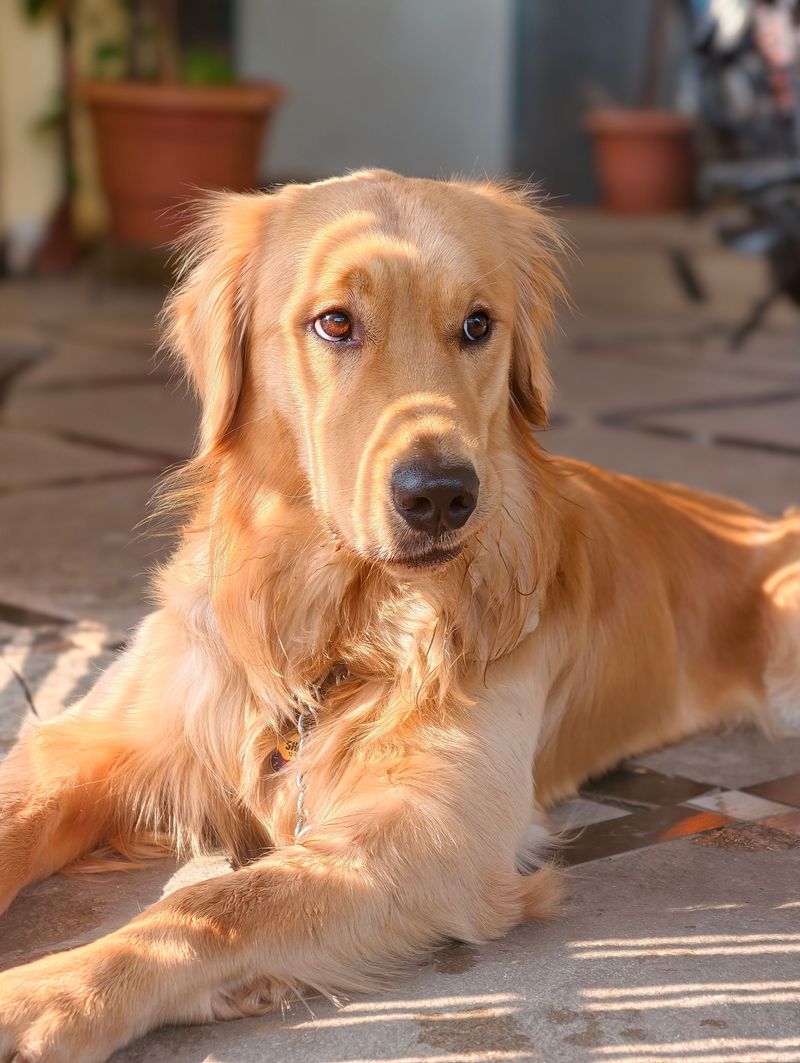
Golden Retrievers are the social butterflies of the dog world, greeting strangers with bright eyes and a wagging plume of a tail. You can expect soft nudges, sit-for-pets politeness, and a ready grin that melts caution.
Their people pleasing nature makes them naturals at therapy visits and community events.
That friendliness needs guidance, because excitement can tip into jumping or crowding new folks. With consistent training, you channel that enthusiasm into calm sits and gentle greetings so everyone feels safe.
Provide mental games, structured fetch, and routine decompression walks, and your golden will greet the world with confident, courteous sparkle. They rarely show suspicion, but teach polite boundaries and supervised children interactions to prevent accidental overwhelm.
Labrador Retriever
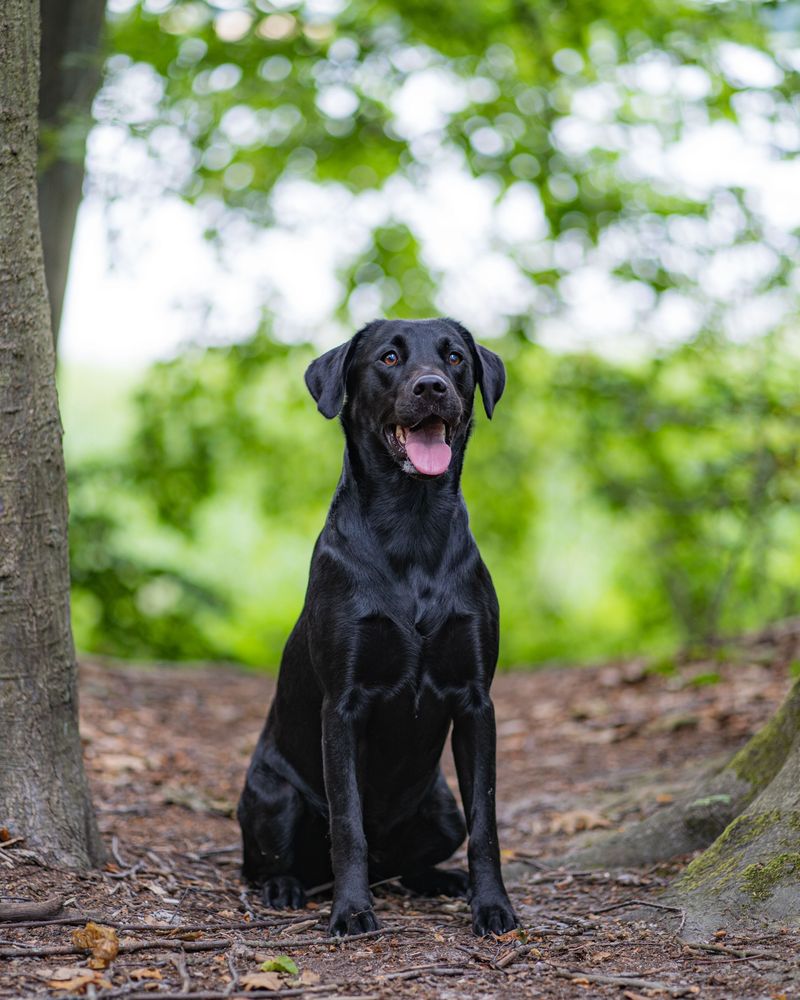
Labrador Retrievers tend to treat strangers like future friends, reading body language quickly and leaning in for attention. You will notice a happy trot, soft mouth, and a let me help attitude that charms crowded sidewalks.
Their confident curiosity suits busy families, outdoor patios, and neighborly gatherings.
Still, impulse control is essential, because enthusiasm can bulldoze personal space. Practice loose leash walking, automatic sits, and greetings only after permission, especially around kids and elderly visitors.
Give puzzle feeders, retrieve sessions, and swim days to burn energy, and your Lab will balance warmth with polite, predictable manners. Teach a solid place cue for doorbells, and reinforce calm while guests enter and settle before saying hello every time.
Beagle
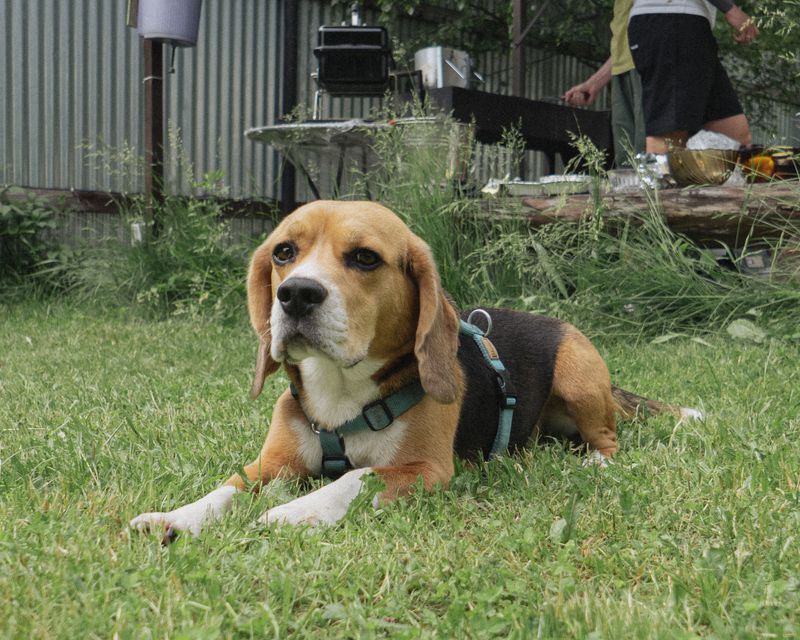
Beagles are cheerful greeters, but their noses lead the introduction more than their eyes. You may see sniffing spirals, curious head tilts, and a musical hello when a new scent feels exciting.
Their pack-friendly temperament welcomes visitors, though they can get distracted by smells and wander mid-greeting.
Structure helps. Use a front-clip harness, treat magnetization, and a sit to say hi routine so impulse sniffing does not topple manners.
Enrichment like scent games, long-line field walks, and hide-and-seek tires minds, making stranger hellos calmer. With patience and consistency, your Beagle becomes a polite ambassador without losing joyful charm.
Teach a cheerful recall and name recognition around distractions to keep social moments safe and enjoyable for everyone.
Boxer
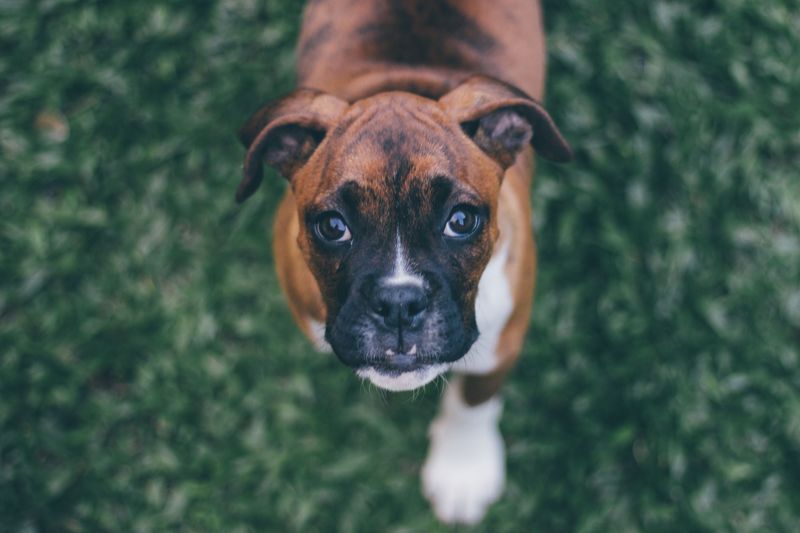
Boxers meet strangers like bouncy comedians, brimming with wiggles, play bows, and expressive faces. You will get full body leans, goofy grumbles, and curious sniffs as they assess intent.
Their guardian roots remain, but most Boxers are eager to include newcomers once they read calm, confident energy.
Channel that zest with impulse drills, structured play, and a down-stay before greeting. Short training bursts build manners without dulling sparkle.
Socialize thoughtfully with steady dogs and kind people, and your Boxer learns to modulate intensity. The result feels fantastic in public, where their big heart shines while boundaries stay clear.
Practice polite door routines and fetch cooldowns so excitement drops before meeting new friends in busy urban spaces.
Cavalier King Charles Spaniel
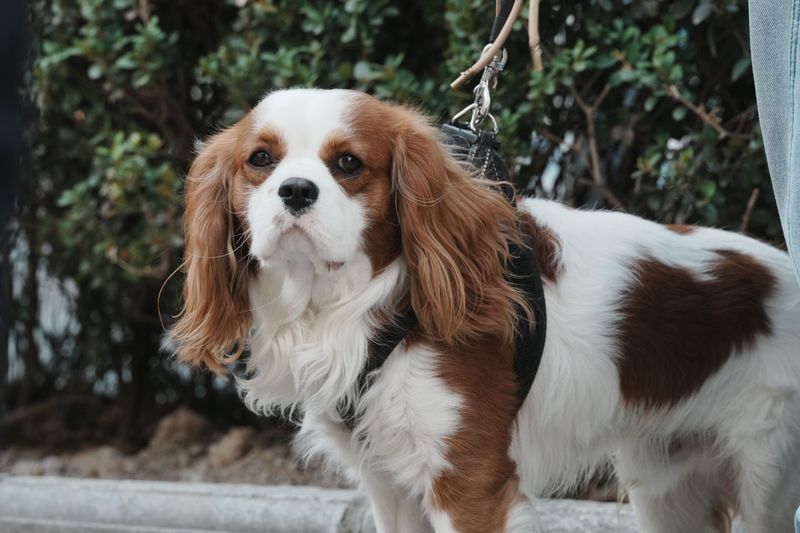
Cavaliers greet strangers with soft eyes, silky ears, and a hopeful sit that begs for affection. You will notice gentle confidence rather than pushiness, making them crowd favorites in parks and cafes.
Their sensitivity means they read your mood quickly and mirror calm energy like little social barometers.
Still, they benefit from boundaries, especially around enthusiastic children and grabby hands. Teach a default chin rest, brief retreats to a mat, and release cues so greetings stay comfortable.
Keep nails trimmed and grooming practiced by friends to normalize handling. With thoughtful guidance, your Cavalier remains affectionate, poised, and beautifully confident.
Short social walks and predictable routines help them stay relaxed with new people everywhere each day.
Havanese
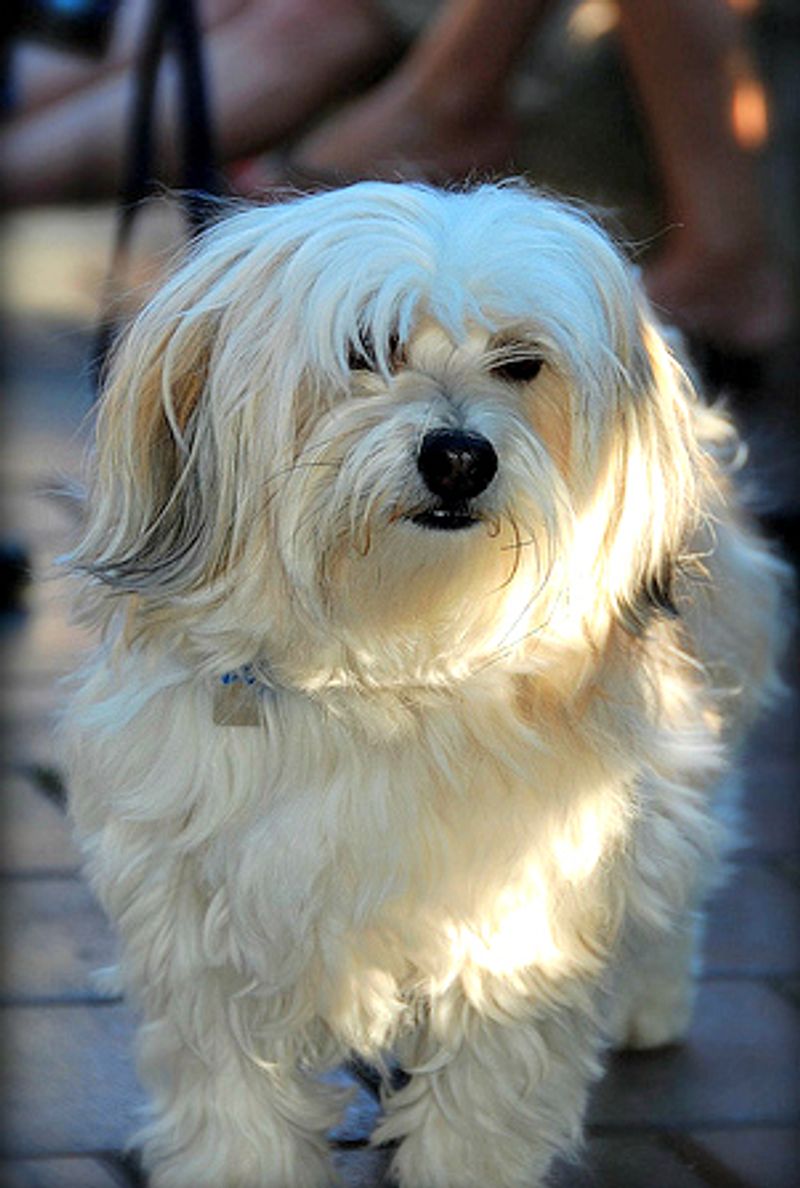
Havanese are cheerful charmers, often greeting strangers with prancy steps and a sparkling tail. You will see curious pauses, polite eye contact, and a quick offer to perform a trick for smiles.
Their small size helps them fit into laps and city spaces, but manners still matter.
Teach calm greetings from a perch or mat to avoid crowding ankles. Reward four-on-the-floor and quiet curiosity so confidence builds steadily.
Rotate enrichment toys, schedule mini training parties with friends, and provide cozy breaks when stimulation rises. With steady leadership, your Havanese becomes a gracious greeter who sparkles without overwhelm.
Introduce new people through parallel walking and gentle touch consent to reinforce trust in busy halls or elevators.
German Shepherd
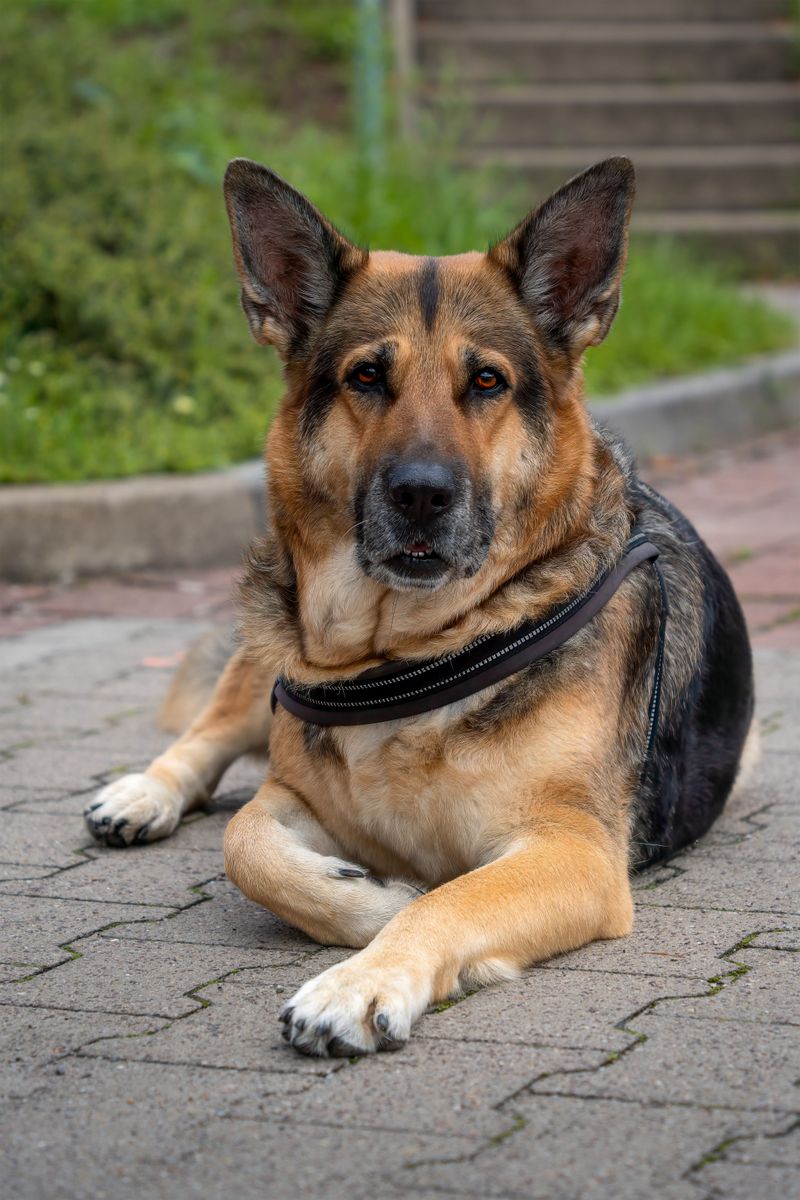
German Shepherds tend toward thoughtful caution with strangers, watching first and engaging once intent feels clear. You will notice upright posture, scanning eyes, and a calm stance that says I am assessing.
Their loyalty shines, but it must be paired with early socialization to avoid unnecessary suspicion.
Focus on neutrality training, rewarding relaxed observation rather than pushy greetings. Teach a strong heel, place, and out cue so control stays effortless in public.
Invite vetted friends for controlled introductions, then expand to varied environments. With structured leadership, your Shepherd becomes confident and courteous, protecting space while remaining welcoming.
Mind adolescence, where sensitivity spikes, and double down on calm repetition and clarity during busy greeting seasons like holidays.
Doberman Pinscher
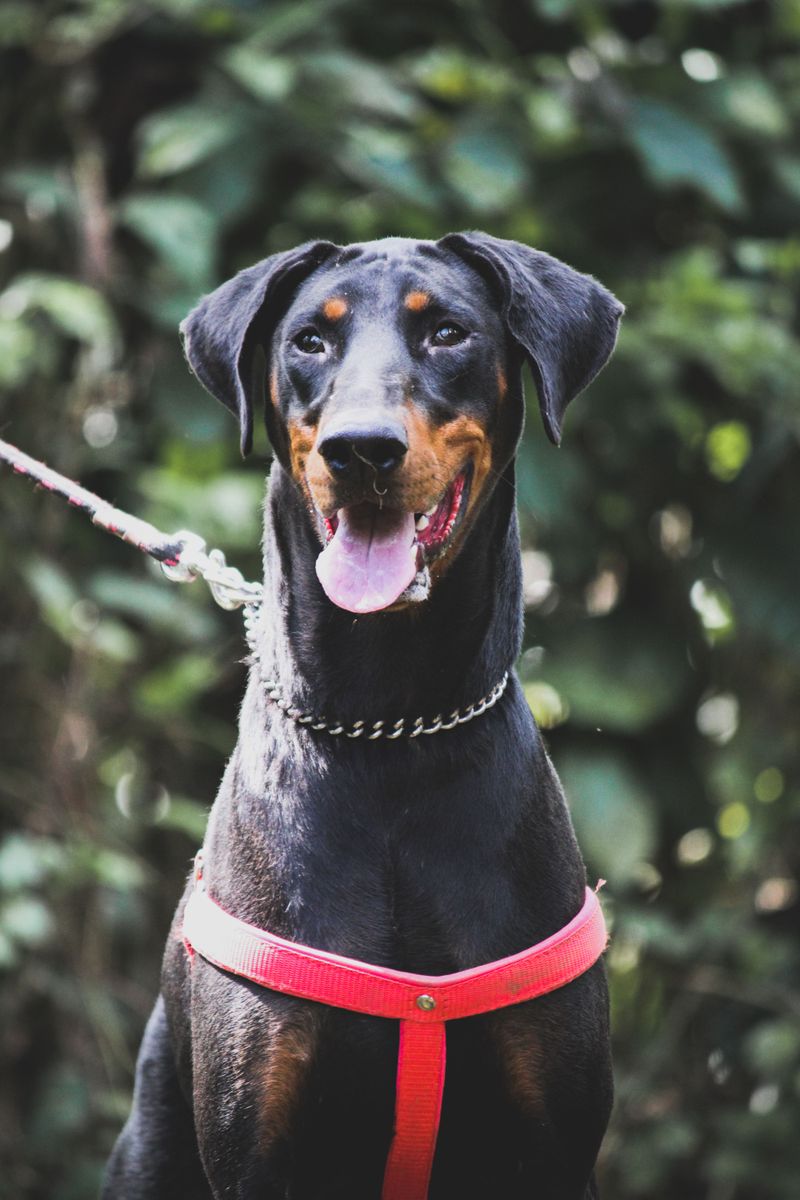
Dobermans are alert, elegant guardians who approach strangers with composed scrutiny before offering engagement. You will see attentive ears, purposeful movement, and a wait for direction from you.
Once introduced appropriately, many Dobermans warm quickly, showing affectionate loyalty and impeccable focus that impresses in public.
Prioritize early socialization, neutrality drills, and a reliable out so arousal never spills into reactivity. Practice door routines, stationing on a mat, and meeting new people only after permission.
Reward soft eyes and relaxed muscles, not just obedience. With fair leadership and consistent reps, your Doberman becomes confident, courteous, and safe around strangers.
Audit equipment fit and handling skills regularly to maintain smooth, predictable control in crowds during busy seasons too.
Akita
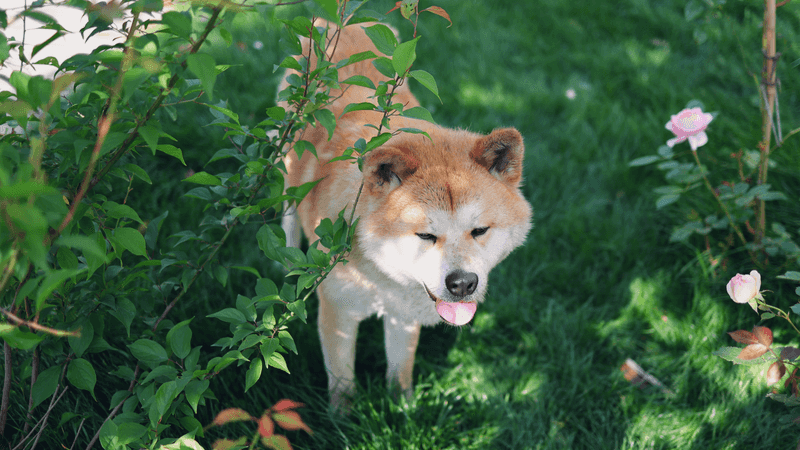
Akitas are dignified and reserved with strangers, preferring quiet observation over instant friendship. You may notice stillness, a level tail, and deliberate positioning between you and newcomers.
Their loyalty is deep, but it demands respect for boundaries and thoughtful introductions that avoid pressuring contact.
Focus on neutrality and consent. Teach a strong place, leash manners, and a go say hi cue that ends quickly.
Reward calm, disengage when crowds surge, and keep greetings short and positive. With steady, confident guidance, your Akita remains composed and safe, building trust slowly while keeping everyone comfortable.
Early socialization windows matter, so plan controlled exposures with neutral adults and handler advocacy across varied environments and surfaces, including polite children.
Chow Chow
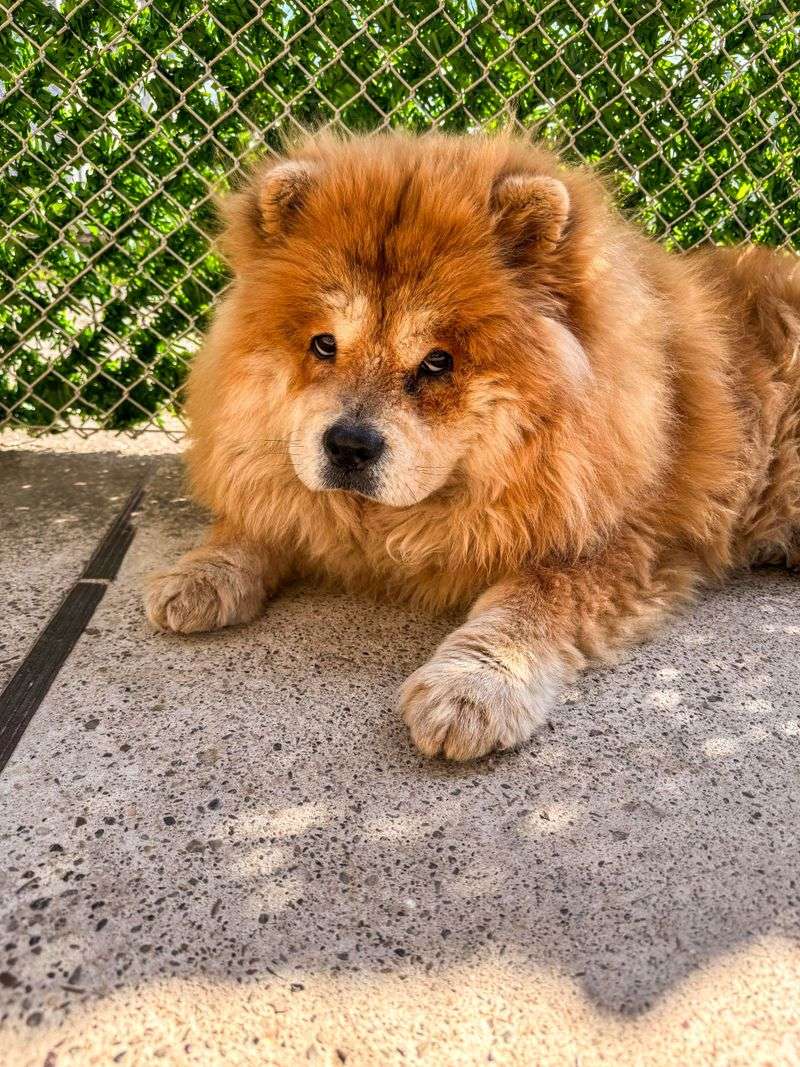
Chow Chows often meet strangers with aloof dignity, valuing personal space and predictable approaches. You will see a sturdy stance, minimal facial signals, and methodical movement that can be misread.
Respectful handling and slow introductions keep interactions smooth and prevent defensive misunderstandings.
Train consent based touch, reinforce calm eye contact, and teach turn away skills to diffuse pressure. Keep greetings short, neutral, and optional, rewarding curiosity without luring.
Regular grooming with trusted helpers builds tolerance for necessary handling. With boundaries and clarity, your Chow becomes dependable in public while remaining true to its dignified nature.
Introduce visitors behind gates first, then open space once relaxation is clear and steady during frequent home visits with friends.
Great Pyrenees
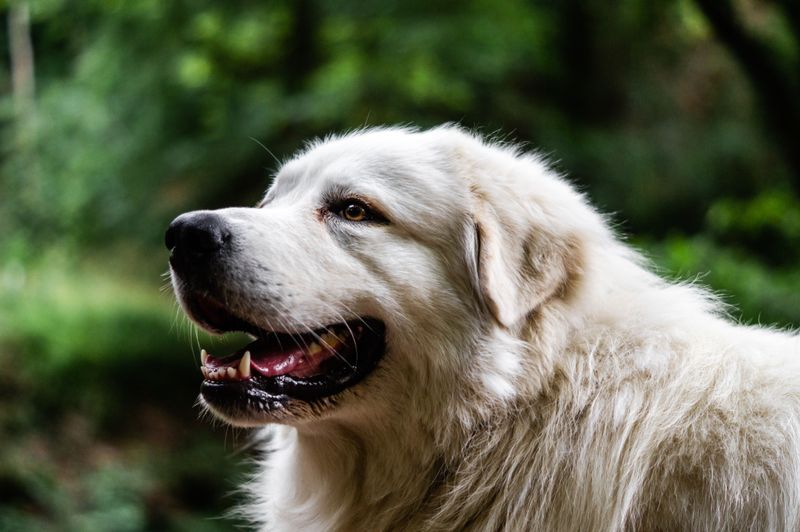
Great Pyrenees are gentle guardians, often neutral with strangers but vigilant about territory and flock. You may notice a calm body, steady gaze, and strategic positioning near perimeters.
They rarely rush greetings, preferring to assess from a distance before choosing whether interaction is appropriate.
Teach solid recalls, boundary awareness, and a settle near guests so supervision feels easy. Reward relaxed behavior when delivery people pass, and use leashes or gates to manage doorways.
Provide jobs like carting or scent work to satisfy purpose. With structure and patience, your Pyr balances kindness with clear, dependable guardian instincts.
Early, positive exposure to livestock noises, uniforms, and wheels reduces triggers around strangers in town settings too, and busy markets.
Belgian Malinois
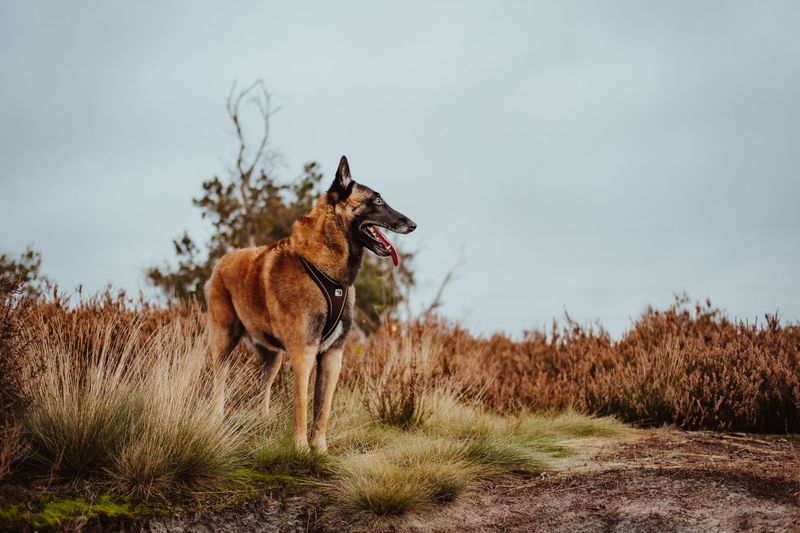
Belgian Malinois are intense, driven workers who evaluate strangers through a sharp, task focused lens. You will notice quick reactions, investigative sniffing, and laser attention on your cues.
Their brilliance thrives with structure, otherwise energy can spill into overarousal that complicates public hellos.
Build neutrality first, then layer consent based greetings and out cues. Channel drives into tug with rules, scent tasks, and place work near doorways.
Rotate decompression hikes and brain games to keep thresholds stable. With thoughtful training and clarity, your Malinois can be sociable and steady while maintaining professional level self control.
Manage novelty by rehearsing approaches with helpers, strollers, and loud gear before real crowds to anchor calm responses at entrances.