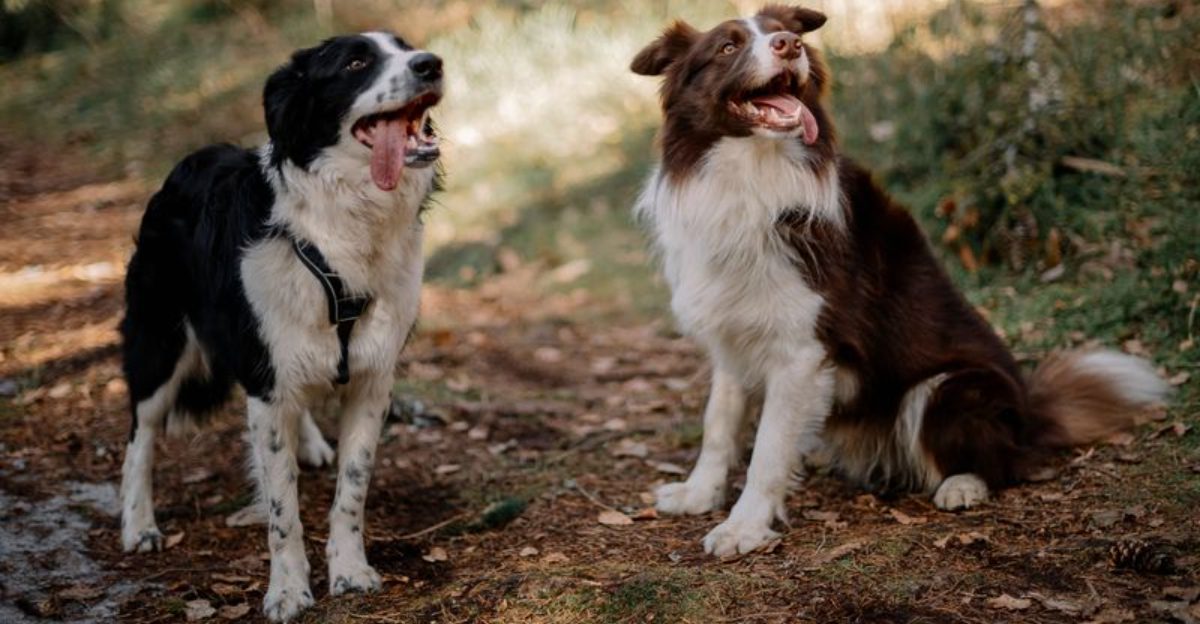
Some dogs don’t just live with you, they mirror you. Sensitive breeds read your tone, your routines, and even your off days, then respond with big feelings of their own.
Learn how to meet those needs and everything gets easier, calmer, and way more connected. Let’s turn their sensitivity into the secret sauce for a happy life together.
Border Collie
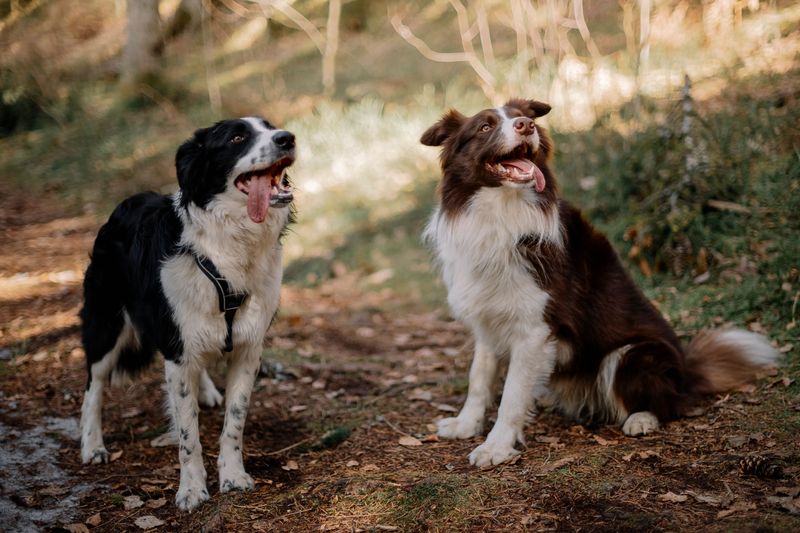
Border Collies feel everything, from your mood to the energy in the room. They thrive on structure, clear cues, and meaningful work that challenges their quick minds.
When routines wobble or cues get muddy, stress shows up as pacing, nipping, or relentless herding.
You help by giving daily brain games, impulse control training, and calm decompression walks. Teach off-switch cues, rotate puzzle toys, and keep sessions short so wins stack up.
With kind consistency and fair expectations, their sensitivity becomes a superpower that bonds you tighter every single day.
Socialize thoughtfully, not endlessly, focusing on neutral exposure and choice. Protect rest, manage greetings, and reward soft eye contact.
When you meet their emotional needs, brilliance appears without the burnout completely.
Vizsla

Vizslas are Velcro dogs, tuned to your feelings and closeness. They crave touch, routine, and gentle guidance, and they wilt when left alone too long.
Without outlets, their sensitivity can spiral into whining, shadowing, or destructive boredom.
Build a rhythm of exercise, sniffy walks, and short training bursts that celebrate success. Teach independent settle on a mat, pair alone time with high-value chews, and make departures low key.
Your calm voice and predictable patterns help them exhale and trust the day.
Prioritize warmth, soft bedding, and confidence games that reward curiosity. Invite them to choose engagement, not demand it.
With needs met and emotions honored, their devotion shines as sweet steadiness rather than anxious intensity always.
Shetland Sheepdog
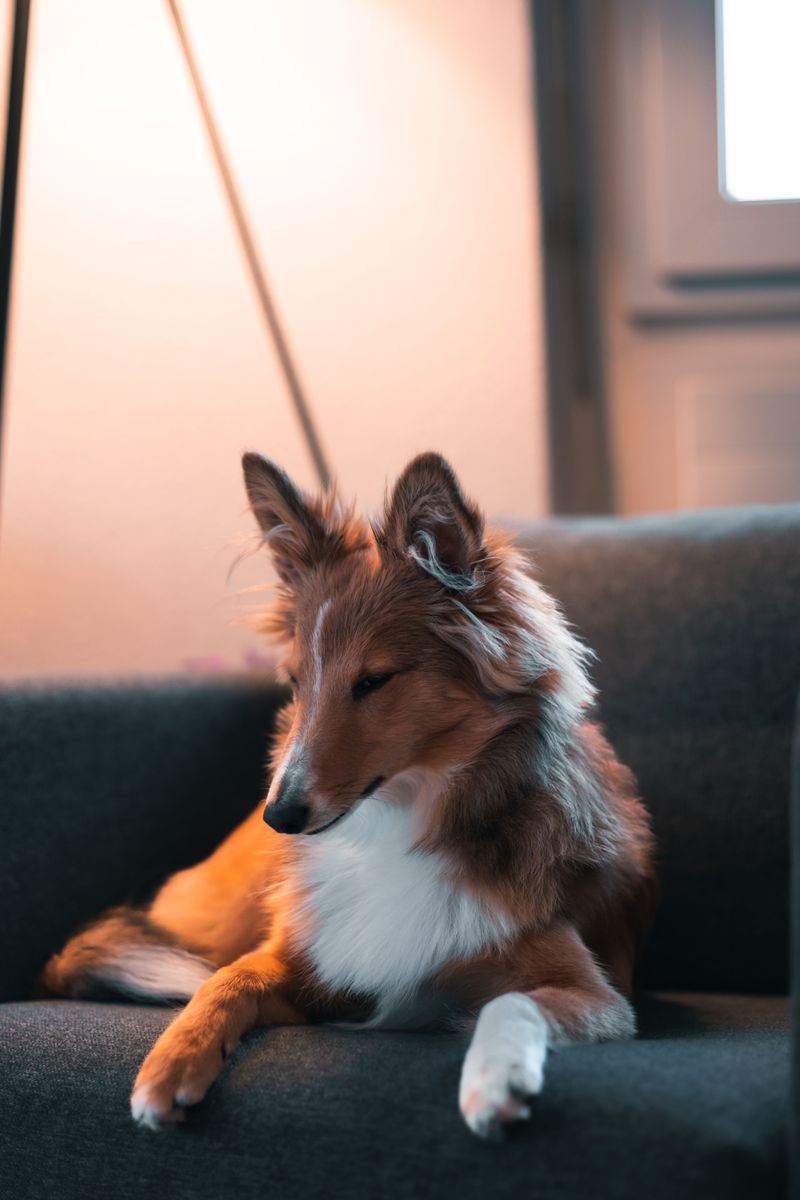
Shetland Sheepdogs notice everything and want clear, polite communication. Loud environments or unfair corrections can shut them down fast.
When misunderstood, sensitivity shows up as barking, spinning, or avoiding chaotic spaces.
Keep training upbeat with tiny criteria and frequent rewards. Offer quiet nooks, white noise, and predictable schedules, then watch confidence bloom.
Teach a hand target, settle on a mat, and a cheerful recall that always pays well.
Socialization should be measured, focusing on distance, choice, and retreat options. Reward curiosity, never force greetings, and celebrate small wins.
With patience and empathy, their keen minds and soft hearts become your most harmonious daily companions ever.
Golden Retriever
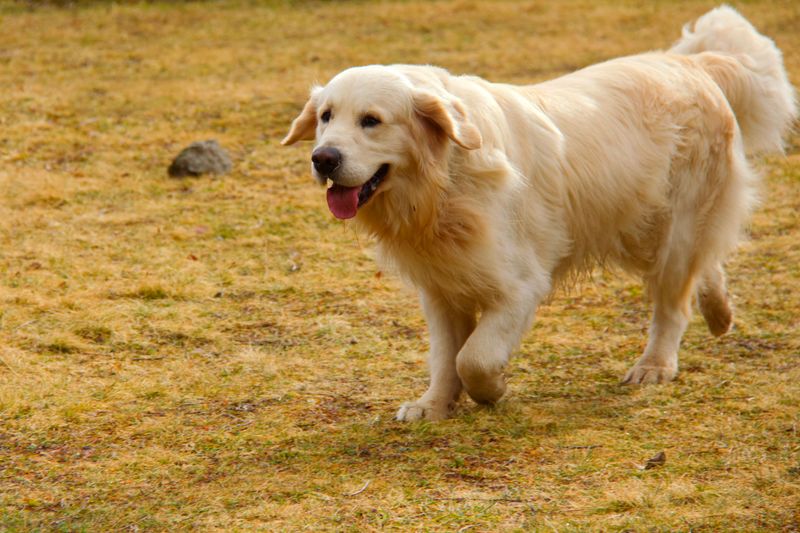
Goldens feel your vibe and want to get it right. They aim to please, so harsh voices or long drilling can wobble confidence.
Sensitivity may appear as appeasing smiles, slow responses, or overexcitement when routines change.
Use kind structure, short training games, and generous reinforcement. Teach calm greetings, strategic breaks, and a rock-solid place cue.
Enrichment like scent work, food puzzles, and easy retrieve sessions keeps brains engaged without flooding emotions.
Balance social fun with quiet decompression and body handling consent. Advocate during chaotic moments and give them a safe space.
When you protect their feelings, you get that classic Golden sparkle with steadier focus, softer landings, and lasting joy throughout.
Labrador Retriever
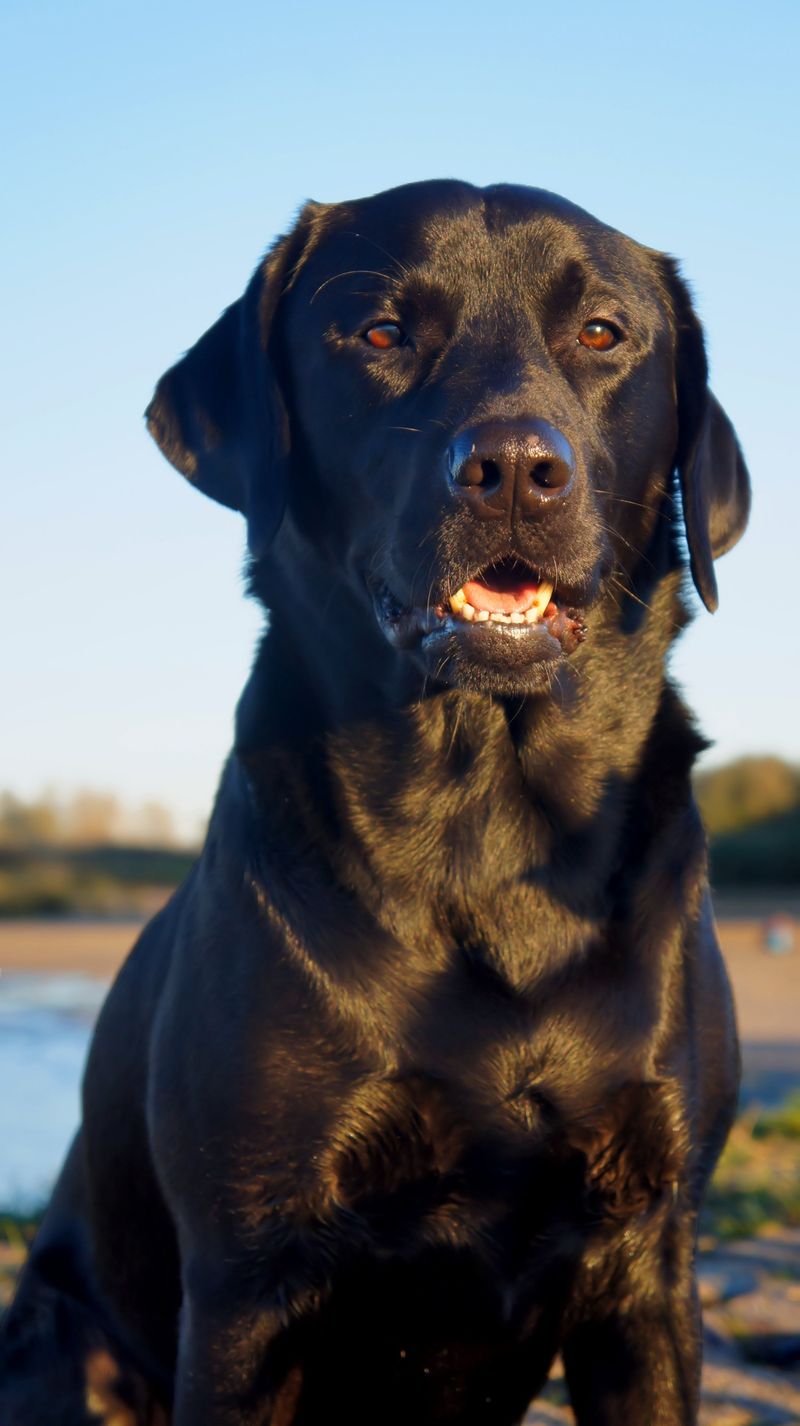
Labs are often social butterflies, yet many are tenderhearted under the grin. They read tone quickly and can stress with inconsistent rules or too-little rest.
Sensitivity may look like jumping, mouthing, or frantic energy that masks worry.
Give clear boundaries, frequent reinforcement, and reliable outlets. Rotate fetch with sniff walks and scatter feeding to lower arousal.
Practice impulse control through sit to say please, voluntary check-ins, and restful crate time linked to special chews.
Keep training playful, brief, and easy to win. Guard sleep, manage greetings, and use calm voices.
When their feelings are considered, that big Labrador love channels into thoughtful choices, steady behavior, and a home that breathes easier together.
Havanese
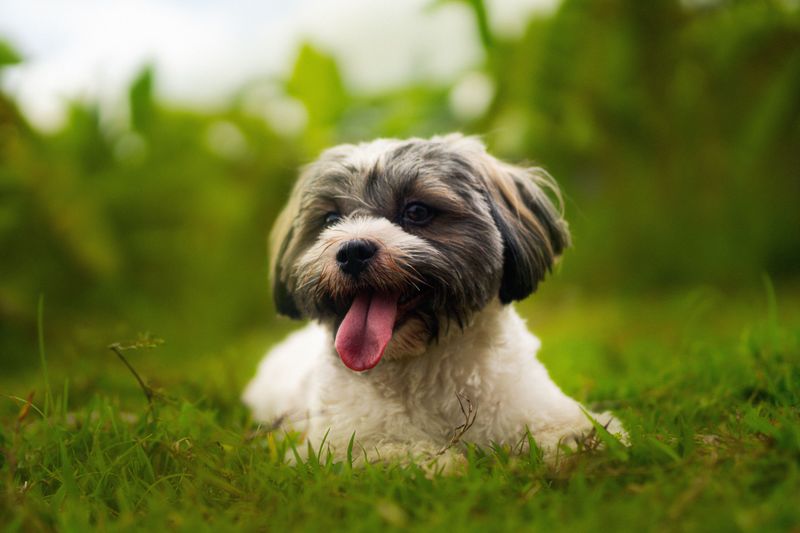
Havanese thrive on closeness and routine, picking up emotional shifts quickly. Big noises or abrupt changes can rattle them.
Sensitivity might show as clinginess, vocalizing, or selective eating when the schedule slides.
Use gentle structure, predictable mealtimes, and calm enrichment like sniff games and slow training. Teach a confident settle on a mat, gradually build independence, and turn alone time into chew-party time.
Keep sessions cheerful and tiny so wins stack fast.
Offer soft surfaces, warm spots, and patient grooming with choice. Reward brave steps and allow breaks before overload hits.
When you lead with empathy and clarity, their charm flourishes into resilient sweetness that lights up small spaces beautifully every day.
Collie
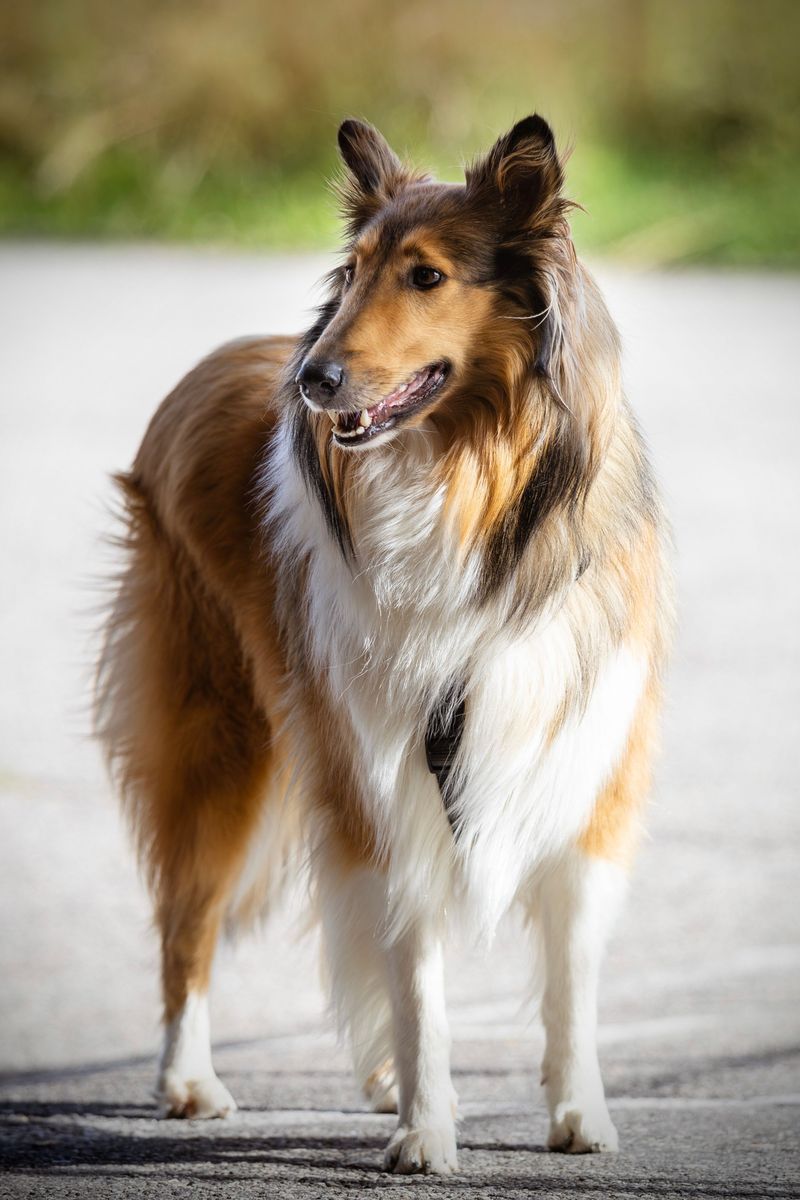
Collies are intuitive readers of people and patterns. They value fairness, calm direction, and opportunities to succeed.
When guidance is inconsistent, they can vocalize, overthink, or herd kids and pets under stress.
Shape behaviors with soft voices, clear criteria, and generous reinforcement. Build confidence through pattern games, hand targets, and predictable routines.
Give decompression walks and restful downtime so emotions settle before the next ask.
Grooming becomes bonding when you add choice points and slow pacing. Protect them in chaotic spaces and model steadiness.
Supported well, their sensitivity turns into thoughtful partnership, elegant responsiveness, and a peaceful home rhythm you will appreciate daily.
Australian Shepherd
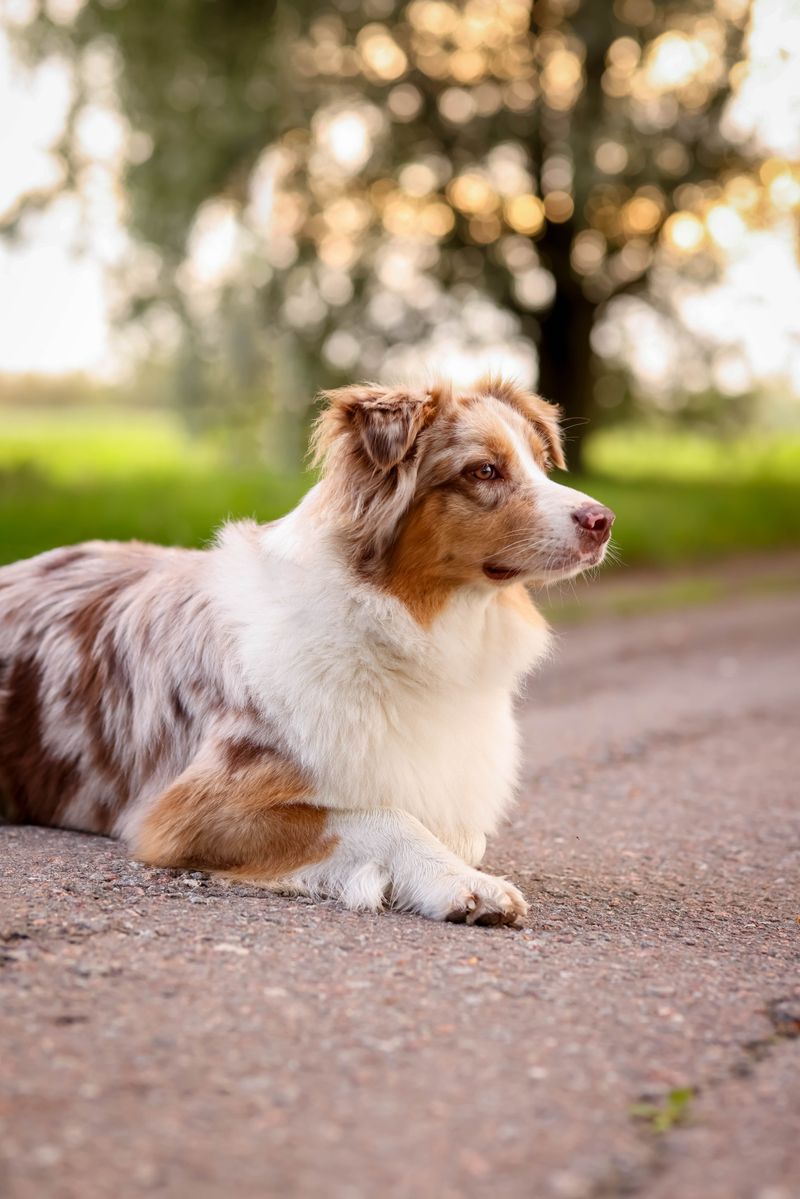
Aussies are brilliant and big-feeling, clocking micro-changes in your body language. Without structure and decompression, they can tip into barking, herding, or frantic motion.
Sensitivity shows as reactivity when overwhelmed by noise or novelty.
Create consistent jobs like scent games, trick training, and impulse control. Keep sessions short, criteria clear, and reinforcement frequent.
Balance high-drive play with slow sniff walks and quiet rest so arousal has an off switch.
Advocate around doorways, greetings, and busy paths. Reward neutrality and soft focus at safe distances.
With empathy and planning, their intensity refines into attunement, making everyday life smoother, smarter, and far more connected for both of you.
Standard Poodle
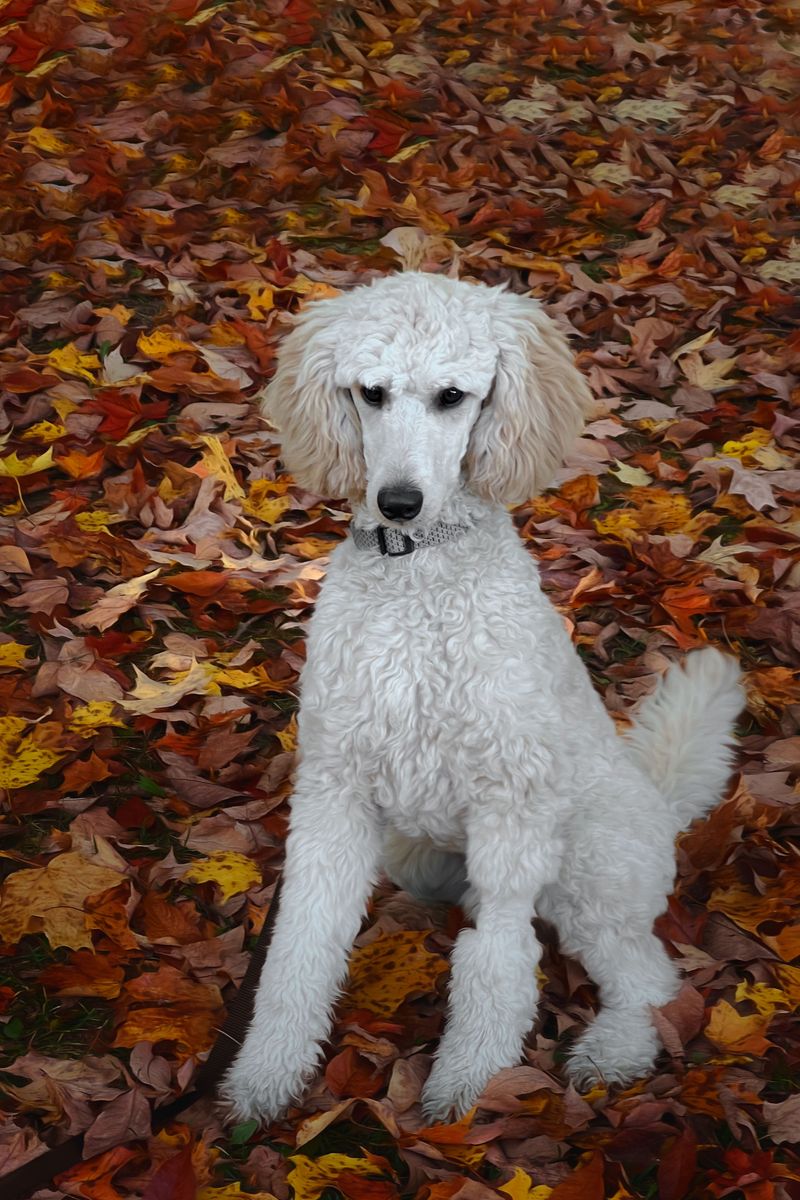
Standard Poodles are sensitive scholars with a comedic streak. They notice tone, textures, and timing, and can shut down with harsh handling.
Stress may present as avoidance, picky behavior, or fidgety restlessness.
Keep training elegant and clear, celebrating tiny wins with food and play. Use pattern games, shaping, and novelty introduced at the dog’s pace.
Offer tactile comforts, thoughtful grooming breaks, and consent cues for handling.
Daily enrichment should balance brainy puzzles with relaxed sniffing. Protect their rest and maintain predictable routines.
When you honor their feelings and brilliance, you get graceful cooperation, sparkling problem solving, and a best friend who reads you beautifully well.
Cavalier King Charles Spaniel
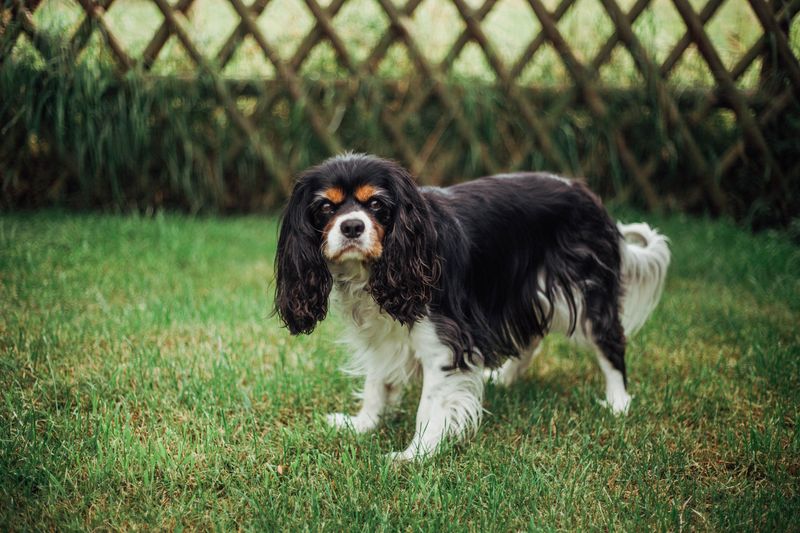
Cavaliers are tender companions who crave closeness and calm. Sudden noise, rough play, or long separations can weigh heavily.
Sensitivity may look like clinginess, stress panting, or hesitant movement in busy spaces.
Build independence kindly with short, successful absences and chew enrichment. Keep training soft, reinforce voluntary engagement, and provide cozy rest spots near you.
Gentle socialization with choice and distance preserves confidence.
Mind their health, watch for discomfort, and pair handling with treats. Advocate during noisy greetings and give them quiet exits.
When you meet emotional needs with steady routines, their sweetness becomes steady courage, greeting each day with soft joy and trust.
Cocker Spaniel

Cockers feel deeply and often carry their hearts in their eyes. They want fairness, gentle touch, and predictable handling.
Sensitivity can emerge as resource guarding, startle responses, or overexcitement during greetings.
Use cooperative care for grooming, pairing tools with choice and rewards. Keep training playful and brief, stacking easy wins to build resilience.
Offer sniff walks, food puzzles, and calm cuddle breaks to help recalibrate emotions.
Manage busy doorways, structure quiet times, and coach visitors to greet softly. Reward relaxed body language and voluntary contact.
Supported with empathy and clarity, their tenderness turns into confident sparkle that lights up your home kindly and consistently.