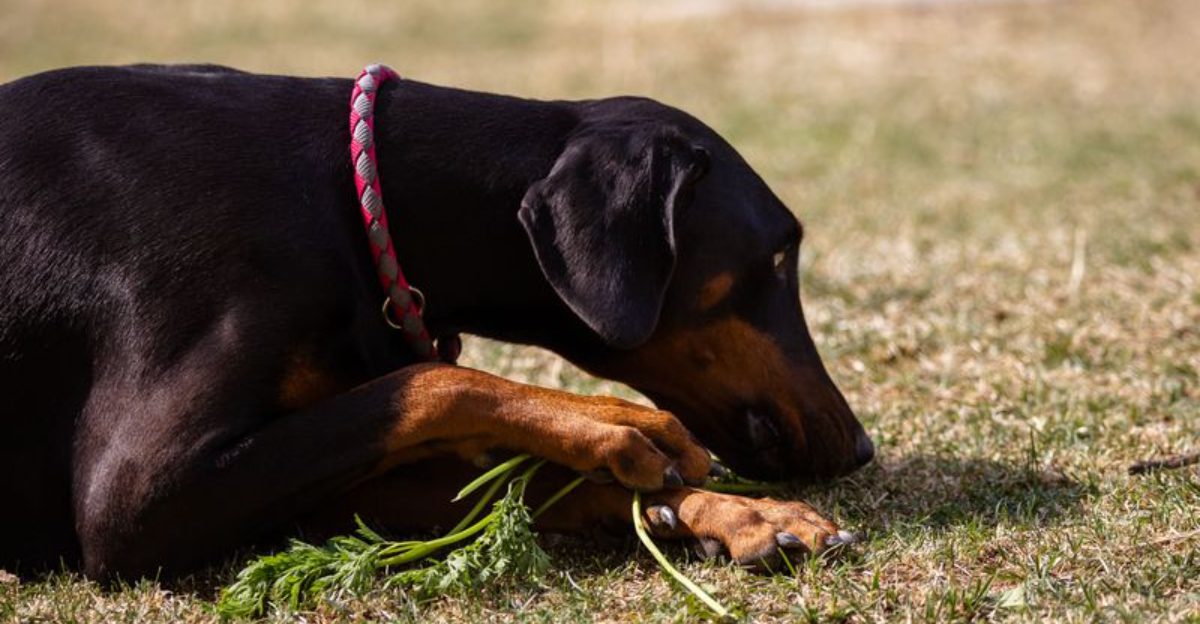
Puppy teeth are tiny needles, and some breeds seem extra eager to test them. The good news is you can shape gentle mouths with simple routines and smart play.
Start early, stay consistent, and you will see real progress fast. Here is how to guide common mouthy breeds so nips turn into nice manners.
Labrador Retriever

Labrador puppies explore the world with their mouths, so playful nips are normal. Their high food drive and excitement can escalate mouthing during greetings or training.
You can channel that energy with stuffed Kongs, tug with rules, and plenty of fetch to satisfy the urge to grab.
Start bite inhibition the first week home. Mark gentle mouths with calm praise, then disengage when teeth touch skin.
Provide short, upbeat sessions that reward calm sits before petting, guests, or leash clips. Rotate textured chews, reinforce drop it and leave it, and manage arousal with rest.
If your Lab gets jumpy, pause play, ask for a sit, then resume. Consistency now builds a soft mouth that lasts a lifetime.
Golden Retriever

Golden Retriever puppies are sweet, but those baby shark teeth can surprise you. They love carrying things, so hands, sleeves, and leashes become tempting targets.
Keep a toy parked in your pocket and trade often, rewarding calm holds and quiet mouths during petting or grooming.
Teach settle early using a mat, slow breathing, and gentle massage. Click and treat for tongue flicks and closed mouths while greeting people.
Interrupt nipping with a brief pause, then redirect to a chew or fetch game. Practice drop it with kibble swaps, and build leave it from easy wins.
Balance social play with naps to prevent overtired zoomies. With structure and patience, your Golden learns soft, polite mouth manners that shine.
German Shepherd
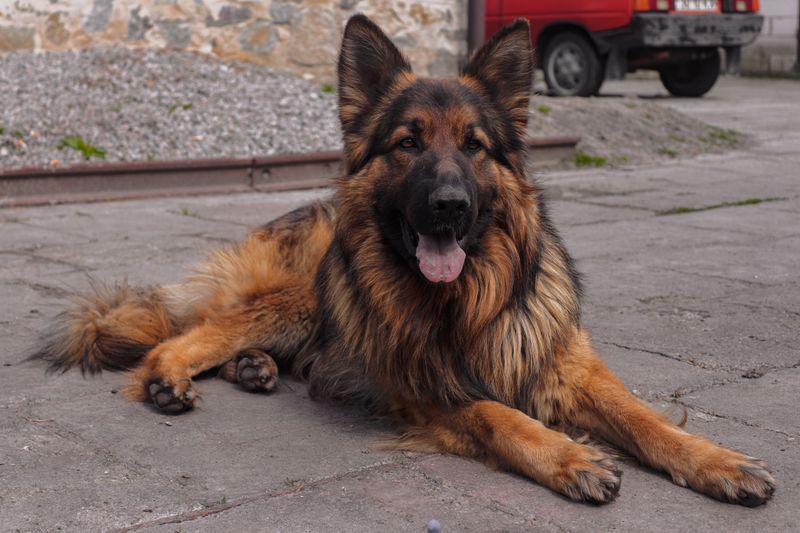
German Shepherd puppies are smart, intense, and quick to use their mouths during play and herding games. Nipping heels or tugging clothes often comes from arousal and curiosity.
Give clear outlets like controlled tug, flirt pole sessions, and scent games that let the brain and jaw work together.
Start impulse control with sit, watch, and leave it around movement. Reward calm eye contact before you move, throw a toy, or open doors.
If teeth touch skin, freeze briefly, then cue a compatible behavior like down or fetch the tug. Provide firm but friendly structure, crate naps, and daily decompression walks.
With repetition and kind boundaries, your Shepherd develops reliable bite inhibition and confident self control.
Belgian Malinois
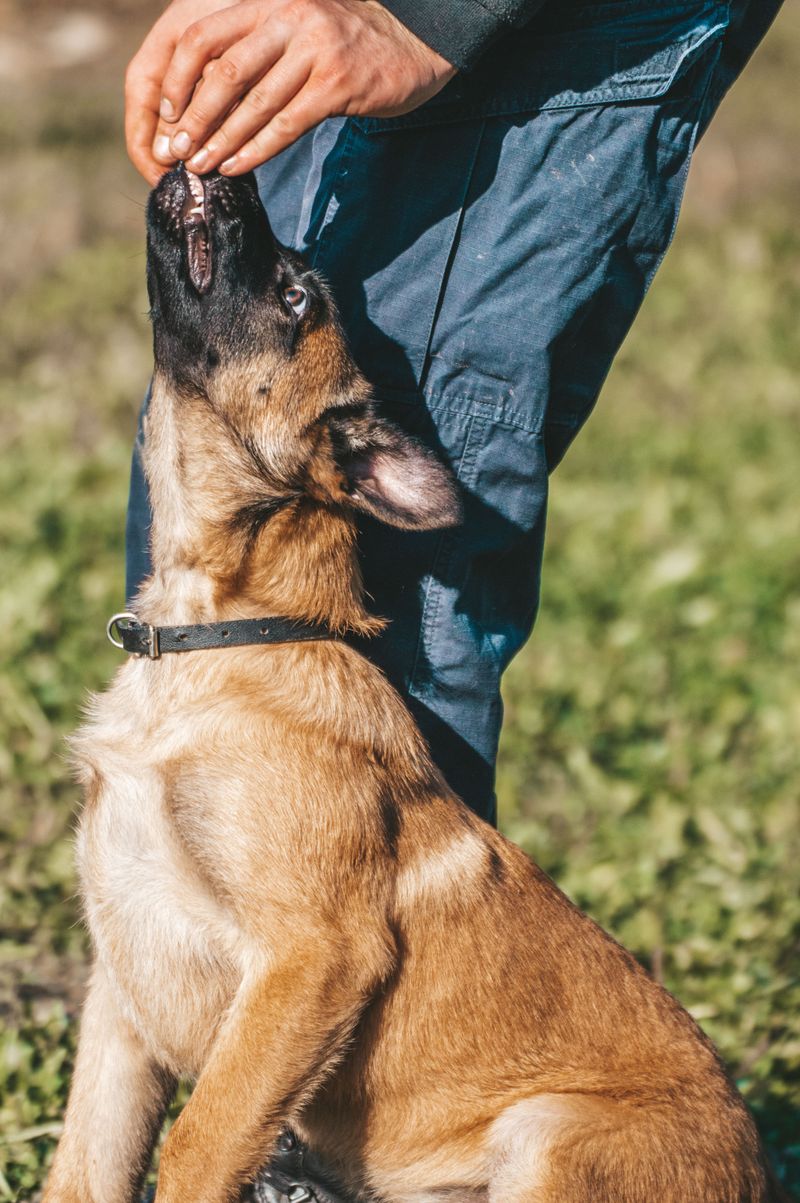
Malinois puppies are spirited athletes who mouth to test, tug, and investigate. Without a plan, that zest quickly becomes nippy chaos.
Channel it through structured tug with clear rules, spring pole time, and frequent food puzzles that demand problem solving rather than frantic grabbing.
Teach an off switch on a mat, pairing deep breaths with slow cookie delivery. Reinforce stillness while you handle paws, collar, and ears.
If chompy play starts, end the game, ask for a sit, then restart when calm returns. Rotate durable chews, practice out on cue, and cap sessions before arousal spikes.
Daily cardio plus brain work keeps frustration low. With consistency, your Malinois develops laser focus and a deliberately soft mouth.
Border Collie
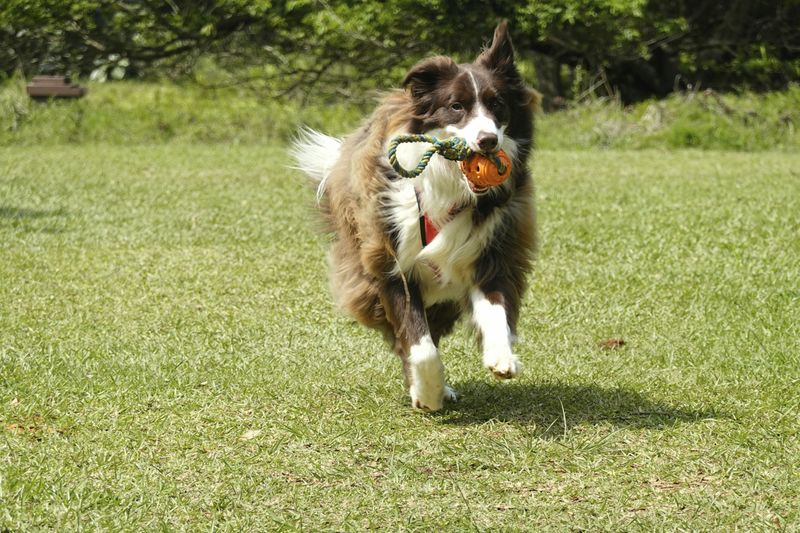
Border Collie puppies often nip at movement because herding instincts are strong. Quick feet, fluttering hems, and running kids can trigger chasing and mouthing.
Redirect that drive into controlled fetch, impulse games with a ball, and target training that rewards brains over speed.
Teach go to mat and stay while life moves around them. Pay generously for stillness and closed mouths as you walk past or wave sleeves.
If nipping starts, stop moving, fold arms, and wait for a sit or eye contact, then reward. Use long lines outside to manage rehearsals, and schedule decompression sniffaries daily.
With structure, patience, and plenty of rest, your Collie learns to channel intensity into thoughtful choices and softer mouths.
Australian Shepherd
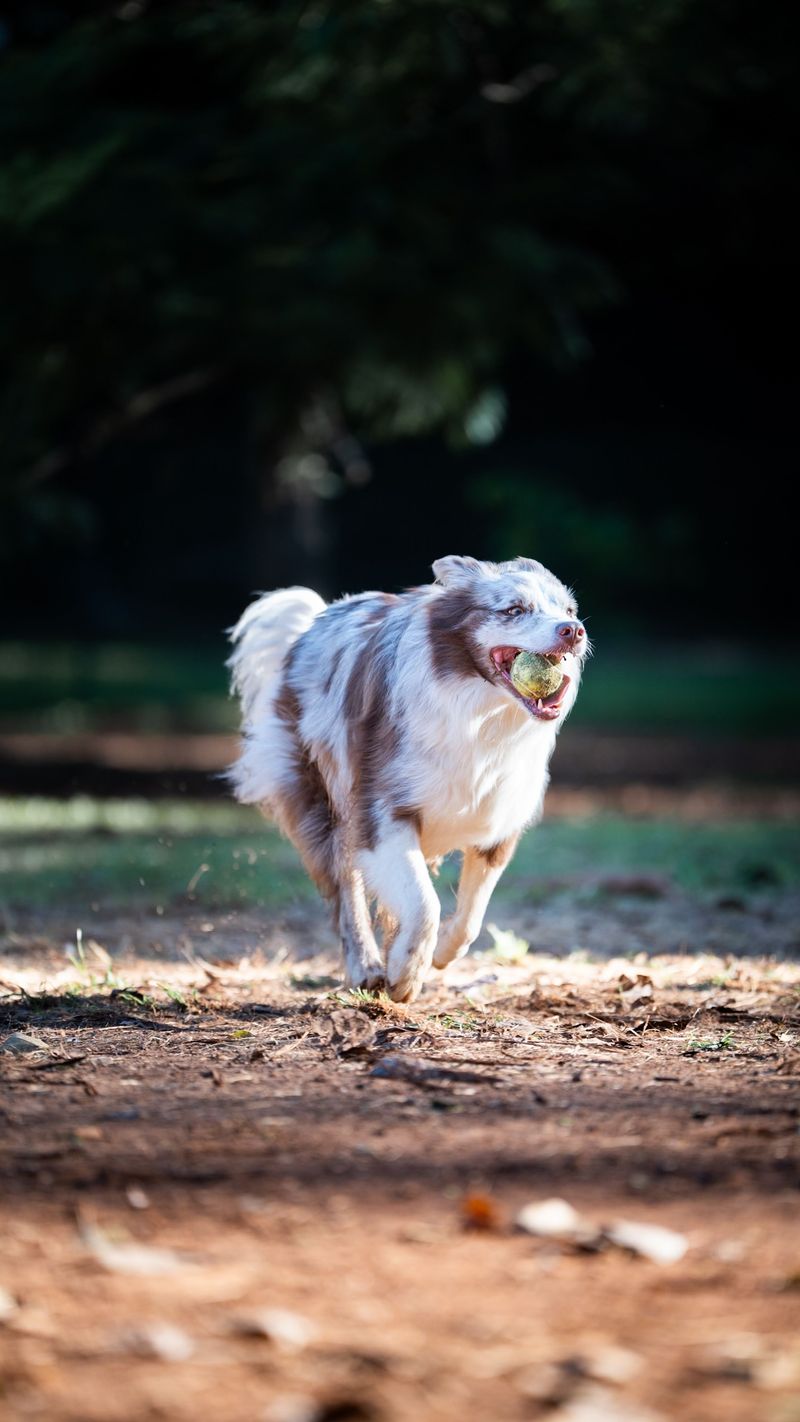
Australian Shepherd puppies are bouncy, brilliant, and mouthy when excitement peaks. They notice every movement, which makes heels and hands easy targets.
Give that busy brain jobs like nosework, platform games, and tug with start and stop cues to keep arousal in check.
Install default sit for everything they want. Reward quiet mouths while you clip the leash, greet friends, or throw a toy.
Interrupt teeth on skin with a short timeout, then resume play once calm returns. Rotate chews of different textures and freeze some to satisfy teething needs.
Use scatter feeding in grass to lower intensity. With routine, boundaries, and generous sleep, your Aussie trades frantic nibbles for thoughtful behaviors and an intentionally soft mouth.
Jack Russell Terrier
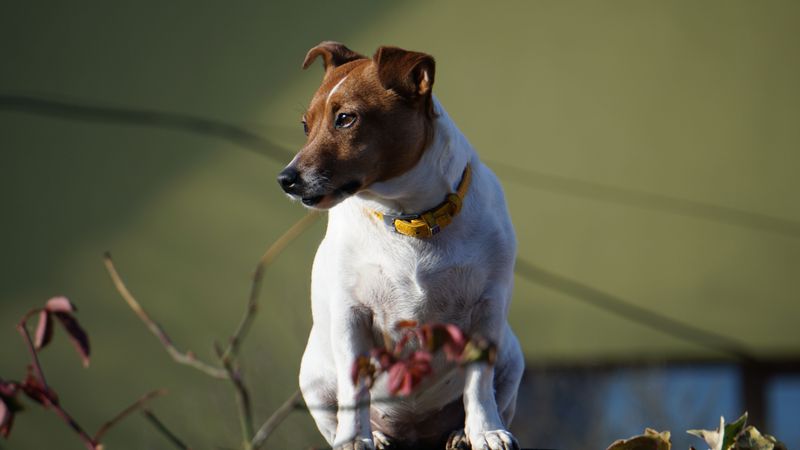
Jack Russell Terrier puppies are tiny rockets with big opinions and busy mouths. When frustrated or bored, they grab anything that moves.
Channel that fire into tug with fair rules, mini agility, and puzzle toys that reward persistence more than frantic chomping.
Teach calm starts before any game. Ask for a sit, then say get it, and trade for treats when you want the toy back.
If nips land on skin, end play for a beat, then reengage once manners return. Provide dig boxes, scent work, and daily sniff walks to drain steam.
Keep reinforcement frequent and sessions short. With structure and outlets, your Jack learns to bite toys hard and people gently, every time.
Siberian Husky
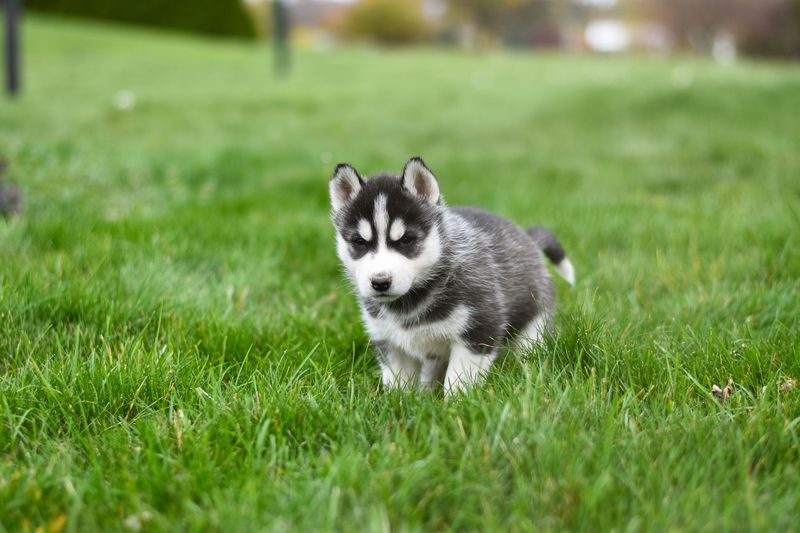
Husky puppies are playful chatterboxes that mouth during wrestling and vocal games. Their independence can make redirection feel optional.
Outsmart them with high value rewards, movement based reinforcers, and structured tug that starts and stops on your cue.
Teach leave it and drop it using generous trades, not scolding. Reinforce calm while clipping harnesses and wiping paws.
If play turns toothy, freeze, wait for a sit or glance, then reboot the game. Offer frozen chews, braided fabrics, and long naps after big adventures to curb overtired nips.
Practice recall into a toy, then food, to keep focus fun. With humor, consistency, and smart management, your Husky learns when to chomp toys and when to be gentle.
Boxer
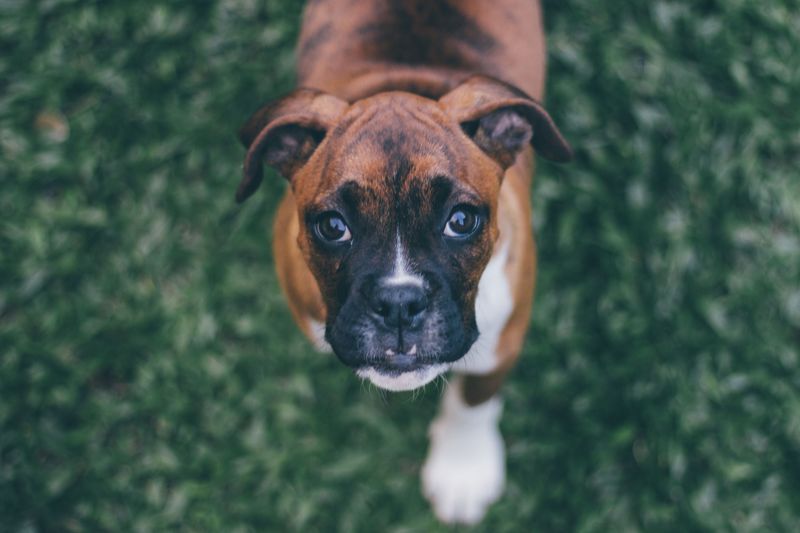
Boxer puppies are joyful clowns that box with paws and mouth when excited. The wiggles are adorable, but teeth on skin still need guidance.
Give structured outlets like tug with rules, flirt pole turns, and heavy duty chews to protect your sleeves.
Reinforce four on the floor during greetings. Ask for sits before petting, then feed rapid treats for quiet mouths and loose bodies.
If nipping appears, end attention for a moment, then try again more calmly. Break play with frequent chill breaks and teach place to reset arousal.
Rotate chews and add food stuffing to extend focus. With predictable routines and upbeat training, your Boxer learns playful bite control and keeps the goofy charm intact.
Doberman Pinscher
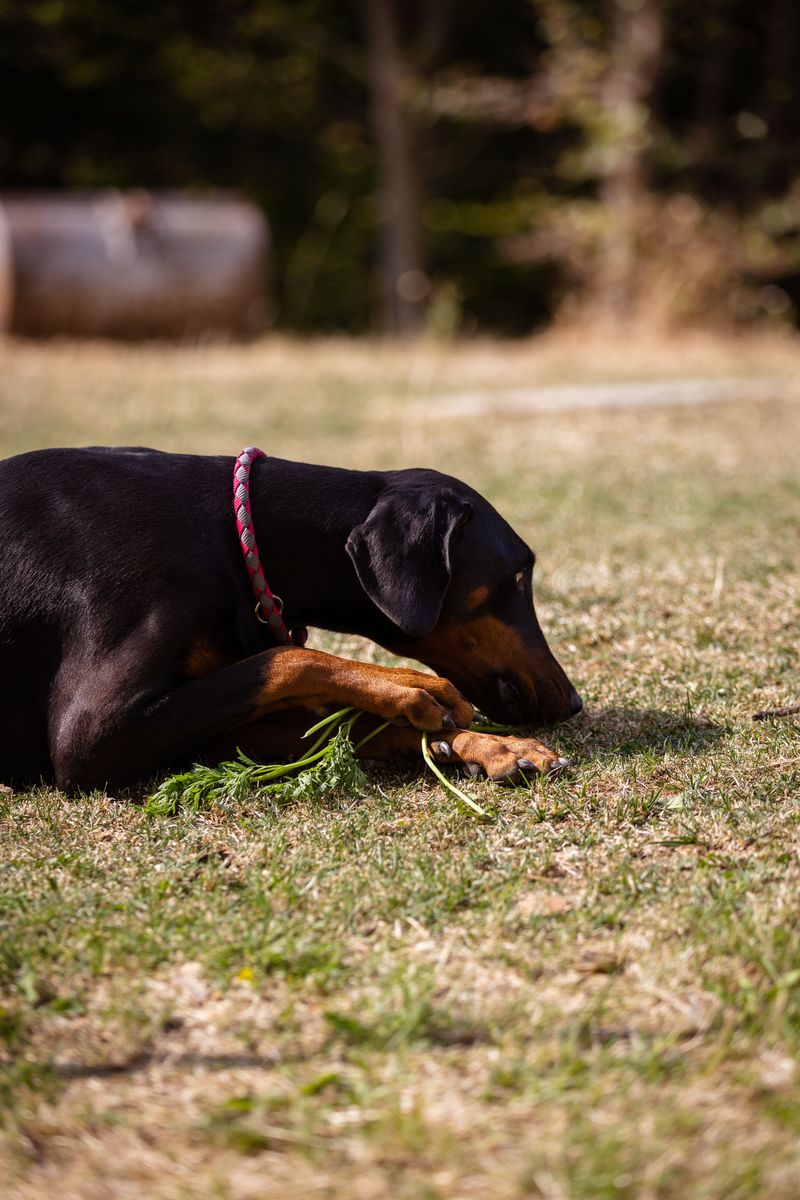
Doberman puppies are sensitive athletes who mouth to communicate excitement and stress. They thrive on clarity and quick feedback.
Use clean marker words, structured tug, and food games that reward patience as much as speed. Set clear start and stop cues so games never spiral.
Teach sustained eye contact and hand target as default choices. Pay for gentle mouths during harnessing, grooming, and vet handling practice.
If teeth land, pause, breathe, then cue sit or touch before resuming. Offer varied chews, sniff walks, and quiet crate time to prevent overstimulation.
Practice out on cue using two toy trades, never force. With steady leadership and kind repetition, your Doberman learns reliable bite inhibition and channels intensity into focused cooperation.
Weimaraner

Weimaraner puppies are velcro companions with big feelings and busy mouths. They chew to soothe, explore, and ask for interaction.
Meet needs with sniffy walks, training games, and supervised tug that begins and ends on your cue.
Start bite inhibition with gentle trades and calm praise. Reinforce relaxed jaws while you touch collar, paws, and ears.
If mouthing escalates, pause, take a breath, then redirect to a chew or scatter feed to reset. Crate naps and quiet place training prevent overtired tantrums.
Rotate textures, freeze chews, and enrich mealtimes with puzzles. With empathy, routine, and consistent boundaries, your Weim learns that soft mouths and thoughtful choices make attention, play, and freedom happen.
Practice patience every day.