
Some dogs inhale anything you serve, but others turn mealtime into a careful tasting session. If you have a choosy companion, you know the head tilts, the sniff-and-walk routine, and the sudden boycott of yesterday’s favorite.
The good news is that pickiness often follows a pattern by breed, and you can outsmart it with the right strategies. Here are 10 famously fussy eaters, plus 3 that tend to change their preferences over time.
Yorkshire Terrier

Yorkies are tiny but mighty food critics. Their sensitive stomachs and strong preferences can make dinner feel like a negotiation.
You might notice them sniff, lick, then walk away if the aroma or texture seems off. High protein, small kibble, and warmed wet toppers often win them over.
Routine helps, but variety within a balanced plan keeps interest high. Try rotational proteins like turkey, salmon, and lamb, plus crunchy freeze dried bites for texture.
Feed on a schedule, limit table scraps, and use puzzle bowls to spark appetite. When they succeed, praise lightly and keep portions measured to protect those delicate tummies.
Consult your vet if weight dips, and track reactions to new foods in a simple journal at home.
Maltese

Maltese pups often demand delicate textures and gentle flavors. Their petite jaws and sometimes finicky digestion mean crunchy, oversized kibbles can be a turnoff.
You will have better luck with small bites, softly rehydrated food, or lightly warmed wet meals that amplify aroma. Calming, predictable mealtime rituals reduce anxiety driven pickiness.
Try lean proteins like turkey and white fish, and avoid heavy seasonings or rich extras. Mixing in a teaspoon of goat milk or bone broth can tempt hesitant eaters without overloading calories.
Offer food for a set window, then lift the bowl to reinforce structure. Dental care matters too, since tartar or soreness can quietly fuel fussiness.
Keep notes on triggers, and adjust textures before you overhaul flavor.
Shih Tzu

Shih Tzus love comfort and can be stubborn about texture. Many prefer moist, tender pieces over dry crunch, especially if the aroma is mild and savory.
You might see them sort through food for favorites, leaving the rest behind. A balanced topper strategy can help distribute flavor across every bite.
Rotate proteins and keep fat moderate to protect digestion. Add a spoon of pumpkin or kefir for gut support and palatability.
Serve at room temperature, since cold food can mute smell and interest. Gentle grooming around the face keeps whiskers clean and reduces aversion.
If meals stall, try hand starting with a few bites, then transition to the bowl. Consistency and calm energy from you make a big difference.
Pomeranian
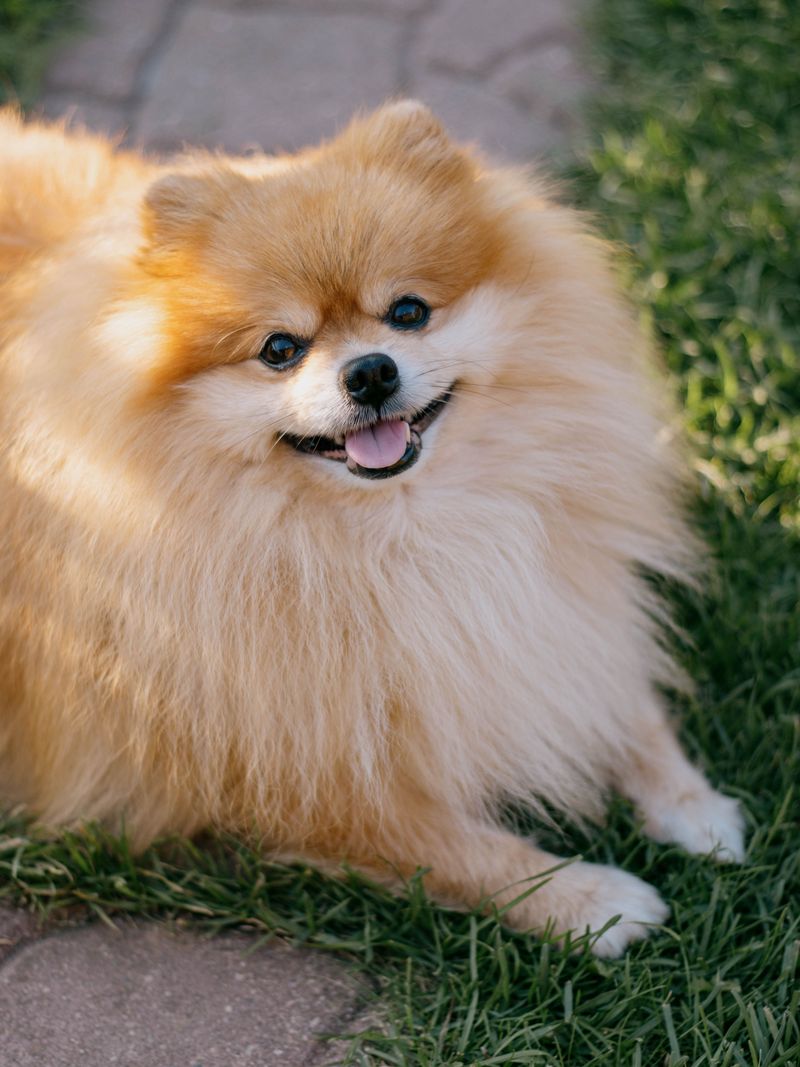
Pomeranians are spirited snack evaluators who judge by smell first, crunch second. They often crave novelty yet reject abrupt changes that upset tummies.
You will do best with tiny kibble, high animal protein, and strategic toppers like freeze dried chicken crumbles. Warm a splash of broth to bloom aroma and entice the first bite.
These fluffballs respond well to routine and reward. Offer meals at consistent times and remove leftovers to keep appetite cycles clear.
Training treats should match the main protein to avoid mixed signals. Watch dental health, as small mouths can hide sensitivity.
If they stall, try a snuffle mat to reframe eating as a fun hunt. Short, energetic walks before meals can also spark interest naturally.
Chihuahua
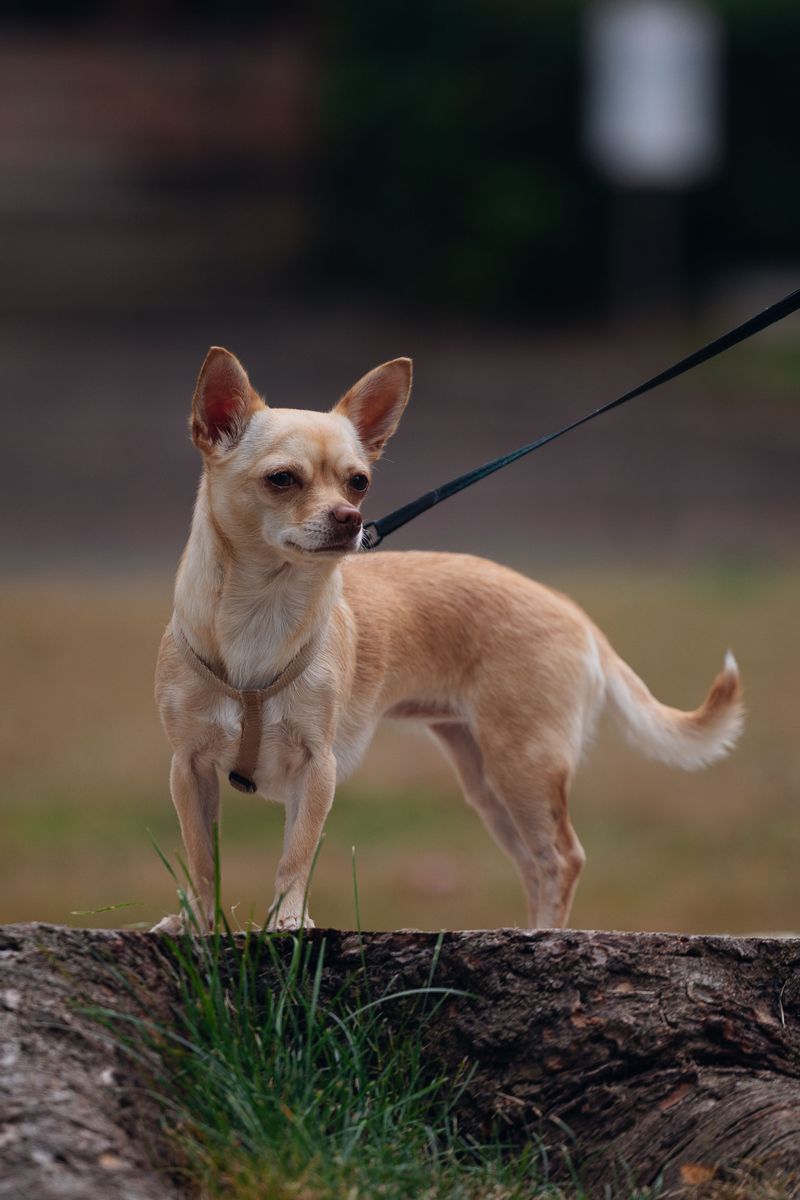
Chihuahuas may be tiny, but their opinions are big. Many are temperature sensitive and prefer food slightly warmed so scent leads the way.
Texture matters too, with finely minced or small kibble beating chunky pieces. If they become clingy, they might wait for hand feeding, so build confidence with gentle independence.
Offer structured portions and resist constant switching. Use highly digestible proteins and add a dash of water to soften bites.
Keep treats minimal and aligned with the main recipe to avoid confusion. A quiet, safe feeding corner helps nervous pups relax and eat.
Track stool quality and energy to guide choices. If nausea or hypoglycemia is a concern, schedule smaller, more frequent meals under your vet’s guidance.
Pekingese

Pekingese can be dignified gourmands who favor rich aromas and soft textures. They sometimes pick around dry pieces, seeking saucy bits with depth.
To avoid tummy troubles, keep meals balanced and measured, using gently braised proteins or moistened kibble. A calm, unhurried environment helps them settle and eat comfortably.
Portion control is crucial, since indulgent toppers can creep calories upward. Rotate lean meats like turkey and lamb, and use pumpkin or psyllium to steady digestion.
A flat, easy access bowl protects their shortened muzzle and neck. Brush frequently around the face to reduce food aversion from tangles.
If interest flags, add warm water to release aroma. Patience plus structure turns finicky behavior into predictable, happy meals.
French Bulldog
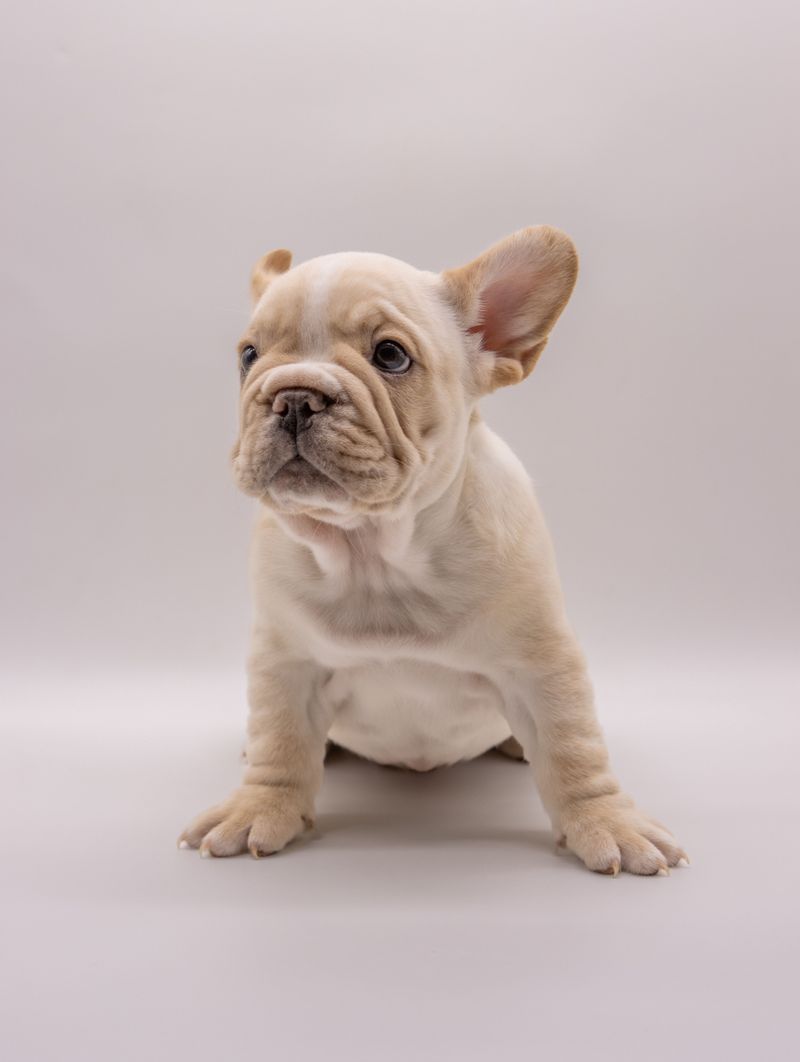
Frenchies can be selective due to sensitive skin and stomachs. They often thrive on limited ingredient formulas where flavor is clean and consistent.
Overly rich meals trigger gassiness, which kills enthusiasm fast. Entice them with warmed, aromatic toppers, then keep the recipe stable once you find the sweet spot.
Choose small to medium kibble that is easy to grasp with their broad jaws. Omega rich fish or duck can help skin while boosting palatability.
Feed on a tight schedule and skip heavy table scraps. Slow feeder bowls reduce gulping and discomfort.
If pickiness pairs with itch or ear issues, consider a veterinary elimination diet. Celebrate steady eating streaks with calm praise, keeping portions lean to protect joints.
Miniature Schnauzer
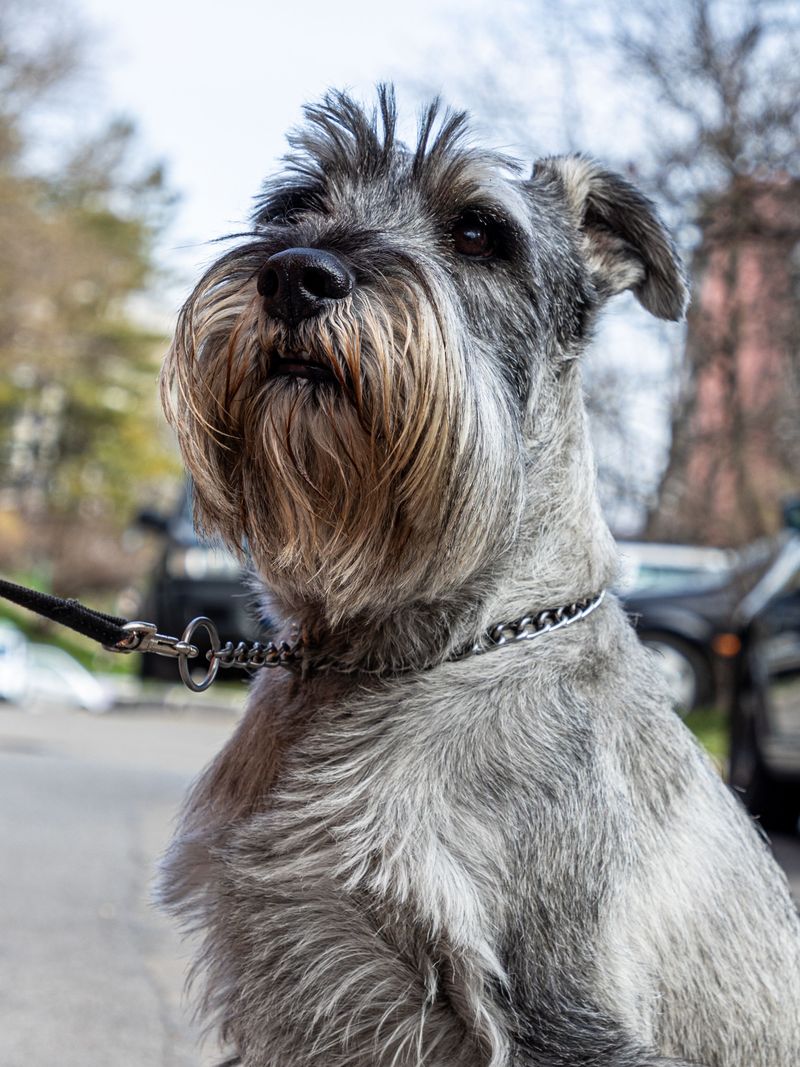
Mini Schnauzers can be opinionated about fat levels and smell. Too greasy, and they may refuse or develop pancreatitis risks.
You will want lean proteins, measured calories, and a consistent recipe to build trust. Light broth or a spoon of green beans can add aroma and bulk without excess.
Establish mealtime structure and retire the bowl after 20 minutes. Keep training rewards small and aligned with the main diet.
Brushing beards after meals prevents lingering smells that discourage future eating. If boredom strikes, rotate proteins within the same brand family to maintain nutrients.
Puzzle feeders and short pre meal walks prime appetite naturally. Consult your vet about fasting days only when medically appropriate, since stability usually beats drama.
Cavalier King Charles Spaniel
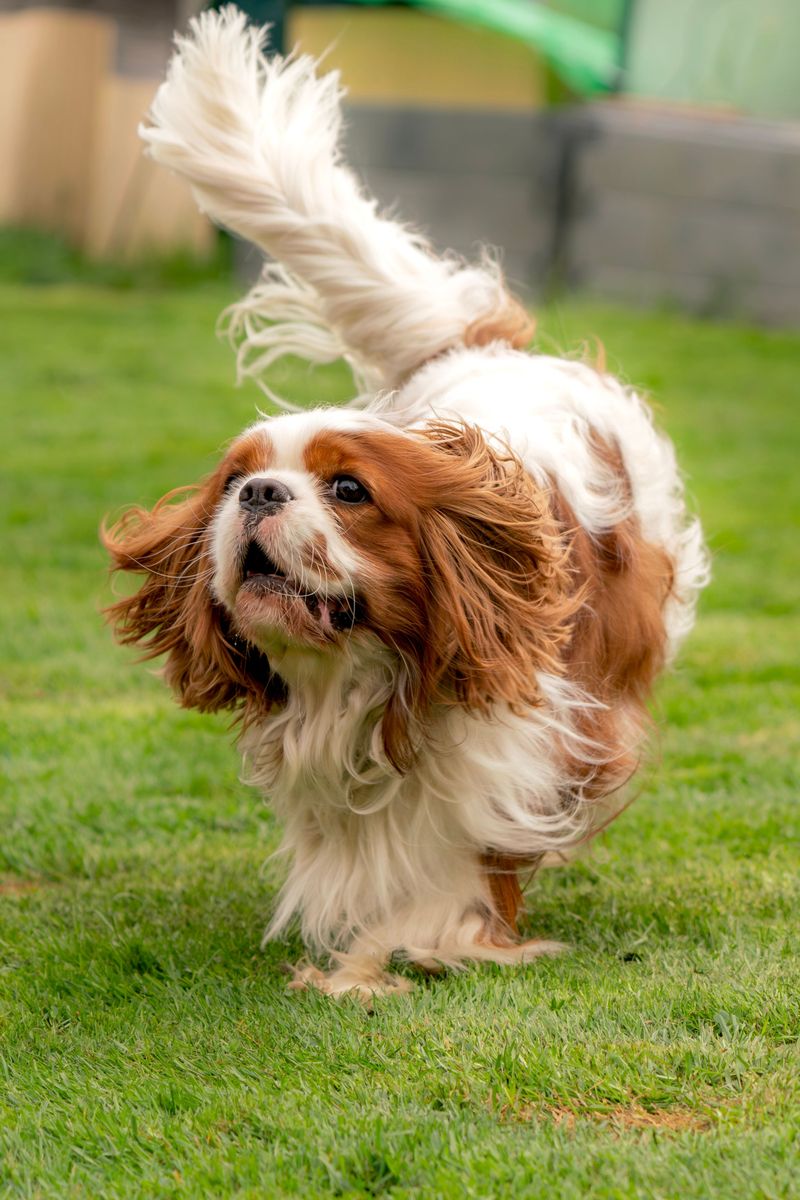
Cavaliers adore attention and sometimes hold out for tastier options. Their hearts and tummies do best with steady, simple meals that smell inviting.
Use small kibble with a spoon of warm, moist topper to distribute flavor. Limit salt and dairy, and keep table scraps to a strict minimum.
Because weight gain sneaks up, measure carefully and feed on schedule. Rotate lean proteins, add omega oils sparingly, and monitor stool for feedback.
A quiet feeding corner away from excitement keeps them focused. If pickiness appears after dental discomfort, get a checkup before changing foods.
Gentle praise, not pleading, works wonders. Over time, consistent routines transform choosy nibblers into reliable eaters who look forward to calm, predictable meals.
Toy Poodle

Toy Poodles are clever pattern spotters who notice every change. They might reject food if the scent, temperature, or even bowl shape feels wrong.
Keep textures small and varied within a stable plan. Air dried bites or gently rehydrated kibble can add enticing chew without wrecking balance.
Make mealtime a calm ritual with a brief training session to spark appetite. Rotate proteins on a schedule, not whims, and document results.
Add warm water, not oil, when you need extra aroma. Dental maintenance supports comfortable chewing, especially for seniors.
If preferences fade in and out, consider seasonal shifts in activity. You will get further with quiet confidence and structure than with last minute menu overhauls.
Dachshund
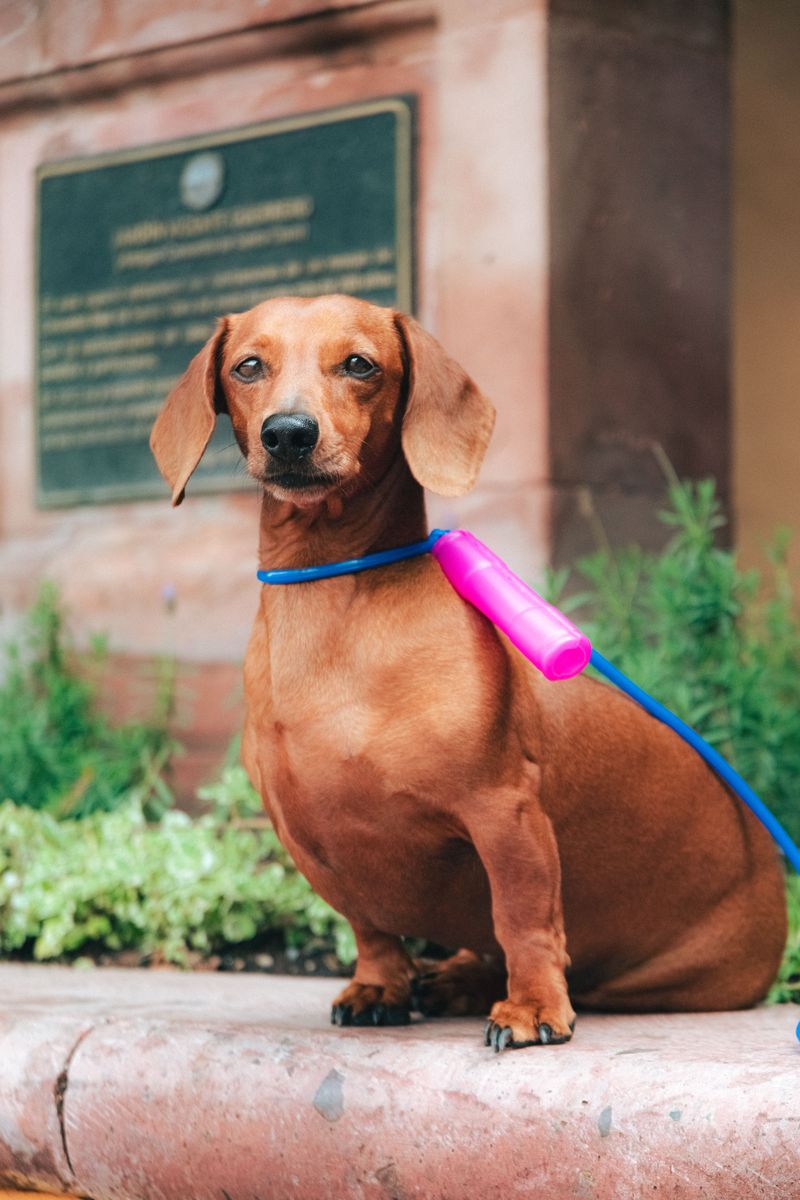
Dachshunds can be picky, but many actually change tastes over time, especially as activity and back comfort vary. You might see them love chicken one month, then demand beef the next.
Their long bodies benefit from lean, joint friendly nutrition that still smells irresistible. Offer controlled variety through rotational proteins within a balanced framework.
Present consistent meal windows and use elevated, stable bowls for comfort. If appetite dips, reduce treat load and add a warm splash of broth.
Texture trials help: small kibble, lightly shredded meat, or rehydrated bites. Keep notes on favorite aromas to guide future cycles.
Gentle walks before meals boost appetite and mood. When in doubt, ask your vet about joint friendly supplements that will not derail palatability.
Havanese

Havanese are social eaters who sometimes wait for company before digging in. They can be picky about texture and aroma, preferring soft, evenly flavored bites.
Sit nearby, offer calm encouragement, and serve food slightly warm to awaken interest. Balanced recipes with gentle carbs like quinoa can support steady energy without heaviness.
Stick to a routine and retire the bowl after a set time. Keep treats minimal and consistent with the main protein.
If they stall, use a lick mat or snuffle game to reframe the meal. Monitor stool and coat shine to gauge success.
Small, frequent meals may help during transitions. Over weeks, patient structure turns selective moments into confident, happy eating sessions you can rely on.
Cocker Spaniel

Cockers may start enthusiastic, then switch loyalties as seasons, exercise, or skin needs shift. That changing palate can look like pickiness, but it is often feedback.
Keep meals steady while rotating compatible proteins to maintain interest without chaos. Use moderate fat, strong aroma, and consistent fiber for digestive comfort.
Measure portions carefully, since weight gain can creep up fast. Try salmon, turkey, or duck, and log responses to guide future menus.
Ear health matters, so watch for yeast or sensitivity when foods change. Serve at regular times and avoid free feeding.
If appetite dips, add warm water or low sodium broth. Gentle praise and short pre meal activity help them settle and eat with enthusiasm.
Cavalier King Charles Spaniel (preferences change)

Some Cavaliers cycle through favorites, surprising you with sudden switches that are not true fussiness. Growth, exercise, or weather shifts can steer cravings toward different proteins or textures.
Instead of chasing every whim, design a controlled rotation of two or three complete diets. Keep transitions gradual so the gut stays calm and reliable.
Serve at consistent times and avoid layered toppers that confuse the baseline flavor. Track which aromas spark eager eating, then repeat them strategically.
Use warm water to release scent rather than adding heavy fats. If coat or stool changes, adjust fiber and omega levels thoughtfully.
With structure, you respect their changing preferences while protecting nutrition, building a predictable routine you can both trust.