
Some dogs live for squeaky toys, but others light up when you ask them to think. If you love teaching new cues and seeing quick, eager problem solving, these breeds will feel like dream teammates.
Each one thrives when learning has purpose, variety, and a steady rhythm. Dive in to find the perfect study buddy who prefers brain games over endless fetch.
Border Collie
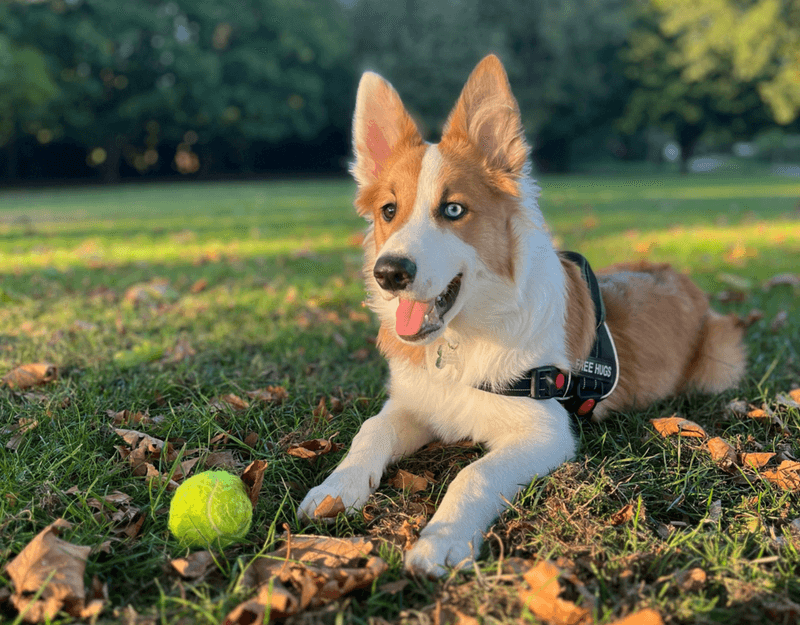
Border Collies are the valedictorians of the dog world, thriving on puzzles, patterns, and purposeful jobs. They read your body language like a second script and anticipate cues before you speak.
Teach shaping games, impulse control, and scent discrimination to keep their minds humming. Without structure, that bright engine can spin into obsessive herding or shadow chasing.
Daily training goals and varied challenges make them happy, settled companions.
Try agility, treibball, and precision heelwork to channel that surgical focus. Rotate cue fluency drills with creative problem solving, like finding keys or matching toys by name.
Short, frequent sessions beat marathons, and clear criteria keeps frustration low. Give them a job, and they give you their whole heart.
Everyone wins daily.
Standard Poodle
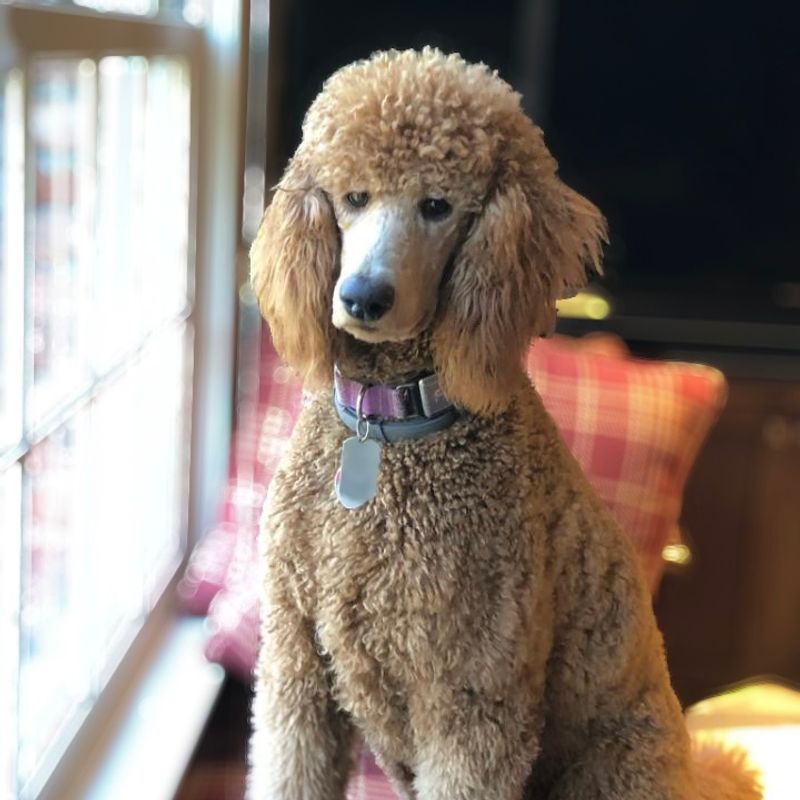
Standard Poodles pair keen intelligence with bouncy humor, making lessons feel like a shared joke. Their problem solving shines when you ask for precise positions, nose targets, and calm duration.
Underworked, they invent mischief, so give their curiosity respectable outlets. Cooperative grooming sessions double as focus training and relationship building.
Blend rally patterns, platform work, and retrieve games that reward clarity over speed. Use marker training, playful resets, and strategic breaks to keep arousal sweetly balanced.
Teach object discrimination, then chain tasks like carry, place, and stand for exam. Five crisp minutes, several times a day, outperforms a single long session.
Cap it with cuddle decompression and a confident, waggy prance back to real life.
Belgian Malinois
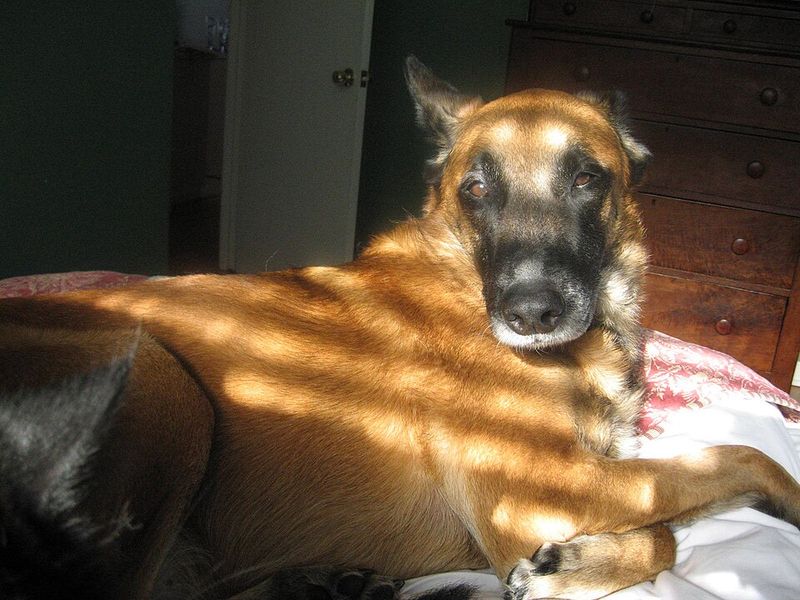
Belgian Malinois learn like they are interviewing you for a demanding job. Give clear criteria, progressive challenges, and purpose, or they will self assign chaos.
Focus on neutrality, place training, and structured play to build an off switch. Precision heeling, scent work, and targeting let that rocket brain burn cleanly.
Break reps tiny, celebrate generously, and quit while they still want more. Teach calm in excitement through tug rules, out cues, and immediate reengagement.
Layer in environmental challenges like slick floors, busy parks, and pressure from strangers. When their brain is satisfied, their body follows, and home feels peaceful.
Your structure becomes their freedom. End sessions with sniffing walks, long chews, and deep, quiet breathing.
German Shepherd
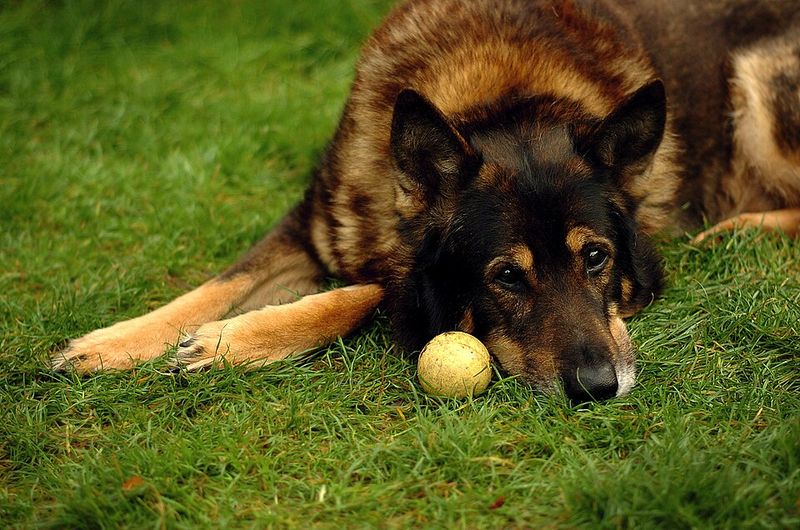
German Shepherds relish clear jobs, fair leadership, and meaningful repetition that refines behavior. They watch you closely, comparing your cues against context, so consistency matters.
Teach steadiness alongside drive using place, middle, and formal front positions. Balanced enrichment prevents anxiety and vocal opinions when nothing useful is happening.
Mix tracking games, dumbbell retrieves, and calm heelwork to satisfy brainy curiosity. Use variable reinforcement, thoughtful proofing, and slow exposure to novelty.
Teach off duty cues so they can relax without scanning every creak. Confident dogs get clearer, kinder training, and you get a steady teammate.
Finish with sniffari walks, proprioception ladders, and a good nap. That balance turns spark into dependable brilliance consistently day after day.
Australian Shepherd
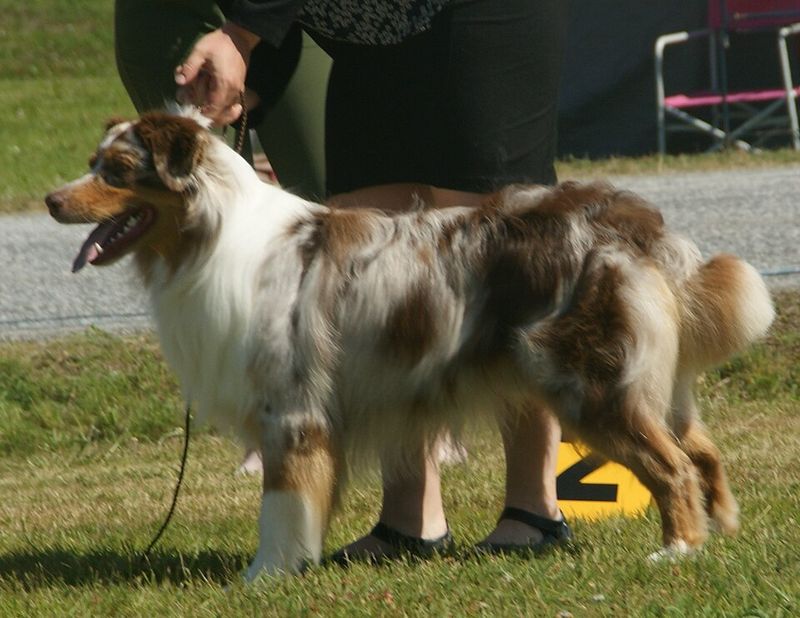
Australian Shepherds crave mental workouts wrapped in movement and partnership. They love shaping tricks that use hind end awareness, pivots, and perch work.
Without direction, they may herd kids or chase bikes, so give purposeful outlets. Short, focused drills keep their minds glowing and bodies satisfied.
Combine frisbee skills, rally patterns, and nosework to alternate arousal and thoughtfulness. Teach settle on mat, rock solid recalls, and cheerful loose leash walking.
Reinforce curiosity around new surfaces, loud sights, and busy spaces with cookies. End with decompression hikes and thoughtful cuddles that melt away leftover fizz.
Happy minds make happy neighbors. Rotate cues so predictability never dulls their spark.
Celebrate tries, then raise criteria smoothly. They thrive.
Papillon
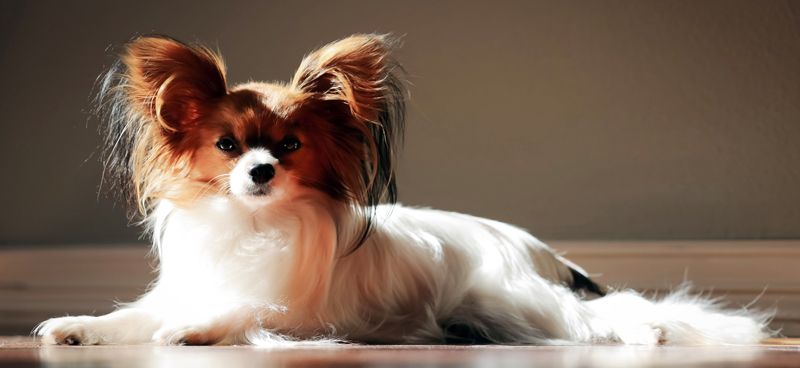
Papillons pack big brains into tiny, flutter eared frames, and they adore learning. Fine motor tricks like paw targets, spin variations, and tidy fronts suit them.
Keep sessions breezy and joyful to prevent worry in sensitive souls. Confidence grows when success is frequent and criteria steps are petite.
Build nose games, platform hops, and mini agility that fit your living room. Reward moving away from you as much as returning, so independence blossoms.
Teach sustained focus with hand touches, chin rests, and duration stands. Protect little joints, keep reinforcement rich, and end on a triumphant note.
Suddenly the smallest student becomes the class star. Curiosity, patience, and play build courageous brilliance, one cheerful step daily.
Shetland Sheepdog
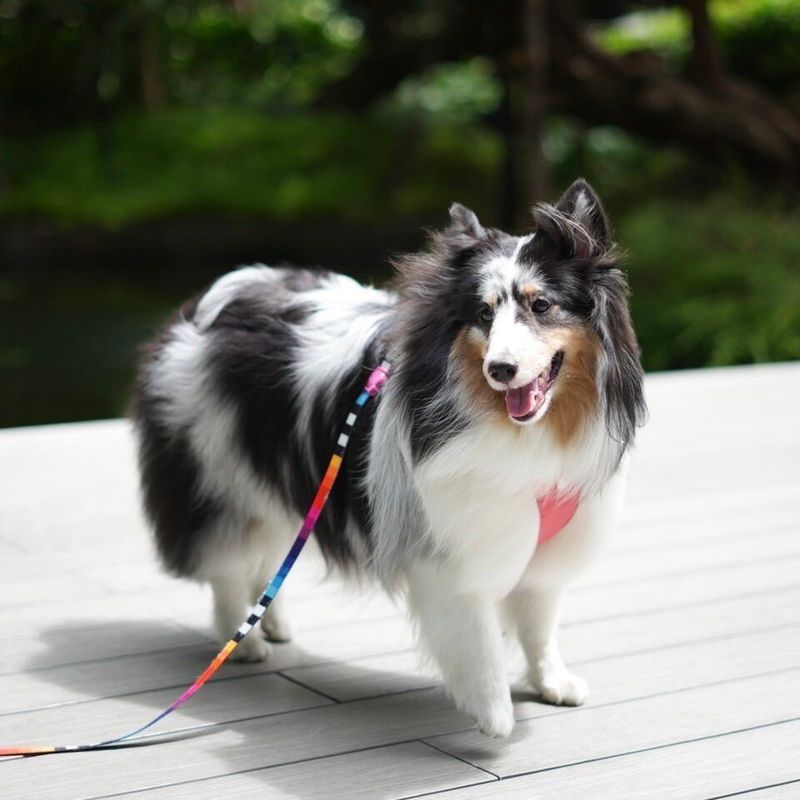
Shetland Sheepdogs soak up instruction and patterns, thriving on gentle, precise communication. They notice tiny differences in posture and tone, so plan your cues.
Breed sensitivity means thoughtful socialization and calm confidence building are essential. Too little structure invites barking gigs and hallway patrols.
Teach sustained stationing, smooth heelwork, and precise position changes. Blend trick training with obedience patterns, then try scent puzzles for variety.
Reinforce optimism around motion triggers like joggers, scooters, and bouncing balls. Use soft voices, clear markers, and rewarding decompression after wins.
Consistency turns sensitivity into laser focus and easy living. Confidence games plus distance work build resilience steadily.
Celebrate effort, lower criteria, and try again smiling. Progress feels inevitable today.
Doberman Pinscher
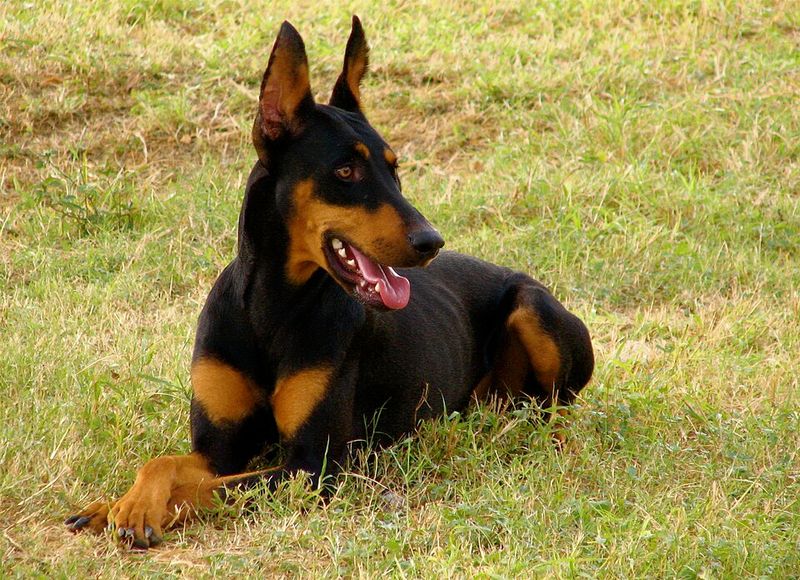
Doberman Pinschers relish clarity, fairness, and purposeful tasks that make training feel important. They shine with impulse control, target games, and elegant heeling that channels intensity.
Without outlets, boredom turns into redecorating and door monitoring. Steady routines soothe sensitive hearts.
Build confident neutrality through place, door manners, and calm greet and go. Use food, toy play, and praise, fading prompts as fluency grows.
Teach holds, carries, and front presents before formal retrieves. Vary environments, criteria, and duration to keep thinking sharp.
Finish with sniffing, stretching, and lazy couch naps that reset the nervous system. Your patience writes trust into every rep.
Soon their natural nobility relaxes into enthusiastic, thoughtful partnership. That is where brilliance lives.
Australian Cattle Dog
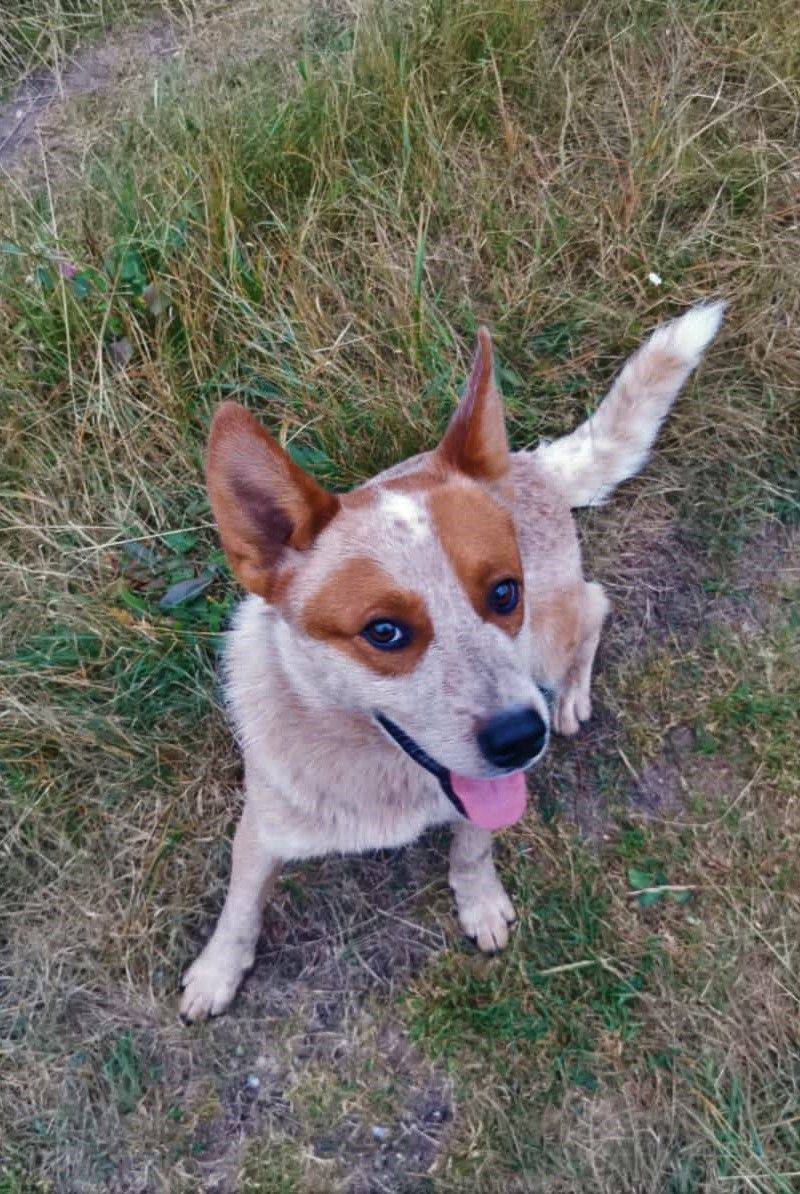
Australian Cattle Dogs are gritty thinkers who love solving practical problems at speed. Give them jobs like boundary games, directional sends, and obstacle patterns.
Idle minds become renovation committees, so prevent self employment. Clarity, fairness, and frequent wins keep their engines purring.
Use tug as reinforcement with rules for outs, targeting, and immediate reengagement. Rotate herding substitutes like treibball, canal walks, and controlled bike joring.
Teach sniffing tasks, settle on mat, and bulletproof recalls. Proof behaviors around livestock smells, clattering gates, and fast motion.
End with deep chewing and long, nose down meanders. Calm structure unlocks their famous grit without fraying your nerves.
Progress might look subtle, then suddenly it sticks forever. Keep criteria transparent.
English Springer Spaniel
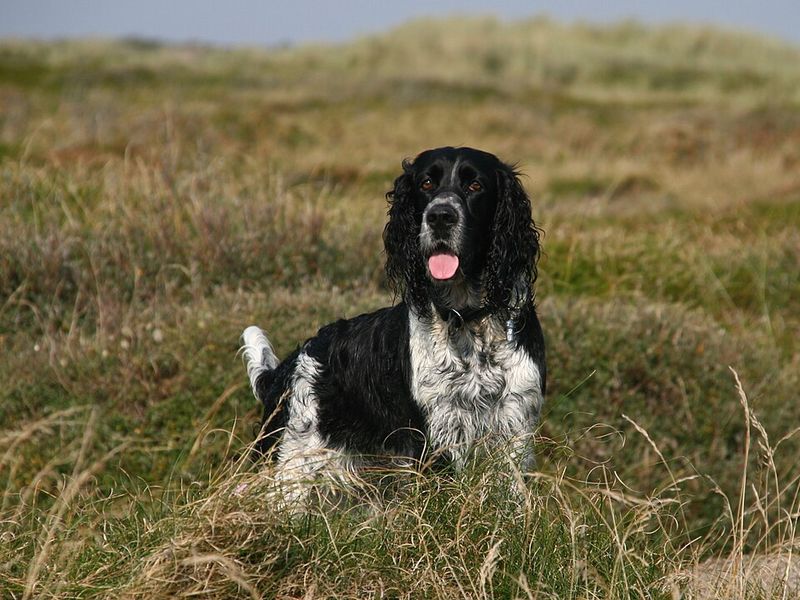
English Springer Spaniels love pleasing people and solving scent centric puzzles. They learn fastest with upbeat games, gentle guidance, and clear resets.
Over arousal can bubble into barks or zoomies, so teach calm early. Build optimism in busy places one step at a time.
Channel their noses with tracking games, article searches, and hide and seek. Pair retrieve training with polite delivery and soft mouths.
Vary terrain, reinforce check ins, and reward loose leash walking generously. Sprinkle in trick shaping, platform work, and settle on mat after action.
Happiness grows when effort earns easy wins and predictable rest. Soon you get a thoughtful athlete with sparkling manners.
Consistency lets their sweetness focus. Everybody breathes easier.
Giant Schnauzer
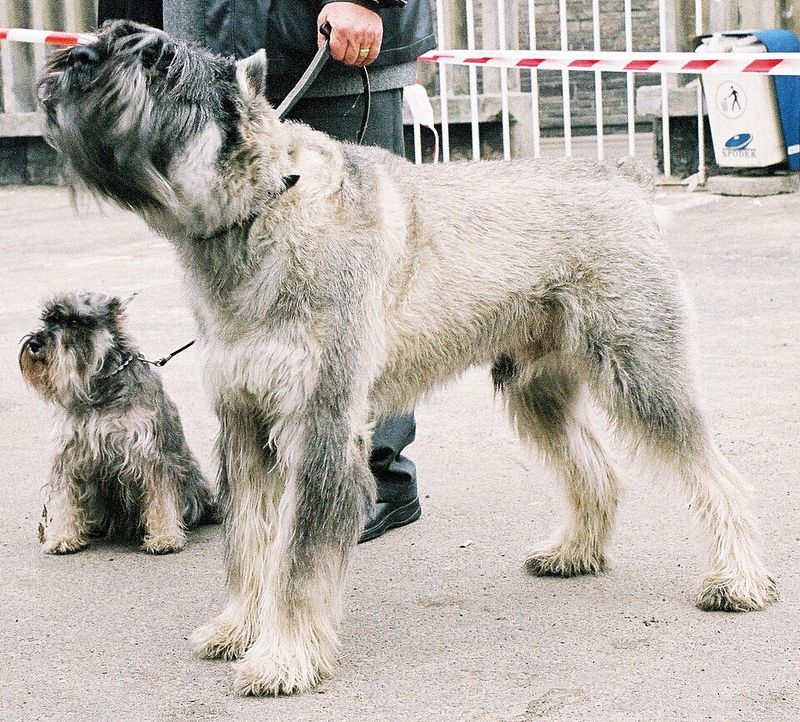
Giant Schnauzers are serious workers who love structured challenges and crisp communication. Give them responsibilities, not chaos, and they will beam with purpose.
Teach patience first, then power, to keep their confidence calm. Unemployed minds devise security details and landscaping projects.
Drill impulse control with door games, food neutrality, and measured tug. Polish heelwork, positions, and front presents with clear markers.
Add nosework, carting foundations, and smart retrieves for balanced outlets. Rotate environments, surfaces, and distractions so skills generalize deeply.
Finish with deep pressure cuddles and long, proud exhales. Be fair, be predictable, and celebrate thoughtful tries.
Soon that intensity turns cooperative and beautifully precise. Then living together feels easy, capable, and fun.
Purpose heals restlessness.
Brittany
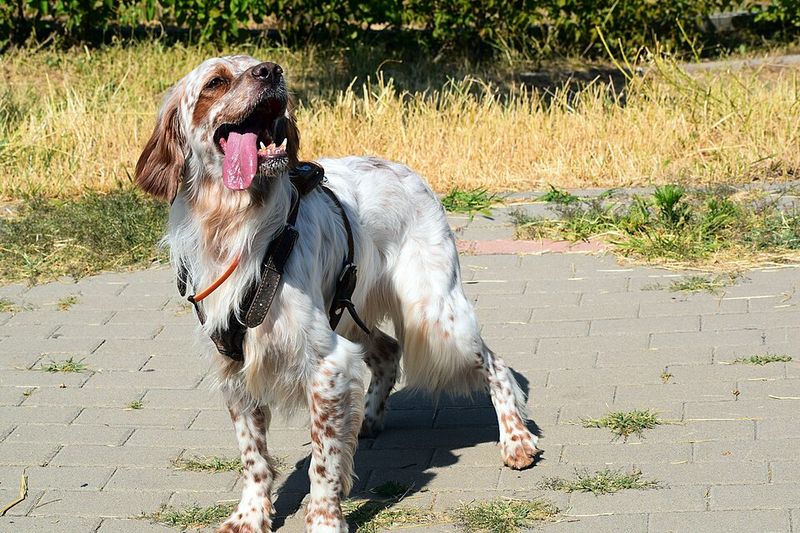
Brittanys have breezy energy, sensitive hearts, and quick minds that sparkle with games. They adore nose driven tasks, fast retrieves, and joyful problem solving.
Too much idle time invites barking concerts and redecorating. Polite enthusiasm grows with structure and sunny feedback.
Mix field style games, urban tracking, and platform drills for variety. Reinforce soft mouths, steady sits, and pleasant delivery to hand.
Teach on off switches using mat work, calm breath, and slow strokes. Encourage check ins, then reward curiosity about new textures and sounds.
Happy structure channels sparkle into lovable manners everywhere. Progress sticks when criteria stay clear and wins feel frequent.
Soon that playful mind focuses like sunshine through glass. You will grin.
Promise. It happens.
Labrador Retriever
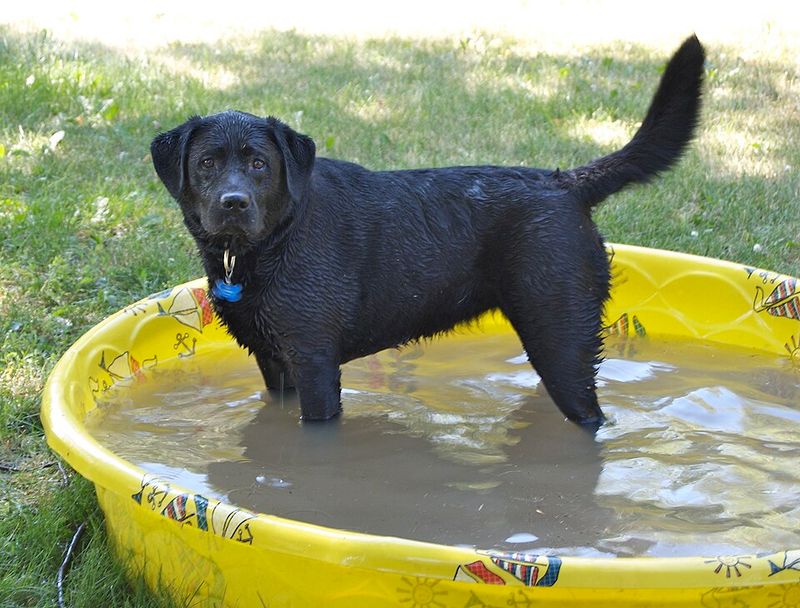
Labrador Retrievers love learning, especially when food or fetch becomes part of the lesson. They excel at marker training, discrimination tasks, and calm duration.
Overexcitement happens, so build steadiness around doors, bowls, and visitors. Teach patience before pressure, and watch brilliance bloom.
Blend retrieves with impulse control, lining drills, and polite delivery to hand. Use scent games, platform targets, and water confidence to diversify thinking.
Reinforce loose leash walking, settle on mat, and relaxed greetings daily. Vary environments and proof calmly so success feels inevitable.
Finish with snuggles and a satisfied, happy sigh beside your chair. Labs work hard when taught clearly and kindly.
They will give you everything for fair games. Every single day.
Miniature Schnauzer
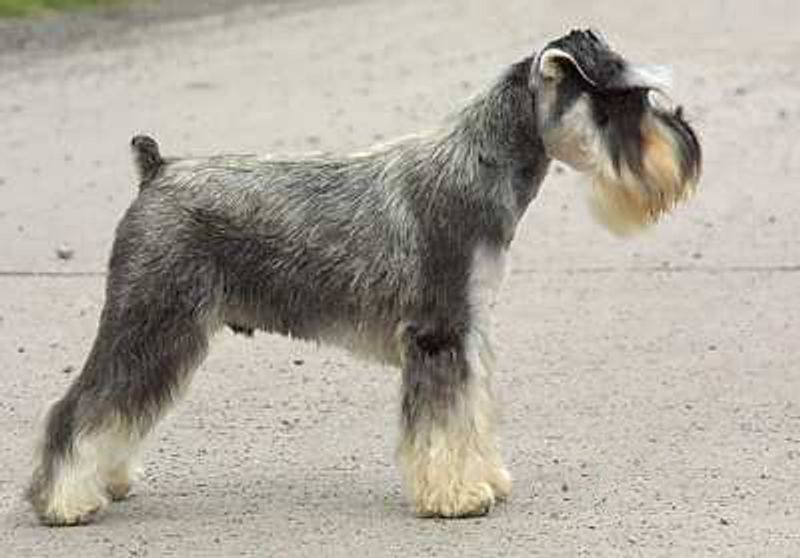
Miniature Schnauzers are zesty, observant students who love tidy challenges. Clear rules, upbeat games, and consistent criteria keep their minds content.
They can be vocal project managers, so assign real tasks. Confidence grows when success is frequent and fair.
Teach platform boundaries, nose targets, and elegant heel pivots. Mix food play with toy chases, always rehearsing good outs.
Practice impulse control around doors, squirrels, and exciting visitors. Sprinkle trick shaping, chin rests, and paws up for strength.
Finish with sniff walks and cozy couch time to seal learning. Celebrate tiny tries, reset quickly, and keep momentum friendly.
Soon the sass turns into sparkling cooperation. Neighbors will notice calmer walks.
You will notice easier evenings. Guaranteed.