
Some dogs do not rush in. They pause, read the room, and then choose exactly the right move.
If you love calm confidence and thoughtful responses, these breeds will feel like kindred spirits. Let’s explore dogs that watch first and act with purpose, plus a few that seem almost supernaturally aware.
Akita
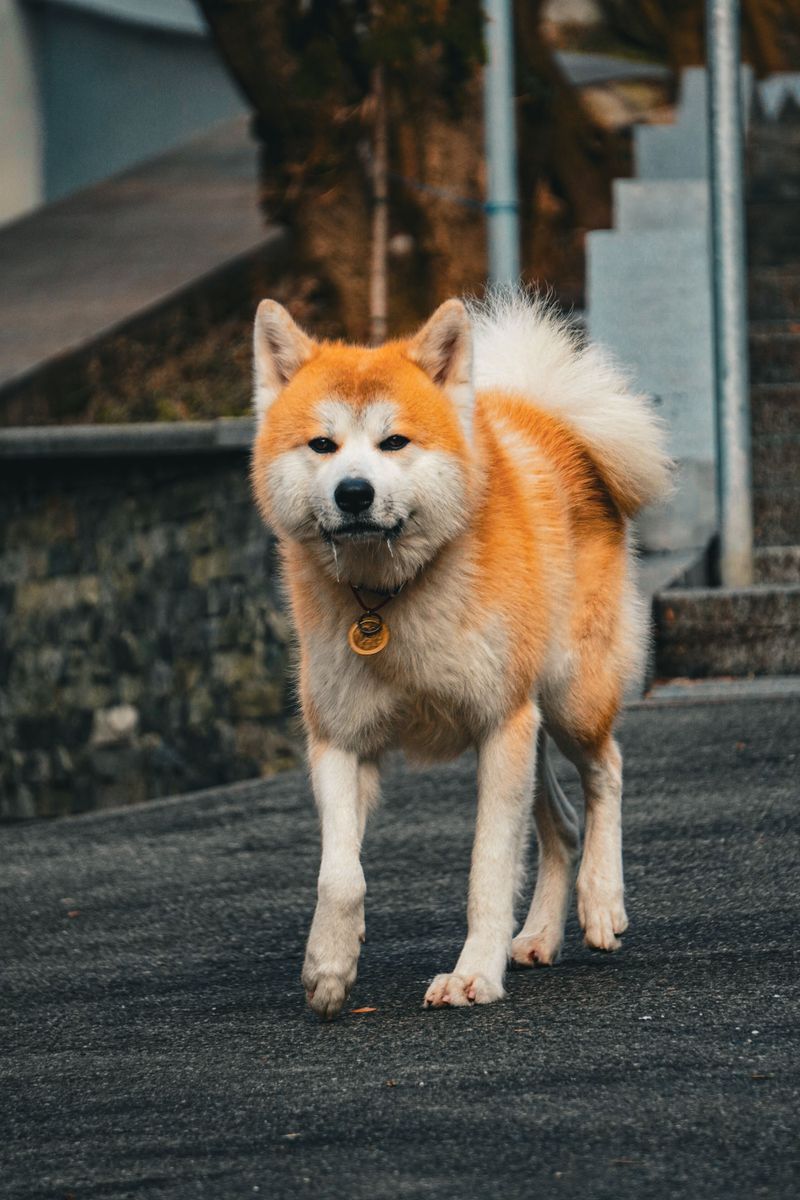
Reserved and dignified, the Akita often studies a scene before choosing a response. You can feel that steady gaze weighing options, filtering noise from signal.
That quiet patience makes home life calm, yet it also means visitors get a polite once over before tail wags arrive. With consistent structure, the Akita channels instinct into thoughtful decisions.
You will appreciate how little startles this breed when routines are clear.
Outdoors, the Akita scans like a sentinel, preferring to confirm before committing. Training should be brief, fair, and interesting to harness that big brain.
Use purposeful games that reward impulse control and observation. Socialize early, reinforce neutrality, and keep exercise steady.
Do that, and you gain a loyal companion who thinks first, then acts.
Great Pyrenees
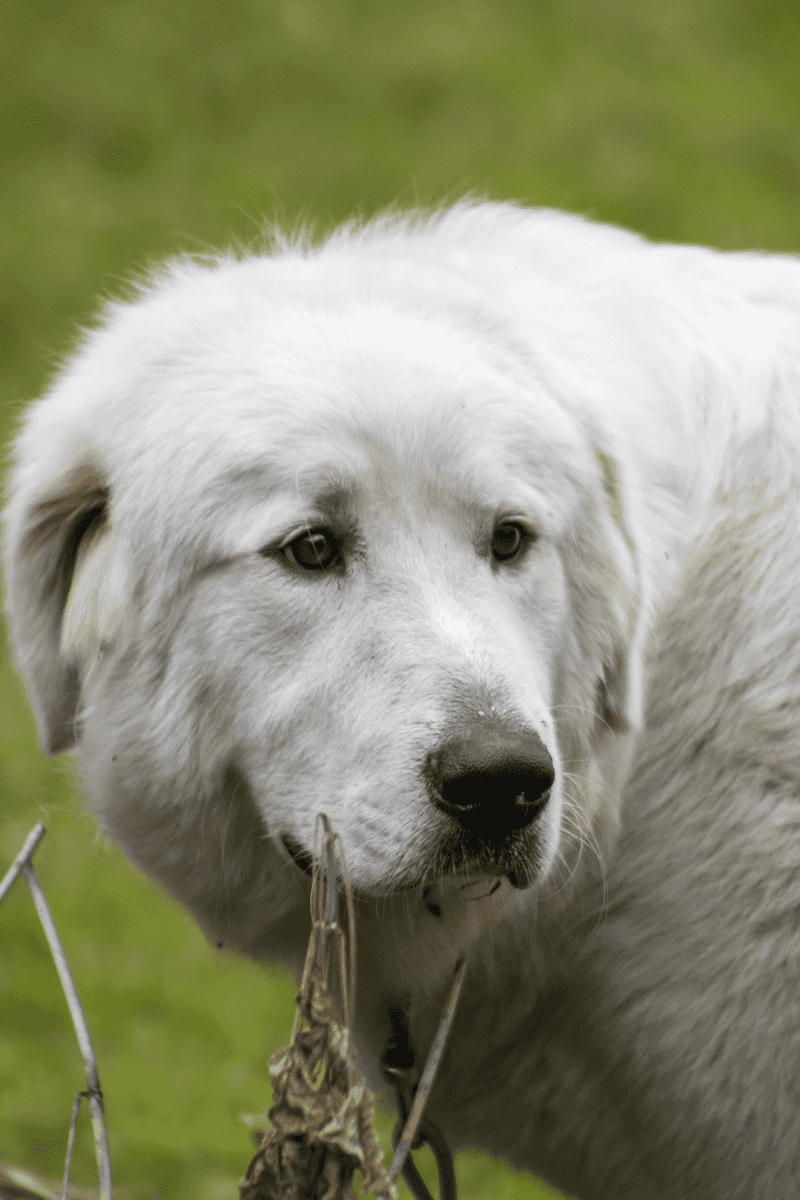
Gentle yet vigilant, the Great Pyrenees prefers to watch from a slight remove before stepping in. You will notice a calm appraisal whenever something changes, like a door closing or a car pulling up.
That quiet judgment evolved from solitary mountain duty, where false alarms wasted energy. At home, it translates into soft confidence and rare barking that actually means something.
Clear routines help the dog decide wisely without pressure.
Outside, the Pyrenees sets a perimeter with eyes first, feet second. Keep training low key, rewarding steady choices and loose leash manners.
Short, thoughtful sessions beat drilling. Socialize early with controlled greetings so suspicion becomes discernment.
Provide cool rest spots and moderate exercise. You get a guardian who responds with purpose, not panic.
Anatolian Shepherd Dog
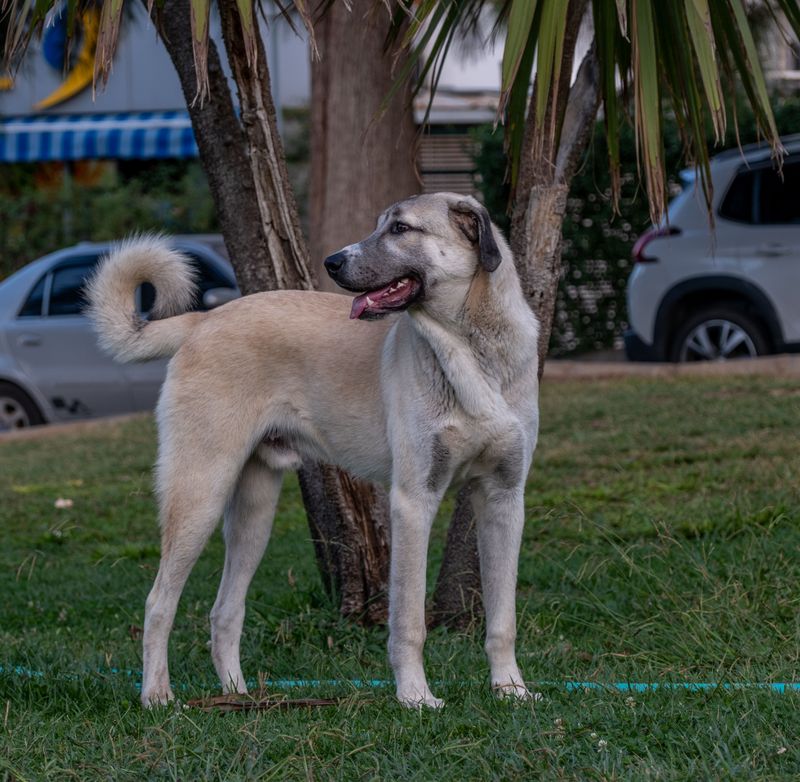
Calm, independent, and observant, the Anatolian Shepherd Dog is famous for pausing to assess. You will see the head tilt, the still stance, and then a measured choice.
That slow burn is not stubbornness, just serious work ethic shaped by vast pastures. Loud handling backfires, while respectful guidance earns trust.
With clear jobs and boundaries, the dog becomes a steady partner around property or family.
Training should emphasize neutrality, recalls, and thoughtful leash skills. Keep sessions short, purposeful, and varied, with generous payment for correct decisions.
Early socialization prevents over guarding while preserving discernment. Provide acreage walks, scent games, and quiet downtime.
Do that consistently, and you will share life with a protector who thinks through every move.
German Shepherd
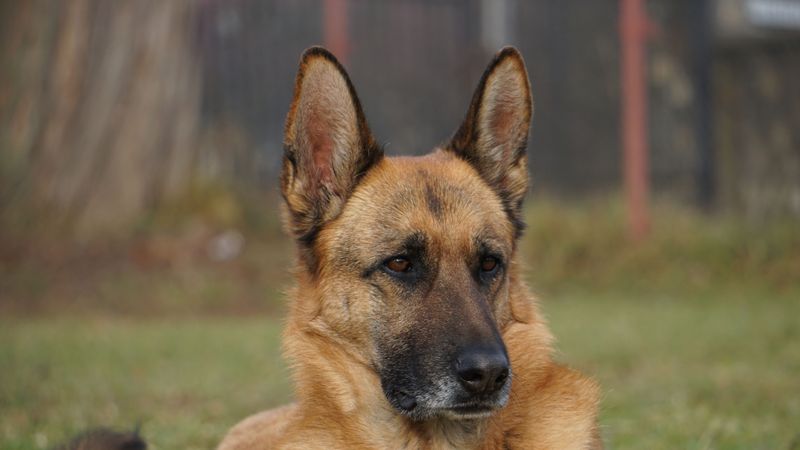
German Shepherds read rooms like seasoned professionals, often pausing to parse intent before reacting. You will see ears flick, eyes soften or sharpen, and then a deliberate choice.
That balance of thought and drive makes them flexible partners in family life. Structure, fair rules, and meaningful work keep judgment crisp rather than nervy.
When expectations stay consistent, their calm confidence grows steadily.
Training thrives on clarity, timing, and varied environments. Mix obedience, tracking, and play to satisfy body and brain.
Reward impulse control, neutrality around strangers, and focused engagement. Socialize early, but let the dog observe before greeting.
Regular decompression walks are golden. Handle that rhythm well, and you get a brilliant companion who thinks first and moves with purpose.
Belgian Malinois
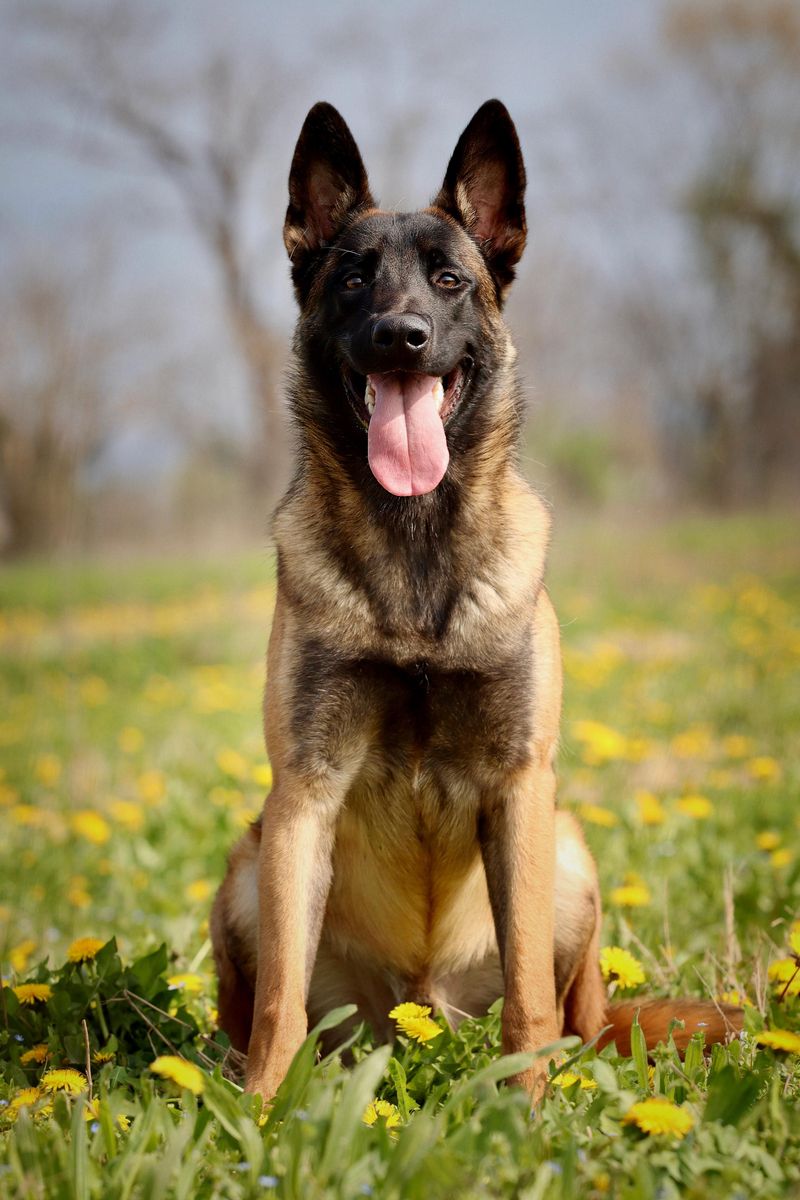
The Belgian Malinois notices everything, yet the best examples pause to choose the right response. You can channel that hyper awareness into thoughtful stillness before action.
Teach a breath, a wait, and a release, and the dog becomes surgical. Without structure, energy outruns judgment, so routines matter.
Keep life predictable, challenging, and fair, and you will see incredible discernment bloom.
Training thrives on precision and short, intense sessions. Build marker fluency, impulse control, and quiet holds before explosive work.
Rotate obedience, detection games, and grip development responsibly. Socialize with neutrality, rewarding check ins and calm observation.
Provide off switch practices and genuine rest. Done well, the Malinois reacts quickly, but only after thinking hard about what truly needs doing.
Doberman Pinscher
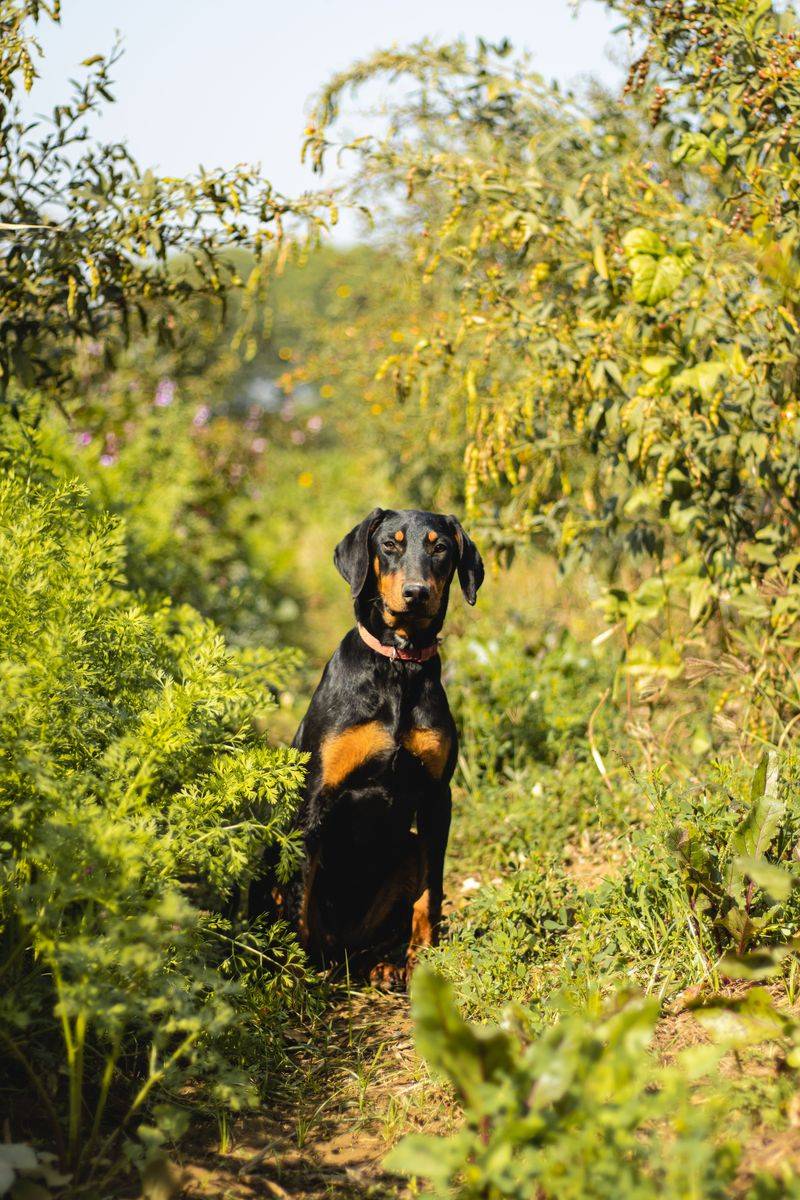
Elegant and tuned in, the Doberman Pinscher often watches quietly from your side before stepping forward. You will notice a natural preference to analyze faces and tone, then decide.
That sensitivity is a gift when paired with confident leadership. Keep rules simple, communication crisp, and outlets meaningful.
When uncertainty fades, a Doberman’s judgment shines brightly in daily life.
Training should reward neutrality, impulse control, and clean heeling that encourages eye contact. Mix short obedience reps with scent work and relaxed decompression walks.
Introduce guests calmly, letting the dog observe before greeting. Socialize widely while preserving courtesy.
Provide structured play that ends on a settle cue. Do these things consistently, and you will have a guardian who thinks first, then responds smartly.
Border Collie
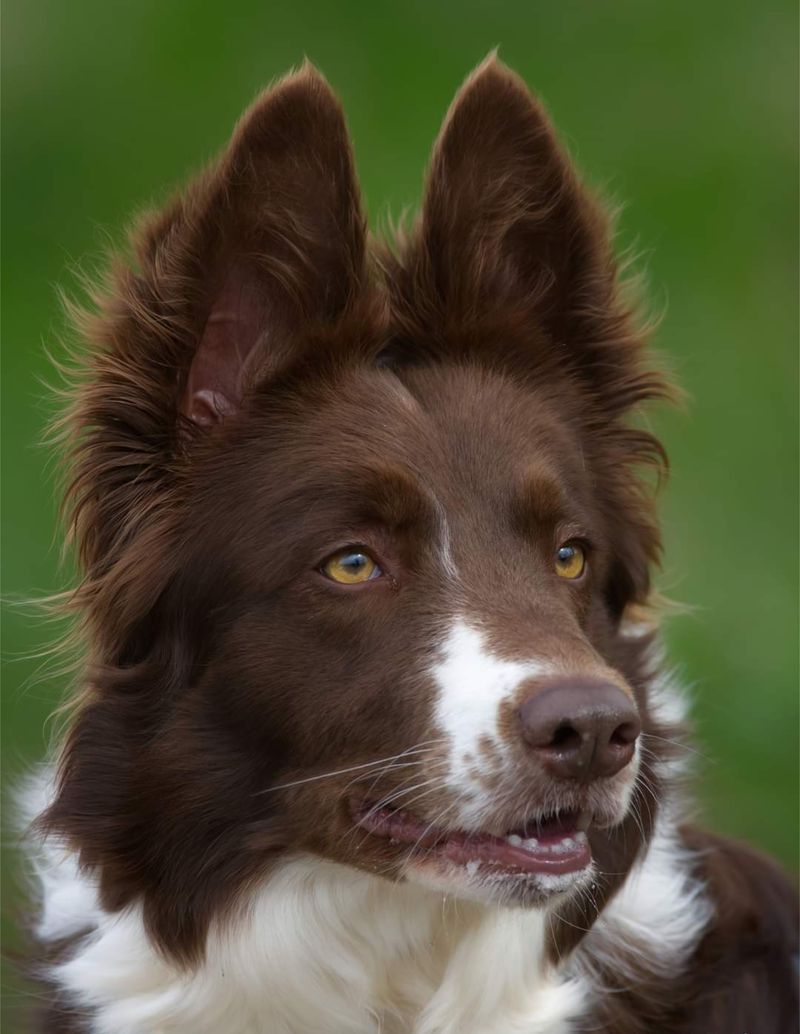
The Border Collie is famously observant, often freezing for a beat to assess motion, posture, and intent. You will see eyes lock, body lower, and then a precise response.
That thoughtful sequence makes life smoother when you give jobs and variety. Without direction, the brain invents chaos, so structure saves everyone.
Clear boundaries plus engaging work transform raw vigilance into wise choices.
Training should combine herding style impulse control with puzzle solving. Use place, down at a distance, and look at that games.
Rotate fetch, scent puzzles, and obedience to balance arousal. Socialization should reward neutrality around fast moving triggers.
Provide daily decompression and real naps. Do this rhythm, and you get a thinker who watches first and acts with perfect timing.
Shiba Inu
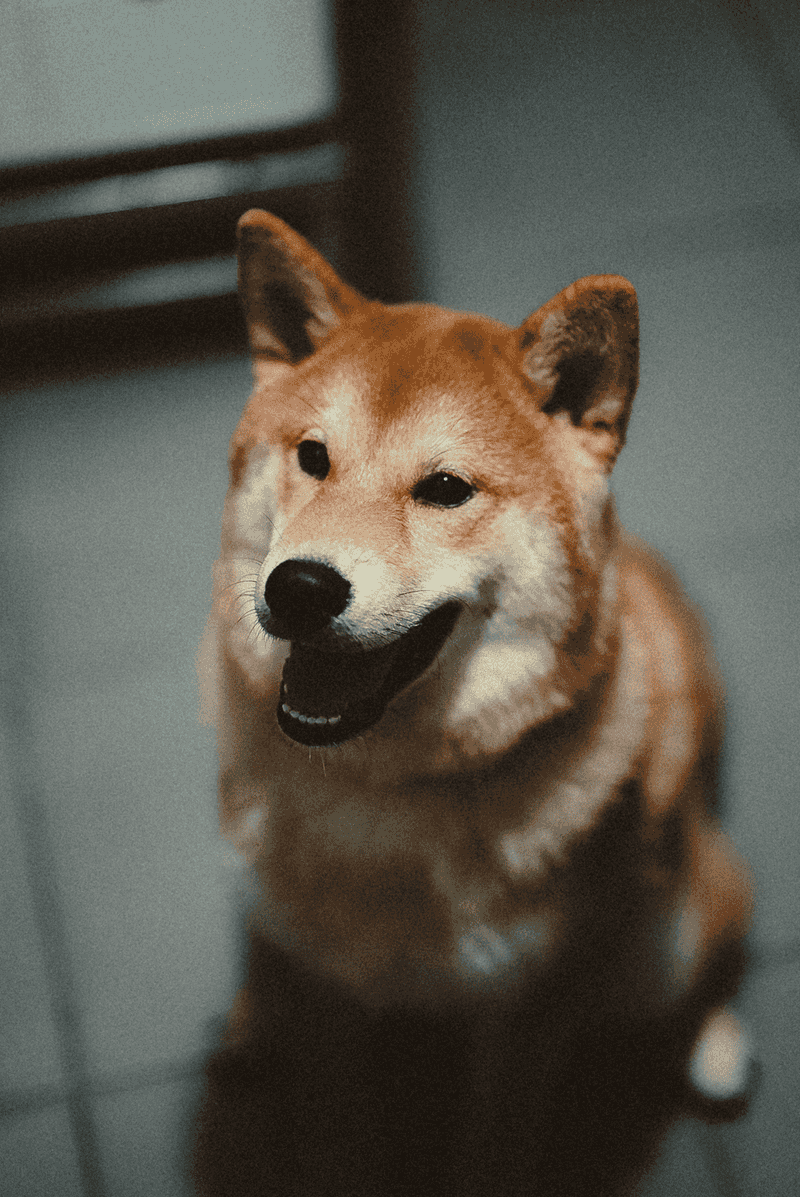
Independent and keen, the Shiba Inu prefers to pause and evaluate before engaging. You will notice a calm scan of the environment, then a deliberate move.
That reserve can look aloof, but it is thoughtful self possession. Clear expectations and predictable routines help decisions come easier.
Lean into choice based training so the dog opts into cooperation.
Keep sessions short, fun, and highly reinforcing. Teach solid recalls, hand targets, and a reliable settle to encourage impulse control.
Reward quiet observation around dogs and strangers. Avoid harsh methods, which damage trust and make hesitation linger.
Provide puzzle feeders, sniff walks, and calm handling. Do that, and you gain a clever companion who watches the world, then responds on purpose.
Chow Chow
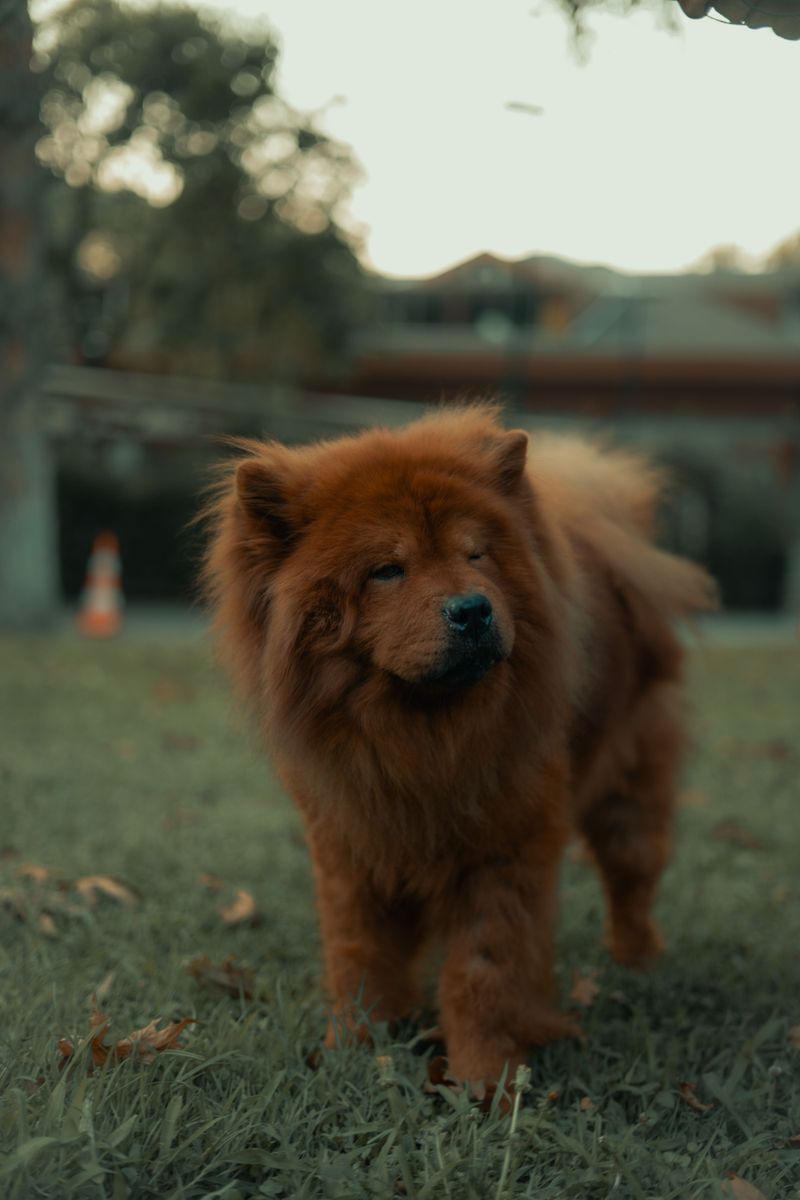
The Chow Chow is famously reserved, often choosing to observe from a dignified distance. You will notice a thoughtful pause before greetings, commands, or new experiences.
That cool demeanor is not disinterest, just careful evaluation. Respectful handling, predictable routines, and slow introductions build trust.
When pressure is low, their quiet loyalty shows beautifully at home.
Training should emphasize cooperation without confrontation. Use tasty rewards, short sessions, and clear markers to guide choices.
Practice grooming calmly so the dog learns to settle during handling. Socialize early with calm, polite dogs and people.
Provide steady exercise and cozy rest spaces. Do that consistently, and you gain a regal companion who watches the room, then moves with gentle purpose.
Rhodesian Ridgeback
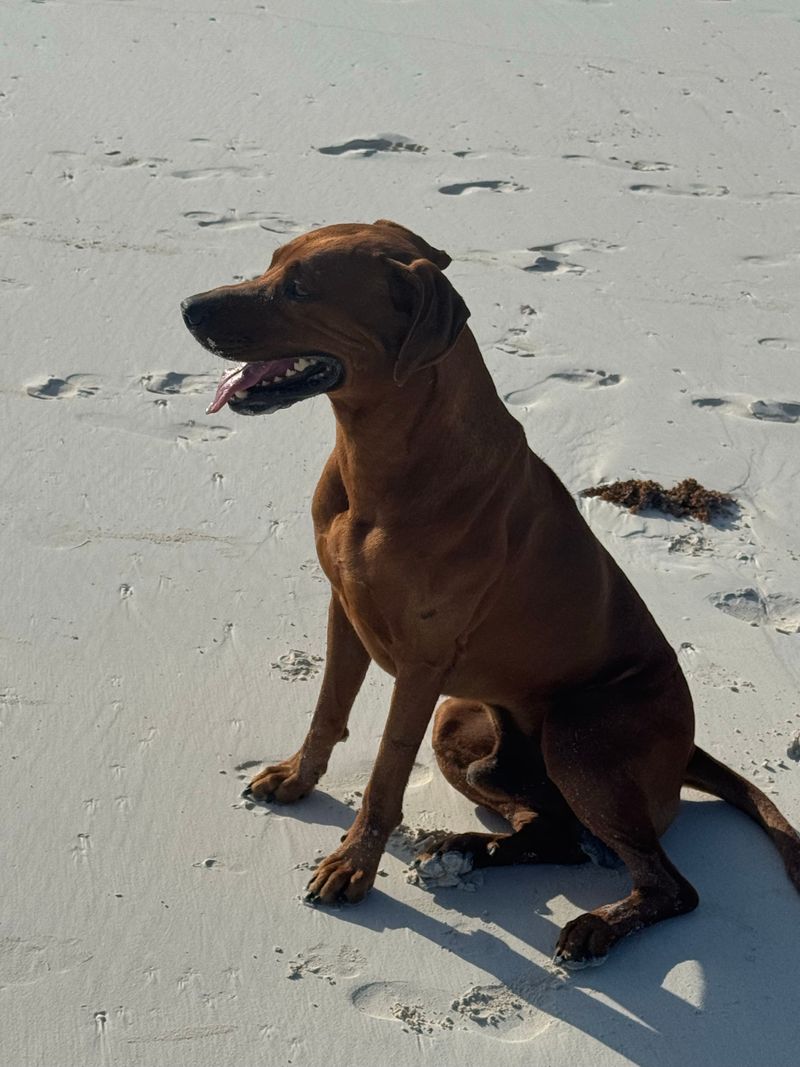
The Rhodesian Ridgeback is a quiet watcher, content to evaluate first and step in only when needed. You will see a relaxed silhouette, then a decisive move when purpose appears.
That economy of motion makes apartment life feasible with proper outlets. Clear rules, respectful handling, and daily runs keep judgment balanced.
When pressure rises, this breed prefers measured responses over noise.
Training should lean on impulse control, check ins, and recall reliability. Use food and play, but end sessions before boredom.
Socialize early with athletic dogs and steady humans. Reward neutrality toward wildlife and joggers.
Provide trail time, nose work, and soft places to nap. Done right, you get a courageous companion who thinks carefully, then commits completely.
Giant Schnauzer
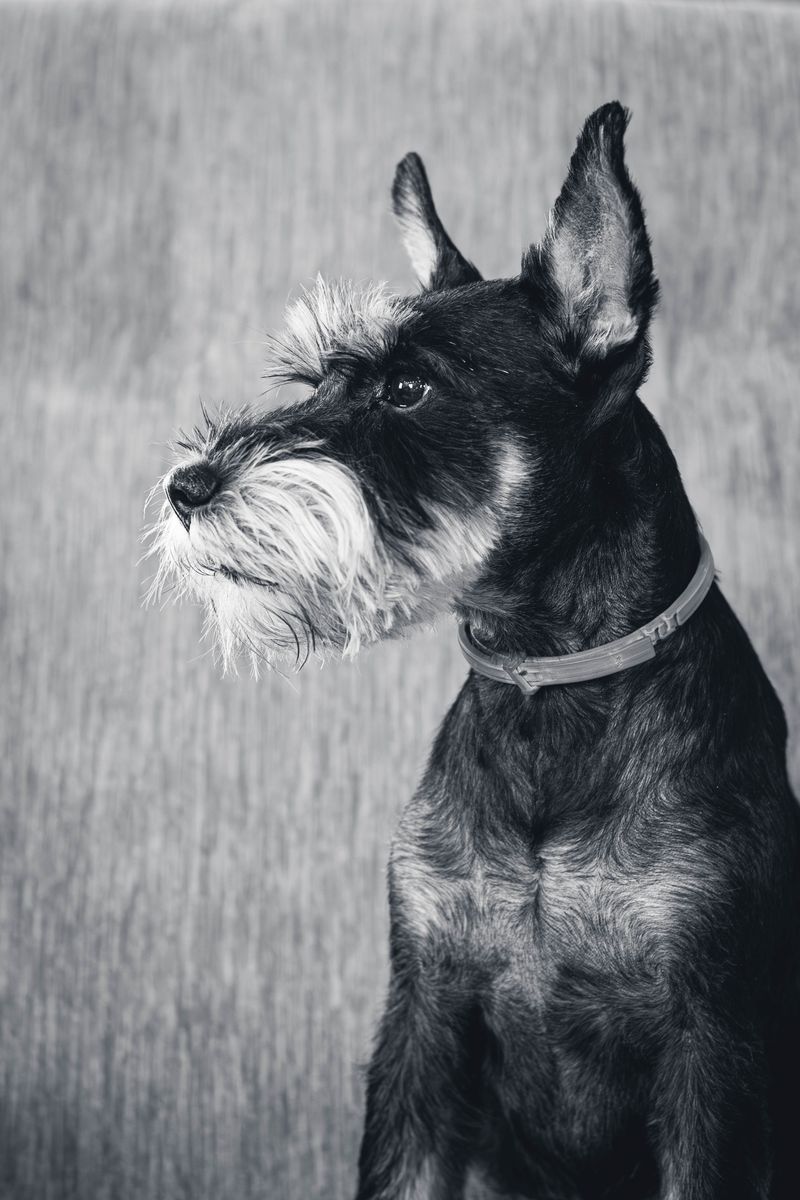
Powerful and purposeful, the Giant Schnauzer watches closely before engaging. You will notice a steady stare, a quick calculation, and then a crisp response.
That working mindset needs channels or it overflows at home. Clear jobs, fair rules, and thoughtful socialization maintain discernment.
With structure, the dog stays composed even when life gets noisy.
Training should highlight stillness, neutrality, and clean obedience under distraction. Use tug and food strategically, rewarding calm holds and patient focus.
Rotate tracking, protection foundations, and scent games responsibly. Introduce strangers in controlled settings, letting the dog observe first.
Provide decompression walks and real off switch time. Do that, and you earn a formidable partner who thinks first and works with intention.
Beauceron
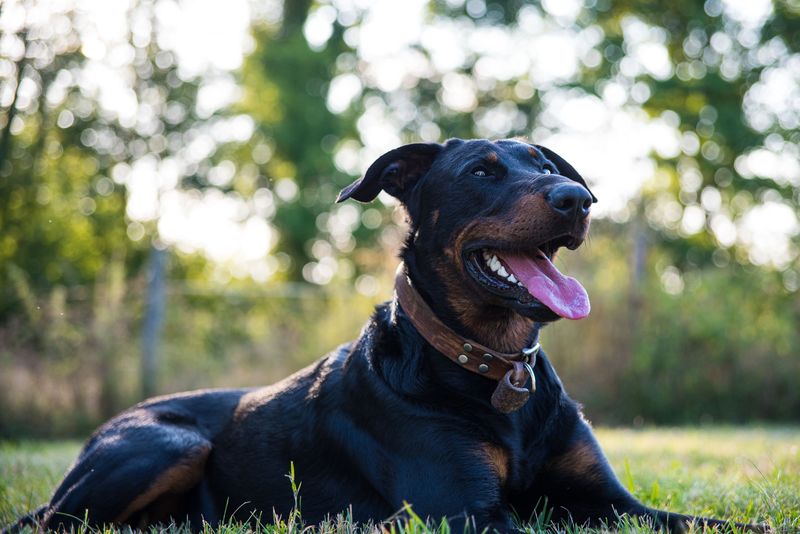
The Beauceron blends sensitivity with steel, often pausing to consider the picture before responding. You will see quiet scanning, then a decisive stride that looks effortless.
That reflective nature thrives with fair leadership and real work. Keep communication crisp, avoid nagging, and give outlets that feel meaningful.
With those pieces, the dog’s judgment becomes a daily asset.
Training should stress neutrality, long downs, and calm heeling under pressure. Use food, toys, and clear markers to reward patience and accuracy.
Rotate tracking, obedience, and herding style games to balance mind and muscle. Socialize early with polite exposure, not chaotic crowds.
Provide decompression hikes and structured rest. Handle the plan well, and you gain a thoughtful partner who answers needs, not noise.
Australian Shepherd
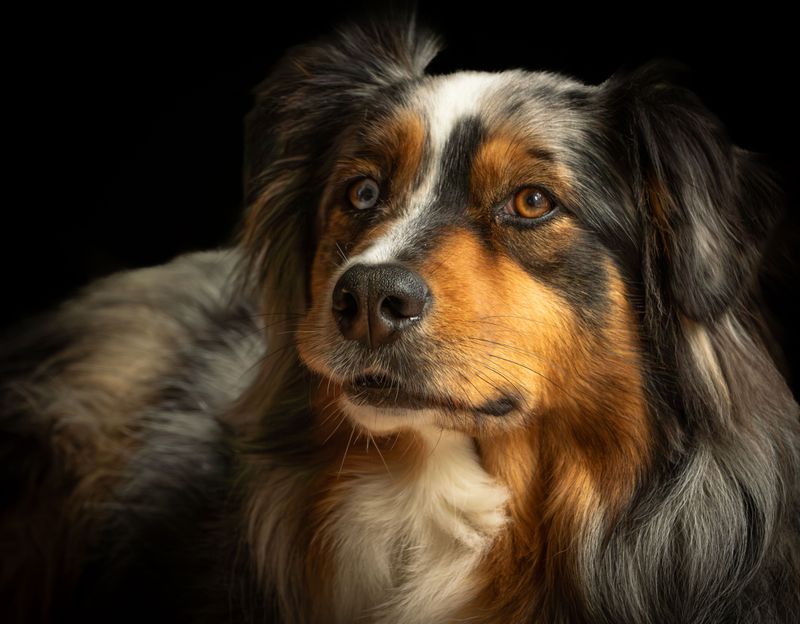
Curious and quick, the Australian Shepherd benefits from a breath before action. You will notice bright eyes take stock, then a clean decision that feels purposeful.
Without guidance, energy can spill into reactivity. With structure, chores, and brain games, observation becomes a superpower.
Keep life predictable, challenging, and kind to channel that spark into wisdom.
Training should balance motion and stillness. Teach off switch cues, place, and down stays that hold amid excitement.
Rotate agility foundations, herding style games, and scent puzzles. Reward neutrality around livestock, cyclists, and kids running.
Socialize early with measured exposures, not chaotic crowds. Do these things, and you will enjoy a savvy partner who watches closely, then executes with heart.
Shetland Sheepdog
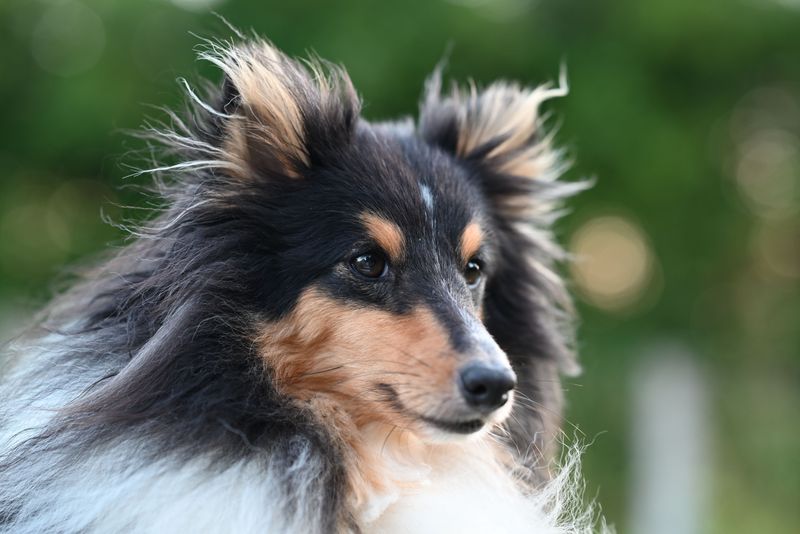
The Shetland Sheepdog notices subtle shifts and often pauses, ears quivering, to interpret them. You will see a soft gaze, then a tidy response once meaning is clear.
That thoughtful streak needs outlets or worry can creep in. Gentle structure, clear expectations, and daily games build confidence.
When you lead kindly, the dog’s cautious wisdom becomes comfort.
Training should favor short sessions with upbeat markers. Teach reliable recalls, mat work, and look at that games to redirect concern.
Reward neutrality toward doorbells and sudden movement. Socialize gradually with kind dogs and people.
Provide puzzle toys, controlled fetch, and decompression walks. Do this rhythm, and you will enjoy a sensitive partner who watches first, then chooses carefully every time.
Papillon
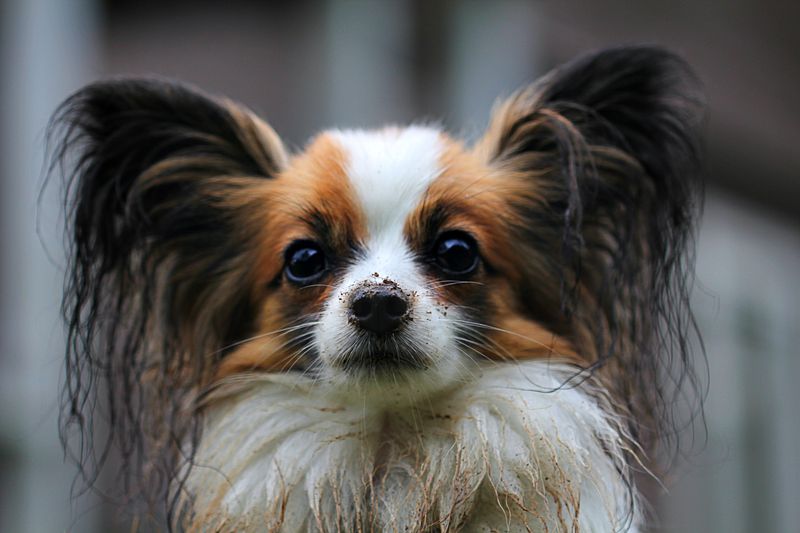
The Papillon may be small, but the mind is bright and observant. You will see those feathered ears gather data before tiny feet spring.
That pause makes living with such energy easier. Provide structure, variety, and gentle leadership, and you will get thoughtful choices instead of constant fizz.
This breed loves to collaborate when expectations are clear.
Training should be light, fun, and frequent. Teach impulse control through hand targets, perch work, and short stays.
Rotate trick training, rally foundations, and scent games to engage the brain. Reward neutrality around doors, bags, and clatter.
Socialize early with considerate handling. Do all that, and you will enjoy a spark of genius who watches first, then dazzles on cue.