
If your dog acts wired no matter how far you walk, the real fix might be structure, not miles. Routines help their brain predict what comes next, which melts away so much anxious energy.
You will see calmer choices when the day has a repeatable rhythm and clear cues. Here are the telltale signs your dog is craving consistency, plus a few overlooked clues you can start using today.
Constant pacing around the house
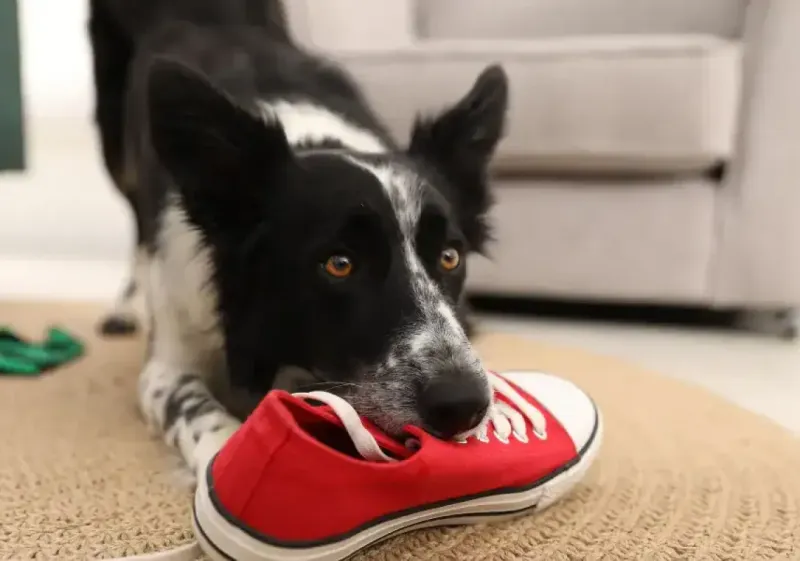
Notice your dog tracing laps from hallway to couch to door, like they are on a mission with no finish line. That restless loop often signals confusion about what happens next, not a need for another mile.
Clear time blocks for play, training, and quiet settle time give their brain a map.
Try patterning calm first, action second, calm again, using the same cue and spot. Reward choosing the bed on their own, then release to something fun, then back to rest.
When the order feels predictable, that anxious march softens, and your home finally exhales. If pacing returns, shorten walks slightly and add scatter feeding, lick mats, and decompression sniffing.
Consistency beats distance when brains feel wobbly. Most days.
Difficulty settling after exercise
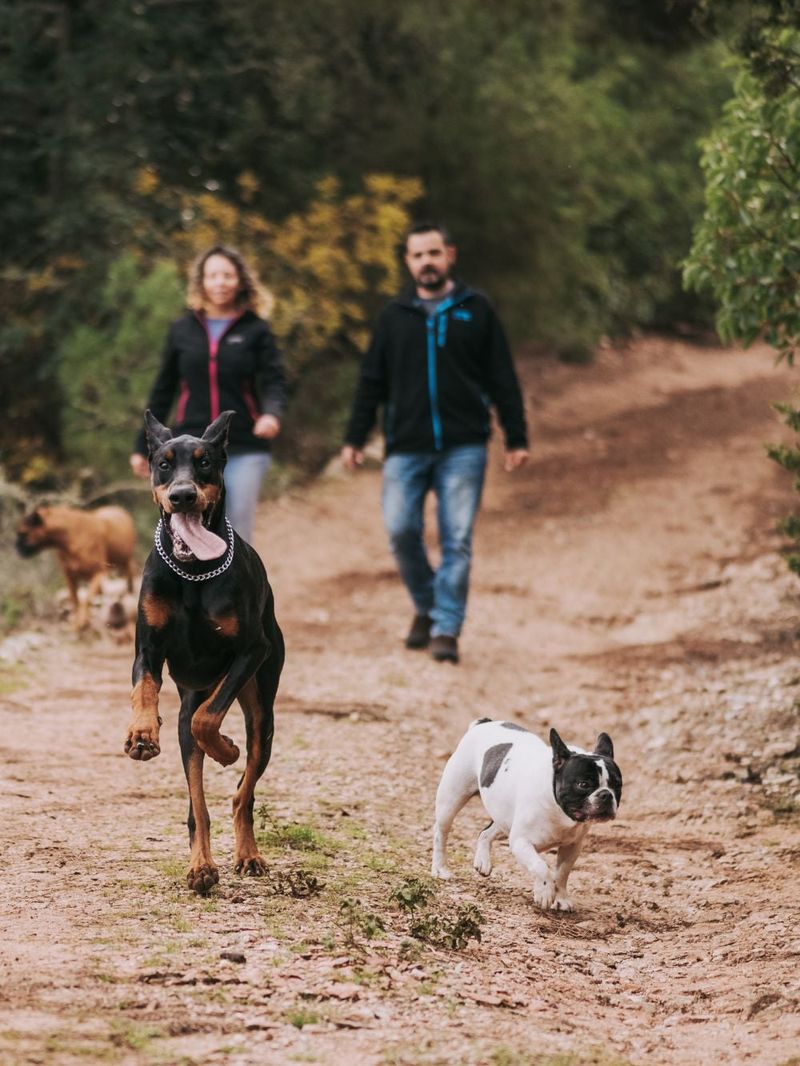
You come home from a solid walk, yet your dog stands, pants, and scans instead of melting into the bed. That buzzing aftermath usually means the arousal needle stayed high, and there is no cue that signals off switch.
A predictable cool-down routine helps the nervous system glide from go to slow.
Try five minutes of sniffing in the yard, then a scatter feed, then the same settle cue on the same mat. Keep voices soft, lights lower, and movement boring.
Reward stillness you did not ask for, tiny calm choices that stack like bricks. Over days, your dog learns that exercise is followed by recovery.
The body stops chasing more motion, because the next step is always rest.
Following you from room to room excessively
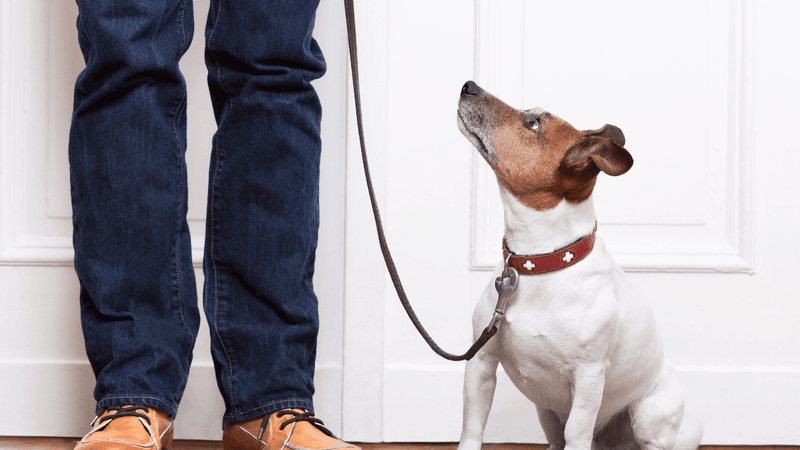
Shadowing can feel sweet, but constant tailing is often uncertainty in disguise. Your dog is checking, what now, what next, where are we going, can I miss it.
Routines answer those questions before they are asked, so your follower feels safe parking on a bed instead of your heels.
Teach a place cue tied to predictable moments like coffee time, laptop time, and dinner prep. Reward staying put while you move, then return often with quiet treats.
Provide a chew or lick mat after the release, keeping choices simple. Over time, your steps stop being a schedule.
The mat becomes the plan, and your dog’s confidence stretches into the spaces between you.
Demanding attention at random times
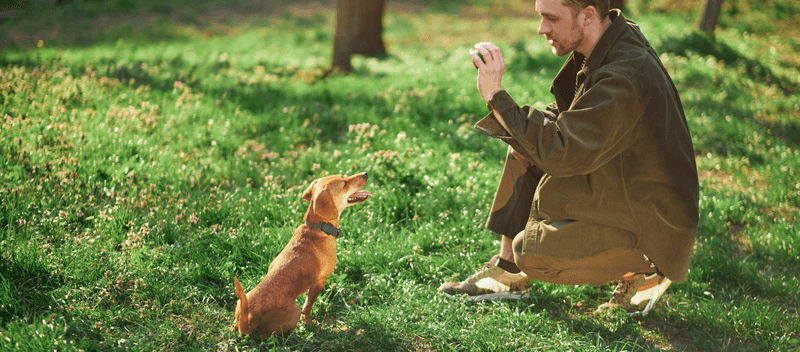
Nose pokes, paw taps, and toy dumps at unpredictable times are not rudeness. They are timekeeping requests from a dog who lacks a clock.
When the day has no pattern, attention becomes the only button they know how to press.
Put attention on a schedule you control. Short, frequent micro sessions of play, training, and cuddles earn big calm between them.
Mark the start with the same phrase, and the end with a clear all done. If nudging returns, guide to a mat and pay any self-soothing choice.
Over a week or two, random asks shrink because predictable yeses arrive. Your dog learns when warmth happens, and when rest is the job.
Jumping on guests despite knowing the cue
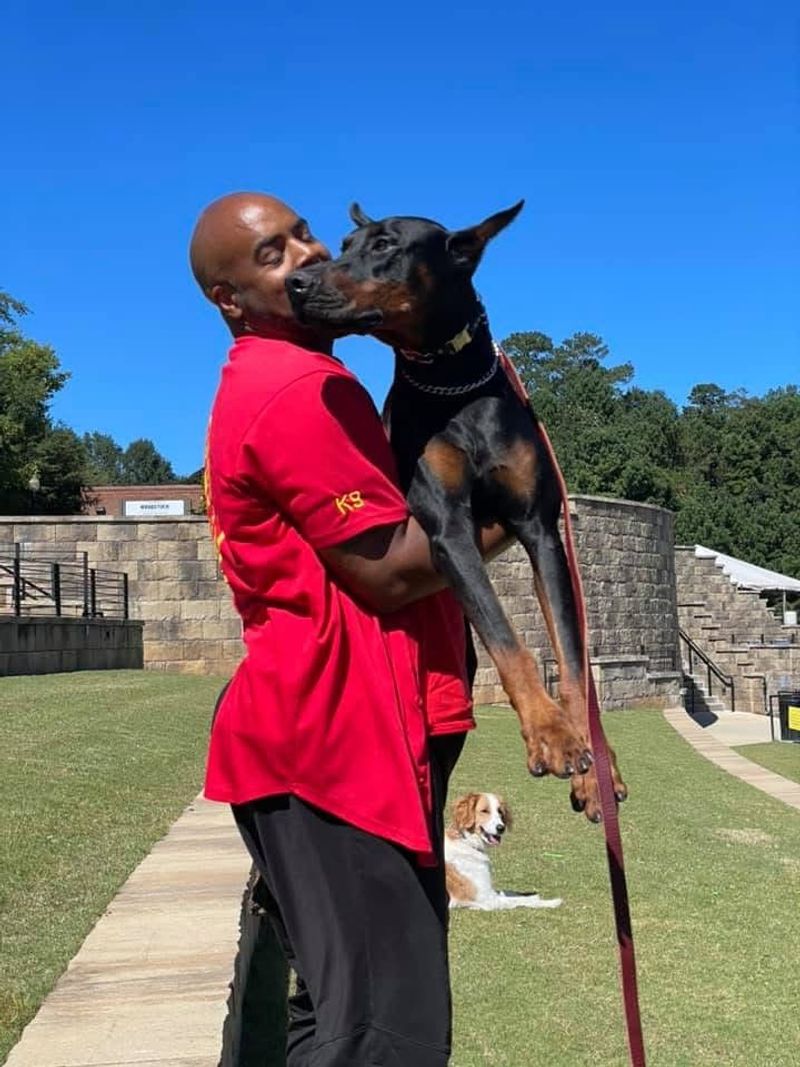
Doorways are excitement amplifiers. Even a dog who knows off in the kitchen can forget it when the bell rings and people flood the threshold.
That is not stubbornness. It is arousal crushing weak routines.
Create a guest arrival script and practice it when no one is actually visiting. Cue to a station several feet from the door, reward heavily for four paws and eye flicks away.
Bring guests in slow, with soft voices and zero reach-ins at first. Rehearse the same steps with one friend, then two, then varied times of day.
When your dog expects this pattern, the body defaults to station, not spring. The cue becomes reliable again because the moment makes sense.
Barking when daily routines change
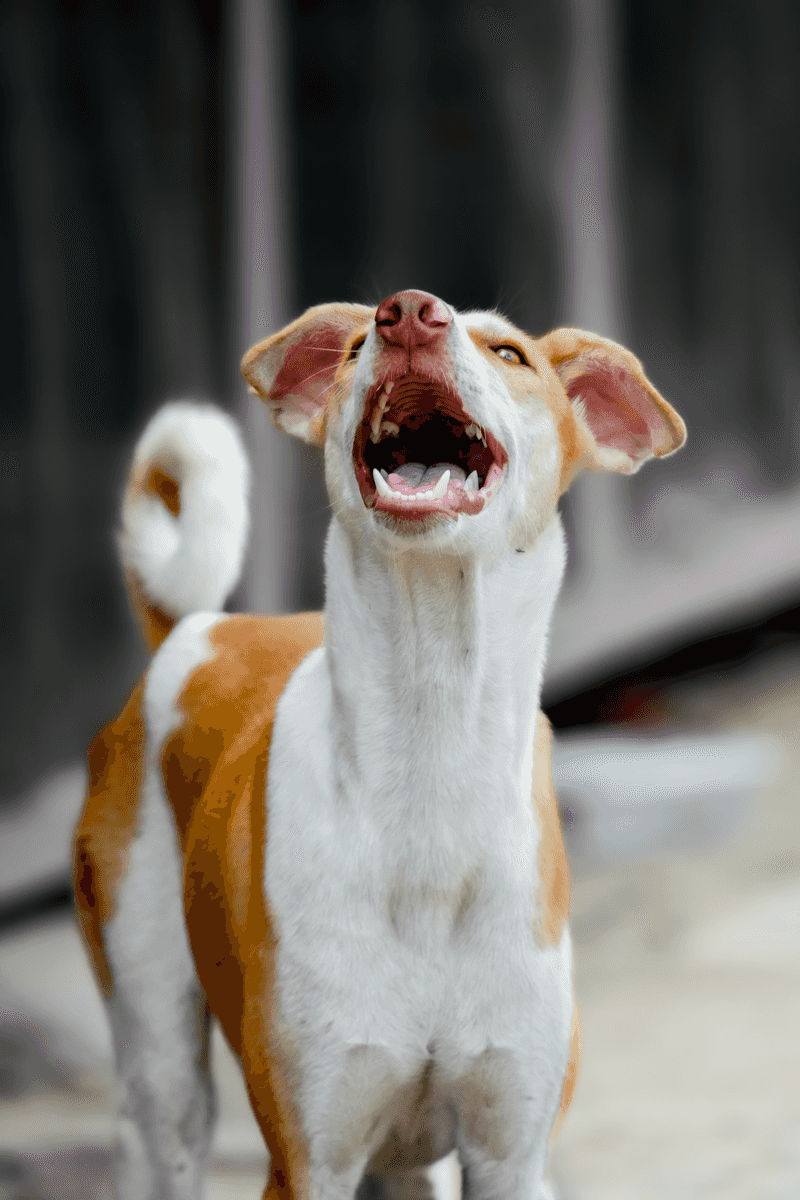
Some dogs bark when the morning goes off script by fifteen minutes. New coffee time, different shoes, a skipped hallway stop, and the alerts start.
That noise is a protest against uncertainty more than a neighborhood security memo.
Anchor the day with keystone rituals that rarely shift. Potty, breakfast, rest, work time, play slot, evening wind down.
Name each chapter, and use the same feeder cues like scents or sounds to signal change. When you must pivot, lower intensity elsewhere.
Shorter walk, extra sniffing, extra settle pay. Over time, your dog learns that change lives inside a safe frame.
The voice fades, because clarity speaks louder than the bark.
Ignoring commands they usually know

There are days your dog stares through familiar cues like the words turned to static. Often, the problem is not stubbornness but bandwidth.
Without rhythm to the day, arousal stacks and easy skills feel distant.
Rebuild reliability inside a routine that protects focus. Train during low arousal windows, use short two minute reps, then park on a mat.
Keep cues the same, environment simple, and rewards calm. Fade excitement first, not food.
Then grow to moderate distractions once your schedule sings. When your dog can predict work then rest, the brain returns to you faster.
The sit did not break. The structure did, and now you fixed the foundation.
Restlessness before mealtimes
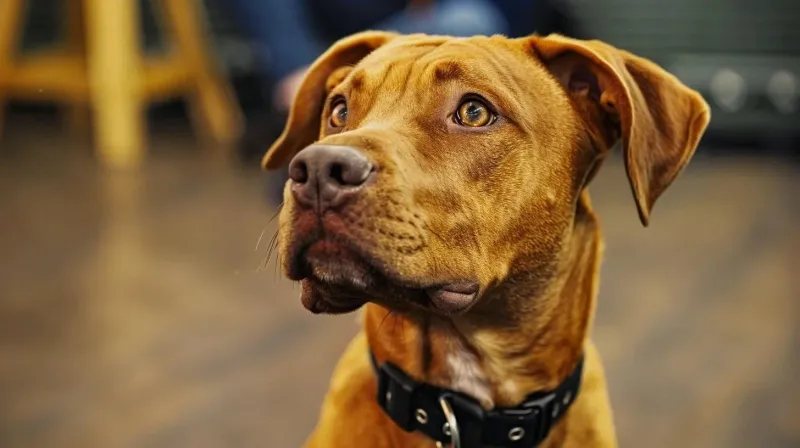
Restless premeal energy is a classic countdown spiral. Spin, whine, paw, stare, repeat.
Your dog is not being dramatic. They are struggling to manage the build up when the rules shift every day.
Place meals at consistent times within a modest window. Add a predictable premeal ritual like a two minute sniffy scatter or a simple hand target game.
Use a release word before the bowl lands so permission is clear. If arousal spikes, break food into two smaller portions with a settle break between.
The brain learns patience because the sequence never surprises. Soon you will see soft eyes and loose posture near the bowl, not frantic storytelling.
Struggling to relax after exciting events
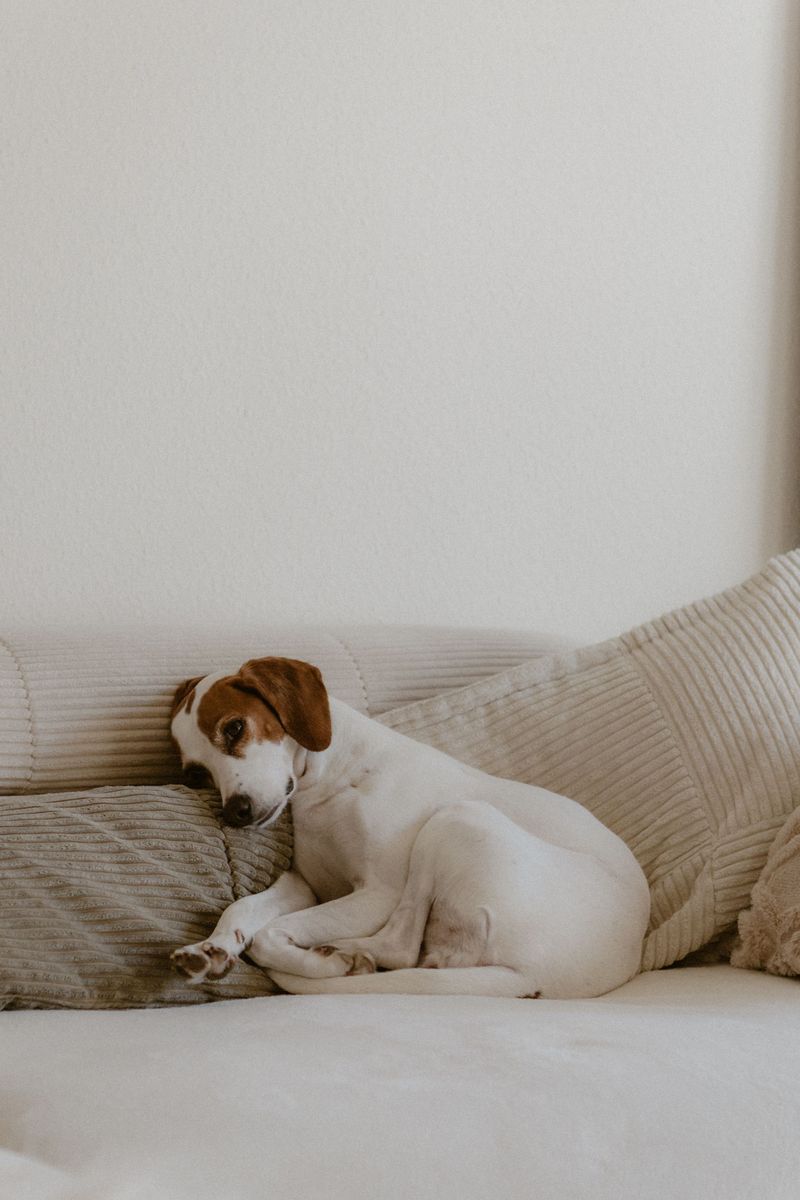
After big fun, some dogs hit the couch but the mind keeps sprinting. That wired-after-party look tells you the transition lacks a path.
A cool-down ritual is the bridge from thrill to thoughtfulness.
Use the same steps after park days, visitors, or training wins. Short sniffy walk, drink, calm scatter, then guided settle on a mat in a low traffic spot.
Dim lights if you can, and reward steady breathing or a hip flop. Pair a predictable scent like lavender dog spray with this routine so the body associates it with downshifting.
Over time, you will watch the sigh arrive sooner. The fun stays sweet because recovery is guaranteed.
Waking you unusually early each morning
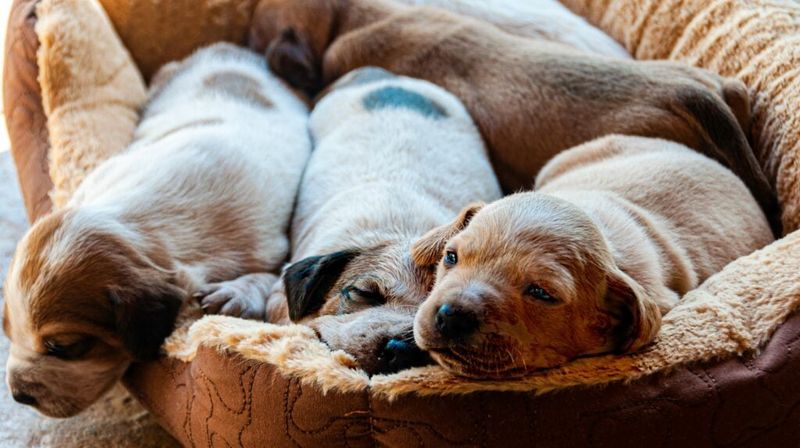
Early wakeups often start as a one time success, then routines quietly reward them. Food arrives, attention flows, doors open, and now the new morning time is locked in.
Your dog is not bossy. They just learned the sequence.
Reset kindly with a firm plan. Quietly leash for a brief potty, then back to bed or mat with minimal chatter.
Shift breakfast later by a few minutes each day, add a predictable settle activity after. Use blackout curtains and a white noise machine if birds are the trigger.
Within a week or so, your dog will sleep closer to your goal. Predictable mornings make predictable sleep.
Becoming overexcited by small daily triggers
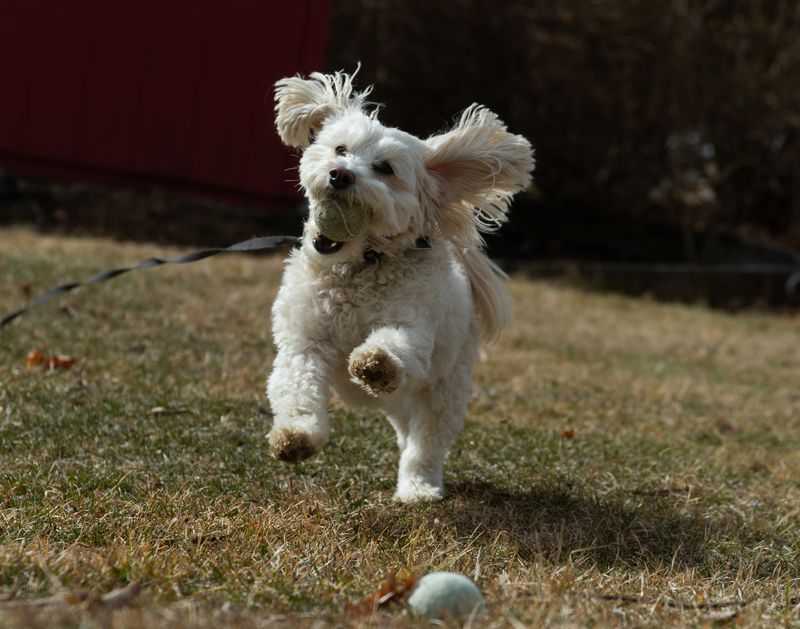
Keys, shoes, a coat zip, or a calendar alert should not launch a fireworks show. If tiny cues feel huge, your dog lacks a steady pattern around transitions.
Predictability shrinks surprises, which shrinks outbursts.
Desensitize inside a routine. Jingle keys, then sit quietly.
Put on shoes, then make tea, no door. Repeat calm first, action later, in the same order daily.
Mark any self-control and release to something simple like a food puzzle. Soon those micro triggers lose their charge because they no longer predict chaos.
Your dog learns that life unfolds in a friendly line, not a jump cut.
Difficulty resting without being told
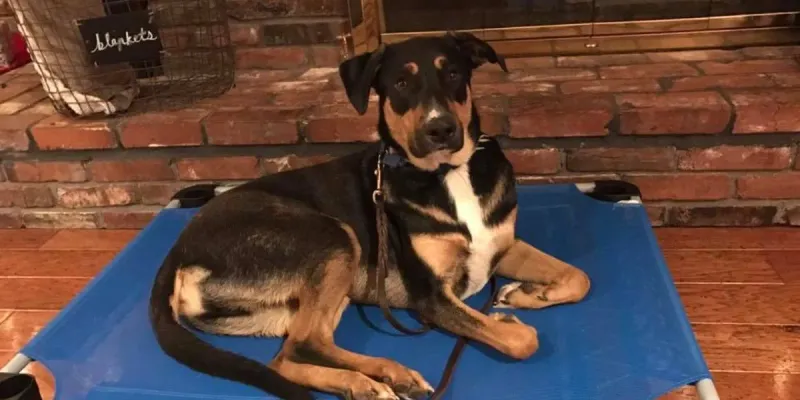
If your dog only relaxes when you cue place, the skill is not yet general. They are borrowing your brain to decide when it is safe to stop.
Routine empowers independent rest as a default behavior.
Schedule several daily calm blocks with no prompts from you. Set up an inviting rest zone and preload with chews, snuffle mats, or a low radio murmur.
Reinforce any choice to lie down without talking first. Over time, fade props and keep the time of day constant.
The habit becomes automatic because the clock does the prompting. Your dog learns off is normal, not special, and your voice can stay lovingly quiet.
Repeatedly testing household boundaries
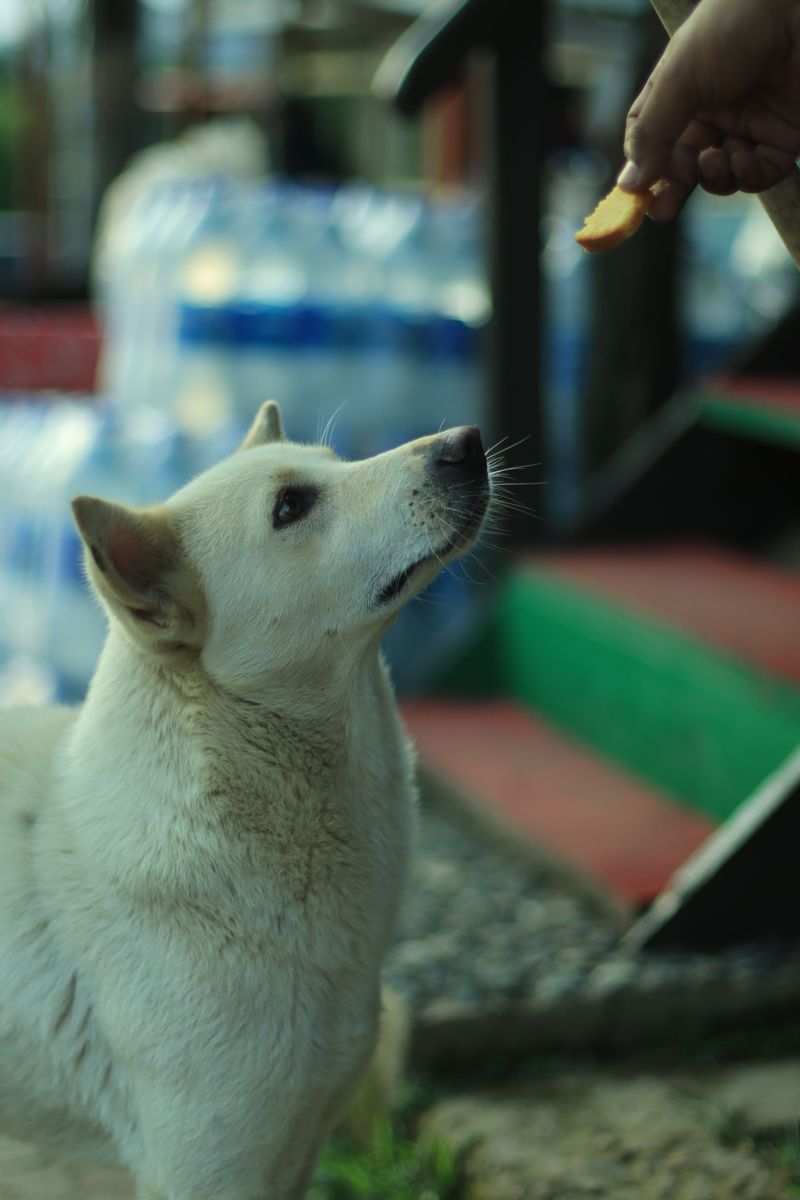
Counter checks, trash peeks, and doorway creeping often spike when rules slide around. Dogs are natural pattern seekers.
If the pattern is maybe, they will keep asking. Clarity is kinder than constant corrections.
Decide the rules, write them down, and make them boringly consistent. Use management first, like closed doors and tethers during cooking hours.
Train alternative routines your dog can predict, such as stationing during meals and a sniffy walk after dishes. Pay generously for following the plan.
Over a few weeks, boundary testing fades because success is obvious and repeatable. Your dog is not trying to win.
They are trying to understand the game.
Constantly seeking the next activity
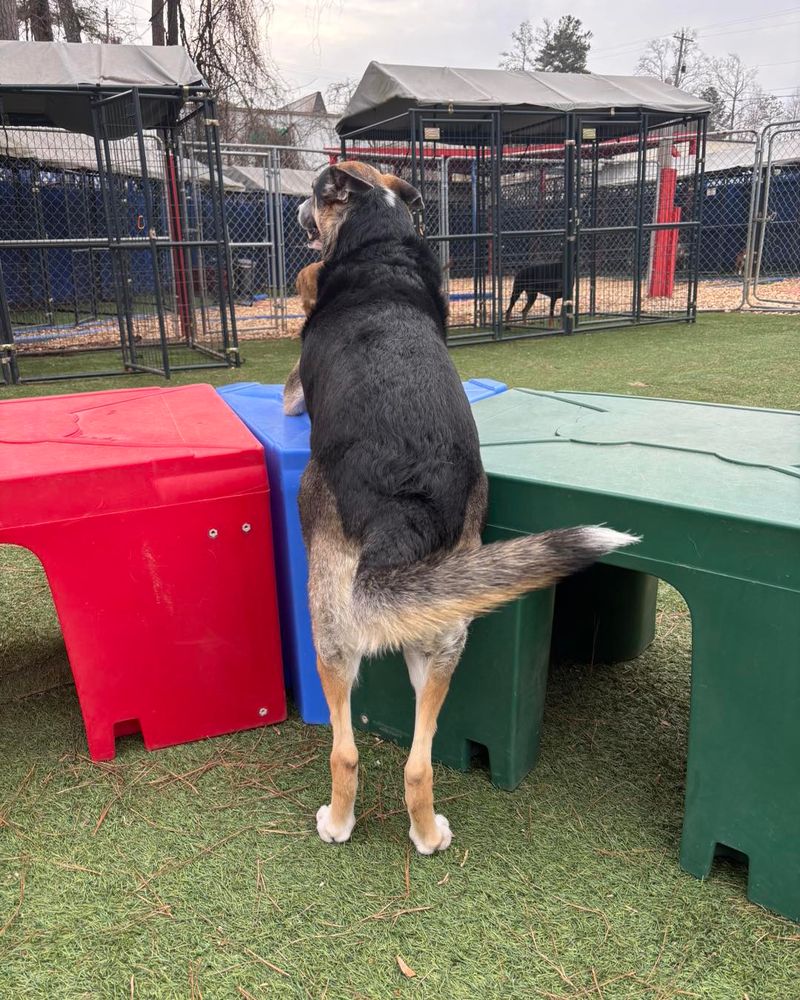
Some dogs hop from ball to tug to window like channel surfing. It looks like high drive, but often it is poor pacing.
Without a script, the nervous system chases novelty to stay busy.
Balance the day with predictable cycles of move, chew, sniff, and sleep. Keep sessions short and satisfying, then enforce a guilt free pause.
Teach a release word for play and a marker for done, using the same mat each time. Layer in decompression walks and food puzzles to satisfy the foraging brain.
Soon the urge to hunt the next thrill softens, because the next good thing always has a place. The quiet between activities becomes comfortable, not scary.
Overlooked clue: your cues vary while your timing drifts
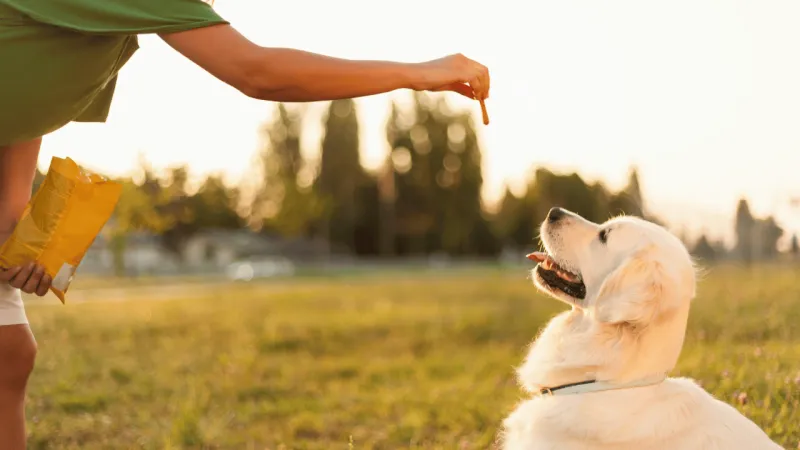
Sometimes the routine exists, but your delivery shifts. Sit becomes sit, sit please, or a hand wave.
Rewards arrive late one day and early the next. To a dog, that wobble is a brand new language each session.
Pick one verbal cue and one gesture per behavior. Practice in front of a mirror or phone camera, and use a metronome app to tighten timing.
Pay within one second for correct choices. End sessions consistently so the brain knows work is over.
Small consistency adds up fast. Your dog relaxes because communication stops changing shape.
Clarity is comfort, and comfort unlocks calm.
Overlooked clue: environment shifts but rest zone does not
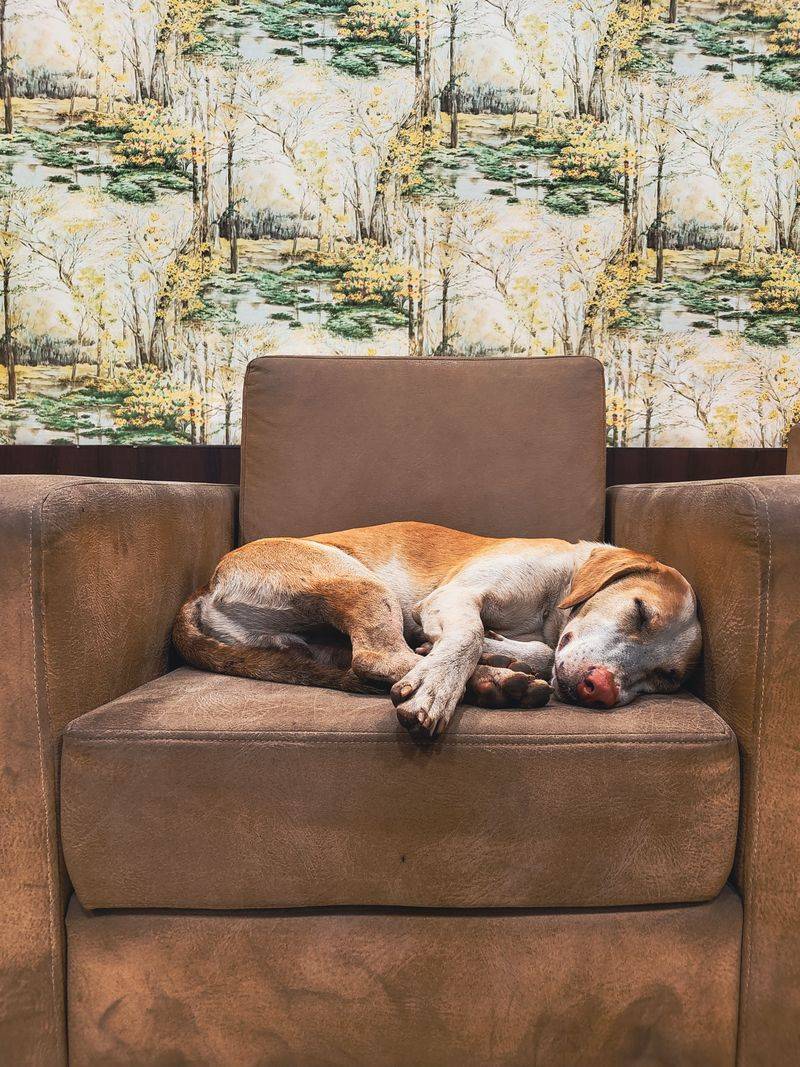
New couch position, seasonal decor, noisy fan, and your dog’s bed still sits in the busiest highway. They never quite breathe out because traffic never ends there.
A routine is not just the clock. It is also the map.
Place rest zones where drafts, doorways, and screens do not interrupt. Keep that location consistent across days, even if furniture migrates.
Use the same mat texture and a familiar scent to anchor the spot. Reward choosing the zone at random times, not just when told.
With the environment stabilized, your dog finally stores calm. Rest becomes a destination worth visiting.
Overlooked clue: your walk routine is all gas, no brakes
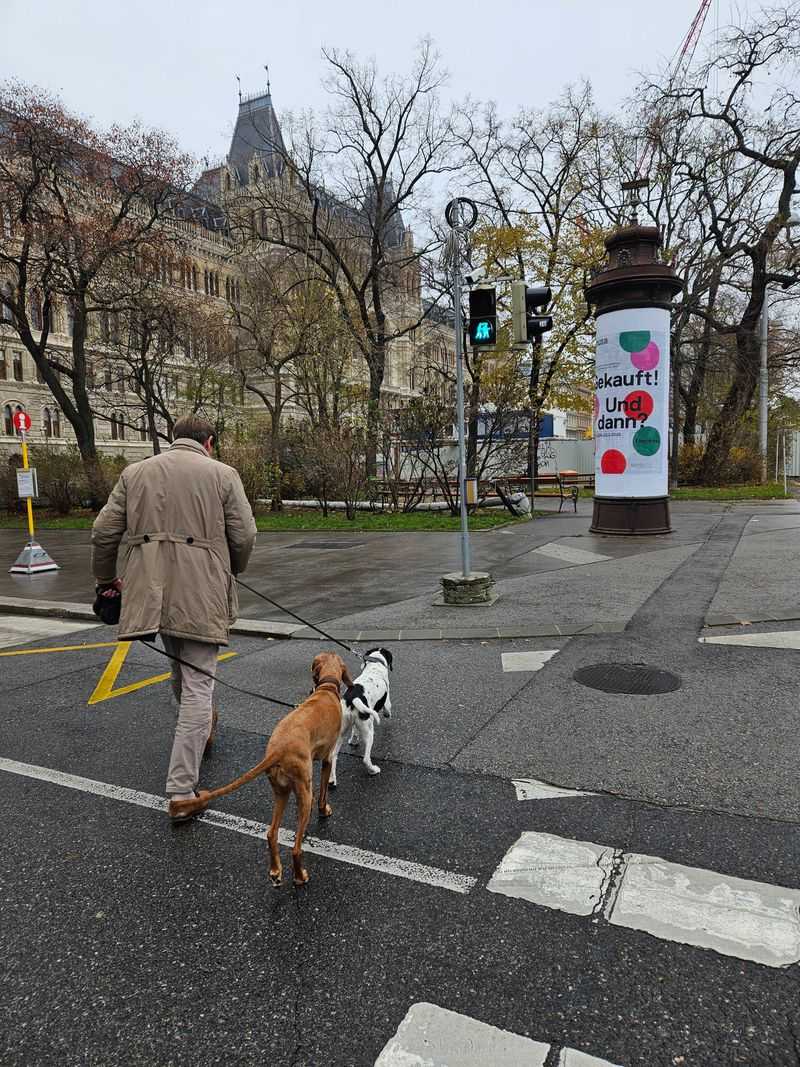
Speedy, straight, no sniffing, and constant stimulation teaches a body to keep accelerating. Then you return home and wish for instant zen.
The walk routine itself might be writing the restlessness.
Shift to decompression first. Longer leash, slower pace, choose quiet routes, and reward nose-down exploration.
Add brief pockets of training, then go back to sniffing so arousal rises and falls predictably. Finish with a known cool-down and a mat settle at home.
When brakes appear on the walk, the brain retains them indoors. Your dog does not need longer streets.
They need rhythm that includes stopping.