
Dogs speak volumes without saying a word, especially when home does not feel fully safe. Small patterns you might dismiss as quirks can actually be quiet calls for reassurance and stability.
Once you know what to look for, you can respond with calm structure, gentle training, and small environmental tweaks that change everything. Let’s decode those subtle signals together so your dog can finally exhale.
Frequently checking where you are
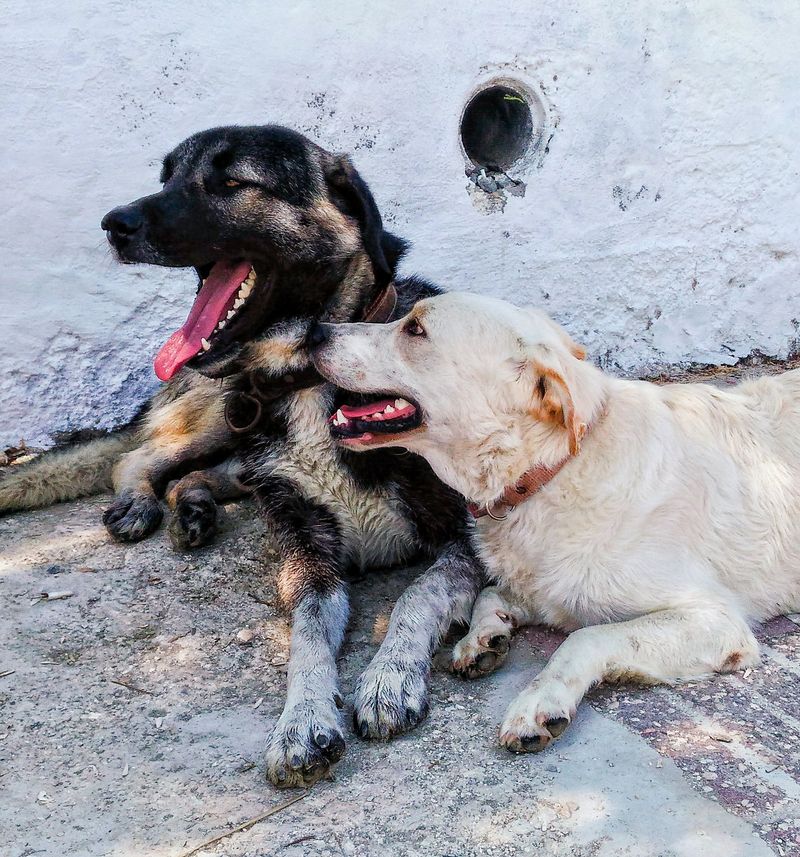
Some dogs do frequent check ins, drifting from room to room to make sure you are still nearby. It looks sweet, but it can signal uncertainty about safety or routine.
When security feels shaky, proximity becomes the anchor they trust.
Try predictable departures and returns, consistent verbal cues, and short independence exercises. Scatter feed, lick mats, and calm chewing can keep the brain busy between visits.
Pair your movement with quiet, neutral praise so your steps stop meaning worry, and start meaning everything is okay.
Following one family member constantly
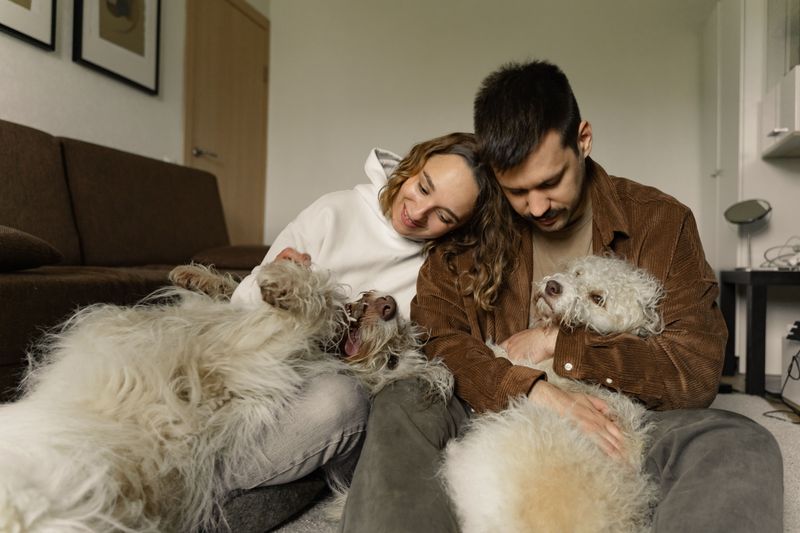
Clinginess to one person can look like love, but it often masks unease. Your dog may have learned that this person predicts comfort or control, so they stick close.
Constant trailing can escalate into whining when doors close or routines shift.
Build balanced bonds by sharing feeding, walks, and play across household members. Practice short, low key separations with calm returns.
Reward relaxed moments away from the favored person, using place training, snuffle activities, and gentle reinforcement so confidence grows evenly.
Yawning in non-tired situations
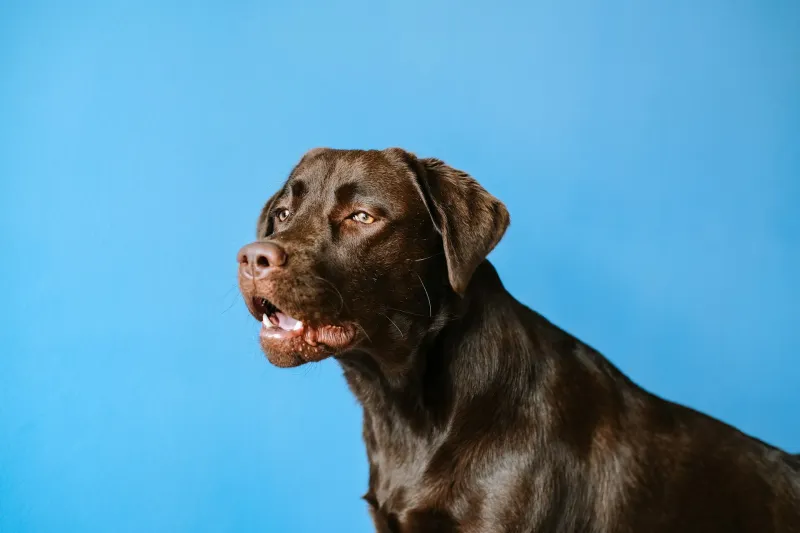
Yawns are not always about sleep. In dogs, they can be a displacement behavior that helps release tension.
You might notice yawning during nail trims, greetings, or when voices rise, even if bedtime is far away.
Respect the signal by softening your tone, slowing movements, and giving space. Pair tricky moments with predictable cues and high value, calm rewards.
Over time, the dog learns the situation is manageable, and yawns decrease as true comfort replaces coping.
Lip licking when nothing is being eaten
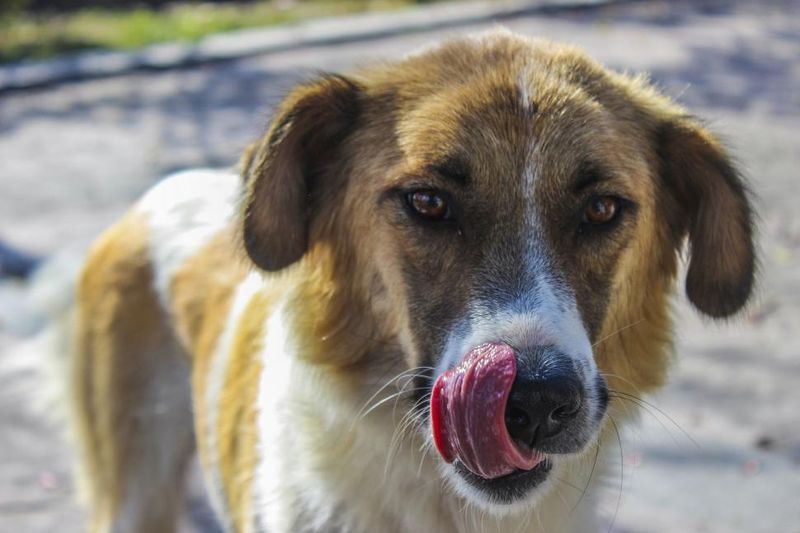
Quick lip licks without food nearby can signal uncertainty or appeasement. Dogs often use this small gesture to diffuse social tension.
You will see it when someone leans in too fast, during scolding, or when unfamiliar noises pop up.
Lean into kindness and clarity. Turn down intensity, angle your body sideways, and invite approach rather than looming.
Reinforce calm investigation with gentle treats or sniffing games so your dog gains confident associations in those previously edgy moments.
Avoiding eye contact during stressful moments
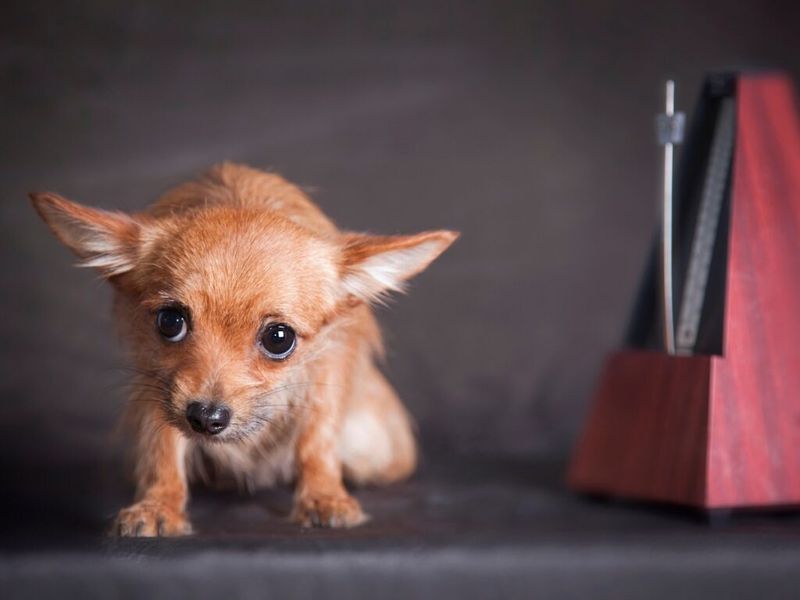
Averted eyes are a polite move in dog language. When stress climbs, avoiding a direct stare says I mean no trouble.
You may spot it during grooming, when visitors reach in, or after a dropped dish startles the room.
Honor the courtesy by giving space and slowing interactions. Keep greetings low key and let the dog choose closeness.
Reward glances and soft returns with calm praise, showing that looking back at you leads to safety, not pressure.
Remaining unusually alert while resting
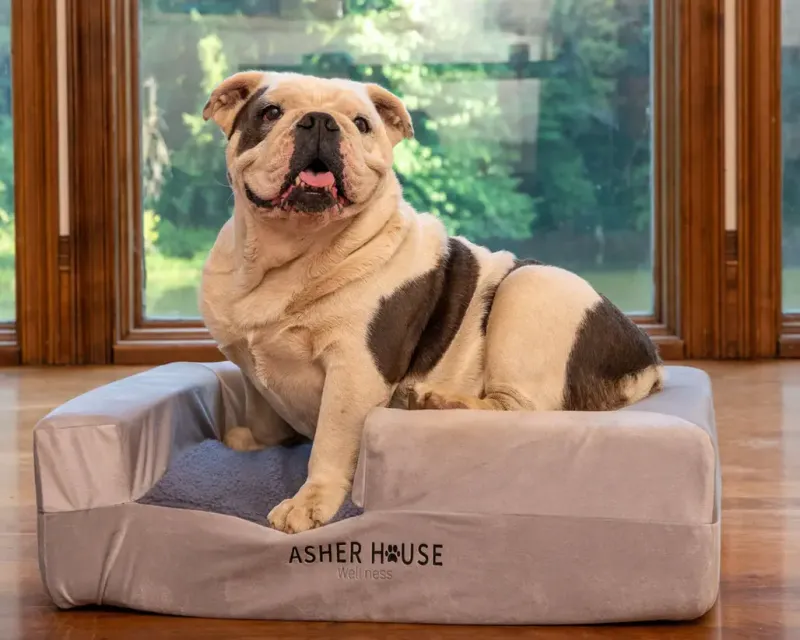
Rest that is never quite off duty hints at insecurity. The body is down, but the brain keeps watch, ears twitching at every shuffle.
True ease means the head drops, breathing slows, and the room fades into background noise.
Foster deeper relaxation with predictable routines and a quiet den zone away from traffic. Use white noise, curtains, and comfortable bedding that holds warmth.
Reinforce peaceful moments with calm petting or a settle cue, so resting finally feels safe enough.
Sleeping lightly instead of deeply
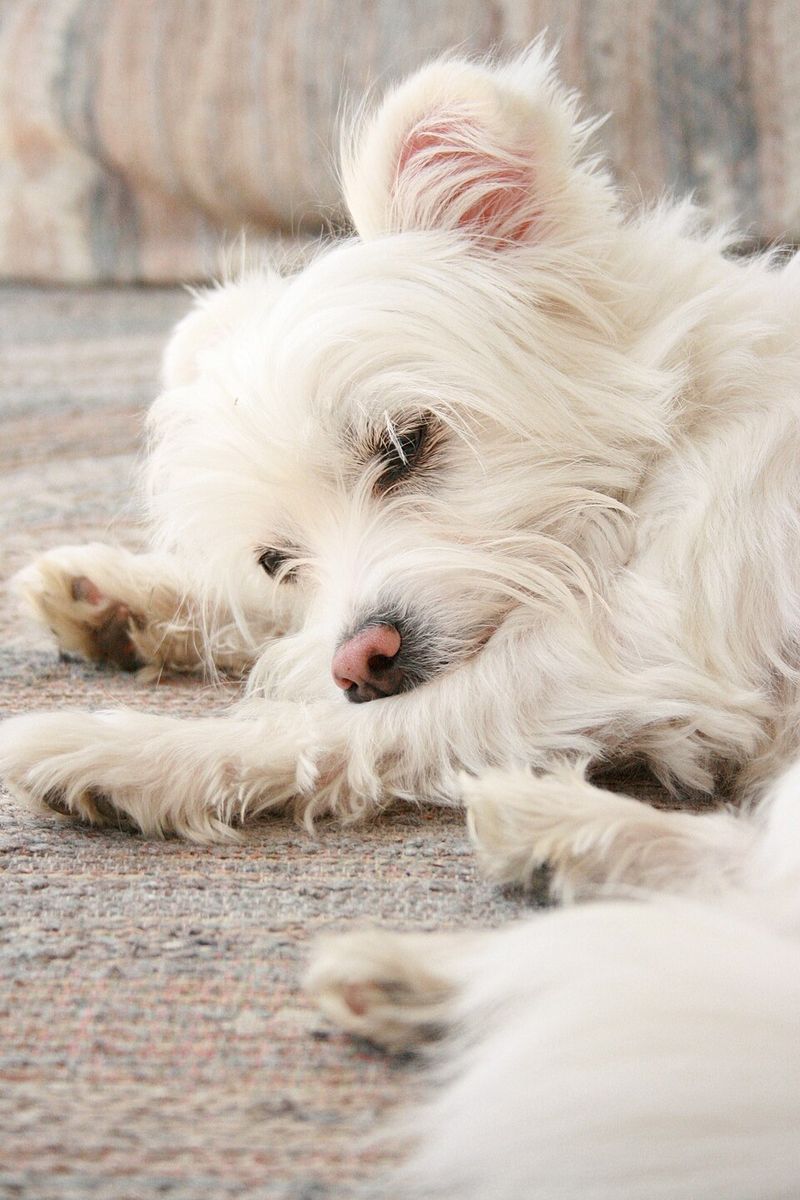
Light sleep keeps a dog ready to react, but it also steals recovery. If every creak snaps them awake, the nervous system never fully resets.
Over days, this can add up to irritability, clinginess, and poor learning.
Create a sleep sanctuary by managing noise, light, and foot traffic. Offer a crate or covered nook, place training before bedtime, and calming enrichment earlier in the evening.
With steady practice, deeper sleep returns and the whole home feels safer.
Choosing hidden places to relax
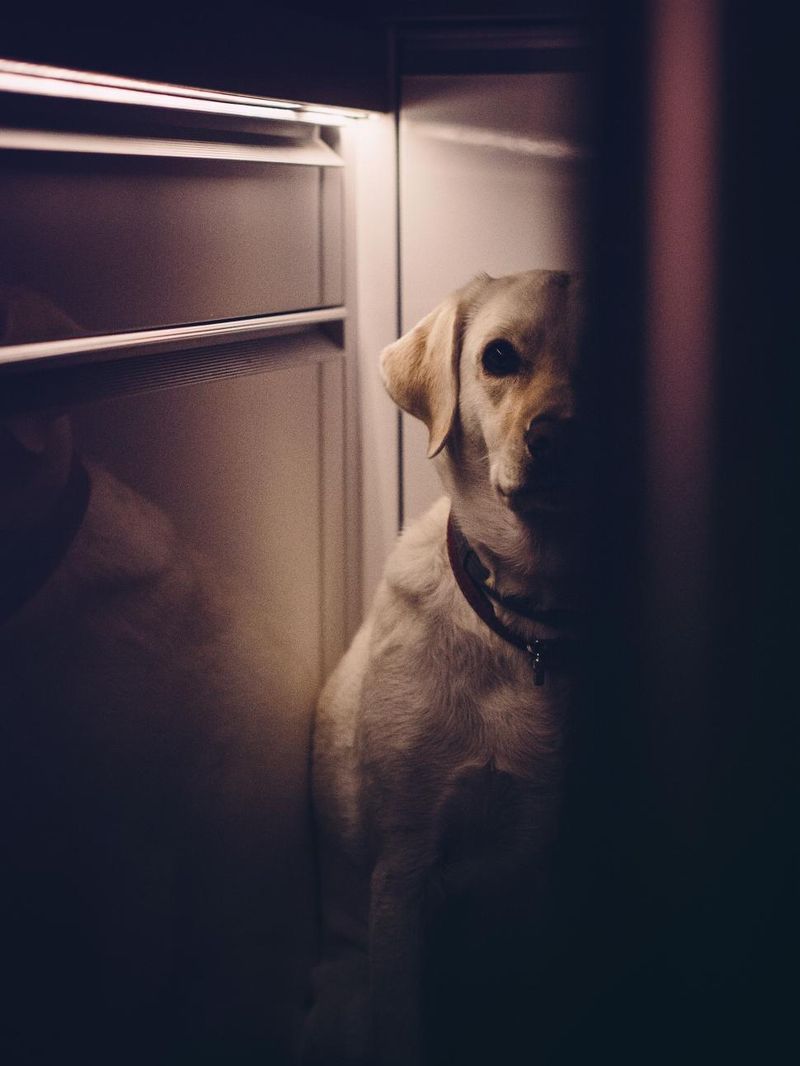
Nesting under tables, behind sofas, or in closets can be a safety strategy. Tight spaces provide predictable walls and fewer surprises.
It is not wrong, but it is information your dog offers about how big the world currently feels.
Respect the hideaway while gradually building confidence. Add a comfy bed there, then slowly pair nearby sounds and visitors with gentle rewards.
Over time, open up options with safe stations in brighter areas, inviting choice rather than forcing exposure.
Startling easily at familiar sounds
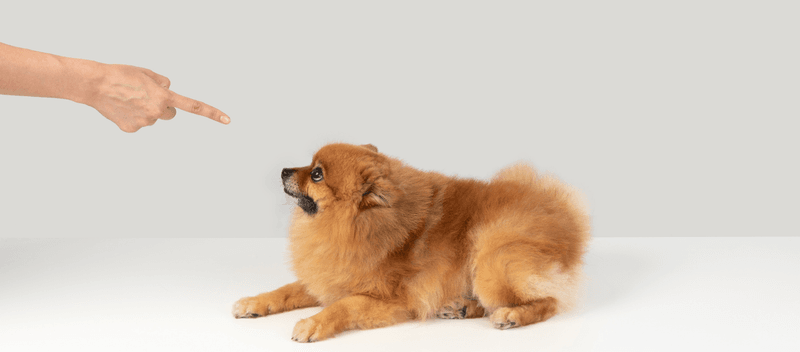
When everyday clinks and footsteps cause flinches, your dog’s threat filter is set too high. Startle recovery matters as much as the startle itself.
Quick bounce backs suggest curiosity, while lingering tension points to underlying insecurity.
Lower the noise load when possible. Pair predictable sounds with treats, and build sound ladders from soft to normal levels.
If history includes trauma, move slower, and consider professional guidance. The goal is a home where normal noise feels like background, not alarms.
Hesitating before entering certain rooms
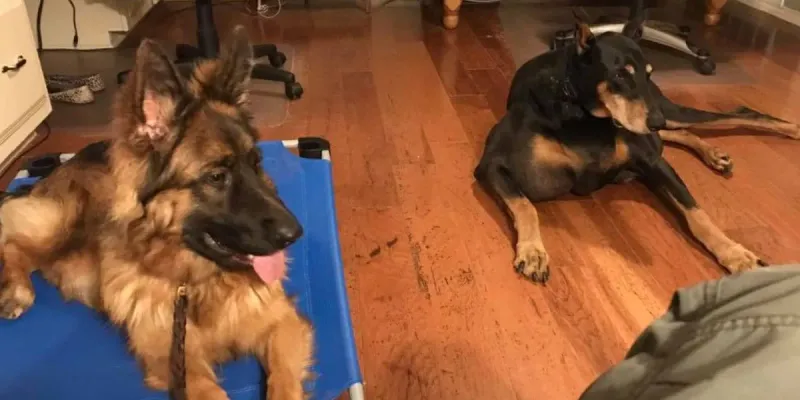
A doorway pause can be loaded with questions. Maybe the floor is slippery, the lighting is strange, or a past scare lingers.
Dogs remember patterns, and uncertainty can glue paws to the threshold.
Break the spell with traction mats, brighter lighting, and tiny reward steps forward. Toss treats a few inches in, then out again, letting choice lead.
Celebrate each brave stride so entering becomes predictable and boring in the best way.
Staying unusually close when visitors arrive
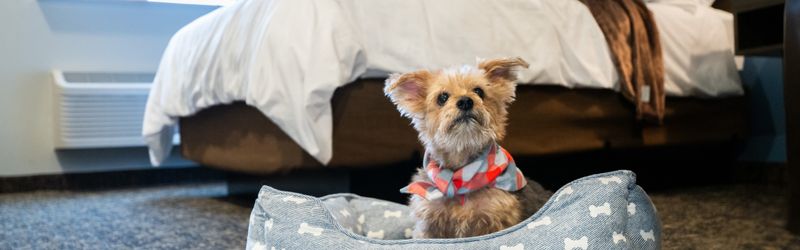
Company can shuffle social rules quickly, and some dogs stick close when unsure. Pressing against your leg or standing behind you is a request for guidance.
Pushing them forward can backfire, increasing worry and sticky behavior.
Give structure with a mat or place cue near the action but not inside it. Reward calm watching, and let the dog opt in for brief, positive greetings.
Ask guests to ignore at first, then offer gentle treats when curiosity blooms.
Repeated shaking off without being wet
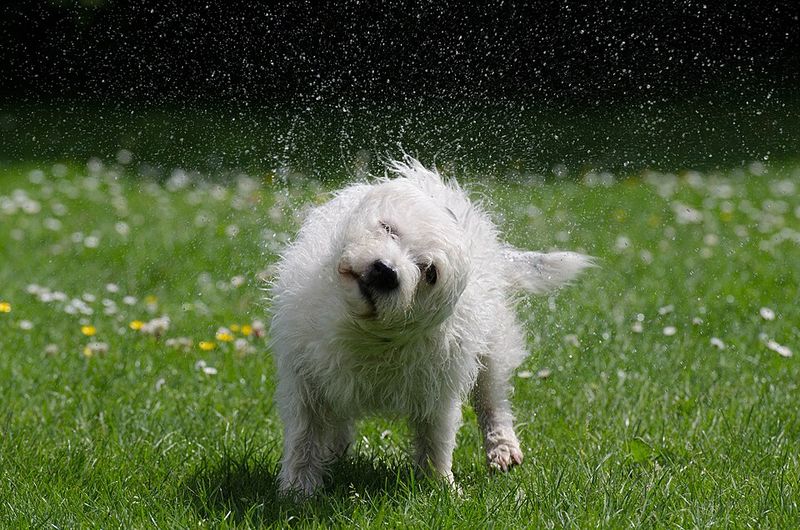
A dry shake is a nervous system reset, like exhaling tension through the skin. After awkward greetings, loud clatters, or handling, dogs sometimes shake to clear the slate.
Frequent shakes signal frequent stress moments needing attention.
Track patterns to find triggers. Smooth transitions with clear cues, slower pacing, and decompression breaks.
Offer sniff walks, gentle play, or chew time after stimulating events so stress leaves the body more completely.
Slow, hesitant movements in familiar spaces
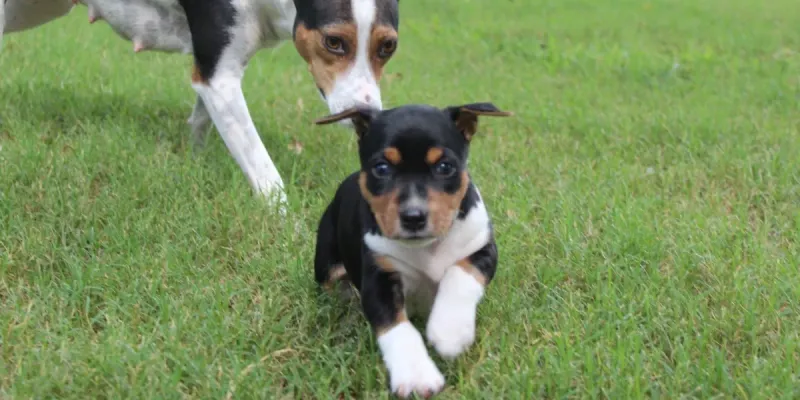
Tiptoeing through known rooms hints at internal doubt. Dogs sometimes dial down speed when they are scanning for threats or confused about expectations.
This quiet caution can be easy to miss but speaks loudly about confidence.
Clarify the map. Reduce clutter, improve lighting, and add traction.
Use simple guidance like touch targets and short, successful routes rewarded generously. Predictability turns slow motion into comfortable flow.
Reluctance to settle after routine changes

Even small changes can ripple for sensitive dogs. New furniture placement, different work hours, or altered walk times may delay settling.
Restlessness, pacing, and repeated check ins show the routine map needs redrawing.
Help by anchoring the day with reliable touchpoints. Keep feeding windows steady, preserve a familiar sleep spot, and schedule calm enrichment.
Layer in the change with tiny steps and clear cues so your dog learns that shifts can still feel safe.