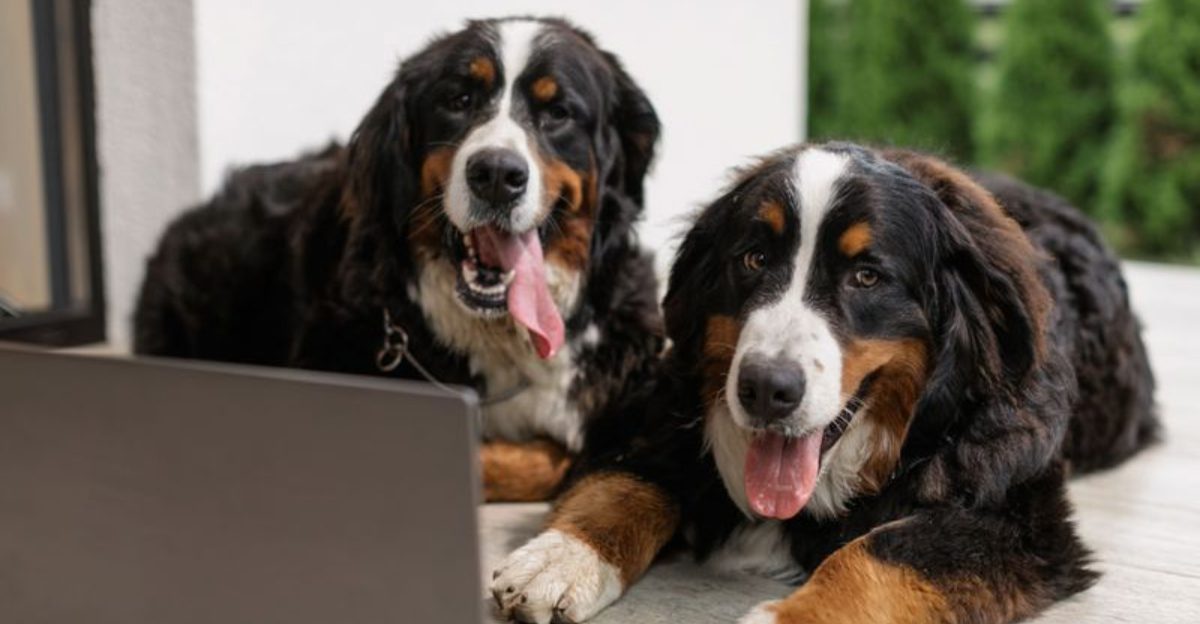
Ever wish your dog actually looked forward to grooming? The secret is not fancy tools or endless patience, but one tiny shift you can start today.
Trade long, stressful marathons for short daily rituals, and watch anxiety melt into comfort. Here are the breeds that usually flip fastest when that habit changes.
Golden Retriever
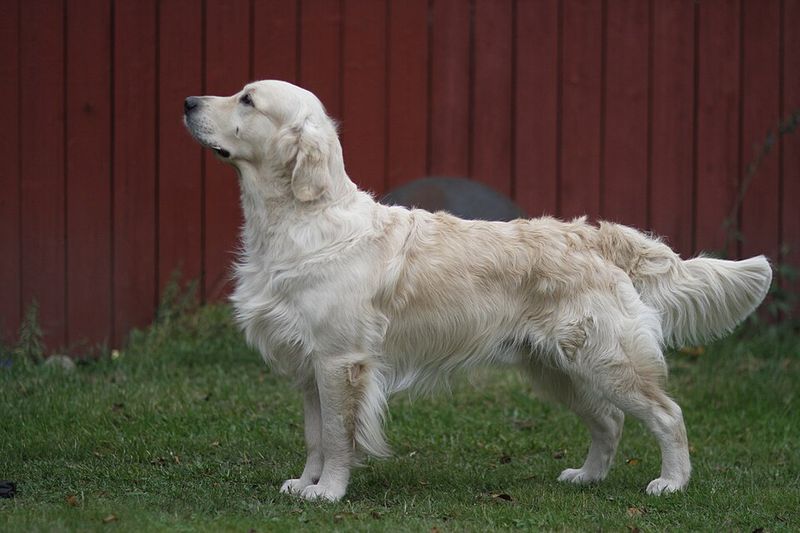
Golden Retrievers thrive when grooming feels predictable, calm, and rewarding. The simple habit that changes everything is brushing for two minutes daily instead of a long weekly marathon.
Short, consistent sessions prevent mats, reduce shedding, and teach your Golden that the brush means soft praise and tasty treats.
Start with the chest or rump where sensitivity is lowest, then gradually include ears, tail, and feathering. Pair each stroke with a cue word like easy, sprinkle in breaks, and finish with a relaxed snuggle.
You will notice fewer tangles, a glossy coat, and a dog that leans into grooming time.
Keep tools simple: slicker brush, metal comb, and towel. Consistency beats intensity, building trust fast.
Soon, nails and baths feel easy.
Standard Poodle
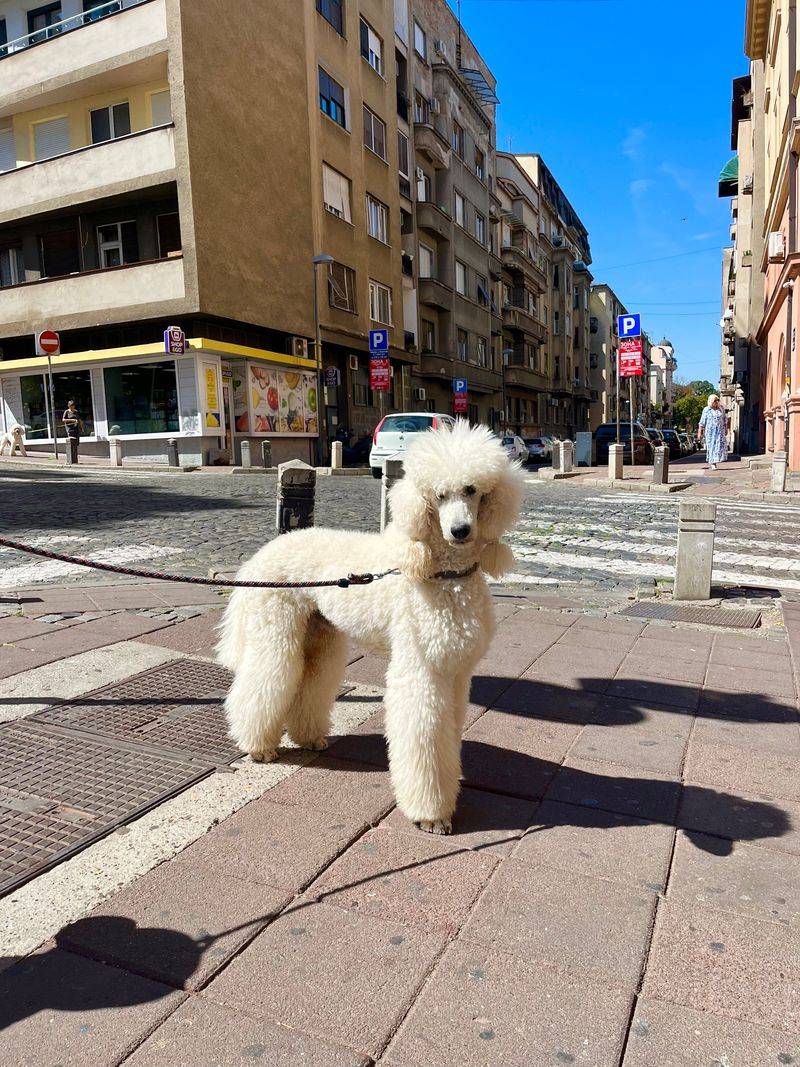
Standard Poodles are brilliant, sensitive dogs who read your mood instantly. Switch one habit: trade infrequent, stressful grooming marathons for tiny, cheerful micro sessions every day.
Two minutes of brushing and combing after evening walks prevents tangles in curls and signals that grooming equals attention, treats, and calm breathing.
Start with a slicker on body areas first, then gently detail ears, armpits, and tail with a comb. Mark relaxed behavior with a click or verbal yes, then pay with a tiny snack.
The steadiness turns clippers, scissoring touch, and face cleaning into manageable routines rather than sudden surprises.
Keep tools minimal and sharp, and practice calm handling on the sofa. Short, daily reps build confidence quickly.
Soon, salon visits feel predictable.
Shih Tzu
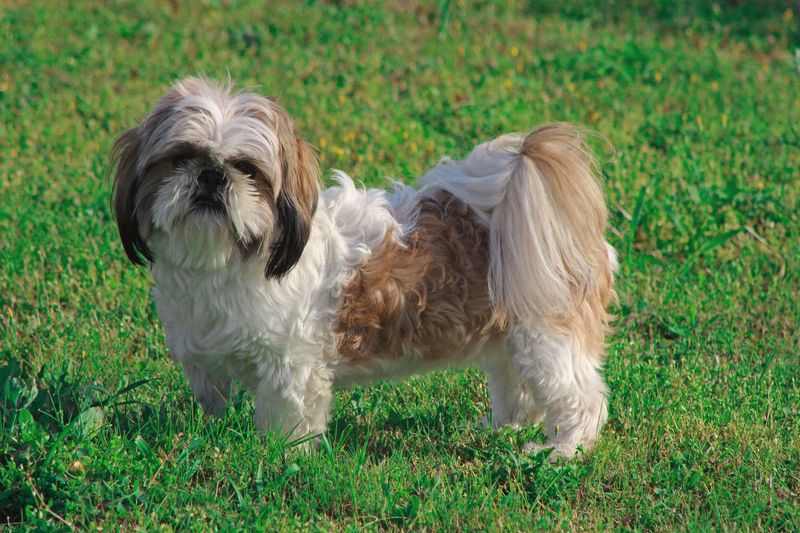
Shih Tzus can learn to adore grooming when it happens in tiny, cozy moments. Replace the once a week wrestle with a playful, two minute routine after meals.
Frequent gentle strokes through the topknot, ears, and beard prevent painful knots and teach your pup that combs predict cuddles and snacks.
Sit together on a non slip mat, keep treats nearby, and narrate each step in a calm voice. Lift hair sections, detangle ends first, then comb roots.
End with warm eye wipe, a tiny chin massage, and freedom to trot away, keeping the mood light and wonderfully predictable.
Use a face comb, soft slicker, and detangling spray. Short, daily care avoids mats completely.
Soon, bows and baths feel like spa time.
Maltese
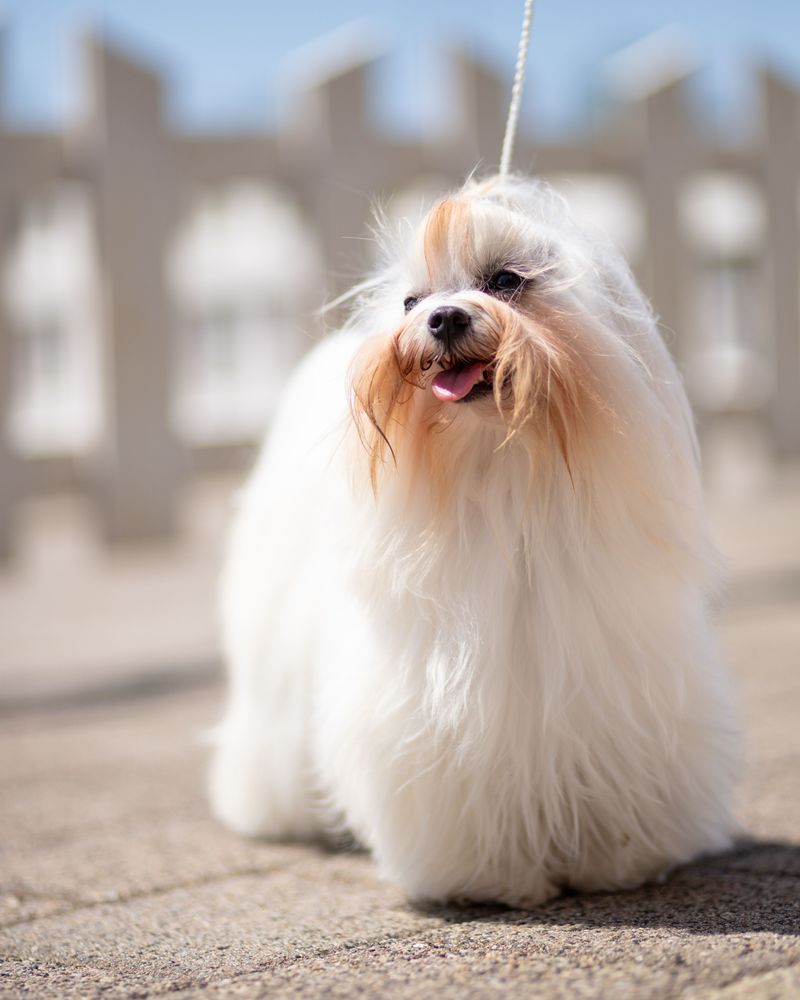
Maltese coats mat quickly, but attitude changes when grooming feels predictable and sweet. Swap rare, exhausting sessions for two relaxed minutes each day.
Brush lightly while streaming your favorite show, pair strokes with gentle praise, and finish with a tiny treat so your Maltese links combs with comfort, not conflict.
Work from ends toward roots to avoid tugging, especially around ears, armpits, and tail. Keep a detangler handy, and pause often for sniff breaks.
The short rhythm teaches patience, prevents painful snarls, and keeps that snow white coat floating rather than clumping, even during humid weeks and rainy walks.
Use a face comb, soft cloth for tear stains, and a slicker. Consistency wins.
Soon, bows, baths, and blow drying feel friendly.
Havanese
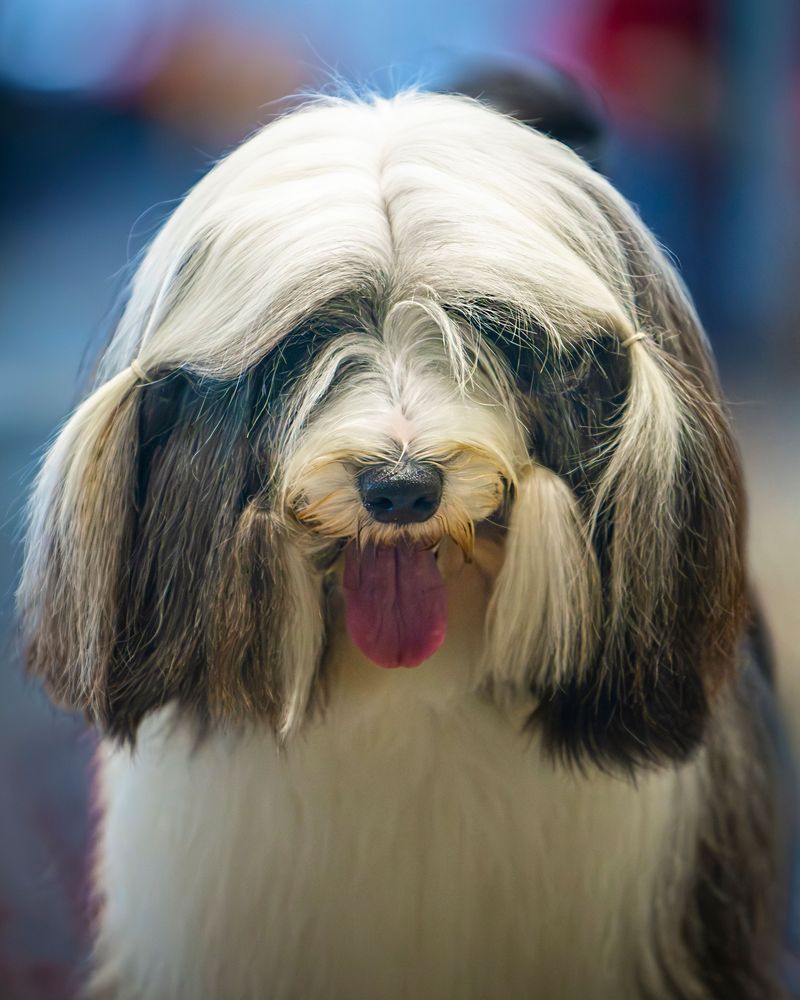
Havanese love attention, so grooming becomes fun when it is quick and affectionate. Change one habit: replace marathon brush outs with tiny, daily touchups after playtime.
Two cheerful minutes with a slicker and comb prevent corded mats, and the steady pattern tells your dog that grooming predicts closeness, snacks, and praise.
Start with easy zones like the back and sides, then slowly introduce legs, tail, and delicate ear fringes. Use a cue word, breathe slowly, and release often.
Over days, your Havanese will lean in, making nail trims, eye cleaning, and light trimming feel normal instead of something to escape.
Keep tools gentle and small. Celebrate calm stillness.
Soon, the grooming mat becomes a favorite hangout where connection naturally grows.
Afghan Hound
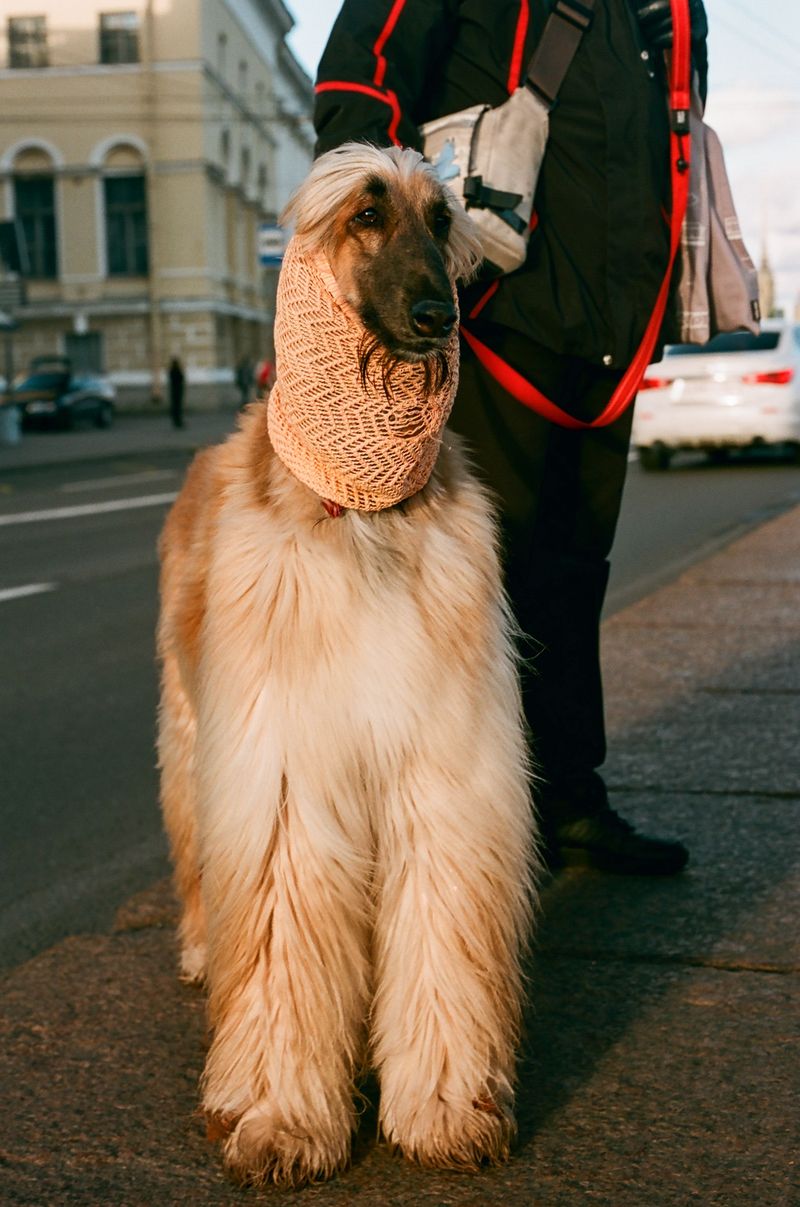
Afghan Hounds look glamorous, yet their silky coat tangles fast without routine. The single habit shift is tiny daily passes with a pin brush and comb, not occasional marathons.
Short sessions right after exercise, when relaxation peaks, keep hair lifted, prevent felting behind ears, and build a calm grooming association.
Work in sections on a table or mat, mist lightly, and move from ends toward roots. Pair slow strokes with soft words and steady breathing.
Over time, your Afghan anticipates comfort, making blow drying, gentle line brushing, and sanitary trims feel predictable rather than exhausting battles that leave everyone frazzled.
Use pin brush, wide comb, and patience. Keep sessions playful and brief.
Soon, that flowing coat gleams without drama or dread.
Rough Collie
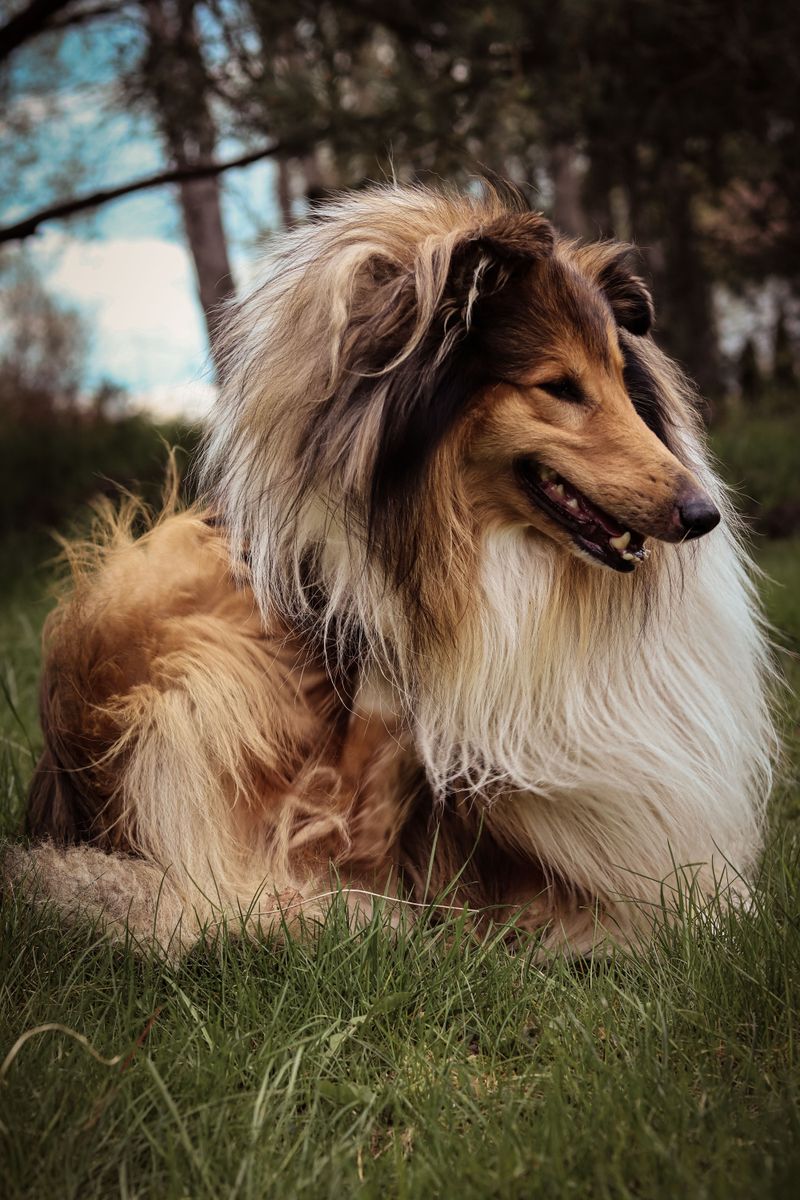
Rough Collies shed heavily, but their attitude shifts when brushing becomes a short daily ritual. The habit change is simple: two calm minutes with a slicker and comb instead of sporadic deep dives.
Frequent, gentle passes loosen undercoat before it mats, teaching your Collie that grooming predicts praise, snacks, and relief.
Start with the ruff and pants where tangles hide, then work along the body in layers. Speak softly, breathe slow, and end on an easy spot.
You will notice fewer tumbleweeds, healthier skin, and a dog who chooses to stand close because it all feels comforting and predictably short.
Keep a de shedding rake handy for coat blow. Short, steady reps beat battles.
Soon, seasonal sheds become tidy victories.
Cavalier King Charles Spaniel
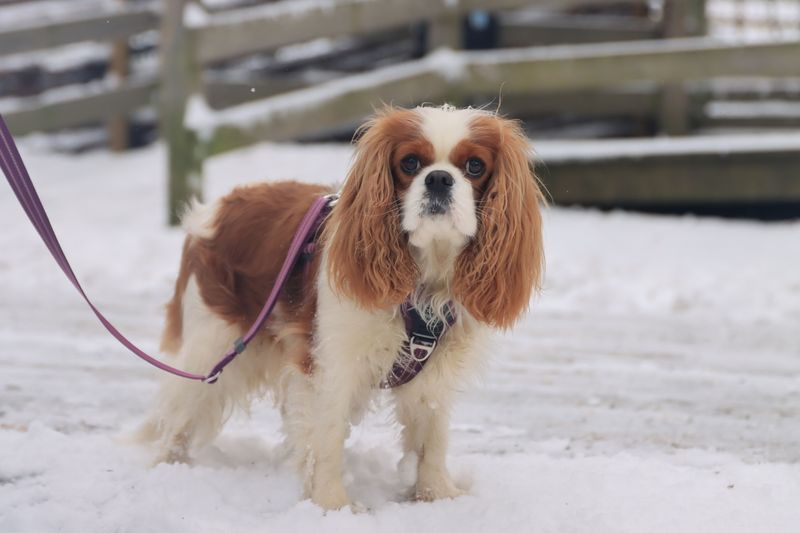
Cavaliers are gentle souls who respond beautifully to predictable care. Change one habit by brushing for two minutes every day instead of struggling once a week.
Light, consistent strokes through ears, feathering, and tail prevent painful mats, while pairing the routine with treats and praise turns grooming into a cozy ritual.
Start at the shoulders, then work down the back before touching sensitive armpits and breeches. Keep it snappy, breathe slowly, and end with an ear rub.
Over time, you will notice shinier feathering, fresher skin, and a pup who follows you to the brush because it always feels kind.
Tools are simple: slicker, metal comb, and shampoo wipe. Short reps win confidence.
Soon, trimming feet and nails feels easy.
Cocker Spaniel
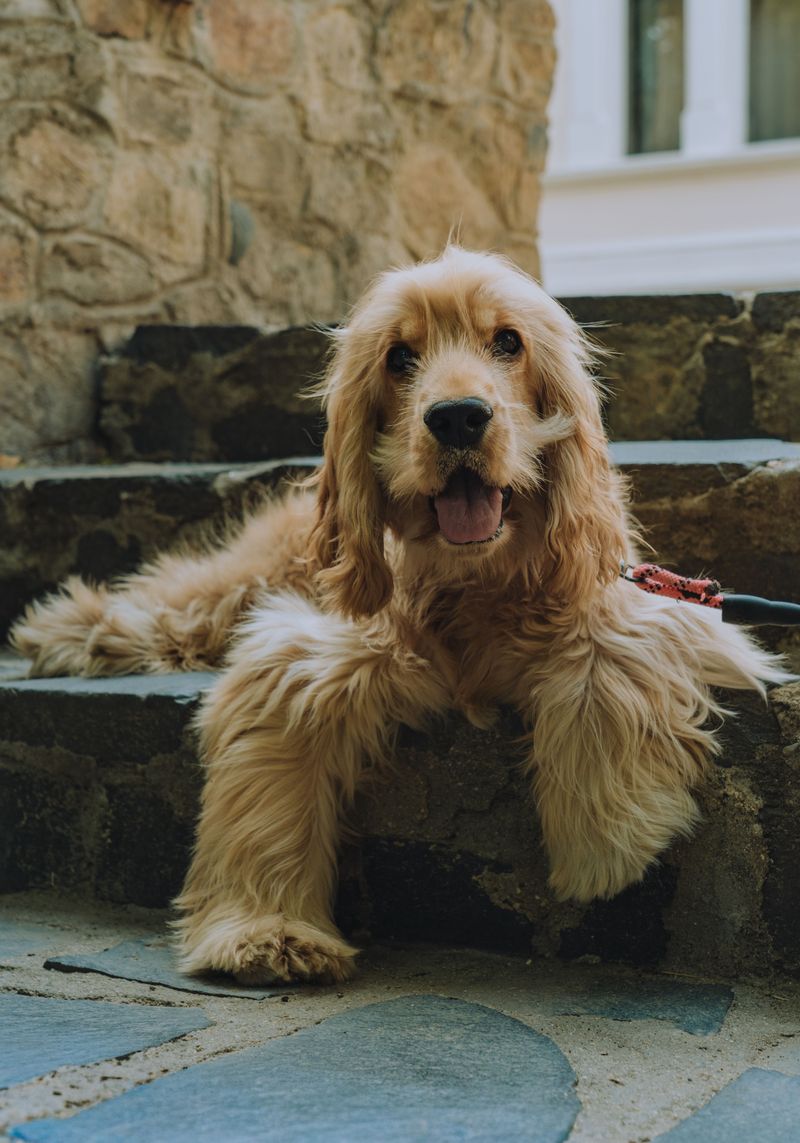
Cocker Spaniels often resist when grooming feels endless. Flip the script by making it tiny, daily, and sweet.
Two minutes of brushing after walks, especially ears, skirt, and armpits, stops mats before they start, while pairing each stroke with praise and snacks builds a positive link your Cocker understands quickly.
Start with easy zones like the back, then gently detail feathering and paws. Keep a detangler nearby and move from ends to roots.
Soon you will notice smoother coats, less itchiness, and a dog who leans into combing because it reliably ends with freedom and a happy, predictable goodbye.
Add ear care gently with wipes and drying after swims. Short, steady practice tames anxiety.
Vet visits and salon days feel manageable.
Bernese Mountain Dog
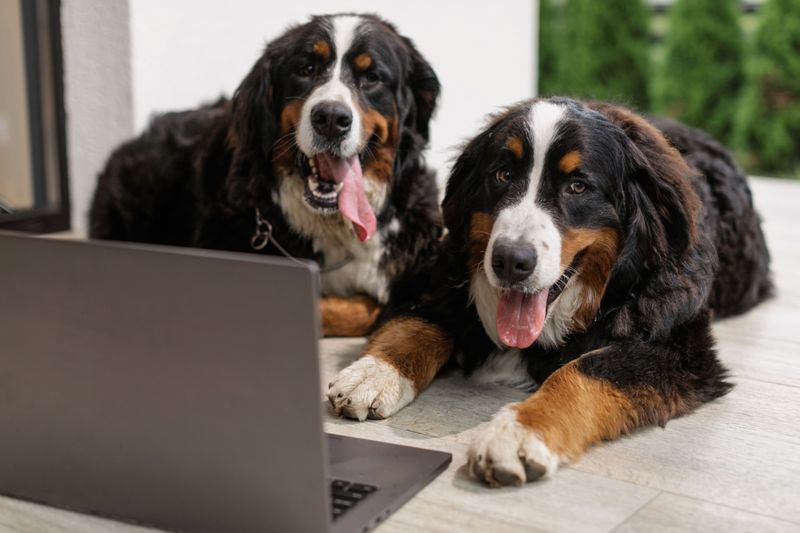
Bernese Mountain Dogs shed seasonally, and big blowouts overwhelm everyone when saved for weekends. Change one habit: micro brush for two minutes daily.
Gentle strokes with a slicker and undercoat rake loosen fluff early, pair the feeling with calm praise and treats, and teach your Berner that grooming predicts relief.
Start along the back, then move toward the chest, pants, and tail, working in layers. Keep it friendly, breathe steadily, and quit while attention remains strong.
Over weeks, you will notice fewer mats, cleaner skin, and a dog who settles easily because sessions always end before boredom arrives.
Combine tools thoughtfully: slicker, wide comb, and rake. Short routines beat struggles.
Soon, seasonal shedding feels organized, and cleanup stays pleasantly simple.