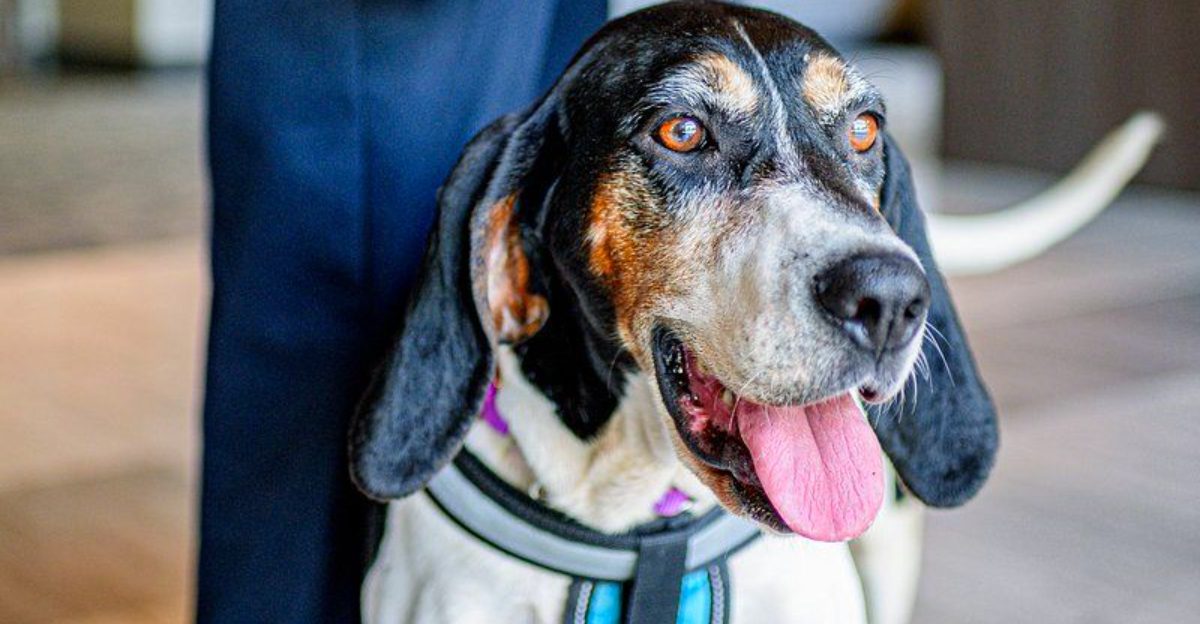
Some dogs seem to read the world with their noses. Give them a clue, and they can find lost items, people, or wild game with amazing focus.
Knowing which breeds love scent work helps you train better and keep them happy. Ready to meet the sniffing stars that live for a good trail?
Bloodhound
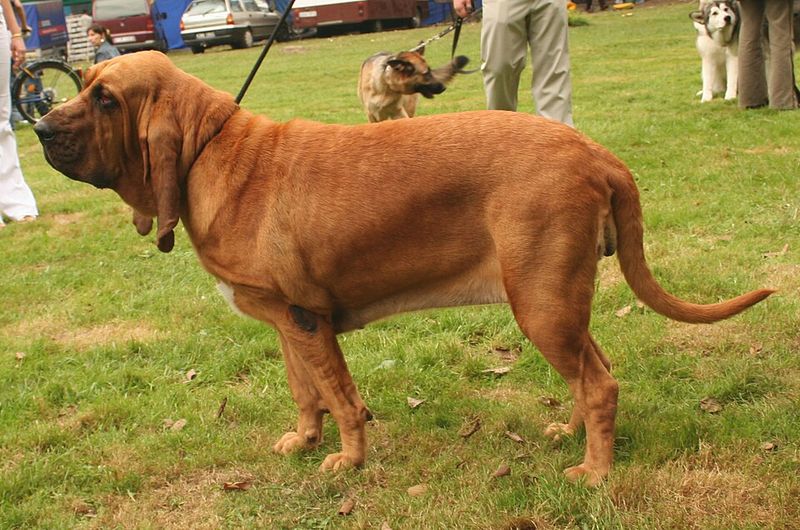
A single whiff can flip the switch, and the Bloodhound glides into detective mode. Famous for mantrailing, this breed follows old, cold scents that other dogs miss.
Long ears and wrinkled skin funnel odor right to that powerhouse nose.
Give structured scent games, like hiding a glove across the yard. Keep sessions short but regular.
Gentle guidance works best, since they can get absorbed in the trail. A sturdy harness protects the neck during serious tracking practice.
Beagle
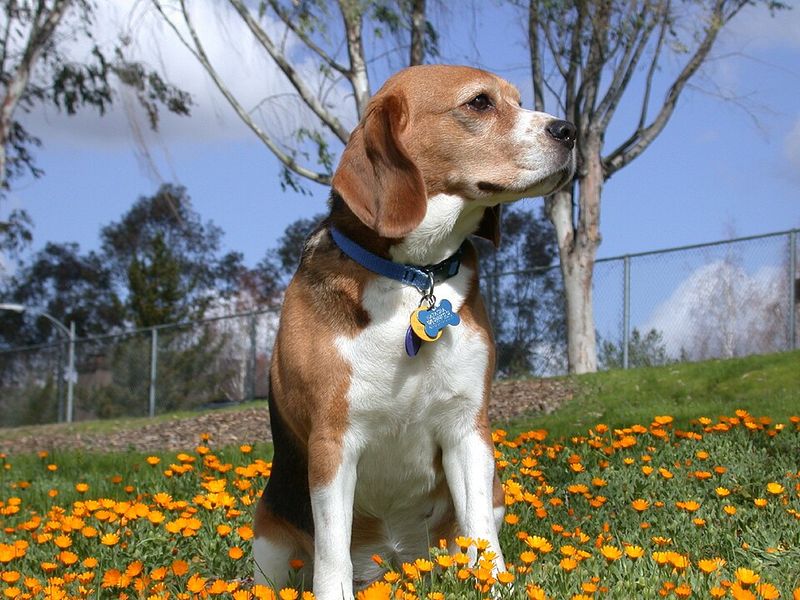
Nose to turf, tail flagging high, the Beagle makes every walk a mystery story. Bred to chase rabbits in packs, it locks onto interesting smells and forgets everything else.
That curiosity can power great nosework games at home.
Try simple find-the-treats trails under leaves or boxes. Use a long line for safe exploring.
Lots of praise keeps them engaged. Short, upbeat sessions fit their playful spirit and help channel that busy sniffer into good habits.
Basset Hound
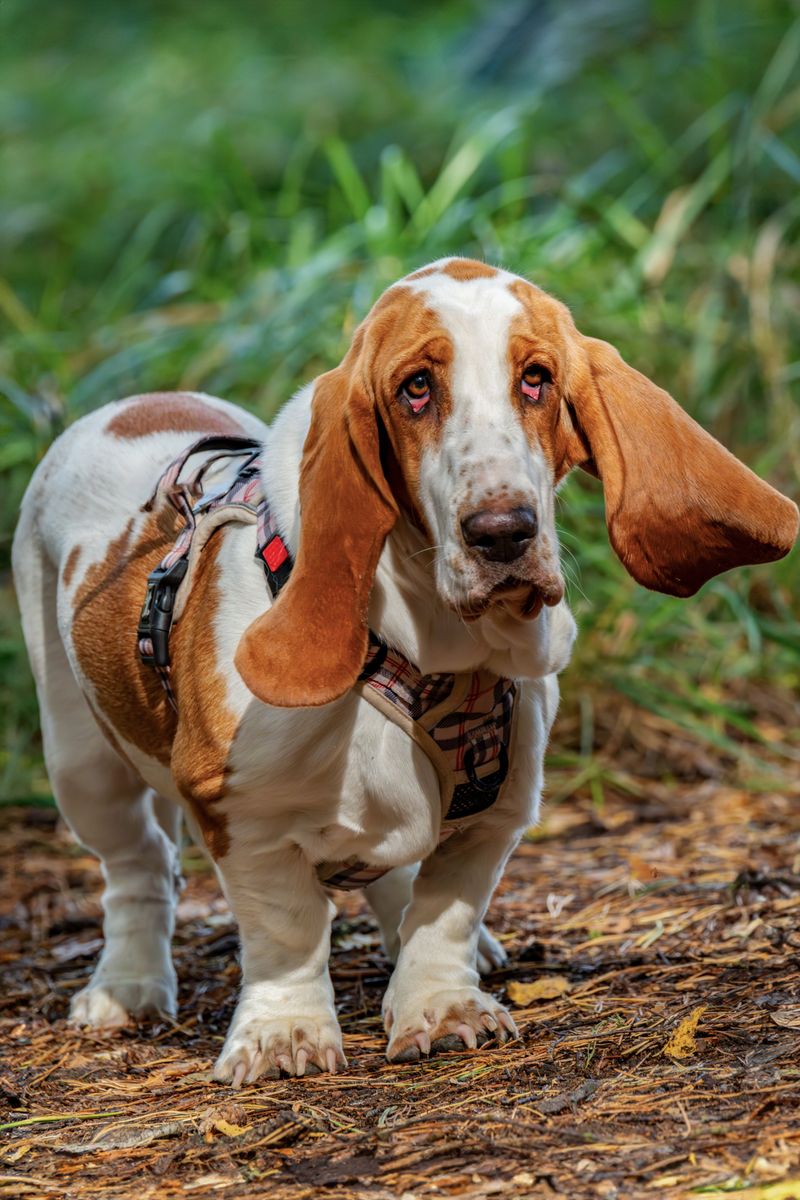
Short legs, big nose, steady pace. The Basset Hound prefers unhurried detective work, savoring each note of a scent.
Those heavy ears and deep flews gather and hold odors, giving extra time to decode the trail.
Lay easy scent tracks with treats every few steps to build confidence. Use a comfortable harness and let them move at their own tempo.
Patience pays off. A calm walk with planned sniff stops does wonders for this thoughtful tracker.
Black and Tan Coonhound
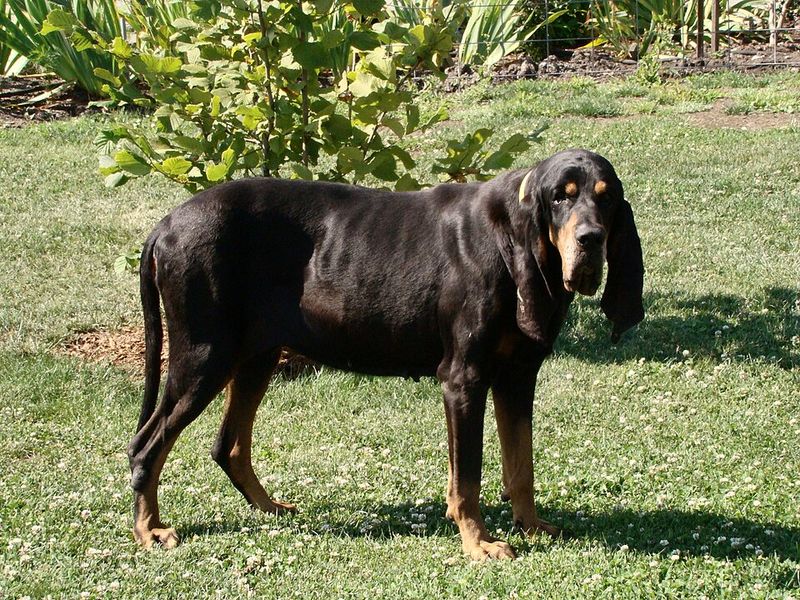
Night falls, and the Black and Tan Coonhound comes alive. Bred to trail raccoons through rugged country, it blends power, stamina, and a booming voice that tells you when the track heats up.
Air and ground scents both call its name.
Practice with cool evening searches for a hidden tug toy. Reflective gear and a long line add safety.
Reward with a game of tug at the find. Clear start cues help switch from play to work.
Bluetick Coonhound
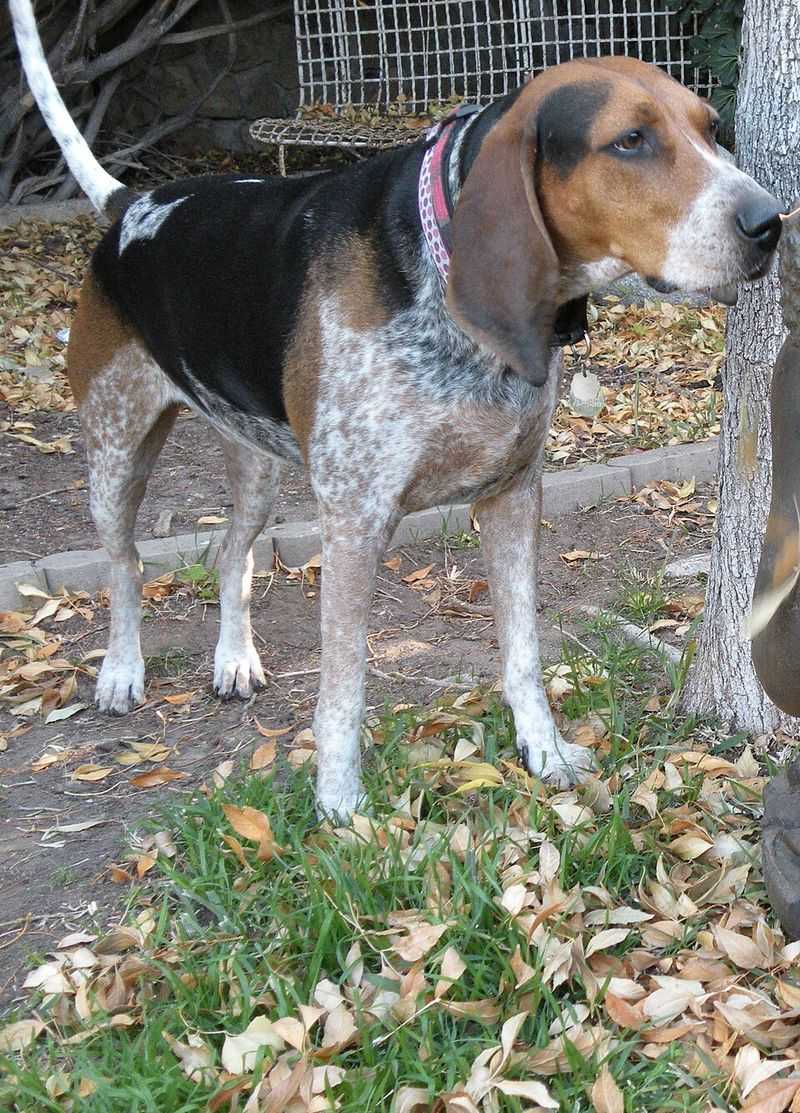
Crackling energy and a musical voice set the Bluetick apart. It loves challenging terrain where scent pools in cracks and brush.
Persistence is the superpower, pushing through twists and turns without losing heart.
Set serpentine tracks with a favorite article at the end, such as a worn sock. Vary surfaces from grass to gravel to boost skill.
Celebrate the find with enthusiastic praise. A steady pace and clear boundaries keep that enthusiasm focused.
Redbone Coonhound
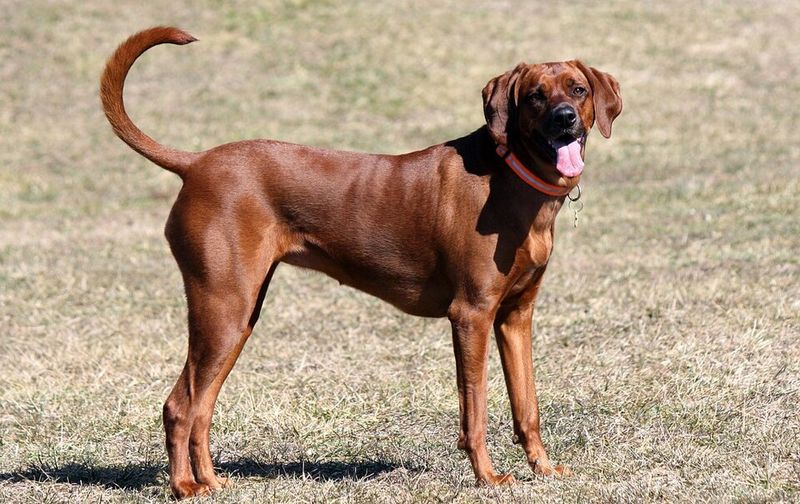
Sun on that copper coat, ears pricked, the Redbone looks ready for adventure. Built for warmth and endurance in the woods, it excels when the scent gets tricky near water and wind.
Smooth movement keeps the nose in the game.
Try scent trails that cross shallow water or damp grass. End with a scented toy for a joyful payoff.
Keep cues consistent so the dog knows when to start working. Balance cardio hikes with purposeful sniffing breaks.
Treeing Walker Coonhound
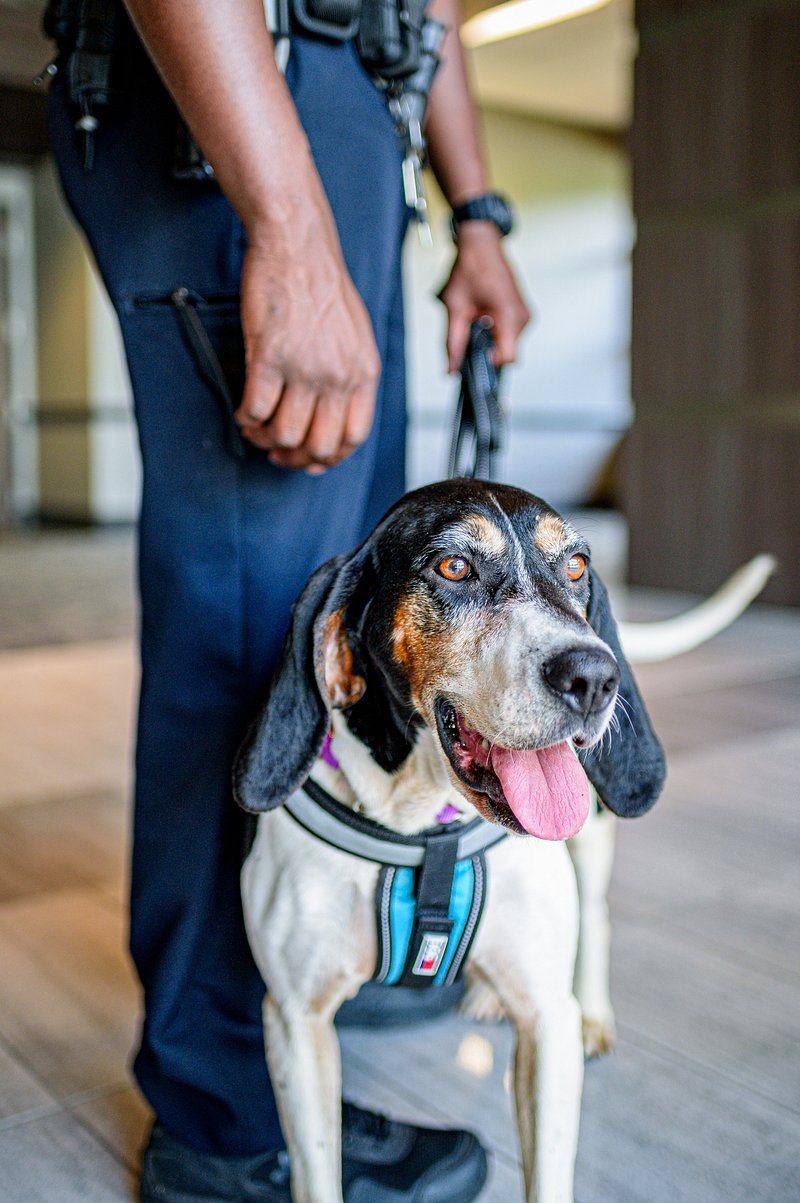
Fast, focused, and sharp-eared, the Treeing Walker hunts problems like puzzles. It reads scent that climbs, circles, and fades, then tells you where the action ended by holding at the tree.
Quick thinking is the hallmark here.
Build vertical scent skills by placing odor up low branches. Mark success with a treat toss near the trunk.
Keep drills brisk to match the dog’s tempo. Quiet praise between reps helps maintain cool, controlled enthusiasm.
English Springer Spaniel
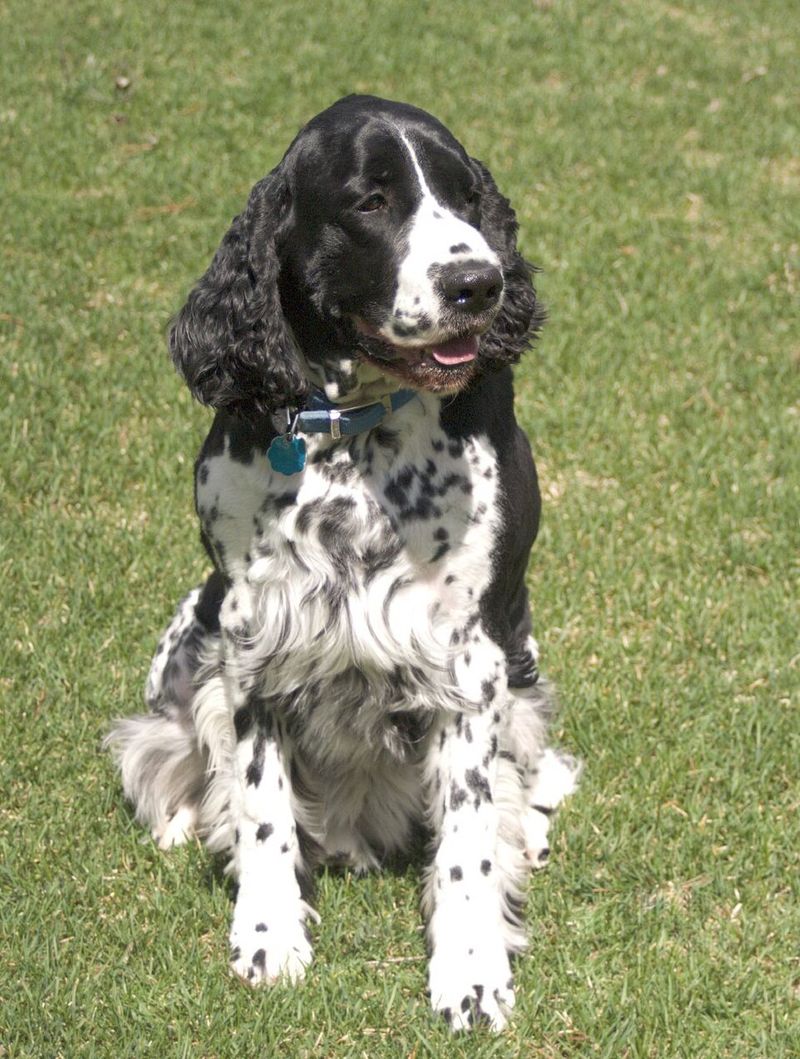
With joyful hops and laser focus, the English Springer Spaniel sweeps fields like a lively broom. It specializes in finding game birds by scent, then flushing them on cue.
Cooperation and enthusiasm make training a pleasure.
Practice quartering patterns in tall grass. Hide scented dummies for quick wins, and use a whistle to guide direction.
Short water retrieves add variety. Keep feedback upbeat and immediate so the dog links nosework with teamwork.
German Shorthaired Pointer
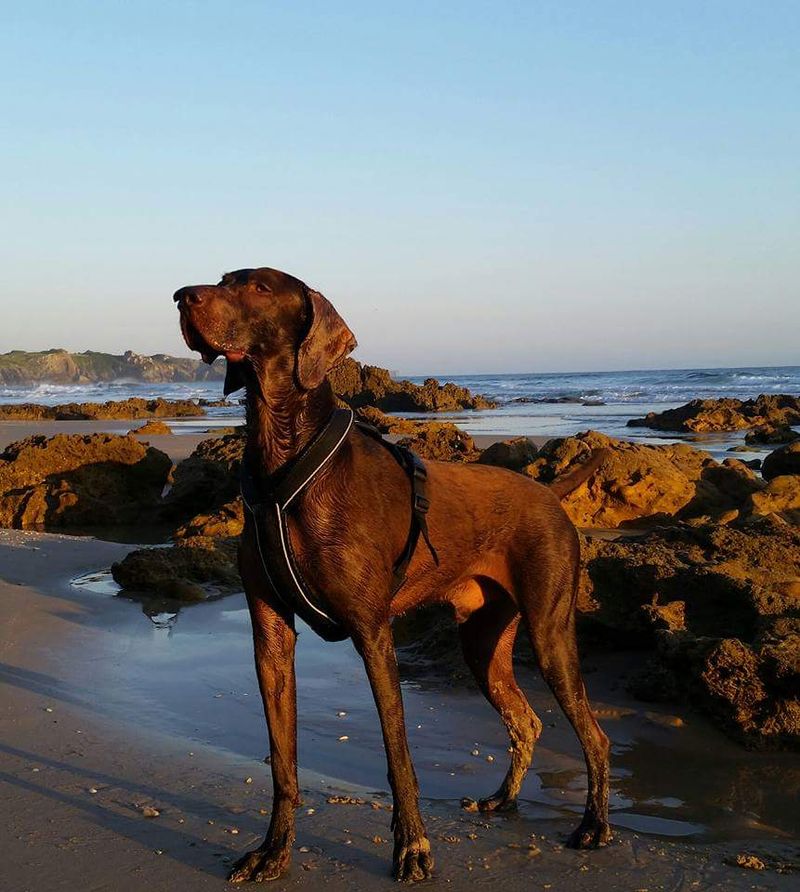
The world seems to pause when a GSP locks on scent and points with style. Wind-borne odors guide its elegant stance and precise direction.
Athletic drive lets it search big areas without fading.
Set up crosswind searches to teach scent cones. Reward with a quick retrieve or a play session.
Mix in steadiness drills so excitement stays under control. Clear hand signals help at distance, keeping that powerful nose connected to you.
Brittany
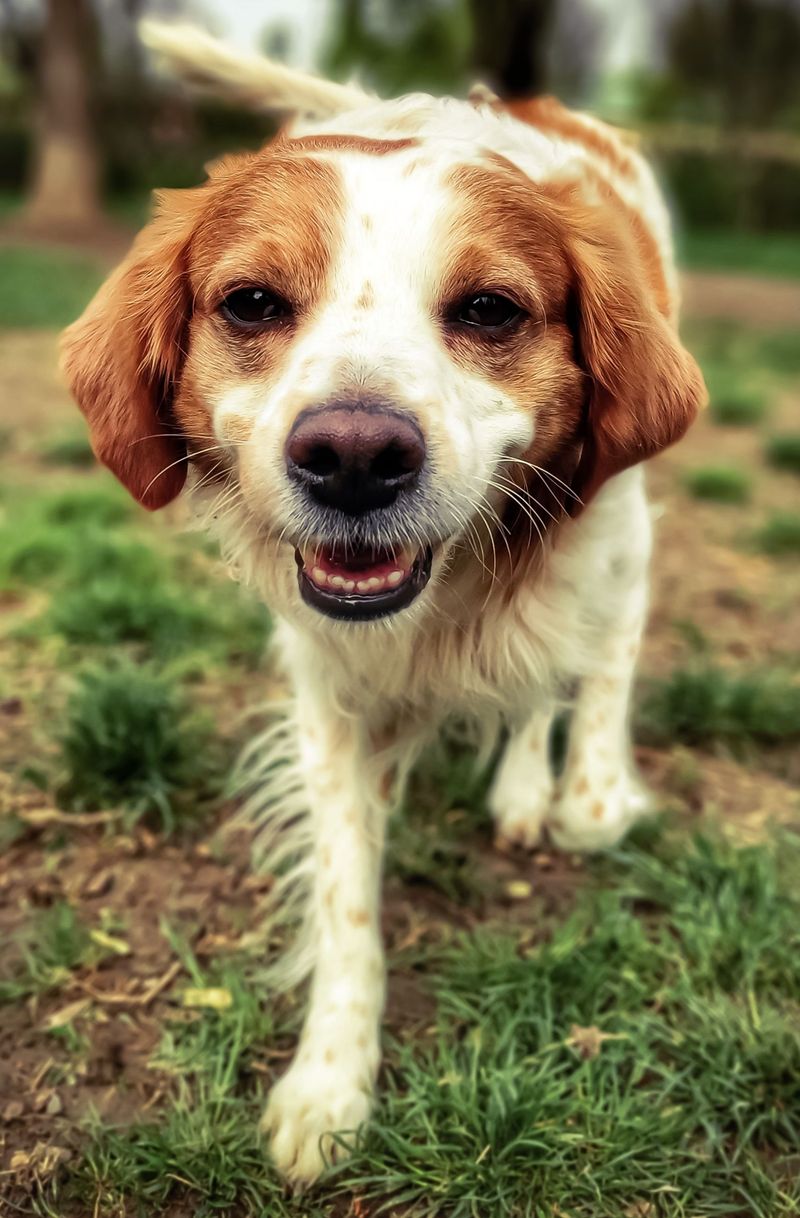
All spark and heart, the Brittany hunts with cheerful purpose. It samples air currents, then snaps into a tidy point when scent firms up.
Light build and quick feet make it nimble in brushy cover.
Use short, upbeat field sessions with planted scented dummies. Encourage casting into the wind, then quietly praise the point.
Rotate locations to keep curiosity high. A mix of recall games and nosework keeps the brain buzzing in the best way.
Labrador Retriever
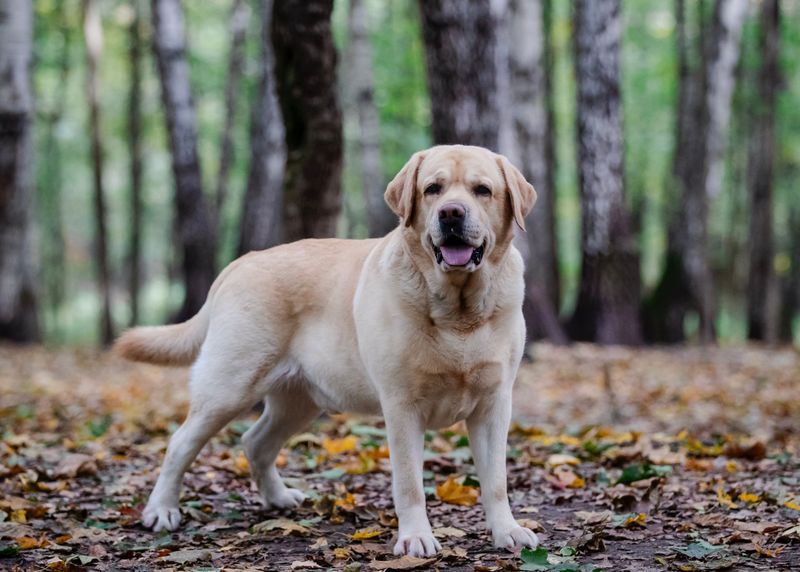
Friendly face, serious nose. The Labrador turns scent work into confident, methodical searches.
From bird fields to detection lines, it balances eagerness with biddability, making training clear and reliable.
Try box searches using food or a target odor, rewarding with a favorite tug toy. Keep criteria simple and success frequent.
Add mild distractions once the dog understands the job. Regular swimming days build fitness without pounding the joints, helping longer search sessions stay fun.
Lagotto Romagnolo
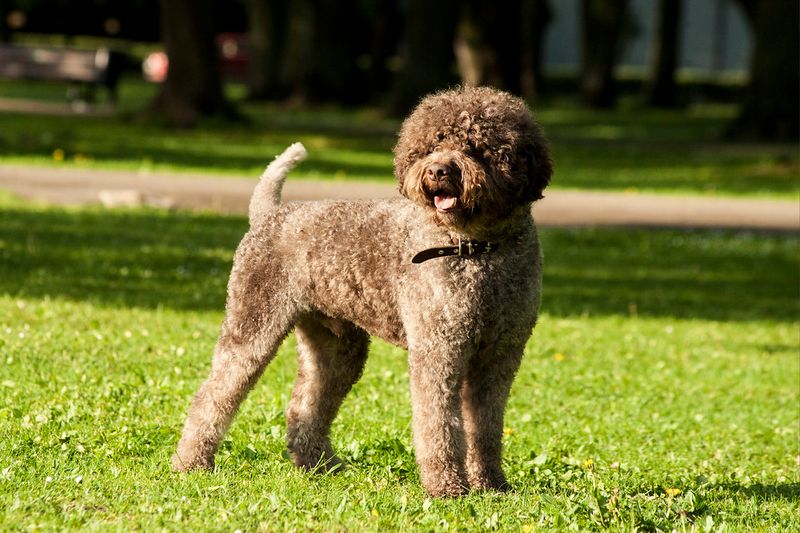
Earthy and clever, the Lagotto made its name as a truffle finder. Curly waterproof fur protects during wet, muddy hunts.
A keen nose and quiet focus help it sort faint underground aromas from everyday smells.
Begin with scented cotton balls hidden in shallow soil. Mark the find and reward with a jackpot treat.
Gradually add depth and cover. Calm handling keeps the dog thoughtful, turning sniff time into a peaceful, brainy challenge that satisfies natural instincts.