Some dogs fill Instagram feeds, but that does not mean every owner ends up happy. Popular breeds can surprise families with energy, grooming, or training needs.
Knowing the gap between hype and real life helps you pick a better match. Meet the breeds that show why careful research matters.
Whippet
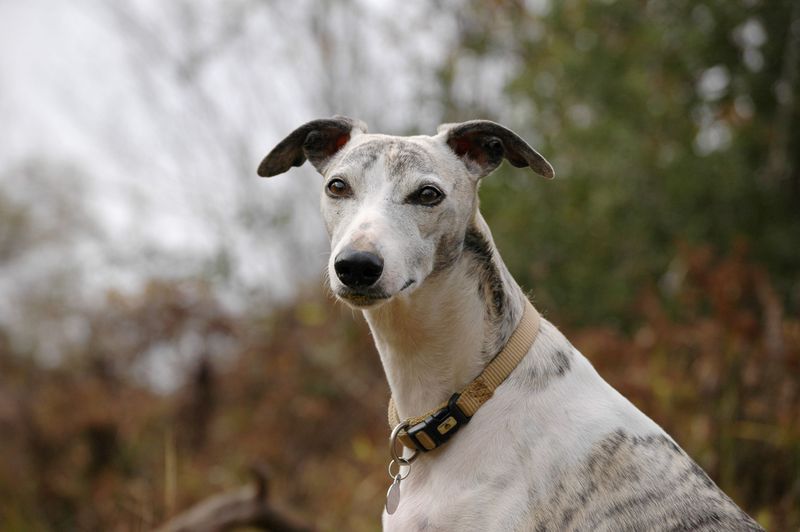
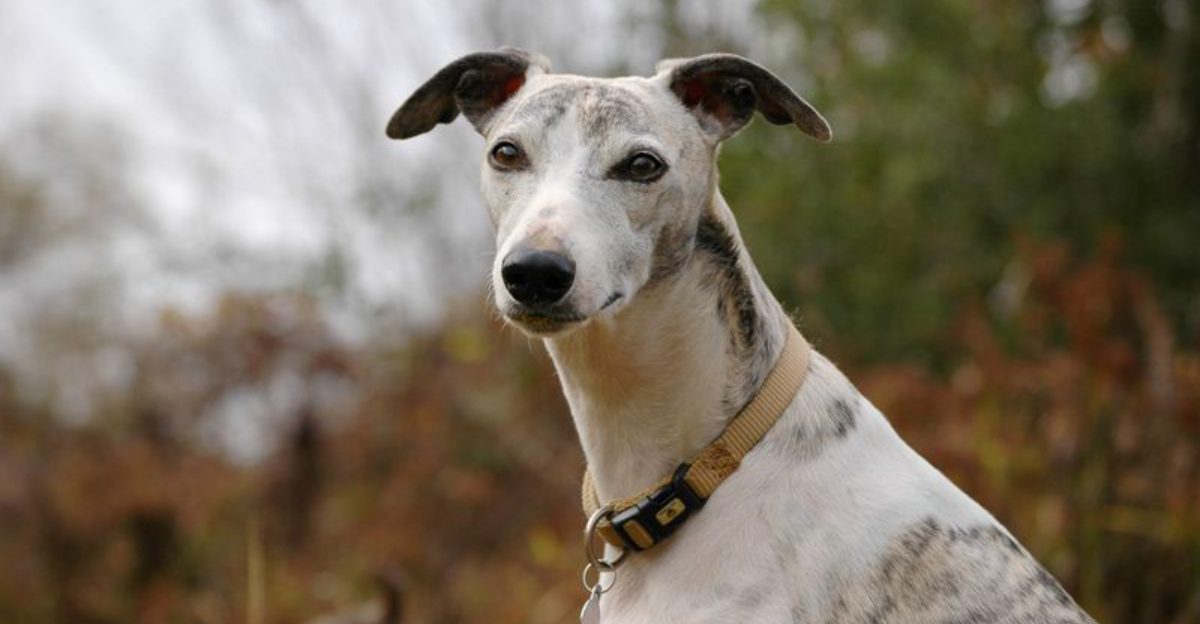
Light as a breeze, the Whippet can sprint like a rocket yet snooze like a pro. Families love the calm at home, but many are surprised by how much secure exercise and prey-control training they require.
Small pets and open doors invite chase, so management matters. Give daily sprints, soft bedding, a draft-free spot, and a well-fitted martingale collar, and satisfaction grows.
Gentle handling suits their sensitive nature. Coats are low-shed but still need brushing.
Brittany
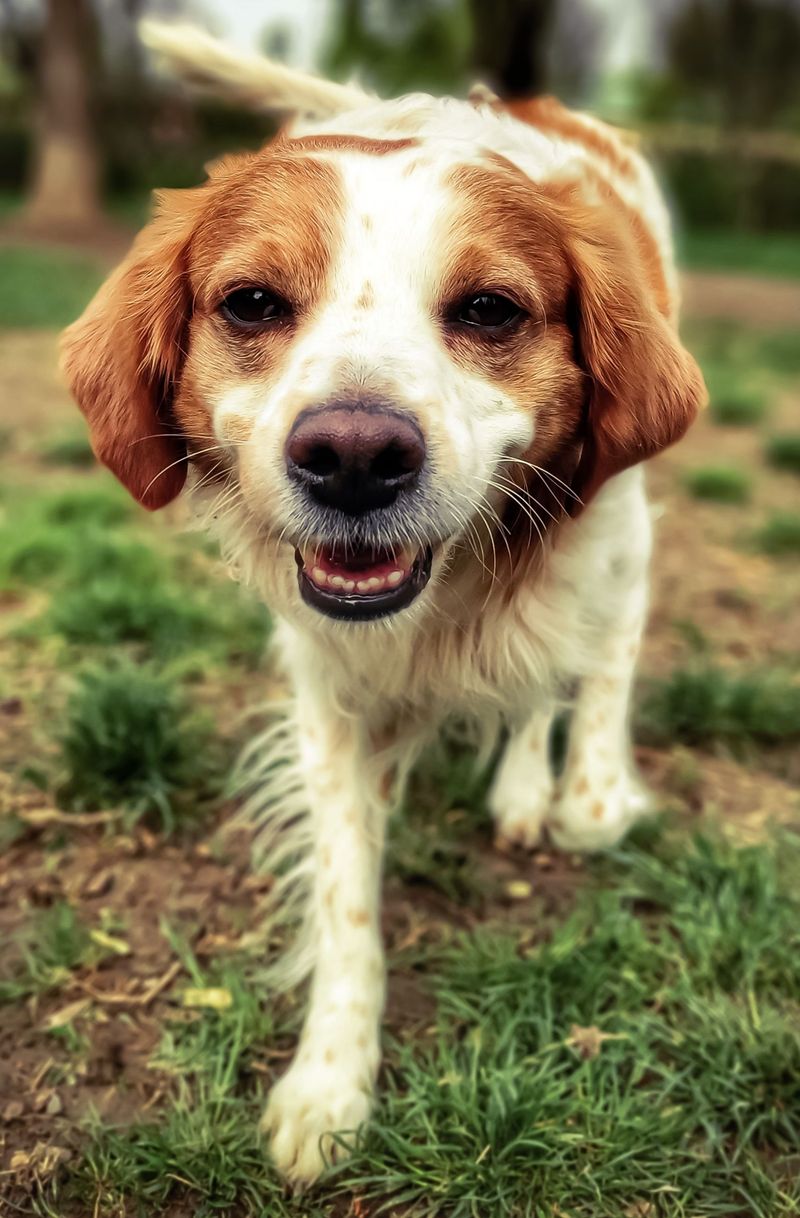
Birdy by nature, the Brittany wakes up ready to move and learn. Owners often expect a mellow housemate, yet this upbeat athlete needs jobs, variety, and patient direction.
Channel energy into nose work, field games, or long hikes, and practice calm settling after. Fair rules, recall training, and puzzle feeders keep frustration low and tails high.
Grooming stays simple, but weekly brushing and ear checks prevent mats and infections. Social time seals their happiness daily.
Keeshond
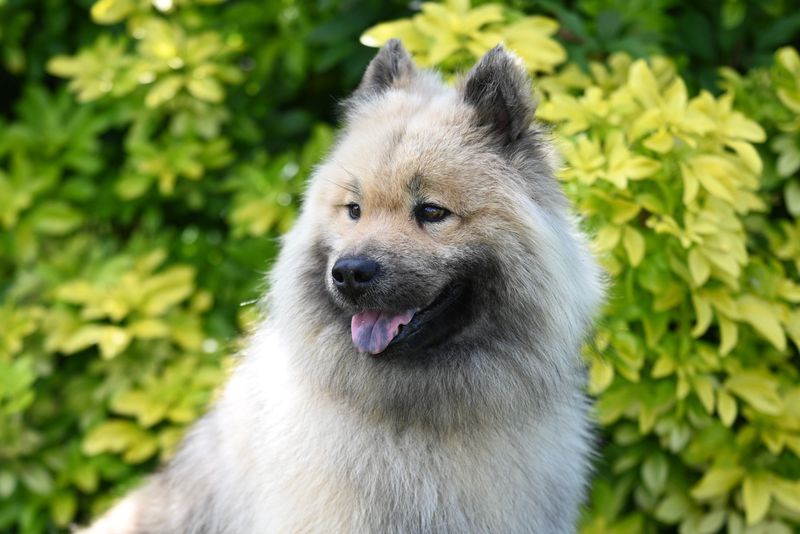
Smiling eyes and a plush coat win hearts, but the Keeshond craves togetherness even more. Left alone too long, many bark from boredom or worry.
Plan for steady companionship, short training sessions, and play breaks, especially during adolescence. Daily brushing, line-combing weekly, and seasonal de-shedding prevent tangles and keep the coat healthy.
Positive reinforcement, neighbor-friendly bark training, and food puzzles raise satisfaction for everyone, while a cozy crate supports restful downtime during storms or busy evenings.
Finnish Lapphund
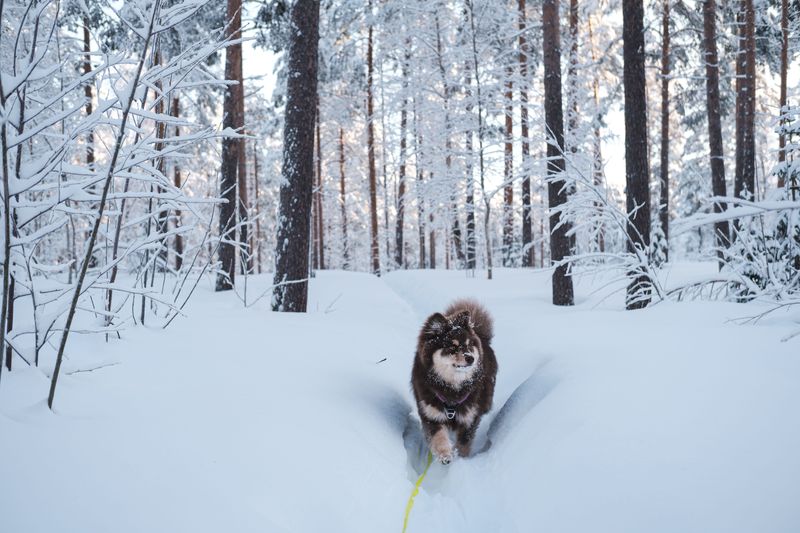
Born to herd reindeer in the Arctic, the Finnish Lapphund reads people and movement quickly. That smart brain needs gentle structure, not harsh corrections.
Set clear routines, give sniffy walks, and teach a quiet cue, since alert barking can appear with visitors. Frequent brushing, especially behind ears and pants, keeps the fluffy coat tidy and comfortable.
On soggy days, sturdy boots help you keep moving, and cheerful clicker games indoors satisfy brains without spinning them up.
Havanese
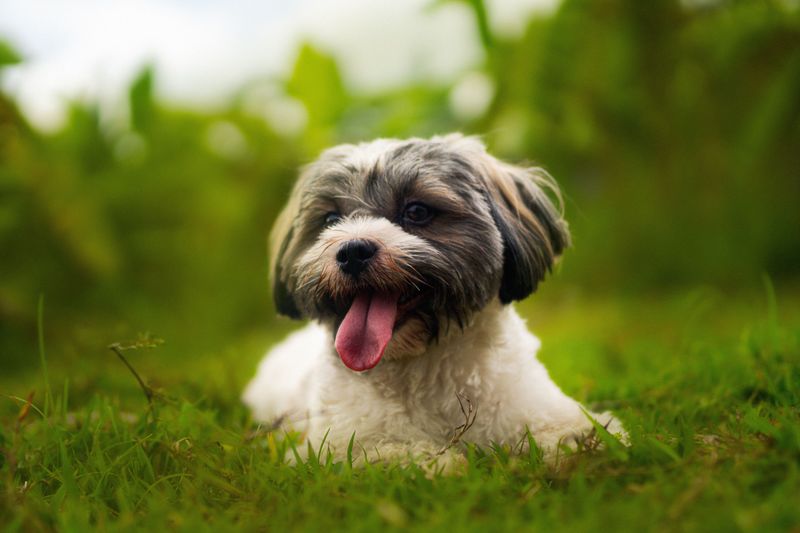
Apartment life suits the Havanese, yet they prefer shadowing their people over lounging alone. If you travel or work from home, the fit can feel magical.
Without company, boredom barking and clinginess show up, so plan gentle independence games and cozy rest zones. Brush often, comb to skin weekly, and schedule regular trims to prevent matting under that silky curtain.
Short training bursts, tricks, and friendly visits keep minds bright and tails swishing with joy.
English Springer Spaniel
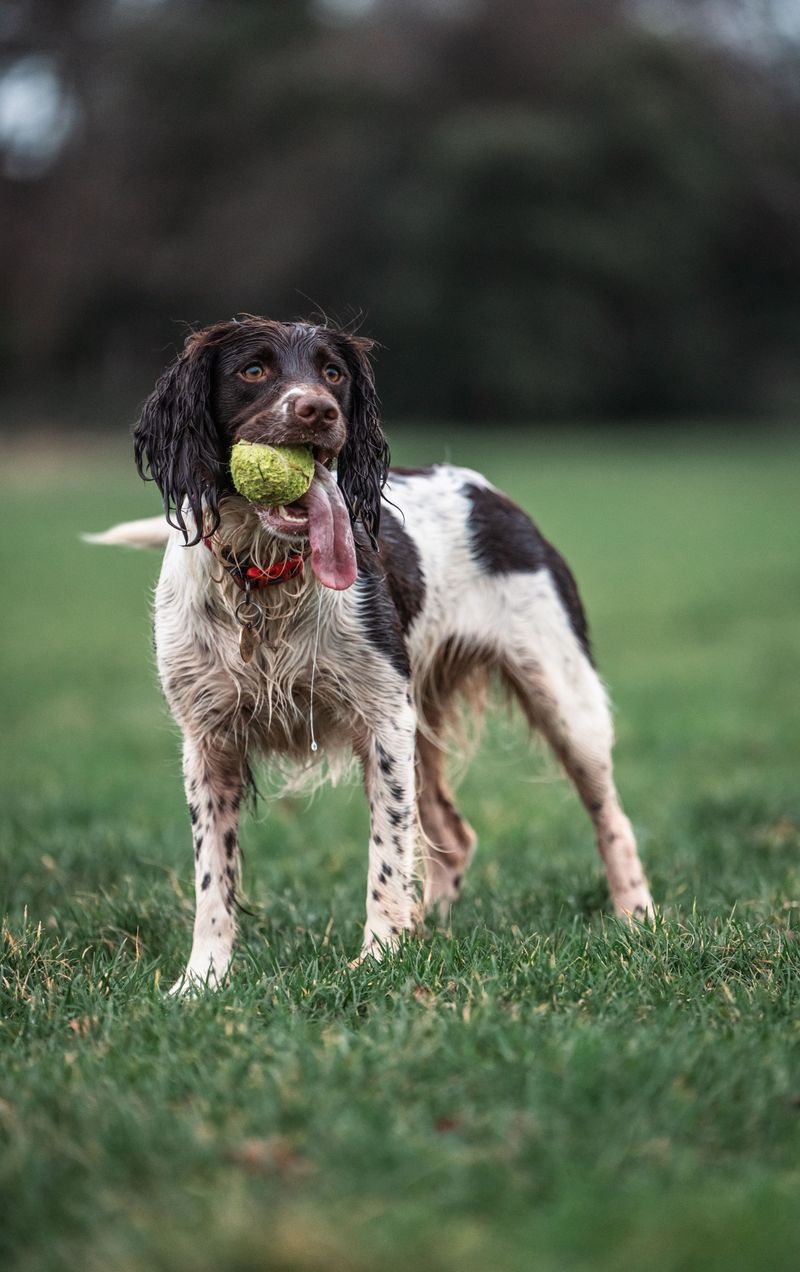
Field-bred Springers run like weekend warriors, then look for muddy hugs. Show lines tend to be calmer, but both types need exercise and brain work daily.
Plan off-leash outlets only with rock-solid recall, because scent and birds flip the switch fast. Grooming means thorough combing, ear care, and trimming feathers to stop burrs from forming mats.
Calm social exposure, place training, and chew rotations curb excitability and help youngsters relax after adventures at home nightly.
Standard Schnauzer
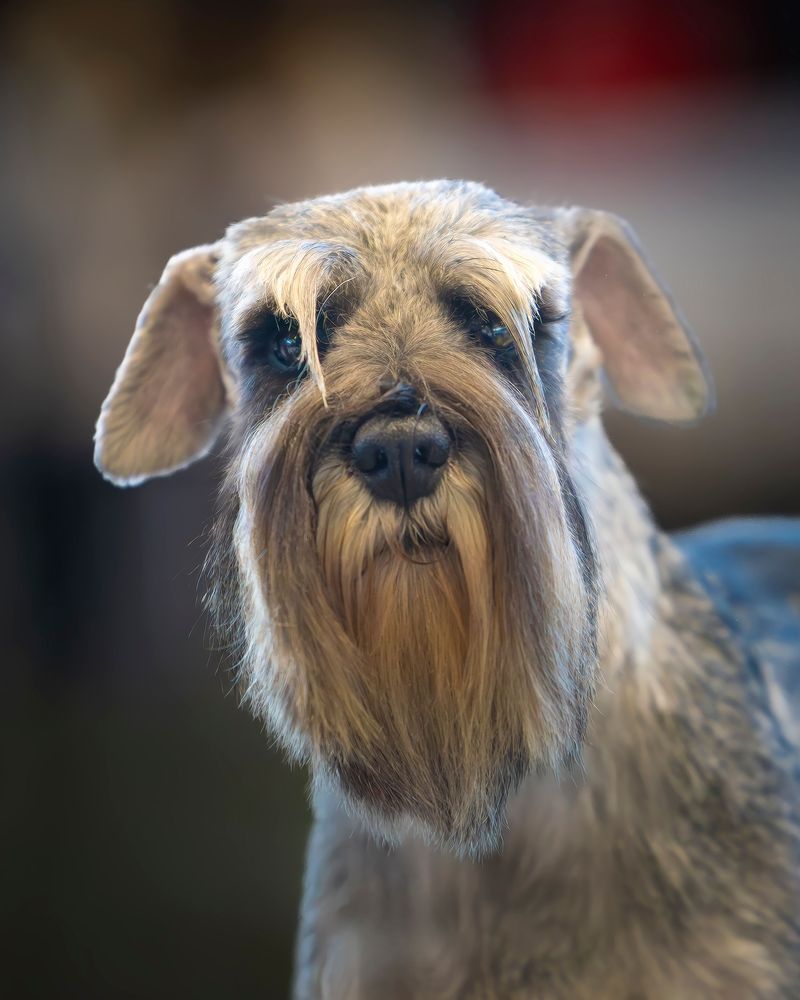
A wise old soul in a bearded face, the Standard Schnauzer questions every rule you set. That independent mind can frustrate first-time owners seeking automatic obedience.
Make training a debate with rewards, choices, and clear boundaries, and you will both enjoy the game. Expect regular hand-stripping or clipping, daily brushing, and firm plans for barking, chasing, and protective instincts.
Long hikes, scent games, and thoughtful guests keep this watchdog satisfied and polite during busy seasons.
Rough Collie
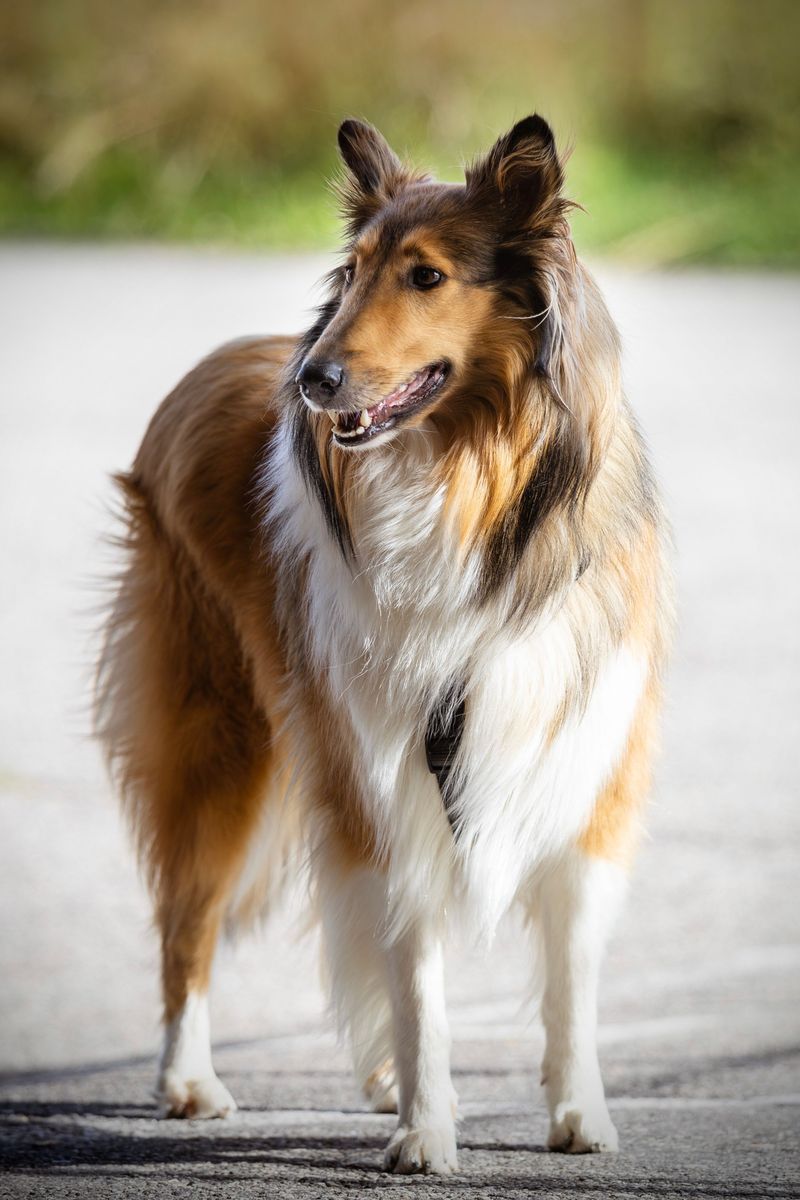
Stories of Lassie promise perfect manners, yet real Rough Collies still need guidance and steady practice. Sensitive and devoted, many worry about loud chaos or harsh words.
Teach confidence through calm routines, polite greetings, and soft praise, and handle the glorious coat with thorough weekly line-brushing. Eye exams matter, and a long nose benefits from slow bowl designs for easy breathing while eating.
Gentle herding games and scenic walks lift spirits without overwhelming their hearts.
Flat-Coated Retriever
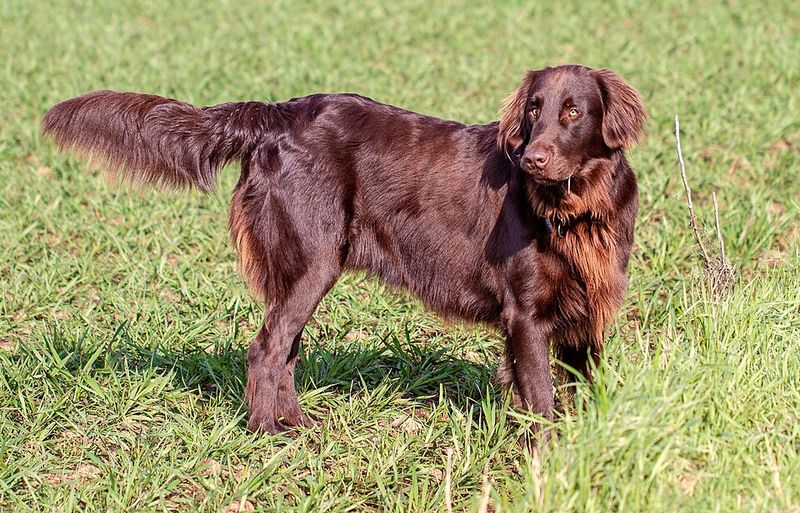
Perpetual puppy vibes describe many Flat-Coats, even after birthdays pile up. Families may expect Golden-style chill, but this clownish retriever keeps seeking parties, people, and play.
Outlet that joy with long fetch sessions, swimming, and steadiness drills, then teach an on-switch and an off-switch. Regular brushing, ear checks, and thoughtful cancer screening schedules support health and happiness over time.
Training with humor, structure, and durable toys keeps enthusiasm productive instead of chaotic, indoors and outdoors.
Portuguese Water Dog
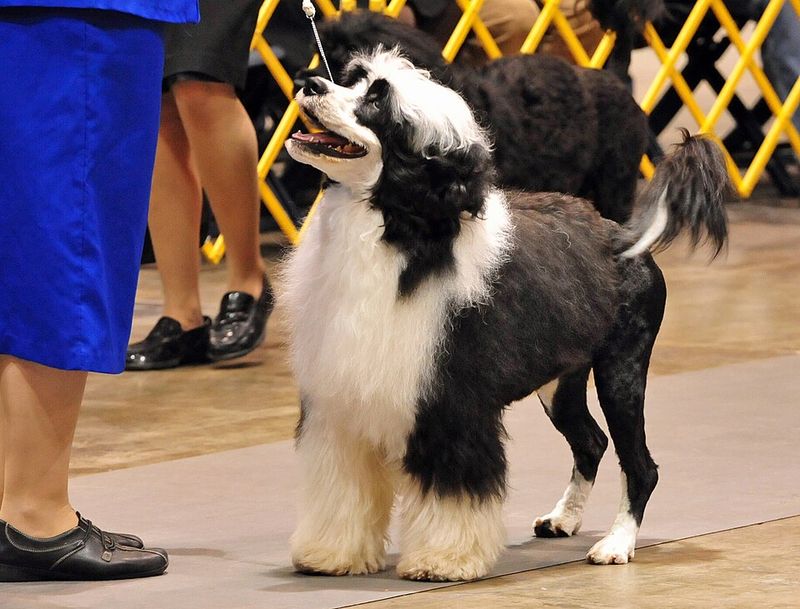
Water-loving by design, the Portie usually greets puddles like old friends. Energy and wit are high, so boredom can turn into mischief quickly.
Daily swims, dock work, or hose games pair well with focused obedience and place training to build calm. Curly coats need regular scissoring or a practical retriever clip, plus thorough combing to the skin each week.
Friendly socialization with kids, dogs, and boat ramps prevents surprises during real-life outings in all seasons.
Field Spaniel
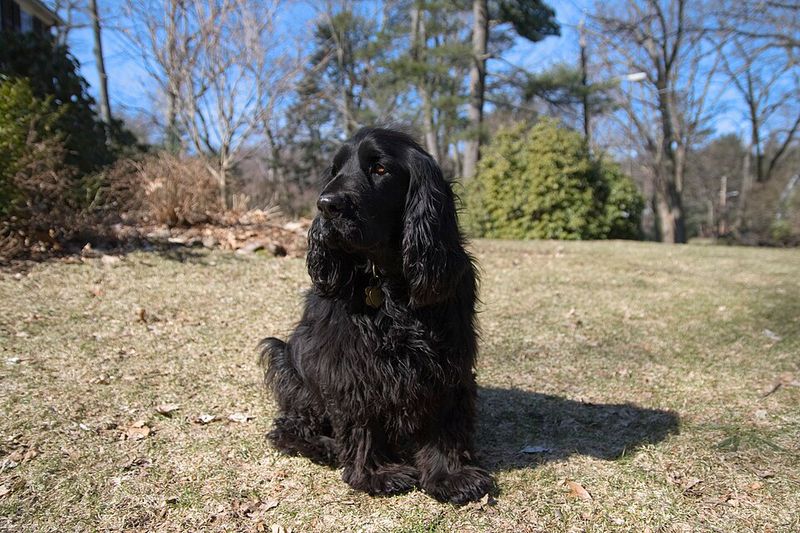
Quietly capable, the Field Spaniel brings steadiness to the right home. Popularity never soared, partly because they mature slowly and dislike harsh pressure.
Gentle field games, rally, and tracking suit their thoughtful style, while calm crate routines protect rest. Ears need airflow, coats need thorough combing, and exercise must hit ‘enough’ without pushing them into scatter-brained zoomies.
Kind people get grateful dogs. Short lessons, tasty rewards, and patient friendships bring out their best qualities beautifully.