Our lives are changing fast. Many people now live in smaller homes, work longer hours, and spend more time online.
Some wonderful dog breeds were built for fields, water, or long workdays, not elevators and quick walks. Knowing why certain breeds fade can help families choose better and keep dogs happier.
Irish Setter
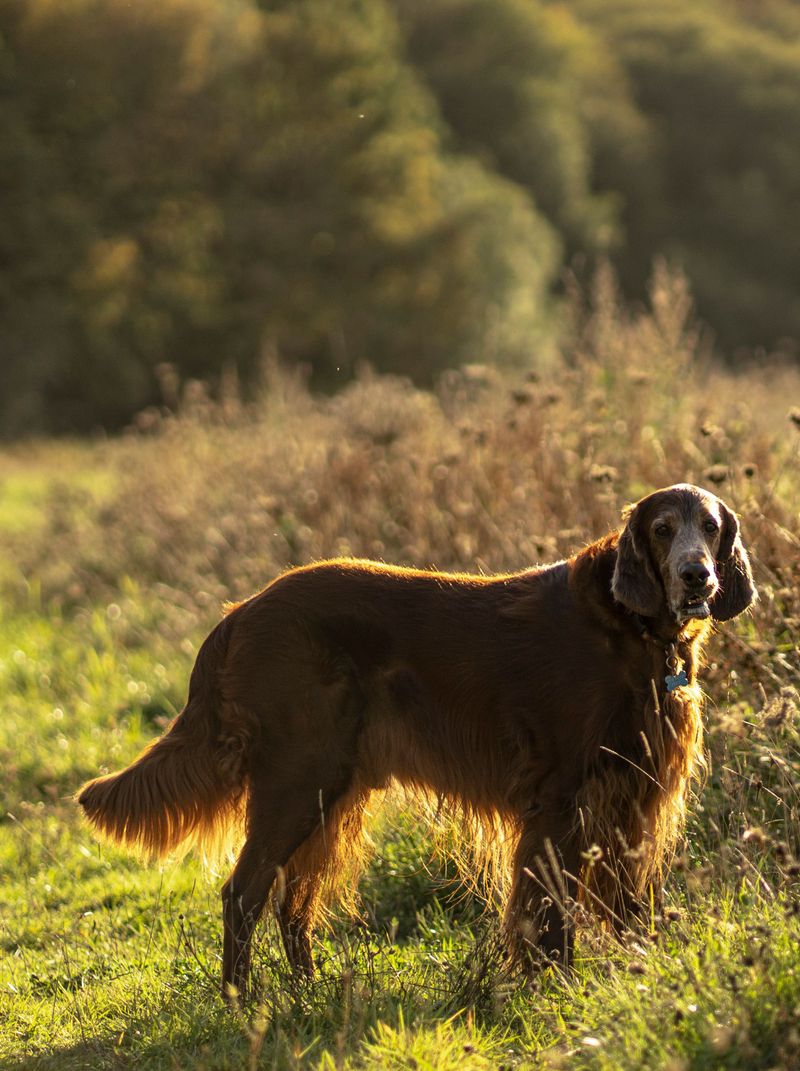
With a coat like autumn leaves, the Irish Setter turns heads at the park. Yet boundless energy needs space and time that many apartments and busy schedules cannot give.
Long commutes and small yards make daily runs rare.
If you love the breed, plan for morning jogs, puzzle games, and pro grooming to manage tangles. Consider dog sports like agility or field training to focus that spark.
Families who set routines often see a calmer, happier red companion.
Old English Sheepdog
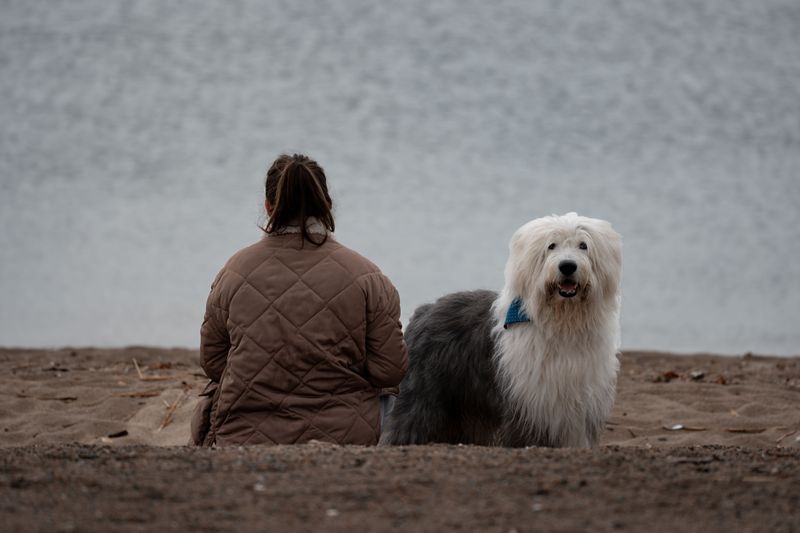
That shaggy silhouette feels like a walking cloud. Historically, Old English Sheepdogs worked long days in open fields, not hallways.
Today, many homes lack mudrooms, time for brushing, and room for steady herding instincts.
Daily coat care, early training, and scent games can redirect restless energy. Short urban walks are not enough, so schedule hikes or stroller-free park loops each weekend.
Fans who commit enjoy a goofy, loyal partner with a legendary bounce.
English Setter
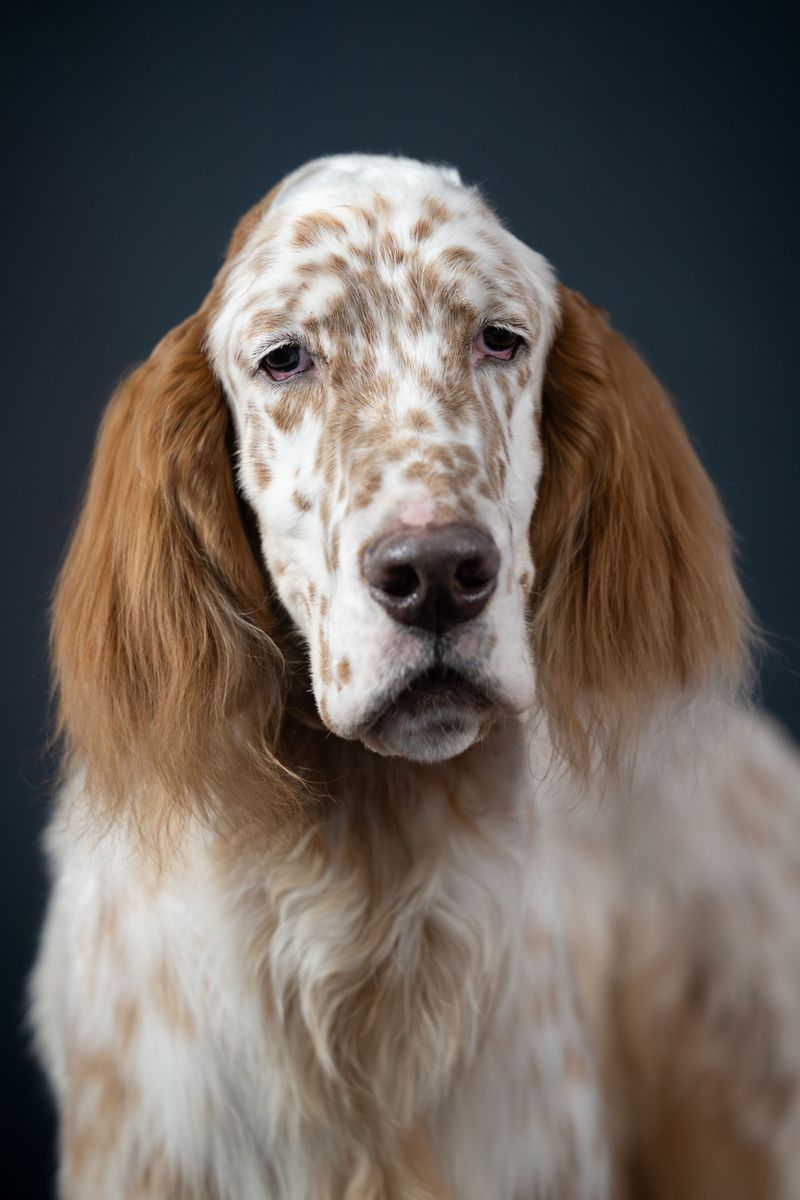
Feathered ears, soft eyes, and a nose that never clocks out. English Setters were bred to range over fields, then rest by the fire.
Studio apartments and eight-hour workdays rarely match that rhythm.
Meet halfway with long sniff walks, recall practice, and a backyard scent garden using hidden treats. Regular field days with a local sporting club can satisfy instinct without hunting.
Keep grooming tools handy to tame feathers and reduce matting.
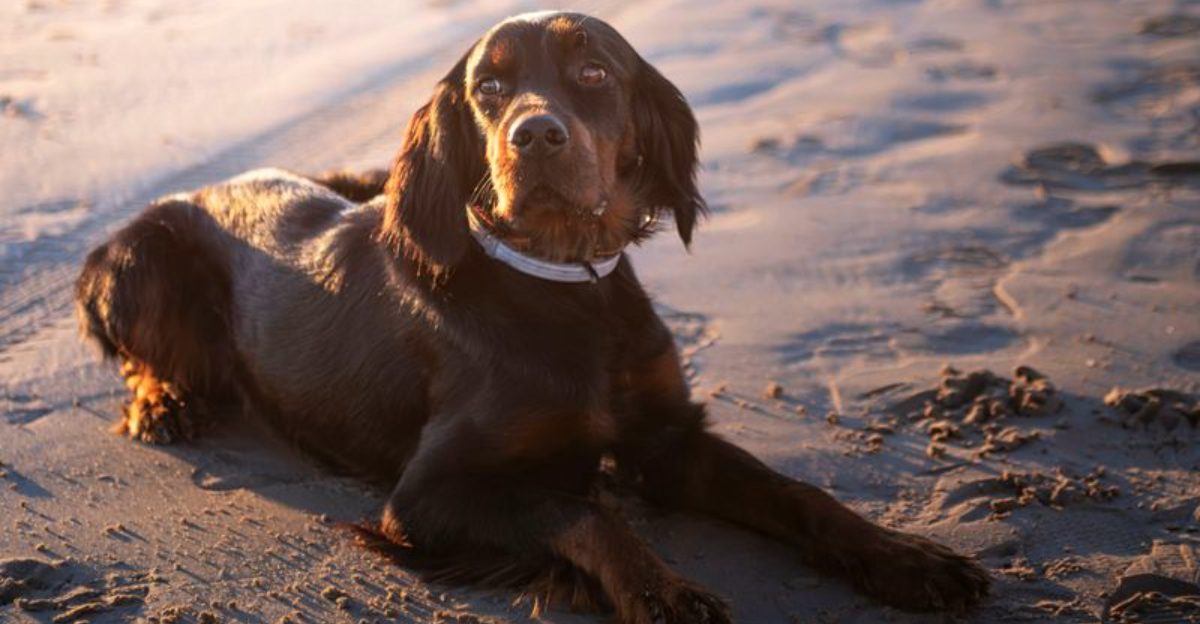
Gordon Setter
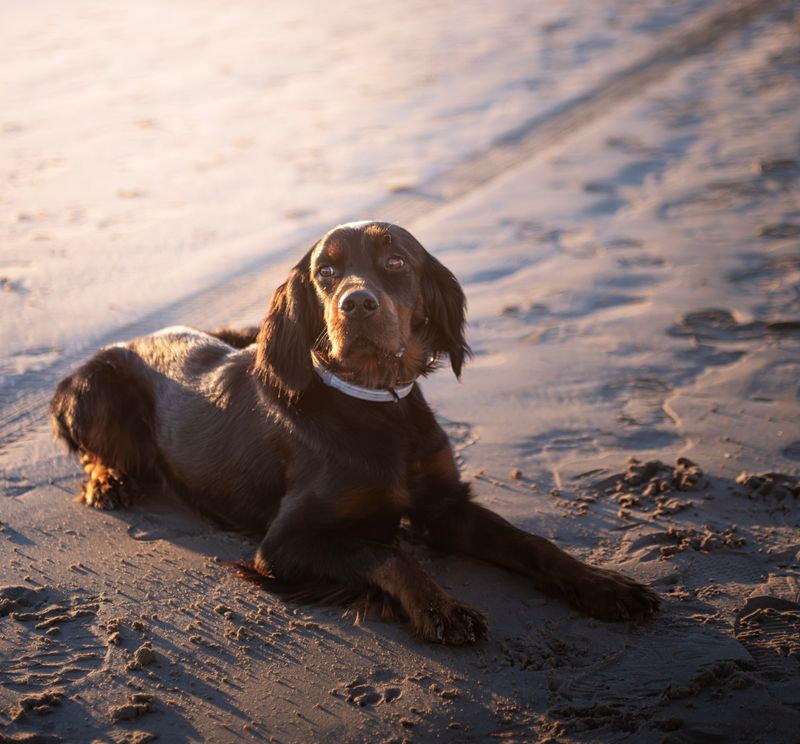
Dressed in black and tan, the Gordon Setter brings a steady, serious vibe. Heavier than other setters, they need strength work and patient training.
City stairs and crowded elevators can frustrate a dog built for rugged hills.
Choose canicross, tracking, or long forest hikes to satisfy body and brain. Rotate chewy, durable toys for mental drills on rainy days.
With consistent structure and early social time, families discover a thoughtful athlete who thrives on shared projects.
Saint Bernard
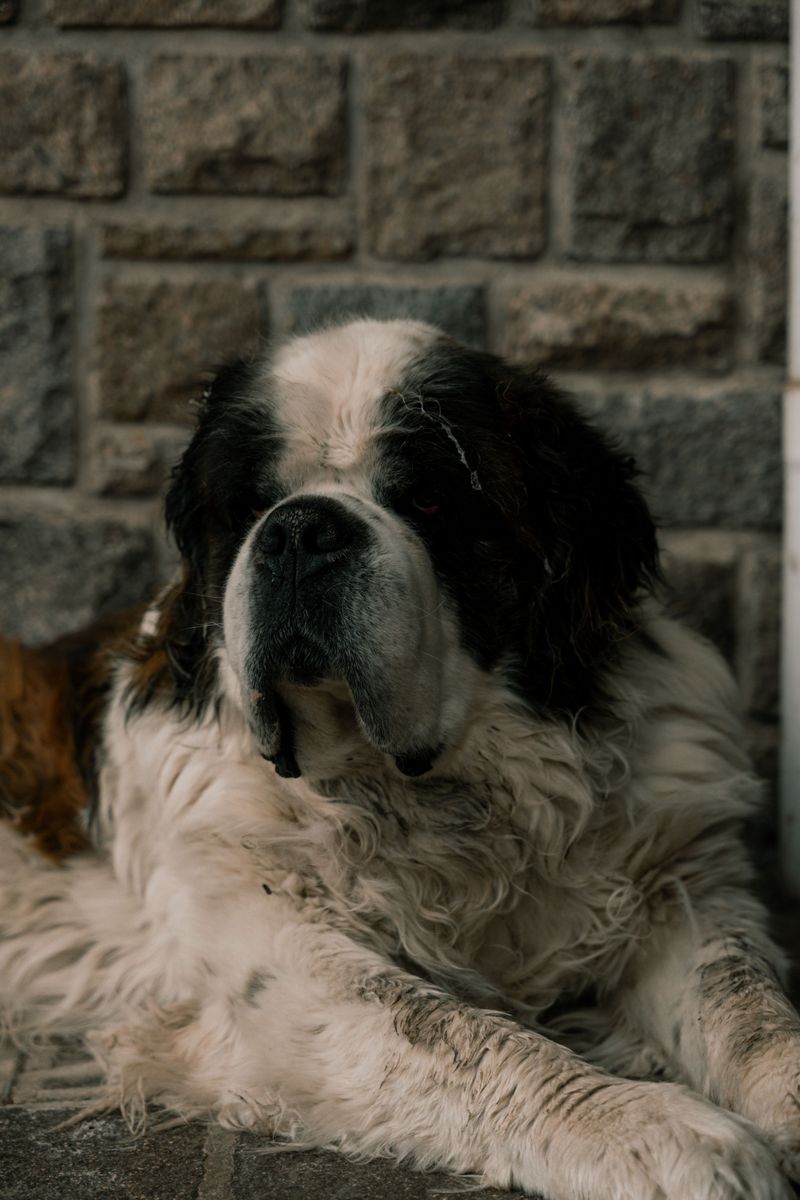
A giant head peeking through the car window always earns smiles. Saint Bernards grow rapidly and carry serious weight as adults.
Small apartments, slippery floors, and tight budgets often push families to choose smaller breeds.
If your heart is set, plan for orthopedic beds, slow stairs, and steady conditioning to protect joints. Budget for big-dog food, drool towels, and strong grooming tools.
Gentle manners come with short, upbeat training sessions and lots of calm praise.
Scottish Terrier
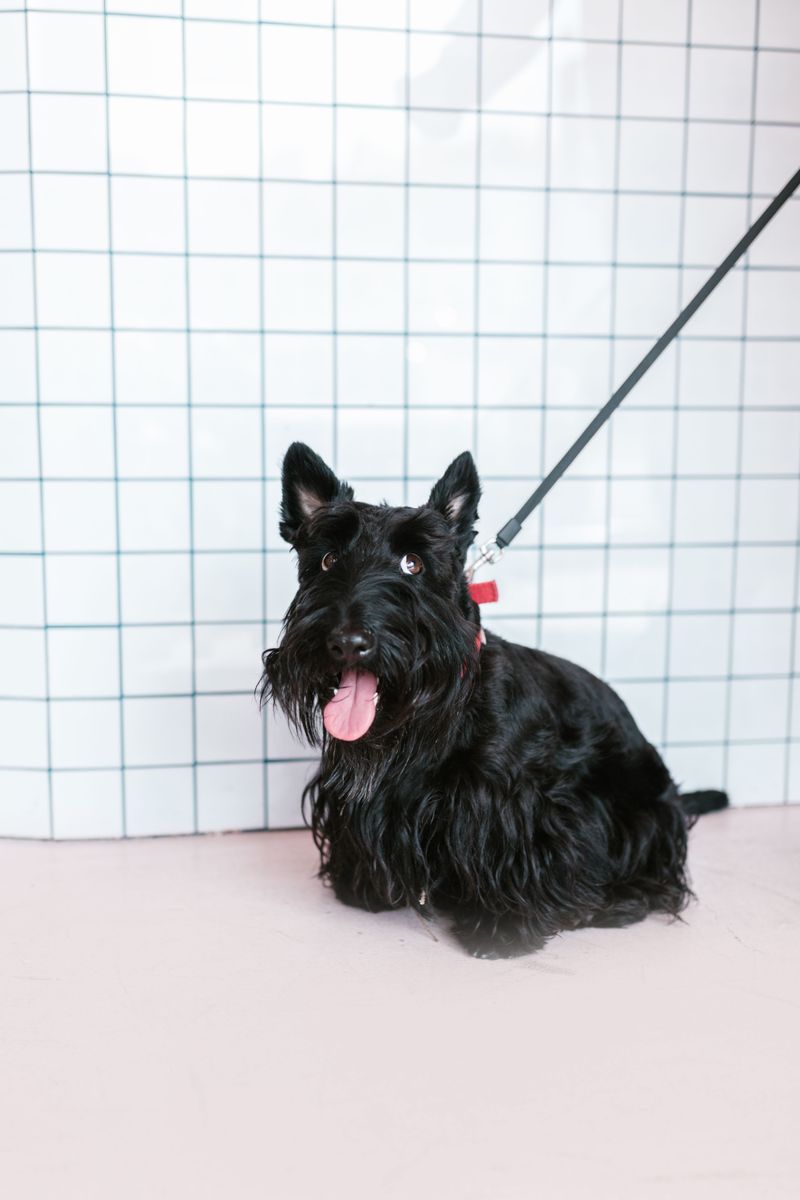
Small body, big opinion. The Scottish Terrier was built to work independently, so city noise and constant handling can feel annoying to a proud little hunter.
Many modern homes forget how much purpose this spirit needs.
Provide nose work, dig boxes, and brisk walks that let the legs churn. Keep training short and witty, and reward thoughtful choices.
With respectful kids and clear rules, Scotties shine as bold roommates who enjoy quiet couches after adventures.
Fox Terrier
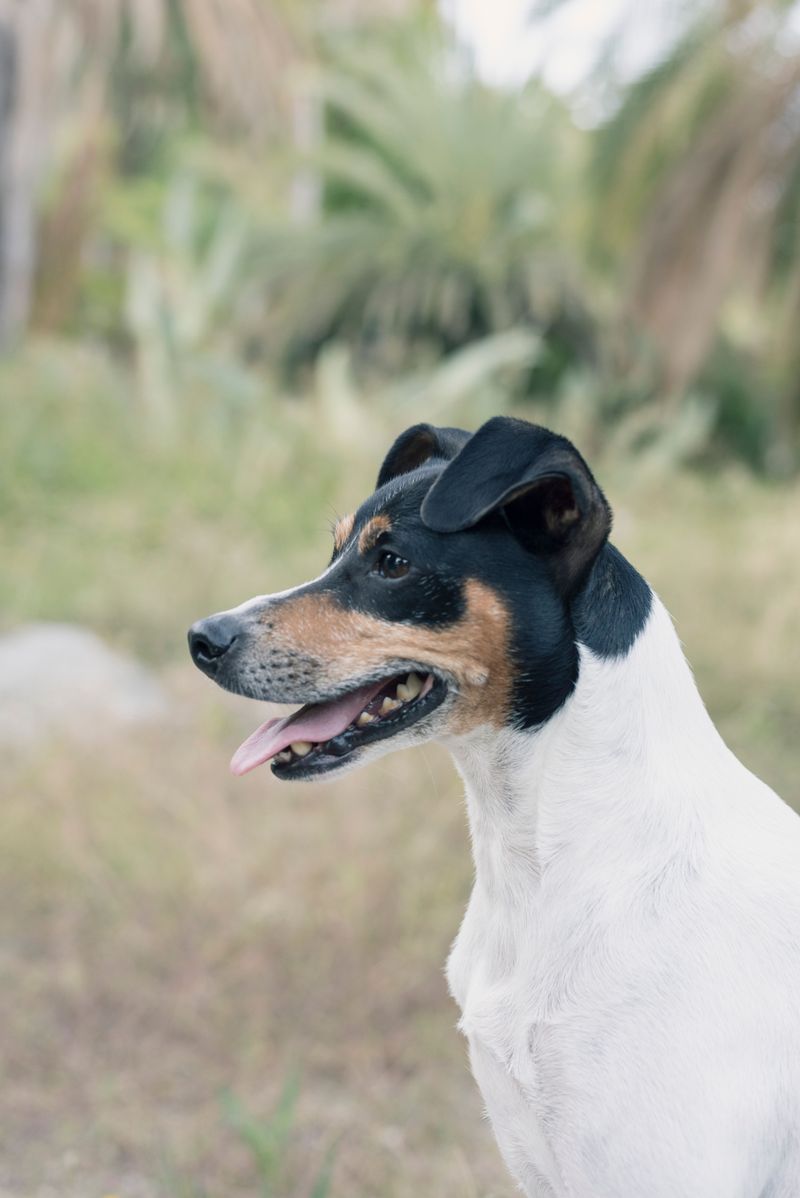
A spring-loaded jump and a curious stare tell the story. Fox Terriers love motion, puzzles, and a good chase.
Crowded neighborhoods with scooters and squirrels can make impulse control tough.
Channel that zip with flirt poles, fetch on long lines, and structured playdates. Teach solid settle cues and offer chew breaks after excitement.
With clear expectations, the clownish charm turns into focused fun, even in a small space.
Weimaraner
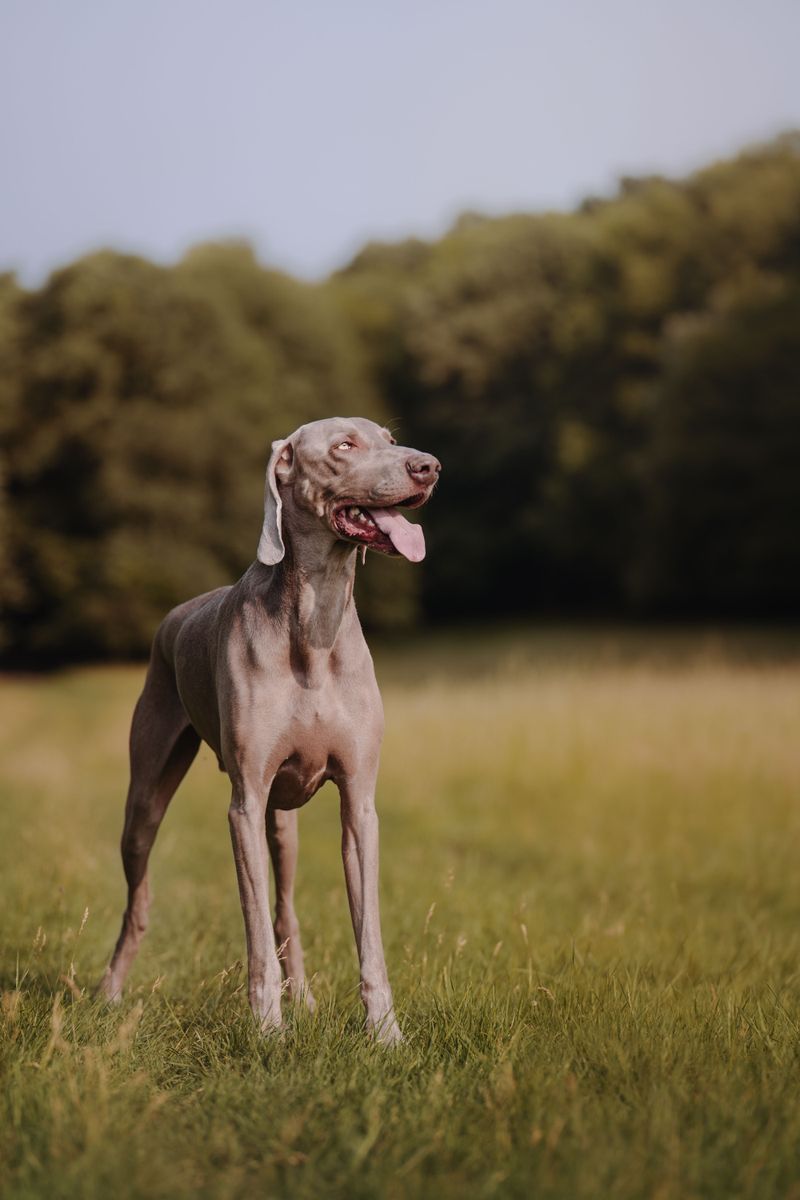
Silver-gray muscles and a gaze that asks, what next. Weimaraners are built for endurance and thrive on close human contact.
Long workdays and limited exercise leave many feeling anxious or destructive.
Plan for off-leash training in safe areas, trail runs, and steady crate practice for restful naps. Food puzzles help tire the mind.
When needs are met, you get a velcro friend who listens well and settles beside you after big adventures.
Collie
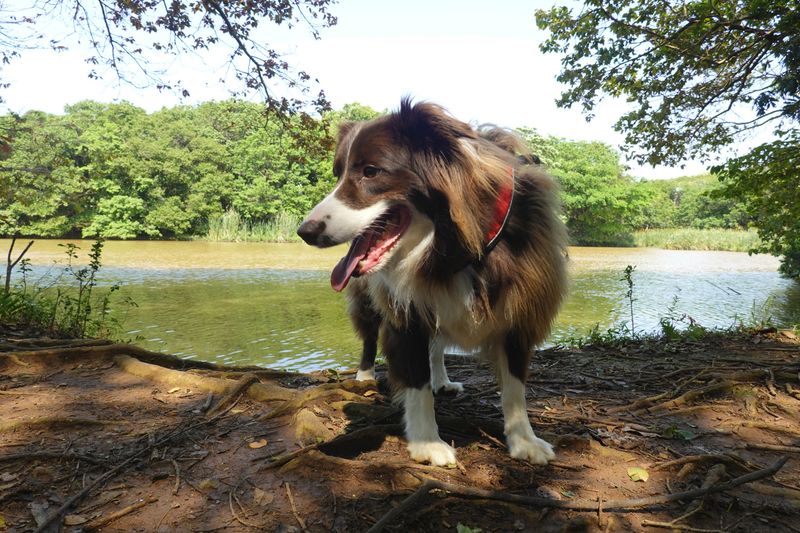
Stories of heroic farm helpers gave Collies a golden glow. Modern city life offers fewer sheep and far more screens.
Without jobs, many grow bored, barky, or nervous.
Give them tasks like trick chains, nose targets, and kid-safe herding games using yoga balls. Gentle exposure to traffic sounds builds confidence.
Regular brushing prevents mats and keeps that storybook look shining on walks around the block.
Chesapeake Bay Retriever
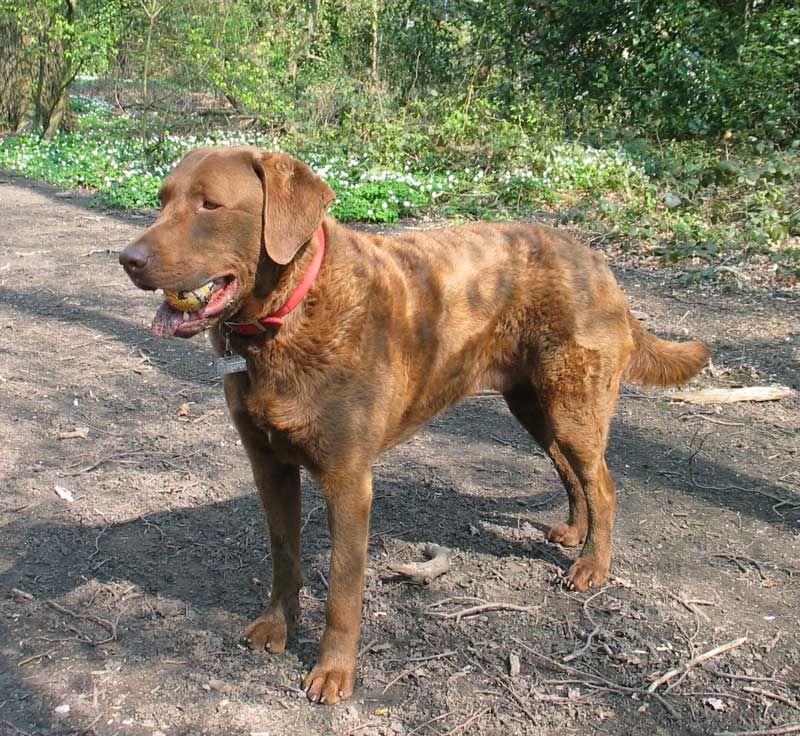
Salt spray, cold winds, and a stubborn heart describe the Chesapeake Bay Retriever. Bred for rough water retrieves, they need work that feels meaningful.
Apartment life with short potty walks rarely scratches that itch.
Try dock diving, advanced fetch drills, and steady obedience around distractions. A kiddie pool and bumpers can turn a yard into training space.
Keep coats healthy with regular drying after swims, and you will see grit balanced by real sweetness.
Clumber Spaniel
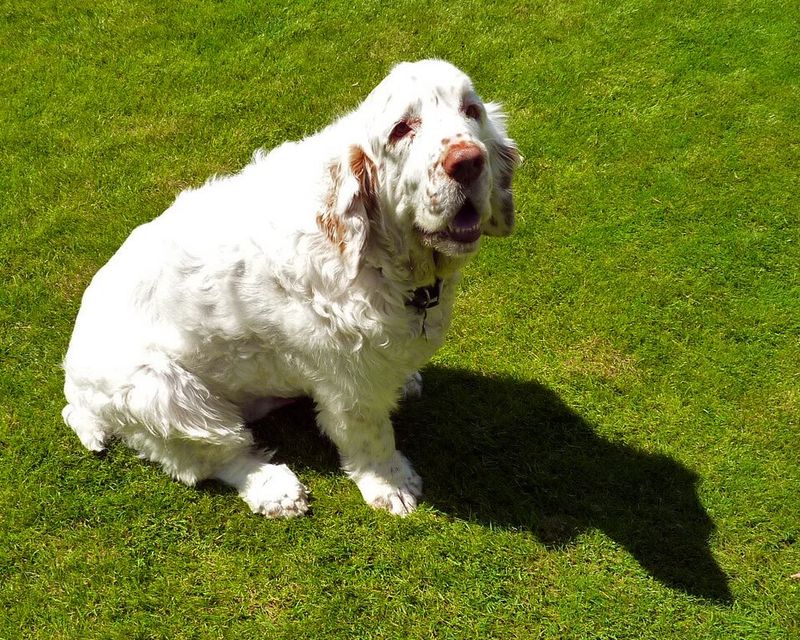
Low, sturdy, and surprisingly athletic, the Clumber Spaniel moves like a tank with manners. Slow development and heavy bones call for careful exercise.
Tight stairwells and fast dog parks can be rough on joints.
Choose soft-field wandering, scent trails, and short training bursts that keep things upbeat. Regular ear checks and tidy trims help prevent issues.
Fans adore the quiet humor, especially after a good sniff session and a comfy nap under the table.
Field Spaniel
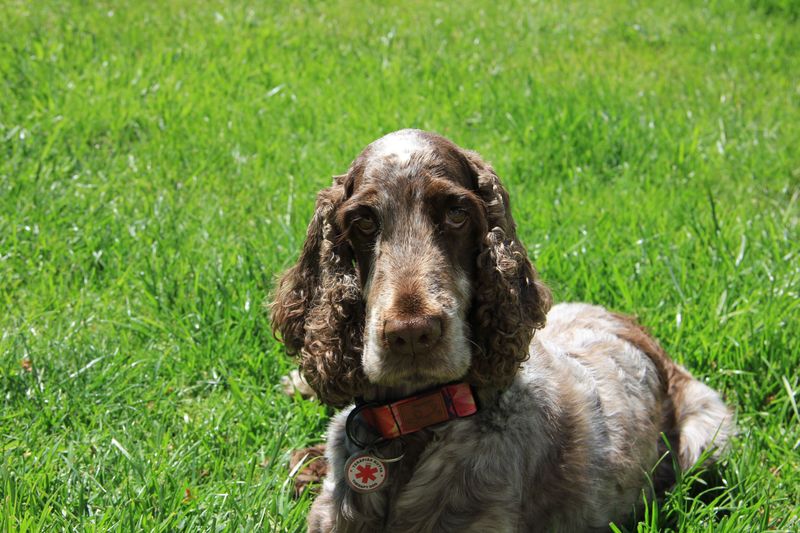
Often mistaken for a small English Cocker, the Field Spaniel brings a calm, thoughtful vibe. Popularity dipped as flashier breeds took the spotlight.
Busy families sometimes overlook how much steady engagement this dog craves.
Plan gentle hikes, tracking games, and cooperative training that builds trust. Aim for quality time over chaos.
With fair rules, consistent grooming, and a peaceful home base, Field Spaniels reward you with quiet dedication and a soft, waggy greeting.
Irish Water Spaniel
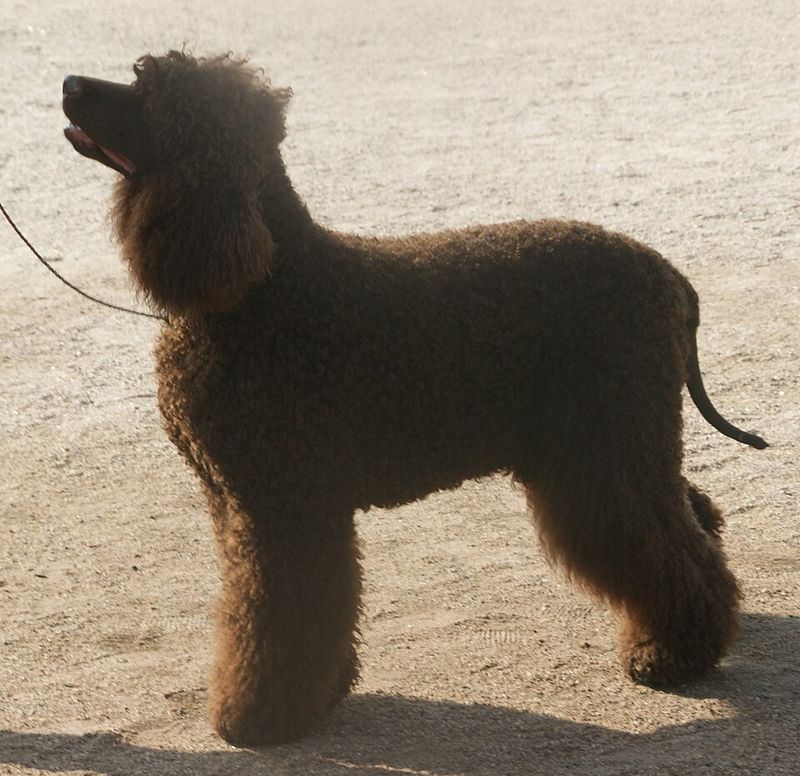
Tight curls, a rat tail, and a clownish grin make the Irish Water Spaniel unforgettable. This swimmer is clever and sensitive.
Lack of activity and rough training styles can sour the fun.
Keep sessions short, upbeat, and full of water work when possible. A safe lake, bumpers, and patient recalls build confidence.
Regular coat care and dry-offs prevent skin trouble, and that playful spark stays bright well past puppyhood.
Curly-Coated Retriever
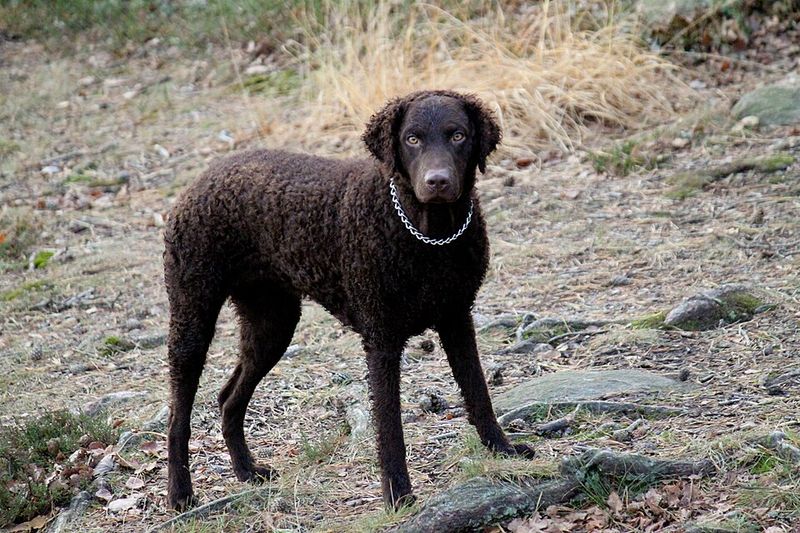
Those tight curls are waterproof armor and conversation starters. The Curly-Coated Retriever is independent for a retriever, and urban routines can feel too repetitive.
Without big challenges, they invent their own.
Mix advanced retrieves, directional casts, and long hikes into weekly plans. Rotate training fields and practice steadiness around wildlife.
Provide regular grooming to keep curls healthy, and you will uncover a witty worker who thrives on variety.
Keeshond
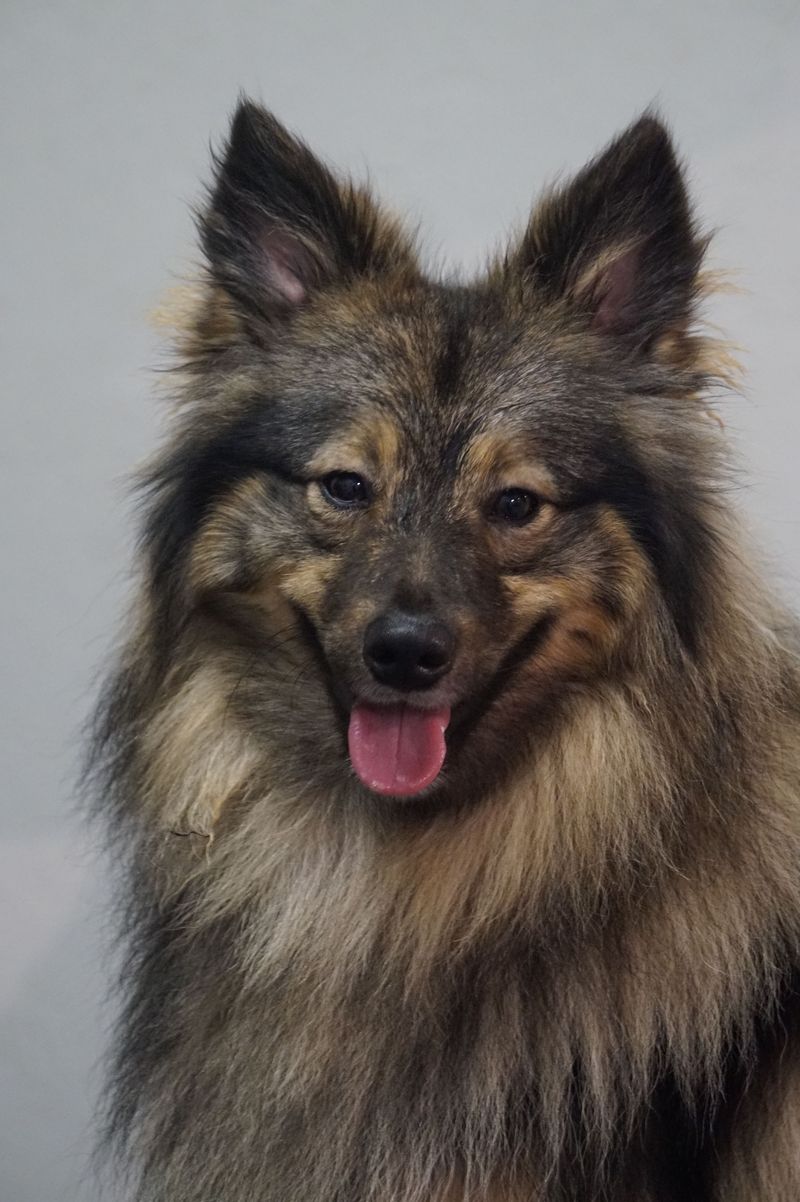
Smiling eyes and a plush coat gave the Keeshond a reputation as the friendly canal boat guardian. Today, many condos limit barking, and heavy coats need serious brushing.
Quick changes in routine can spark worry.
Solve it with predictable schedules, gentle social trips, and a weekly grooming plan. Use treat scatters to encourage quiet sniffing when guests arrive.
With steady reassurance and brain games, the cheerful spirit returns and the smile spreads again.