
New toys are fun, but many smart dogs crave a job. Teaching skills builds trust, burns energy, and keeps minds sharp.
You also save money and help your dog feel proud and calm. Try these training ideas tailored to each breed and see your bond grow.
Border Collie
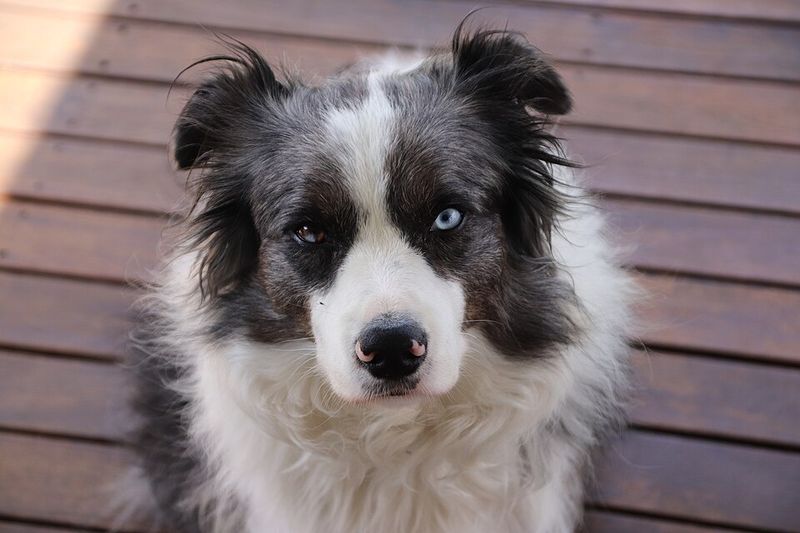
With eyes that read you like a book, the Border Collie is ready for school. Channel that mind into backyard agility.
Start with low jumps made from broomsticks, then add a wobble board and a simple tunnel. Short sessions keep frustration low.
Use a clicker, clear markers, and fast rewards. Mix in impulse control games like wait at the gate.
Fun fact: many herding trials reward calm eye contact, not speed alone.
Belgian Malinois
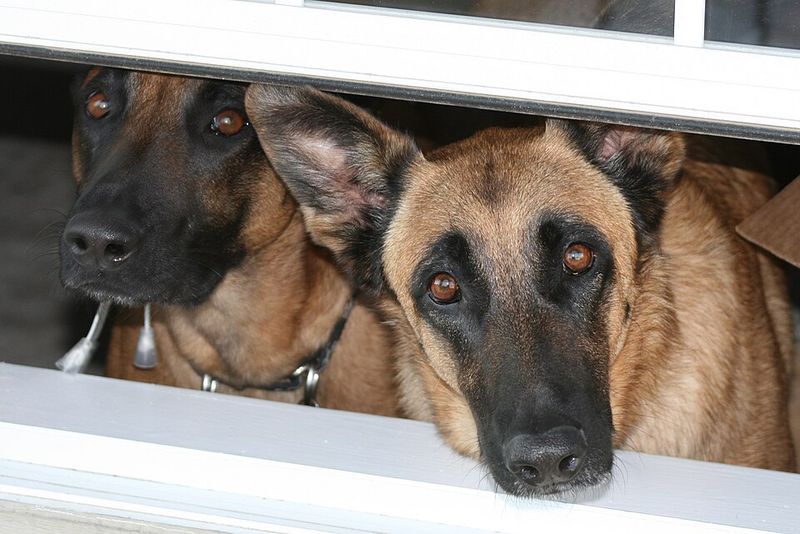
High drive and a brain to match, the Malinois thrives on tasks that matter. Teach scent detection at home.
Hide a cotton swab with clove oil in one of several boxes and reward a clear nose touch. Keep arousal balanced with calm praise.
Build difficulty slowly, then add searches in different rooms. Rotate odors once the foundation is strong.
History note: police units prize Malinois for precision and stamina, not just energy.
Standard Poodle
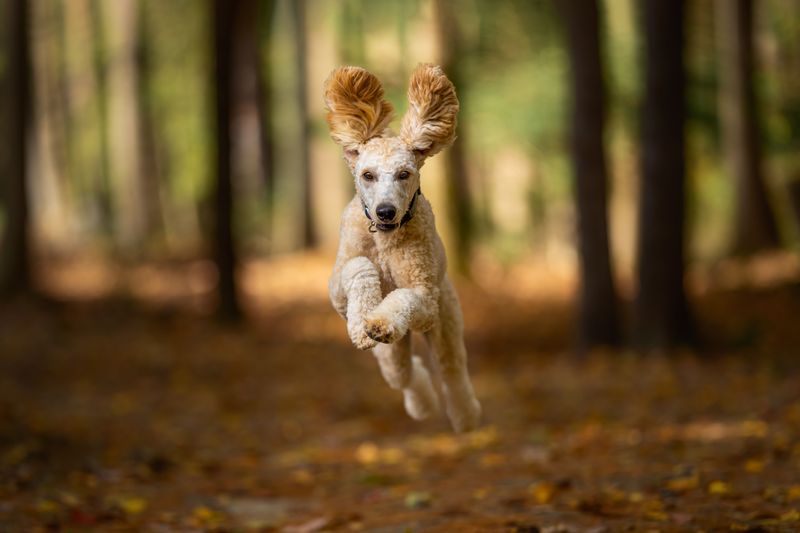
Behind the fancy haircut lives a sharp problem solver. Try precision heeling and pivots.
Use a target beside your leg, reward quiet focus, and practice slow, fast, and halt patterns. Two minutes of tidy footwork beats ten of wild fetch.
Add tricks that use body awareness, like perch work and bow. Toss in light retrieve games for variety.
Fun fact: Poodles once carried notes between boats along rivers in Europe.
Australian Shepherd
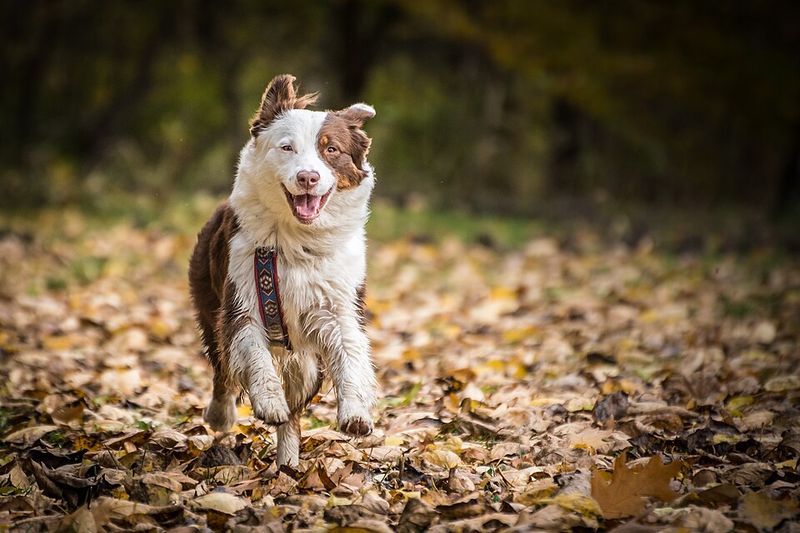
Aussies buzz with ideas and need structure. Build a fitness circuit at home.
Teach paws up on a balance disc, step onto a platform, then back up slowly. Each move strengthens joints and tunes focus.
Keep reps short to protect growing bodies.
Mix in herding-style games like gathering scattered toys into a bin. Praise thoughtful choices.
Many ranch Aussies learn boundary work, so try place training to mirror that job.
German Shepherd
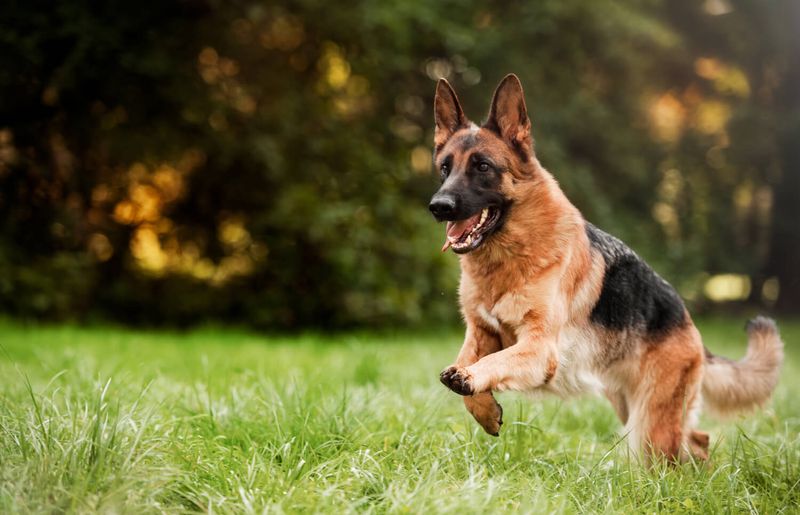
Steady nerves make the Shepherd shine. Teach a rock-solid place command.
Start with a raised cot, reward calm lies, and lengthen time with real-life distractions like door knocks. This skill helps guests arrive to a peaceful home.
Layer in loose-leash walking with automatic sits at curbs. Clear routines lower reactivity and build trust.
Historical note: early German breeders prized balanced temperaments for farm, military, and family roles.
Papillon
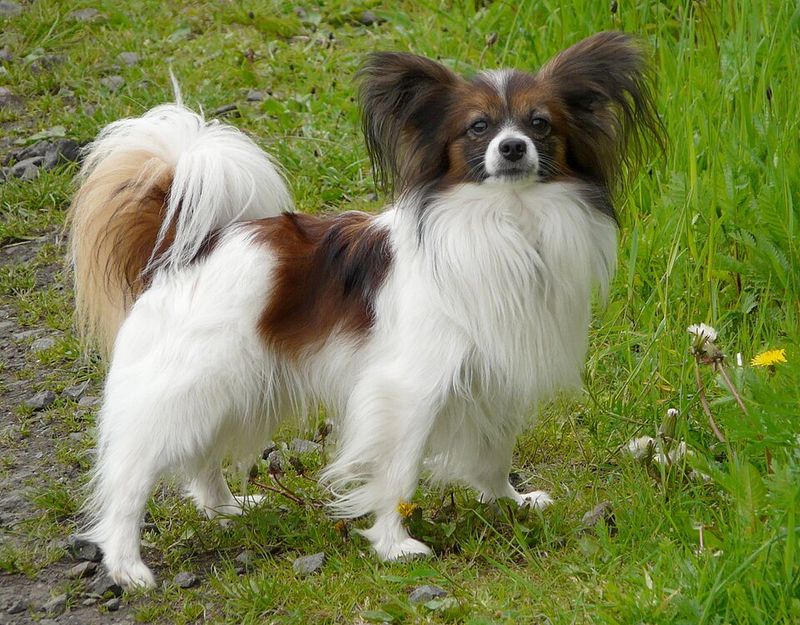
Small body, huge brain. Papillons love trick chains.
Teach nose and paw targets on coasters, then link them to spin, crawl, and hop onto a low platform. Quick wins keep confidence sky high without tiring little joints.
Turn it into a mini freestyle routine to music. Reward with tiny treats and breaks.
Fun tidbit: the breed name means butterfly, a nod to those bright, wing-shaped ears.
Shetland Sheepdog
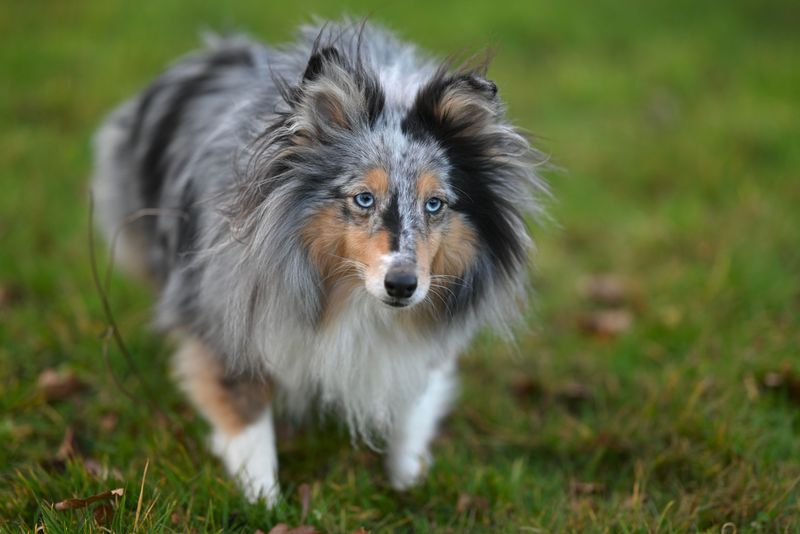
Always listening, the Sheltie excels at patterns. Try rally obedience.
Set out homemade signs for sits, 270-degree turns, and figure eights. Praise soft eye contact and smooth transitions.
Gentle voices work better than big gestures here.
Practice in new places to build confidence with sounds and people. Short field trips pay off.
Fun fact: Shelties once guarded gardens from sheep, so attention to detail runs deep.
English Springer Spaniel
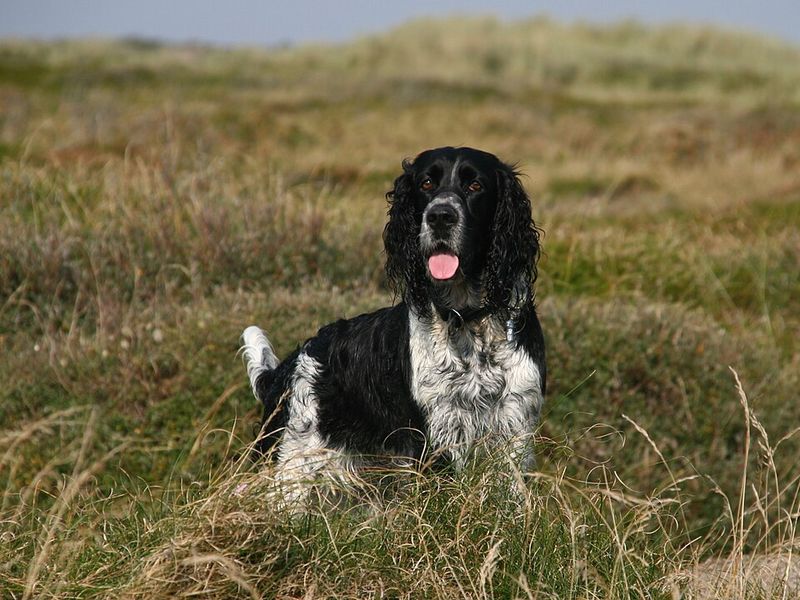
Nose first, then everything else. Springers love a solid recall.
Start on a long line, pair a whistle with high-value food, and pay generously for lightning turns. Add games like chase me to build joyful returns.
Once reliable, fold in hunting-style quartering on a field, keeping check-ins frequent. Variety satisfies the breed’s search drive.
Many Springers worked beside hunters, so recall is the key to freedom.
Australian Cattle Dog
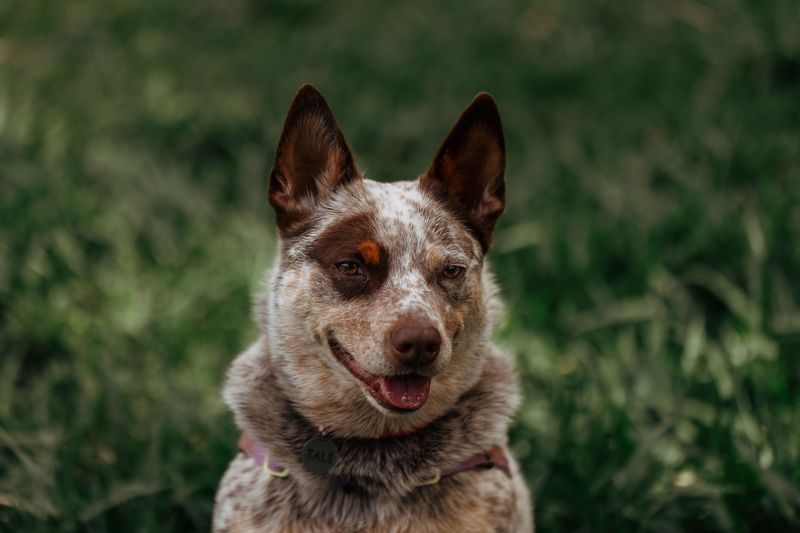
Tough, clever, and always on the clock, the Cattle Dog loves jobs that push both brain and body. Teach treibball, a herding game with big balls.
Start with nose targeting, then guide the ball toward a goal. Keep cues crisp.
Alternate with boundary work and calm settles to balance intensity. Short bursts prevent over-arousal.
Origin note: developed from drover dogs in Australia, they were bred for grit and problem solving.
Miniature Schnauzer
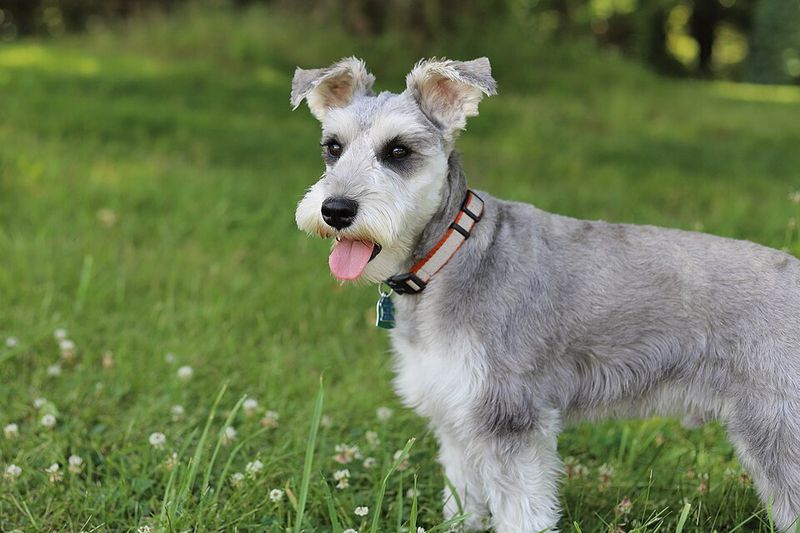
A bold little watchdog can learn great manners. Train a door routine.
When the bell rings, cue go to mat, then reward quiet sits before greeting. Consistency keeps barking from spiraling.
On walks, sprinkle in hand-targets and one-step halts to polish focus. This turns daily outings into brain games.
Fun snippet: the breed’s name comes from the German word for snout, celebrating that proud bearded face.
Brittany
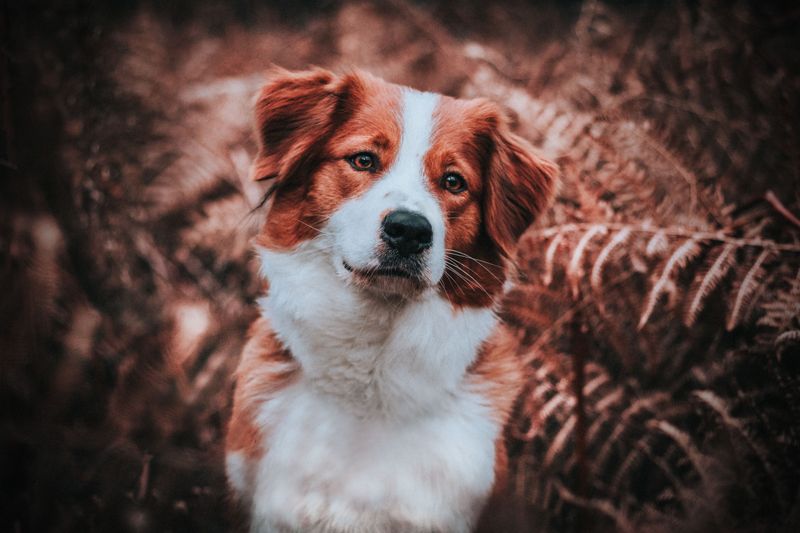
Built for fields and fast thinking, the Brittany shines with steadiness drills. Teach a clean stay before a retrieve.
Use a small bumper, walk away, then release with a single cue. Calmness brings the reward.
Layer in short search patterns across grass, rewarding quick finds and clean delivery. Keep sessions breezy and upbeat.
History note: Brittanys worked with hunters on foot, so teamwork and check-ins are natural strengths.
Doberman Pinscher
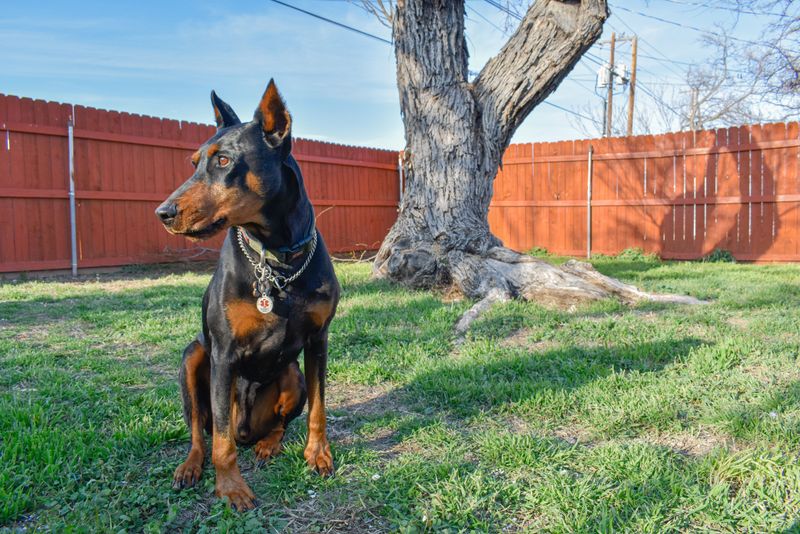
Elegance meets power, which calls for control. Build a focused heel with engagement games.
Reward eye contact first, then add steps, turns, and sit-at-halt. Keep movements smooth to avoid forging.
Teach a hold of a dumbbell with a soft mouth, then practice straight fronts. Confidence grows with clear rules and fair feedback.
Trivia: the breed began as a tax collector’s partner, built for loyalty, awareness, and quick learning.
Flat-Coated Retriever
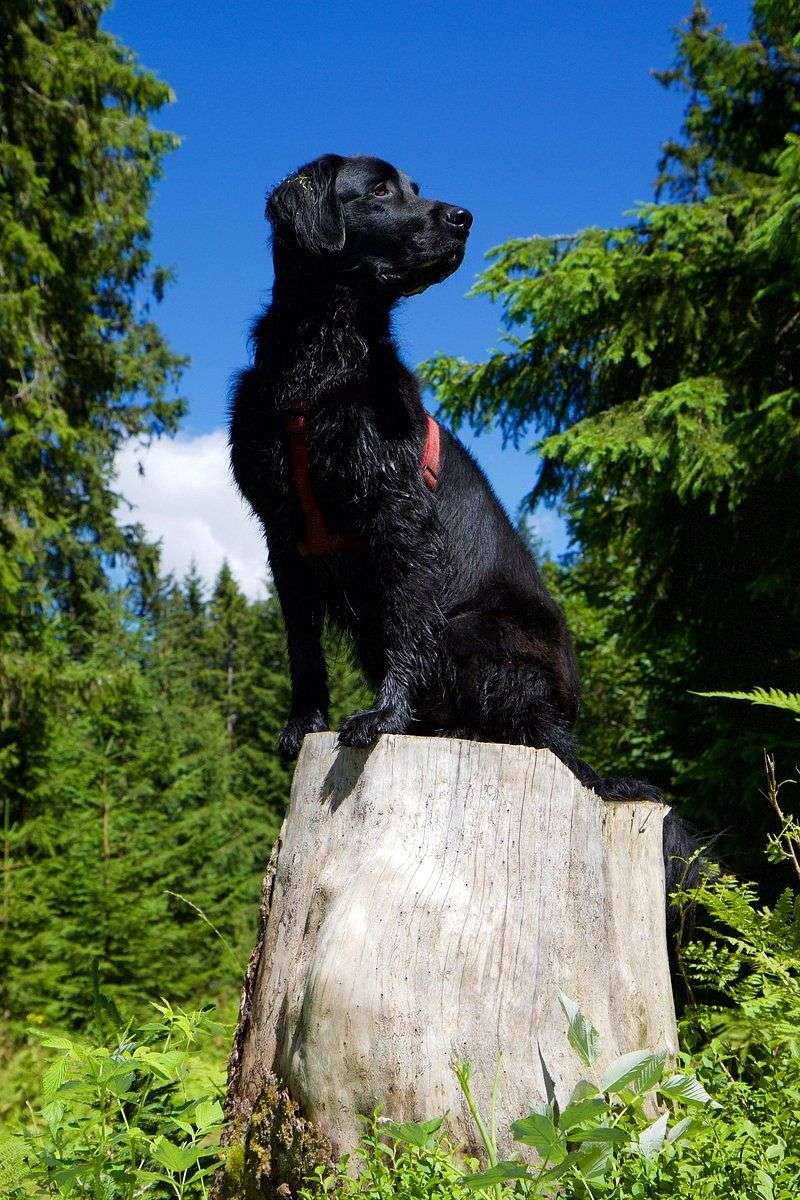
Known as the happy worker, the Flat-Coat adores purposeful retrieves. Teach delivery to hand.
Begin with short tosses, reward calm holds, and ask for a sit before the give. Gentle reminders keep the mouth soft.
Mix water entries with easy blinds along the shore, always ending on success. Variety keeps enthusiasm bright without chaos.
Fun fact: early Flat-Coats were called the gamekeeper’s dog for their cheerful reliability.