
Some dogs get queasy or stressed when things move fast, like car rides or busy sidewalks. Motion sensitivity can look like drooling, whining, panting, or pacing, and it can make everyday life harder for pets and owners.
The good news is that gentle training and smart routines often help. Learn which popular breeds face this more than people think, and pick up simple tips to keep tails wagging.
Boxer
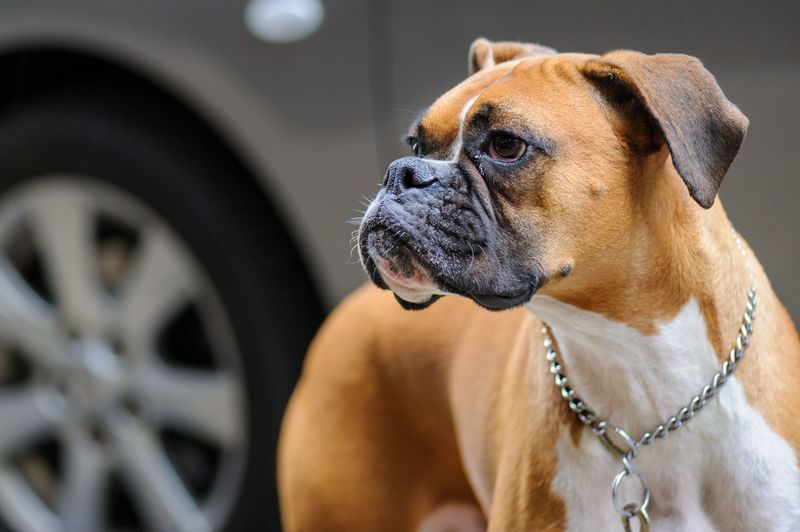
With a clownish grin, the Boxer often powers through life at full speed, yet moving cars can flip that switch to uneasy. You might see lip licking, big yawns, or restless shifting during rides.
Crack windows for fresh air, secure a crash-tested harness, and keep the seat cool.
Practice short trips that end in fun, like a park visit. Ginger chews and a light meal schedule help.
Teach calm with slow breathing together before starting the engine.
Dalmatian
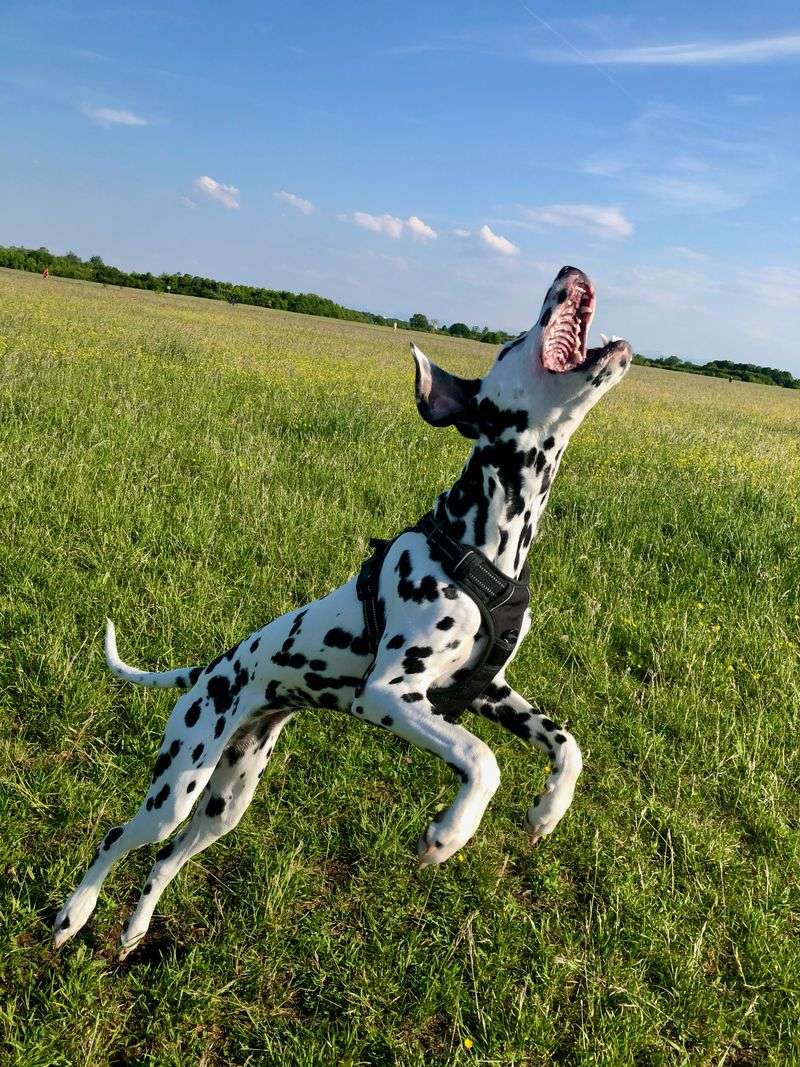
High-energy and sharp-eyed, the Dalmatian tracks every passing bike and scooter. That sharp focus can overload the senses.
On busy streets, try cross-body leashes and choose quieter routes at first. Scatter-feed a few treats on calm grass to reset their brain when motion feels too loud.
For car training, pair a special chew only used on rides. Short, predictable drives build trust.
Did you know many Dalmatians once ran beside carriages? History explains that motion trigger.
Great Dane
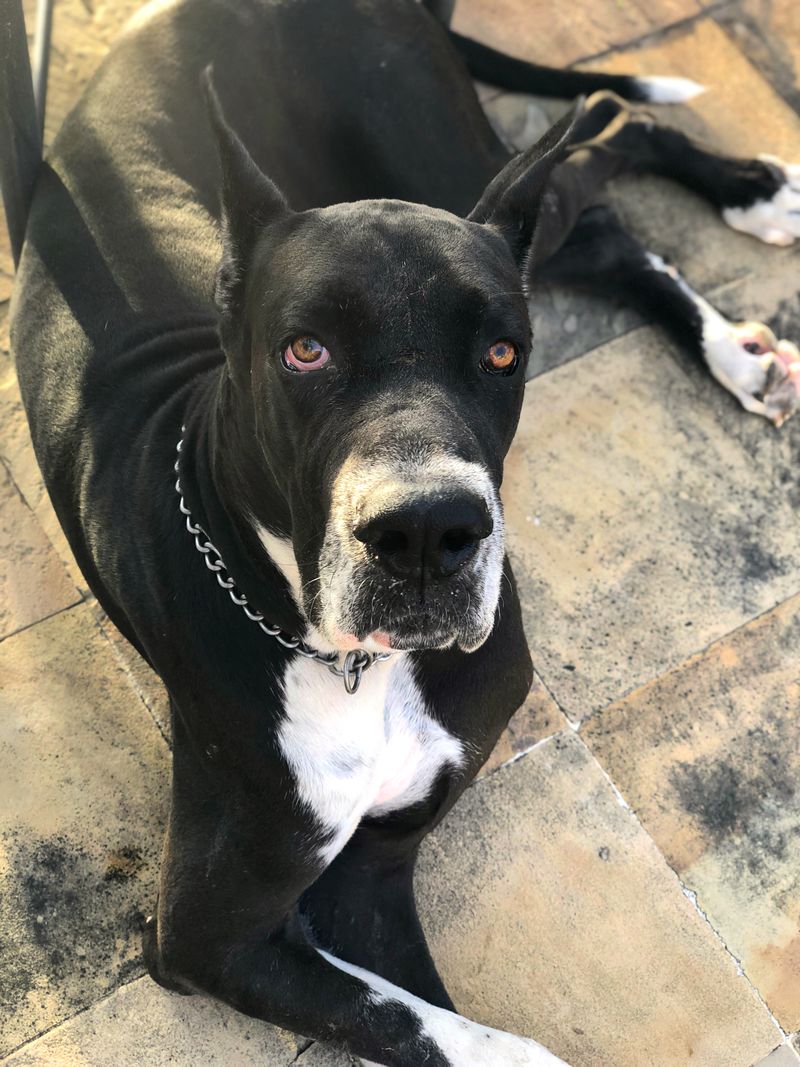
Gentle giant, giant feelings. The Great Dane may tense up when elevators jolt or when cars sway.
Sturdy footing matters, so add a non-slip ramp and a cushy mat to steady those long legs. Keep windows low to reduce wind blasts that can rattle tall ears.
Train step-by-step: engine off, then on, then short idles, rewarding each stage. Bring a familiar bed scent.
A quiet playlist with slow beats can help steady nerves.
Saint Bernard
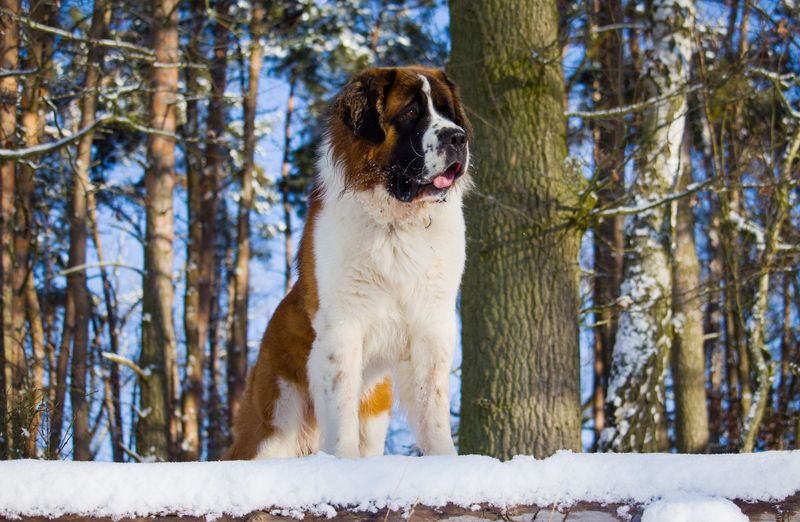
Big hearts and bigger drool can show up when movement gets choppy. Saint Bernards often prefer sturdy, slow starts, not quick turns.
Use wide vehicles or roomy spaces so they can settle. Keep temperatures cool, since warm air can make queasiness worse.
Practice calm loading with a favorite toy, then reward stillness. Plan routes with fewer stops.
A vet-approved anti-nausea supplement may help for long trips, paired with light meals and water sips.
Border Collie
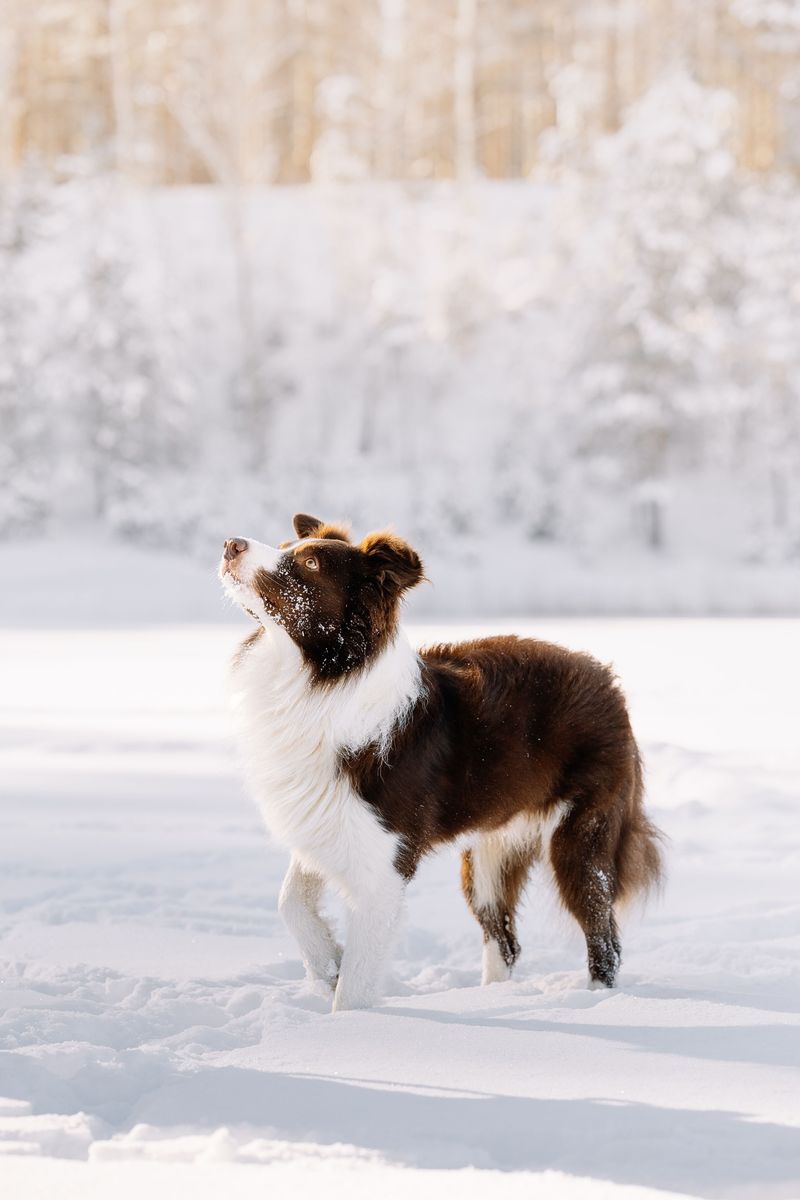
Built to notice motion, the Border Collie can lock onto every skateboard, squirrel, and jogger. That laser focus sometimes spirals into stress.
Teach a solid watch me and play find it with tossed treats to break the stare. Choose routes with predictable patterns to reduce surprises.
During car rides, a visual barrier helps. Crate curtains or window shades cut moving triggers.
A puzzle toy after arriving gives their busy brain a healthy job.
Labrador Retriever
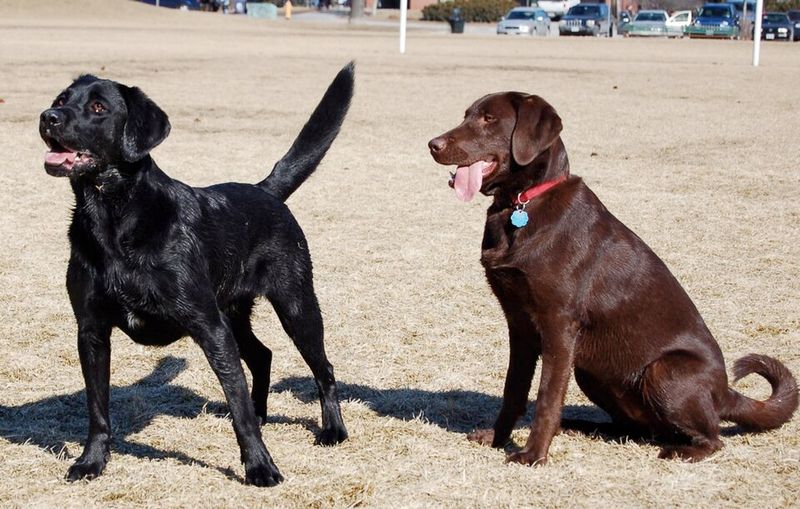
Everyone expects Labs to love cars, but some get woozy fast. Excitement can mix with queasiness, leading to panting and drool.
Seat them mid-row where the ride is smoother, and offer a long-lasting chew to focus on something steady. Skip heavy meals two hours before travel.
Build positive links: hop in, treat, hop out. Then short drives to a lake or trail.
Motion turns from scary to predictable when you control speed and stops.
Golden Retriever
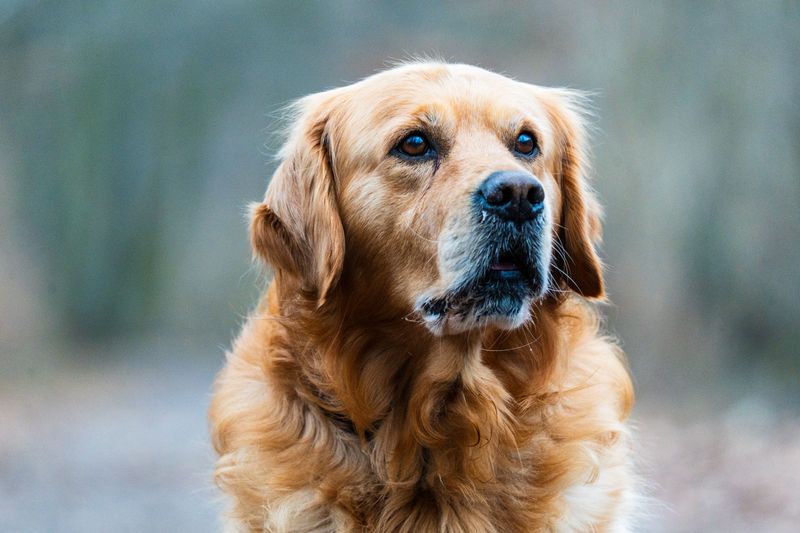
Soft eyes, soft stomach. Some Goldens look thrilled at the curb, then wilt once the car rolls.
Keep airflow gentle and the cabin cool, and try peppermint-scented wipes on surfaces to freshen the space. Park in shade during breaks to reset comfort.
Training works best in tiny steps. Start the car, feed a few kibbles, then turn it off.
Gradually add distance. A predictable routine lowers surprise and keeps that tail floating.
Weimaraner
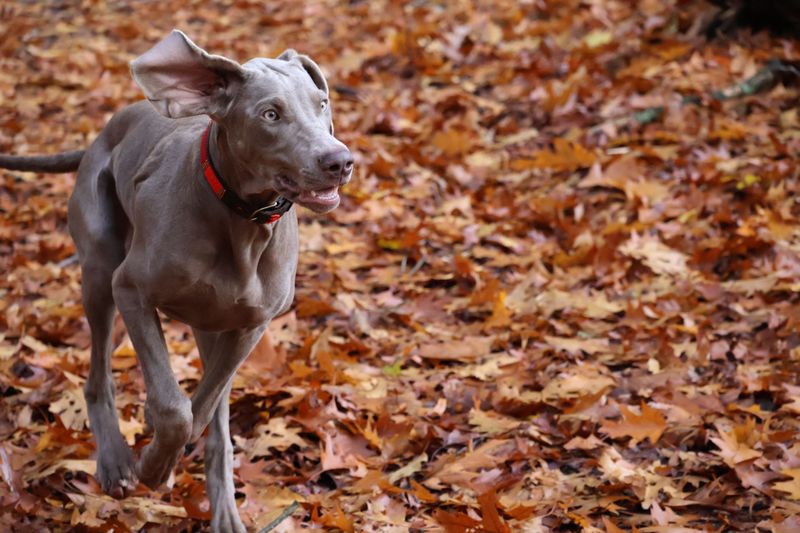
Sensitive and smart, the Weimaraner notices everything, especially fast bikes and joggers. That alert brain can tip into stress when movement stacks up.
Use distance and food games to teach look at that, then back to you. Soft, steady praise keeps focus without overexciting.
For travel, give a den-like crate with a cover to dim the world. Practice with the car parked, then slow loops.
A snuffle mat session after motion helps drain leftover jitters.
Cocker Spaniel
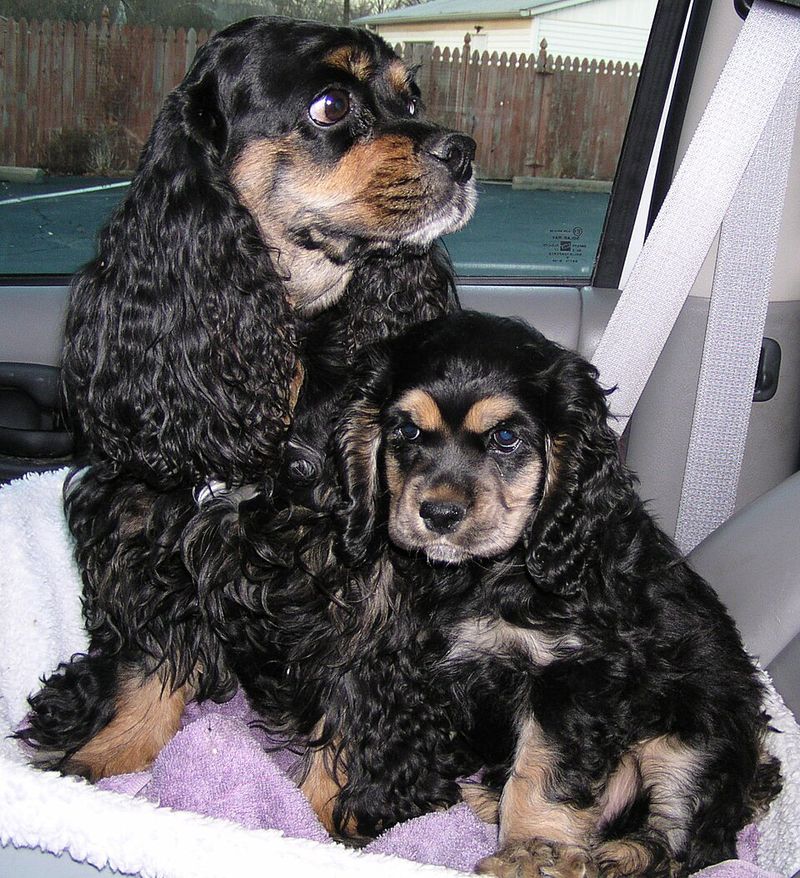
Big ears, big feelings. Cocker Spaniels can get uneasy with moving curtains, scooters, or even ceiling fans.
Lower the visual flow by choosing window film or closing shades during high-traffic hours. Offer a lick mat to soothe while the world drifts by.
Car rides go better with a booster seat that lets them see forward without wobble. Pair it with calm words and slow starts.
Short music tracks can signal safe routines.
Australian Shepherd
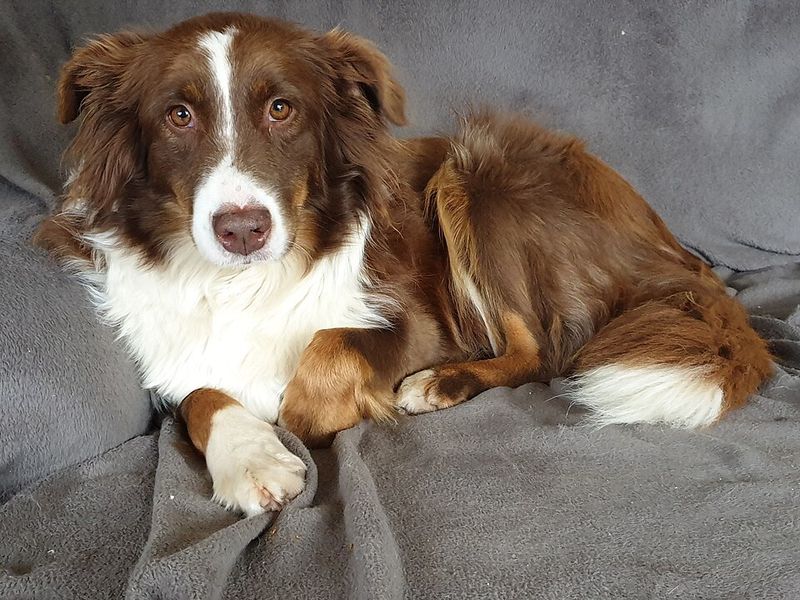
Quick thinkers like Aussies often try to control moving scenes, which can crank up anxiety. Start with settled observation from a distance, rewarding calm glances.
A two-hand touch cue gives them a job when scooters zip by. Keep sessions short so success stacks up.
In cars, pick a stable spot and avoid sharp turns. Break longer trips into rest stops with brief sniffing walks.
A chilled bandana and water keep comfort steady.
Beagle
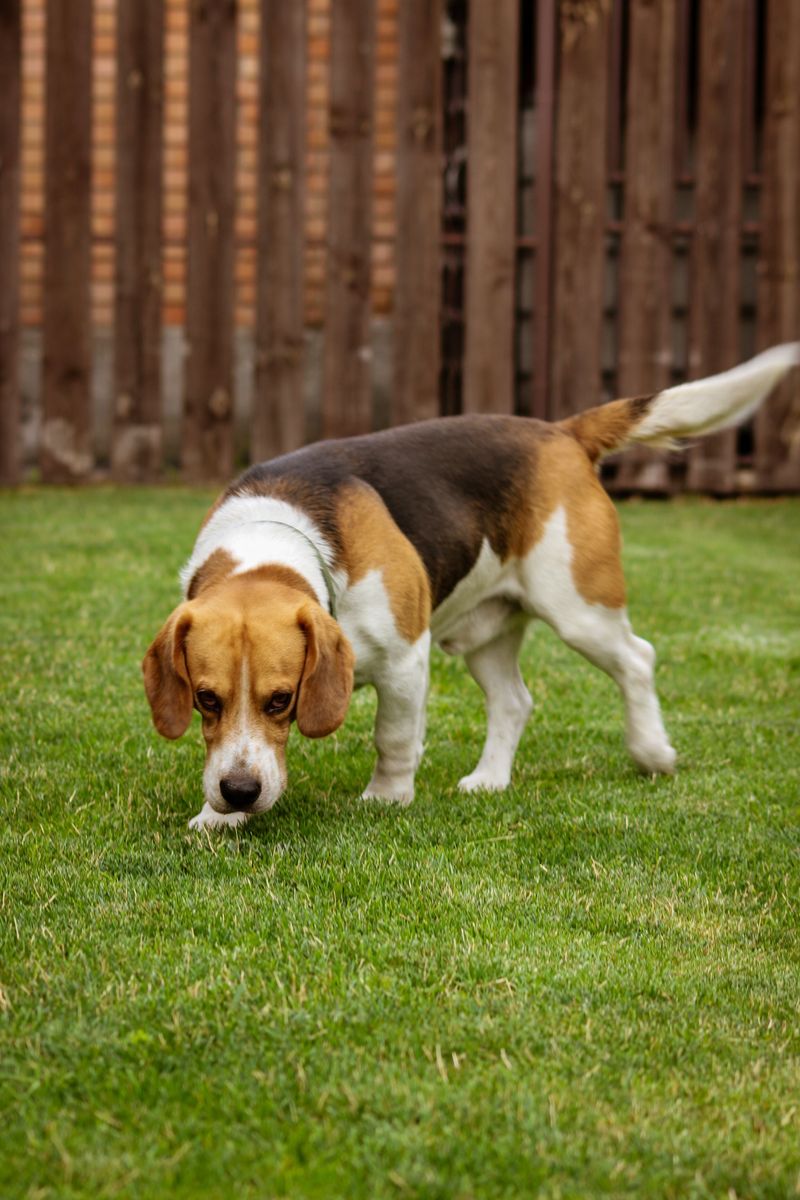
Nose-led and curious, the Beagle can still feel queasy when the scenery rushes by. Sometimes sniffing needs outrun motion comfort.
Before travel, let them explore a grassy area to lower energy. A secure seat belt clip reduces sliding that can spark nausea.
Reward quiet behavior with tiny treats every few minutes early on. Gradually space out rewards as calm grows.
Fun fact: Beagles once tracked game for hours, so short, steady routines help balance their instincts.
Dachshund
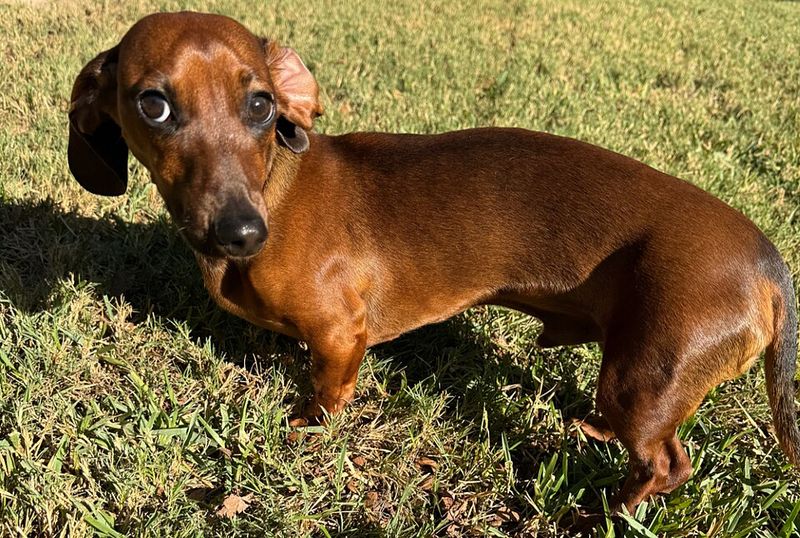
Short legs, strong opinions. Dachshunds may dislike wobble and sudden sways, which can upset their stomach and mood.
A snug, well-padded crate prevents sliding and supports their long spine. Keep speeds gentle and avoid quick lane changes to reduce body roll.
Practice confidence by feeding part of dinner in the parked car, then add short drives around the block. End with a fun sniff-stop.
Consistency beats speed when building comfort.