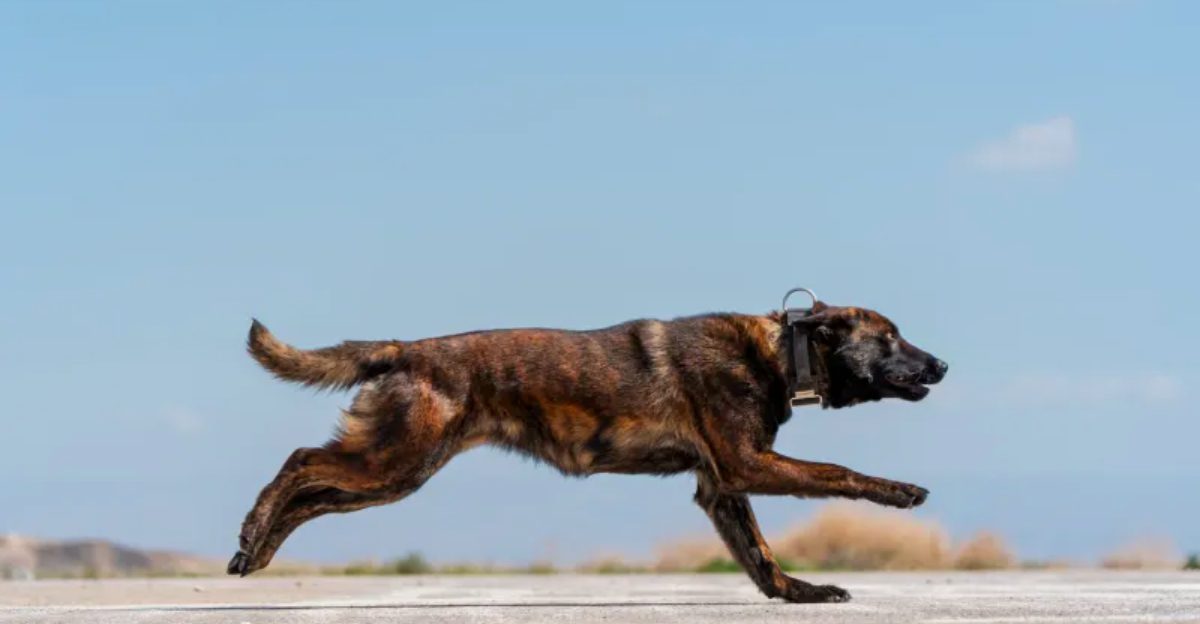
Many dogs need more brain games, not longer runs. When a dog solves puzzles, follows clues, and makes choices, stress goes down and manners improve.
Mental work also protects growing joints and tired seniors. Try these smart activities tailored to breeds that love a good challenge, and enjoy a calmer, happier friend.
Border Collie
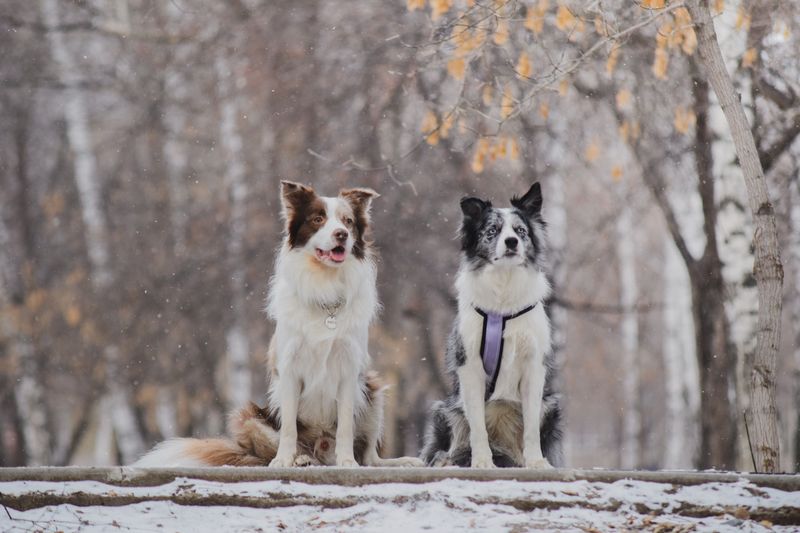
Watch a Border Collie light up when the job switches from sprinting to solving. Set up a backyard herding game using cones, a rolling ball, and directional cues like left, right, and stop.
Mix in scent trails using kibble, then ask for a down before each find. Ten focused minutes, a short reset, and another round will drain mental energy kindly while sharpening impulse control.
Swap cones weekly to keep novelty high and fun.
Belgian Malinois
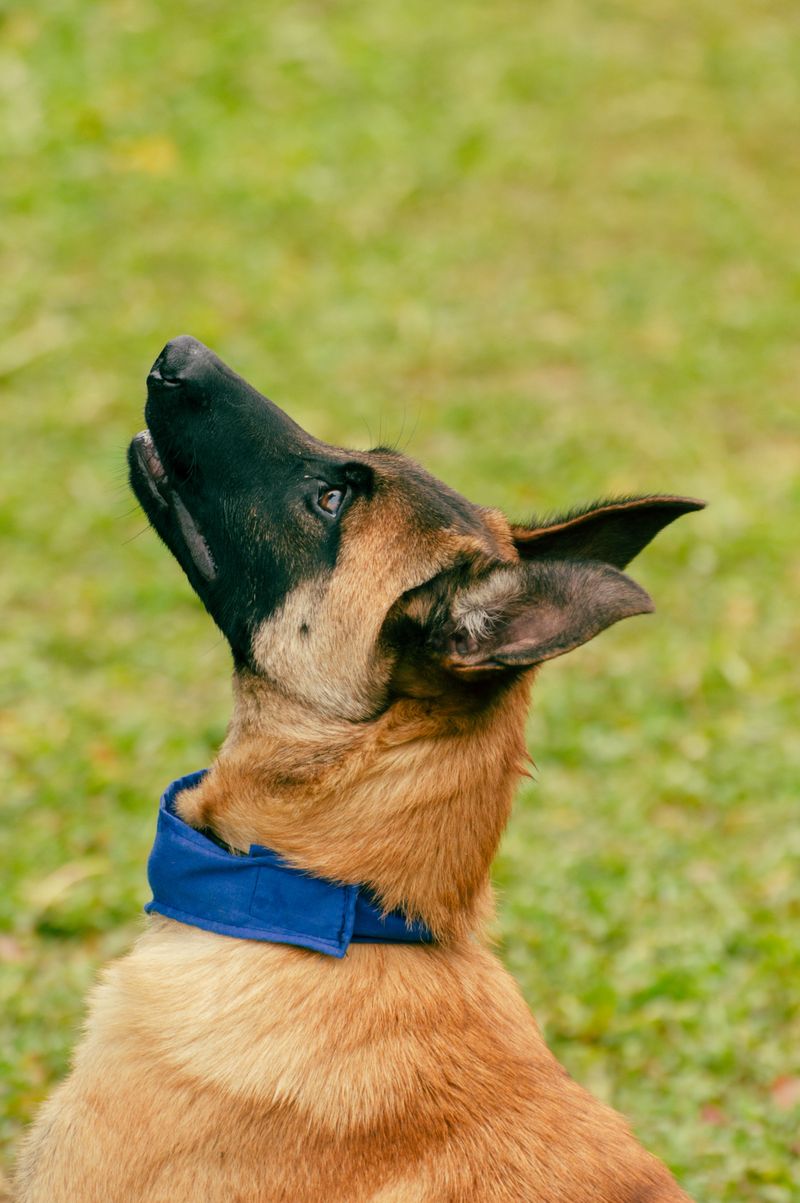
Give a Malinois a mission and watch manners click into place. Start a clicker shaping session where the goal is to place both paws on a wobble board, then hold eye contact.
Follow with a scent box lineup using three identical tins, only one loaded. Short, crisp reps, a calm release, and a quiet crate break build grit without spinning the engine too hot.
End with a towel tug on cue for balance.
Australian Shepherd
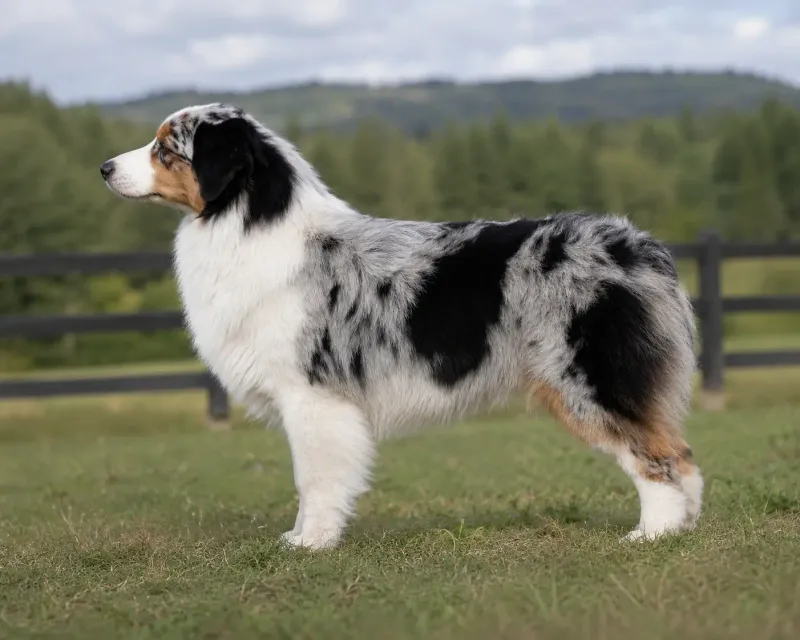
That bright Aussie grin often hides a brain begging for puzzles. Try a household object search where you name three toys, scatter them in sight, then ask for the items by name.
Pause between retrieves for a spin, sit pretty, or paw target to layer control. Five rounds, a water break, and a final tidy-up cue teach patience and vocabulary while keeping joints happy.
Once a week, switch toy names to challenge memory.
Standard Poodle
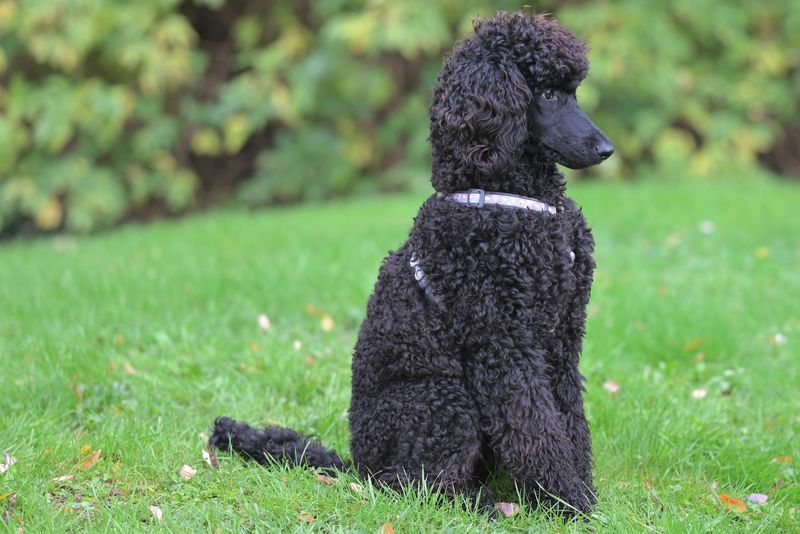
Elegance aside, the Poodle loves a clever challenge. Build a mini obstacle course with a chair crawl, low pole step-overs, and a pause mat, asking for hand-signal changes along the route.
Toss in a muffin tin puzzle filled with tennis balls covering treats. Gentle thinking sets, a soft brush session, and a nap in a quiet corner will satisfy mind and body without overdoing it.
Rotate obstacles every few days for freshness and curiosity.
Papillon
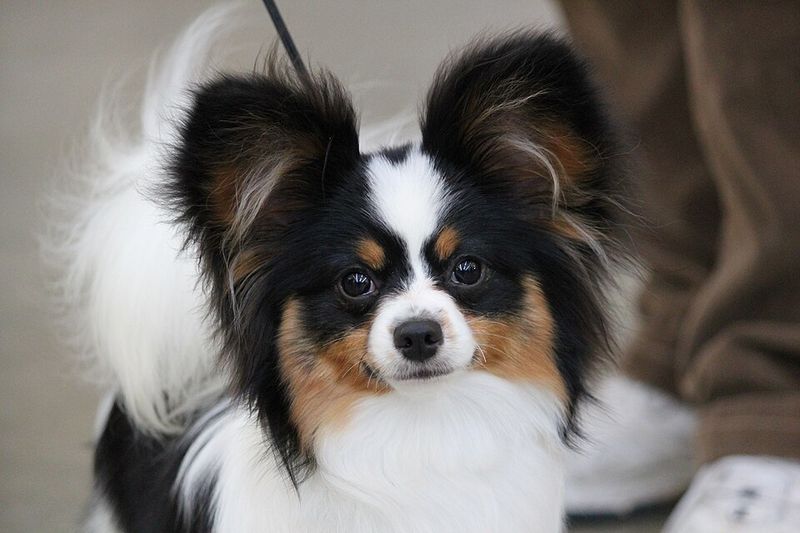
Big ears, bigger brain. The Papillon shines when tiny tricks stack into short stories, like hopping onto a book, turning a page with a paw, and bowing for applause.
Use a light target stick to guide motion, then fade it as confidence grows. Two or three five-minute sessions, sprinkled through the day, keep happiness high without sending zoomies across the couch.
Finish with a calm settle on a mat for tasty breaths and smiles.
Miniature Schnauzer
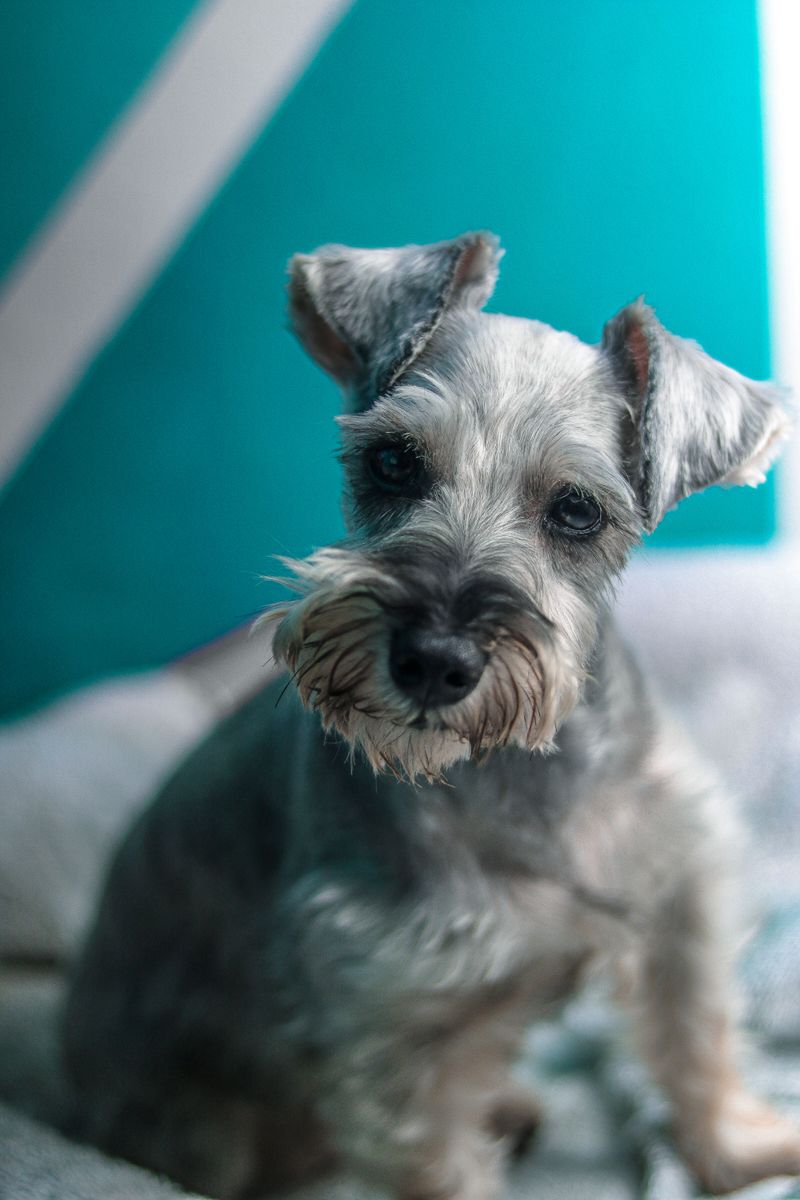
That keen eyebrow raise says ready. Try a kitchen helper routine where your Schnauzer noses a recycling bin open, drops a can, and targets the lid closed on cue.
Follow with a quiet window watch that pays for ignoring squirrels. Short chores plus calm observation burn brain fuel, shape manners, and give your whiskered buddy a satisfying job to brag about.
End with a cheerful chin rest on your palm. Count slowly to five before release.
Shetland Sheepdog
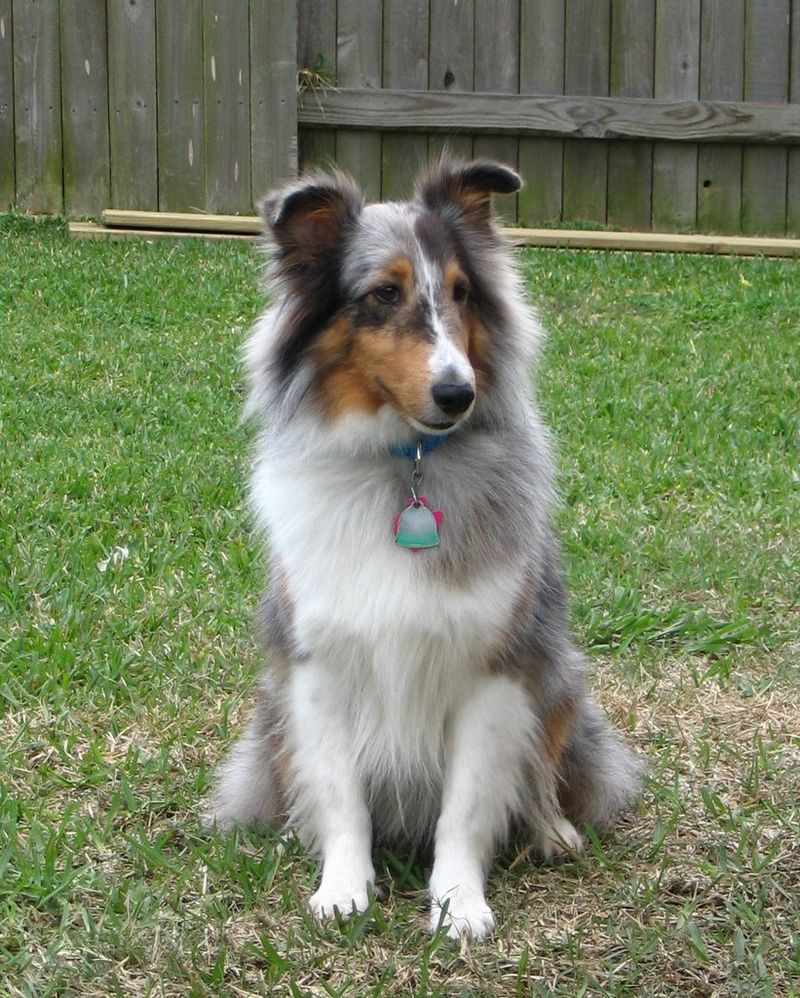
Like a tiny teacher, the Sheltie loves order. Set a color-coding game by taping blue, red, and yellow cards to boxes, then ask your dog to sort matching toys.
Reward quiet focus and slow paws, not speed. Rotate which color is worth the jackpot, add a gentle wait before release, and finish with a cuddle to keep the mood sweet and steady.
A brief sniff walk afterward seals the lesson. Tomorrow, swap toy textures.
German Shepherd
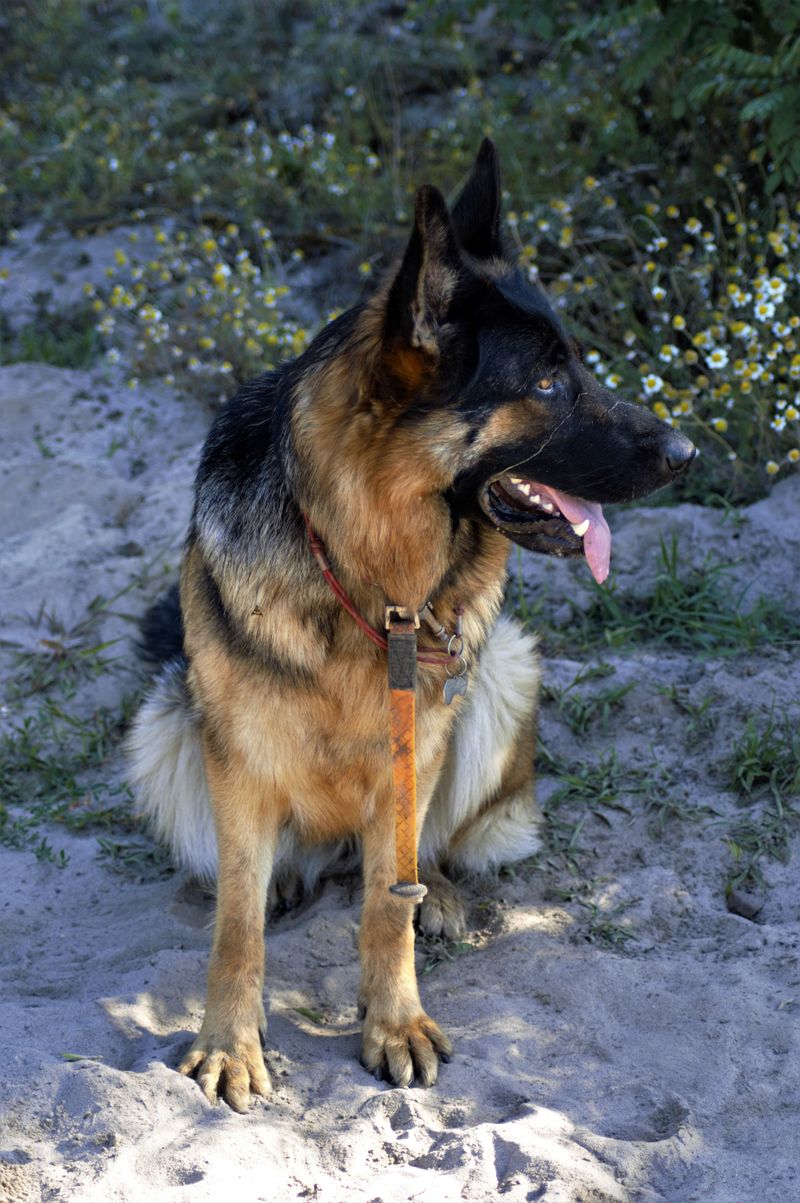
Brains plus brawn deserves balance. Try a tracking start by dragging a cheese-scented sock across grass, laying two turns, and hiding a glove at the end.
Clip a long line, let the nose lead, and mark gentle pulls. After two runs, practice a quiet place command at the car, teaching your partner to power up, then power down smoothly.
End with a food scatter in leaves for decompression. Swap fields weekly to grow confidence.
English Springer Spaniel
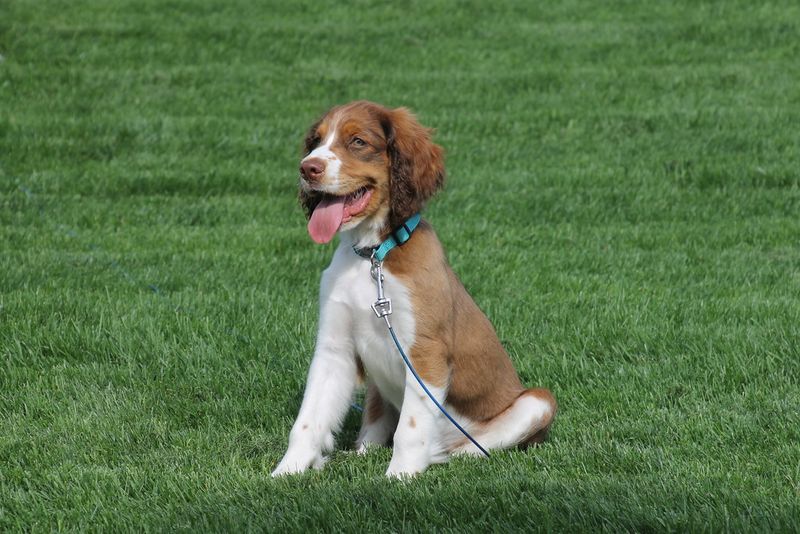
Nose first, heart close behind. Build a field-style hunt in your yard using hidden tennis balls tucked under flower pots and leaf piles.
Cue a sit before each release, then celebrate a soft mouth on return. Short casts left and right, a whistle stop, and plenty of sniff breaks keep drive channeled and your polite partner happy.
Finish with a towel roll search indoors during rainy days. Trade the toy for kibble to support calm.
Australian Cattle Dog
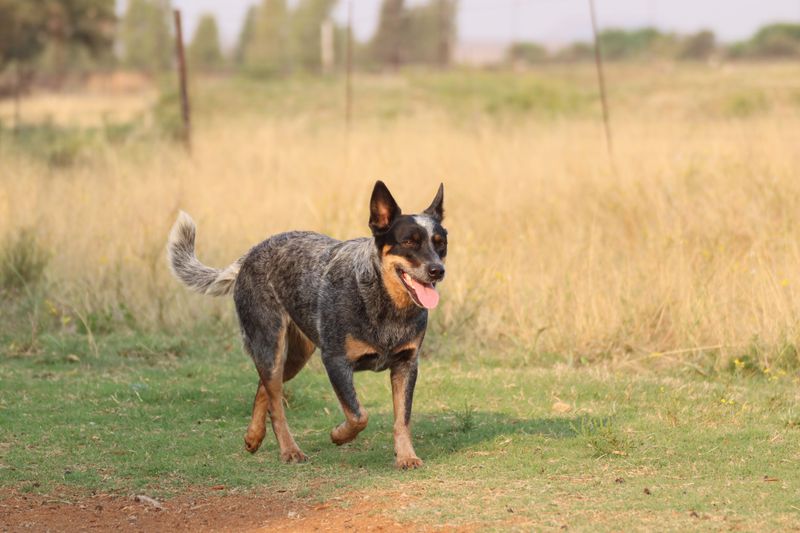
Tough mind, tougher puzzle, please. Set a boundary game using painter’s tape squares on the floor, teaching your dog to step in, freeze, and step out on cue.
Layer in a low stool perch to build body awareness. Two crisp sessions, a final long sniff of yard news, and a chew in the shade will satisfy that gritty worker without endless miles.
Switch square sizes to refresh the challenge. Mark stillness with extra praise.
Portuguese Water Dog
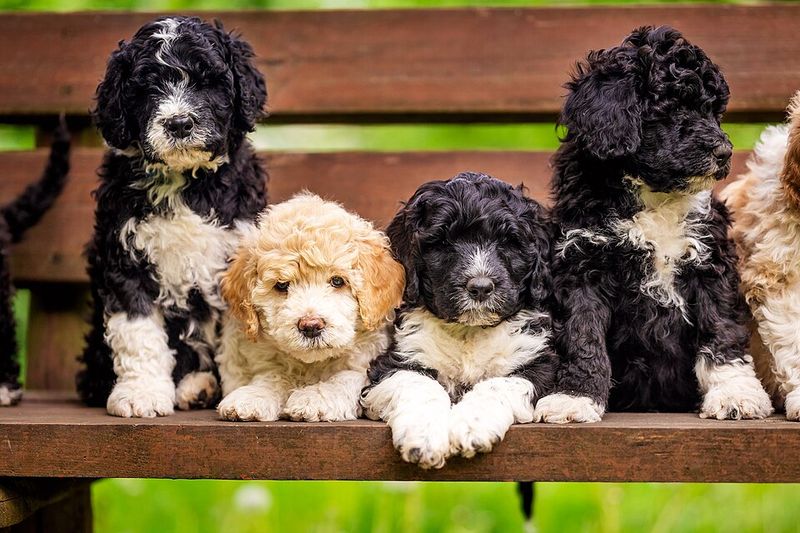
Splashy spirit meets sharp thinking. Indoors, run a bucket retrieve with floating toys, asking for a sit, a pick-up, and a tidy front before placing in the bucket.
Add a towel dry cue as a fun bonus behavior. Keep reps short, swap toy textures, and close with a place command near a fan to help your wavy teammate cool down with calm satisfaction.
A water scent trail in the yard boosts curiosity and focus.
Brittany
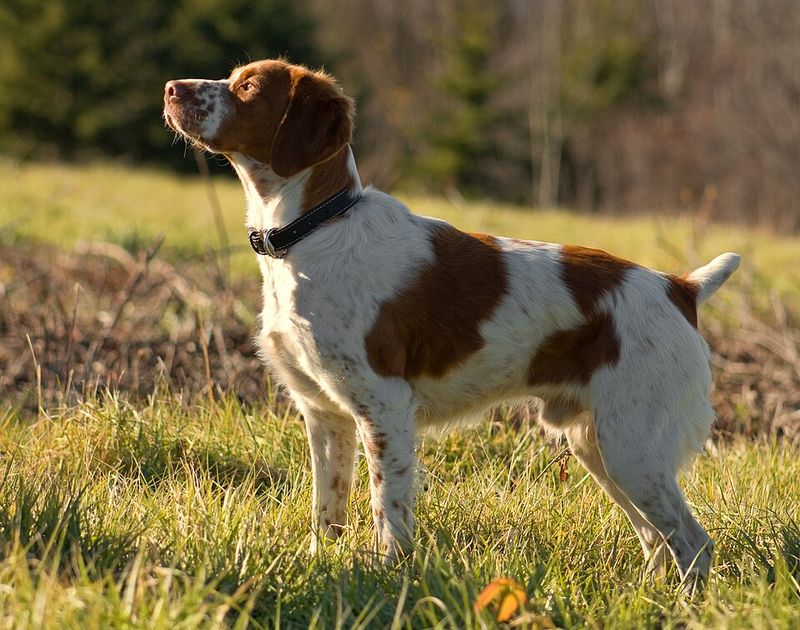
All go outdoors, but indoors the Brittany can be a thoughtful star. Begin with a feather-scented sock hidden under cups, then ask for steady eye contact before each reveal.
Work a simple heel around furniture, rewarding quiet shoulders and a loose lead. End with a settle on a blanket while you read for ten minutes, teaching patience that carries into the next adventure.
Rotate cup patterns to keep the game fresh. Whisper cues to lower arousal.
Dutch Shepherd
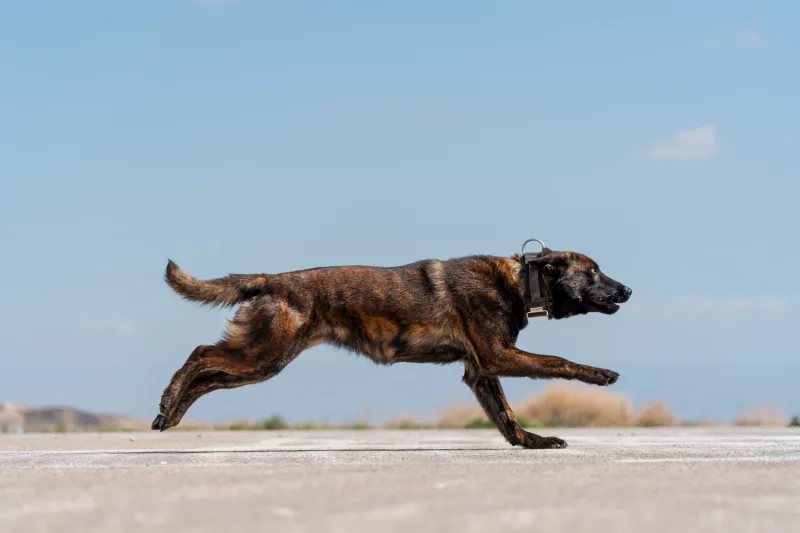
Serious face, playful mind inside. Build a parkour walk on quiet streets using curbs, logs, benches, and posts, rewarding slow, precise paws and thoughtful stops.
Layer in a hold an object behavior with a wooden dumbbell, then a calm out. Alternate movement puzzles with chin-target stillness, and finish with a scatter feed so your striped athlete ends relaxed and proud.
Change locations often to stretch adaptability. Brief leash drills between obstacles help polish manners.