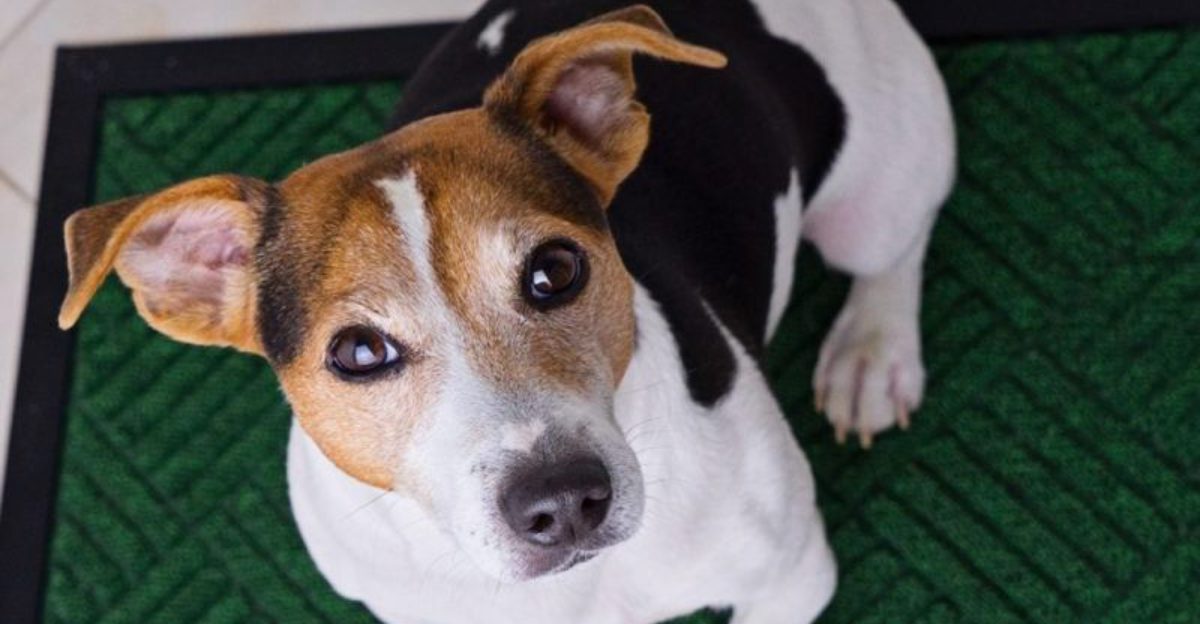
When our dogs act out, it is easy to point fingers at them. But many small things we do each day shape how they behave.
A few simple changes can prevent barking, pulling, or accidents. Take a moment to check these everyday habits before you blame your pup.
Changing routines too often
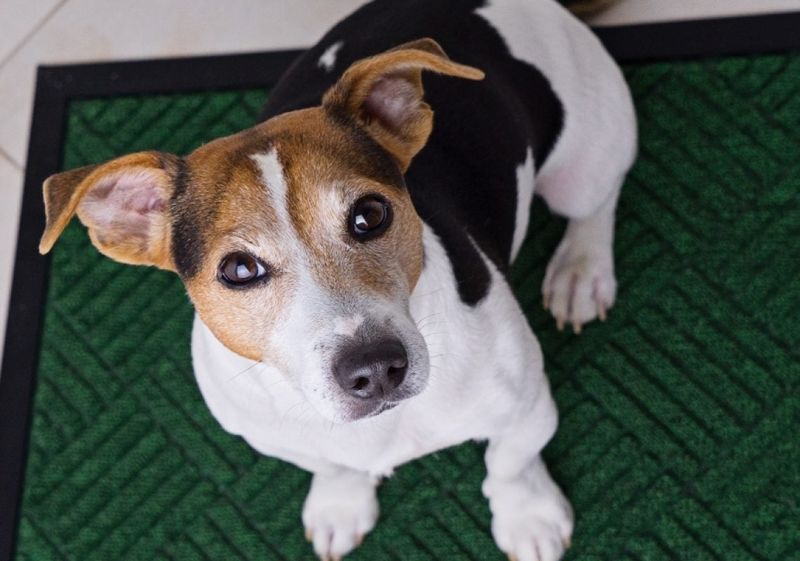
Dogs map their day by patterns, not clocks. When breakfast, walks, and play jump around, anxiety rises and manners drop.
Sudden schedule shifts can spark barking, accidents, or clingy behavior.
Try anchoring two or three daily pillars at consistent times. Keep wake-up, first potty break, and the main meal steady, then float the extras as life allows.
If a change is coming, nudge timing in small steps across several days so your pup can keep up.
Using different commands for the same cue
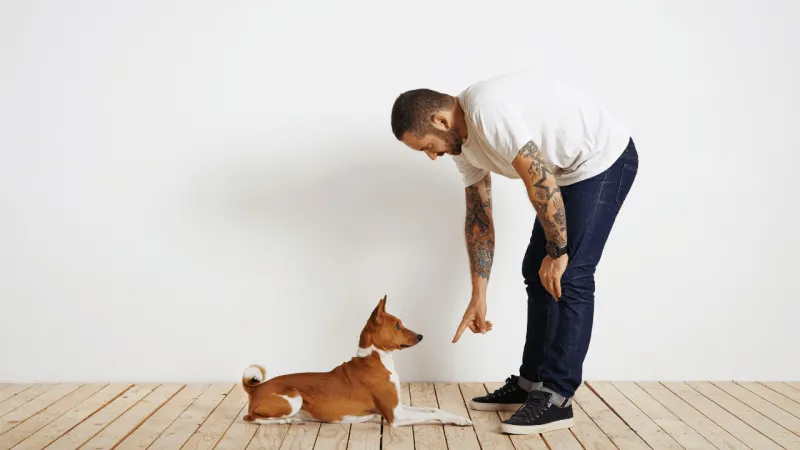
Ever say Sit, Down, or Park it for one behavior? Mixed signals scramble learning, and your dog guesses under pressure.
Confusion often looks like stubbornness when it is really unclear language.
Pick a single cue word and a simple hand signal. Teach the whole family to use the same pair, with the same tone and timing, then reward the moment your dog starts the behavior.
Consistency turns messy noise into a clean message your buddy can trust anywhere.
Relying only on physical exercise
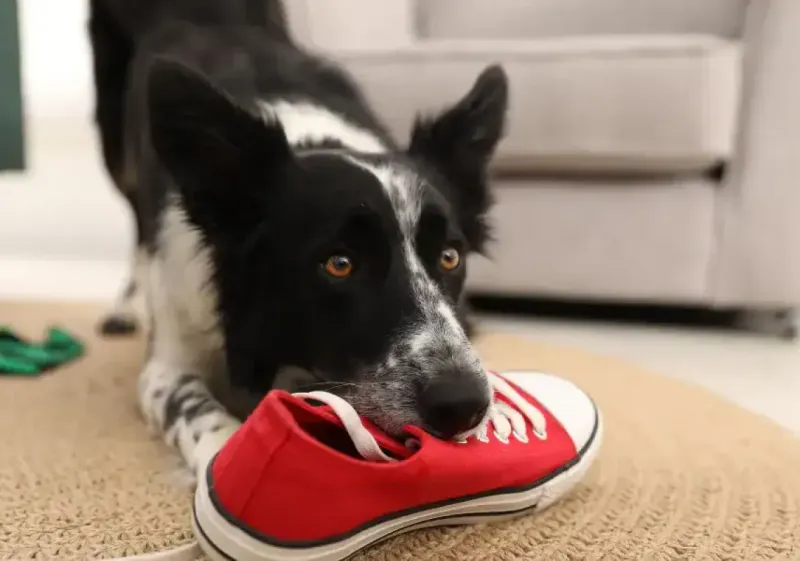
A long run can tire legs, yet an idle brain still stirs trouble. Many dogs need mental work as much as fetch or hikes.
Without it, you may see pacing, shredding, or creative backyard escapes.
Blend sniffy walks, puzzle feeders, and short training games into the week. Ten focused minutes of scent work or shaping can outmatch an hour of chasing balls.
Rotate toys and hide rewards so curiosity pays, and watch calm confidence replace that wired, restless buzz.
Ignoring stress signals

A subtle yawn, a head turn, or a single paw lift can whisper I am worried. Early signs often appear before a growl or snap.
When we miss them, dogs feel trapped and behavior gets louder.
Pause the situation, create space, and offer a calm exit. Let your dog sniff, shake off, or enjoy a brief decompression walk.
Keep a mental library of your dog’s tells, then adjust pressure, distance, or duration so trust grows and conflicts fade before they start.
Training when your dog is overtired
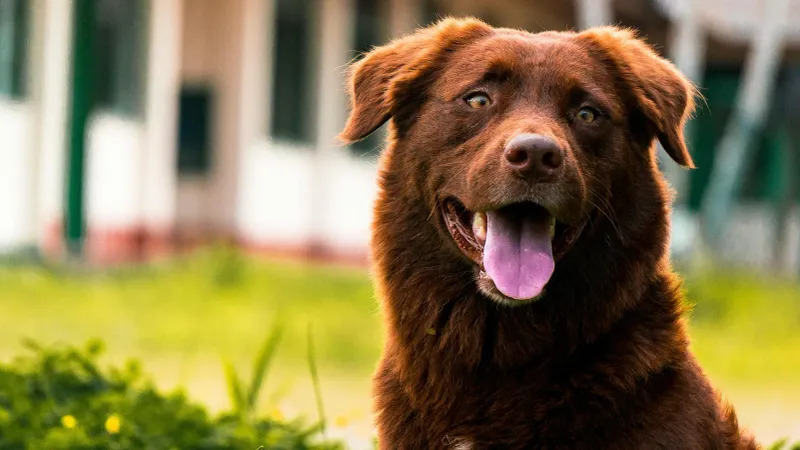
Think of a sleepy kid at homework time. An exhausted dog struggles to focus, reacts faster, and forgets known skills.
Pushing through often creates frustration for both of you.
Work short and fresh. Aim for quick wins right after a nap or bathroom break, ending before attention fades.
If you see slow responses, big sighs, or sloppy sits, close the session kindly and let recovery happen, then try again later with easier steps and brighter praise.
Inconsistent family expectations

One person allows couch cuddles, another scolds for climbing up. Mixed policies confuse even the sweetest dog.
Rules shift, and so does behavior.
Hold a short family huddle and write simple house rules. List door manners, furniture access, feeding spots, and walk routines, then post them where everyone sees.
When the team acts the same way, dogs relax and choose the right option without drama, because the path is finally clear.
Not rewarding good choices
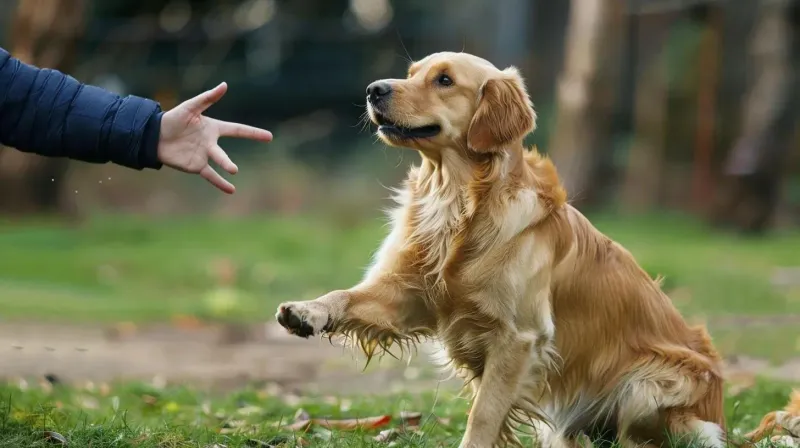
Quietly lying on a mat often gets ignored while barking gets our attention. Dogs repeat what pays.
If good behavior earns nothing, problem habits cash the checks.
Catch the calm. Drop a treat for settled bodies, smooth leash slack, or a voluntary check-in.
Sprinkle life rewards too, like opening the door when they sit, or tossing a sniff break after polite walking. Over time, your dog becomes an expert at offering the behaviors that unlock fun.
Interrupting rest too often
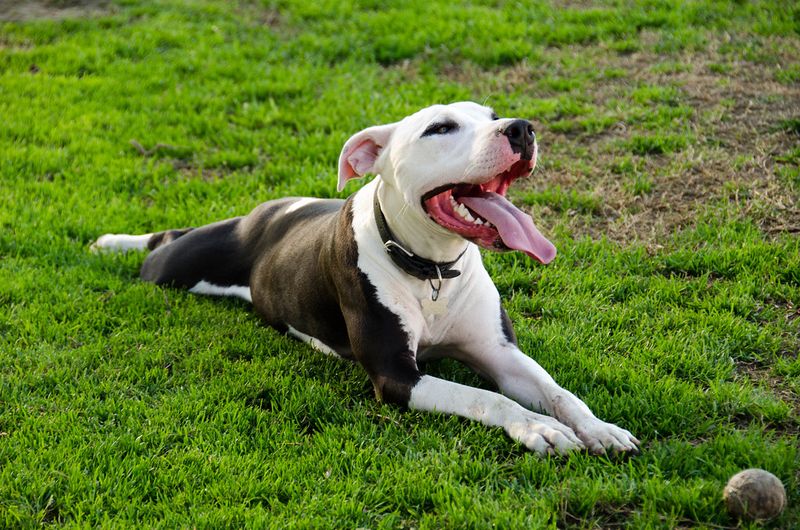
Naps power learning like charging a battery. Repeated pokes, sudden hugs, or loud starts break recovery and raise irritability.
Many growls happen near sleep because rest was stolen piece by piece.
Create safe, quiet zones and teach kids to let sleeping dogs snooze. Use gates or a covered crate for real downtime, then let your dog choose when to rejoin the action.
After solid rest, patience grows, training sticks better, and small annoyances roll off more easily.
Overusing verbal corrections
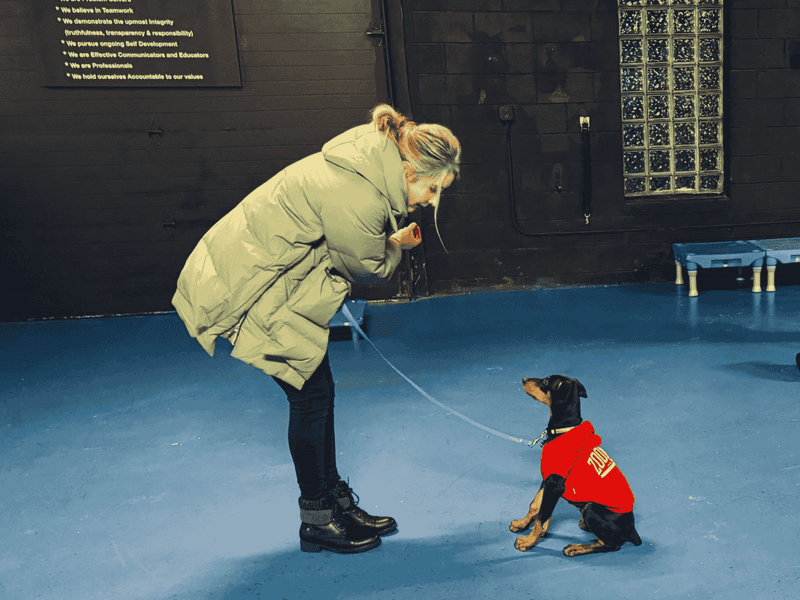
Imagine a radio that only scolds. After a while, you stop listening.
Constant no, ah-ah, or hey turns into background static and can make dogs nervous or pushy.
Lead with guidance and reinforcement. Prompt the right behavior, then pay it well, so corrections become rare and meaningful.
If you must interrupt, keep it brief and neutral, then instantly show the correct option. Clear choices, not scolding loops, build habits that stick under real-life pressure.
Expecting constant self-control
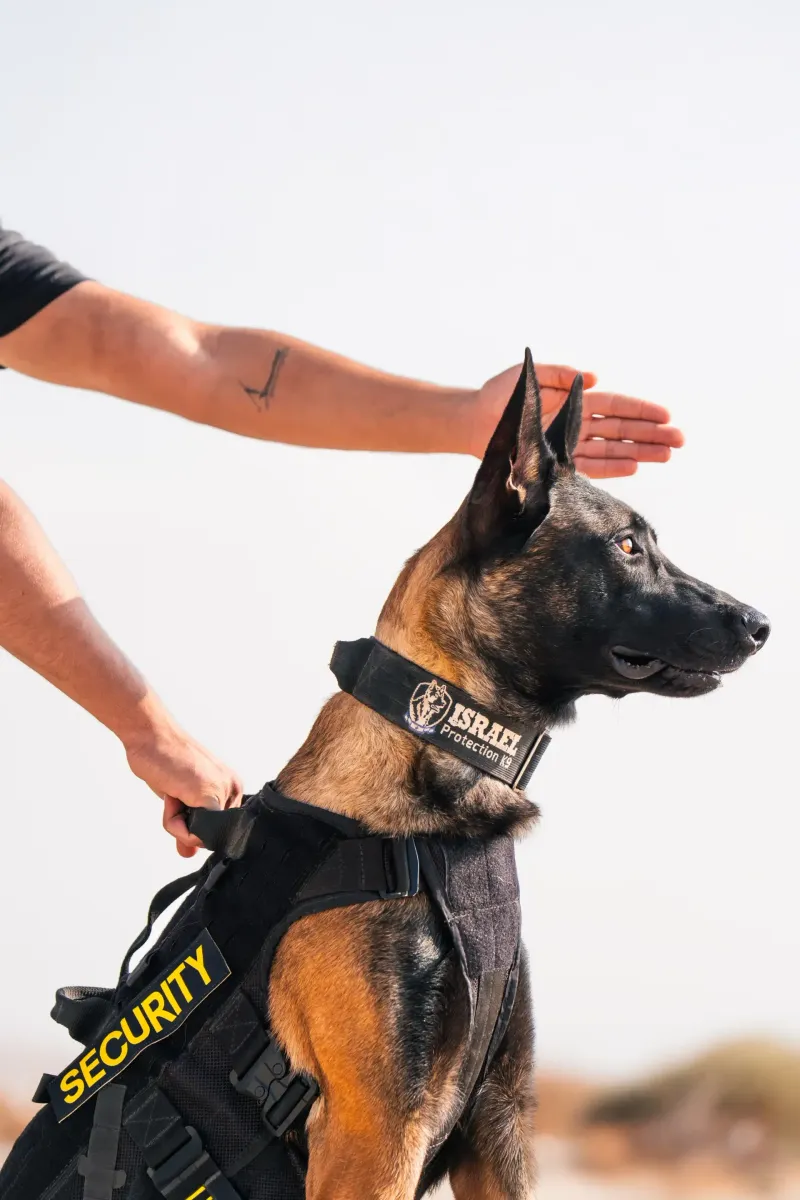
Ever try to sit perfectly still all day? Dogs feel that strain too.
Holding it together nonstop drains willpower and spikes outbursts later.
Plan relief valves. Sprinkle free sniff time, decompression walks, and goofy play between focus tasks, then lower the bar in hard environments.
Think of self-control like a muscle that grows with reps and rest, not a switch. Balanced days reduce blowups and reveal a dog who chooses calm more often.