
Some dogs love running after balls, but others get excited by using their brains. These breeds shine when you give them a challenge to figure out.
Puzzle toys, trick training, and scent games keep them happy and calm. If you want a thinking buddy, meet the clever canines below.
Border Collie
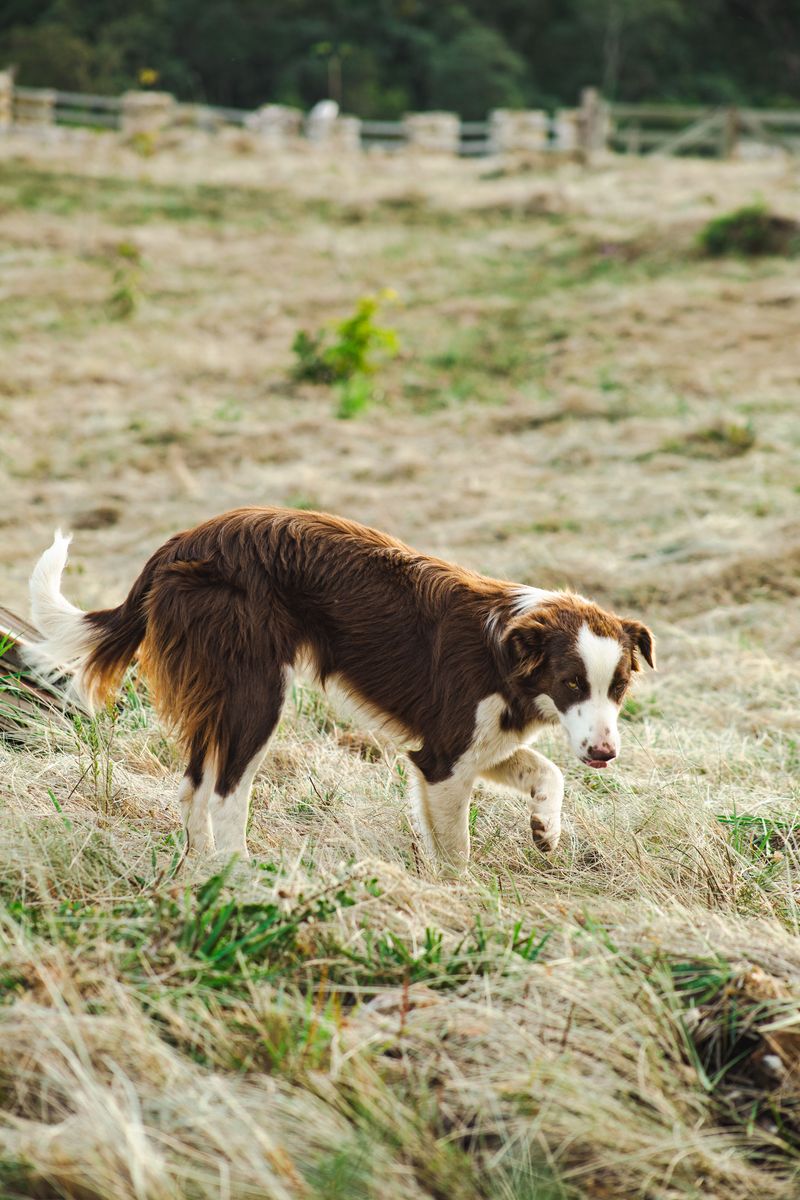
Farm kids used to joke that a Border Collie could read their minds. These dogs scan a room, spot patterns fast, and remember commands like a pro.
Try puzzle feeders, scent games, or teaching names for toys to work that quick brain without constant sprinting. Daily training walks, brief trick sessions, and herding style games in the yard keep focus sharp, curb boredom, and turn their eager energy into calm confidence at home each night.
Standard Poodle
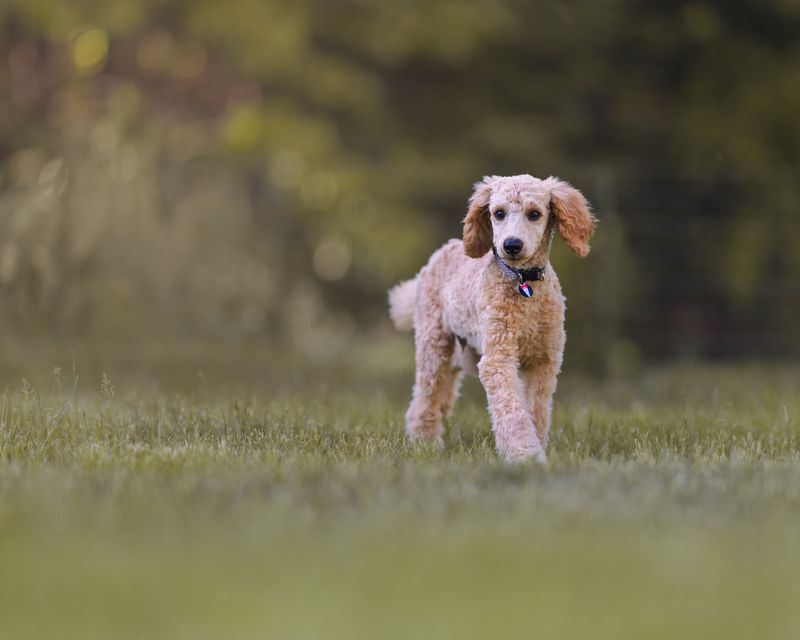
Behind the fancy haircut lives a problem solver with a goofy grin. Standard Poodles love jobs that make them think, from finding hidden treats to learning complex tricks and hand signals.
Keep sessions playful, rotate puzzles weekly, and use water safe games to tap their retriever roots and settle their busy minds gently. A few minutes of shaping new behaviors, plus sniffy walks and a sturdy chew, deliver a companion who lounges after the workout.
Belgian Malinois
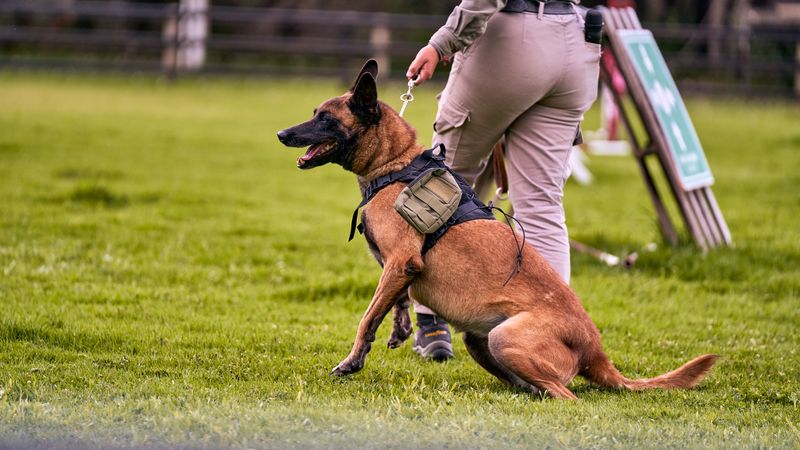
Ask a Malinois to sit, and the eyes lock on like a laser. They crave purposeful tasks and excel when puzzles feel like missions with clear goals and fast feedback.
Build routines that mix obedience drills, scent articles, and platform work, keeping sessions short and crisp to prevent frustration. A weighted fetch, urban agility on safe benches, and hide and seek with family members turn their intensity into focus, making home life smoother and safer.
Papillon
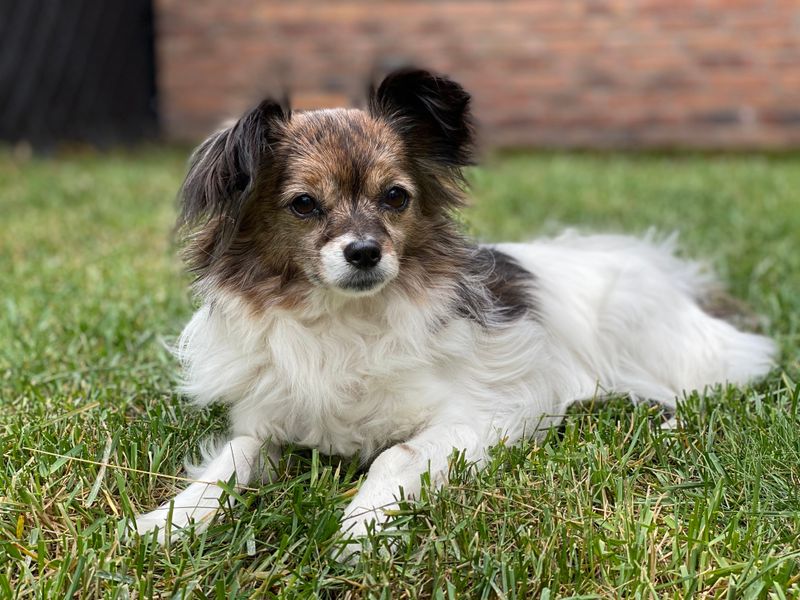
Big ears, bigger brain, and a cheerful bounce make the Papillon a mini mastermind. They learn tiny tasks quickly and adore puzzles that use small paws and nose touches.
Set up low platforms, target sticks, and treat mazes, then reward often with praise and brief play bursts to keep confidence high. Short walks mixed with trick stops, plus soft chews sized for little jaws, help burn energy without stressing joints or getting them overtired today.
Miniature Schnauzer
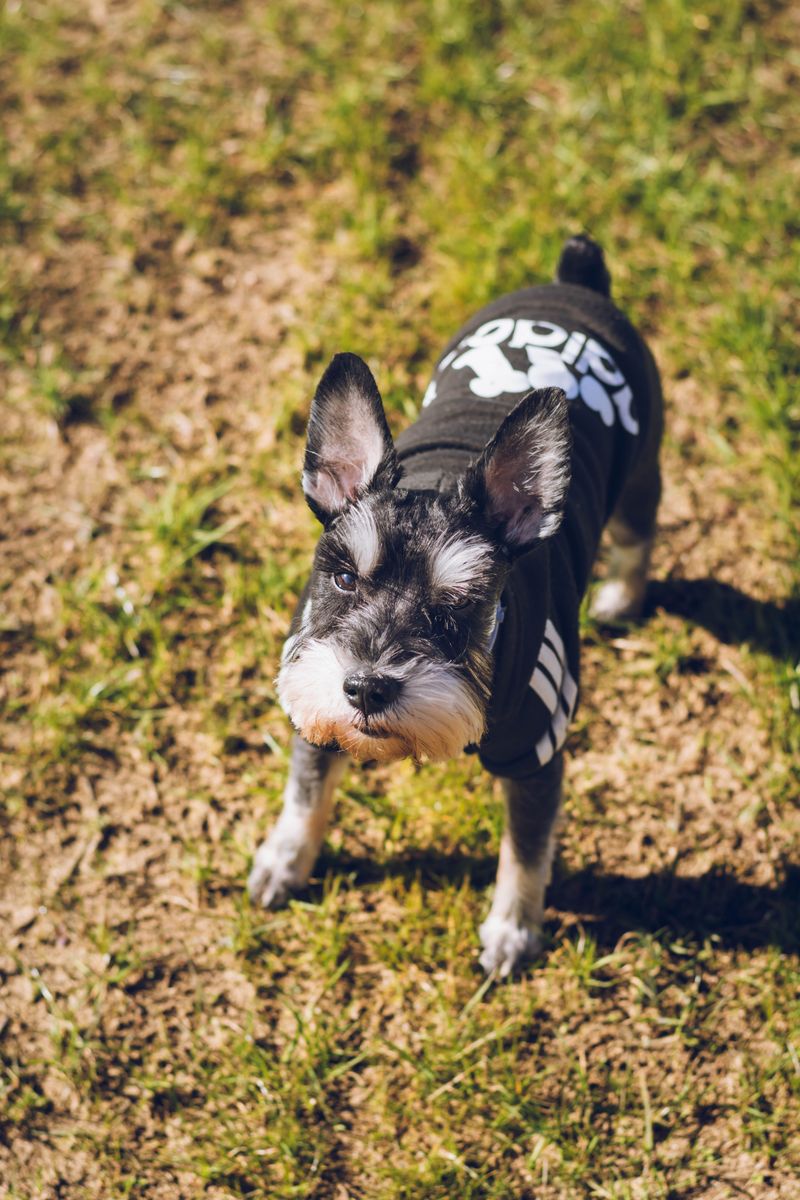
That wiry eyebrow raise looks like a detective taking notes. Miniature Schnauzers are keen observers that enjoy nose work, pattern games, and clipping along beside you on purposeful walks.
Rotate food puzzles, scatter feed in snuffle mats, and teach fun chores like finding dropped keys or alerting to a timer. A little tug, brisk steps, and quick brain breaks calm that spirited spark, reducing nuisance barking and channeling curiosity into jobs that feel important daily.
Shetland Sheepdog
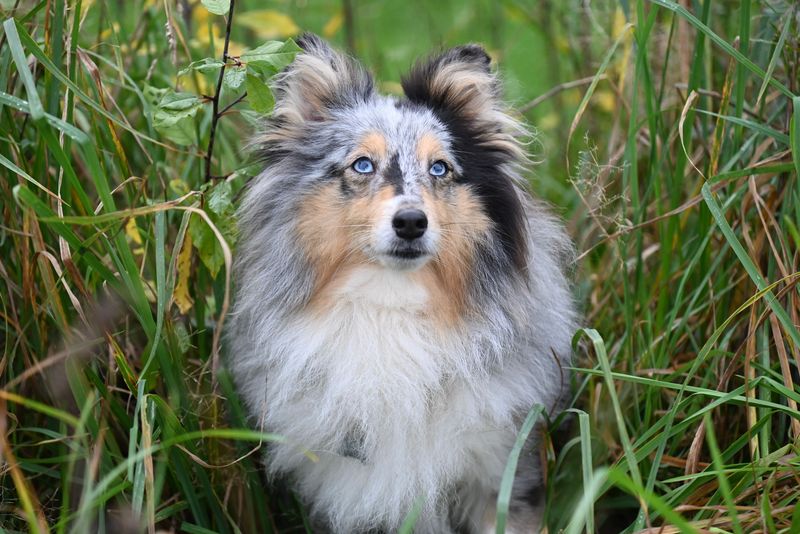
Like a tiny professor in a fur coat, the Sheltie studies every move you make. They shine with chaining tricks and love puzzles that test memory and direction.
Create backyard courses with cones, teach left and right cues, and use soft discs for safe, low jumps to protect growing joints. Frequent, friendly social stops on walks plus calm mat training help them relax between activities, trimming reactivity and building the courage to settle anywhere comfortably.
Australian Cattle Dog
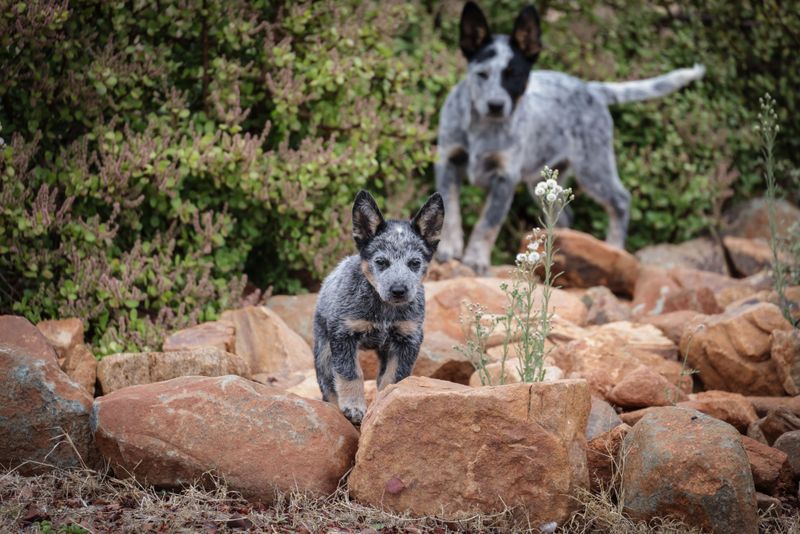
Hardworking by nature, the Heeler treats puzzles like chores to finish with pride. History on the ranch made them tough, steady, and happiest when brains and body both have tasks.
Use long line hikes with check ins, bucket games for impulse control, and hide treats under sturdy cups that require thoughtful nudges. Short herding style circles around cones, combined with tug on cue and a settle mat, drain energy while keeping manners tight at home.
German Shepherd
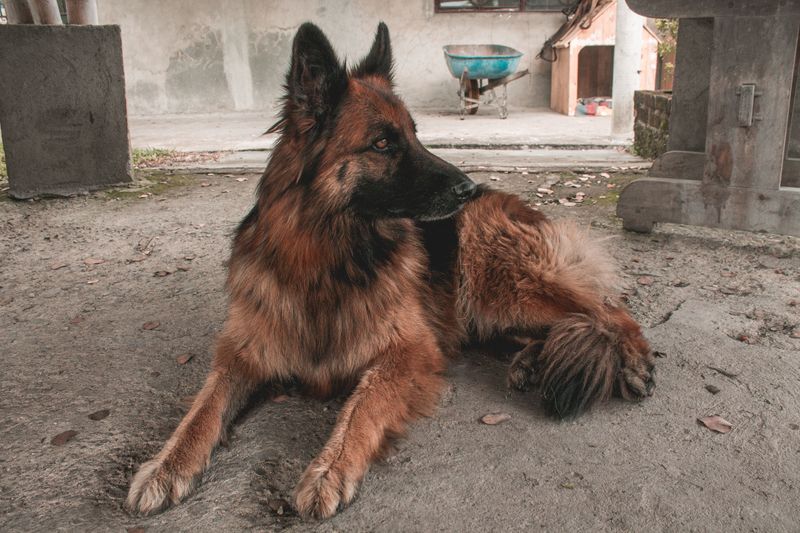
Give a German Shepherd a puzzle, and you can watch the wheels turn. They thrive on structure, fairness, and tasks that build teamwork with their person.
Teach article searches, positional obedience, and tracking on grassy fields, using clear markers and reward timing to reinforce thoughtful choices. Mix tug as a paycheck, add decompression walks in quiet places, and finish with a place cue at home so that excitement fades into steady calm most evenings now.
Dutch Shepherd
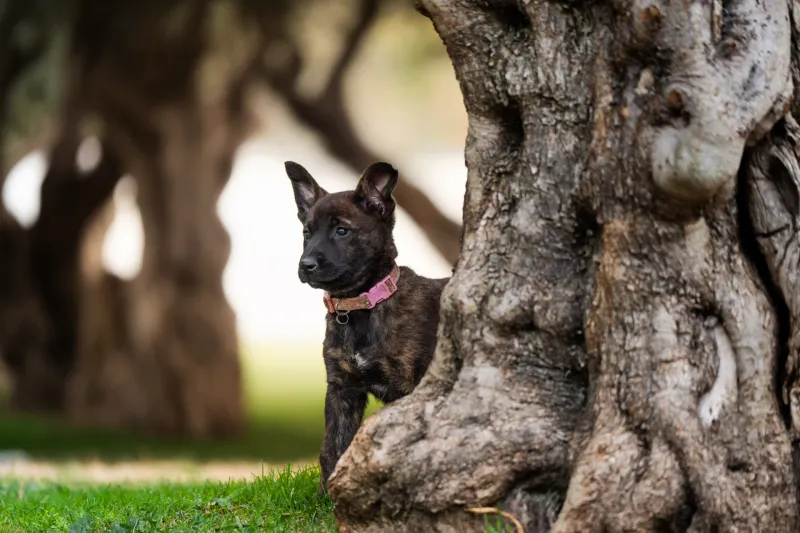
Known for grit and charm, the Dutch Shepherd brings sharp focus to every game. They bond closely and enjoy challenges that ask for balance, scenting, and clever problem solving.
Set up parkour style walks over logs, teach object discrimination by name, and use two ball swaps to practice patience over chasing. When energy spikes, roll food into towels, play shell games, and finish with chin rest training to build trust for grooming and vet visits.
Portuguese Water Dog
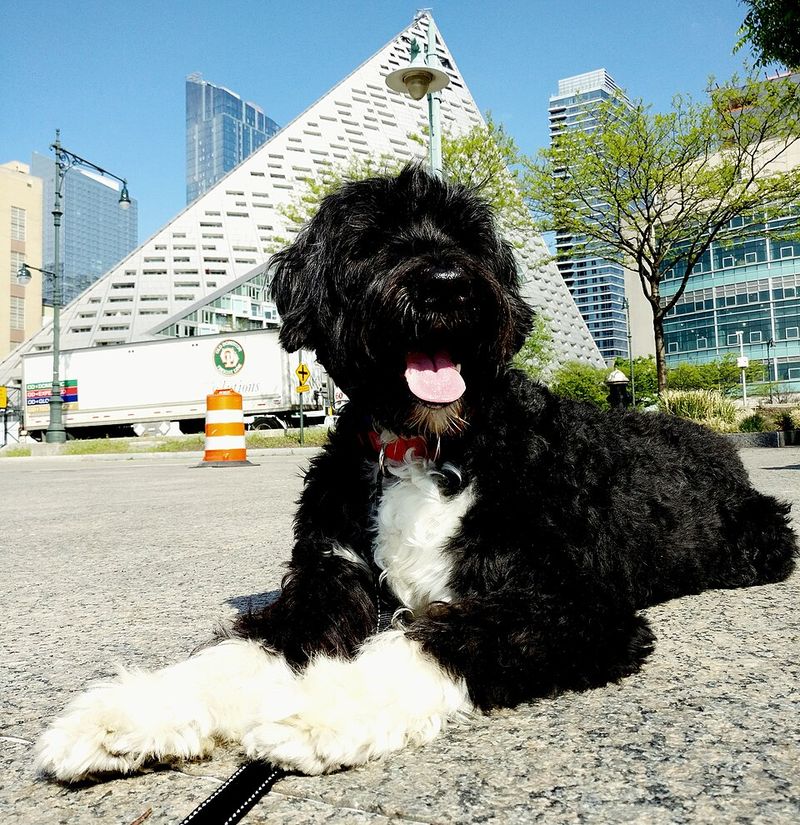
Sailors once relied on this breed to carry notes and fetch from the sea. That history shows in their love of teamwork and brainy games that involve water, scent, and solving steps in order.
Try floating retrieve puzzles, underwater holds in shallow areas, and leash walks that include search cues for driftwood or toys. On land, mix clicker training, towel wraps after swims, and crate rests to teach calm, shifting energy from excitement to relaxation.