
Dog parks sound fun, but not every dog enjoys them. Some breeds prefer space, calm walks, or small meetups instead of big, busy play areas.
Understanding a dog’s instincts helps prevent stress, scuffles, and bad habits. Here are breeds that often do better with different kinds of fun.
Akita
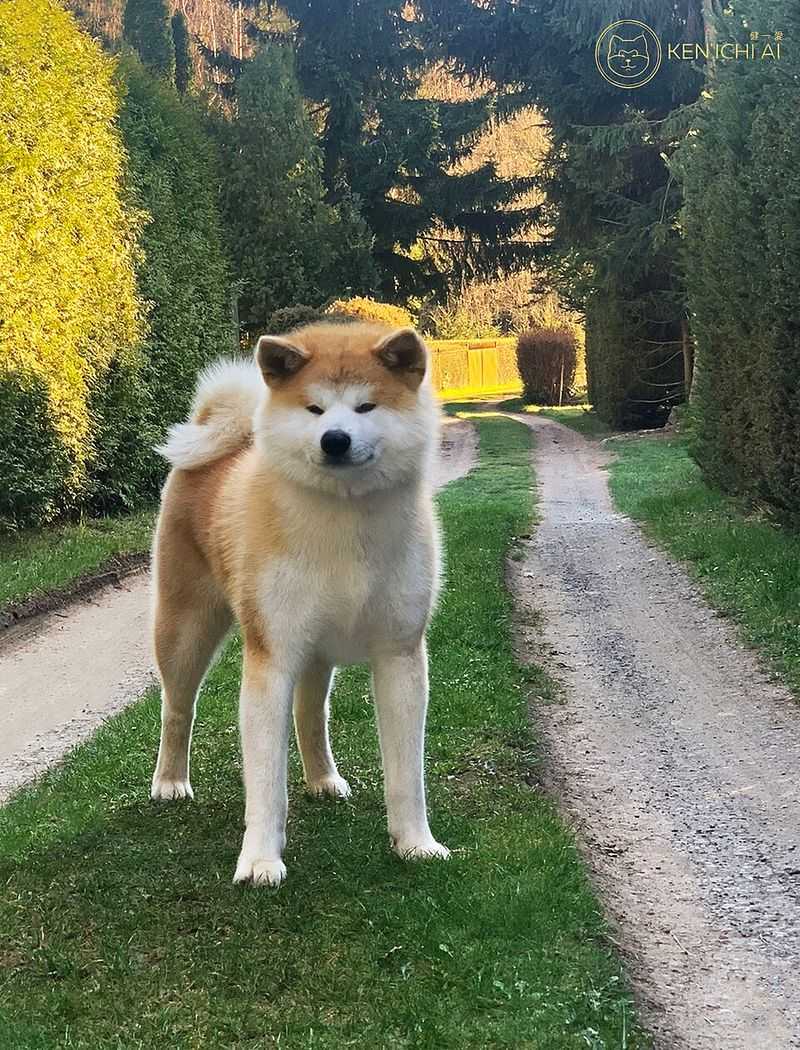
Quiet confidence describes this guardian. An Akita often watches the action rather than jumping into it.
Crowded dog parks can feel pushy, which may trigger guarding or stiff body language. Many do best with one trusted dog or calm, structured play.
Choose early-morning walks, scent games, and focused training. Practice recall and a solid leave-it to avoid tense moments.
A long-line in open fields lets them explore safely. Respect their space, reward good choices, and keep sessions short and positive.
Chow Chow
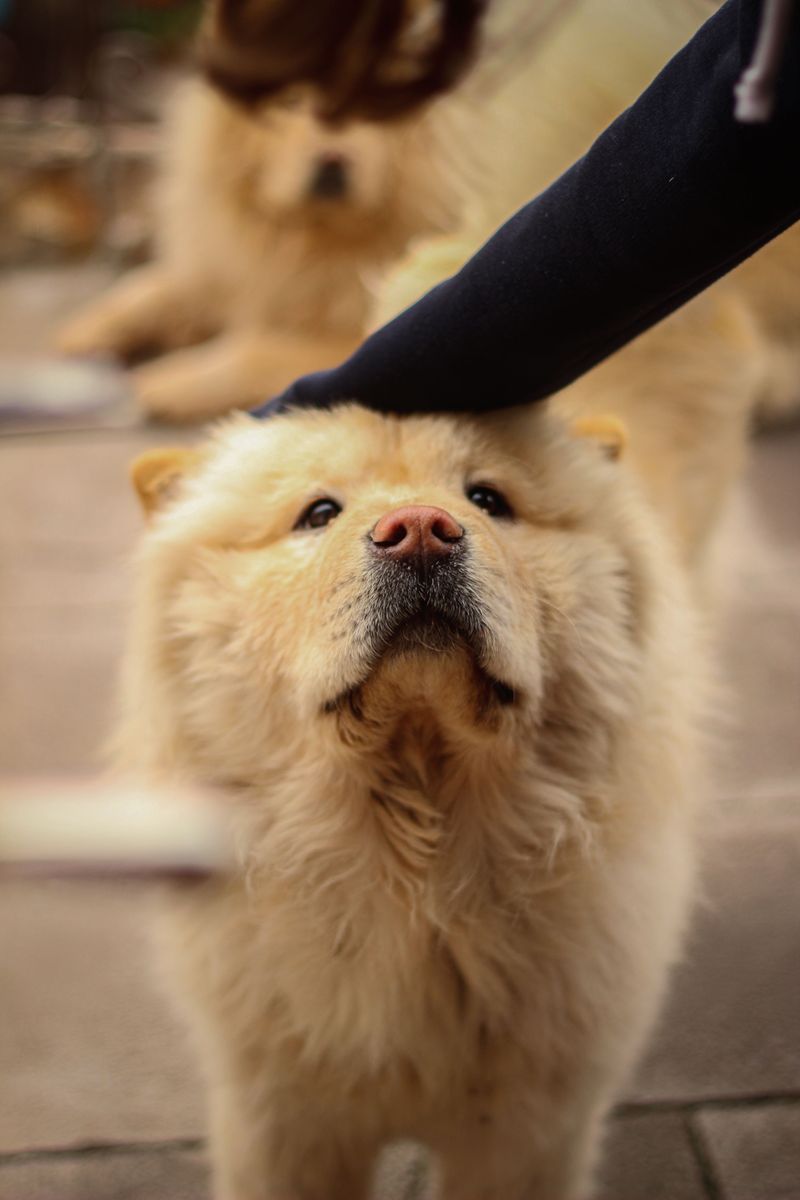
Dignity first, parties second. A Chow Chow values personal space and may dislike bouncy greetings from unfamiliar dogs.
That famous aloof streak can lead to tension if another dog crowds them. Many prefer quiet walks with their person and a predictable pace.
Focus on polite leash manners, short neighborhood strolls, and brain games at home. Keep greetings brief, read body cues, and reward calm behavior.
A comfortable harness and a peaceful route can turn exercise into peaceful routine.
Shiba Inu
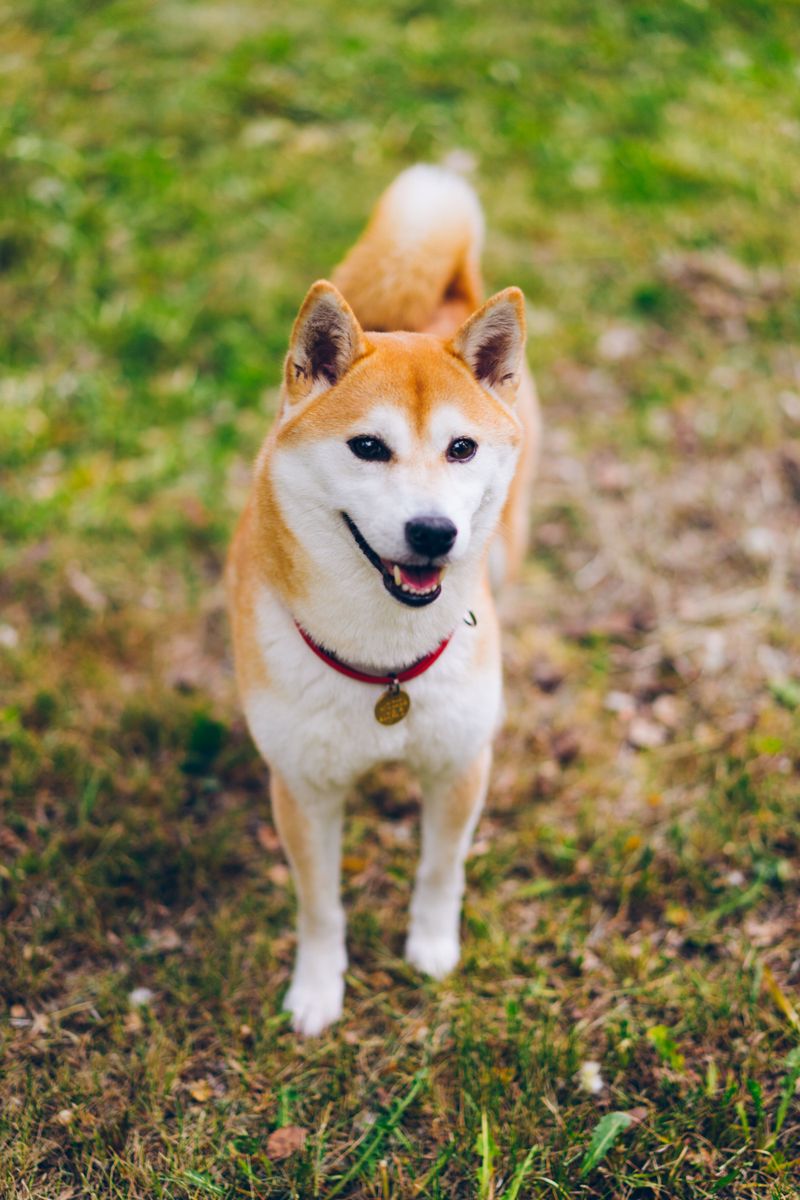
Like a tiny fox with opinions, the Shiba Inu often picks its own agenda. Off-leash chaos can tempt escape artistry or selective hearing.
Many enjoy exploring but dislike rough-and-tumble play with strangers. Sudden chasing can spark disagreements.
Try sniff walks, agility basics, and recall practice in fenced areas. Rotate tug toys and puzzle feeders for a mental workout.
Use high-value treats and a long line to build reliability. Keep meetups small and well-matched in energy.
Great Pyrenees
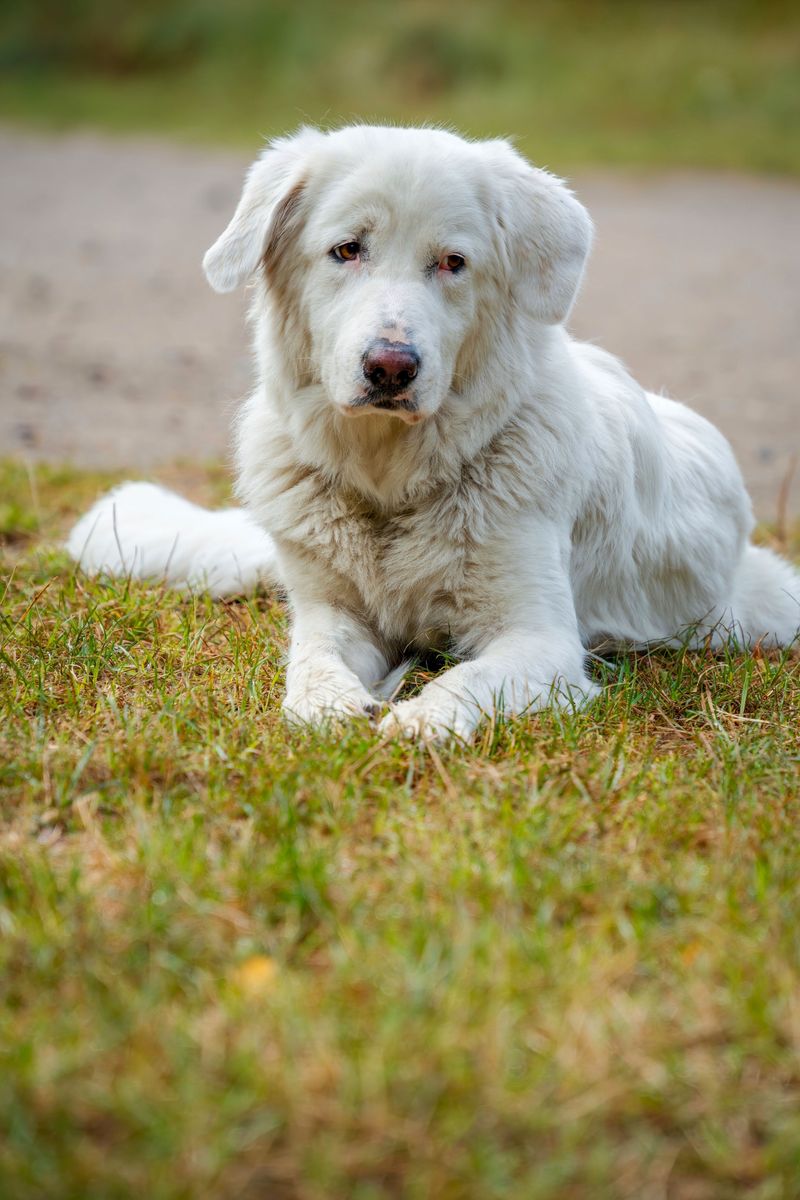
Born to guard flocks, the Great Pyrenees takes duty seriously. In a park full of unfamiliar dogs, that protective instinct may activate, especially around family members or small companions.
Big size plus slow-to-warm-up temperament can cause misunderstandings.
Provide spacious hikes, steady routines, and secure fencing. Practice place training to relax in public.
Teach a reliable heel and leave-it for passing dogs. Calm, low-traffic trails and cool weather outings fit their style better than a busy play pit.
Anatolian Shepherd Dog
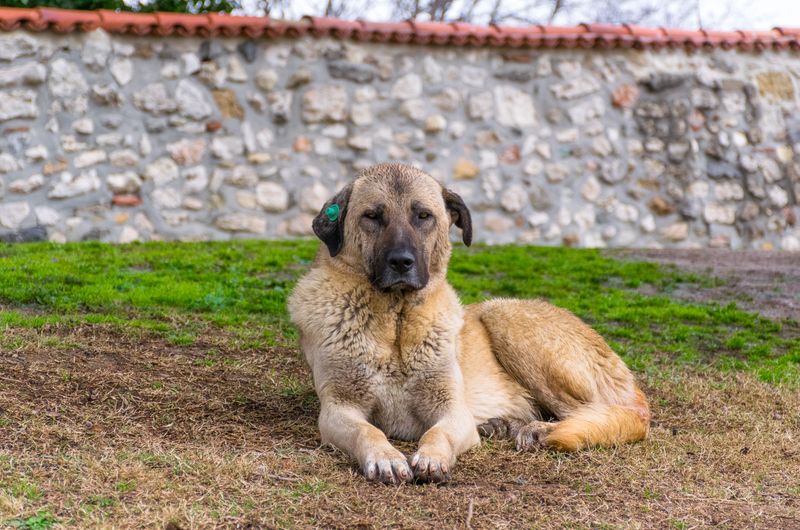
Serious worker, not social butterfly. The Anatolian Shepherd Dog was bred to make independent choices while protecting livestock.
Unstructured dog parks can clash with that mindset. Fast, noisy play might be read as a threat, which raises stress for everyone.
Choose secure acreage walks, long decompression strolls, and controlled introductions. Keep training clear and consistent, using high-value rewards.
A strong recall and an emergency u-turn cue help navigate surprises. Small, stable friend groups beat random meetups.
Basenji
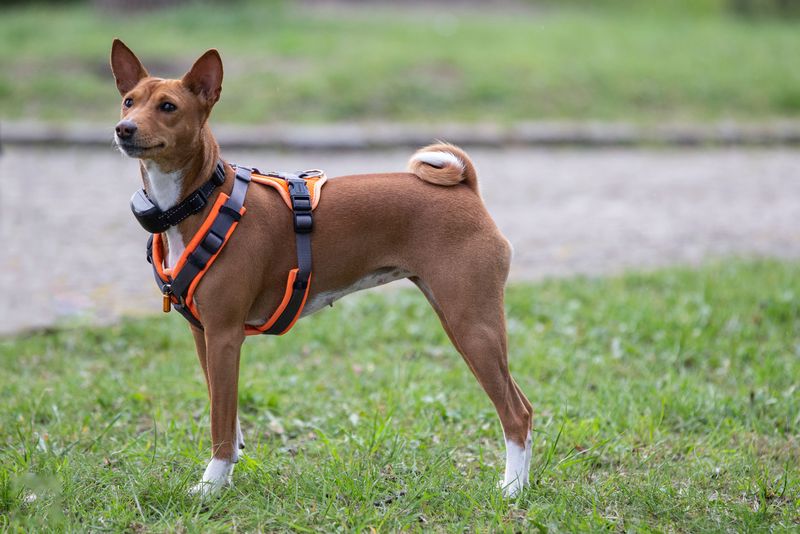
Cat-like in spirit, the Basenji often wants adventure on its own terms. Loud crowds and pushy dogs can feel overwhelming.
Their sharp senses notice everything, which can make dog parks exhausting. Add in a strong prey drive, and off-leash zoomies may end far away.
Opt for scent work, flirt pole games in fenced areas, and quiet paths. Rotate chew projects to prevent boredom.
Build a solid check-in routine and reward frequently. Short, focused sessions keep things fun and safe.
Scottish Terrier
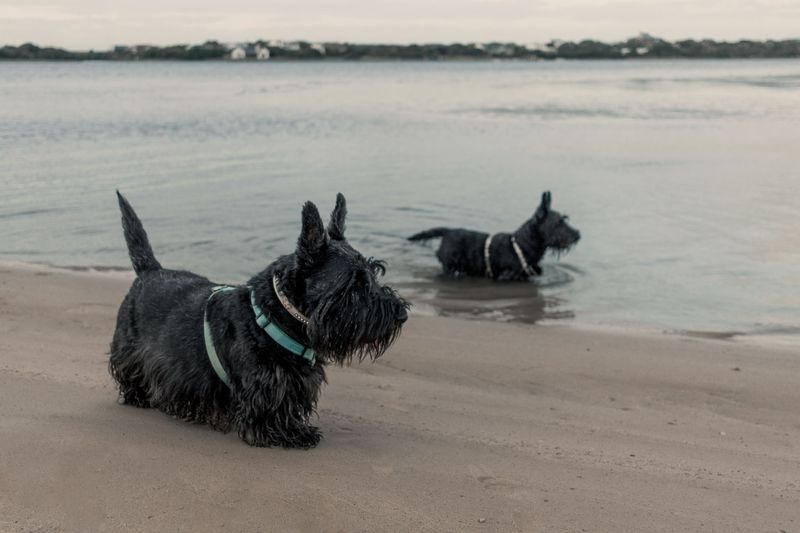
Small body, big spirit. The Scottish Terrier often prefers dignified strolls to chaotic wrestling matches.
Pushy greeters may trigger grumbles, as many Scotties dislike being crowded. They enjoy purpose, like sniffing along a wall or patrolling a garden path.
Plan short city walks with training breaks. Teach a stand-stay for polite greetings and reinforce calm focus.
Enrichment like snuffle mats and short fetch sessions at home keeps energy in check. Choose playdates with similarly polite dogs.
Bull Terrier
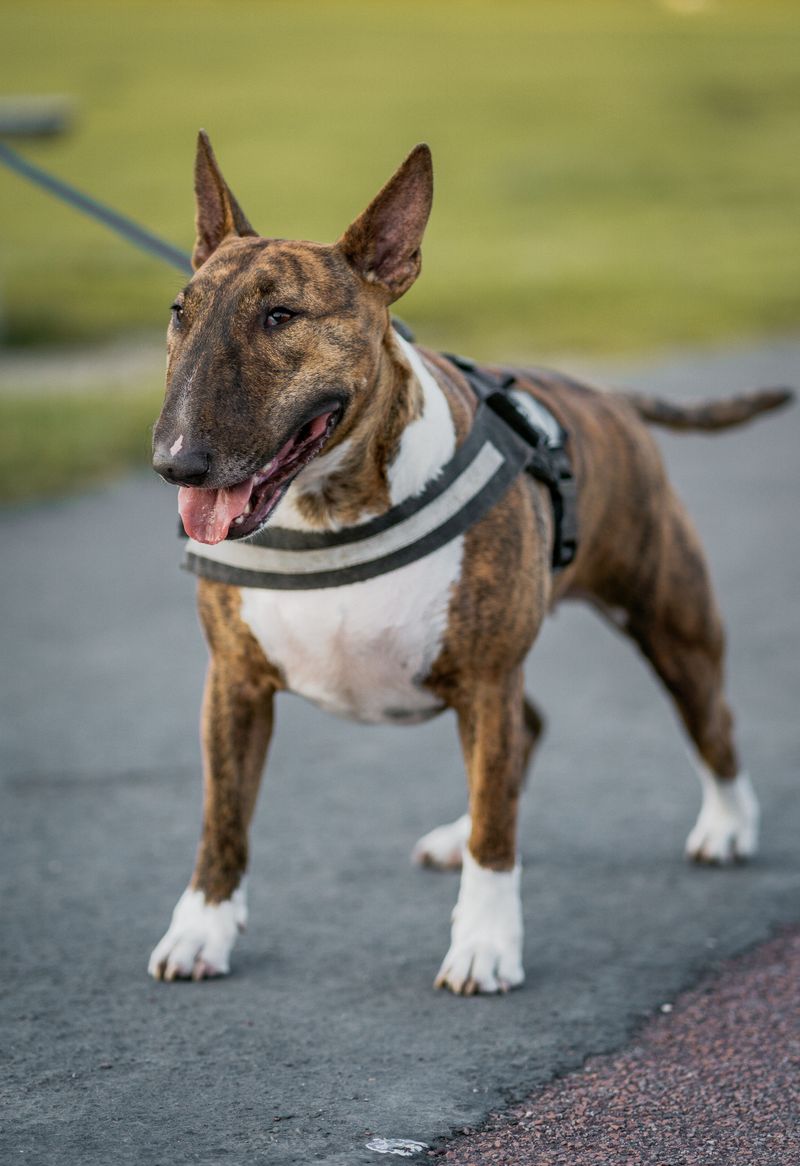
Goofy charm meets serious power. A Bull Terrier loves games but can tip into rough play fast.
In a busy dog park, that intensity may spark scuffles or overarousal. Many do better with structured games that include breaks and clear rules.
Use tug with a release cue, short fetch rounds, and impulse-control exercises. Schedule one-on-one playdates with well-matched friends.
Watch arousal levels and end on a calm note. Durable toys and clear boundaries create happy workouts.
Dachshund
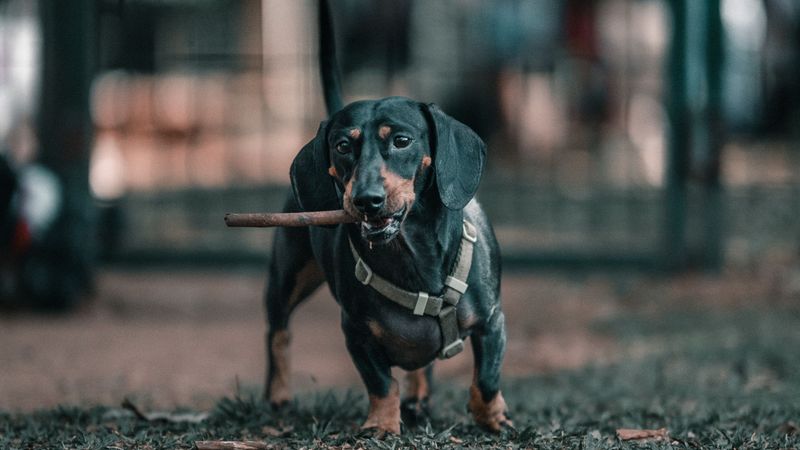
Tunnel hunter at heart, the Dachshund often prefers nose work to wrestling with bigger dogs. A bustling park can feel risky for a small back and delicate build.
Rough bumps or large paws can cause injuries or fear.
Pick gentle meetups with friendly, similar-sized pals. Try scent games, short fetch on soft ground, and careful stair use.
Keep sessions brief and positive. Support the back with a good harness and teach polite approaches to avoid surprises.
Jack Russell Terrier
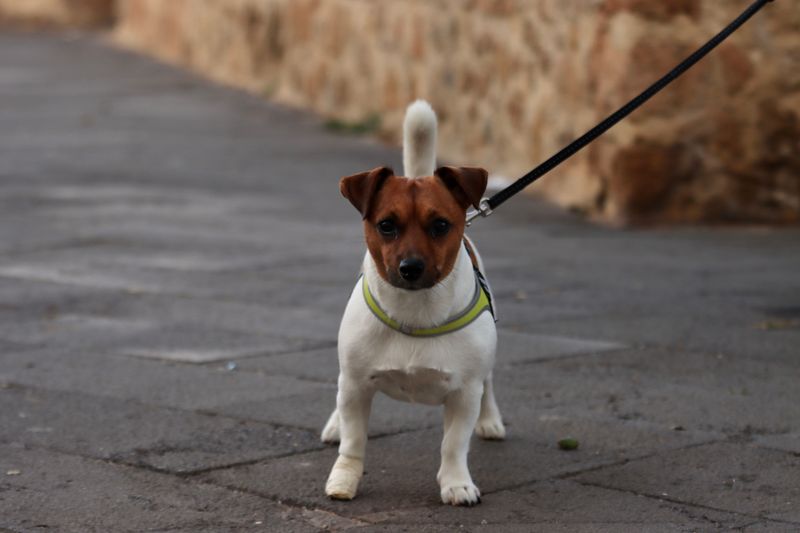
Rocket-fueled and clever, the Jack Russell Terrier thrives on jobs. Random park chaos may lead to chasing, barking, or scuffles when excitement spikes.
Without a task, they invent one, which is rarely relaxing for others.
Provide agility, flyball, or fetch with rules. Rotate puzzle toys and practice trick training.
Keep recall sharp with frequent rewards. Short, intense workouts followed by calm sniff walks work wonders.
Choose small, supervised meetups where everyone understands terrier energy.
Australian Cattle Dog
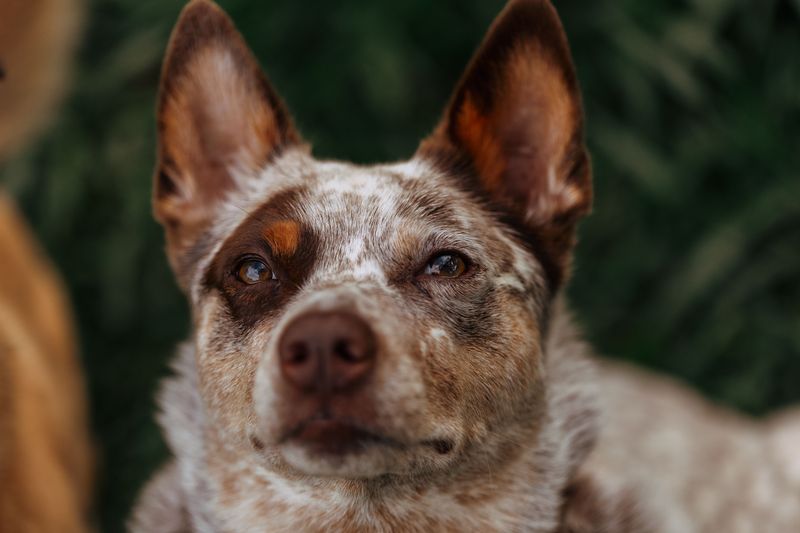
Work first, mingle later. The Australian Cattle Dog is bred to control movement, so a swirling dog park can trigger herding nips or overfocus.
They often prefer structured tasks and human teamwork to free-for-all play.
Set up obedience drills, frisbee sessions, and long hikes with clear cues. Use targets and tug as rewards.
Keep social time purposeful and brief. Pair with confident, steady dogs if meeting others.
Mental challenges plus exercise equal a happy heeler.
Cane Corso
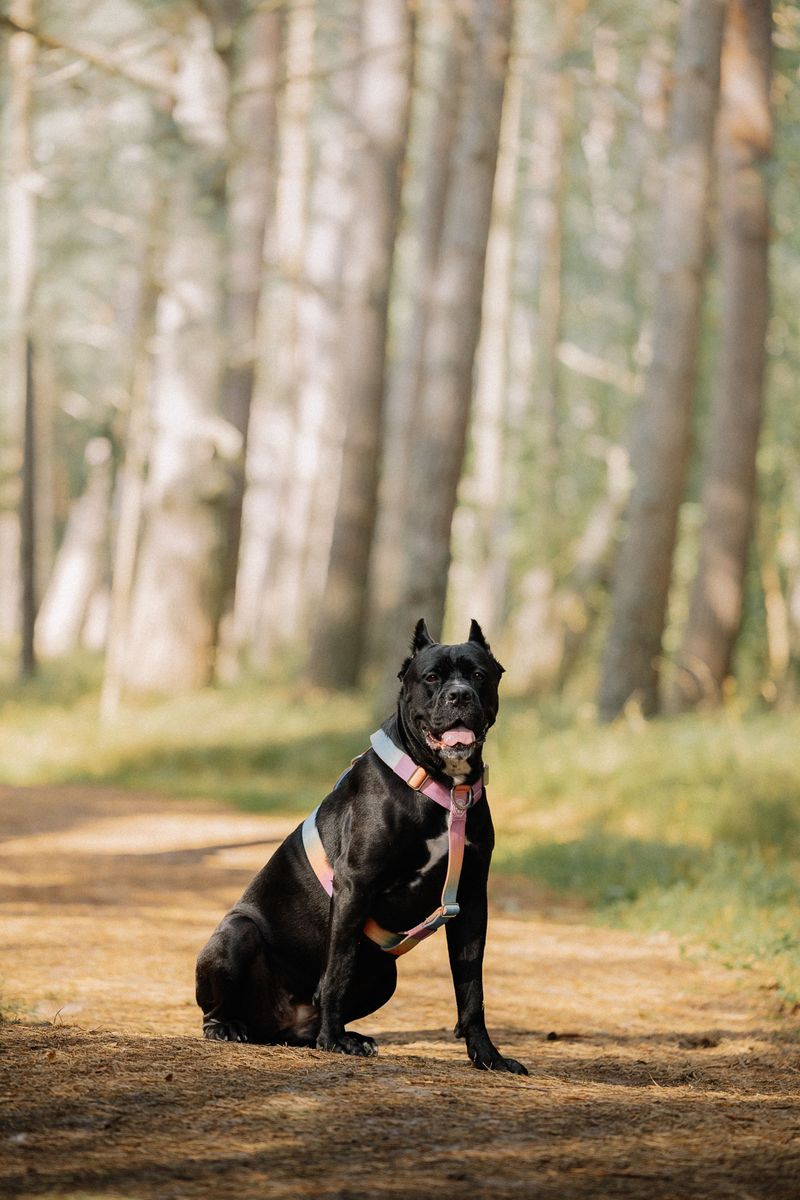
Calm strength needs clear guidance. The Cane Corso can feel responsible for family safety, which clashes with off-leash chaos.
Unpredictable dogs may raise protective instincts, creating tension. Most enjoy training, steady routines, and thoughtful introductions over crowded scenes.
Focus on obedience, place work, and controlled socialization. Keep equipment solid and fit for their size.
Build confidence with neutral exposures and short successes. Choose wide spaces, steady walking routes, and small friend circles that match their composed nature.