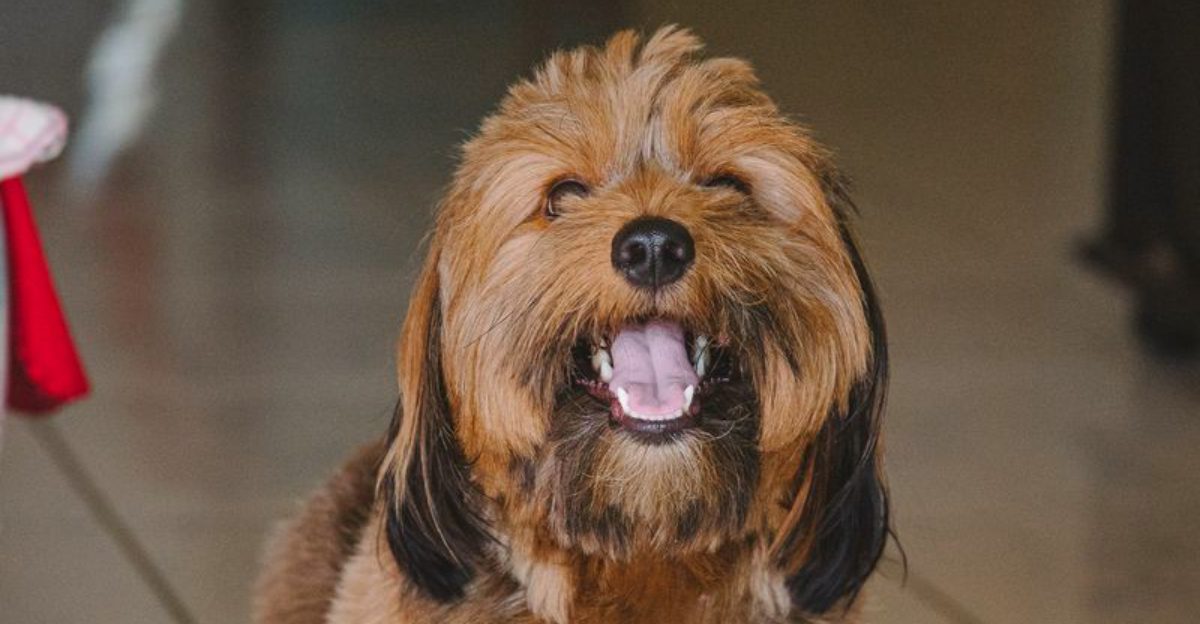
Big changes can feel scary, especially with your dog. The good news is that small daily habits often make the biggest difference.
Simple routines and calm choices can help your dog feel safe, focused, and ready to learn. Try these easy switches before chasing complex fixes.
Keep a consistent daily routine

Like a steady drumbeat, a regular schedule helps dogs relax. Wake, walk, meals, play, and rest should land around the same times each day.
Predictability lowers stress and cuts down on pushy or anxious behavior.
Start with simple anchors, such as morning potty and evening strolls at set times. Keep changes small and gradual.
When life gets busy, aim for the same order even if the clock shifts a little. Consistency builds trust.
Reward calm behavior more often
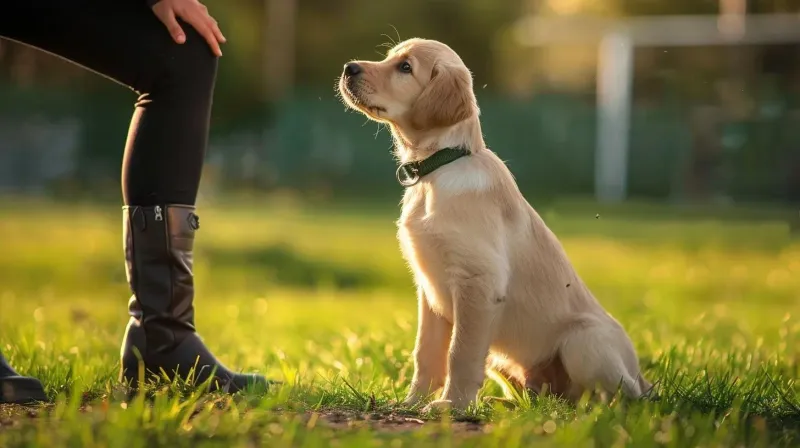
Peace pays off. Catch your dog being quiet, settled, or making good choices, and drop a treat or offer a kind word.
Little rewards sprinkled through the day teach your dog that calm is valuable.
Keep treats tiny to avoid overfeeding. Pair food with praise or a brief chest rub.
If excitement rises, pause, wait for a breath or soft eyes, then pay again. You will see more chill moments because calm starts to win.
Add short training sessions instead of long ones
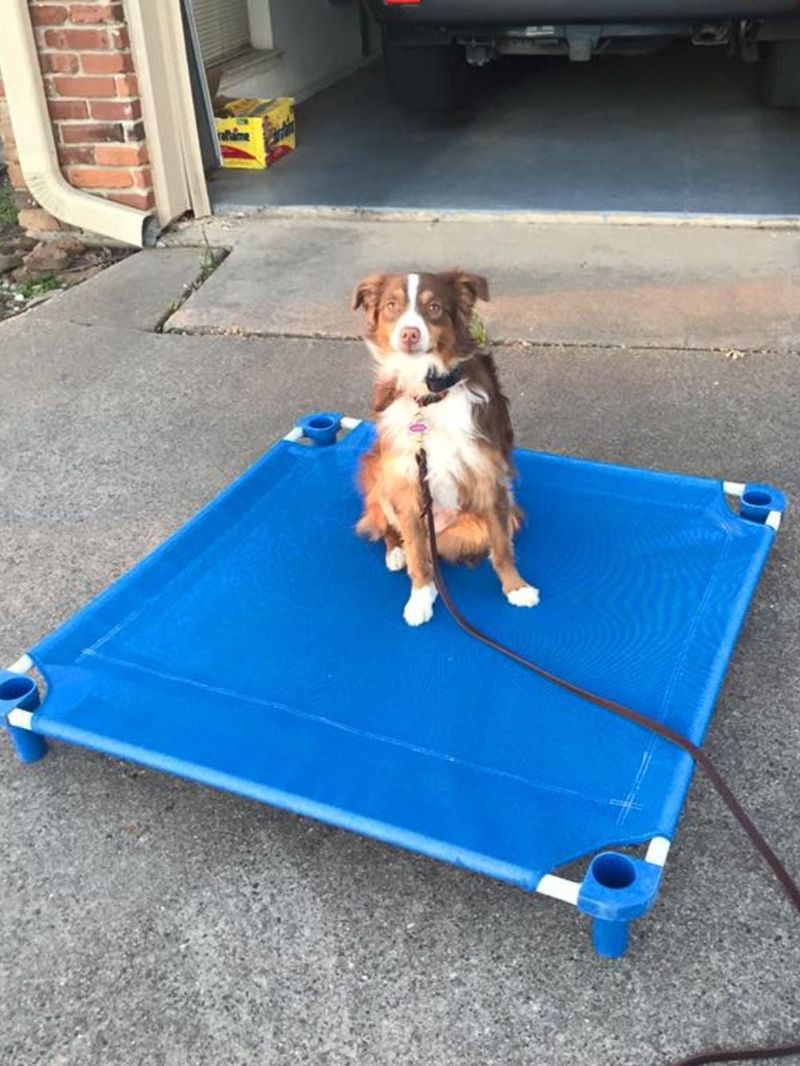
Quick wins beat marathons. Try two to five minutes of training, a few times a day.
Short bursts keep your dog engaged and prevent boredom or frustration. End while your dog still wants more.
Pick one easy skill per session, like sit, touch, or go to mat. Use five to ten tiny treats, then wrap up.
Rotate skills across the day. Little steps stack into strong habits without wearing out minds.
Let your dog sniff during walks
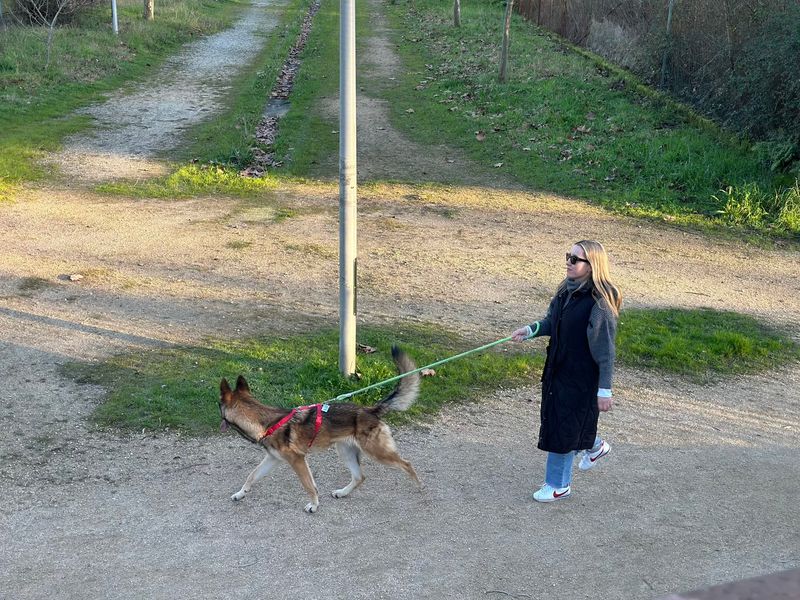
Noses are supercomputers. Sniffing is how dogs study the world and drain mental energy.
Build sniff breaks into your route, and move at a pace that lets your dog explore safely.
Use a longer leash where legal and safe, and teach a cue like “go sniff.” Balance free time with short stretches of walking next to you. If excitement spikes, pause and wait for a calmer sniff.
A satisfied nose leads to a calmer home.
Provide predictable meal times
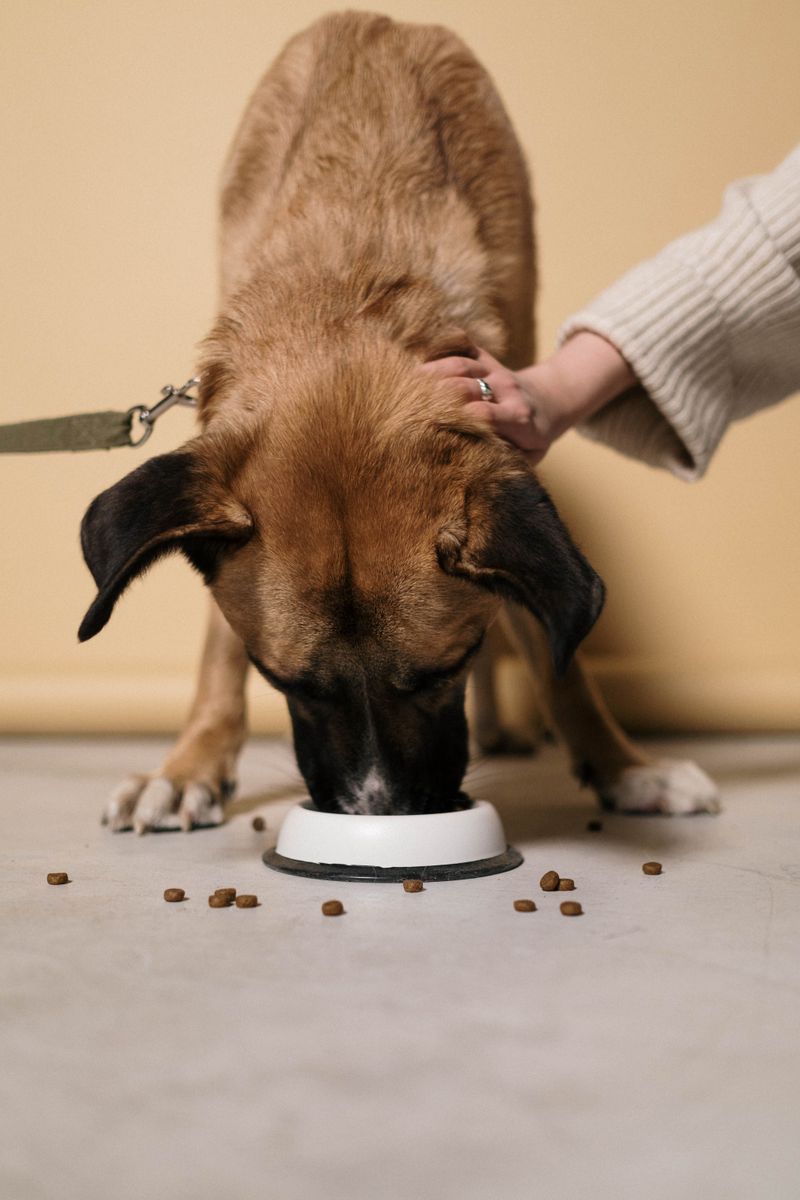
Hunger guesswork can cause restlessness. Feeding at steady times helps your dog’s body clock and behavior.
With a known routine, begging and scavenging often fade.
Set two daily meal windows and stick close. Use a measuring cup to keep portions steady, and pick up the bowl after 15 minutes if uneaten.
Fresh water should stay available. If your dog works for food in puzzles, schedule that too.
Regular fueling supports stable moods and energy.
Reduce unnecessary excitement indoors
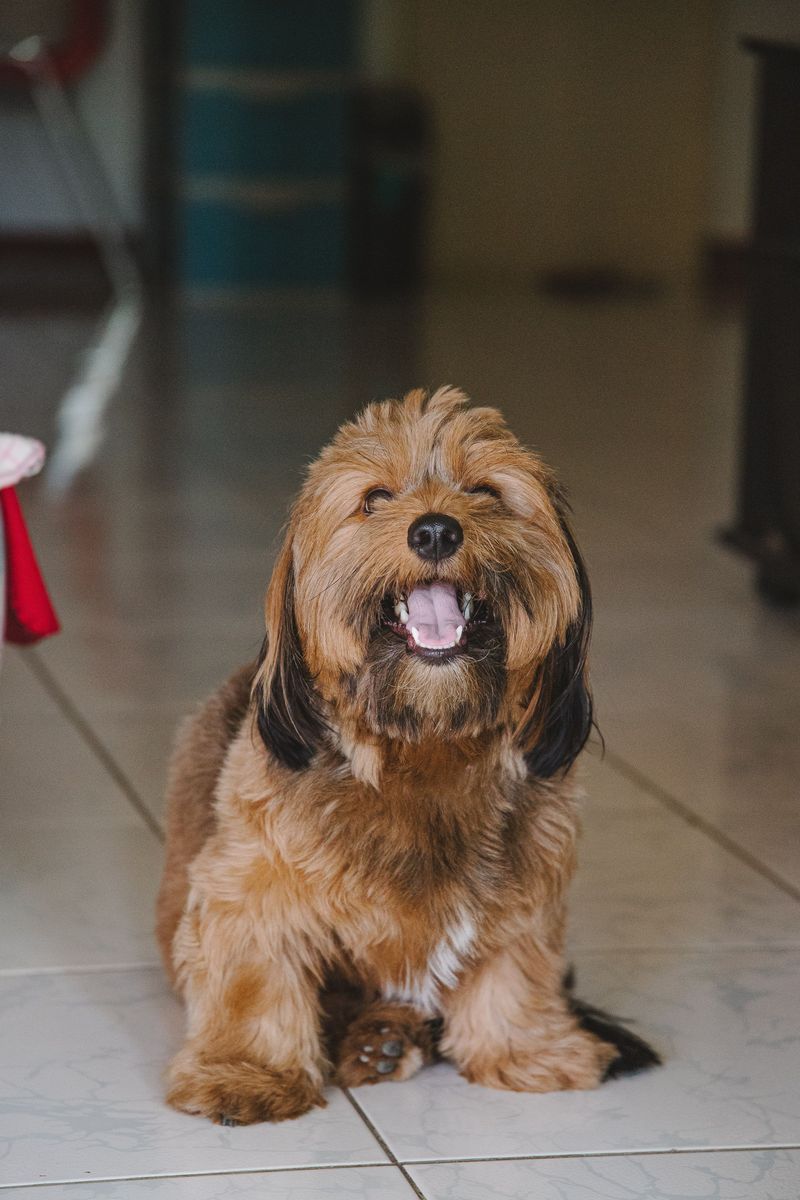
Home should feel like a quiet base camp. Loud greetings, chase games, and wild fetch inside can wind dogs up.
Tone it down to help your dog rest and reset between adventures.
Switch to sniffy games, slow tug with rules, or gentle training. Encourage soft voices at the door and ask for a sit before petting.
Park high-energy play outdoors. A calmer home makes polite choices much easier.
Give your dog a quiet place to rest
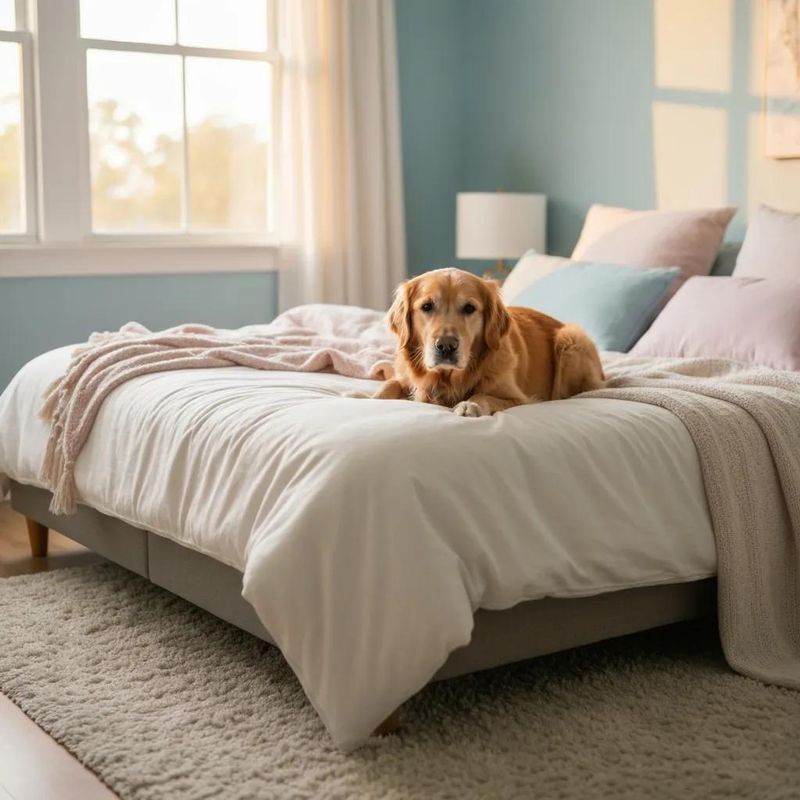
Everyone needs a safe corner. Create a restful spot your dog can choose anytime.
Think comfy bed, low foot traffic, steady temperature, and maybe a white noise machine.
Teach a cue like “bed” with treats, and make that area off-limits for rough play. Kids can learn a simple rule: sleeping dog means hands off.
Guard the space during guests or loud chores. Protected rest often reduces crankiness and reactivity.
Use clear, consistent cues
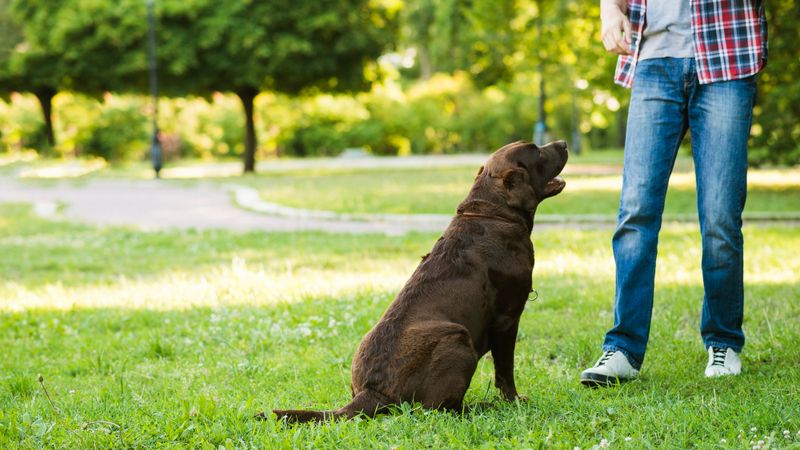
Words only help if they match. Pick cue words, stick to them, and pair each with the same hand signal.
Consistency helps your dog understand faster and worry less.
Choose short, friendly words like sit, down, stay, and come. Ask family to use the exact same cues.
If your dog looks confused, pause, make the picture easier, and try again. Clear signals prevent mixed messages and build confidence during training.
Rotate enrichment toys instead of buying more
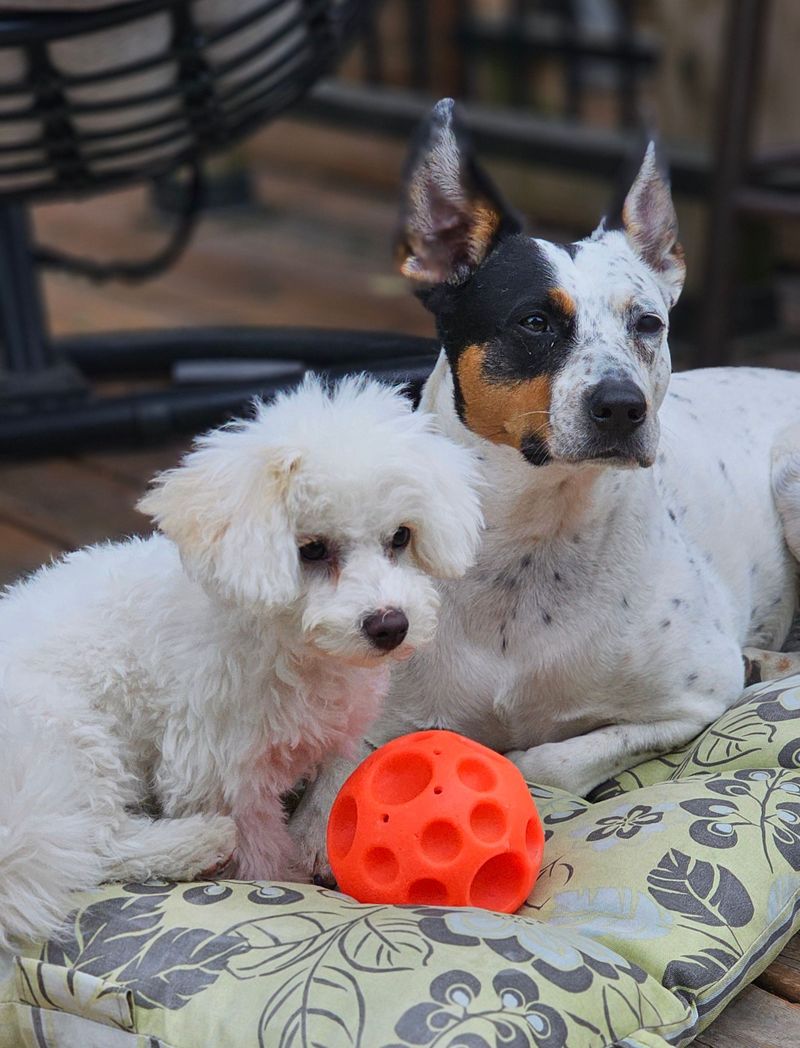
Novelty beats clutter. Instead of endless new toys, rotate a few favorites every couple of days.
The break makes old toys feel new again and saves money.
Sort toys by type: chews, puzzles, soft squeakers, and snuffle mats. Put extras out of sight, then swap sets on a schedule.
Pair toy time with calm music or a settled mat. Fresh variety without more stuff keeps brains busy and stress low.
End training on a success
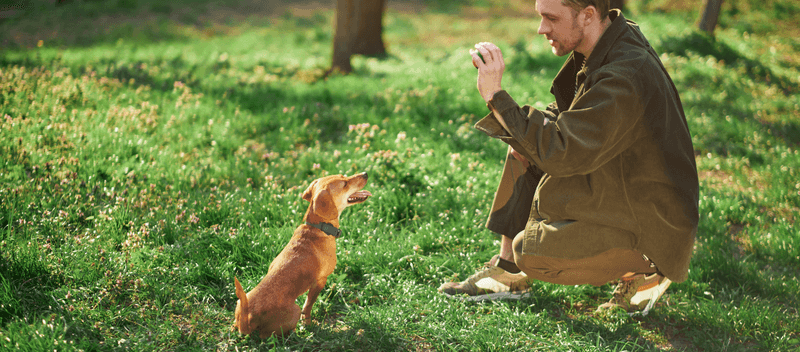
Leave on a high note. Wrapping up after an easy win helps your dog remember training as fun and doable.
Confidence grows when the last rep feels clear and rewarding.
If a skill gets messy, step down to a simpler version, pay generously, and stop there. Celebrate with play or a short sniff break.
Happy endings lead to eager beginnings next time, which speeds progress without pressure.
Prioritize quality sleep
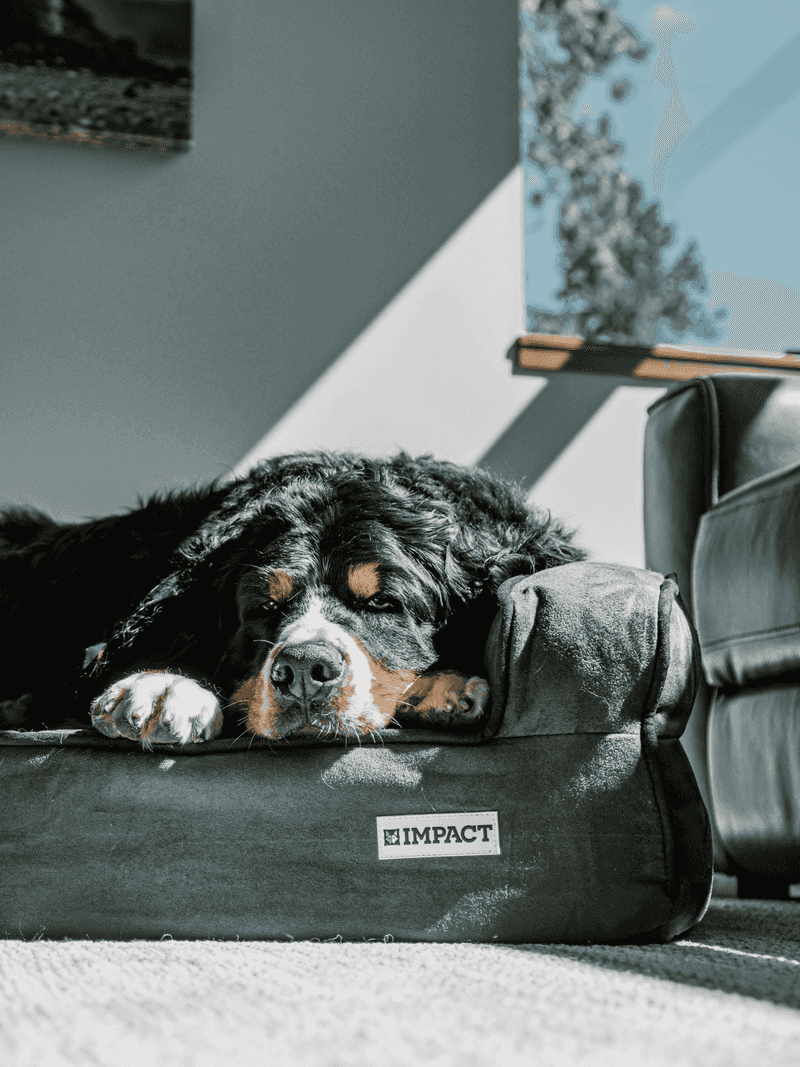
Good sleep is behavior magic. Dogs need far more rest than most people think, often 12 to 16 hours for adults and even more for puppies.
Deep sleep resets patience and learning.
Build a bedtime routine with a short potty break, water check, and calm chew. Keep nights dark and quiet.
Avoid late rough play or heavy meals right before bed. Protect nap times during the day, too.
Rested brains make kinder choices.