
Some dogs light up when they have a furry friend at home. A buddy can help them play more, feel safer, and burn extra energy in a healthy way.
Many breeds were made to work in teams, so life feels more complete with a partner. If your schedule is busy or your dog gets bored, a second dog might be the missing piece.
Beagle
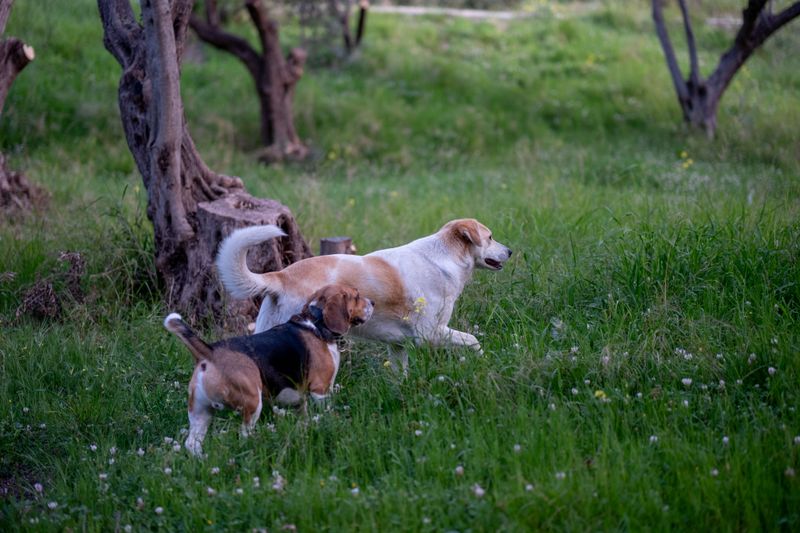
Noses to the ground, a Beagle comes alive when there is another sniffer to follow. Two Beagles will turn a simple yard into a mystery trail, sharing clues and confidence.
Their friendly voices often match in a chorus, which can calm anxiety.
Plan puzzle feeders, short scent games, and frequent walks. Keep recall practice steady, since partners can encourage wandering.
With clear routines and shared adventures, Beagles build happy harmony at home.
Labrador Retriever
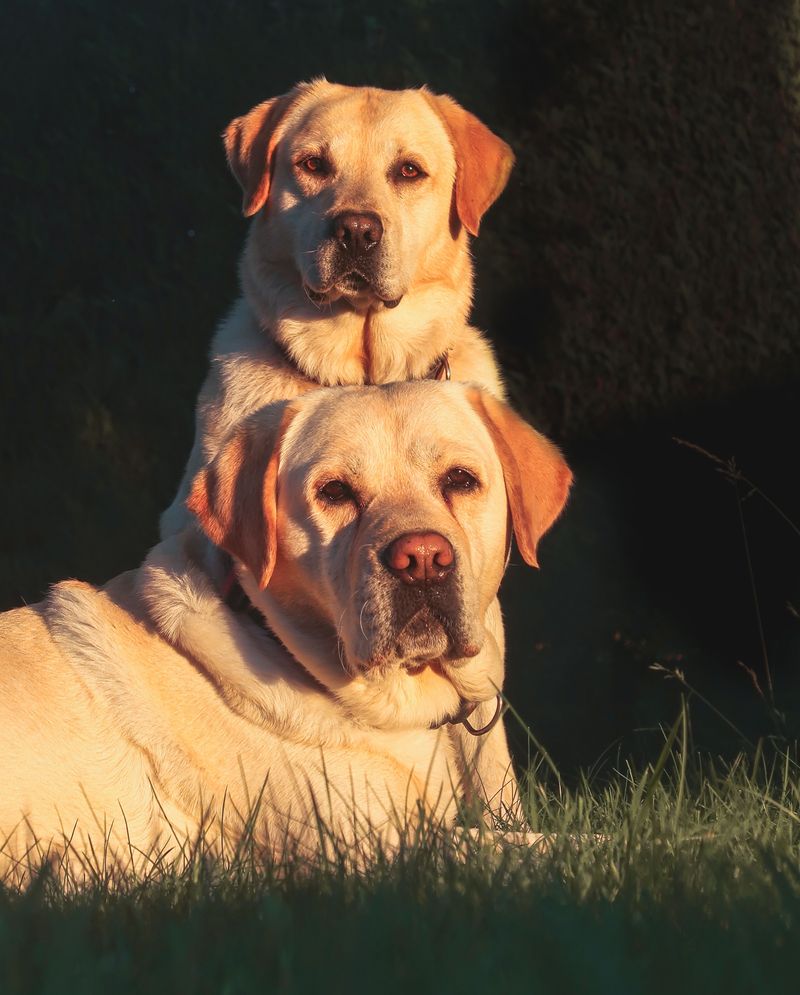
Water invites a Lab to smile, and a second Lab doubles the splash. Many Labs were bred to retrieve as a team, so they love sharing jobs, toys, and space.
A buddy can reduce chewing from boredom by adding constant, healthy play.
Rotate fetch sessions, swim days, and obedience games. Feed separately to avoid food guarding, and train short daily manners together.
Shared workouts keep waistlines trim and spirits high.
Golden Retriever
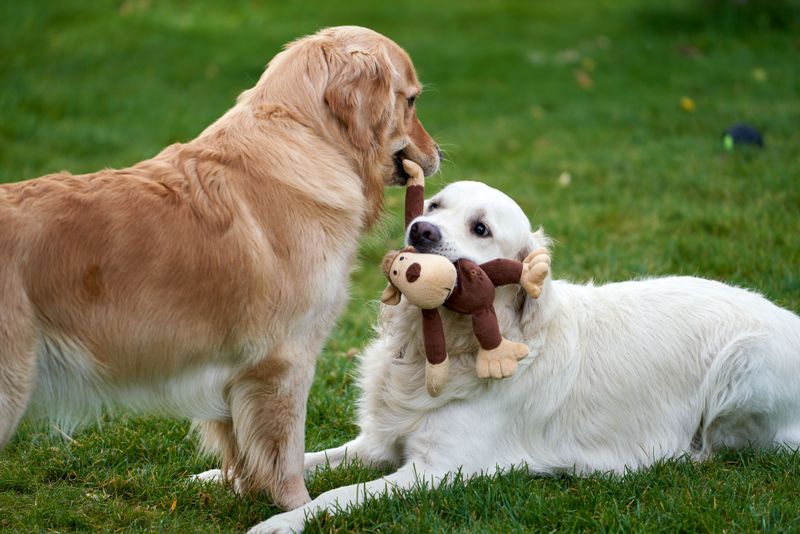
Like sunshine with fur, a Golden often shines brighter with a buddy. They adore cooperative fun, gentle wrestling, and taking turns carrying toys.
Having a friend can ease separation worries and turn long afternoons into calm nap time.
Offer daily brushing parties, slow neighborhood walks, and shared retrieve games. Teach polite sharing with stuffed toys, and give each dog a safe retreat.
Goldens thrive when kindness sets the house rules.
Boxer
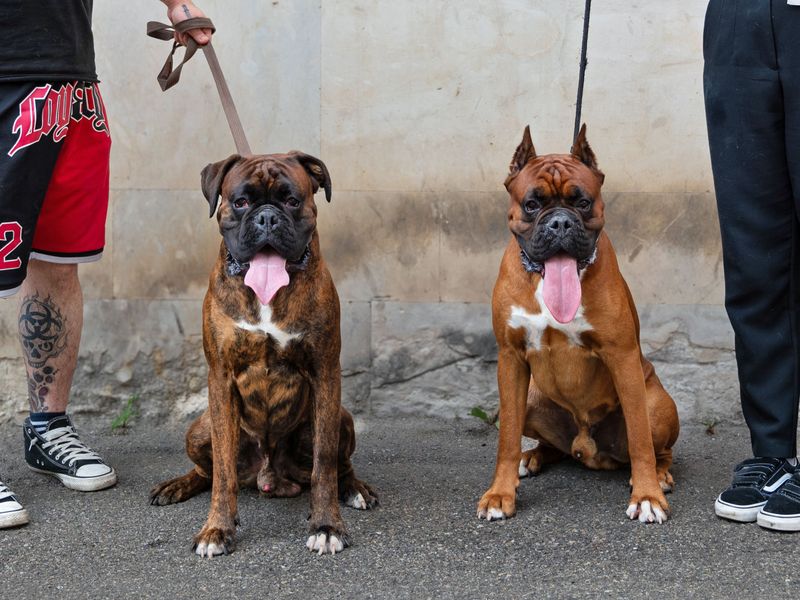
Wiggles and zooms, that is a Boxer greeting. With another high-spirited friend, this athlete channels energy into play instead of couch-bouncing.
Boxers communicate with clownish faces and bouncy bows, and a partner reads that language perfectly.
Plan short training bursts, flirt pole sessions, and brain games to balance the roughhousing. Supervise introductions, then set rest breaks to prevent overexcitement.
The right playmate turns daily workouts into pure joy.
Siberian Husky
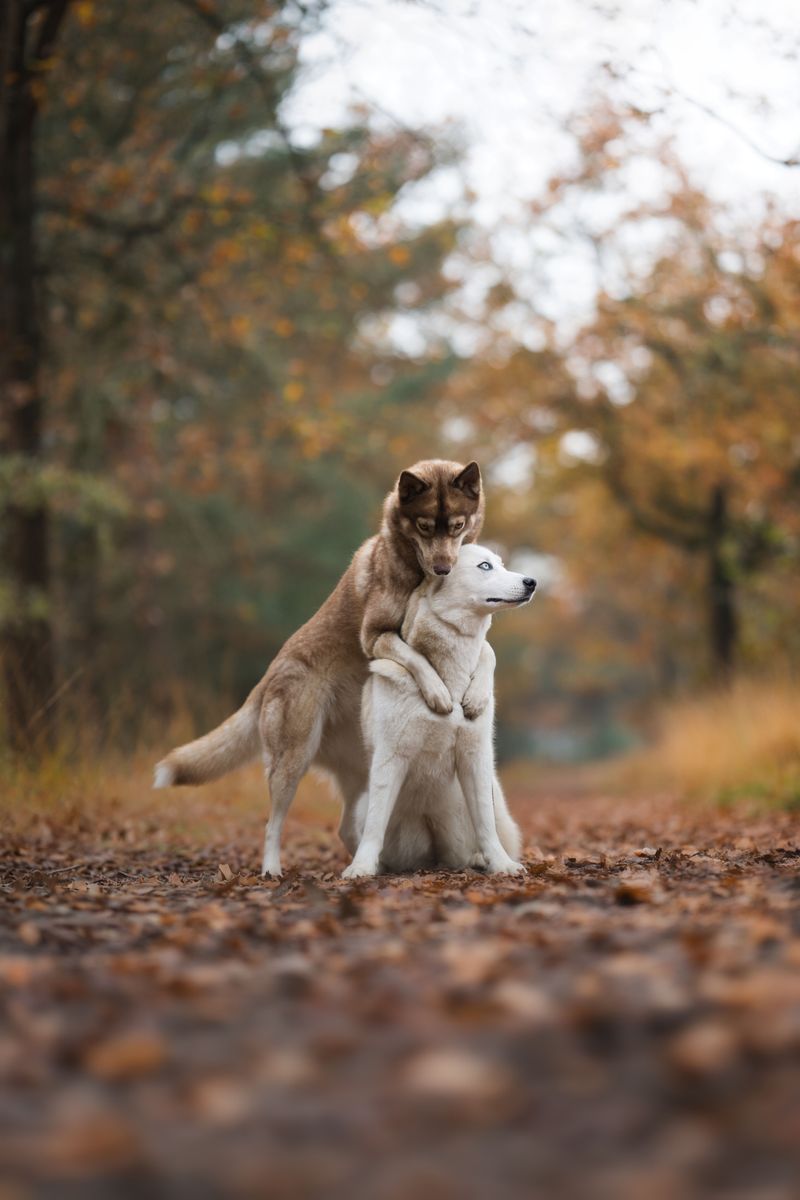
Born to run, Huskies feel most themselves in a team. A second Husky motivates healthy exercise and curbs lonely digging.
They often chat in howls, and answering voices can soothe nerves when humans are away.
Provide secure fencing, long-line hikes, and structured pulling sports like canicross. Rotate chew-safe frozen treats after workouts.
With a partner who matches speed and stamina, a Husky’s spirit stays focused and content.
English Springer Spaniel
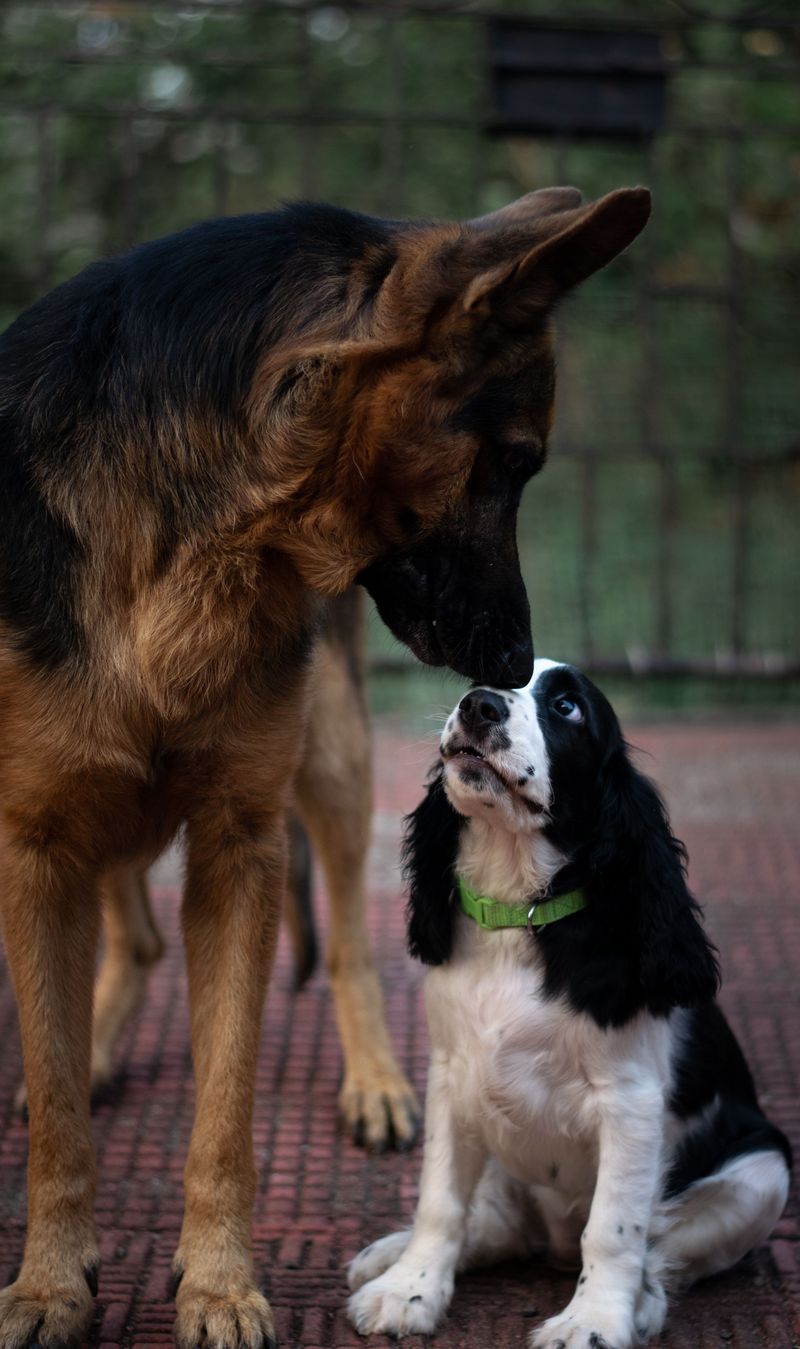
Field-bred hearts enjoy teamwork, and Springers love sharing a search pattern with another spaniel. A companion helps burn off go-go energy and gently boosts confidence in new places.
Together they practice soft mouths on toys instead of furniture.
Create scent games with hidden tennis balls, then follow with calm place training. Offer water retrieves when possible.
With fair rules and cheerful jobs, Springers settle into relaxed, affectionate housemates.
Dalmatian
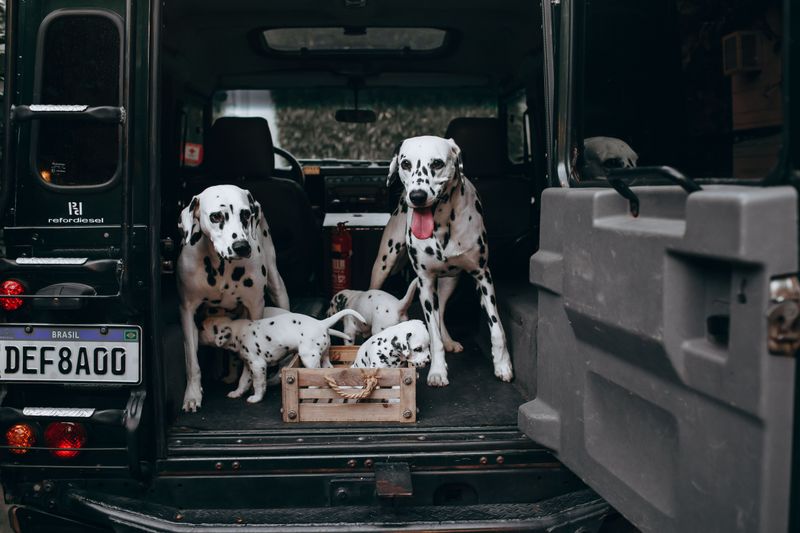
Once known as coach dogs, Dalmatians kept pace beside horses and partners. A second dog turns steady exercise into social motivation and reduces pent-up restlessness.
They often bond through synchronized trots and shared curiosity.
Schedule daily runs, trick training, and quiet crate time after workouts. Watch skin and diet needs, and feed separately if needed.
With consistent outlets and a like-minded friend, Dalmatians glow with smooth, happy rhythm.
Whippet
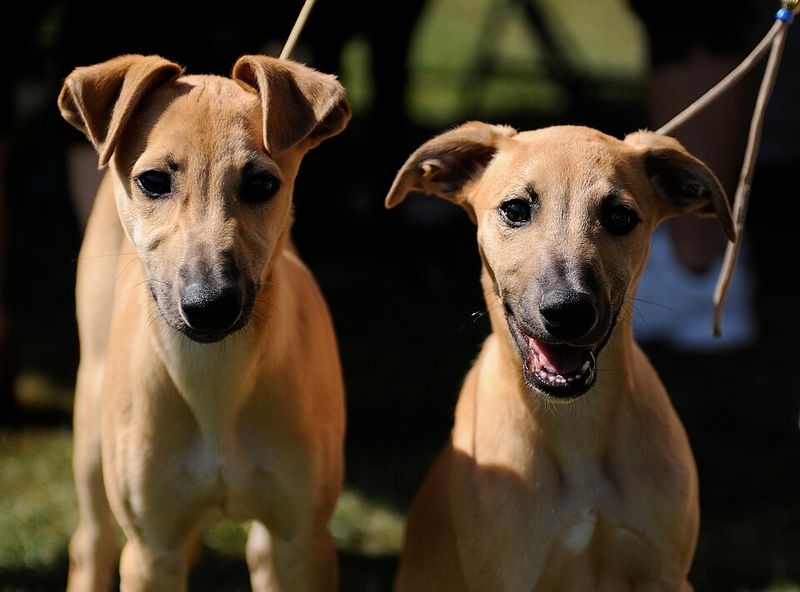
Couch potato at home, rocket at the park, a Whippet enjoys both more with a buddy. Gentle play and cozy naps are better when shared like spoons.
A friend can ease sensitive nerves during storms or city sounds.
Plan short sprint sessions in safe, fenced areas, then warm blankets and quiet time. Use soft harnesses and keep recall training positive.
With comfort and speed, paired Whippets feel perfectly balanced.
Border Collie
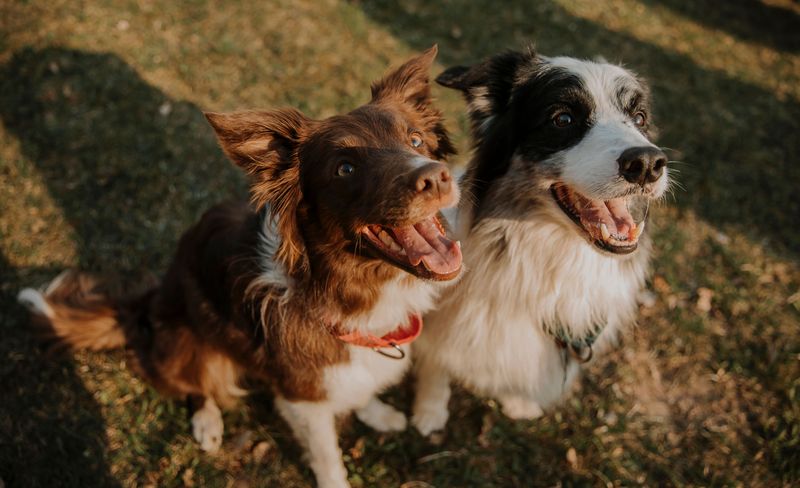
Minds like lightning, Border Collies crave a partner who understands the job. Another collie can turn endless energy into synchronized tasks and strategy games.
Without this outlet, mischief often appears in creative ways.
Offer agility courses, herding lessons, or structured fetch with impulse-control breaks. Rotate puzzle toys and teach new tricks every week.
When brains and bodies work in tandem, Border Collies relax beautifully at home.
Australian Shepherd
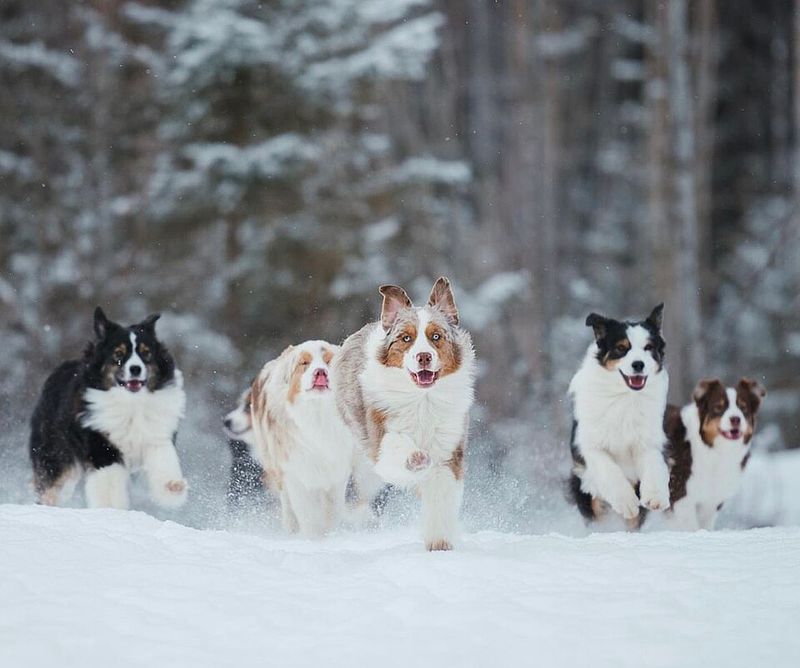
Always ready for a task, Aussies thrive when they can collaborate. A second dog becomes a teammate for agility, hikes, and clever chores like sock-fetching.
Together they burn energy that might otherwise fuel barking or chasing.
Build routines with trick chains, off-leash hiking in safe areas, and calm leash walks. Practice down-stays after exciting games to teach balance.
With structure and shared goals, Aussies show their happiest focus.
Brittany
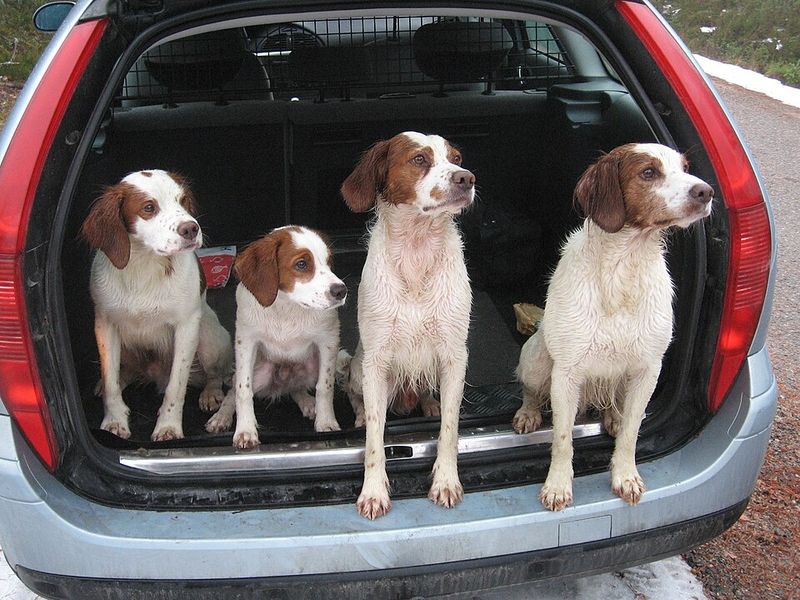
Light on their feet and eager, Brittanys often blossom with a buddy who shares their zest. Team searches for hidden toys or birds shape calm confidence.
Their naturally people-pleasing style extends to canine friends when socialized early.
Mix brisk hikes, nosework classes, and simple steadiness drills. Keep sessions short and fun to prevent overarousal.
With fair guidance and daily exploration, Brittany pairs settle into cheerful, sporty harmony.
Flat-Coated Retriever
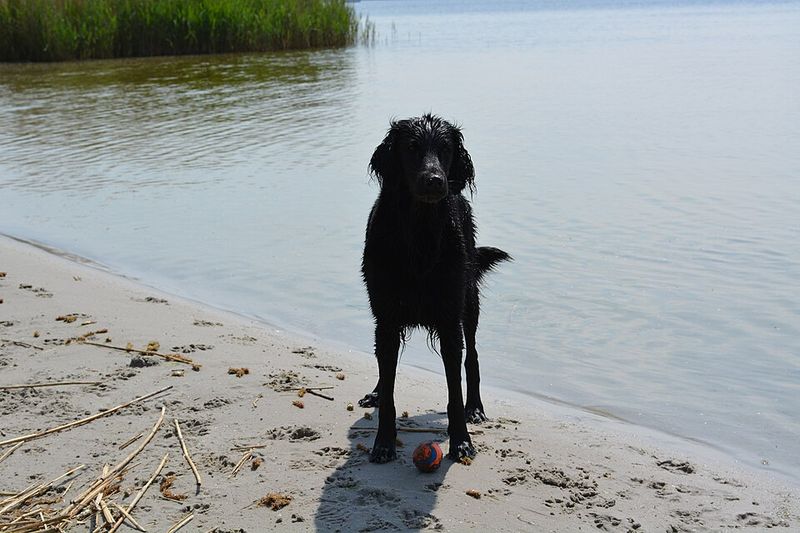
Known as the happy tail, Flat-Coats sparkle when playtime becomes a shared adventure. A partner means more retrieves, more swims, and fewer lonely moments.
Their puppy-like outlook lasts for years, so a friend helps channel that cheer.
Plan water work, long retrieves, and polite drop-it games. Keep training upbeat and brief, with separate feeding to avoid resource scuffles.
Together, Flat-Coats stay bright, friendly, and wonderfully optimistic.