
Have you ever wondered why your fluffy dog loves the kitchen tiles more than their bed? Many cold-weather breeds actually cool their bodies by lying on hard, chilly floors.
Understanding this habit can prevent overheating, stress, and health problems. Learn what your dog is telling you so you can keep them comfortable and happy.
Siberian Husky
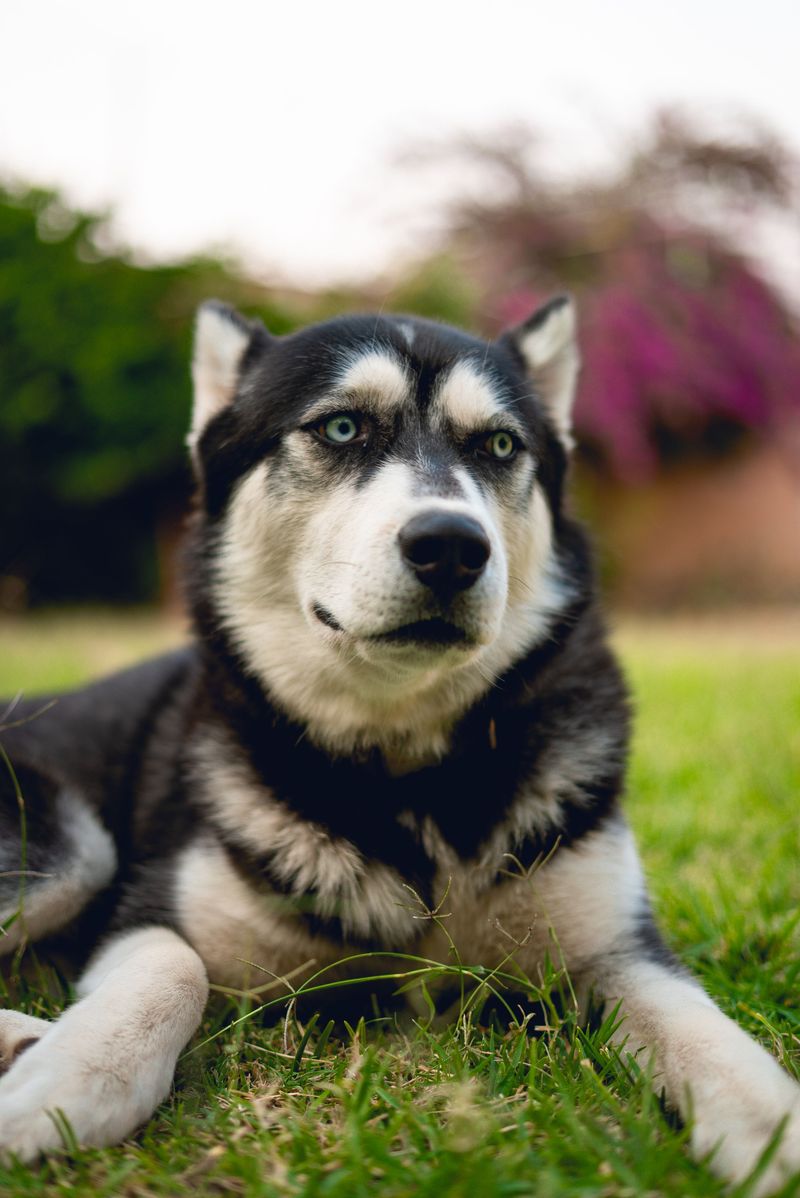
Born for snow and speed, Huskies often sprawl on tiles like furry ice packs. Their thick double coat traps warmth so a cool floor helps dump heat after play or stress.
Offer shaded rest spots, fresh water, and a cooling mat near family activity so they do not isolate. If panting seems hard, check indoor humidity, brush out loose undercoat, and consider a lightweight summer trim, not shaving.
Alaskan Malamute
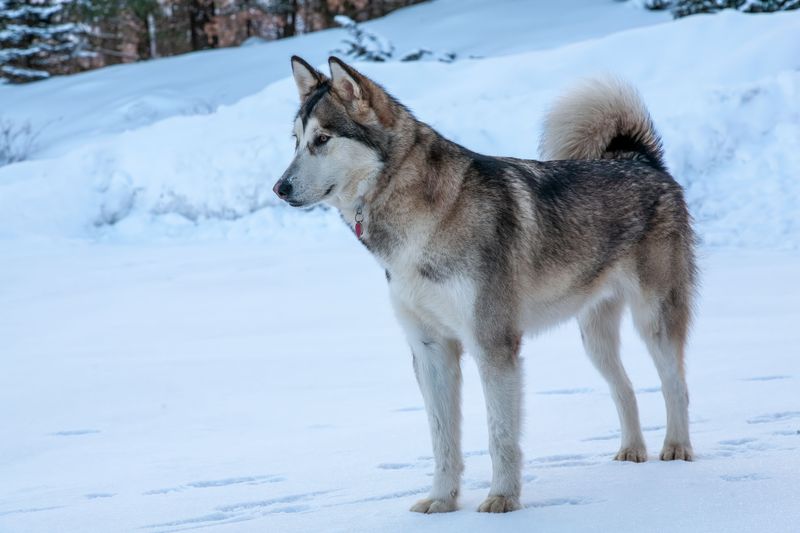
Big engine, bigger insulation. Malamutes were bred to haul heavy loads, and their dense coat is like a winter jacket that never quits, so they shed heat slowly indoors.
Cool floors act like a safe off-switch for rising body temperature. Provide a fan at ground level, a cool surface in the family room, and small frozen broth cubes for hydration.
If they avoid soft beds, try a raised cot with mesh that lets air move under their belly.
Samoyed
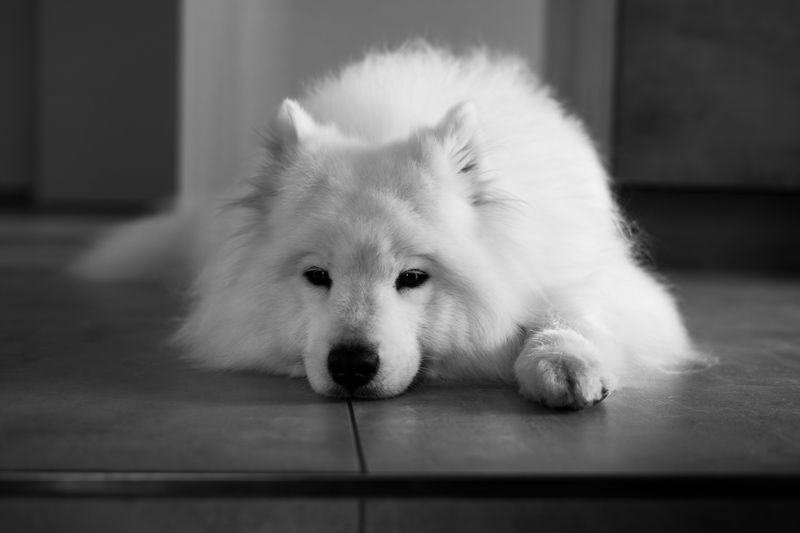
That famous smile hides a furnace. Samoyeds have weatherproof coats that trap air, so tile or stone gives quick relief during warm spells or after a zoom around the yard.
Keep baths lukewarm, not hot, and dry the undercoat fully to avoid trapped heat. Place a cooling mat where the family hangs out and brush regularly to remove packed fluff.
If they suddenly seek extra-cold spots, rule out fever or pain with a quick vet check.
Newfoundland
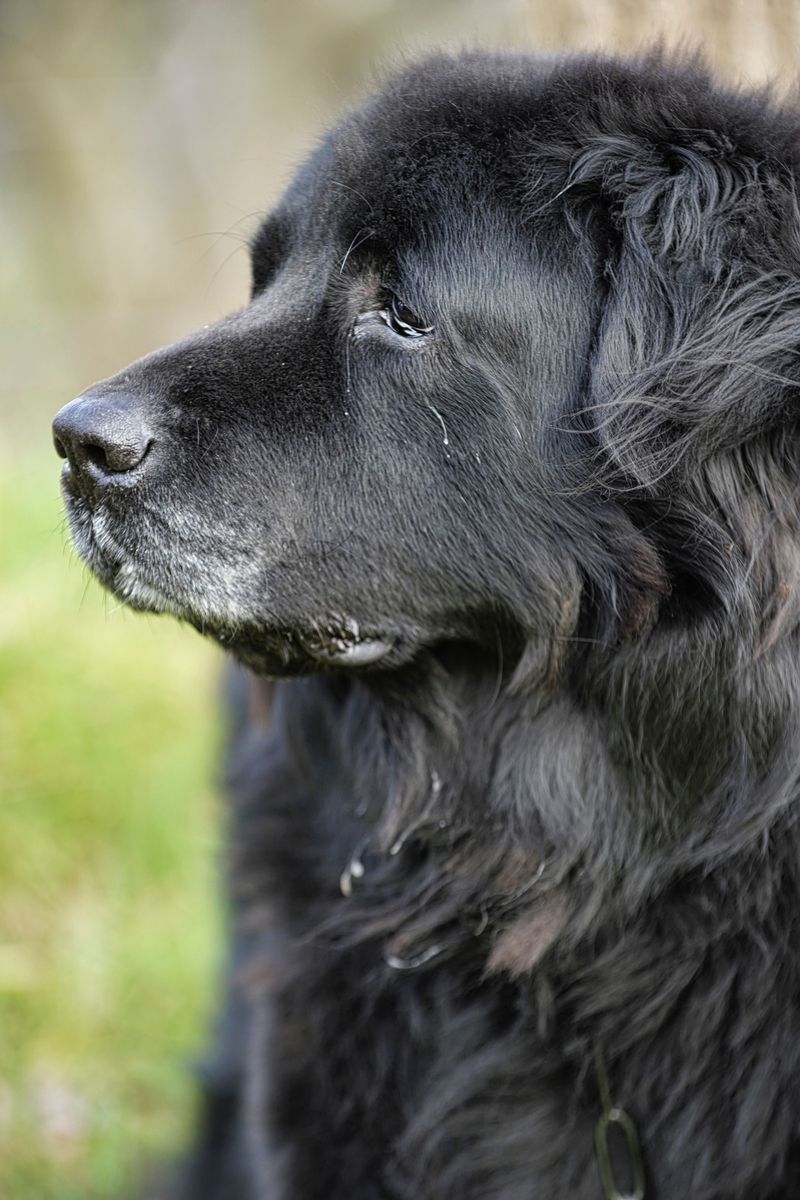
With a heart as big as its paws, the Newfoundland can overheat quicker than owners expect. Heavy bone, thick coat, and a calm mind mean they cool by spreading heat into the floor.
Offer water at multiple stations and encourage short, shaded strolls instead of long midday walks. A non-slip cooling mat helps since slick tiles can be tricky for giant joints.
Watch for heavy panting or reluctance to rise, which can signal heat stress or joint discomfort.
Bernese Mountain Dog
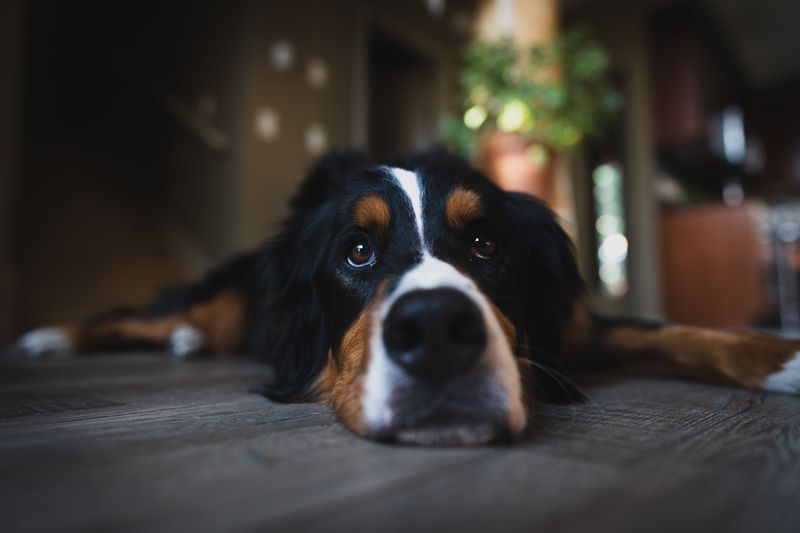
Farm-bred workers like the Bernese carry a thick tri-color coat that holds warmth even indoors. Cool floors give instant belly contact, which pulls heat from the core fast.
Try placing a cooling pad near the kitchen so they can socialize while resting. Groom for airflow by removing undercoat, not shaving.
If they swap beds for tile after meals, consider smaller, more frequent feedings and wait before exercise to ease heat and bloat risk. Gentle fans at floor level help too.
Saint Bernard
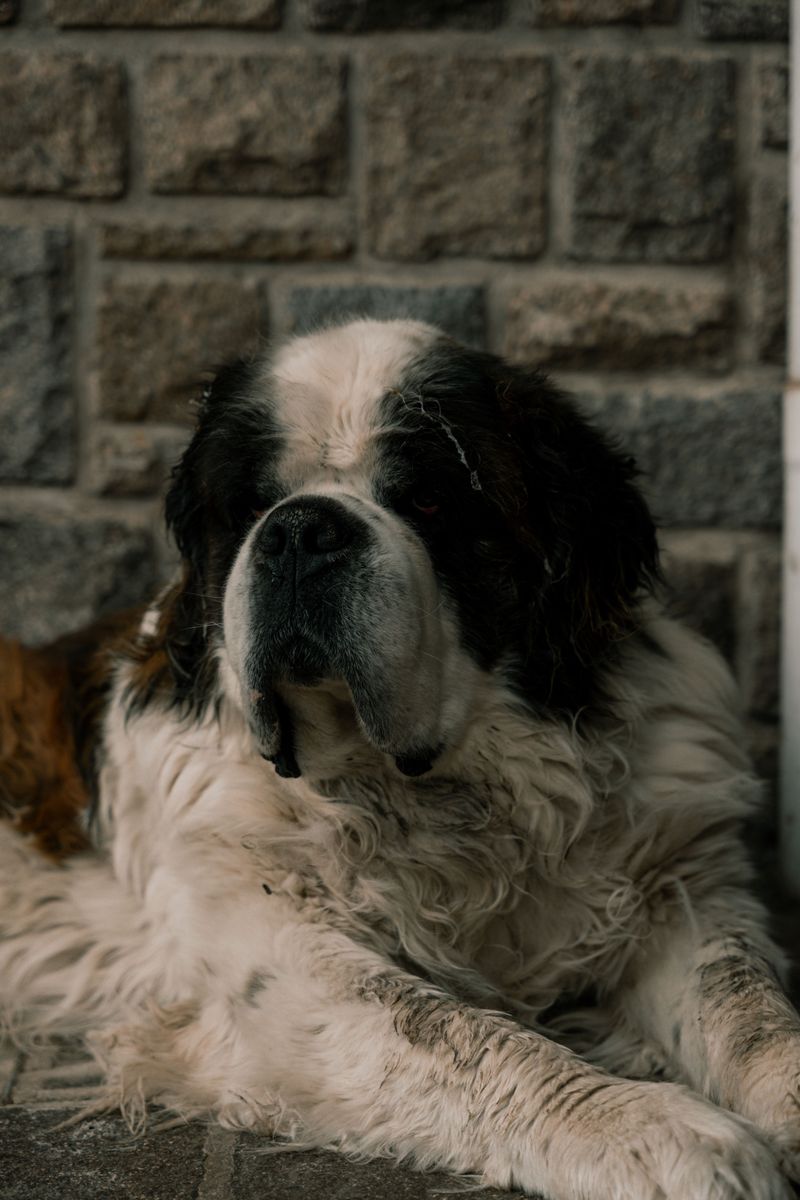
Legend says barrel-carrying rescuers, but indoors the Saint Bernard is a heat magnet. Massive size plus a dense coat means they shed warmth slowly without a cold surface.
Place a washable, non-slip cooling mat where traffic is lower to avoid accidental bumps. Keep water deep and refreshed, and wipe drool to support panting efficiency.
Short grooming sessions to thin undercoat help airflow. Any sudden restlessness, raspy panting, or glazed eyes deserves a break in a cooler room and a hydration check.
Great Pyrenees
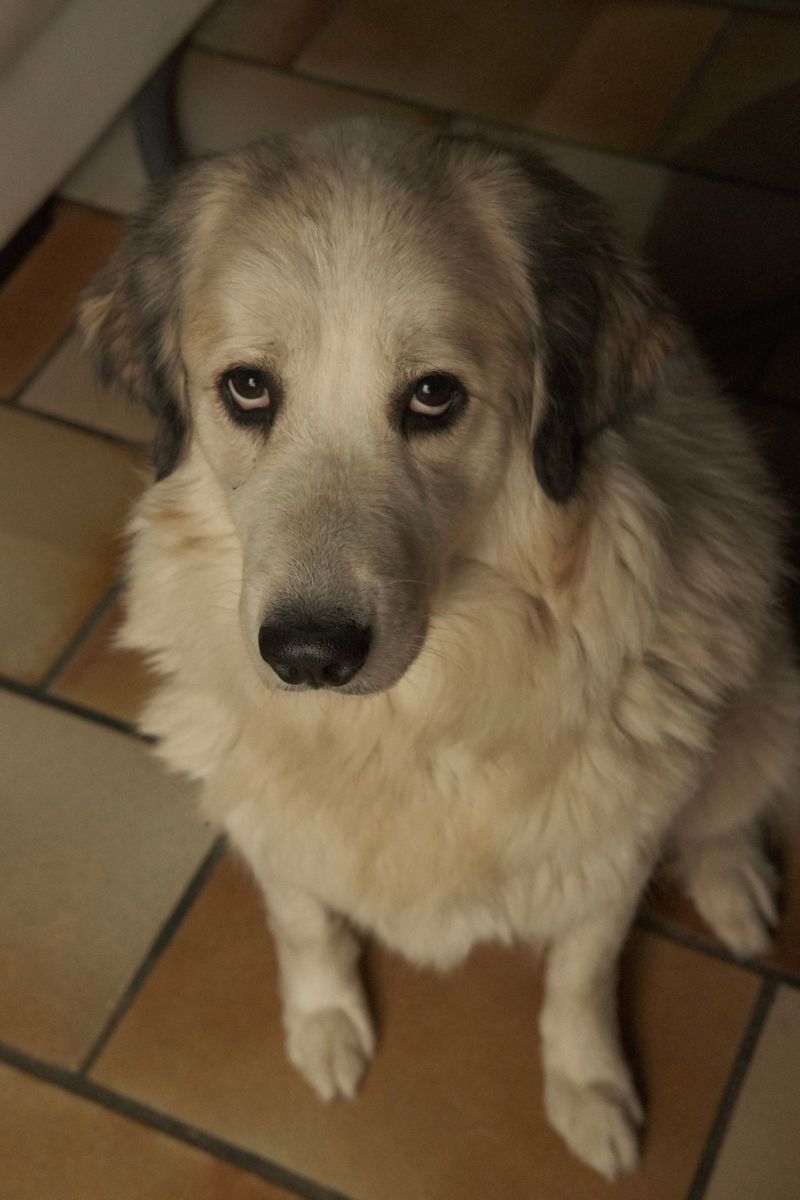
Night watchmen by nature, Pyrs pace and patrol, then cool themselves on tile to reset. Their thick, weather-ready coat insulates so much that indoor warmth builds quickly.
Give them a strategic cool spot with a view, since guarding instincts relax when they can watch doors and windows. Brush out mats to improve airflow.
If they pant hard at night, lower the thermostat slightly and add a floor fan. Gentle belly spritzes with room-temperature water can also help.
Chow Chow
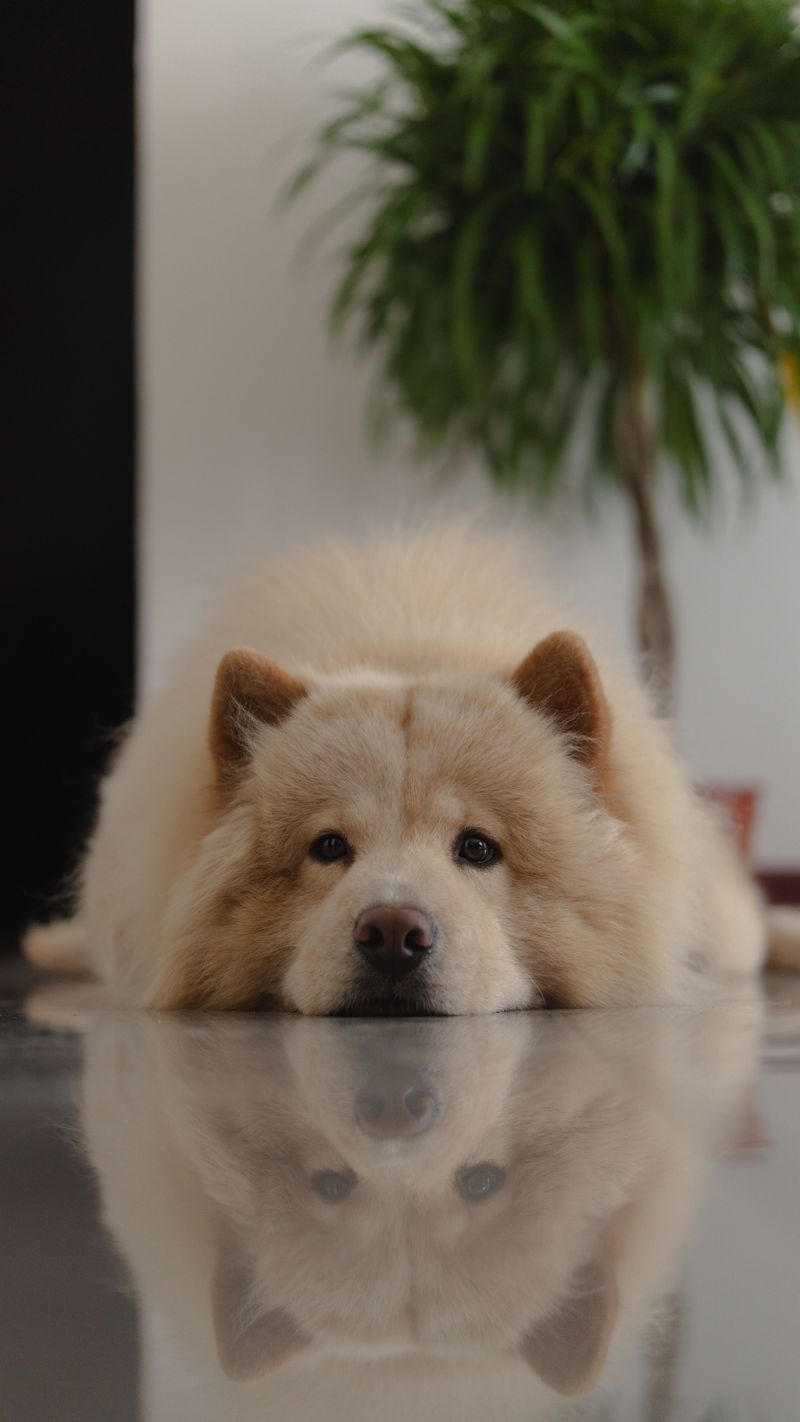
That plush ruff looks regal but traps heat fast. Chows often prefer tile because skin folds and dense fur make beds feel stuffy, especially during humid days.
Keep the coat brushed and dry, focusing on the neck and chest where overheating starts. Offer a cool resting zone away from direct sun and run a dehumidifier for sticky climates.
If they avoid carpets and seem edgy, a vet check for skin irritation or thyroid issues is smart, since discomfort worsens warmth.
Akita
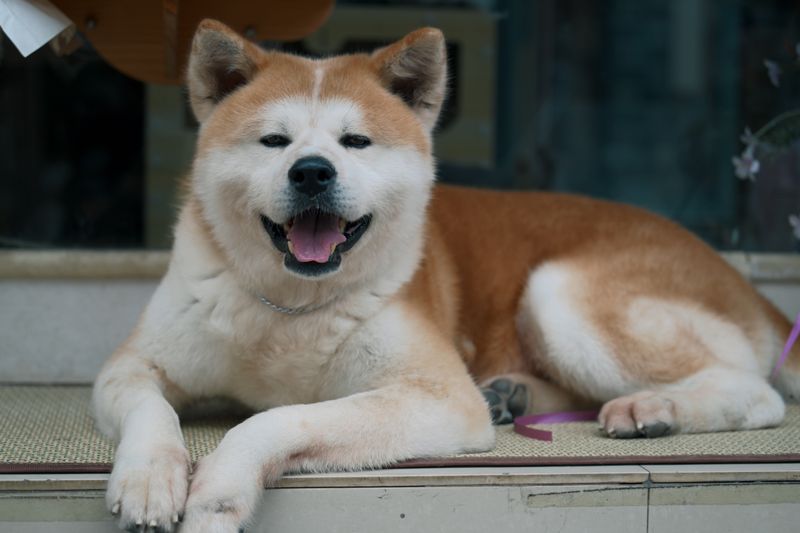
Calm on the surface, the Akita runs hot under a thick double coat. After a focused walk, they seek cool floors to settle their core temperature and relax tense muscles.
Place a breathable mat in a quiet corner so they can decompress. Keep nails trimmed for traction on slick floors and brush to clear packed undercoat.
If they suddenly choose the bathroom tiles, check for stress triggers and consider cooling collars during warm months to help between outings.
Leonberger
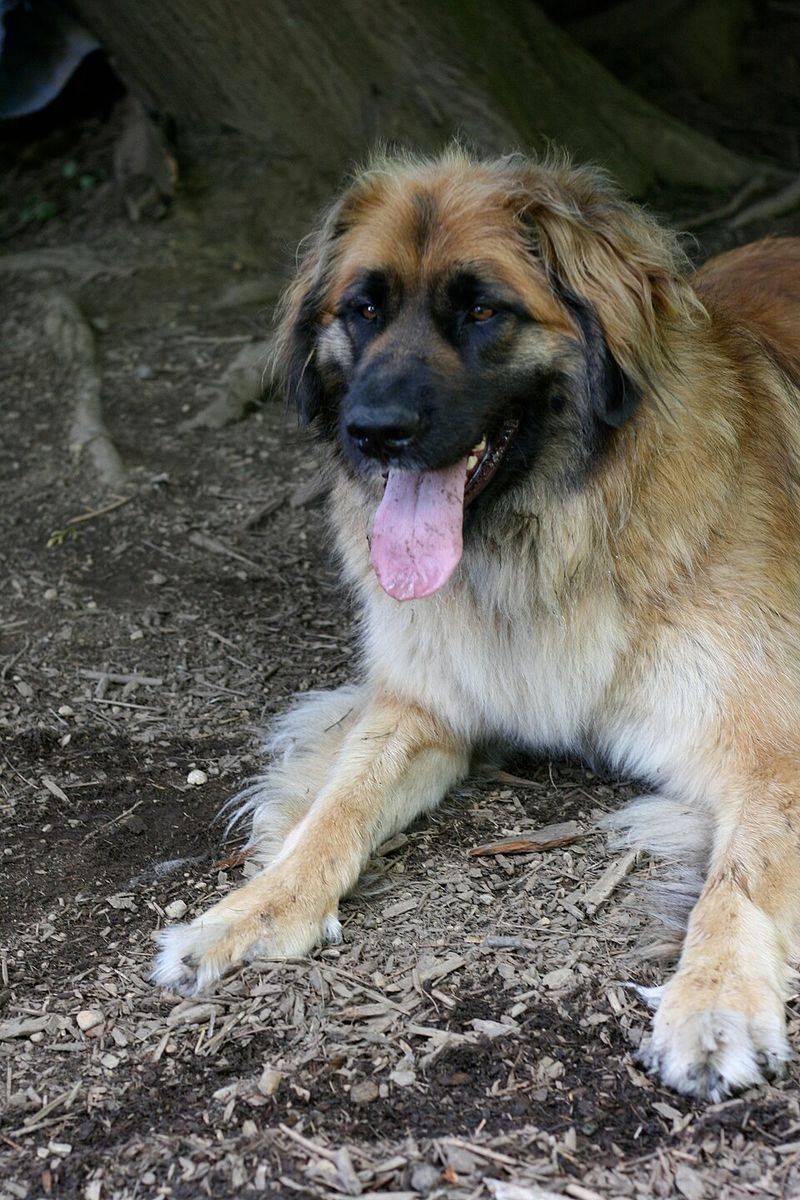
With a lion-like mane and a gentle vibe, Leonbergers can overheat quietly. They often sprawl on tile to sink warmth through the chest and belly after family playtime.
Offer rest breaks during games and keep a fan at floor height. Use a raised cot with a cooling insert if tiles feel slippery.
Regular undercoat rakes boost airflow. Any heavy panting after mild activity deserves a pause, a water refresh, and a cooler space while you reassess the room temperature.
Tibetan Mastiff
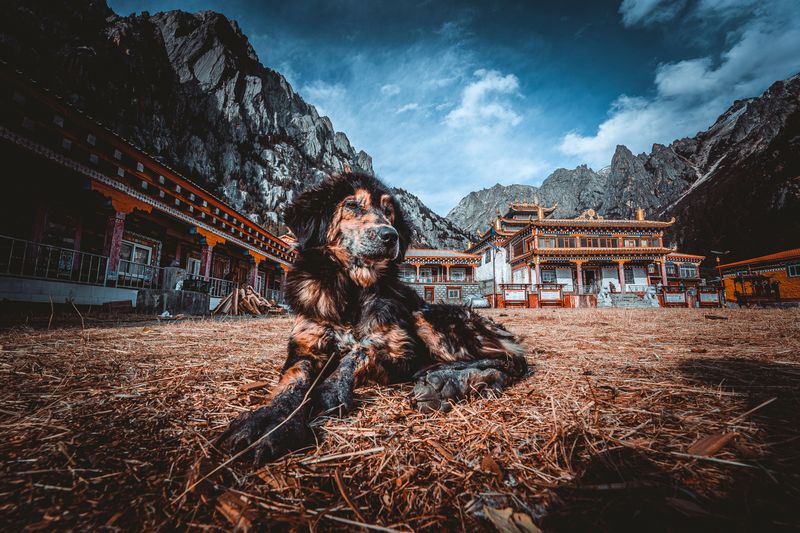
Guardians from high, chilly regions, Tibetan Mastiffs carry serious insulation. Indoors, heat lingers under that mane, so they choose stone or tile to dump warmth and stay watchful.
Create a quiet, cool zone with shade and minimal foot traffic. Brush the neck and hindquarters where mats trap heat.
Nighttime panting can signal a room that is too warm, so drop the temperature a notch. If they suddenly avoid beds, consider joint comfort and provide a firm, breathable cot.