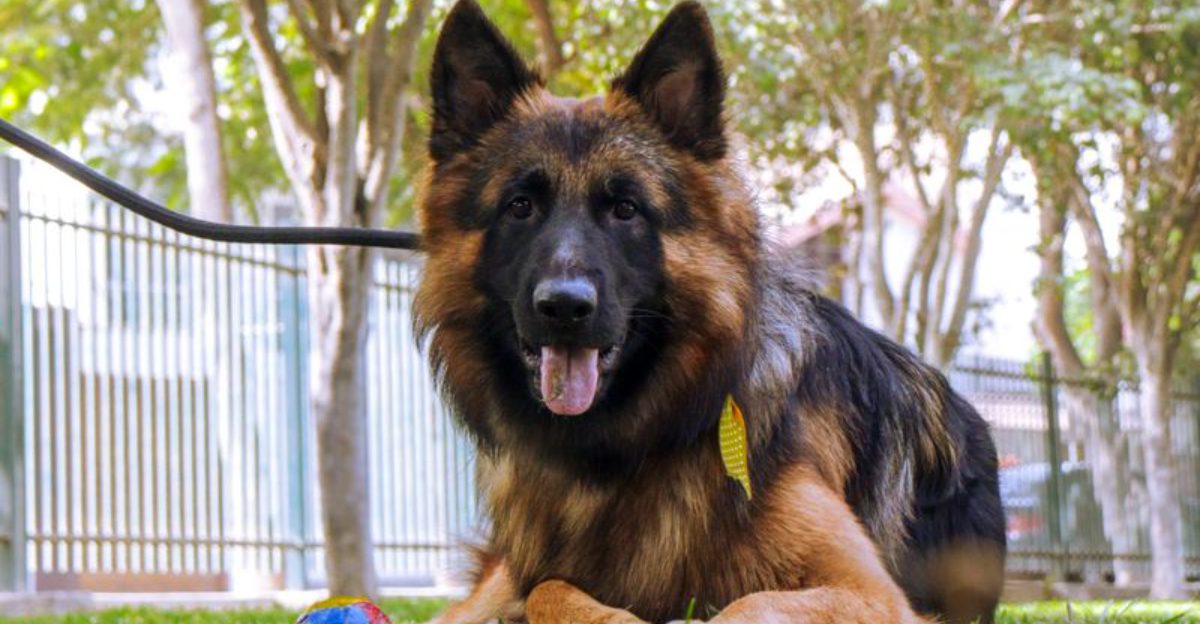
Some dogs feel calmer when life has clear routines. Set times for walks, training, and rest can turn big energy into good habits.
Families who plan the day often see better behavior and happier pets. Here are reliable breeds that really shine with structure and steady guidance.
German Shepherd
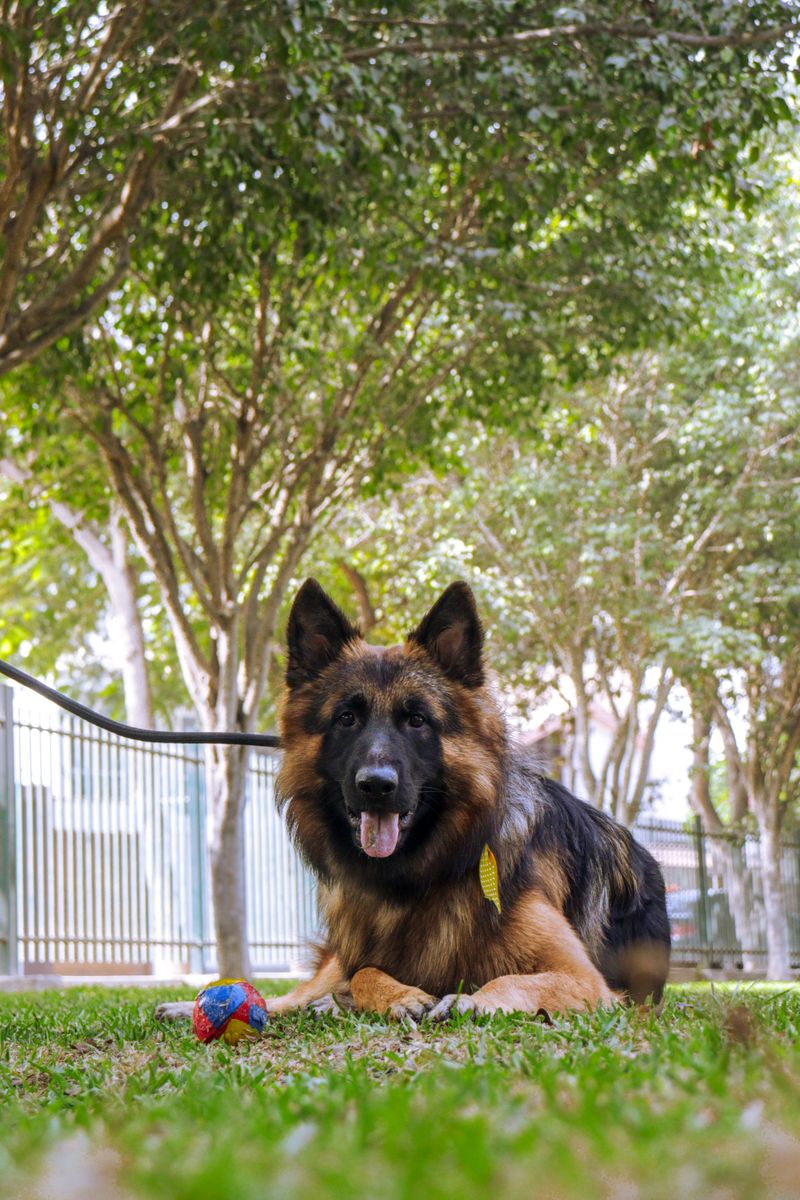
Watch a German Shepherd light up when given a job. Clear routines, like morning walks, short obedience drills, and evening fetch, help channel that smart, serious mind.
They thrive when boundaries are fair and consistent.
Mix mental puzzles with calm rest, and you get a balanced partner at home. Training should stay upbeat, with rewards and quick resets to prevent frustration.
Fun fact, many served as guide dogs before World War II popularized police work.
Belgian Malinois
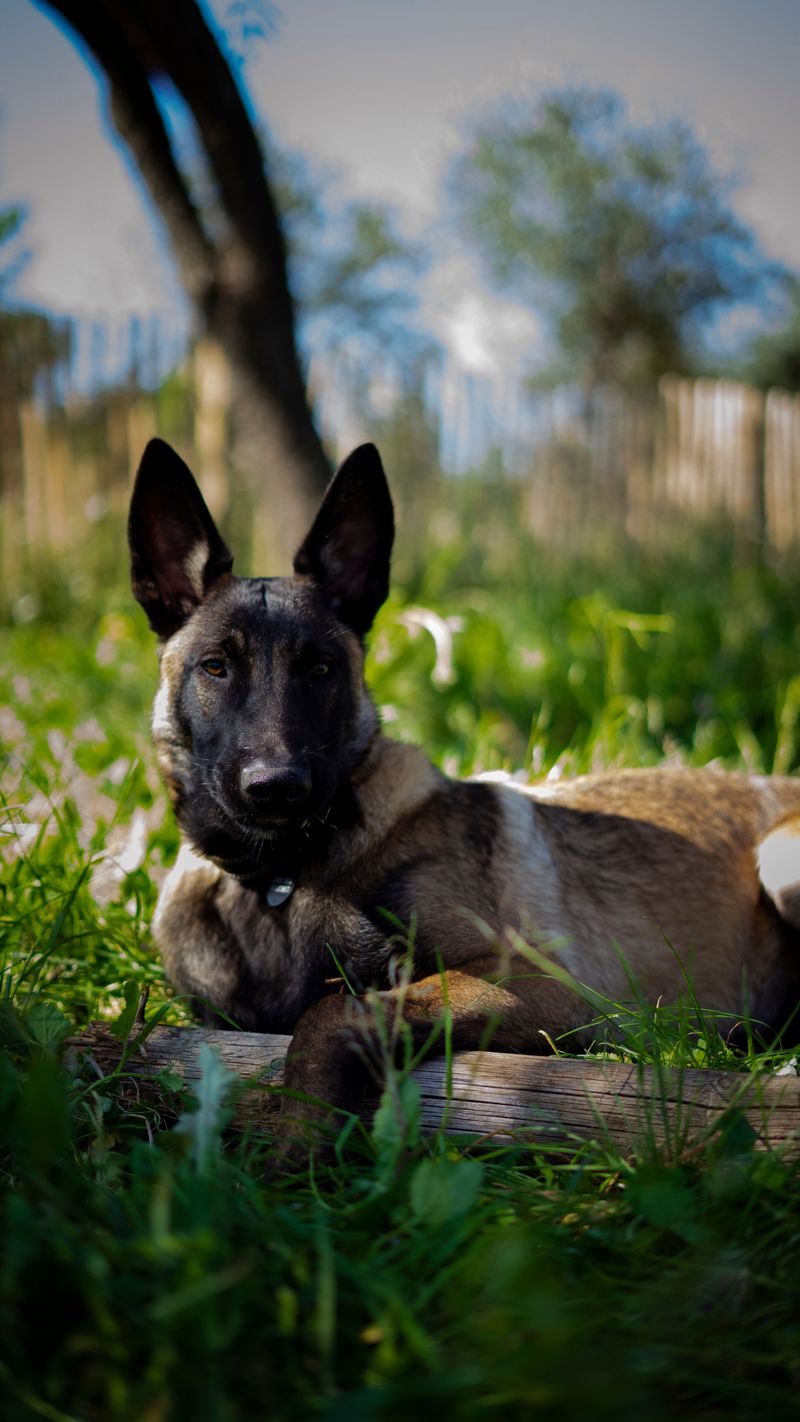
Energy like a coiled spring defines the Belgian Malinois. A steady schedule of early exercise, midday sniff games, and evening place training keeps that fire useful.
They read your posture and tone fast, so consistent cues make life easier.
Give them jobs that matter, like carrying a pack or finding a hidden toy. Short bursts of challenging work, then quiet time in a crate or bed, build great focus.
History note, the breed rose with Belgian shepherding in the 1890s.
Giant Schnauzer
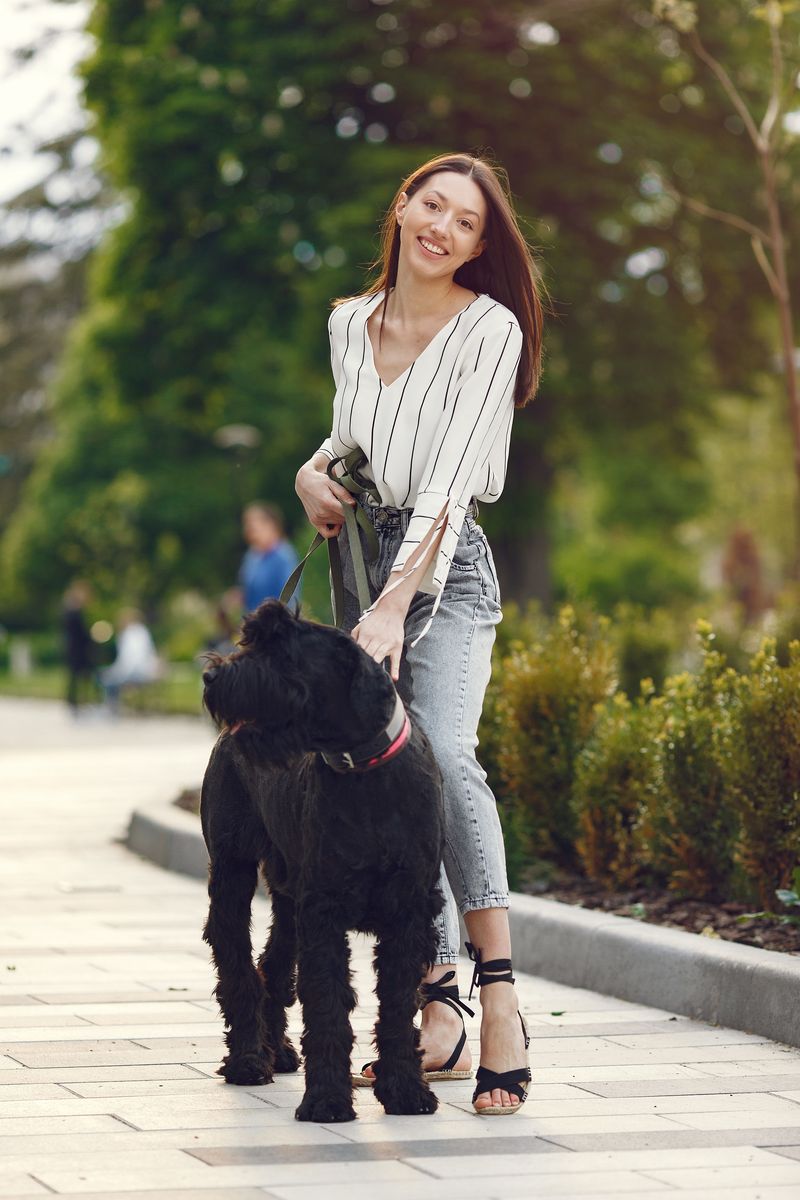
Big frame, bigger brain. The Giant Schnauzer shines when mornings start with brisk walks and manners practice at doorways.
Structure helps curb pushy behavior and turns drive into helpful habits, like settling on a mat while you cook.
Rotate jobs through the week, from cart-style pulling practice to nosework in the yard. Keep sessions short, confident, and upbeat to prevent sulking.
Origin trivia, these workers guarded Bavarian breweries, which explains their alert nature and love for routine.
Doberman Pinscher
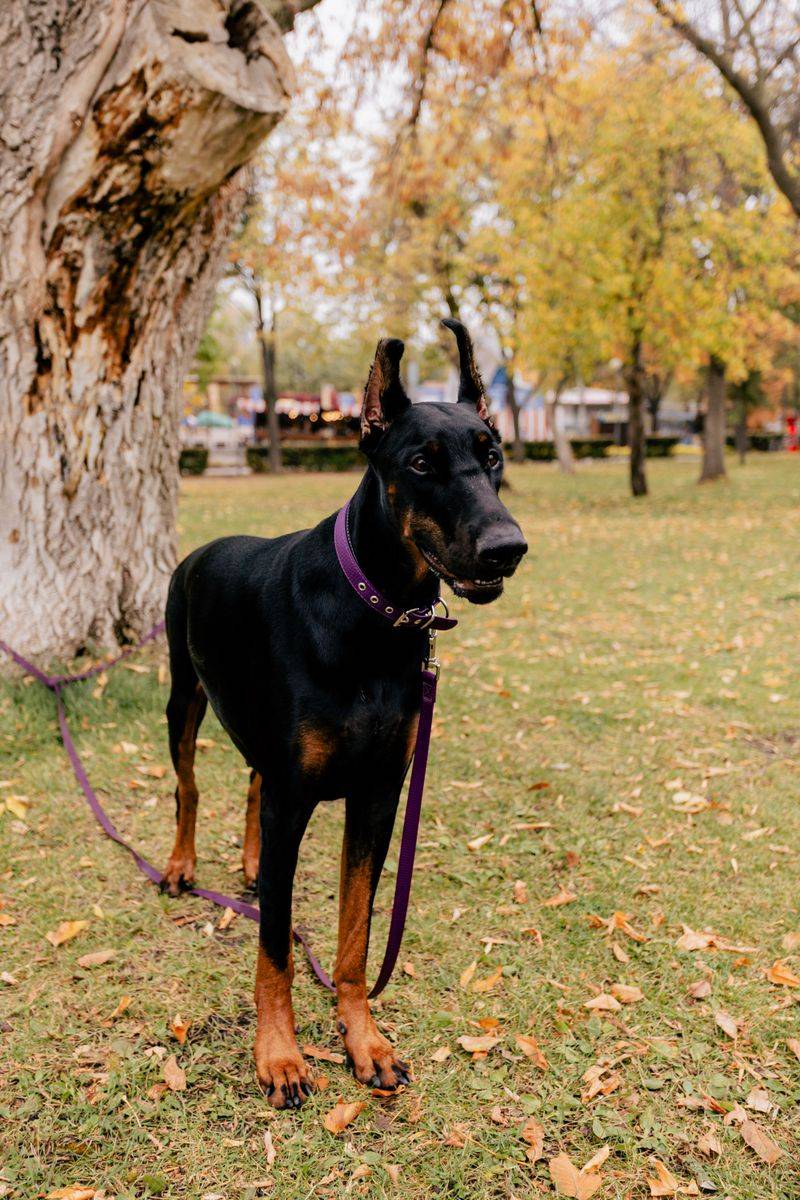
Sleek and loyal, the Doberman pays attention to every small detail. Predictable mealtimes, patient leash work, and a daily job like carrying mail inside can settle busy nerves.
Clear household rules reduce anxiety, because they truly want to get it right.
Mix obedience with play so training feels like a game. Use gentle handling and early social time to shape a calm, polite watchdog.
Fun bit, Louis Dobermann, a German tax collector, developed the breed to be an alert personal guardian.
Standard Schnauzer
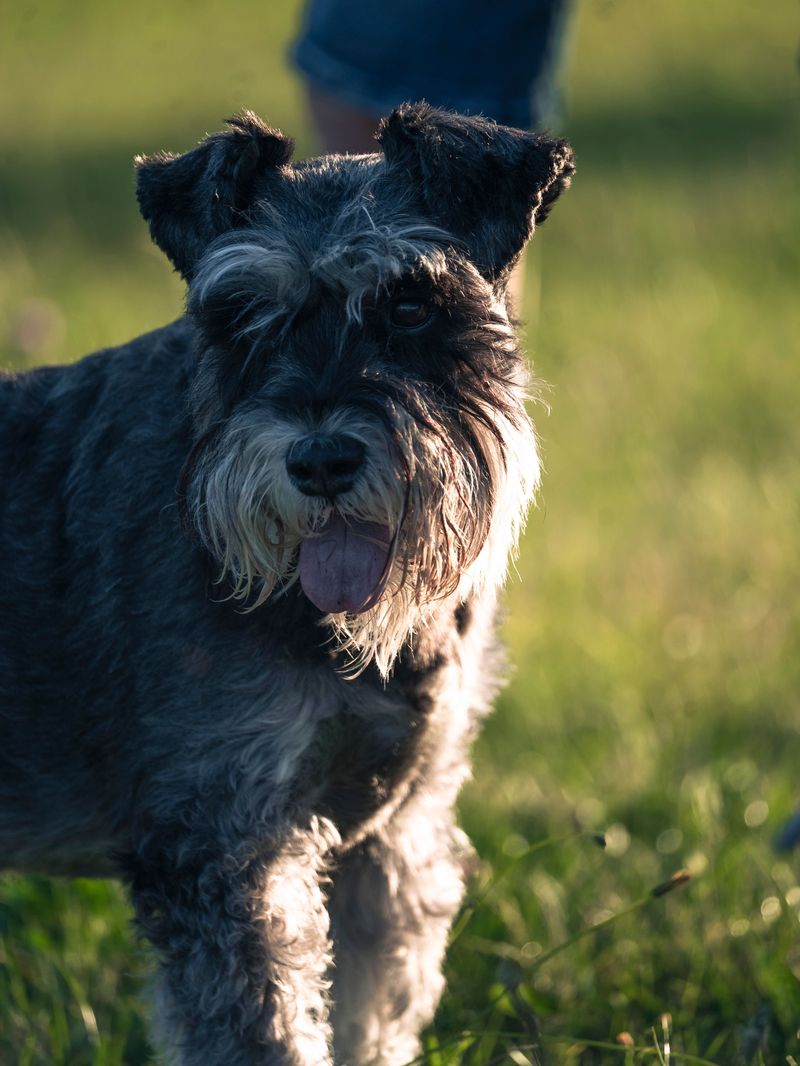
Old-school farm smarts live in the Standard Schnauzer. A tidy routine of errands, like helping carry lightweight items or waiting politely while you chat, builds self-control.
They adore family time, so scheduled training prevents clingy behavior and keeps manners sharp.
Try rally obedience or tricks to challenge problem-solving. Keep grooming sessions regular, turning brushing into a calm bonding ritual.
Historical note, this medium worker is the original Schnauzer, later giving rise to both the Miniature and the Giant through selective breeding.
Shetland Sheepdog
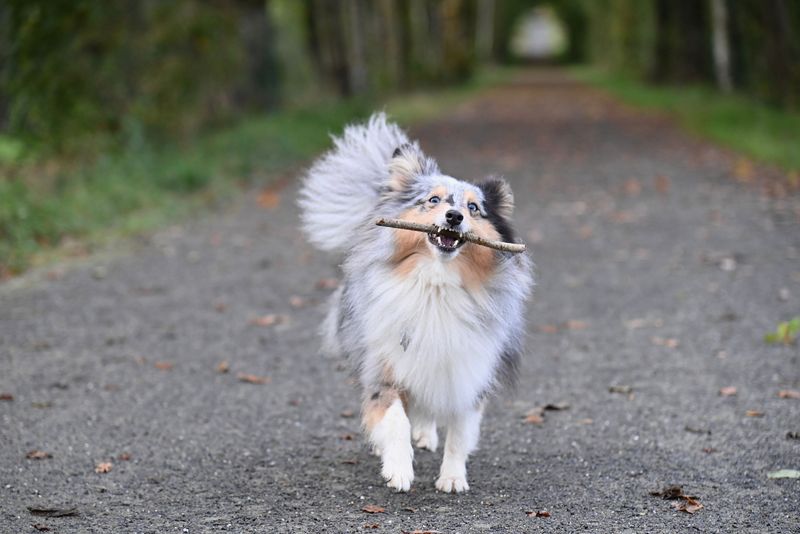
Picture a tiny herder with a big calendar. The Shetland Sheepdog relaxes when schedules are steady, voices are gentle, and tasks feel purposeful.
Short agility runs, quiet settle practice, and cheerful check-ins help channel that busy mind into everyday manners.
They can be noise sensitive, so structure brings comfort. Teach hand signals to boost confidence in new places.
Charming trivia, island farmers prized these dogs for guiding small sheep and protecting gardens, which explains their quick reactions and love for guided activity.
Portuguese Water Dog
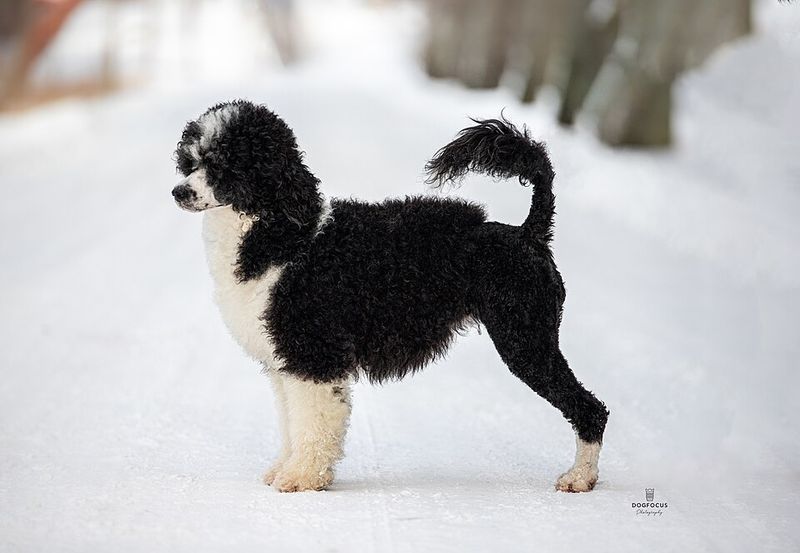
Splashes and schedules go together perfectly for the Portuguese Water Dog. Start with morning fetch by water or a vigorous walk, then add short obedience and a midday chew break.
Routine gives their curious brain a safe outlet.
Swimming, dock work, or search games feel like real jobs, which boosts calm at home. Regular grooming matters too, so set a weekly bath-and-brush time.
History twist, these sailors once moved nets between boats along the Iberian coast, proving their steady work ethic.
Australian Cattle Dog
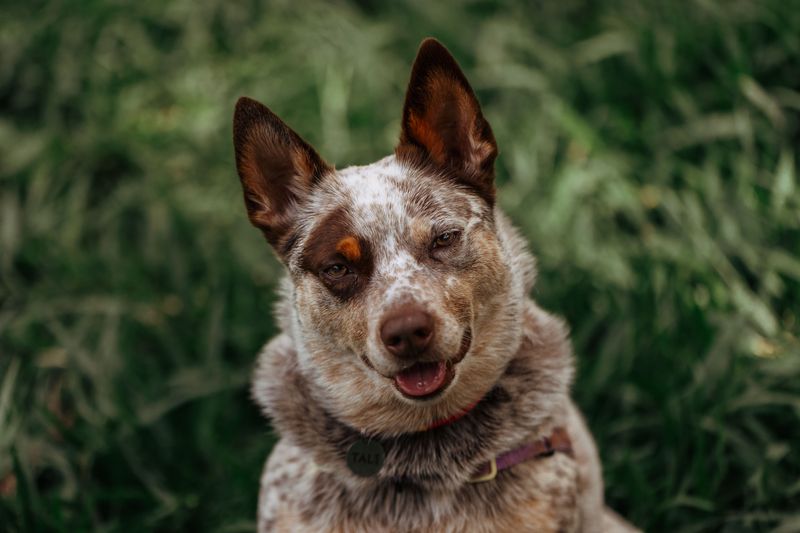
Tough, tireless, and clever, the Australian Cattle Dog needs plans, not guesses. Map out two brisk workouts, a puzzle feeder, and short impulse-control games.
Without a plan, they might invent chaos, like herding kids or chasing bikes.
Teach solid recall and a reliable down, then reward with tug or fetch. Farmers bred them for long days in harsh heat, so endurance sports like canicross fit well.
With fair rules and steady habits, their grit turns into loyal, upbeat teamwork.
Belgian Tervuren
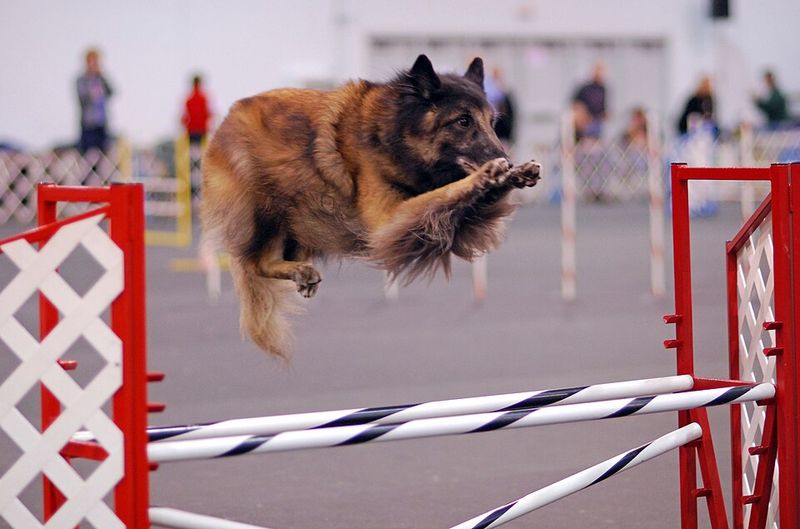
Grace in motion, the Belgian Tervuren glides through a planned day. Set times for heeling practice, trick sessions, and scent games to feed that quick mind.
Predictability reduces spinning or pacing that sometimes shows up with extra energy.
They watch their people closely and want clear direction. Keep pressure light, celebrate small wins, and include rest to protect confidence.
Heritage fact, the Tervuren variety grew alongside other Belgian shepherds, valued for agile herding and night watch around farms and villages.
Beauceron
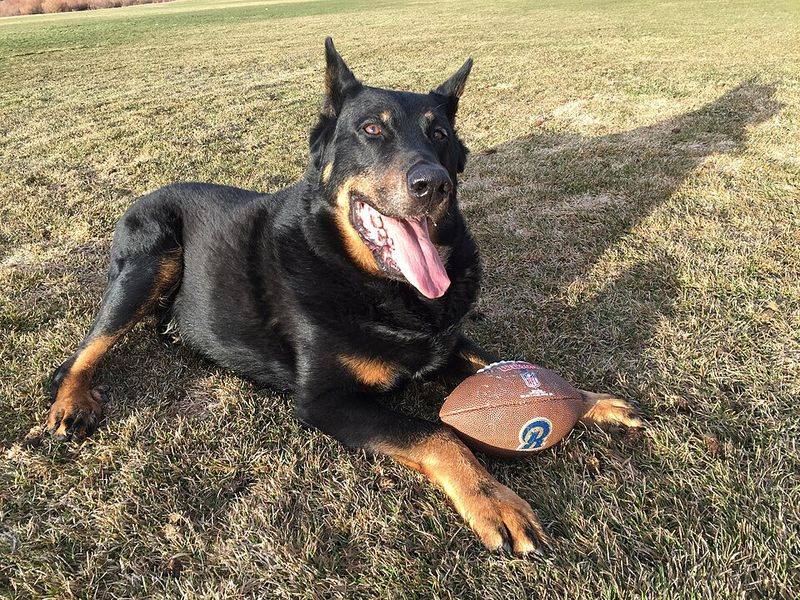
Quiet strength sets the Beauceron apart. A daily rhythm of tracking practice, calm heeling, and supervised free time satisfies both body and brain.
They respect leaders who are steady and fair, not harsh.
Introduce new places often, then return to home base for rest. That pattern teaches courage with composure.
History gem, French farmers used Beaucerons to move cattle and guard fields, which explains their bold hearts and their need for purposeful routines.
Border Collie
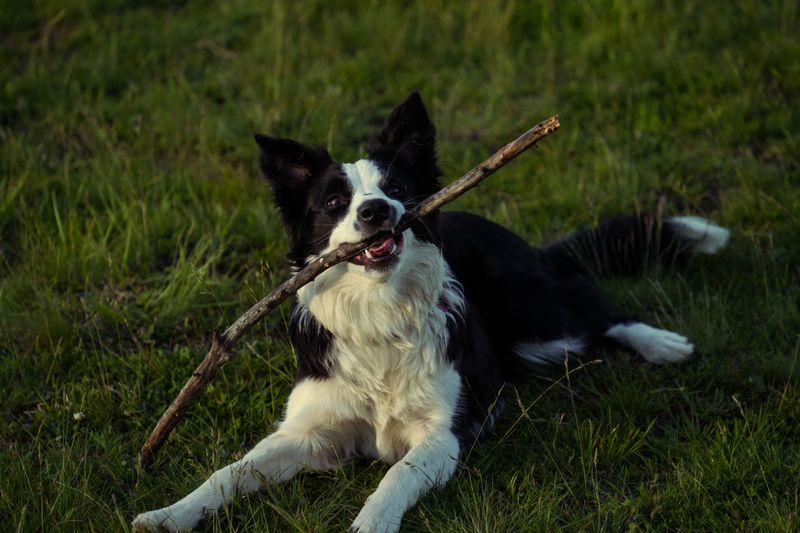
Brains on overdrive, the Border Collie craves plans that challenge and calm. Start with fast morning fetch, followed by ten focused minutes of obedience, then a long chew.
Without structure, that bright spark can become endless pacing or mischief.
Teach tricks that feel like work, such as closing doors or finding keys. Add herding lessons or dog sports to satisfy instinct safely.
Fun fact, many trials reward quiet eye contact and smooth movement, reflecting the breed’s careful style in real farm chores.