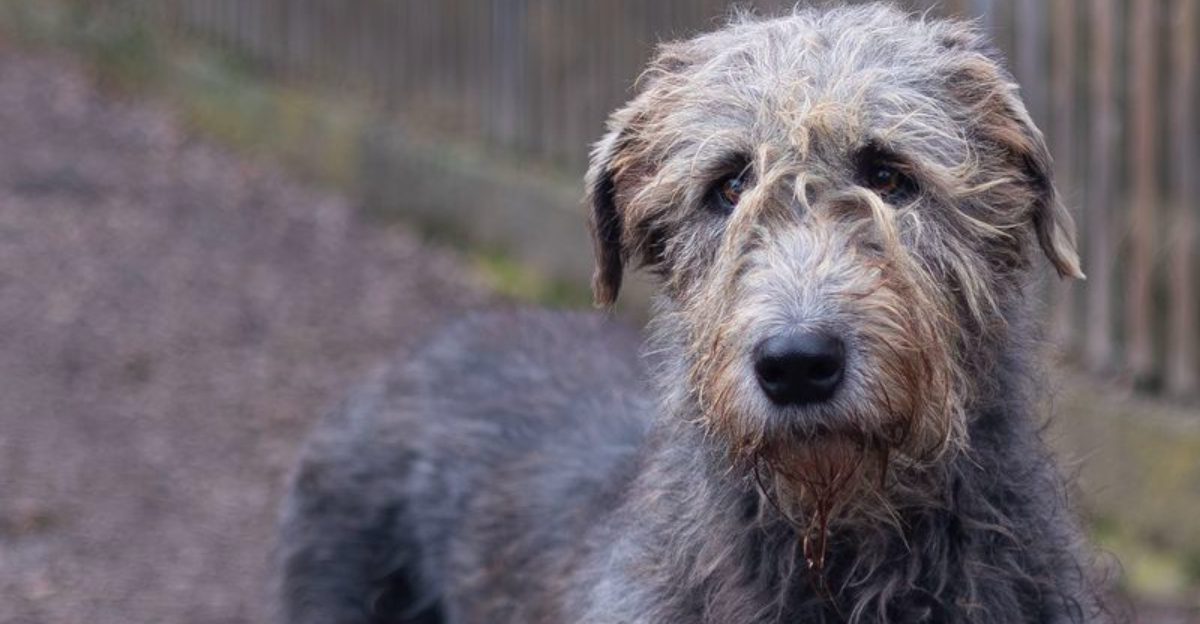
Peace at home often begins with the dog you choose. Some breeds are naturally calm, steady, and less likely to bark without reason.
Picking one of these dogs can lower stress, help neighbors stay happy, and make daily life easier. If you want a softer soundtrack at home, start with a breed that brings quiet confidence.
Whippet
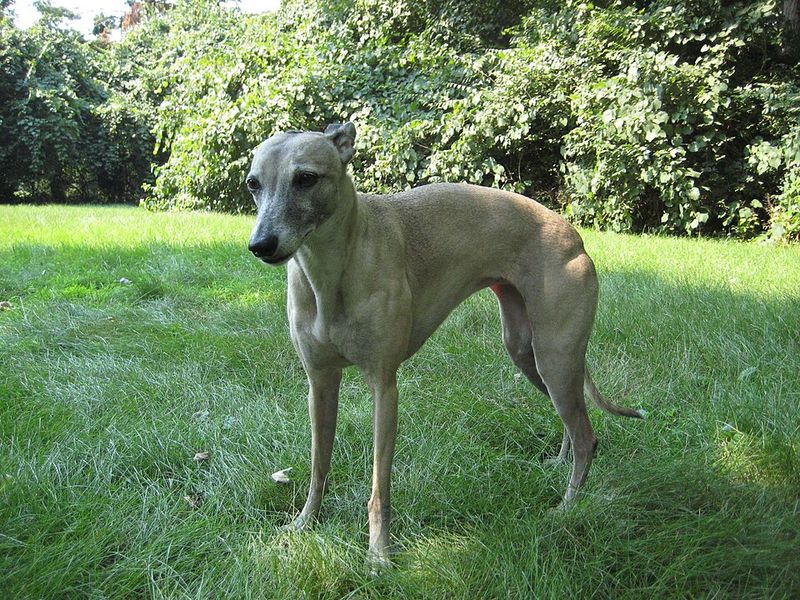
Like a sprinter who loves the couch more than the track, the Whippet shines in calm homes. Short bursts of zoomies outside are followed by long naps inside.
Less barking and a polite nature make apartment living easier.
Daily walks and a snug sweater on cool mornings usually keep them content. Offer a cushy bed, gentle games, and early socialization.
Sensitive to tension, they respond best to soft voices and routine.
Greyhound
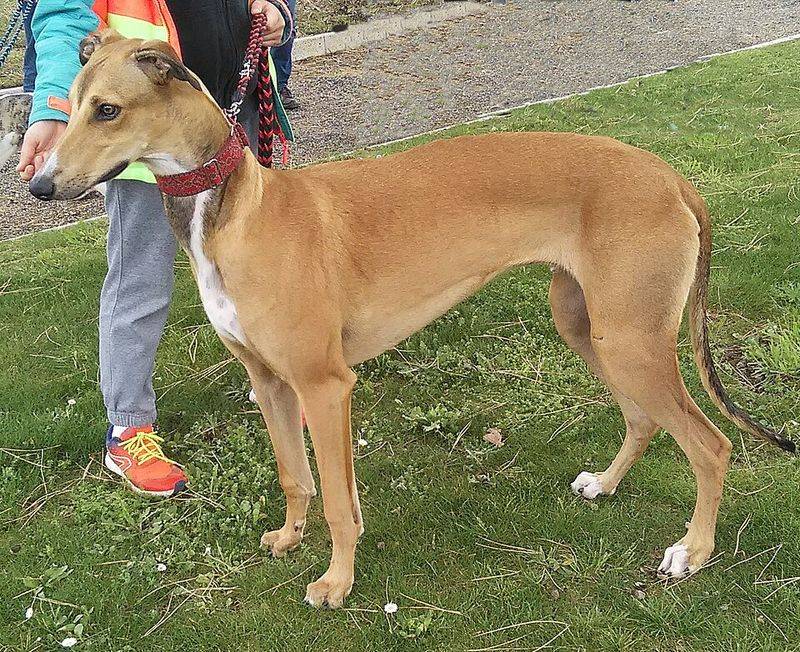
Once the racing is over, the chilling begins. Retired Greyhounds are famous for their house manners and mellow rhythm.
Many prefer quiet observation over chatter, choosing a sun patch and a sigh.
Regular leashed walks, a secure yard, and soft bedding are key. Thin skin needs gentle handling and comfy spots.
Use patient training with treats, not pressure. Their low-bark style and graceful pace turn small spaces into serene retreats.
Clumber Spaniel
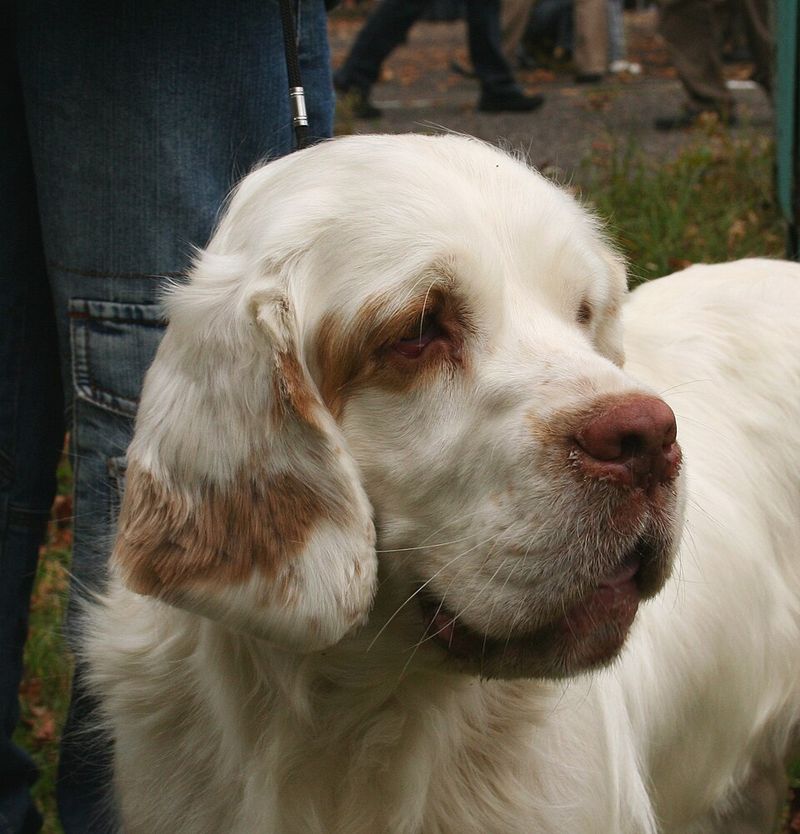
Think of a slow-moving friend who rarely makes a fuss. The Clumber Spaniel ambles instead of dashes, and prefers company over noise.
Barking is usually purposeful, not constant.
Grooming matters due to that plush coat, and short, steady walks fit their build. Keep training light, with praise and snacks.
Provide puzzle toys for a calm mind. Their steady presence, combined with a gentle trot through the neighborhood, sets a peaceful daily rhythm.
Newfoundland
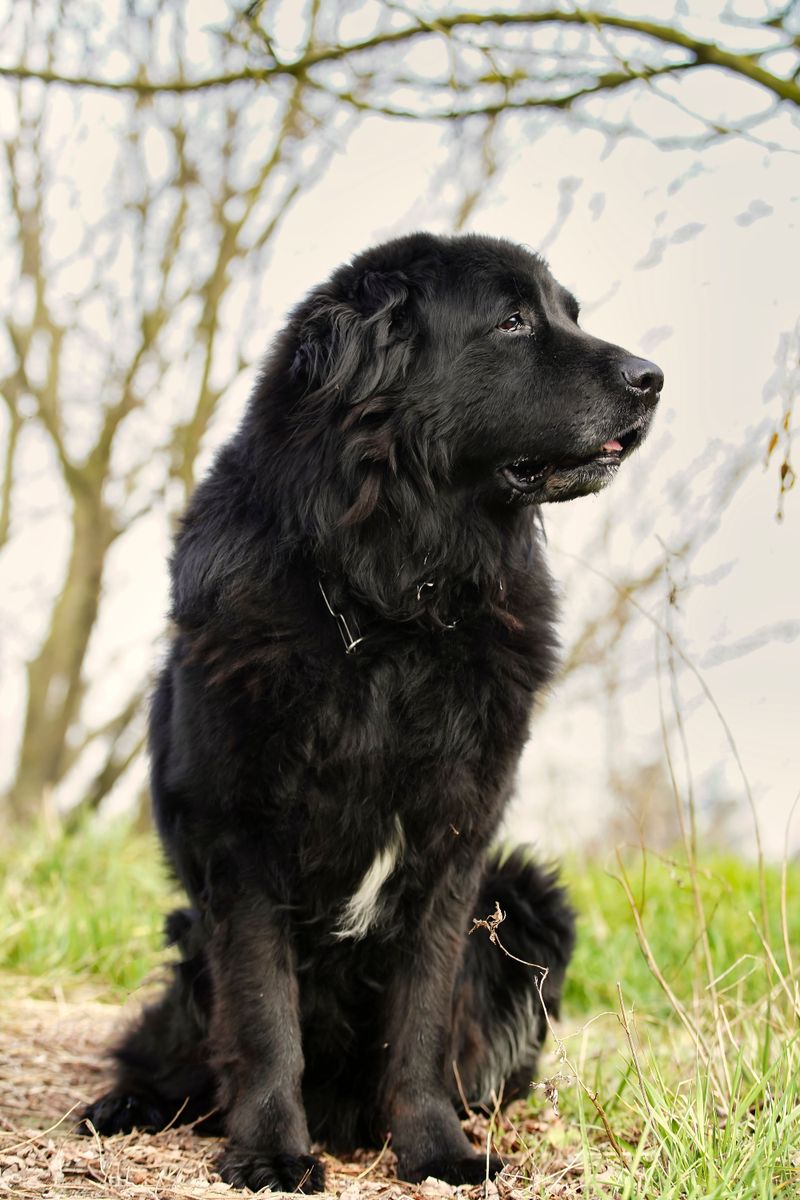
With a heart as big as its paws, the Newfoundland settles rooms with a calm gaze. Loudness is not their style.
They watch, lean gently, and communicate with soft looks more than barks.
Daily swims or relaxed walks keep joints happy. Plan for drool and regular grooming.
Training should be clear, kind, and early given their size. Their steady presence helps kids slow down and teaches everyone to speak softly around a true gentle giant.
Bernese Mountain Dog
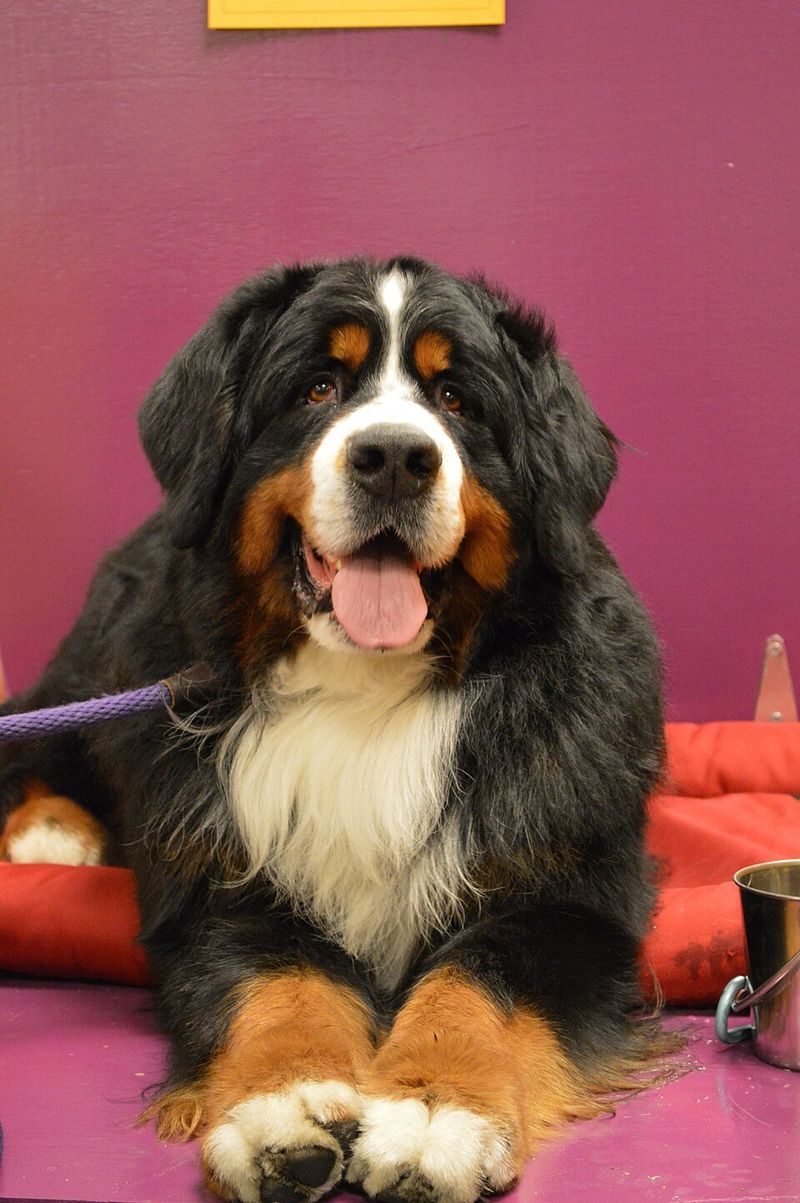
Picture a big, friendly shadow that pads along quietly. The Bernese Mountain Dog loves being close and rarely needs to shout about it.
Their calm gaze and steady steps bring balance to busy homes.
Cool weather suits them, and gentle hikes keep minds and muscles satisfied. Brushing helps manage shed seasons.
Teach simple house rules from puppyhood. With patience and routine, they greet guests politely and rest nearby like a faithful, soft-spoken companion.
Basset Hound
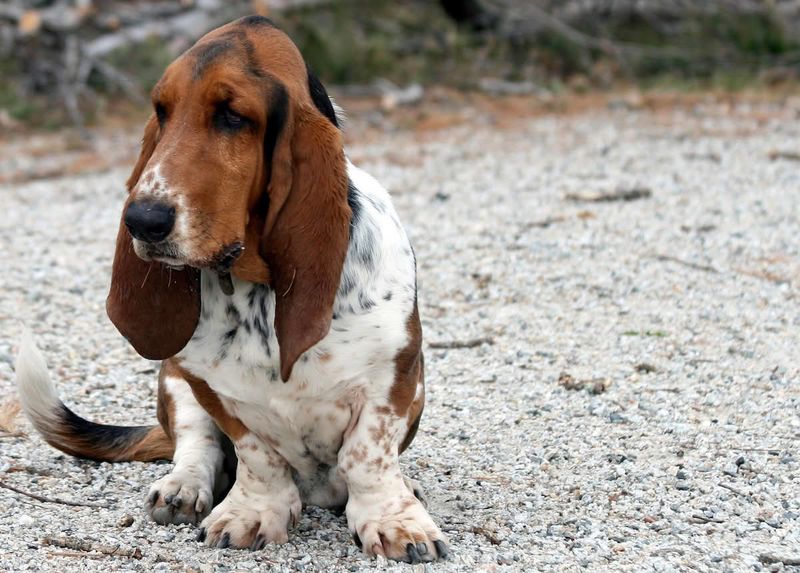
Those droopy ears are not just for looks. Bassets take life at a thoughtful pace, often choosing sniffing over shouting.
Their voices show up on scent trails, not in the living room.
Keep walks measured and let that world-class nose explore. Short stairs and weight control protect backs and joints.
Training works best with humor and treats. A calm, scent-rich backyard and a cozy bed transform this low rider into a low-noise friend.
Cavalier King Charles Spaniel

Small size, big serenity. Cavaliers often read the room and match your mood.
Many prefer soft greetings and close cuddles to barking at passersby.
Short play sessions and regular brushing keep them happy. Protect hearts by choosing health-tested lines and keeping vet checks on schedule.
Friendly socialization builds confidence, so new sounds do not become alarms. Provide quiet corners and gentle routines, and you get a sweet, whisper-level roommate.
Tibetan Spaniel
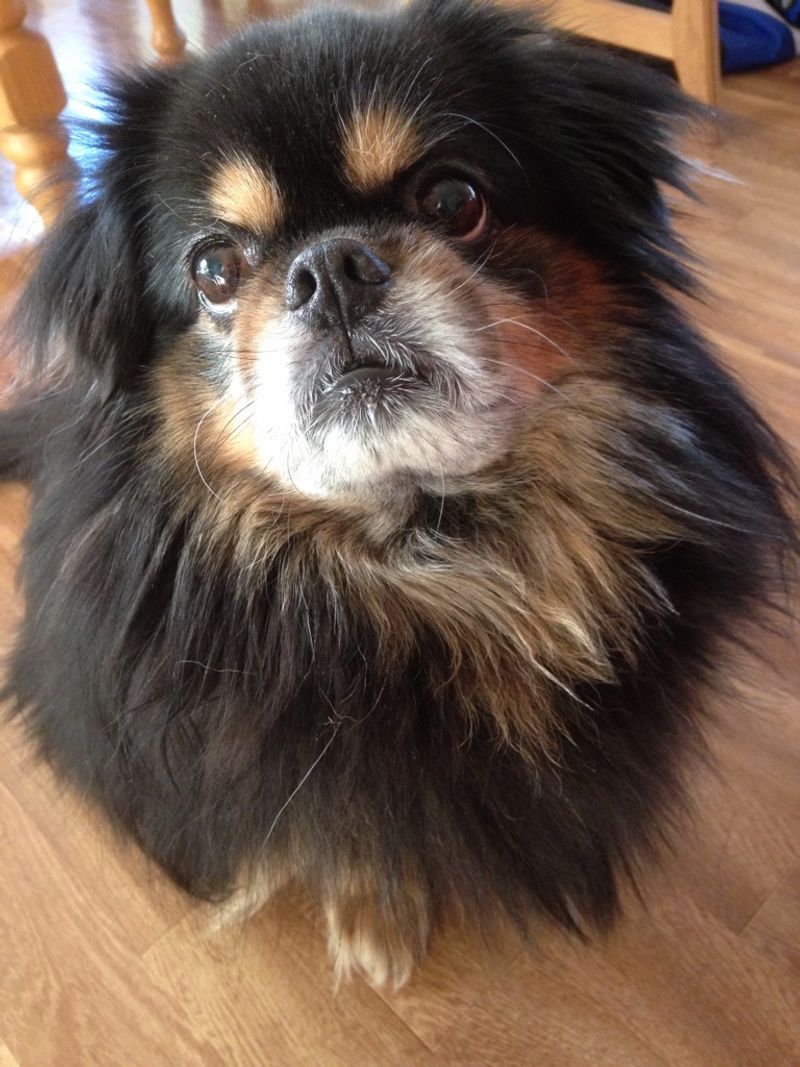
Once a tiny monastery sentinel, the Tibetan Spaniel prefers silent watch duty. They notice everything without turning the house into an echo chamber.
A gentle alert, then quiet again.
Window perches satisfy curiosity while keeping noise low. Provide short, fun training bursts and soft grooming sessions.
Too much rough play can stress them, so set calm boundaries. With steady social time and mental games, they remain observant, affectionate, and thoughtfully quiet.
Great Dane
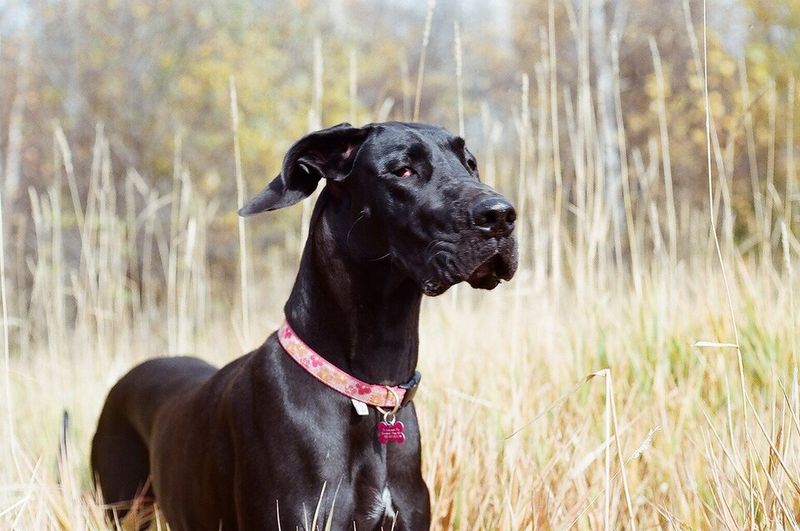
Big presence, low volume. Many Great Danes act like gentle housemates who prefer lounging over loud commentary.
A few deep rumbles may appear at the door, then silence returns.
Support their size with joint-friendly beds and slow, steady walks. Early training is vital so manners match height.
Keep meals measured and avoid hard exercise right after eating. With structure, they move through the house like quiet guardians who take up space but not sound.
Irish Wolfhound
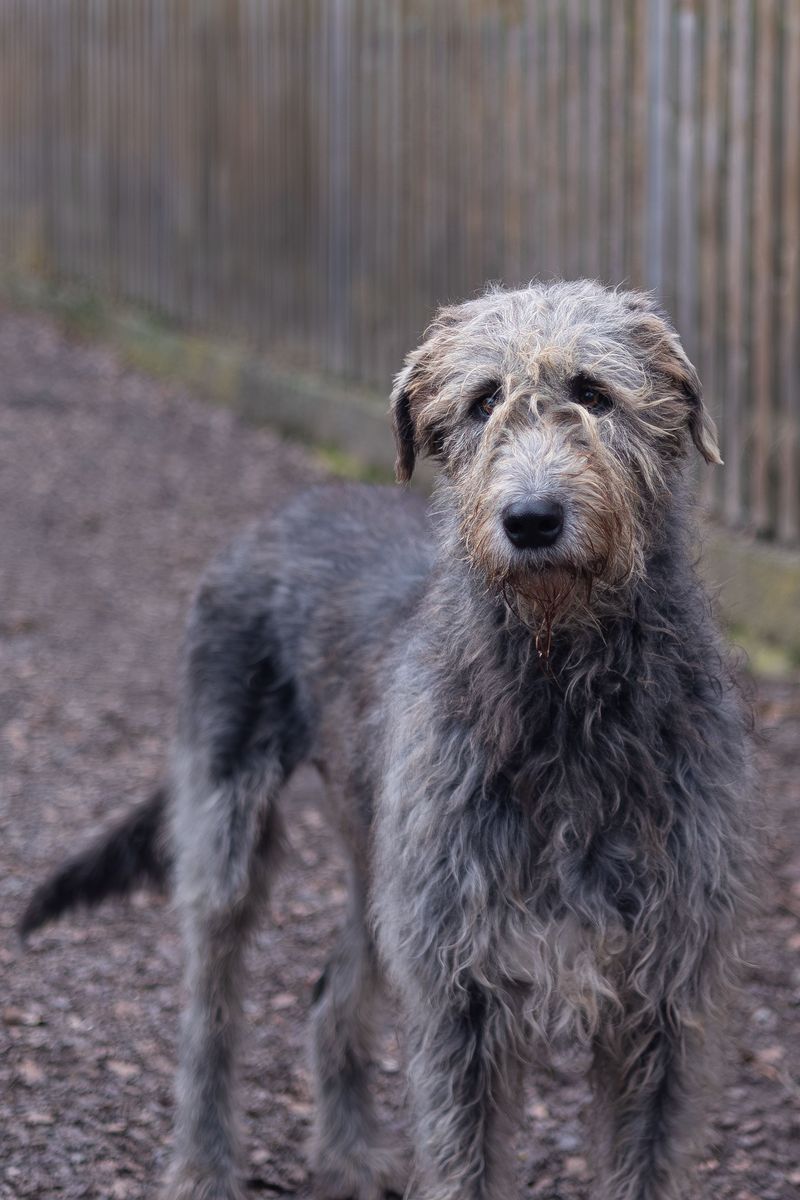
Stories call them gentle giants, and the Irish Wolfhound fits the title with quiet grace. They drift rather than stomp, and seldom waste energy on barking.
Presence alone handles most situations.
Short, frequent walks protect growing joints, especially in youth. Soft bedding and kind training help them feel secure.
Give affectionate routines and keep excitement low indoors. Their calm spirit, paired with a patient owner, creates a home that breathes easier.
English Setter
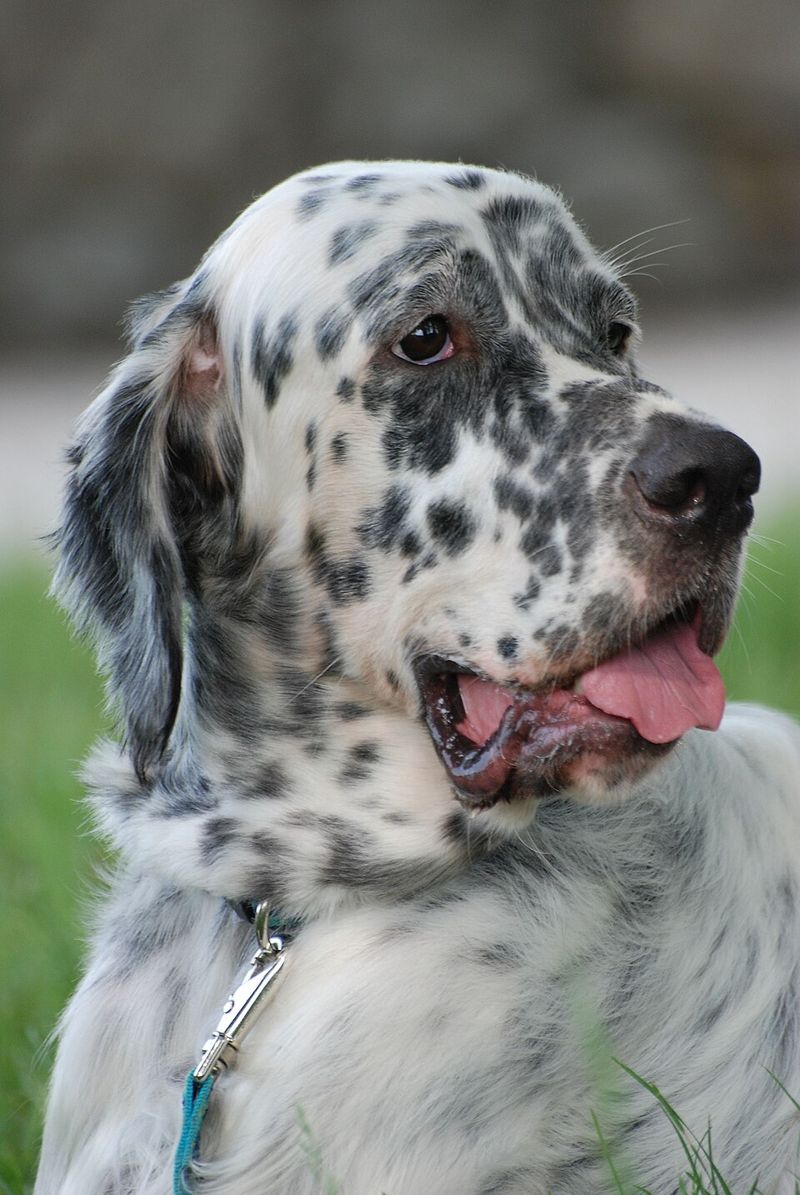
Graceful and thoughtful, the English Setter brings a steady vibe to family life. While bred to work fields, many prefer soft voices and clear routines at home.
Barking stays moderate when energy needs are met.
Plan daily exercise with training games that use their nose and brain. Gentle brushing keeps feathering neat.
Calm introductions to guests reduce excitement. With a reliable schedule, they swap outdoor zip for indoor peace, settling beside you without a fuss.