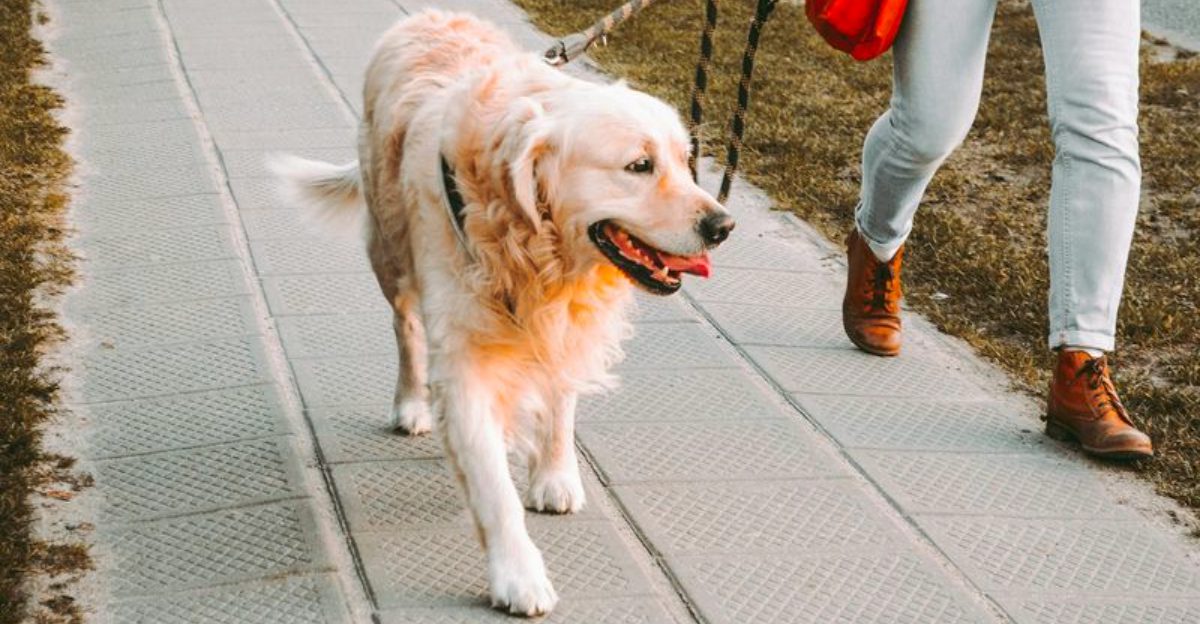
Many dogs learn to pull because of small habits we repeat without thinking. The leash gets tight, we keep walking, and the behavior gets stronger.
The good news is that tiny changes can flip the pattern fast. Try these ideas to make every step calmer and more fun for both of you.
Allowing pulling to occasionally succeed
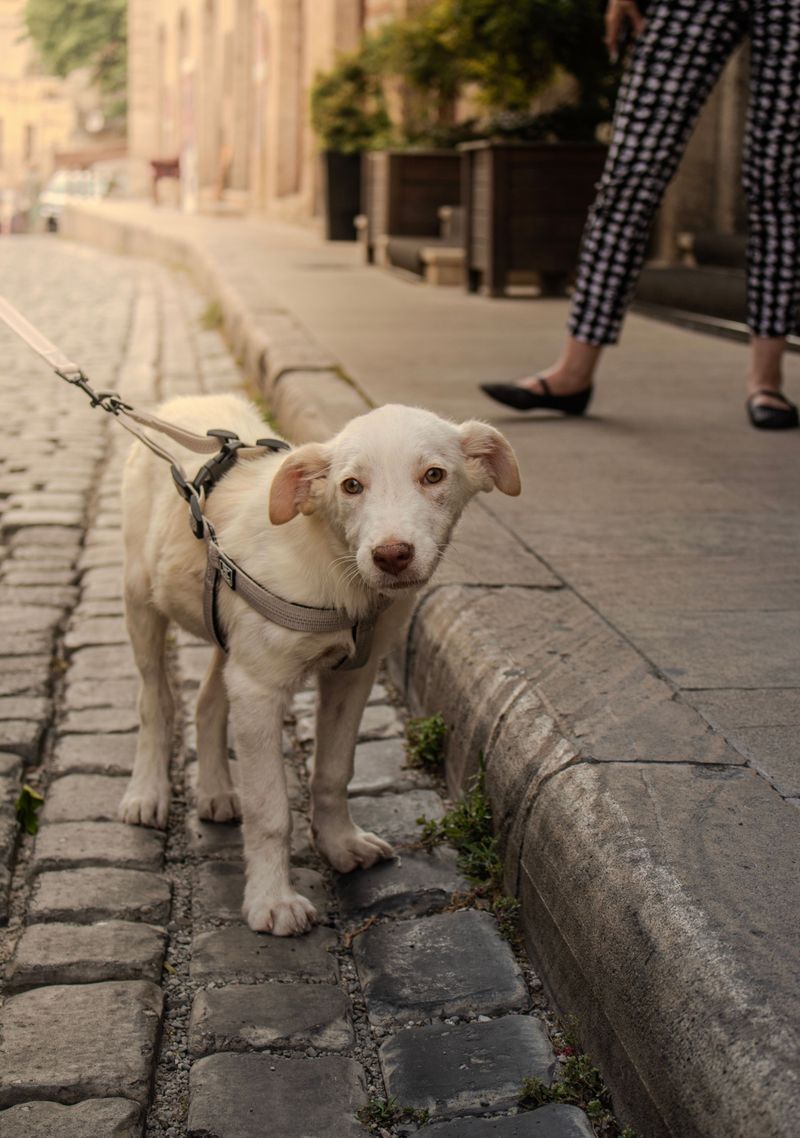
One win is all it takes for a habit to stick. When pulling reaches the park faster, your dog learns that tension pays.
A single shortcut today turns into tomorrow’s tractor pull routine.
Solve it by stopping the moment the leash tightens, then wait for slack. Mark relaxed steps with a cheerful yes, and move only when the line hangs like a smile.
If they surge again, plant your feet, breathe, and reset the lesson.
Starting every walk with excitement instead of calm
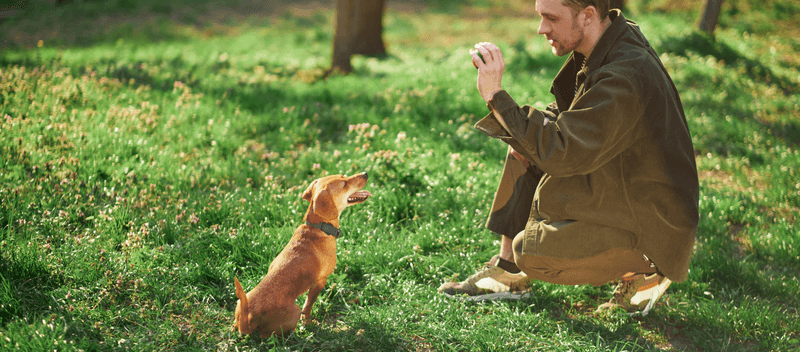
Keys jingle, shoes squeak, and your dog revs like a race car. A hyped start makes pulling feel normal before you reach the sidewalk.
Practice at random times so cues lose their zip.
Switch the pre-walk script by pausing for stillness, then rewarding eye contact. Clip the leash only after four calm paws, and open the door when the body softens.
Calm goes first, movement follows, and manners ride along.
Inconsistent leash rules between family members
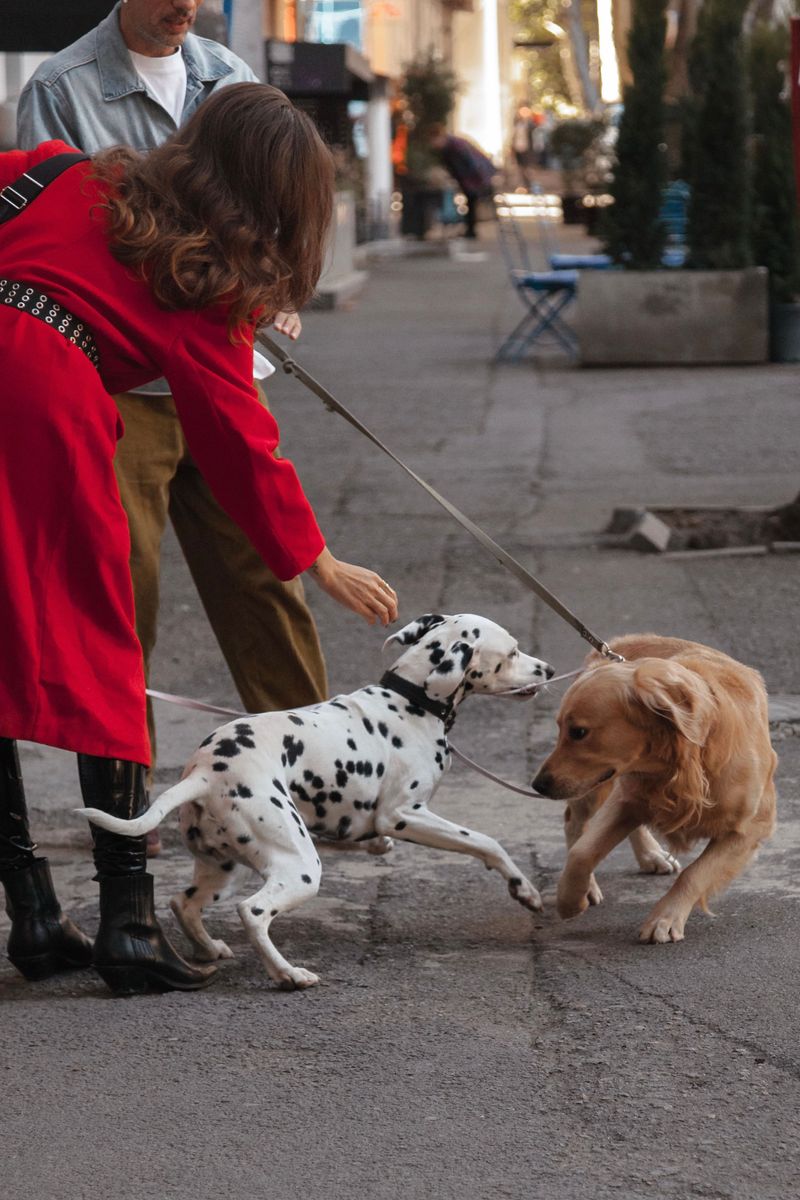
Mom allows sniff marathons, Dad hustles, and the kids zigzag for fun. Mixed messages blur the rulebook, so the dog experiments with pulling.
Dogs follow patterns, not titles.
Hold a five-minute huddle and agree on cues, rewards, and stop signs. Write it on the fridge, pick the same marker word, and match walking speed.
Consistency turns chaos into clarity, and clarity turns into loose leash gold.
Using a leash that’s always under tension
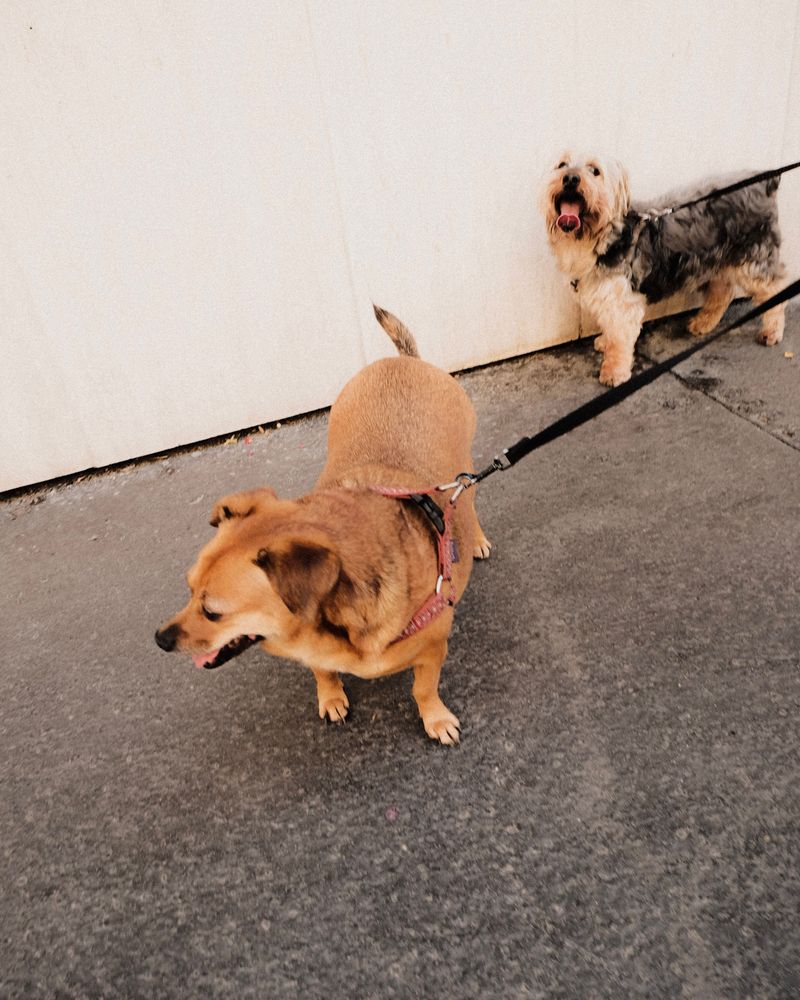
A tight line hums like a power cable, and dogs lean into the buzz. Constant pressure teaches bracing, not balance.
Imagine riding a bike with the brakes half on.
Pick a length that lets the clip droop, usually 4 to 6 feet. Practice a gentle J-shape in the leash, reward slack, and pause for tension.
Try a front-clip harness for better steering and less water-skiing.
Walking too quickly for the dog’s pace
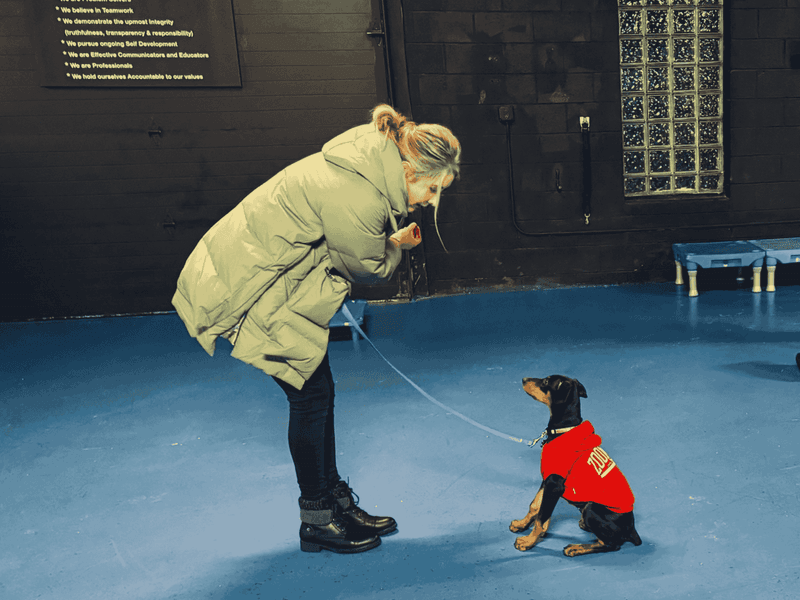
Rushing feet set a metronome your dog tries to match, often by towing you. Short legs or curious noses cannot keep up with sprint-mode strides.
The walk is not a race.
Slow the first block, watch shoulder height, and aim for a soft rhythm. Use count-to-three stops when pulling starts, then pay attention with treats for matching speed.
Your calmer tempo becomes the tempo your dog trusts.
Skipping mental enrichment before walks
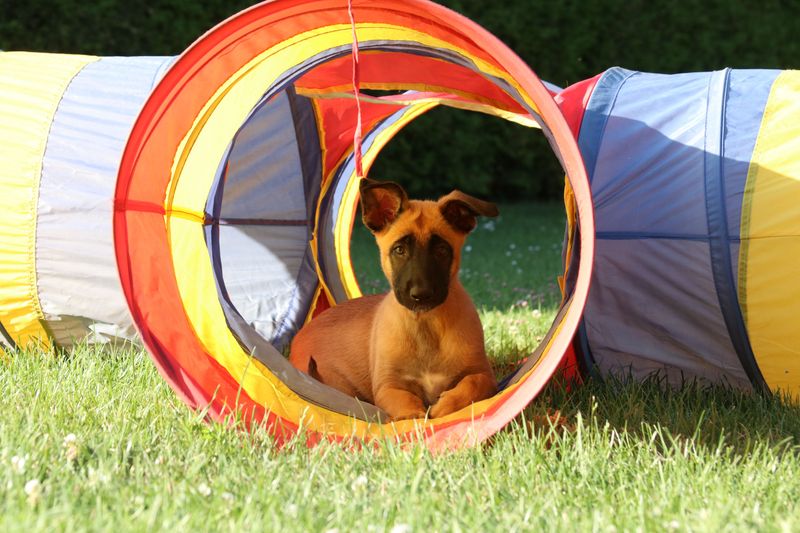
A bored brain seeks its own adventure, usually by charging ahead. Without a job, pulling becomes the entertainment.
Energy with no outlet spills onto the leash.
Before clipping the leash, scatter-feed kibble, practice two tricks, or sniff a towel scented with vanilla. Five thoughtful minutes drain the fidgets and prime focus like a warm-up lap.
Now the walk feels purposeful, not like a carnival ride.
Rewarding excitement with forward movement
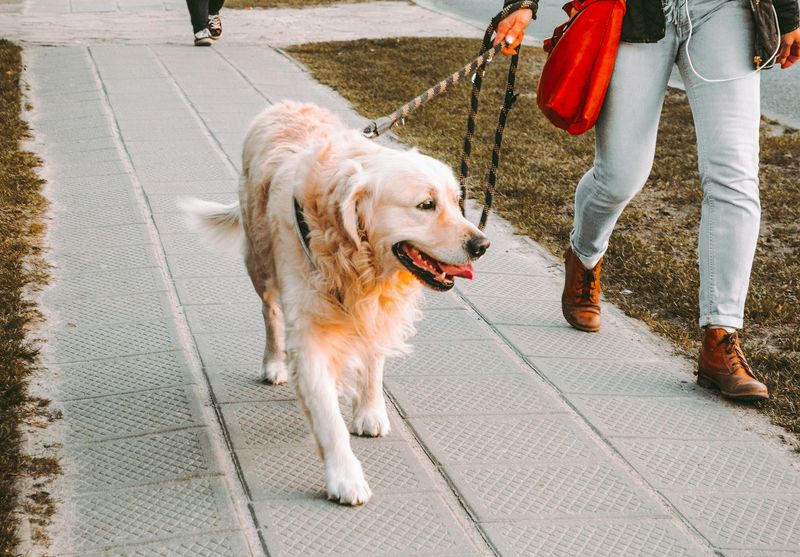
You step when the dog bounces, and the sidewalk becomes a jackpot machine. Movement itself is the prize.
The faster you go, the faster they learn to buzz.
Trade motion for manners by pausing, asking for one breath or a brief sit, then advancing. Mark quiet with a small treat and one step forward, building calm like stairs.
Soon your green light becomes steady, not sparkly.
Rarely changing walking routes
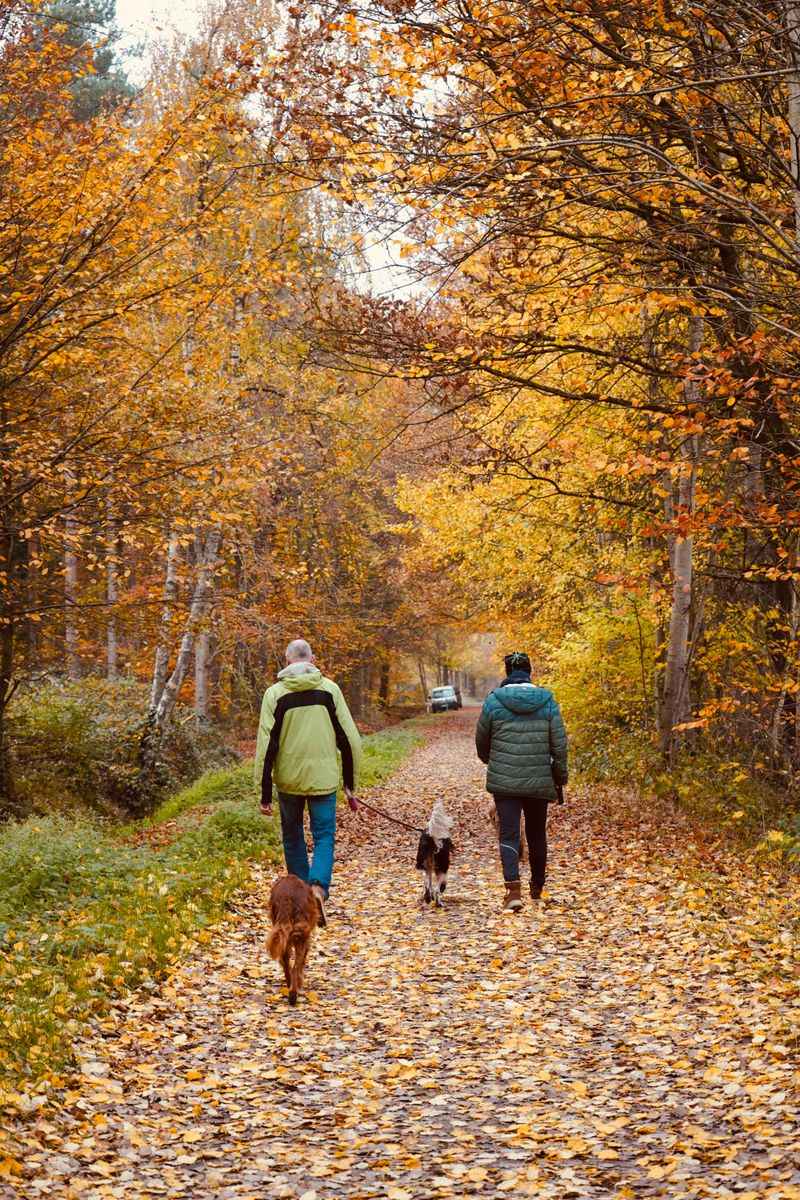
Same street, same scents, same bored brain looking for thrills. Predictable paths turn novelty into pulling toward the one exciting corner.
Monotony invites mischief and towing behavior.
Rotate loops, reverse directions, or drive to a different park once a week. Add micro-missions like find the blue mailbox or touch the bench with a paw.
Fresh sights reset attention and make you the map reader again.
Ignoring loose-leash walking at home
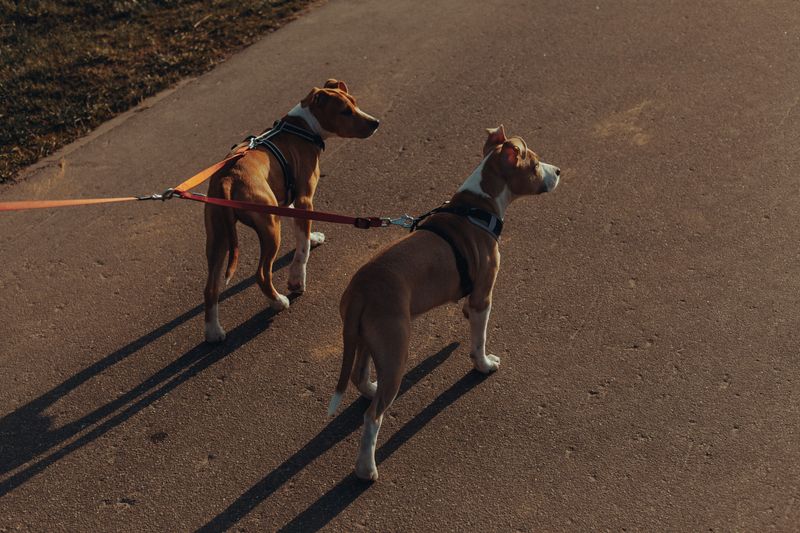
Training only on busy streets is like studying during the final exam. Home practice lowers pressure and builds muscle memory.
Quiet spaces help skills stick.
Run hallway reps with a toy as the goal, paying for soft steps and eye contact. Use furniture as pretend corners, stop for tension, and celebrate slack with a party step.
Then carry the habit outside like a packed lunch.
Expecting long walks to replace training
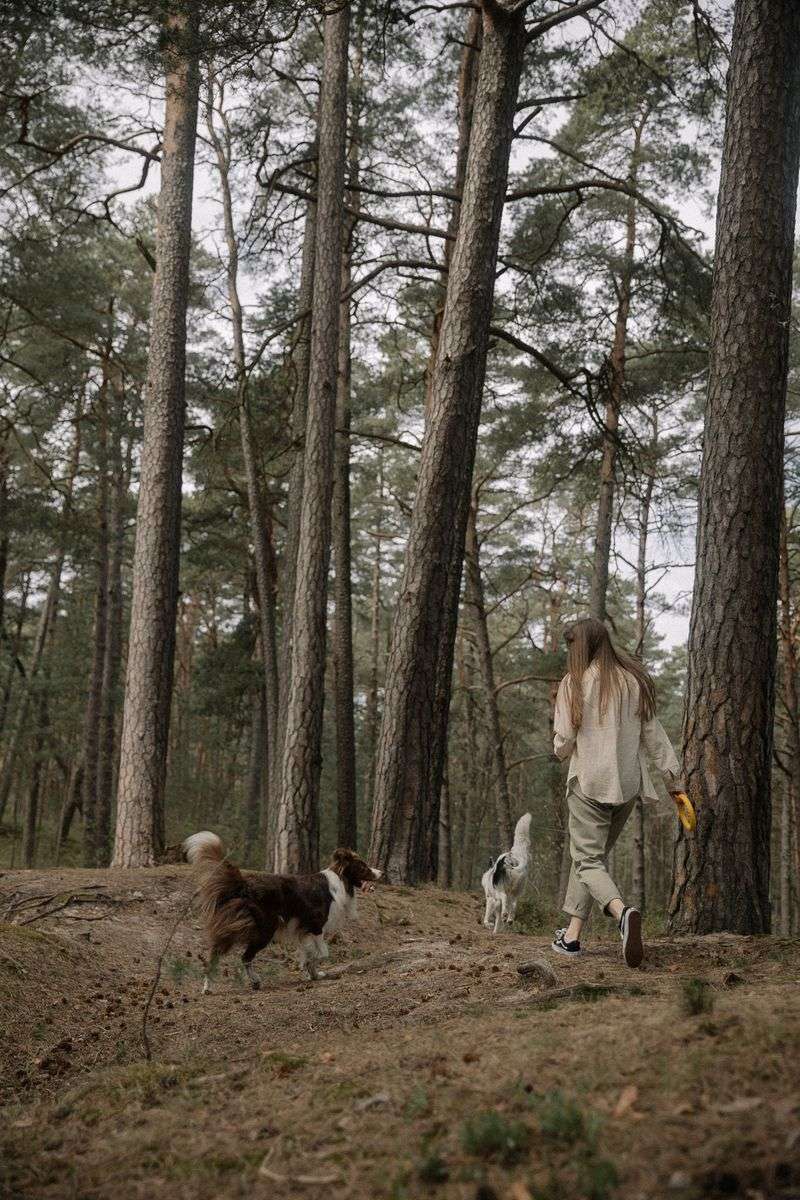
Miles can tire muscles, yet pulling survives the longest loop. Endurance is not the same as education.
Without guidance, distance only rehearses bad patterns.
Blend short skill sessions into any walk, like ten steps of heel, a pause, then release and a happy check-in. Two minutes of clear feedback often beats two hours of wandering most days.
Train the brain, and the feet will follow.