
Some dogs make you slow down and think before you speak. Living with them can teach patience, timing, and how to read small signals.
You learn to use calm words, steady routines, and clear body language. That kind of practice can improve every conversation in your life, not just the ones with your dog.
Akita
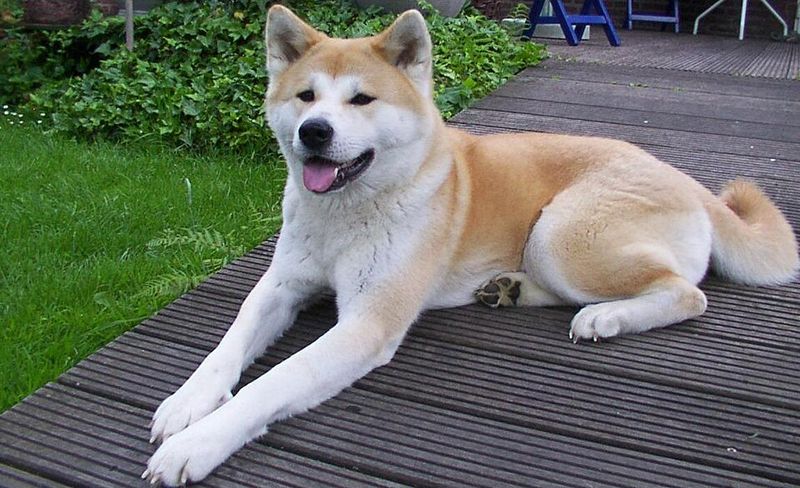
With a steady stare and quiet pride, the Akita reads your face more than your voice. Short cues work best, paired with calm body language and clear routines.
Consistency beats volume every single time, always for Akitas.
Praise matters, but so does space after a command, letting the dog decide. Practice hand signals at home, then repeat them in the yard and on walks.
Patience today earns trust tomorrow, turning training into a respectful conversation.
Basenji
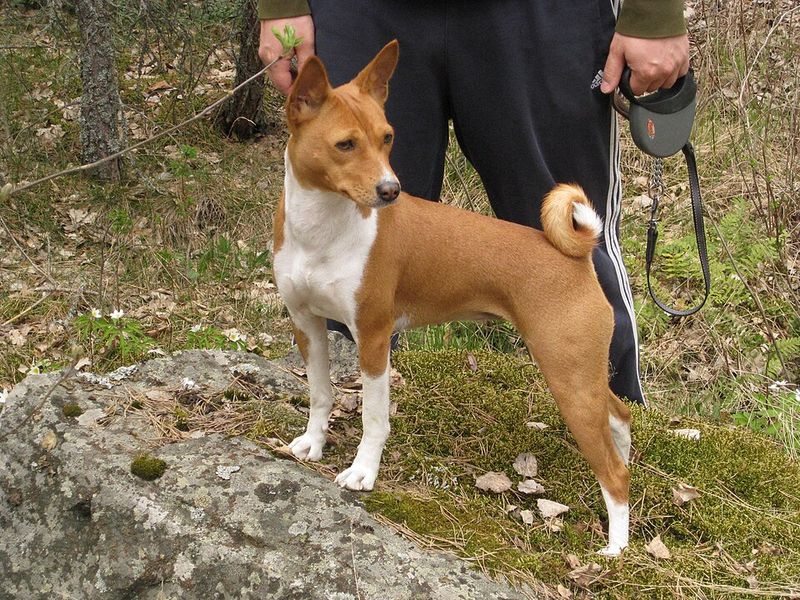
People call the Basenji the barkless dog, yet it communicates in trills and looks. Quick reactions from you teach it that listening matters.
Mark behaviors with a cheerful yes or a click, then reward promptly. Keep sessions short and playful, using movement games and scent puzzles to focus the busy mind.
When frustration rises, pause, breathe, and reset the scene, because your tone shapes the outcome.
Silent moments teach clarity through patient eye contact daily.
Shiba Inu
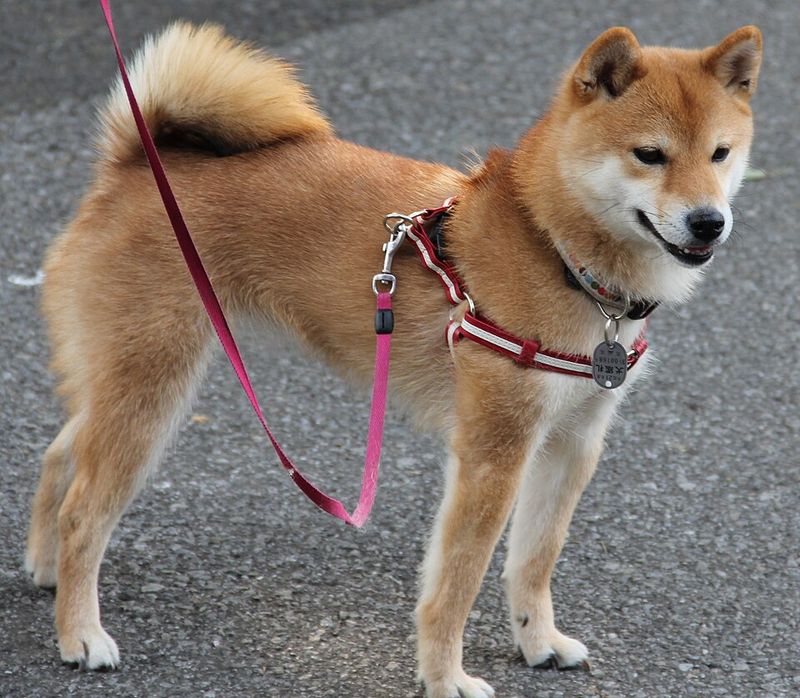
Independent by nature, the Shiba tests how well you mean what you say. Gentle humor helps more than stern speeches.
Use a calm start button routine, like sit for leash time, to create shared rules. Trade treats for eye contact, then ask for a simple task.
If the dog turns away, wait quietly, then offer an easier step so progress feels like a team effort.
Respect earns buy-in faster than pressure ever will from Shibas.
Great Pyrenees
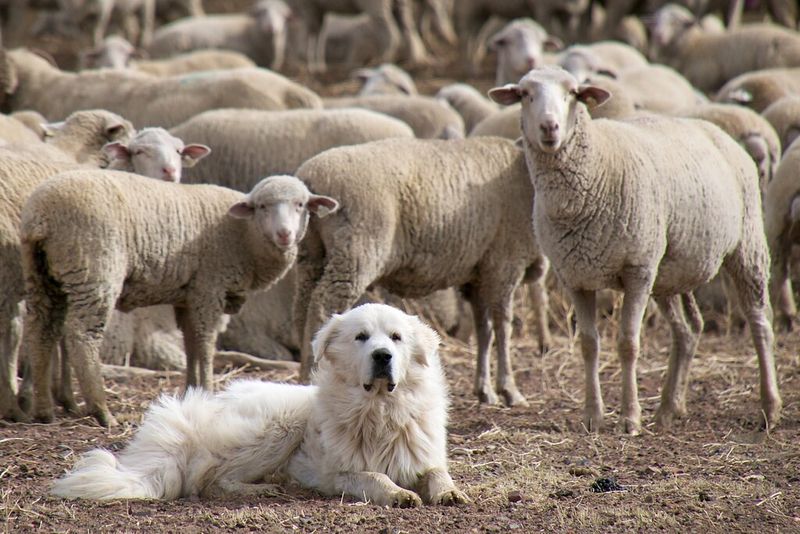
Night watch habits run deep in the Great Pyrenees. They listen for distant sounds while deciding whether your request fits the situation.
Give reasons through structure. Ask for a down before opening the gate, then praise with warm words and slow strokes.
Teach a quiet cue at dusk, pair it with treats indoors, and practice before the neighbor dogs bark. Understanding grows when safety and predictability guide every talk.
Boundaries spoken calmly prevent needless arguments.
Belgian Malinois

Energy like a sparked match defines the Belgian Malinois. Clear jobs channel that fire into learning.
Use crisp markers, fast rewards, and planned breaks. Teach impulse control with ready, set, go games, releasing only when focus returns.
Rotate tasks, such as nosework, fetch patterns, and platform work, to keep the brain satisfied. When you speak, mean it, but keep your voice light so enthusiasm stays productive.
Clarity beats volume and protects drive daily during training.
Border Collie
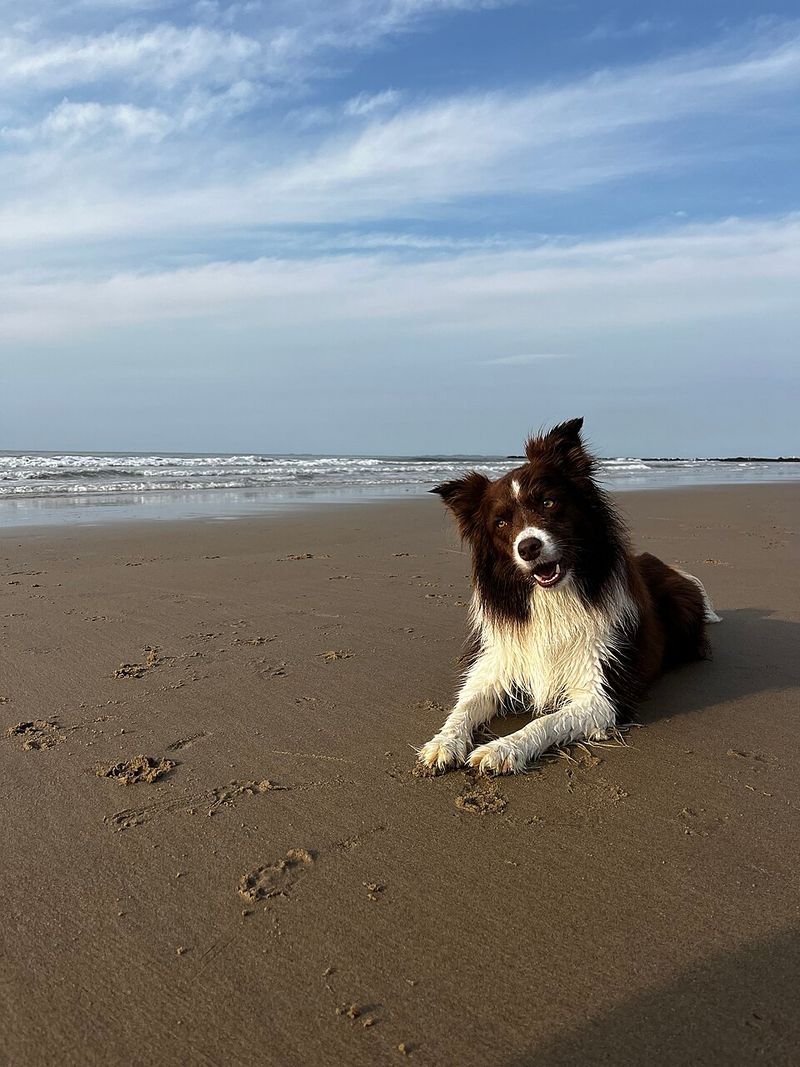
Watch those eyes. A Border Collie studies tiny movements and treats them like instructions.
Plan cues for your hands and shoulders before training starts. Step squarely when asking for a turn, soften your knees for a stop, and use a consistent release word.
Mental games, like naming toys, spark bright focus. If excitement spikes, switch to sniffing or a settle mat to reset attention kindly.
Trust grows when handlers move thoughtfully and speak simply always.
Standard Poodle
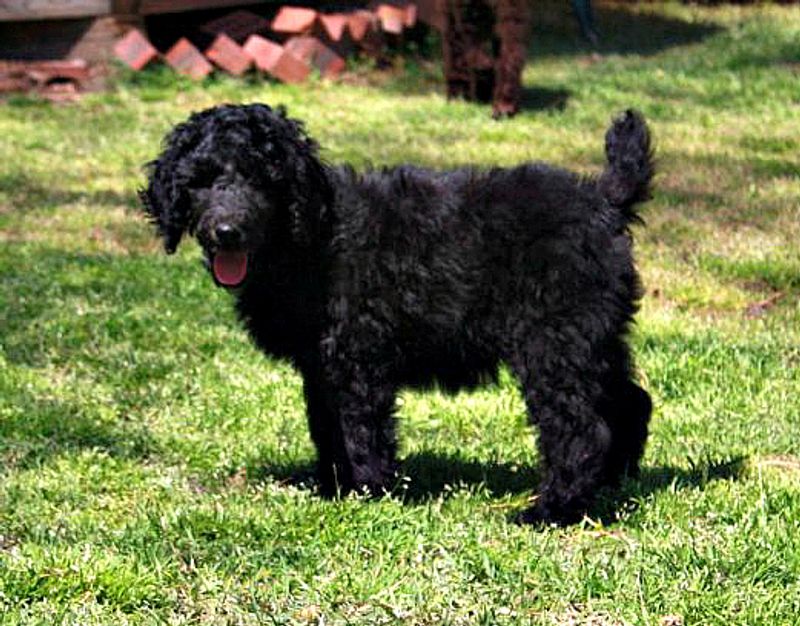
Elegant looks aside, the Standard Poodle is a quick study with a playful grin. Humor keeps lessons fun.
Use upbeat words, then show what you mean with smooth gestures. Trick training and balance work build body awareness and polite manners.
Rotate rewards, like tug, chase, or a tossed treat, to match the mood. When confusion appears, simplify the task and celebrate small wins, because confidence feeds communication.
Curiosity blossoms when cues stay crisp and kind.
Giant Schnauzer
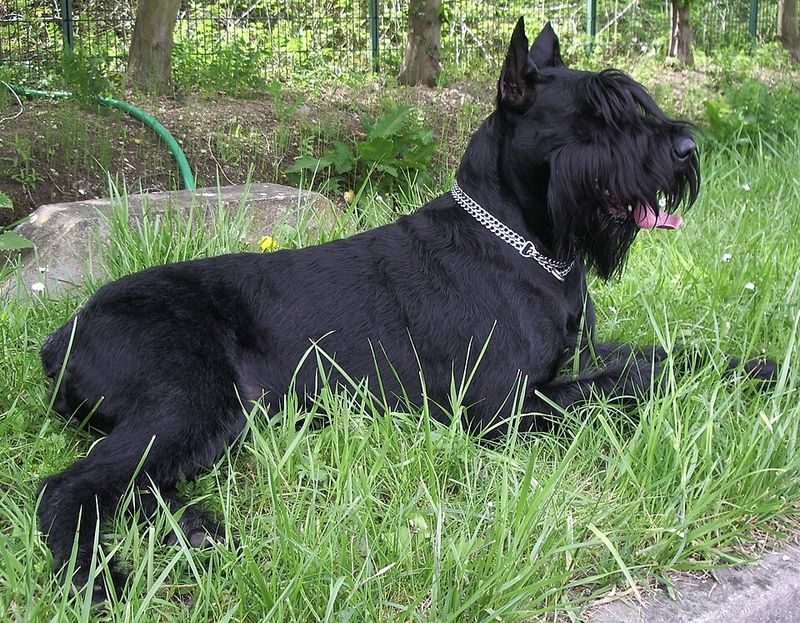
Big presence, big brain, and a working spirit make the Giant Schnauzer a bold partner. Leadership means calm direction, not constant pressure.
Set clear start and stop cues for games, doors, and greetings. Teach place to manage excitement, then release to earn what the dog wants.
Reward steady eye contact with life rewards, like moving forward or greeting a friend. Firm does not mean loud, so keep instructions short and fair.
Consistency builds confident teamwork.
Australian Shepherd
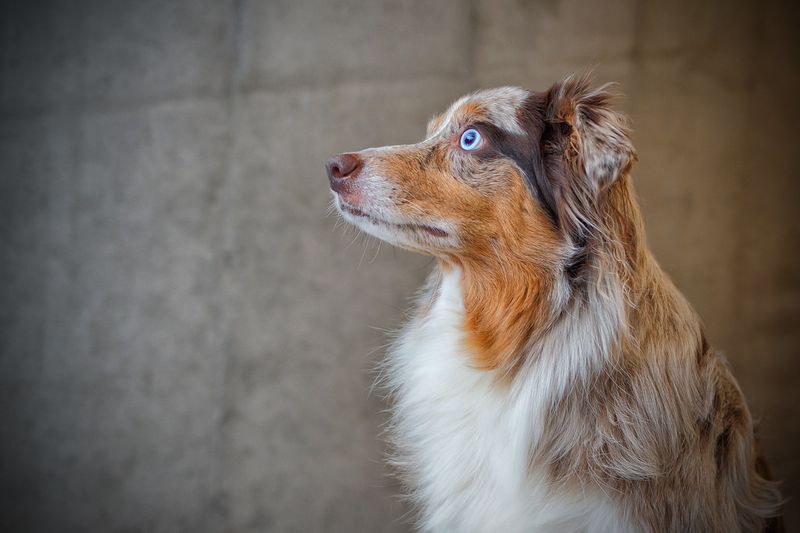
Always ready for a job, the Australian Shepherd thrives when brains and body work together. Idle time invites mischief.
Create signals for start, work, and rest so the day has a rhythm. Try herding-like games with toys, pattern heeling, and agility foundations to focus energy.
Praise thoughtful choices, like checking in before chasing a squirrel. When excitement bubbles, guide the dog to a mat, breathe together, and release once calm returns.
Teamwork grows through purpose.
Beauceron
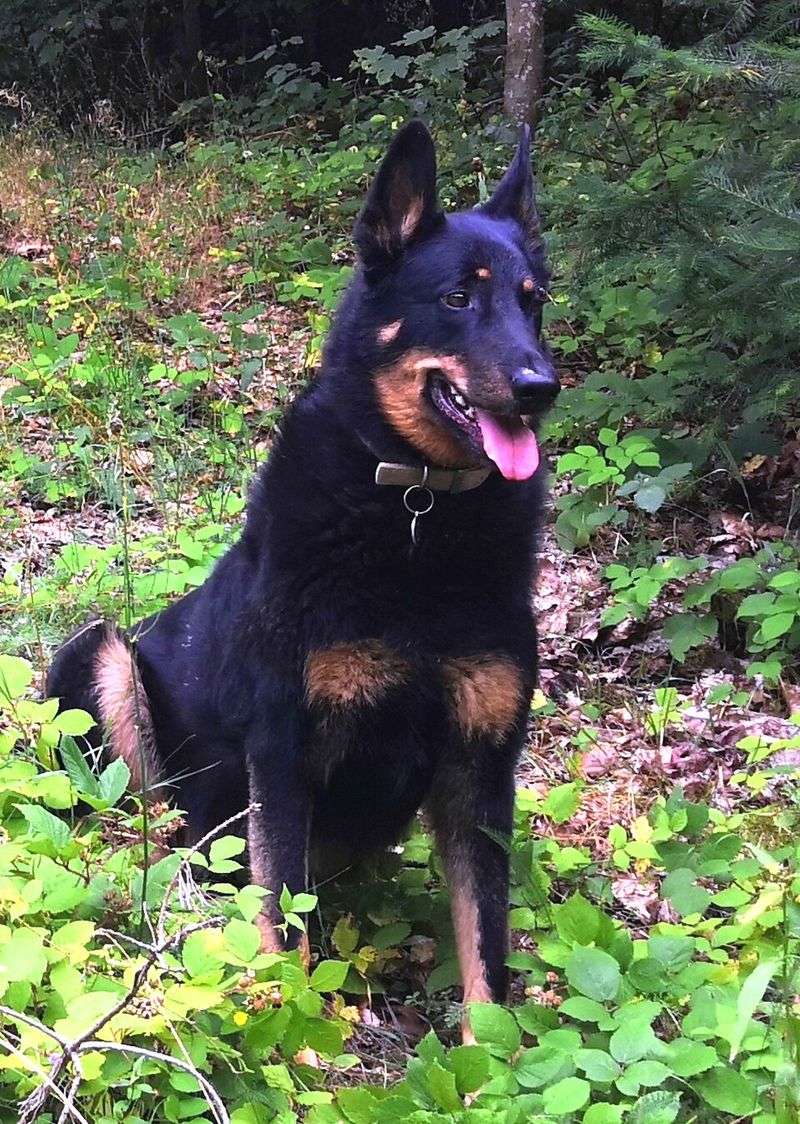
A quiet, observant guardian, the Beauceron watches for meaning in every cue. Earn respect through steady routines and honest feedback.
Teach directional cues with cones and platforms, rewarding precise footwork and calm stands. Use a neutral voice when correcting, then show the proper choice and pay well for it.
Field walks that include pauses, scans, and releases satisfy the breed’s thoughtful nature. Clear expectations build a shared language that holds even when distractions appear.
Consistency.
Rhodesian Ridgeback
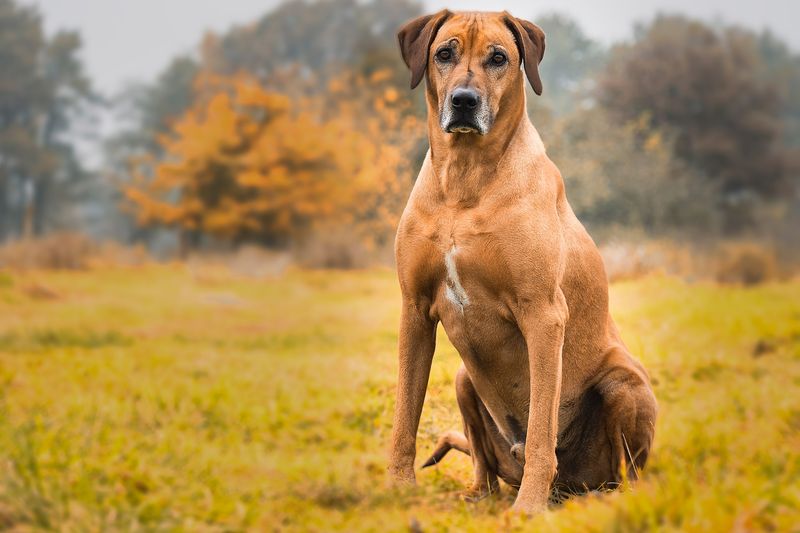
Sun-seeking and strong-willed, the Rhodesian Ridgeback appreciates calm, confident guidance. Loud commands often backfire.
Teach a strong recall using long lines, meaty rewards, and happy praise. Practice in open fields, adding distance slowly while keeping your voice friendly.
Build impulse control with wait at doors and food bowls. When the dog checks in on its own, celebrate that decision, because choosing you is the real goal.
Respectful guidance turns independence into partnership over many miles.
Shetland Sheepdog
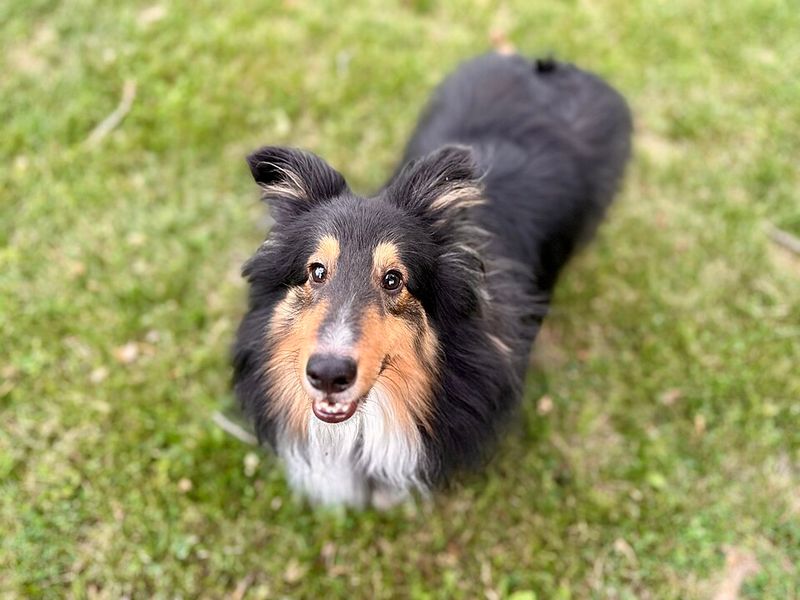
Quick to notice everything, the Shetland Sheepdog responds to gentle patterns and praise. Harsh tones shut down curiosity.
Create predictable games, like touch, spin, and find it, to build focus. Reinforce with soft words and tiny treats, delivered fast.
Sound sensitivity means your footsteps and door chimes matter, so train with gradual noises. If nerves show, give distance, sniff time, and a simple cue to rebuild confidence without pressure.
Kind structure helps sensitive learners shine.