
Food fuels health, energy, and happiness for our dogs. Some breeds have delicate stomachs or special health risks, so the right diet truly makes a difference.
Picking the best recipe, choosing smart treats, and setting a steady routine can prevent problems before they start. Let’s help each pup feel great from bowl to tail.
Boxer

With a chest like a drum, the Boxer plays hard and digests softly. Many get gassy or loose stools, so highly digestible protein and moderate fat help keep the gut calm.
Try limited-ingredient recipes with prebiotic fiber, probiotics, and omega-3s for skin and joints. Feed measured portions, split into two or three meals, and avoid gulping by using a slow bowl.
Cookie-style treats should be simple and low fat to limit gas and belly upsets.
German Shepherd

Powerful on the field, the German Shepherd often has a sensitive belly. Some develop EPI or loose stools, so easily absorbed nutrients and added enzymes can make a big difference.
Pick a diet rich in animal protein, with prebiotic fiber, probiotics, and joint-supporting omega-3s. Keep portions controlled to protect hips, and use slow feeders to reduce gulping air.
Sensitive dogs do better with steady routines, fresh water, and gradual food changes to prevent flare-ups altogether.
French Bulldog

That comic face hides a fussy tummy. French Bulldogs can battle food allergies and gas, so small-kibble formulas with novel proteins often feel kinder on their system.
Aim for moderate fat, added probiotics, and omega-3s to soothe skin folds. Feed two to three lean meals, avoid table scraps, and choose treats that do not crumble into greasy crumbs.
Keeping weight steady also eases breathing during play and reduces strain on joints over daily romps outside.
Bulldog

Slow and sweet at heart, Bulldogs gain weight quickly. Heavy bodies and short snouts make rich foods risky, so balanced meals with controlled calories are kinder.
Choose low to moderate fat, good fiber, and fish oil for skin support. Serve measured portions, skip greasy bites, and watch sodium to help hearts and reduce puffing after stairs.
A slow feeder, fresh water, and calm rest after meals can prevent gulping and belly aches during warm weather.
Shar-Pei

Wrinkles can itch when food disagrees. Many Shar-Pei dogs struggle with skin irritation or ear flare-ups, so simple recipes with limited ingredients and novel proteins can help.
Look for omega-3s, zinc, and gentle carbs like sweet potato. Rotate proteins slowly, keep a photo log of skin changes, and avoid yeasty treats to support cleaner ears and calmer paws.
Plenty of fresh water and regular baths with vet-approved shampoo round out the plan for comfy wrinkles.
Irish Setter
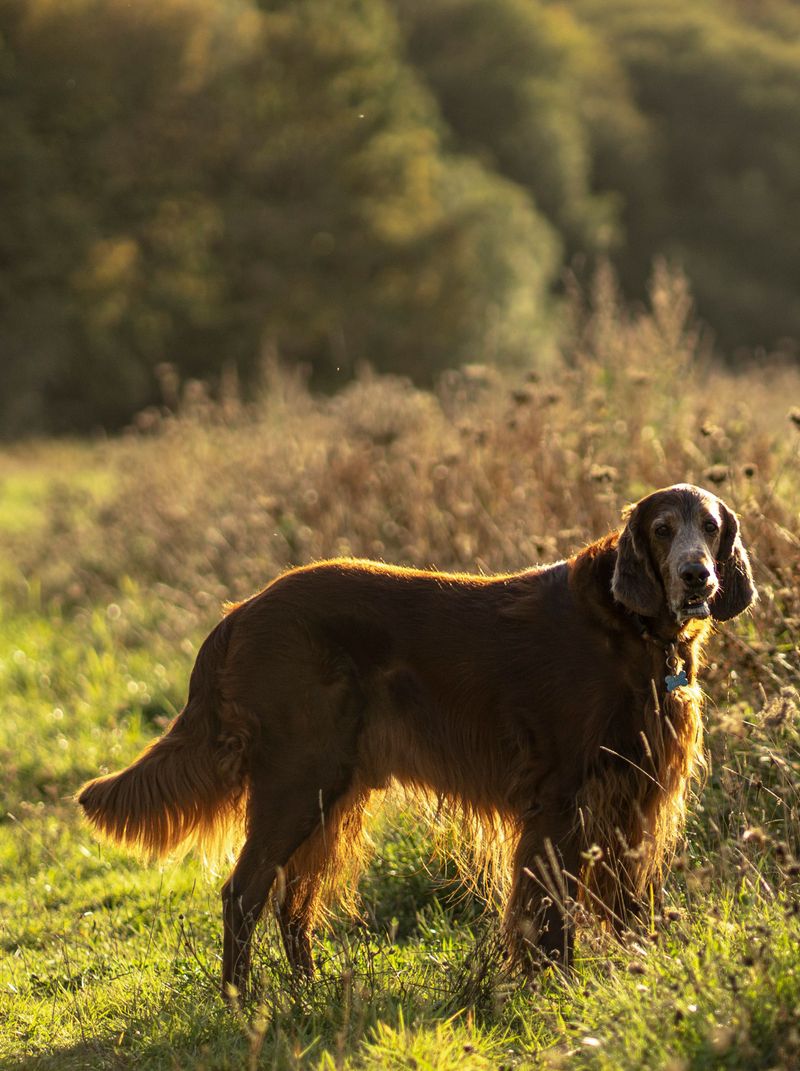
Born to run, the Irish Setter can react poorly to gluten. A known breed sensitivity means wheat can upset digestion, so many thrive on gluten-free recipes that stay steady.
Choose quality animal protein, oats-free and wheat-free carbs, plus probiotics. Keep mealtimes consistent, avoid sudden switches, and bring training treats that match the main diet to prevent sneaky side effects.
Lean body condition protects hips and keeps that joyful trot smooth on long trails during outings.
Soft Coated Wheaten Terrier
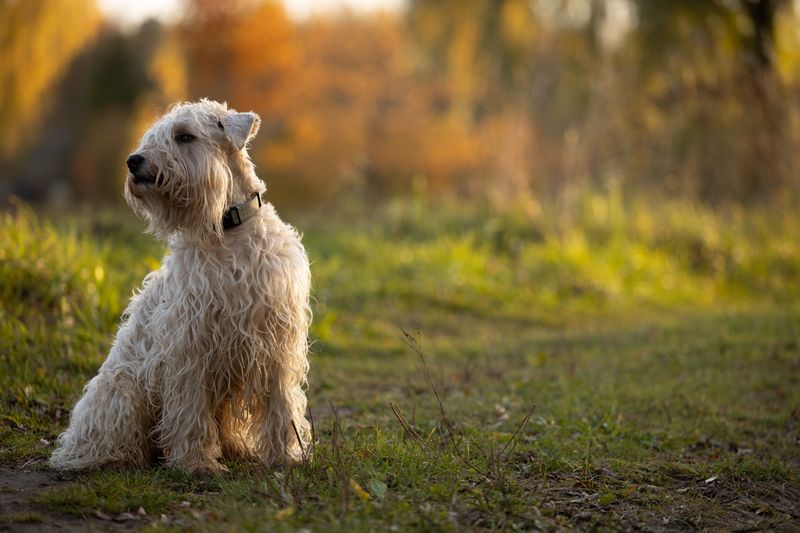
Sunny and spirited, the Wheaten sometimes faces serious gut or kidney protein loss. Families often work with vets to use special low-fat, moderate-protein diets that ease stress on the system.
Watch sodium, favor easily digested carbs, and add omega-3s for inflammation control. Regular bloodwork, stool checks, and careful portioning help track progress, while simple training treats prevent setbacks between meals.
Keep a journal for weight, appetite, stools, and energy to catch early changes at home.
Yorkshire Terrier

Tiny body, big attitude, and a fast-burning engine. Yorkies can drop blood sugar if meals are skipped, so small, frequent feedings with balanced protein and complex carbs keep energy steady.
Crunchy kibble sizes suit tiny jaws and support dental care. Choose lean meats, add a sprinkle of omega-3s for coats, and carry soft treats during outings so training never risks a sugar crash.
Fresh water and steady routines calm nervous tummies and picky appetites daily.
West Highland White Terrier

That bright white coat often signals touchy skin. Westies are prone to itching, so simple formulas with single proteins and gentle carbs can reduce flare-ups.
Look for fish oil, vitamin E, and zinc, plus probiotics for gut-skin balance. Keep treats clean, monitor for yeast, and bathe with mild shampoo, while staying consistent to avoid back-and-forth reactions.
A food diary with photos helps track hotspots, paw licking, and coat shine over weeks between grooming sessions too.
Miniature Schnauzer

Beard full of crumbs, heart full of zeal. Mini Schnauzers can run high blood fats, so rich meals may trigger pancreatitis, making low-fat choices a real lifesaver.
Prioritize lean proteins, plenty of fiber, and measured treats. Bake crunchy carrot coins at home, skip bacon bits, and keep exercise steady, because a trim waist and calm pancreas go hand in hand.
Ask your vet about fasting labs, triglycerides, and tailored calories for safer celebrations at home.
Cavalier King Charles Spaniel

Those melting eyes deserve a strong heart. Cavaliers often battle valve disease, so moderate sodium and a lean frame help the ticker work easier.
Choose quality animal protein, taurine and carnitine support, plus omega-3s for inflammation. Weigh meals, track treats, and keep walks gentle yet regular to maintain fitness without strain on that royal chest.
Dental care and low-sodium chews prevent sneaky salt, while routine checkups guide diet as needs change through later adult years.
Shih Tzu

A silky coat and a stubborn palate keep things interesting. Many Shih Tzu dogs are picky and prone to tear stains, so balanced meals with gentle carbs and fish oil help.
Smaller kibble or soft, shaped bites protect little mouths and encourage chewing. Brush teeth, wipe eyes daily, and use single-protein treats, because too many flavors can upset tummies and dull that shine.
Steady mealtimes and clean water keep energy bright and stools tidy daily.