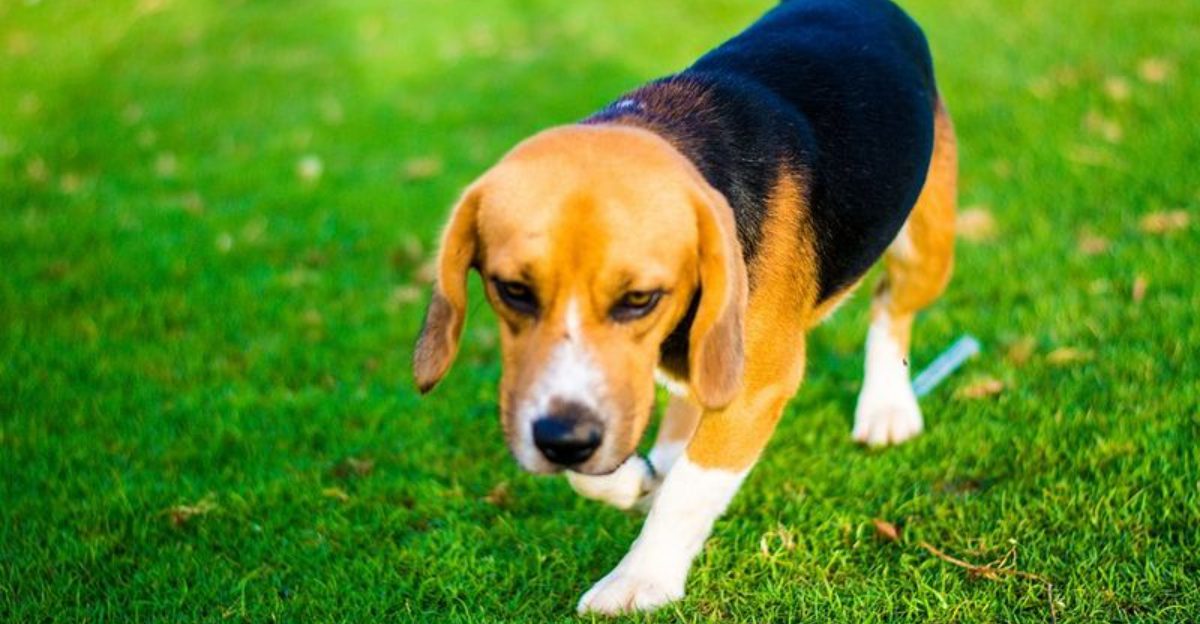
Some dogs soak up treats and toys like sponges, and that can cause problems. Extra snacks, endless couch time, and too many “awww” moments can lead to weight gain or cranky habits.
The right balance helps your buddy stay healthy and happy. Meet breeds that will gladly accept every gift, and kindly remind you that smart limits make better love.
Beagle
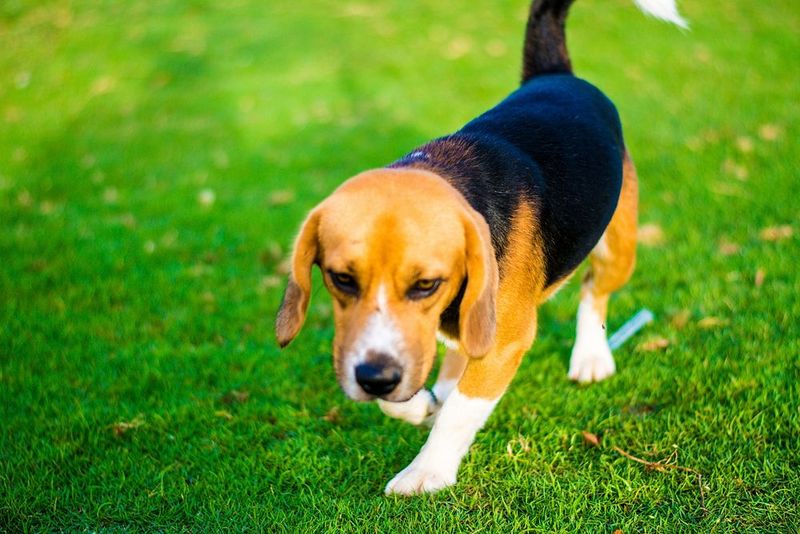
Nose to the ground, a Beagle will happily beg for just one more treat. Their charm makes saying no tough, but balance keeps them trim and focused.
Use food puzzles, measured meals, and long sniff walks to reward their detective spirit without overdoing calories.
Training works best with small, frequent rewards instead of big jackpots. Set house rules for begging and stick to them.
When in doubt, swap snacks for a quick scent game or a friendly fetch lap.
Labrador Retriever
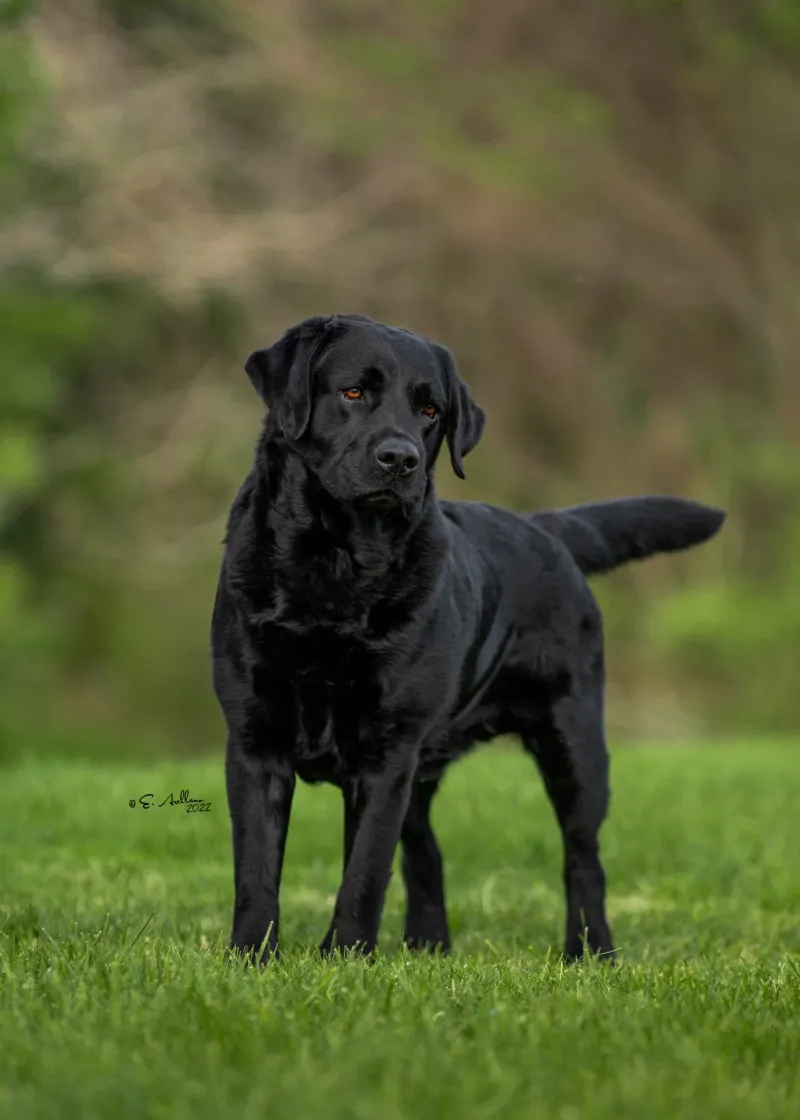
Ask a Lab if they are hungry and the answer is always yes. Their happy appetite can outpace their needs, so structure is your best friend.
Measure meals, schedule swims or retrieves, and use low-calorie training bites to keep energy high without the extra fluff.
Did you know Labs originated as fishing helpers in Newfoundland? That work ethic thrives on jobs.
Give them tasks like carrying a pack or practicing short retrieves to trade treats for purpose.
Golden Retriever
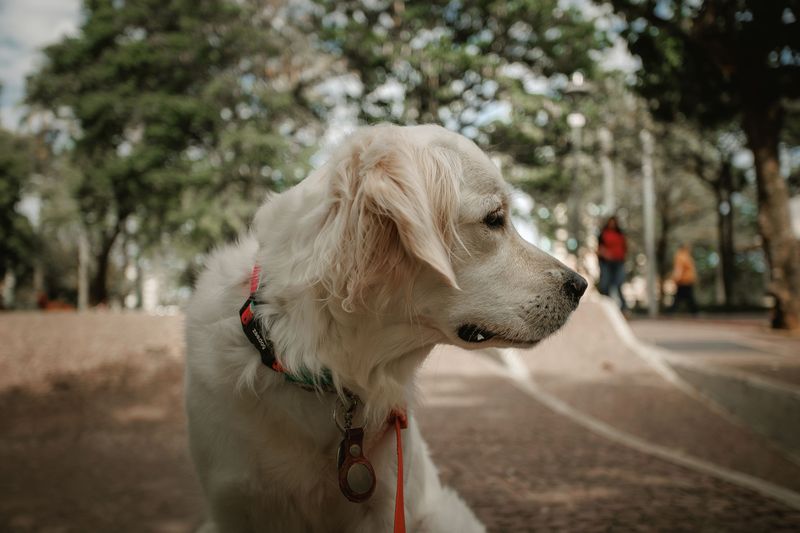
Sunshine smile aside, Goldens often lean into comfort food and couch cuddles. Kind hearts can overfeed them, so set a plan.
Replace extra biscuits with brushing sessions, light agility, or short training bursts that pay in praise and play.
They thrive on feeling included. Build a daily schedule with walks, simple tricks, and consistent meal portions.
When those big eyes plead, redirect with a chew toy or a quick “find it” game using their regular kibble.
Dachshund
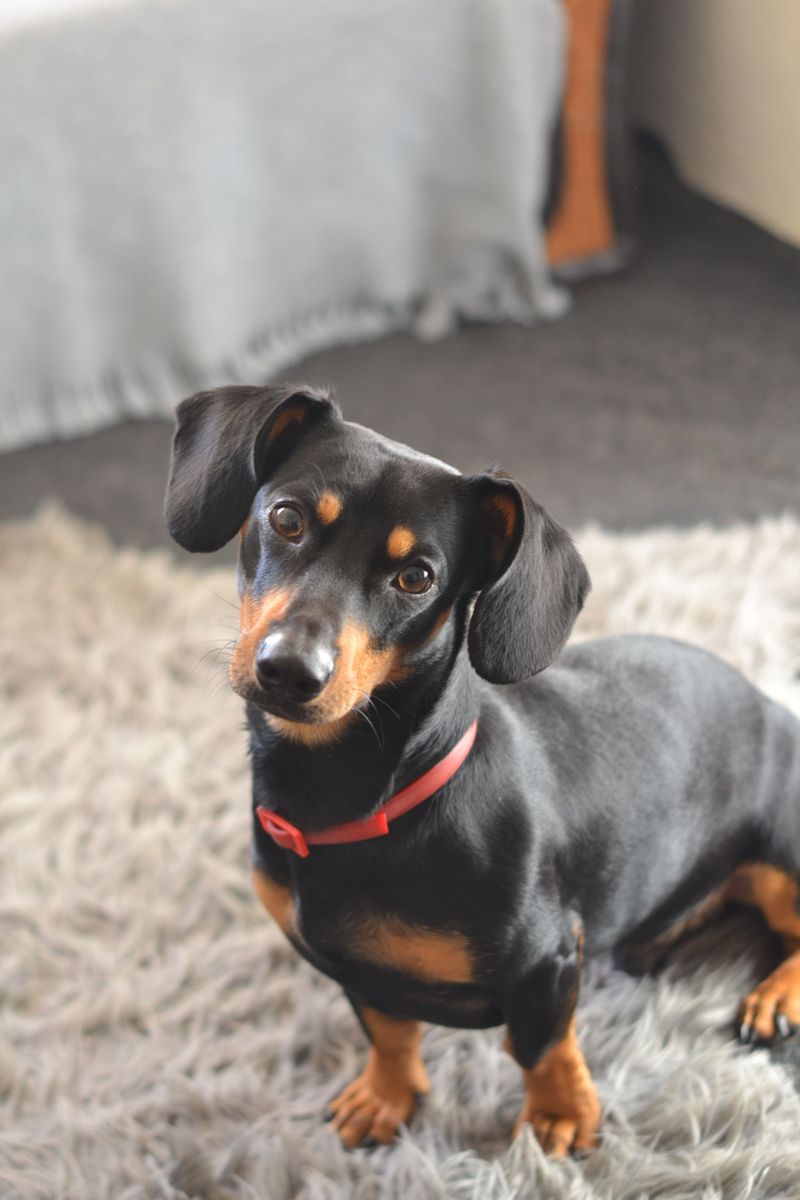
Short legs, big opinions. A Dachshund will convince you they deserve seconds and the couch throne.
Extra weight strains their long backs, so moderation protects their spine. Keep treats tiny, use stairs or ramps, and encourage controlled play instead of high jumping.
Give them brain work like scent boxes or short tunnels. Celebrate wins with praise more than snacks.
A simple rule helps: one treat means one extra lap around the hallway together.
Pug
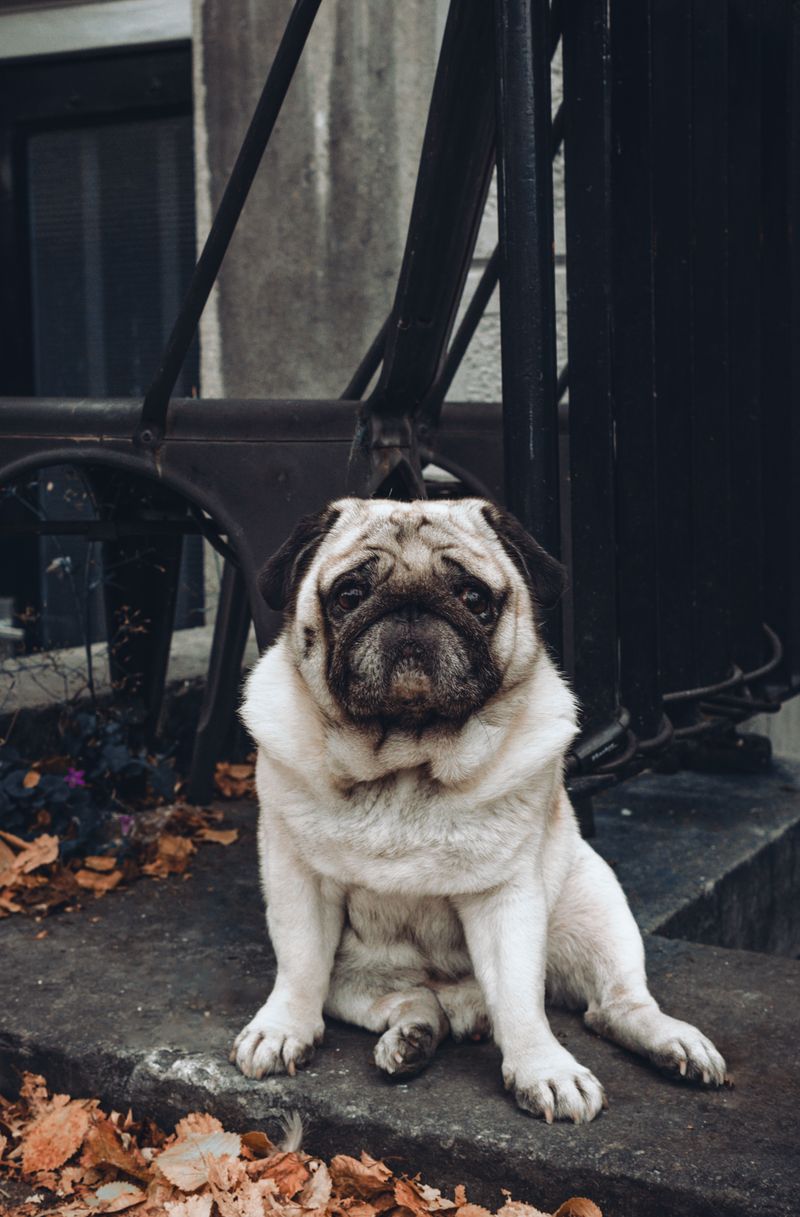
With a squishy face and comic timing, a Pug can charm snacks from anyone. Heat and extra pounds make breathing harder, so gentle structure matters.
Choose crunchy veggies for treats, use slow feeder bowls, and plan calm walks at cooler times of day.
Keep play low impact and fun. Try short trick sessions with tiny rewards, then end with cuddles.
Love the look, protect the lungs, and let moderation do the quiet magic.
French Bulldog
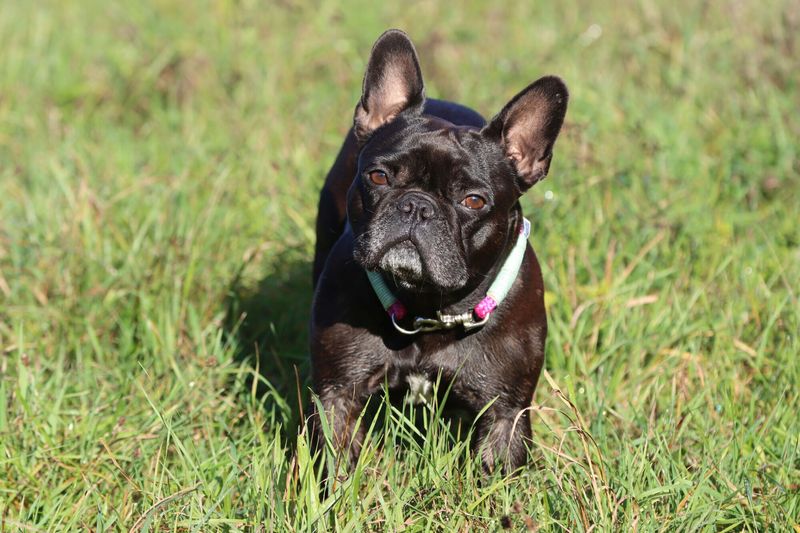
Big personality in a compact frame means Frenchies collect luxuries fast. Too many rich snacks can upset tummies and add weight.
Swap heavy treats for lick mats, crunchy carrots, or brief nose work. Keep exercise steady with short, shaded walks and playful tug.
They adore attention. Use praise and toys for most rewards, reserving food for training moments.
Consistent routines help prevent whining for extras, and their skin folds thank you for healthier choices.
Cavalier King Charles Spaniel
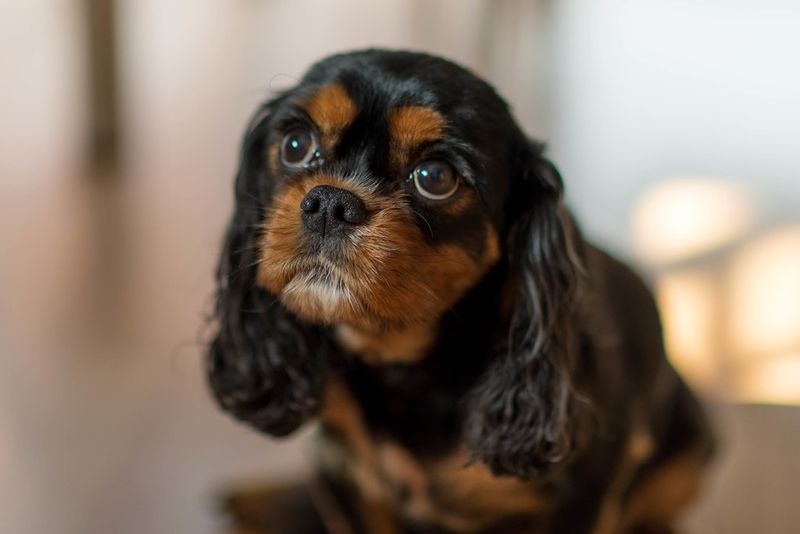
Soft eyes can melt any heart, which makes over-treating a real risk for Cavaliers. Gentle by nature, they still benefit from clear boundaries.
Use grooming time as bonding instead of snack time. Replace extras with slow walks and simple trick routines that earn praise.
Watch portions to protect their hearts and joints. Keep treats tiny and count them into daily calories.
A content Cavalier values your calm voice more than a handful of biscuits.
Basset Hound
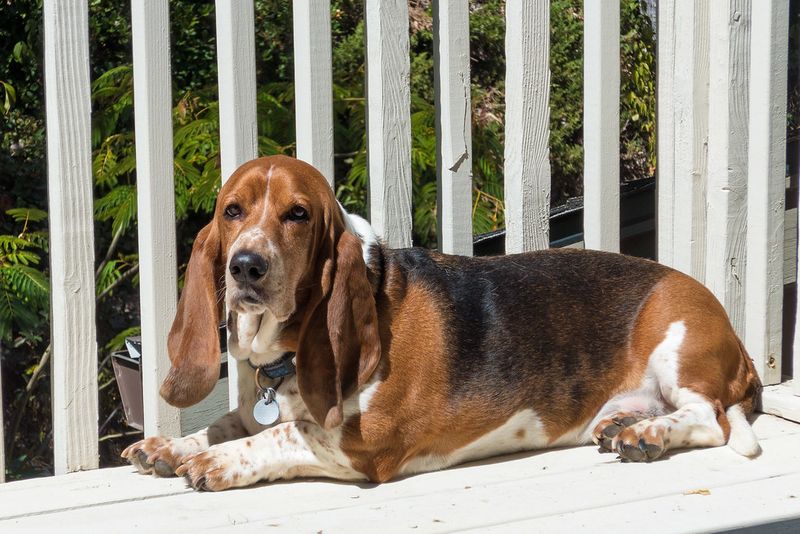
Those soulful eyes can spark a bakery’s worth of biscuits. Bassets love to lounge, so pounds sneak on quickly.
Protect their joints by pairing measured meals with sniff-filled strolls. Long, easy walks let their nose work without stressing their legs.
Turn treats into games. Scatter a few pieces of kibble in the yard and let them track.
Keep furniture low, avoid stairs, and reward patience with affection and a comfy bed rather than extras.
Cocker Spaniel
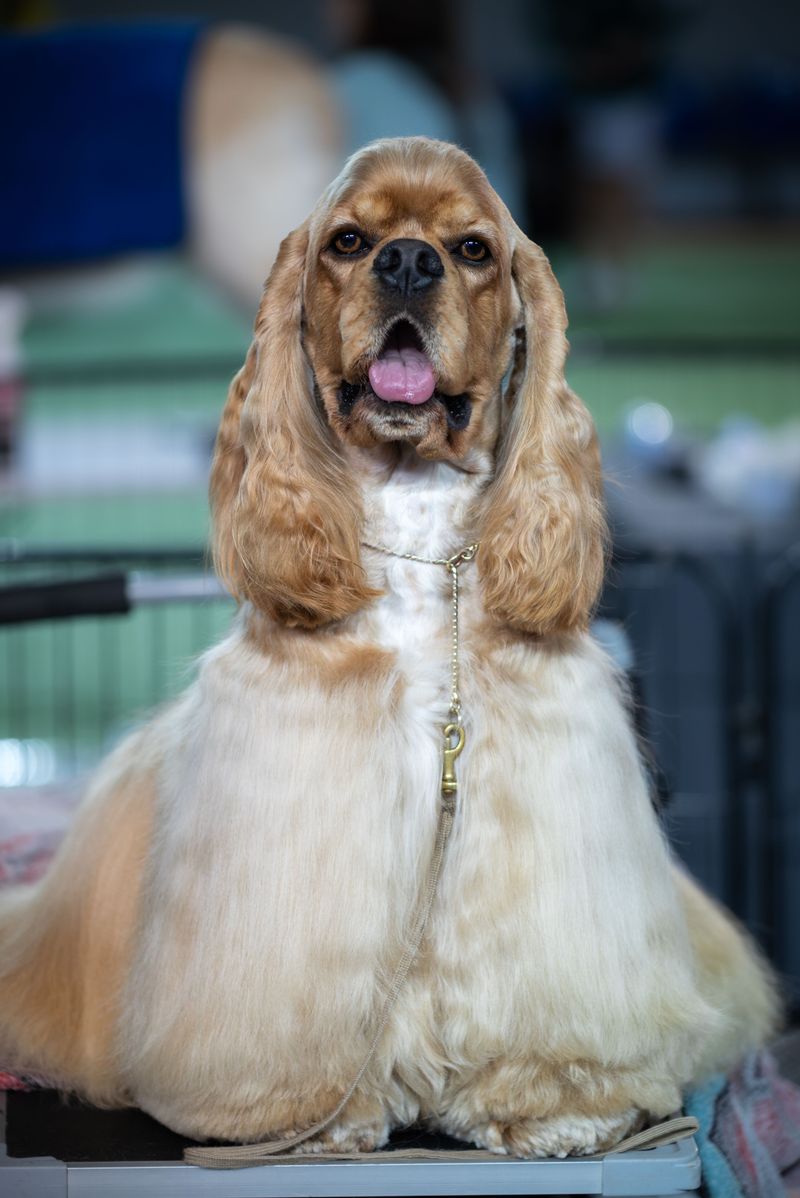
Silky ears and a wagging tail make every snack feel deserved. Cockers can pack on weight if the treat jar rules the day.
Measure meals, use training kibble, and keep grooming sessions as rewards themselves. A tidy coat, clean ears, and kind words go far.
Fetch in short bursts, then practice calm settles. Rotate toys to keep interest without adding calories.
A steady routine helps prevent begging from turning into a family habit.
Pembroke Welsh Corgi
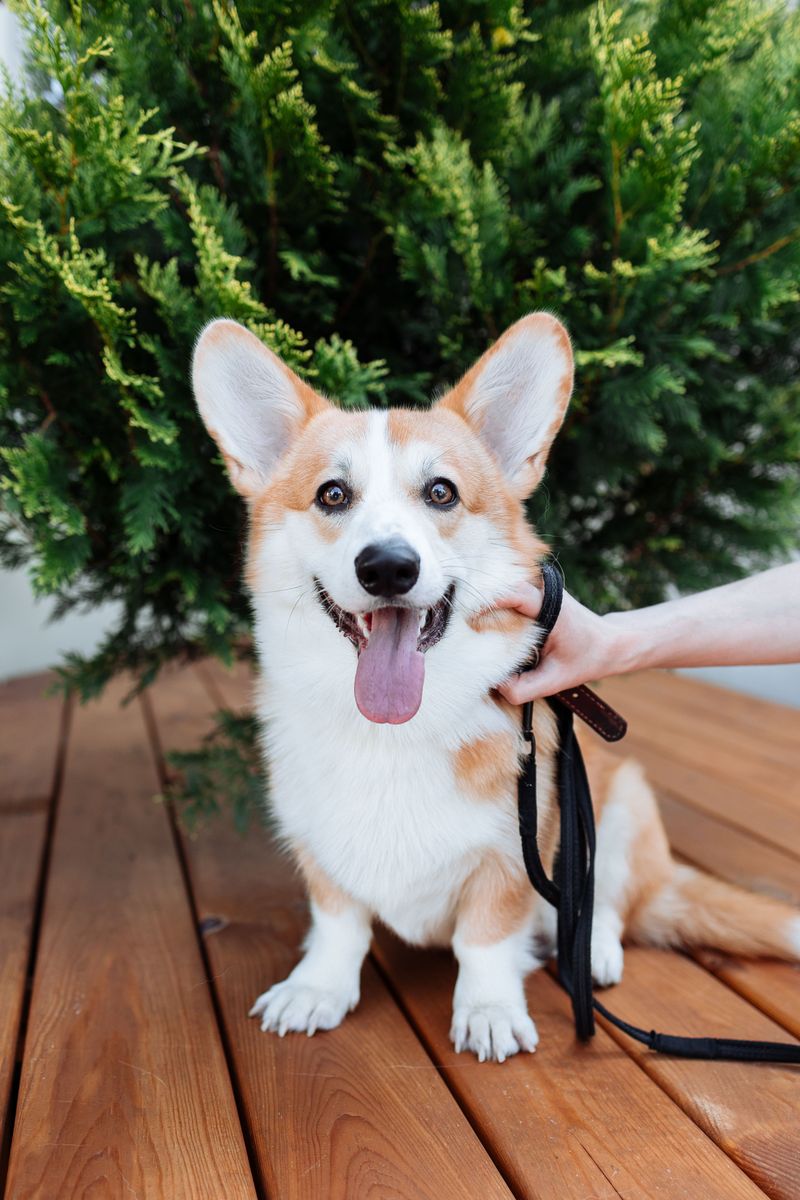
Short body, big appetite, and a herder’s mind can lead to extra snacking. Corgis thrive when work replaces freebies.
Try low jumps, target games, and heelwork to earn tiny rewards. Keep jumps low to protect their back and use a scale weekly to stay on track.
They love routines and clear jobs. Give them chores like carrying a toy to the basket.
Praise counts, and so does a well-timed game of chase-the-hand.
Miniature Schnauzer
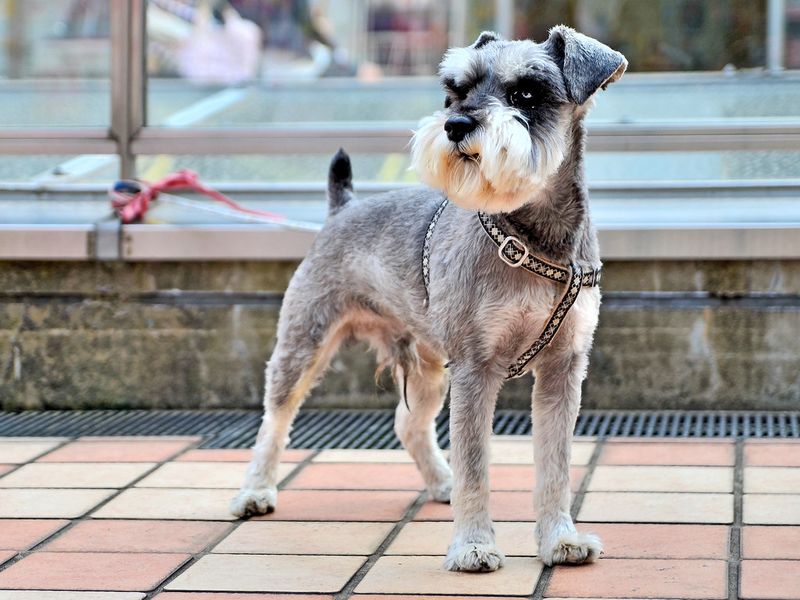
Bright, busy, and outspoken, Mini Schnauzers often outsmart soft rules. Snacks can become negotiations, so set clear cues.
Clicker sessions with tiny treats keep their brain happy while controlling calories. Add brisk walks and short drill circuits to channel that spark into effort.
They enjoy jobs like alerting to a doorbell or finding a hidden toy. Rotate rewards between food, praise, and tug to avoid dependence.
Consistency keeps the sass fun, not pushy.
Boxer
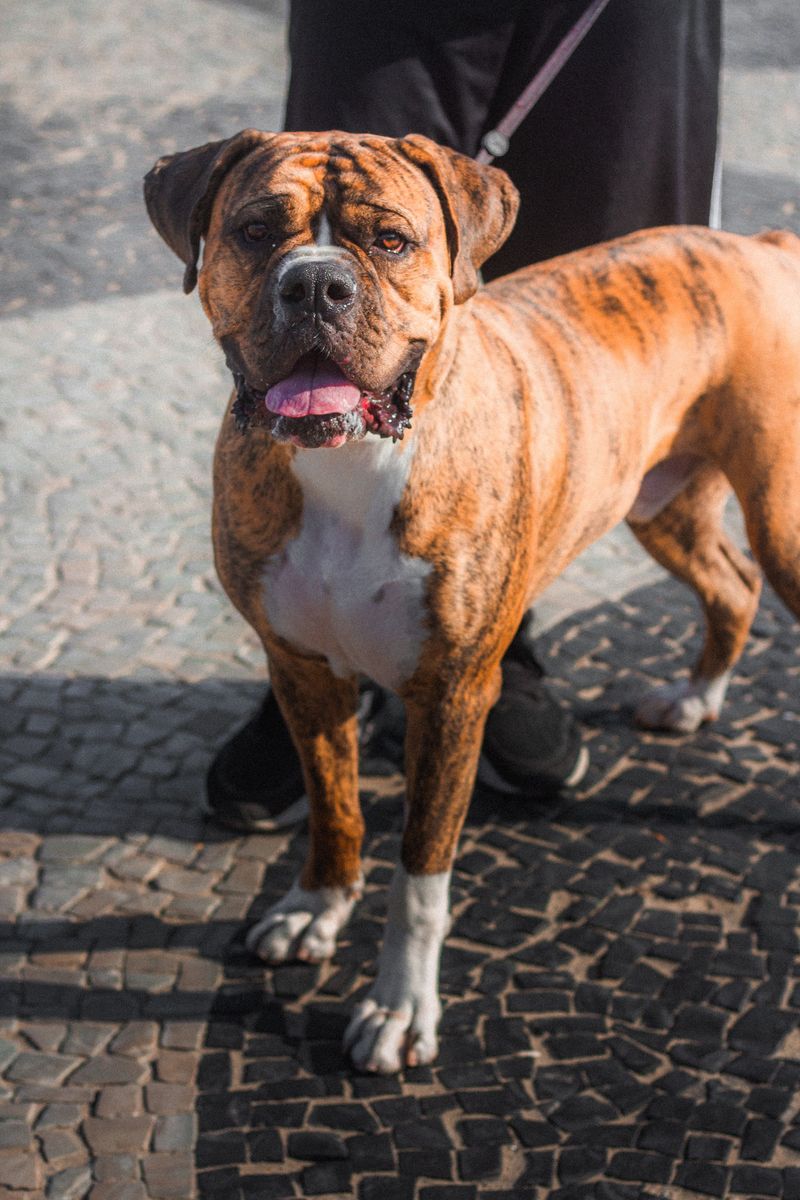
With springy energy and clownish charm, a Boxer can earn endless treats just by being hilarious. Too many calories dull that bounce.
Trade piles of snacks for high-energy play like fetch or flirt pole sessions. Use measured meals and save food rewards for focused training.
Short bursts of exercise suit them well. Mix play with cooldown walks and simple obedience.
Your attention and a good game can outshine any cookie, keeping muscles strong and mood bright.