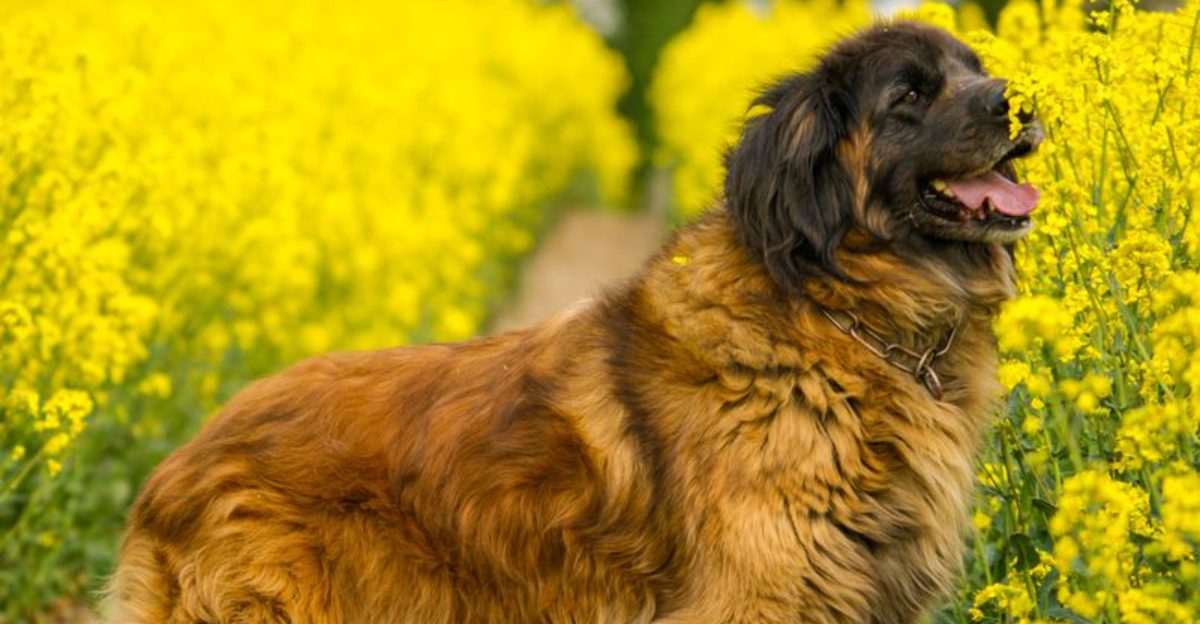
When life gets loud, a calm dog can keep a home peaceful. A steady first reaction helps during doorbells, busy streets, or playtime surprises.
Owners trust dogs that pause, think, and choose gentle actions. Here are loyal companions known for cool heads and kind hearts.
Leonberger
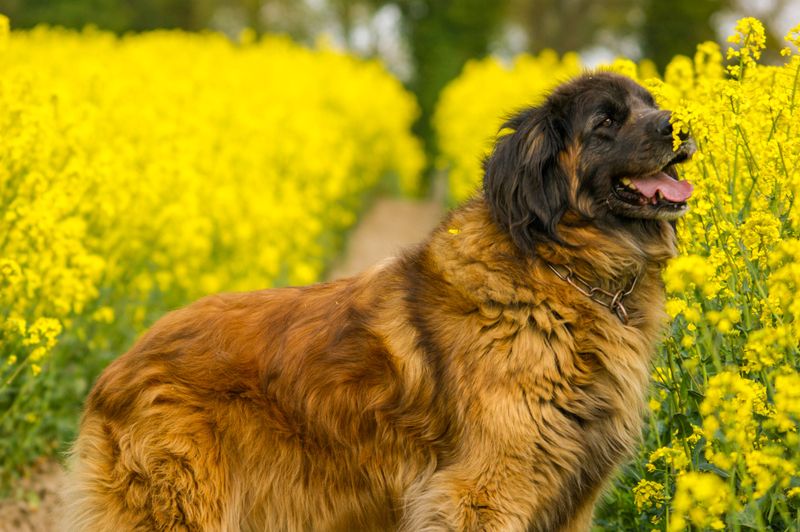
With a lion-like mane and a mellow mind, the Leonberger handles surprises with steady grace. A dropped pan, a loud knock, or a flapping umbrella rarely rattles this giant.
Daily walks, calm greeting practice, and gentle exposure to new places shape that cool reaction even more. Watch for stress signals, like lip licking, and give space.
Families appreciate its patient nature during busy mornings. Brush often, teach a soft mouth, and reward quiet choices daily.
Newfoundland
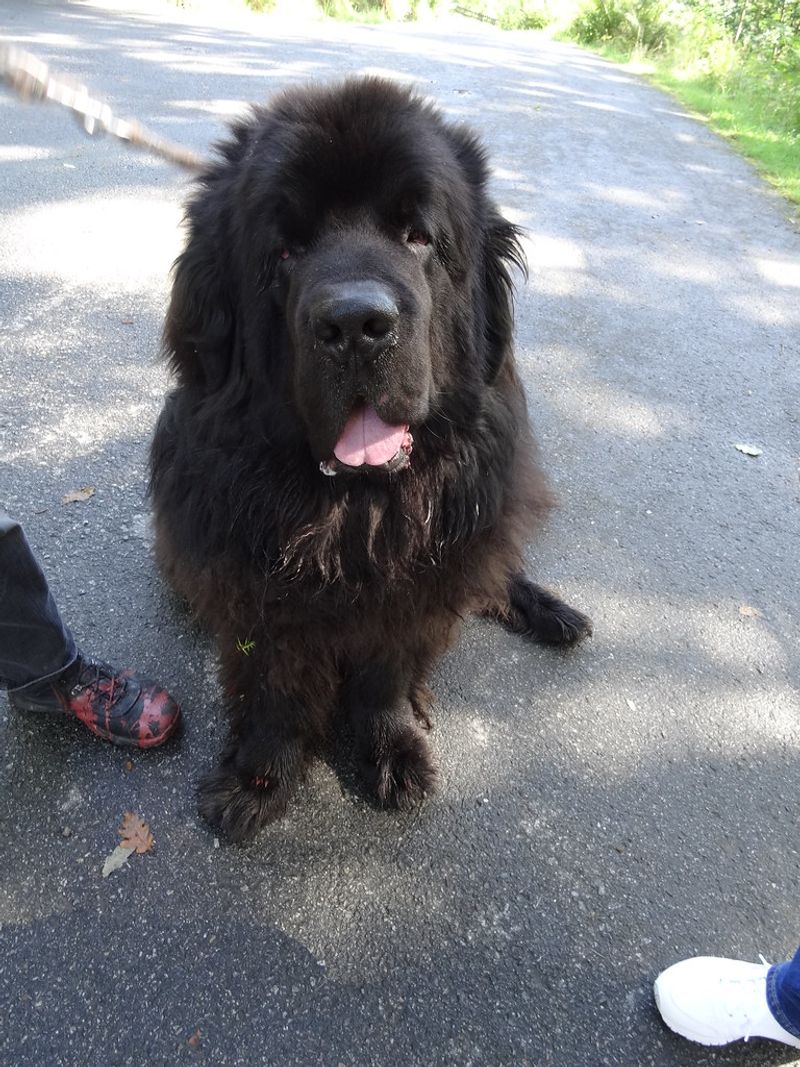
With a heart as big as its paws, the Newfoundland meets chaos with a slow blink and a wag. Stories of water rescues hint at its steady nerves.
Practice calm leash starts, door manners, and relaxed greetings to neighbors. Short training bursts with tasty rewards keep focus without pressure.
Mind the coat, since heat can tire this sweet worker. Provide shade, cool water, and paths so the dog can respond smoothly when life gets noisy.
Great Dane
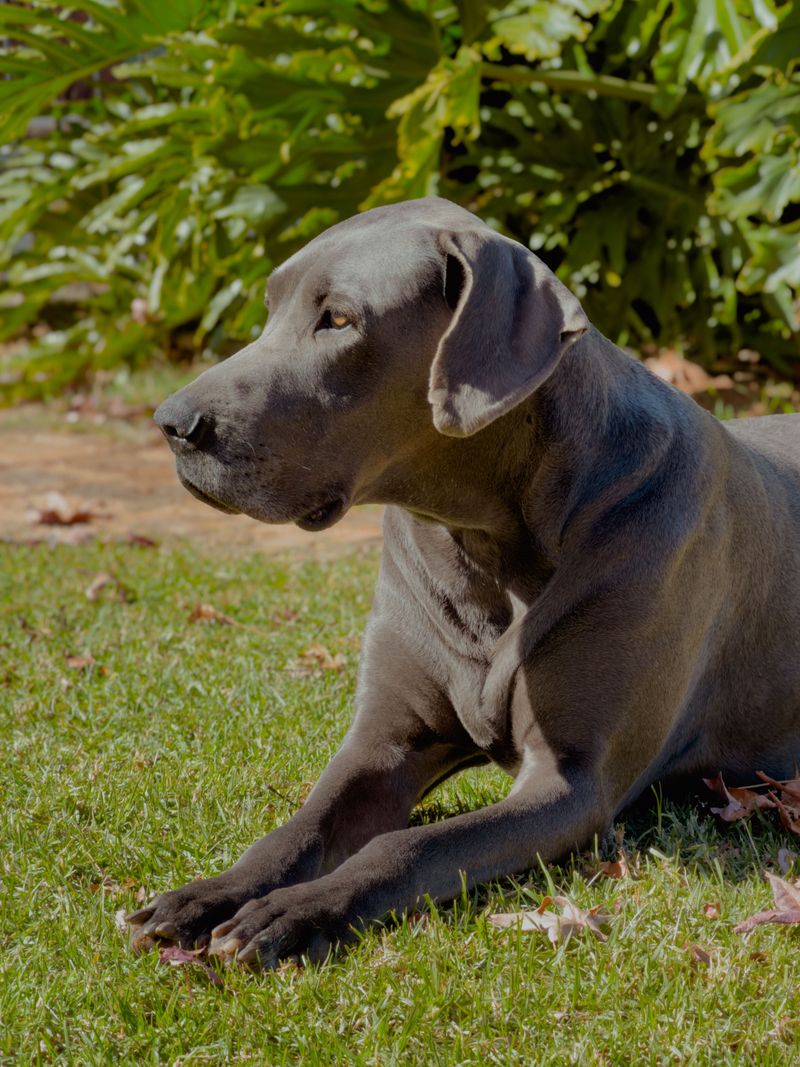
Everyone stares at the height, yet the Great Dane often answers fuss with a calm sit. Many owners call it a gentle shadow around the home.
Teach a default down, slow door exits, and quiet check-ins. Use big, soft beds to encourage resting while visitors arrive.
Because joints are huge, keep play low impact to avoid cranky reactions. Short social sessions, steady routines, and kind praise build a reliable, peaceful first response in daily life.
Finnish Lapphund
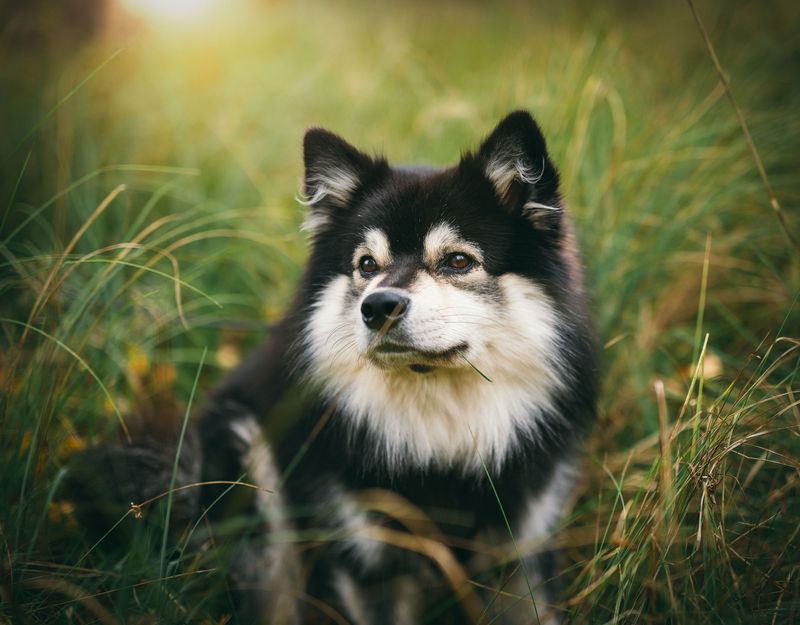
Born to work near reindeer, the Finnish Lapphund reads movement calmly before choosing what to do. That thoughtful pause helps in homes with kids and clatter.
Play the look-at-that game with new sights, then reward turning back to you. Leashes, soft voices, and clear cues build confidence without pressure.
A jog or puzzle toy takes the edge off days. Brush the dense coat, protect from heat, and expect a steady greeting rather than a rush.
Keeshond
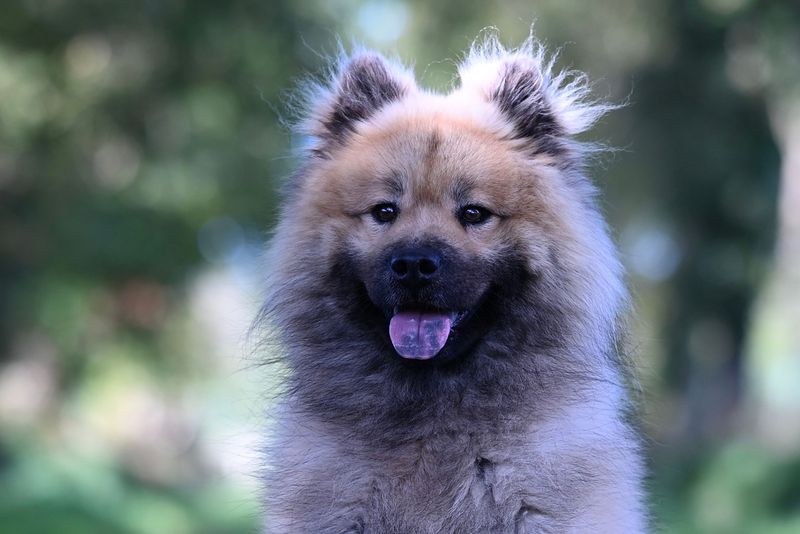
Nicknamed the smiling Dutchman, the Keeshond often greets commotion with bright eyes and a polite pause. Barking can happen, yet recovery is fast when guided.
Teach a station on a mat, pair doorbells with treats, and practice calm looks out the window. Fun tricks satisfy the busy brain and ease reactivity.
Groom the plush coat while playing music to build patience. Keep walks and short, and you will see a cheerful, balanced first response grow.
Rough Collie
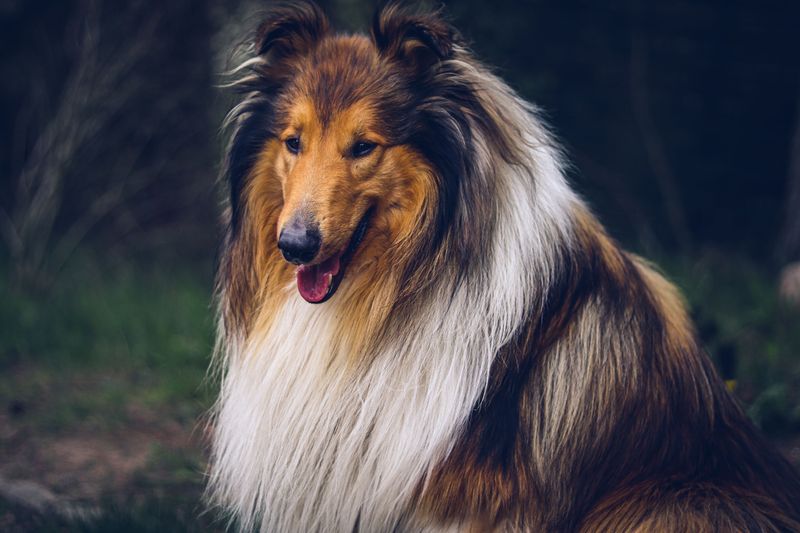
Stories of Lassie aside, the Rough Collie notices trouble but chooses calm, confident action. Many are watchful without being noisy.
Build a settle cue near doors, then praise quiet scanning. Gentle herding games, like figure eights on leash, let instincts work in a peaceful way.
Because the coat is long, regular brushing prevents discomfort that could spark cranky moments. Add consistent routines, kind boundaries, and eye contact to keep that steady first response shining daily.
English Setter
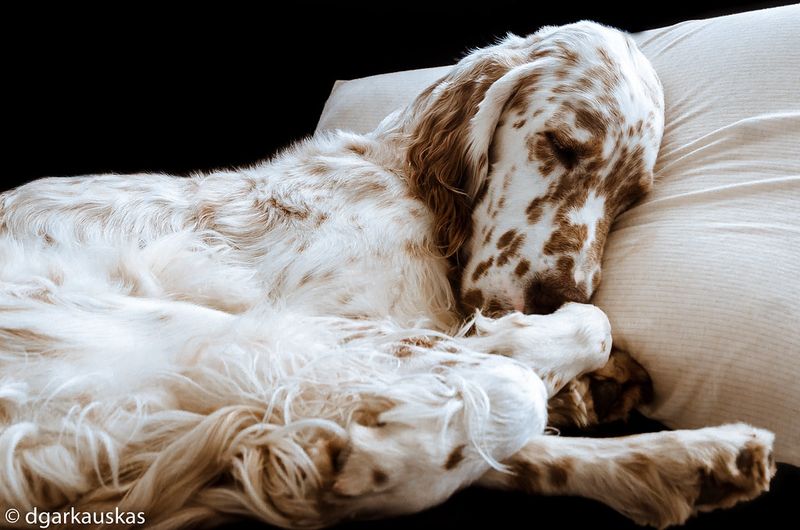
Bird-dog roots gave the English Setter patience while it waits for a cue. That same patience helps during doorbells, school rush, and clumsy spills.
Try chin-rest training for vet checks, and practice relaxed sits before greeting guests. A sniffy walk offers focus without fuss.
Light frames need kind handling, so avoid yanking or loud corrections. With fair rules, steady schedules, and tasty rewards, you will see a calm first response turn into a lasting habit.
Smooth Collie
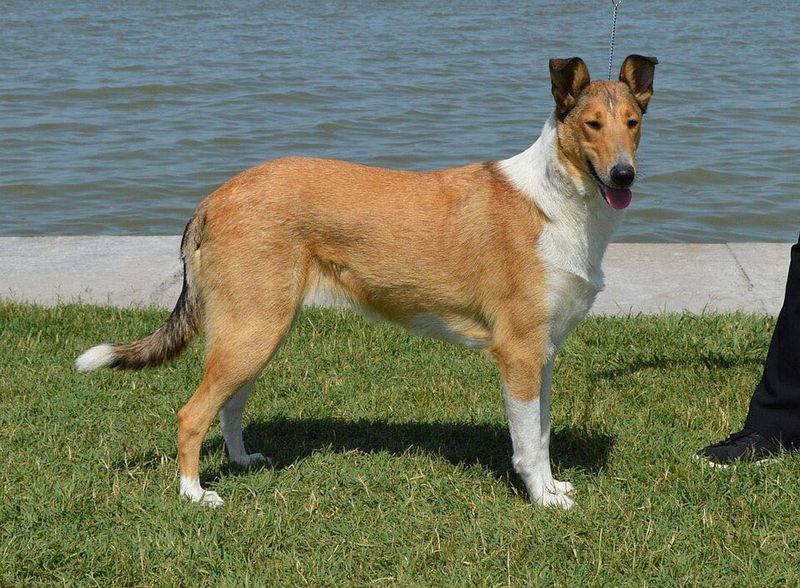
Short coat, same brainy heart, the Smooth Collie brings composed thinking to busy homes. Quick to observe, slow to overreact, it takes cues well.
Teach a hand target as a reset button during surprises. Reward quiet glances at skateboards, strollers, and loud carts.
Since grooming is simple, you can spend more time on patient social time. Regular naps, predictable meals, and short skill games keep that calm first response ready.
Confidence grows with kind coaching.
Boxer
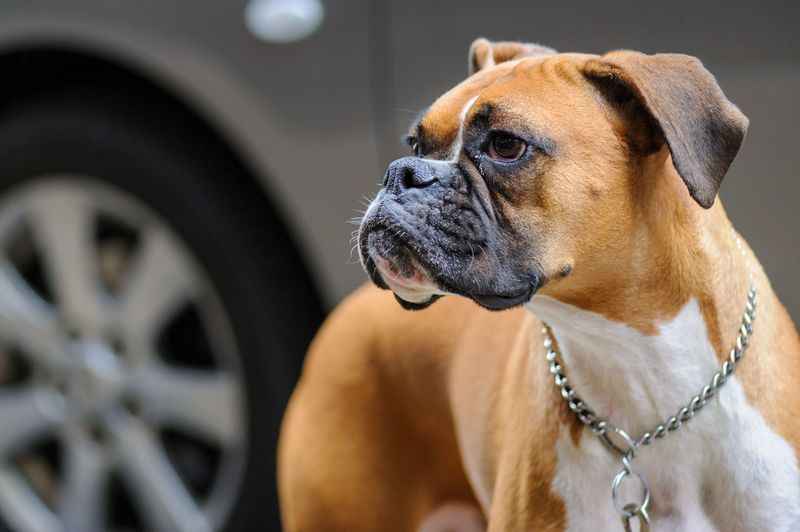
Goofy grins aside, a well-trained Boxer can switch from bounce to polite stillness in a heartbeat. That quick control makes outings easier.
Channel energy with structured fetch, impulse-control games, and sit-to-greet moments. Use clear cues and laugh often to keep training fun.
Watch for overexcitement, since boxers play hard. Calm breathing, shaded breaks, and short practice sessions teach a measured first reaction that owners trust.
Soft toys help redirect mouthy moments politely during exciting greetings.
Clumber Spaniel
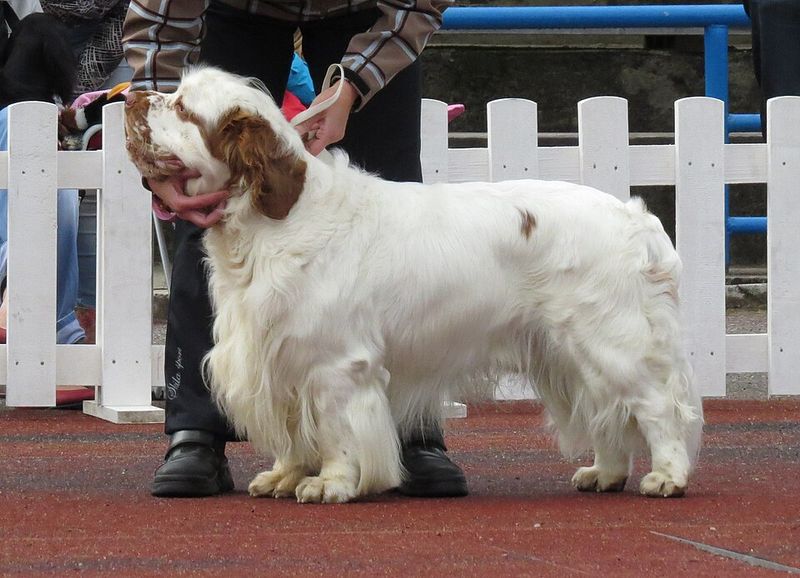
Low and lumbering, the Clumber Spaniel treats sudden sounds like leaves in the breeze. A calm blink, a sniff, then back to business.
Encourage nose work, slow fetch, and patient waits at doors. Food puzzles can stretch focus while keeping spirits easy.
Mind weight, because extra pounds strain joints and sour moods. Gentle exercise, tidy ears, and kind praise protect that relaxed first response during busy family life.
Nap spots near people build comfort daily.
Bernese Mountain Dog
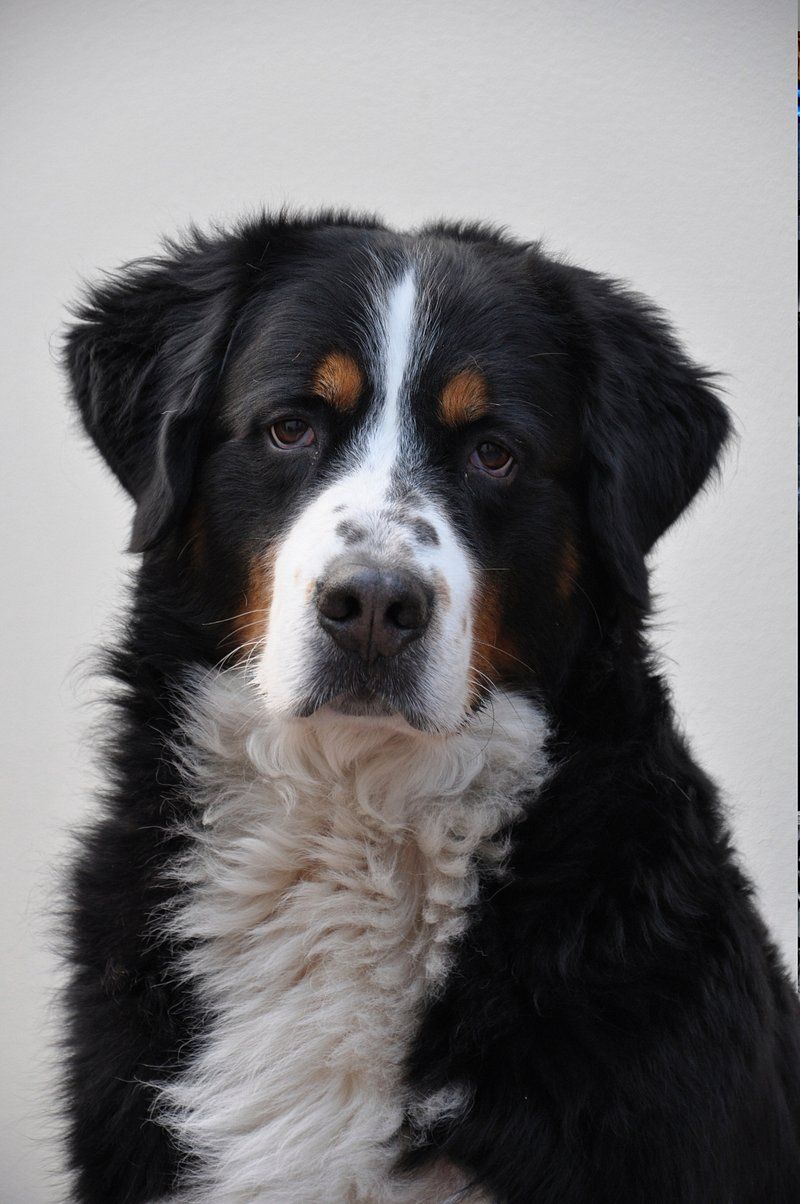
Farm-bred patience gives the Bernese Mountain Dog a slow, thoughtful start when surprises pop up. Many will sit and check in before moving.
Practice calm cart pulls with empty weight, or simulate by walking beside a wagon. Reward steady steps and soft eyes.
Heat can sap energy, so plan cool outings and shady rests. With fair training, supportive gear, and consistent routines, that calm first response becomes a trusted part of daily life.
For everyone.