
Life brings surprises, from sudden noises to busy crowds. Some dog breeds handle these moments with steady hearts and quick recoveries.
Understanding which pups bounce back helps families choose happy, low-stress companions. Meet ten breeds that turn small hiccups into everyday wins.
Labrador Retriever
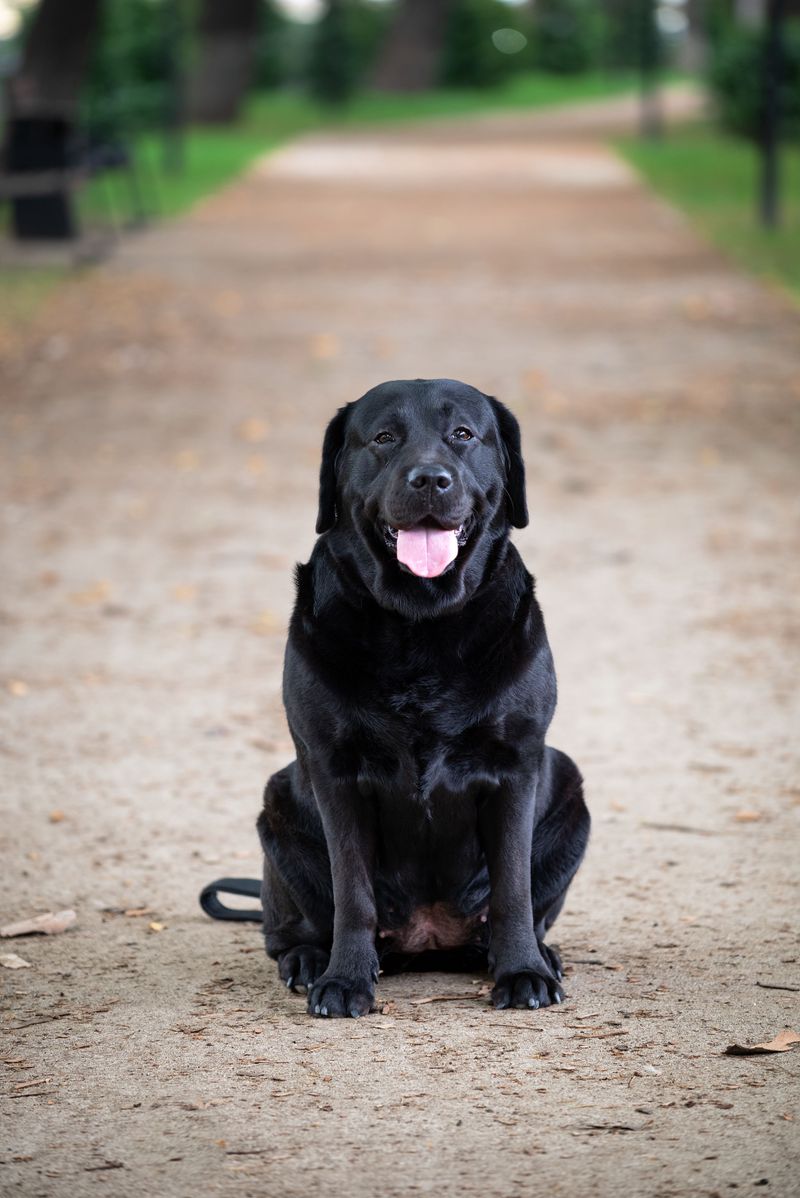
With a grin and a wiggle, a Lab shrugs off small surprises like a dropped pan or a sudden rainstorm. They bounce back fast thanks to confident temperaments and a love for people.
Keep routines steady, offer training games, and give fetch to drain energy. Socialize at parks and stores so sights become normal.
Fun fact: despite the name, the breed’s roots trace to Newfoundland. Calm leadership and clear cues help hiccups fade into nothing.
Havanese
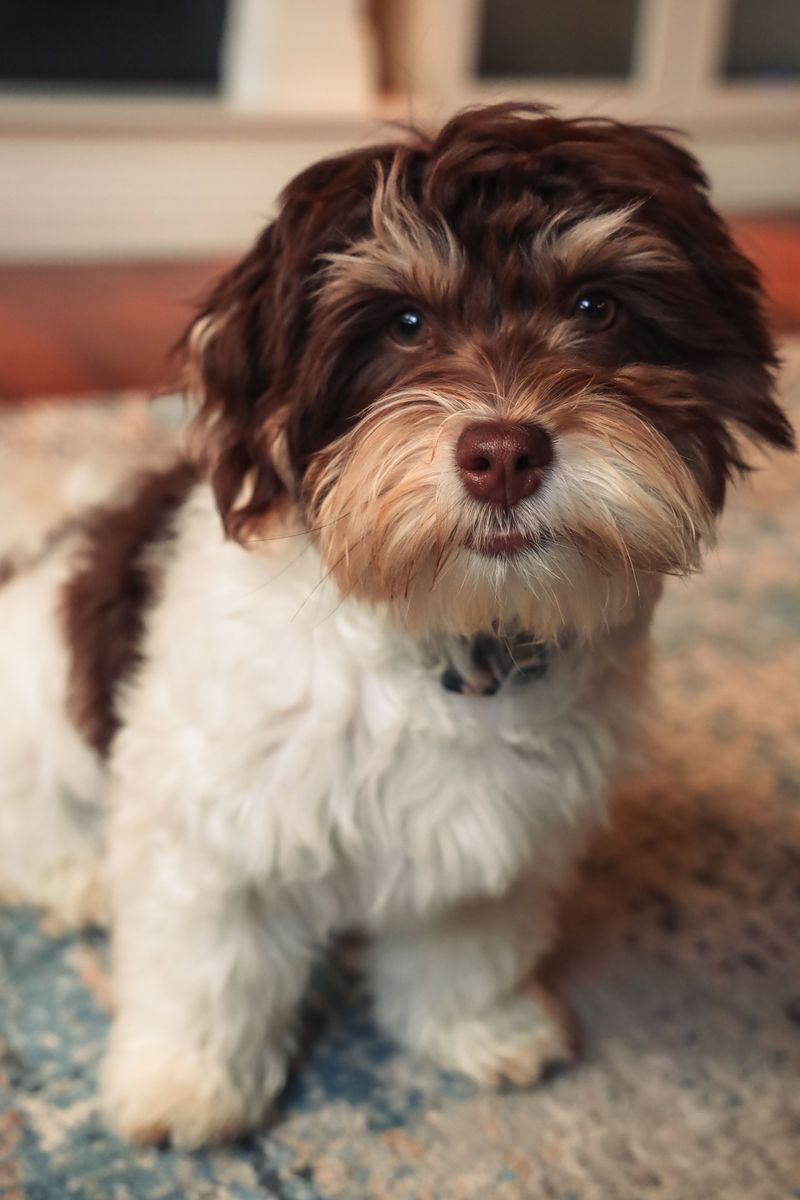
Small city noises rarely rattle a Havanese for long, especially when a lap is nearby. Their cheerful sparkle turns odd moments, like a scooter zipping past, into curiosity.
Build confidence with gentle trick training and short sidewalk walks. Rotate toys and practice calm greetings at doorbells.
Originating in Cuba, this breed loves close contact, so use cuddles as rewards. If something startles them, pause, breathe, then treat for brave steps.
Soon, worries melt like sugar.
Flat-Coated Retriever
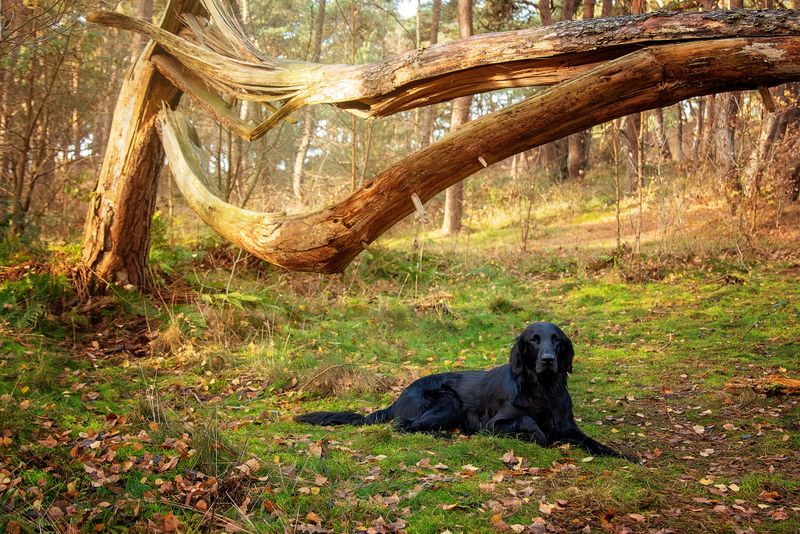
Always up for a joke, the Flat-Coat treats surprises like plot twists in a happy story. A gust of wind or clatter of dishes usually earns a tail swish and a grin.
Channel that optimism with field games, scent puzzles, and recall practice. Keep sessions short, upbeat, and varied.
A sporting heritage makes exercise vital, so schedule swims or hikes. When hiccups happen, mark calm behavior with a click and a treat, then move confidently.
Portuguese Water Dog
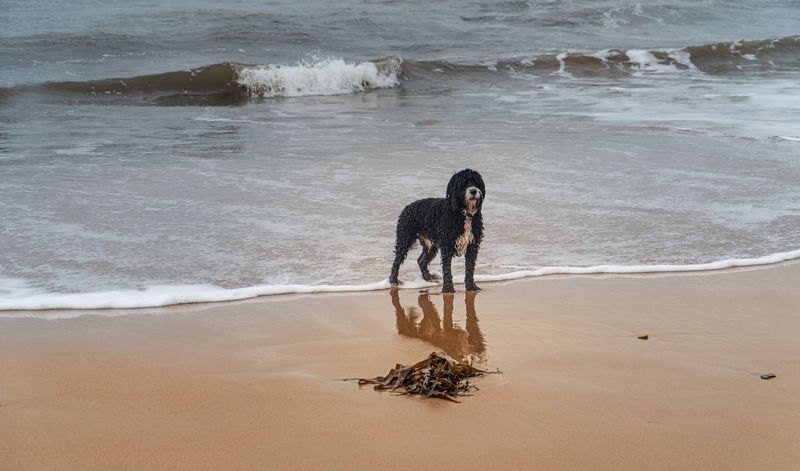
Splashes fix many worries for the Portuguese Water Dog, who seems to think life is one big shoreline. Sudden changes feel smaller after a swim or a goofy fetch with a floating toy.
Use water-safe training, long lines near lakes, and upbeat cues. Brush that curly coat while playing music to pair new sounds with comfort.
History note: they once helped fishermen, so tasks matter. Short jobs, like carrying a rope, turn surprises into simple work.
Standard Poodle
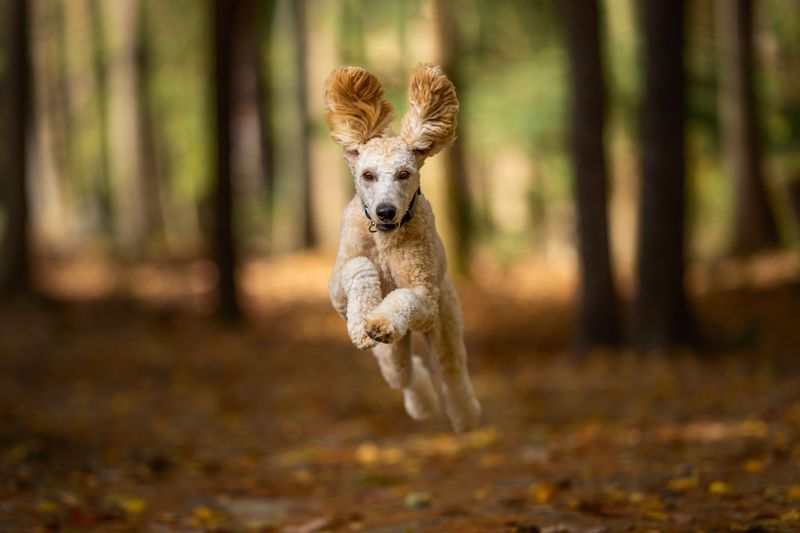
Brains and bounce make the Standard Poodle a quick problem solver when life throws curveballs. A dropped skateboard or odd costume gets a head tilt, then thoughtful calm.
Feed that smart mind with shaping games, place training, and nose work. Grooming sessions turn into practice for patience, using treats.
French in fame but German by origin, the breed values clear structure. Plan walks, then teach a reset cue like take a breath to smooth surprises.
Boston Terrier
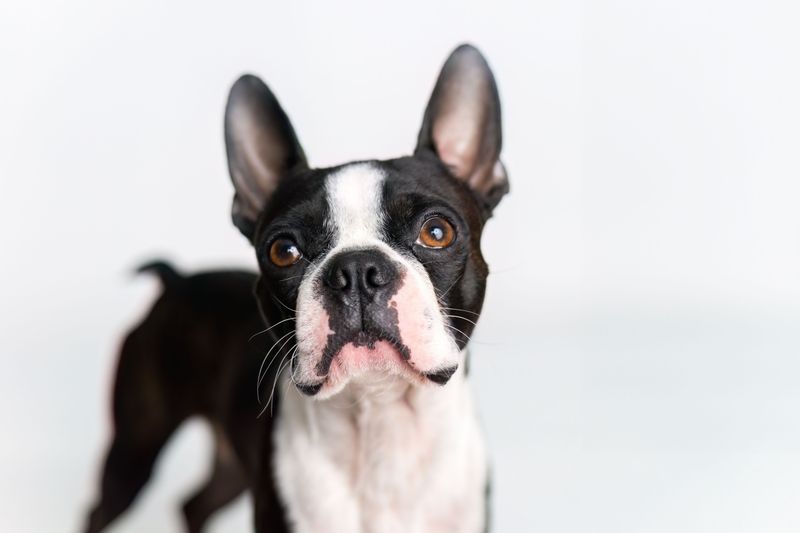
Those big, round eyes miss nothing, yet the Boston often bounces past drama with a snort and a wag. Even a loud bus or clanging elevator soon becomes background noise.
Short bursts of play, polite leash manners, and chill time on a mat build stability. Watch breathing in hot weather, and choose calm routes.
Nicknamed the American Gentleman, the breed shines at city life. Reward brave check-ins with treats, and keep greetings friendly, not overwhelming.
Beagle
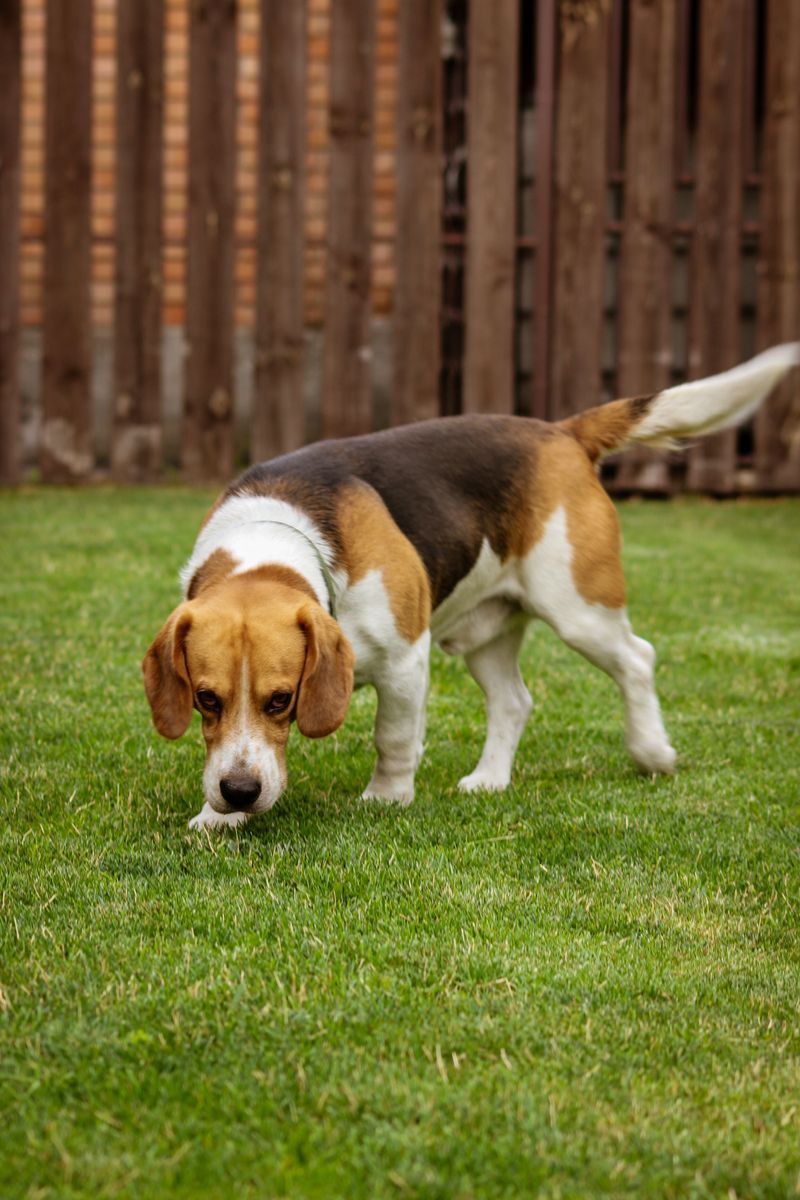
Nose first, the Beagle often laughs off odd moments because a new scent steals the spotlight. Even thunder loses to the promise of a trail.
Use that super sniffer with find-it games and scatter feeding. Practice calm check-ins between sniff breaks, rewarding eye contact.
Early recall training is crucial, so keep a long line until reliable. From hunting packs, Beagles read dog body language well.
Set clear routines, and small stumbles will pass like clouds.
Bichon Frise
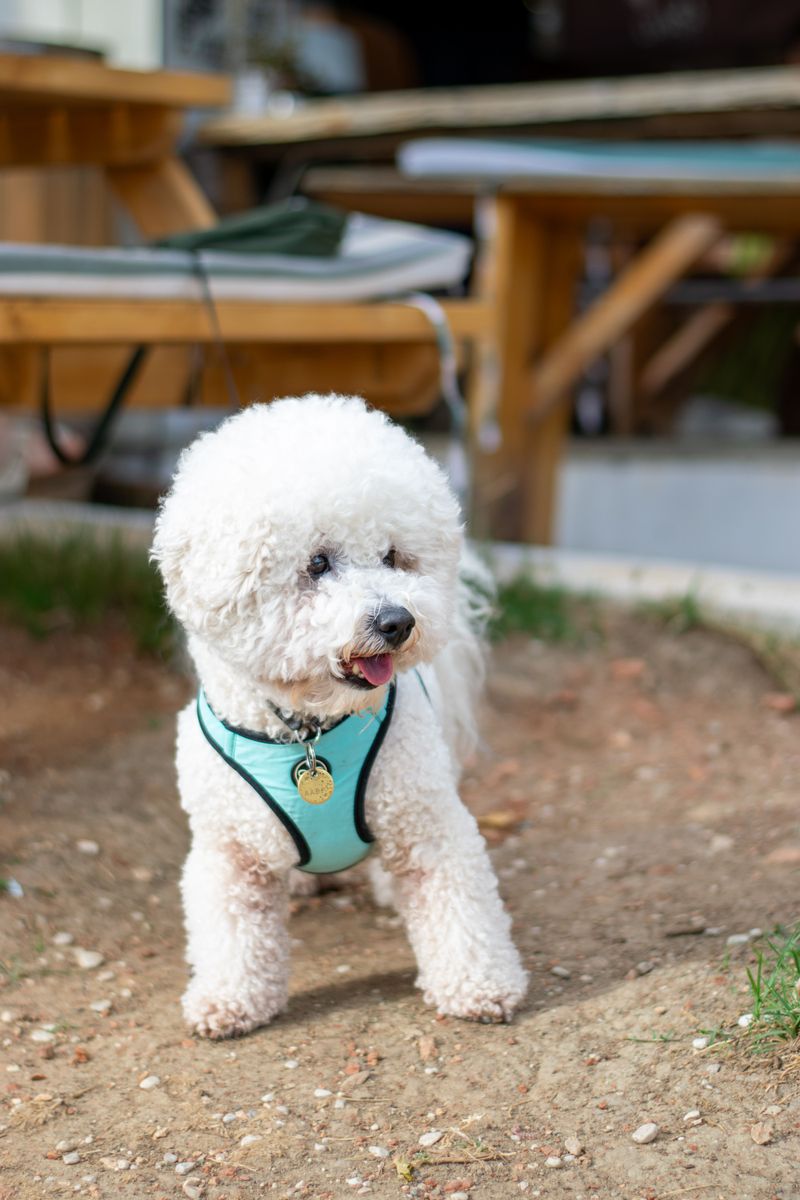
Like a tiny cloud with pep, the Bichon turns awkward moments into chances to perform a silly spin. A startled squeak quickly changes to cheer when praise arrives.
Play hallway fetch, teach target touch, and use short grooming sessions for patience practice. Rotate visitors with hellos to prevent overwhelm.
The breed thrived in traveling shows, which explains their charm. Keep treats handy, reward curiosity, and pair new noises with games.
Soon, hiccups feel like rehearsals.
Nova Scotia Duck Tolling Retriever
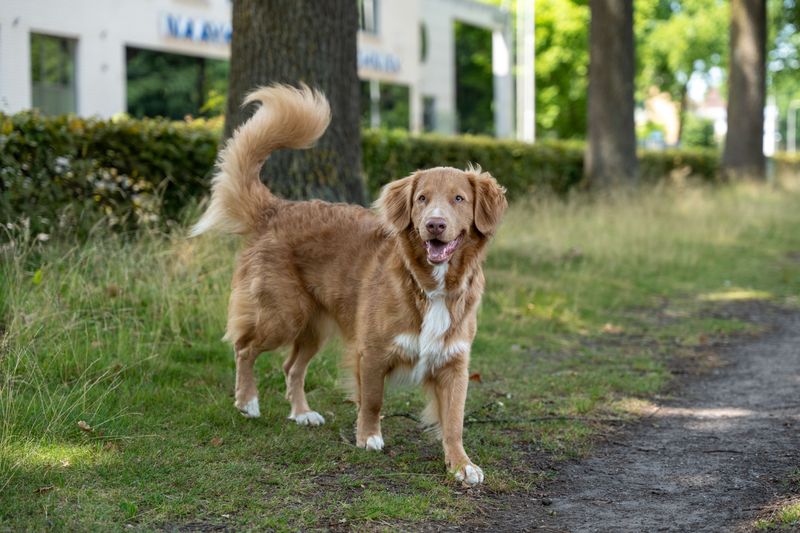
Orange coat flashing, the Toller treats life like a game of tag with the world. A slammed door might earn a bark, then a hopeful look for the next task.
Give jobs that use brain and body, like retrieving, platform games, and water play. Keep arousal balanced with settle cues and sniff breaks.
Developed to lure ducks, they thrive on purpose. When setbacks happen, reset with a simple win, then finish with a calm cuddle.
Golden Retriever
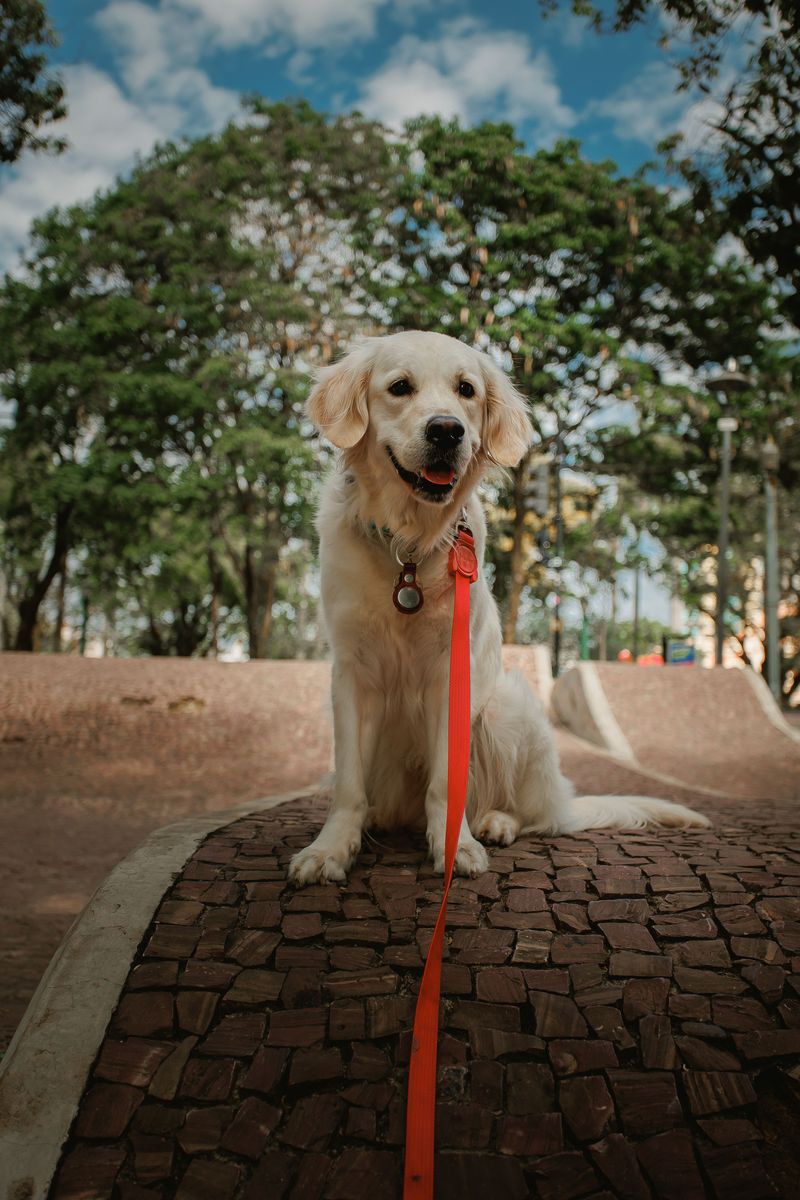
A sudden skateboard rattles by, and a Golden tilts its head, then brightens as if it heard a friend. Easy smiles and a steady heart help them reset fast after little shocks.
Keep confidence strong with daily walks, simple obedience, and calm exposure to busy sidewalks. Treats after surprises teach that odd sounds predict good things.
Fetch, swims, and nose work drain jitters.
Family plans matter too. Offer a quiet crate, stick to meal times, and invite polite guests for low pressure hellos.
Did you know the breed started as a Scottish hunting partner, selected for soft mouths and patience, which still shows whenever life throws a small curveball.
Boxer
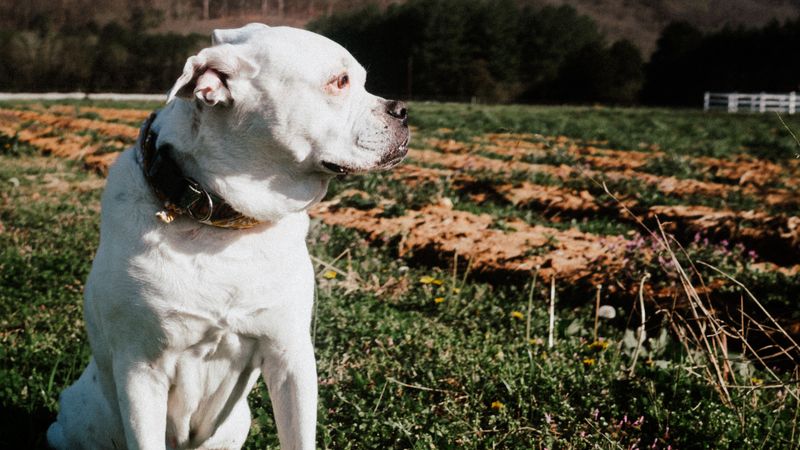
Clumsy zoomies happen, a lamp wobbles, and the Boxer pauses with wide eyes, then breaks into a goofy grin. Big energy and a comic spirit make slipups feel like part of the game.
Channel that bounce with structured play, short recall drills, and tug paired with drop cues. Quick resets keep minds busy, so odd bangs or a missed routine do not stick.
Short bursts of sniffing walks help settle the body.
For manners, greet new places at a distance first, then move closer when breathing stays loose. Fun fact, early Boxers worked as athletic utility dogs in Germany, which shaped their brave, try again outlook.