Some dogs do not rush into new places. They pause, look, and think before acting, which helps them stay safe and calm.
When we understand this style, we can guide them with patience and smart training. Here are thoughtful companions who often check first and move second.
Akita
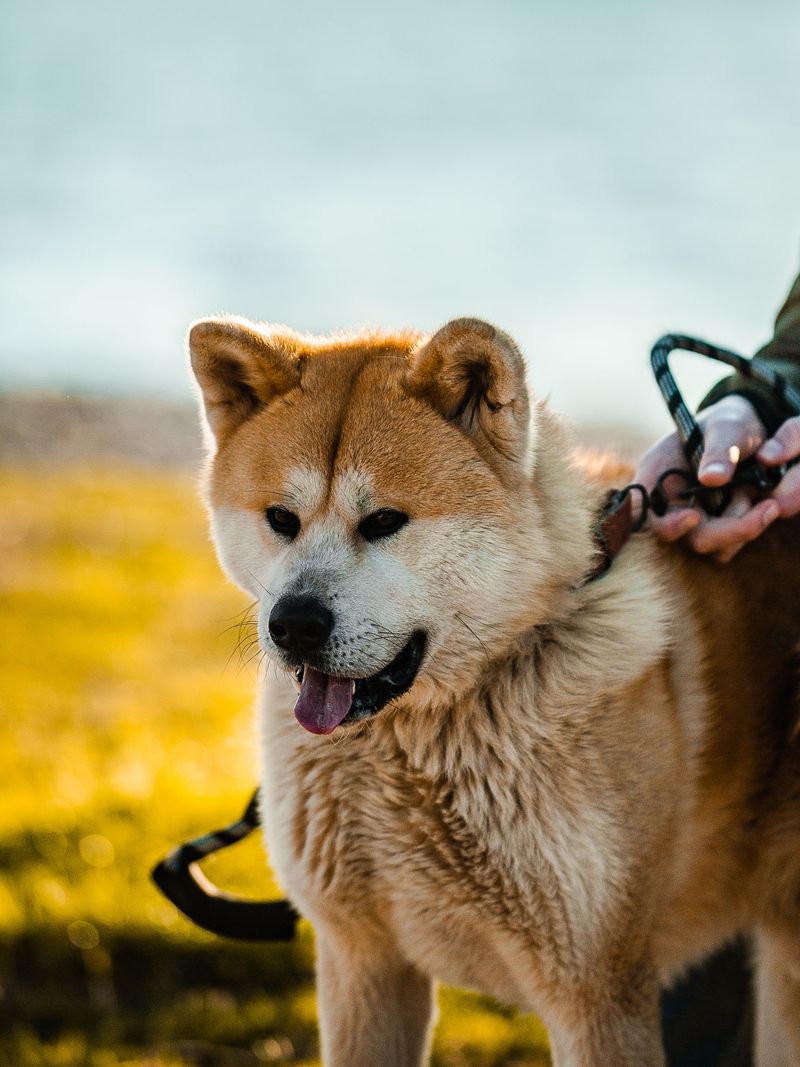
Big hearts wrapped in stoic manners, Akitas read a room like quiet detectives. They pause, watch, and decide whether a person or place feels safe before stepping closer.
Training works best with calm leadership, short sessions, and clear boundaries. Give them space to observe strangers, then reward polite greetings.
Daily exercise and brain games channel their serious focus into good habits. A fun fact, they once guarded Japanese nobility, which explains their thoughtful, loyal approach to new situations.
Basenji
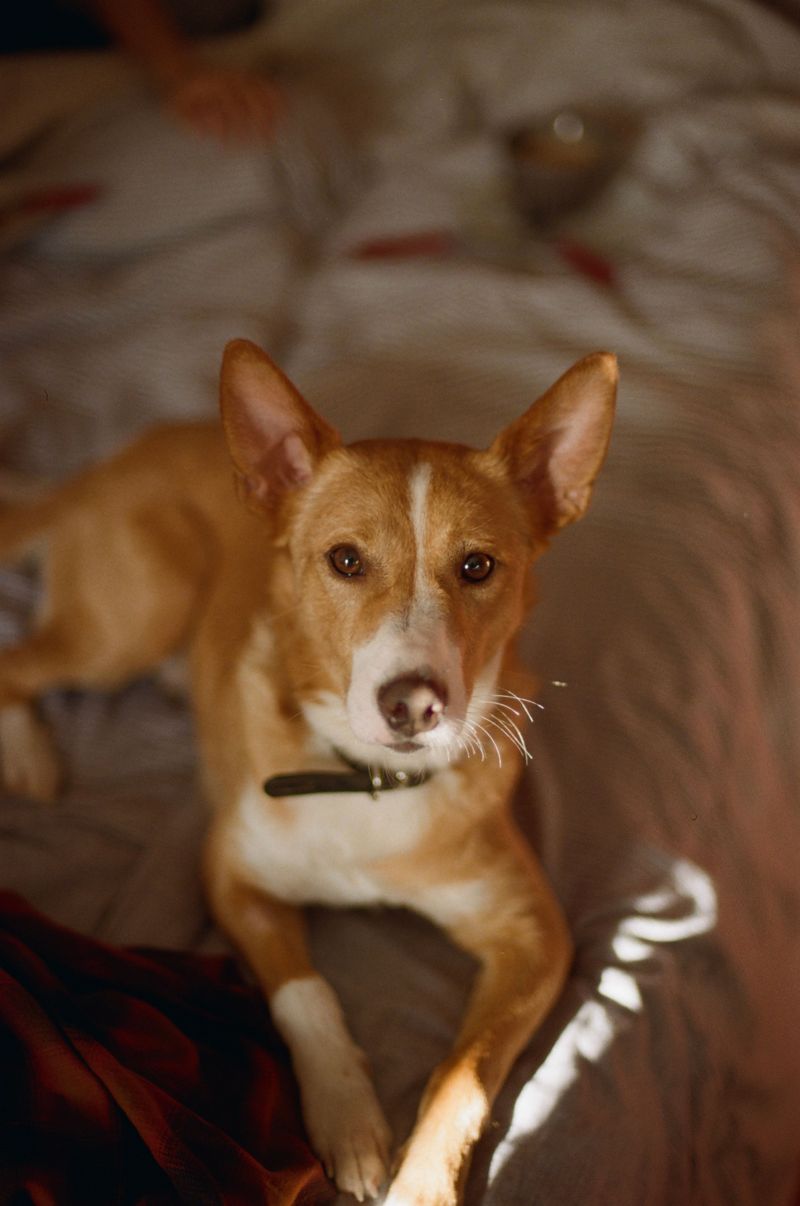
Known for a catlike pause before action, the Basenji studies everything with bright, puzzled eyes. Instead of barking, a soft yodel often announces what they have decided.
Keep introductions slow and upbeat, using treats after a sniff and a step forward. Puzzle feeders, scent games, and short walks in new places grow confidence.
History tidbit: they hunted silently along the Nile. That heritage shows in their careful scanning, quick bursts of movement, and strong wish to figure things out first.
Great Pyrenees
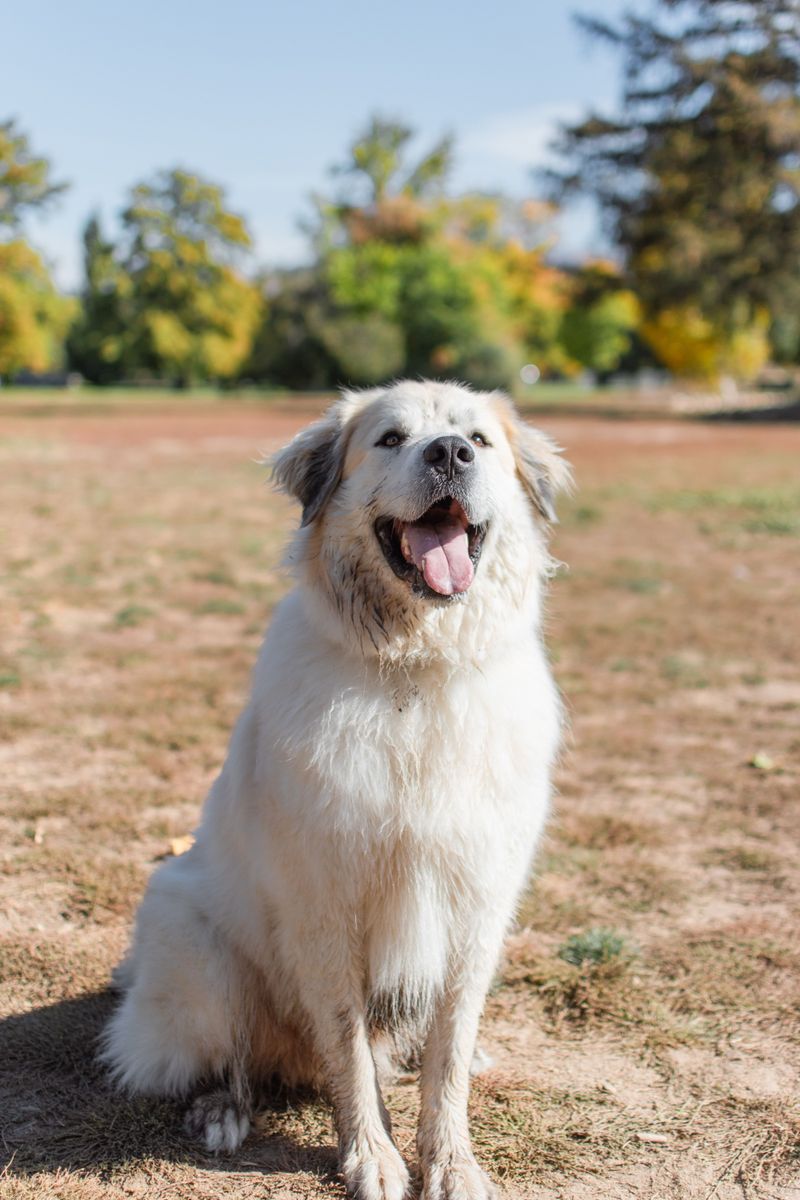
Snowy coats and steady eyes signal patience. A Great Pyrenees often plants their paws, studies the path, and only then decides to proceed.
Guarding flocks shaped their mindset, so quiet confidence grows when they have clear jobs. Try boundary walks, place training, and calm greetings at the gate.
Keep sessions gentle and brief to prevent stubborn standstills. Fun note, nocturnal patrol habits make them thoughtful watchdogs who prefer to verify sights and sounds before sounding any serious alarm.
Shiba Inu
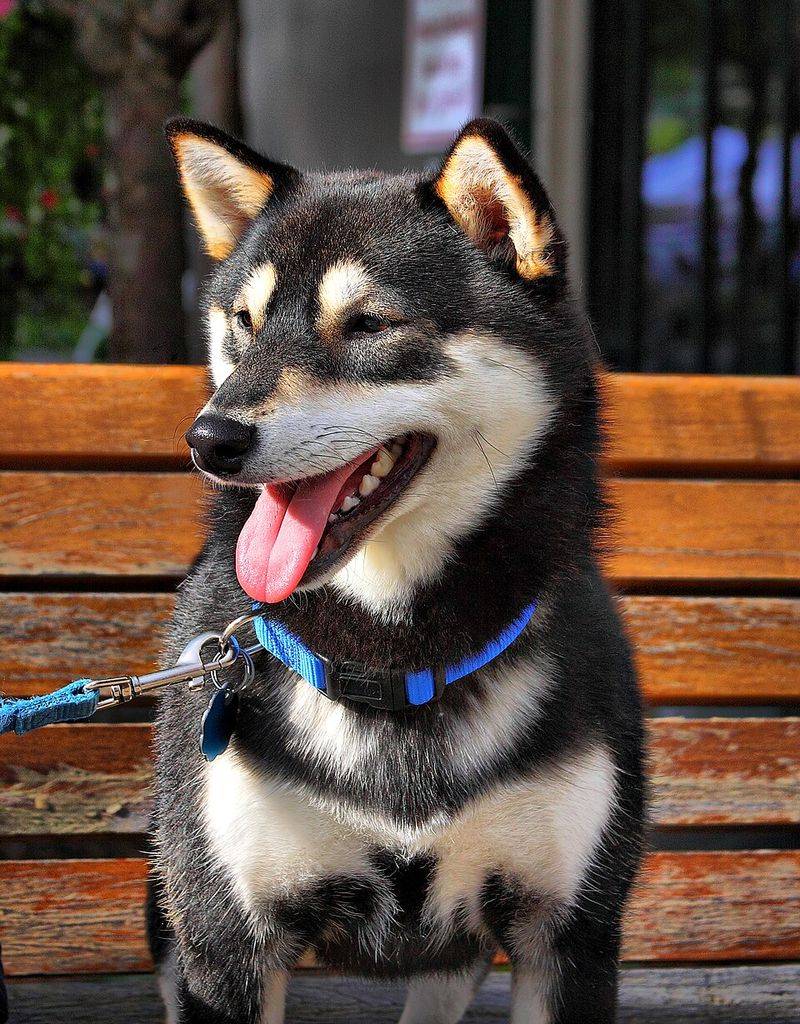
Like a tiny fox with big opinions, the Shiba Inu pauses to judge a scene before committing. You might see a slight head tilt as they weigh risks and rewards.
Respect that independence with choices, not pressure. Offer two routes on walks, let them sniff, then reward engagement.
Clicker training pairs well with their sharp minds. Also, the famous Shiba scream usually means strong feelings, not mischief, so manage excitement and keep greetings slow to help them settle into new places gracefully.
Standard Schnauzer
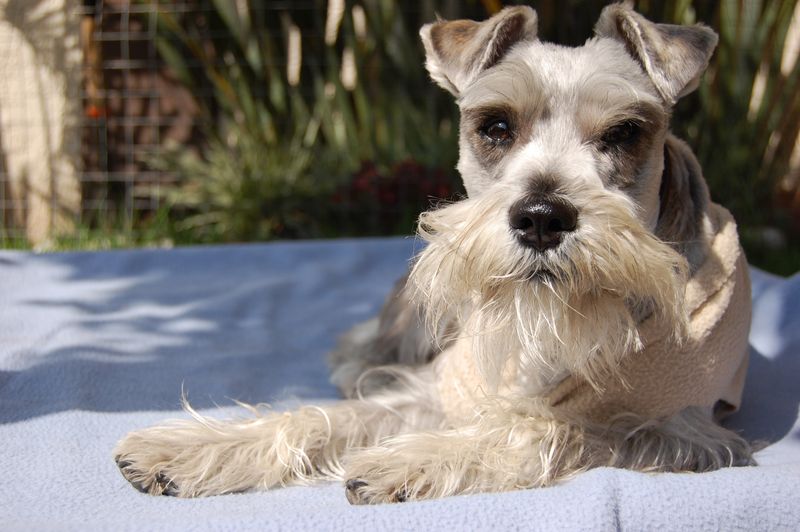
Whiskered eyebrows seem to raise a question first. Standard Schnauzers prefer to analyze sounds and movements, then decide how to respond.
Lean into that smart skepticism with jobs. Teach tidy tasks like bringing the leash, waiting at doors, or searching for a favorite toy.
Short, upbeat lessons prevent boredom and build trust. Originating as versatile farm helpers in Germany, they balance play and purpose, which makes thoughtful introductions, structured playdates, and fair rules the winning mix for new homes and busy neighborhoods.
Beauceron
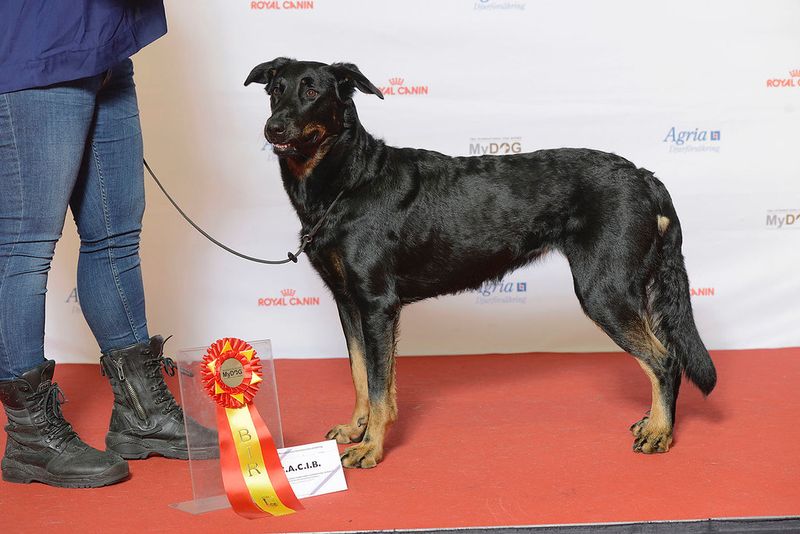
Farm-bred wisdom shows in the Beauceron’s careful eyes. They often circle wide, observe, and only then move in to learn more.
Confidence grows when they practice jobs like herding-style drills, obedience patterns, and long, steady walks. Keep your voice warm and your cues precise.
Socialization should be structured, with distance first and closeness later. A cool detail from France, their double dewclaws once helped on rough ground, matching their practical habit of testing footing and reading situations before committing.
Rhodesian Ridgeback
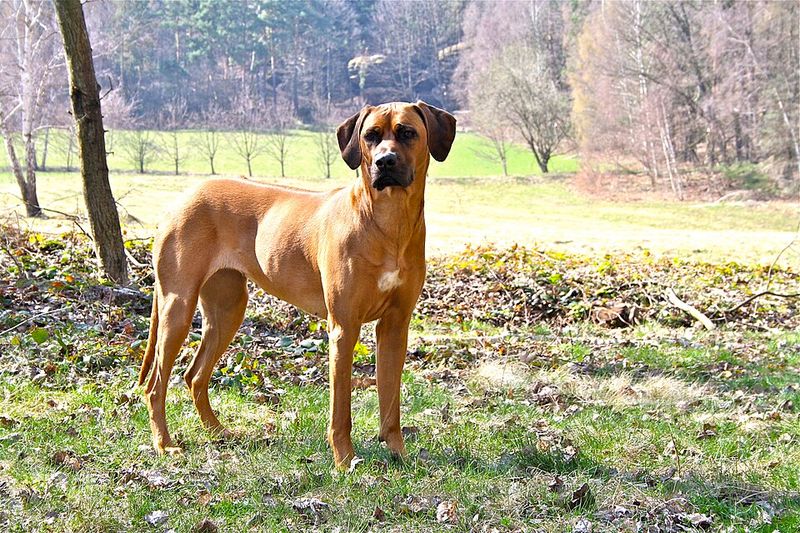
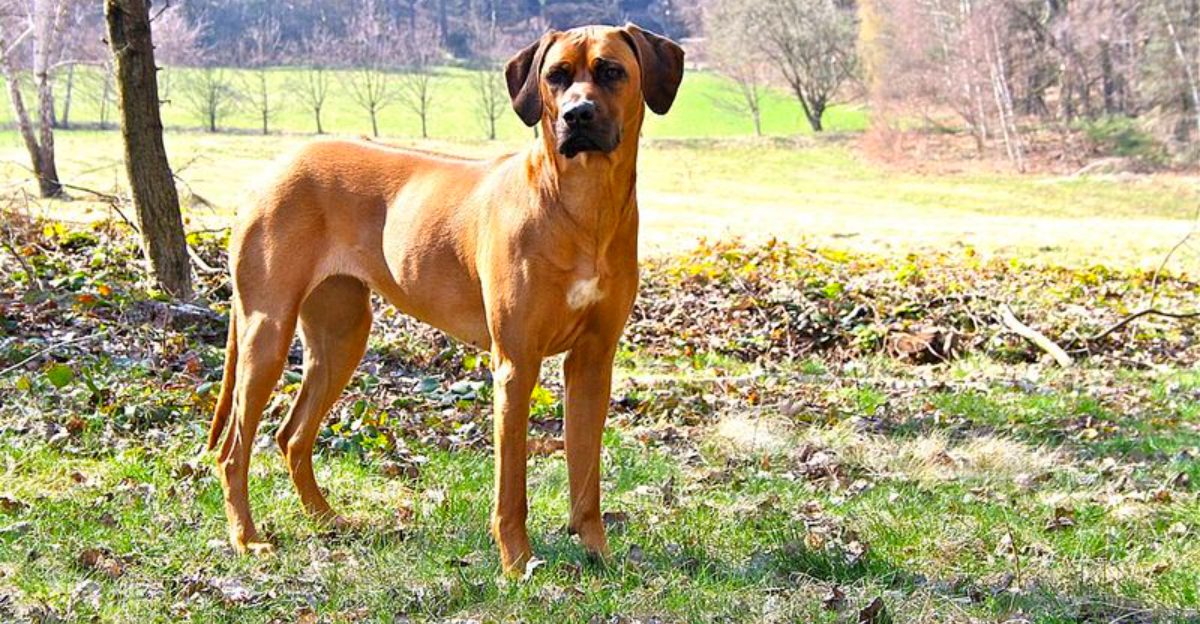
Born to track quietly, the Rhodesian Ridgeback sizes up new scenes with calm, level eyes. Many will stand tall, breathe, and think before greeting.
Give purposeful challenges like trail walks, recall games, and controlled fetch to focus that steady drive. Use food early, then fade to praise.
Prevent over-arousal with breaks and shade on hot days. History note, they once partnered with hunters in Africa, which explains both their thoughtful caution and their confidence when a plan finally makes sense.
Tibetan Spaniel
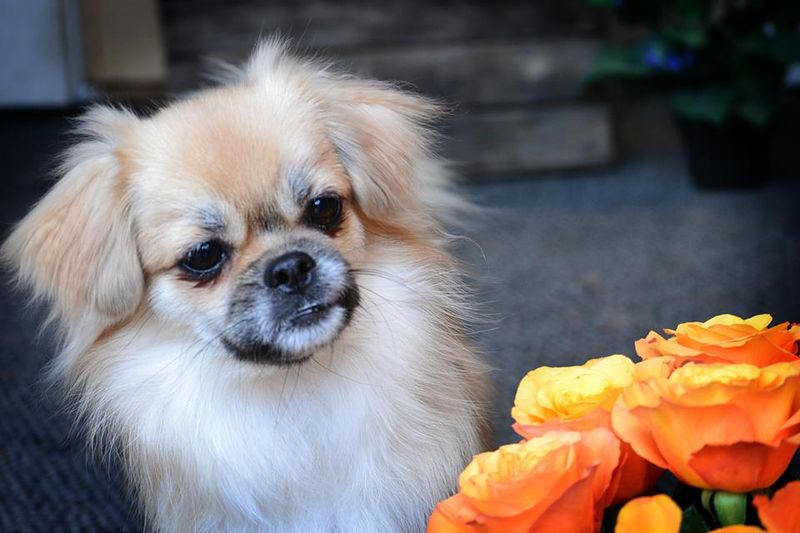
Perched in a window, the Tibetan Spaniel acts like a tiny lookout. They prefer to scan rooftops and doorways before saying hello.
Build trust by letting them choose the pace. Sit nearby, toss gentle treats, and praise any step forward.
Short stair climbs and perch games feed their love of high viewpoints. From ancient monasteries in the Himalayas, they learned to watch and warn, which explains their thoughtful checks before welcoming guests or exploring paths that feel unfamiliar.
Giant Schnauzer
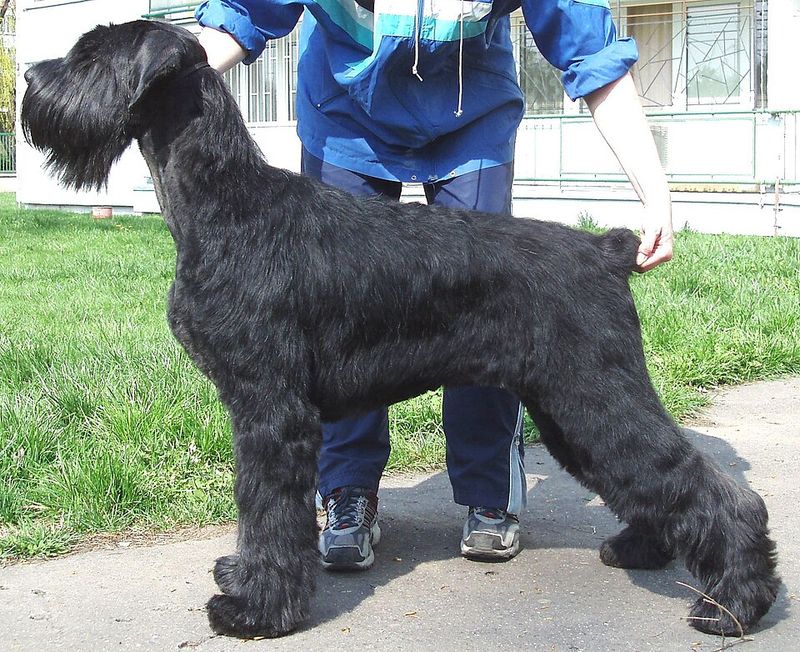
A powerhouse with a planner’s brain, the Giant Schnauzer prefers to survey the scene first. You can almost see calculations behind those eyebrows.
Channel that strategy with structured routines, heeling patterns, and tug games with clean rules. Clear stop cues and release words reduce guesswork.
As former drovers and guardians in Bavaria, they thrive when work feels meaningful. Introduce novel objects at a distance, reward curiosity, and progress step by step so their bold strength pairs with wise choices in unfamiliar places.
Chow Chow
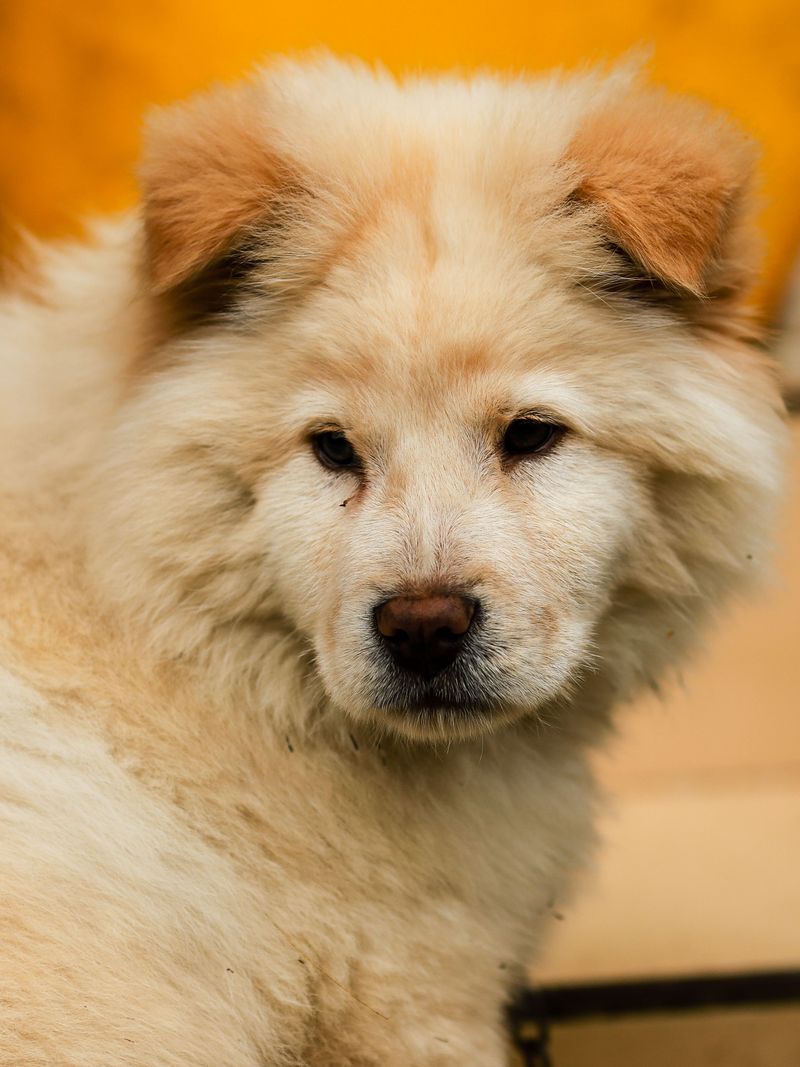
Blue-black tongue, lion-like coat, and a cautious soul define the Chow Chow. Many prefer to pause and evaluate before allowing touch.
Gentle handling, predictable routines, and soft voices go a long way. Offer hand-targets, slow walks, and quiet time near new people.
Patience turns suspicion into acceptance. A heritage as temple and home guardians explains their measured style, so keep greetings low-key, give clear exits, and reward calm eyes to help them decide that a situation feels safe and friendly.
Belgian Tervuren
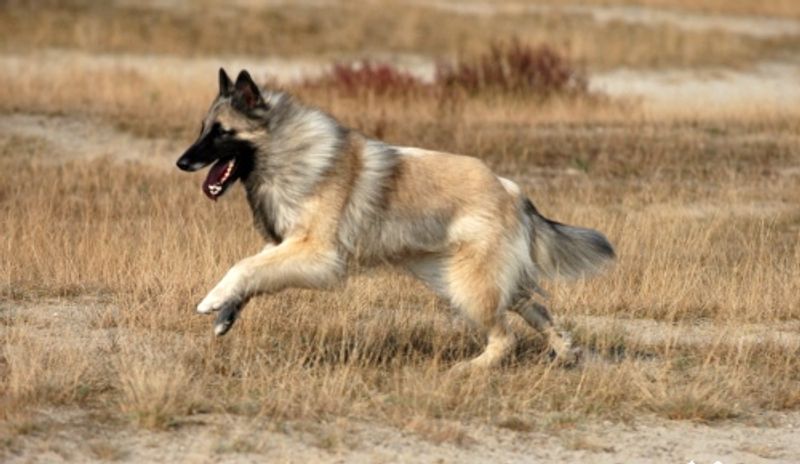
Like a chess player previewing moves, the Belgian Tervuren watches, thinks, and then works. Energy meets judgment in a very satisfying way.
Teach patterns that build confidence, such as figure-eights, platform training, and scent searches. Use toys and food, but protect focus by keeping sessions crisp.
Herding heritage gives them a strong eye, so manage motion carefully. Let them assess at a distance, reward engagement, and introduce distractions gradually until new settings feel like puzzles they can solve with skill and poise.