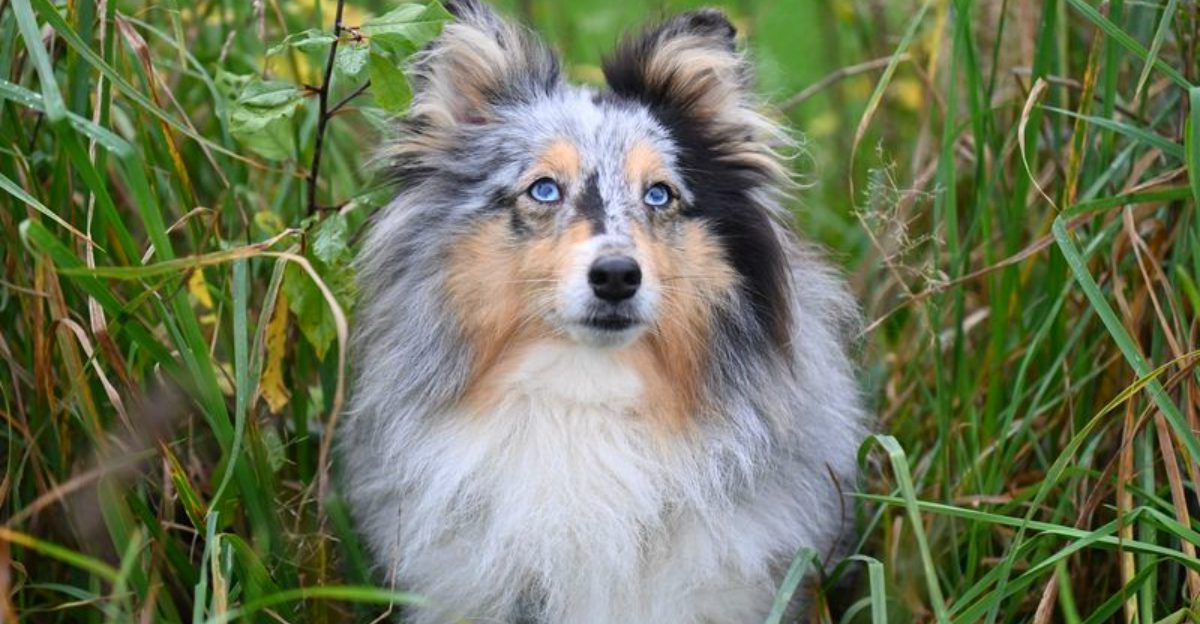
Some dogs love calm moments more than noisy fun. They think carefully and notice small changes around them.
When life gets wild, they can feel stressed or tired fast. Learning their signs and giving them gentle support helps everyone enjoy time together.
Shetland Sheepdog
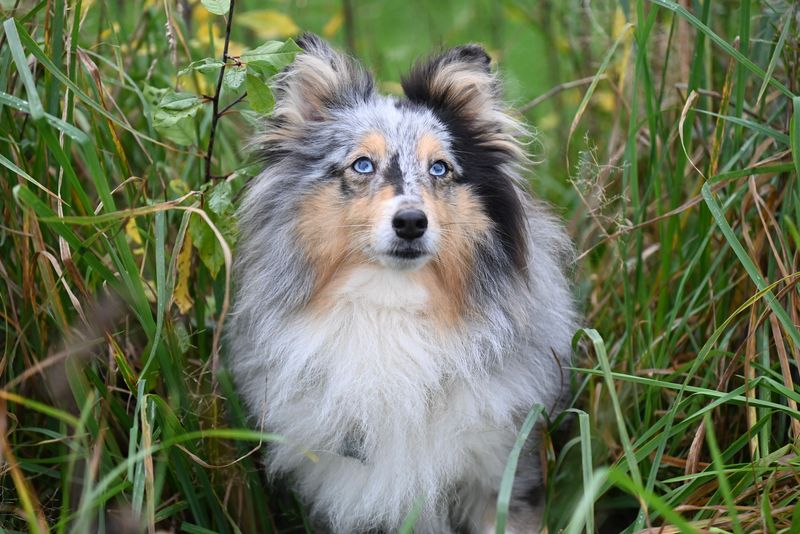
Bright eyes say it all with a Sheltie that thinks before acting. Crowded parks and booming music can drain this sensitive herder quickly.
Offer calm hellos, gentle voices, and space to watch before joining the fun.
Short training games, scent puzzles, and walks at off-peak times help them feel secure. When guests arrive, park a comfy bed near you and reward quiet observing.
If energy spikes, step outside for a decompression sniff, then return slowly.
Rough Collie
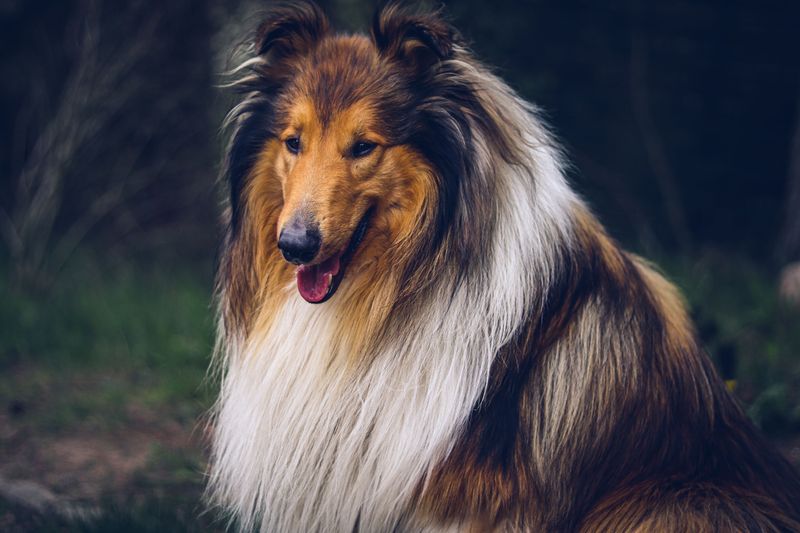
A storybook mane often hides a thoughtful soul. Rough Collies read body language like pros, so chaotic greetings or loud games can feel confusing.
Give them time to scan the scene, then invite simple, clear interaction with soft cues.
Slow-fetch, find-it on grass, and easy herding-style circles keep minds engaged without stress. Teach kids the pause-hand signal to ask for a break.
After visitors leave, a quiet brushing session pairs touch with calm, restoring balance.
Havanese
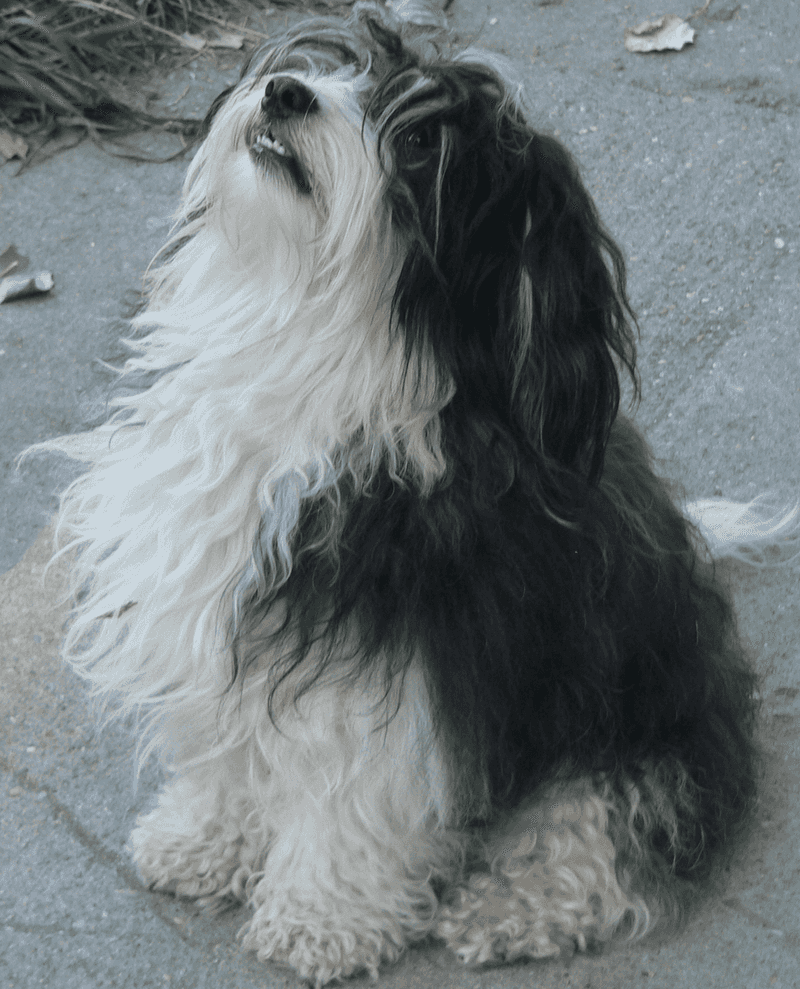
Sunny smiles come easy to the Havanese, yet parties can feel like too much. They prefer steady routines and faces over surprises.
Let them sit in a lap or on a perch to observe before mingling.
Toss soft toys in a hallway, use short training bursts, and sprinkle treats for checking in. Keep music low and doors open for escape routes.
During travel, pack a familiar blanket and chew, turning new places into safe zones.
Whippet
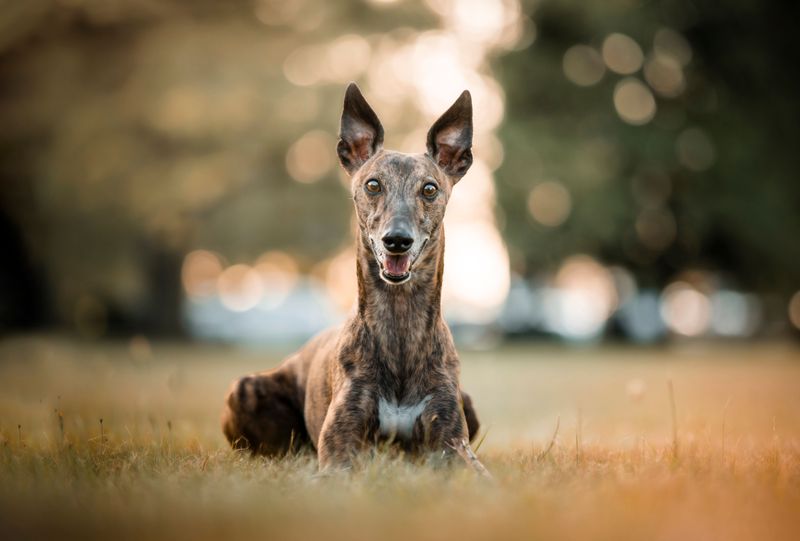
Like a quiet breeze, a Whippet enjoys peaceful moments between sprints. Crowds, heavy hands, or nonstop chatter can make them shut down.
Offer brief greetings, light touches, and options to rest where they can still see you.
Short zoomies in a fenced yard followed by a warm blanket create a happy rhythm. Use simple commands and upbeat praise, not pressure.
When visitors arrive, let the Whippet approach on their terms, then reward calm curiosity gently.
Cavalier King Charles Spaniel
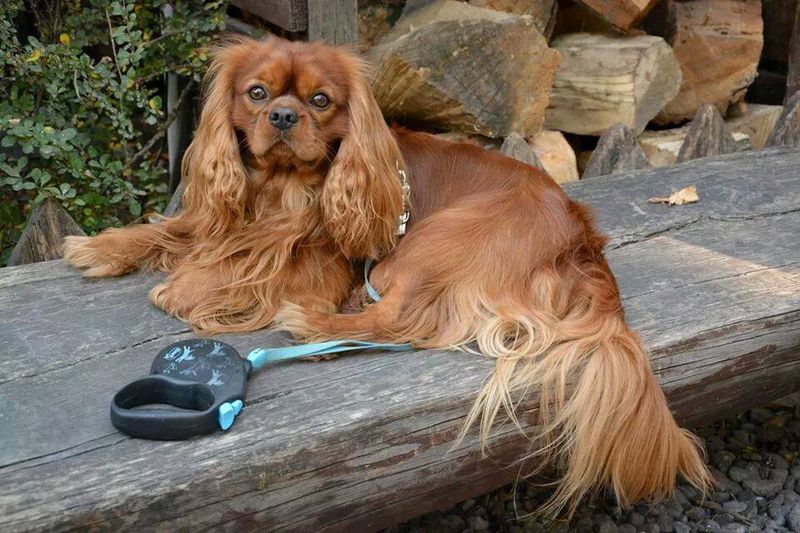
Big eyes, big heart, and a soft tempo suits Cavaliers best. Wild rooms or rough play can drown out their signals.
Invite cuddles, simple games, and breaks beside you, so they do not feel lost in the mix.
Use scent walks, slow fetch on carpet, and nap windows after excitement. Teach a hand-target cue to guide movement without fuss.
When kids visit, set up a corner with water, a chew, and praise for relaxed choices.
Standard Poodle
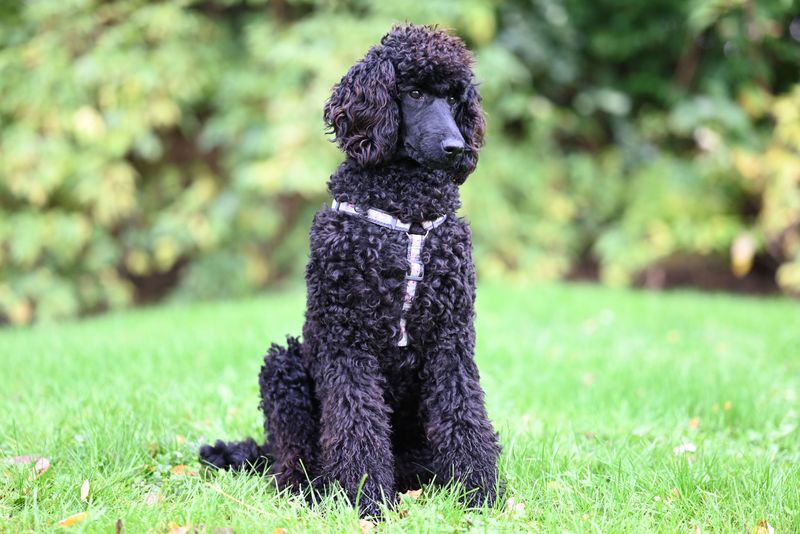
Brains and bounce come standard, yet overloaded rooms can scramble a Poodle’s focus. They read human moods fast and may mirror stress.
Try clear plans, tidy play zones, and calm voices to show what happens next.
Rotate puzzle feeders, short obedience bursts, and sniff walks for balance. Before parties, practice a settle on mat with rewards.
If energy climbs, switch to a chewing break, then finish with a routine like lights dim, water, and bed.
Papillon
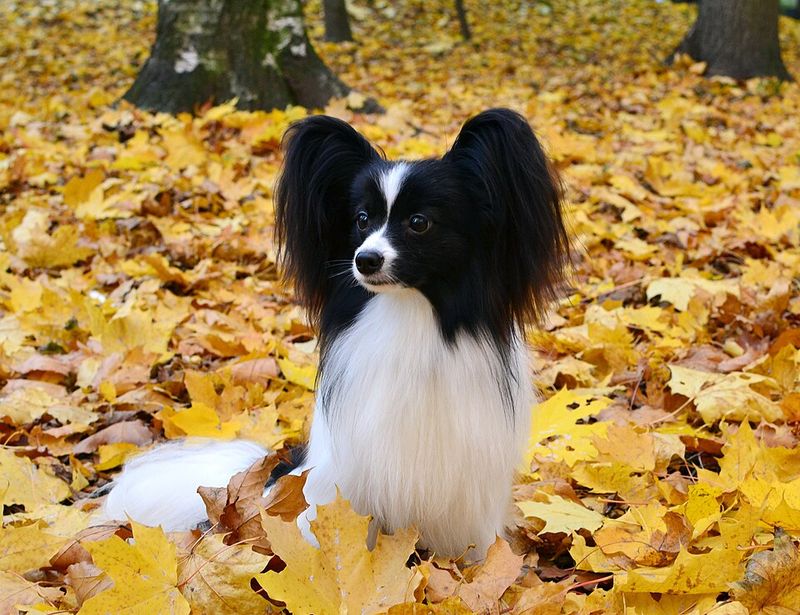
Butterfly ears catch every sound, which can be a lot in busy spaces. Papillons thrive on focused attention, not chaos.
Offer bite-sized games, gentle handling, and chances to perch on furniture to watch the action from safety.
Teach a go-to spot cue using a small mat near you. Sprinkle quiet-reward moments whenever they choose eye contact.
For outings, bring a snug harness and bag, so new streets feel exciting yet controlled, protecting that curious spirit.
Border Collie
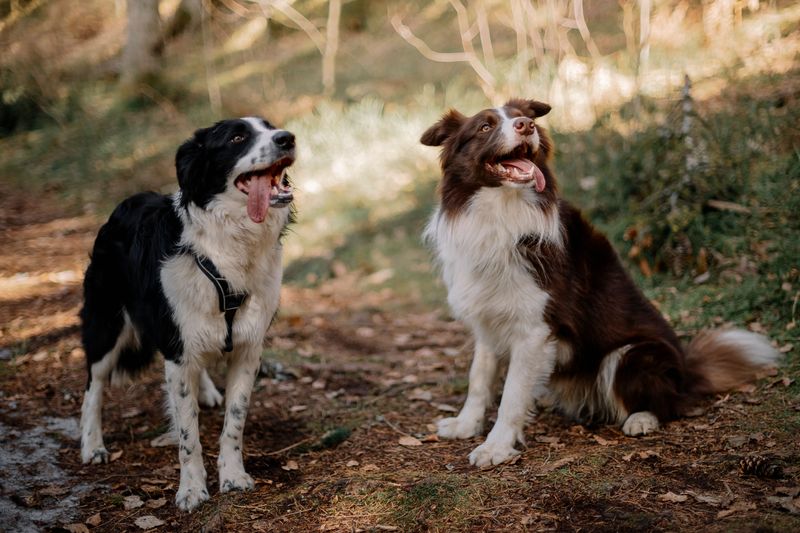
Lightning-fast brains need structure, not nonstop hype. Border Collies can spiral if games lack clear rules.
Set up jobs like find the toy by name, move the cone, or heel to the gate, so energy has a target.
Alternate drills with sniff breaks and place training. Use a release word to end activities cleanly.
When visitors stop by, give a tug toy for carrying, or scatter-feed in the yard, channeling that focus into successful tasks.
Finnish Lapphund
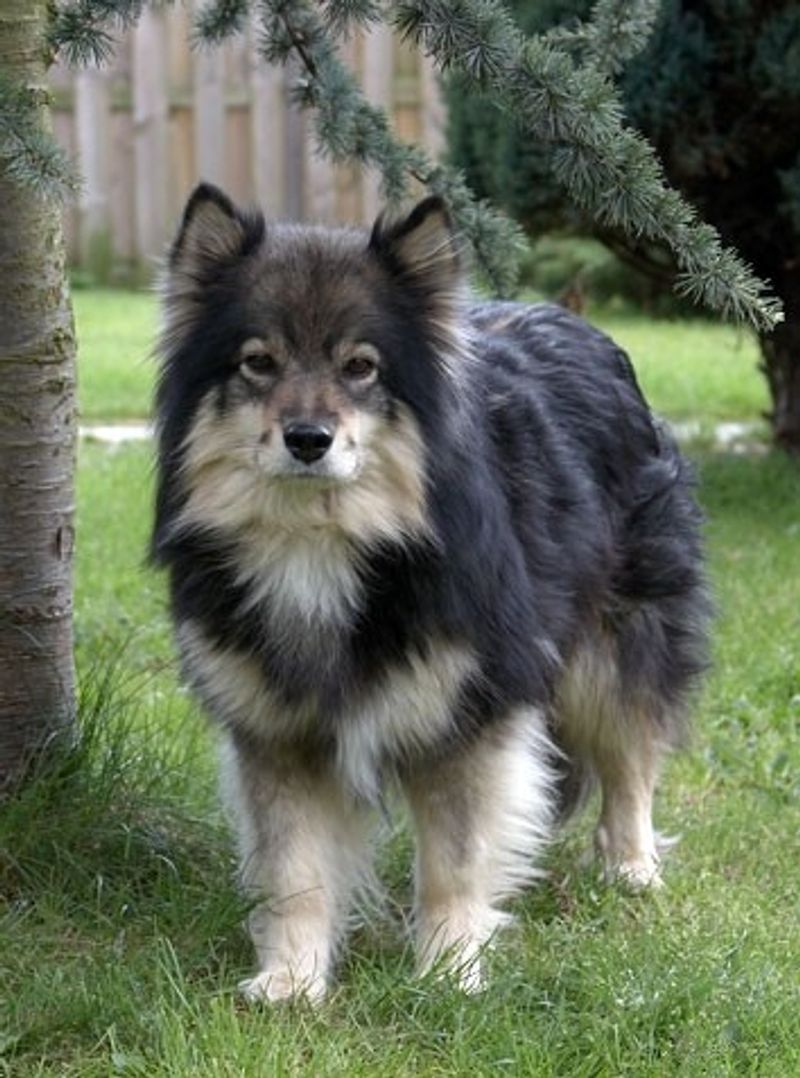
Raised to work near reindeer, many Lapphunds enjoy balance and steady tasks. Overheated rooms or pushy play can worry them.
Provide cool spots, soft greetings, and a clear plan, so they know what role to take.
Try nosework boxes, patient herding-style games, and easy hikes at sunrise. Keep cues short and friendly.
After social time, brush out the coat while offering calm praise, which pairs grooming with rest and leaves your thoughtful buddy recharged fully.
English Setter
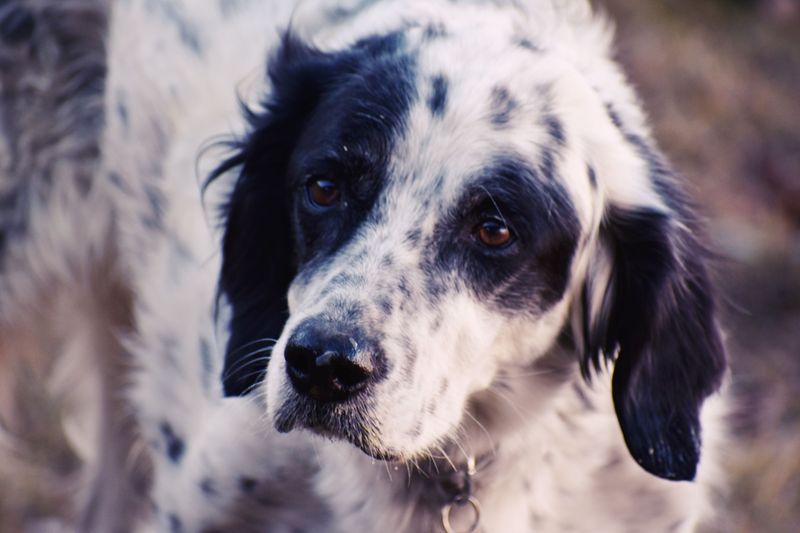
Feathery tails wag like flags, but noisy crowds can muddy an English Setter’s mood. They often shine with gentle structure and roomy spaces.
Start with slow sniffing, then add brief games that end before the buzz becomes tiring.
Teach a sit for petting rule with visitors. Offer rolling retrieves on grass, then a rest under shade.
For city walks, choose side streets, keep the leash loose, and reward check-ins, turning busyness into a calm, conversation.
Smooth Collie
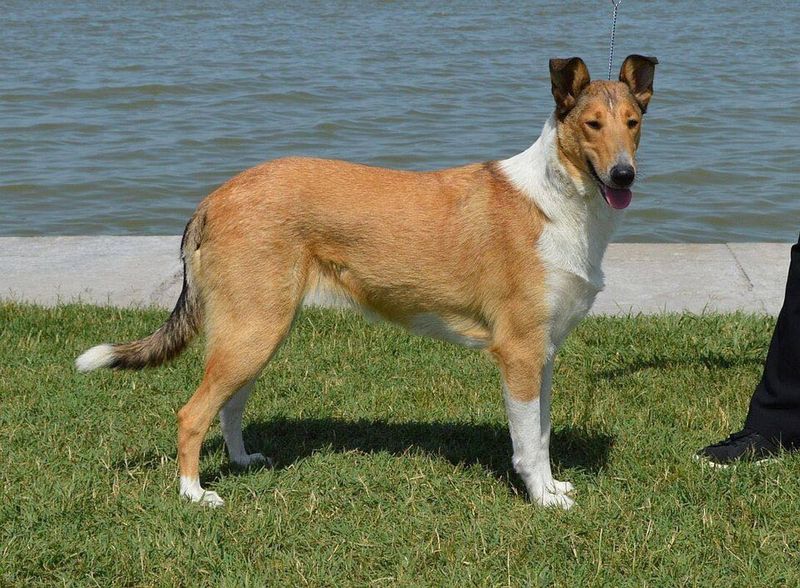
Sleek coat, same thoughtful mind as the rough variety. Smooth Collies like order and understanding faces.
Too many hands at once can feel confusing, so create quiet lanes for greetings and coach friends to move slowly.
Practice name games, pattern feeding, and easy direction changes on walks. Use a relaxed voice, then mark and treat for soft eye contact.
After activities, settle together on a mat and offer steady breaths, which many dogs sync to.