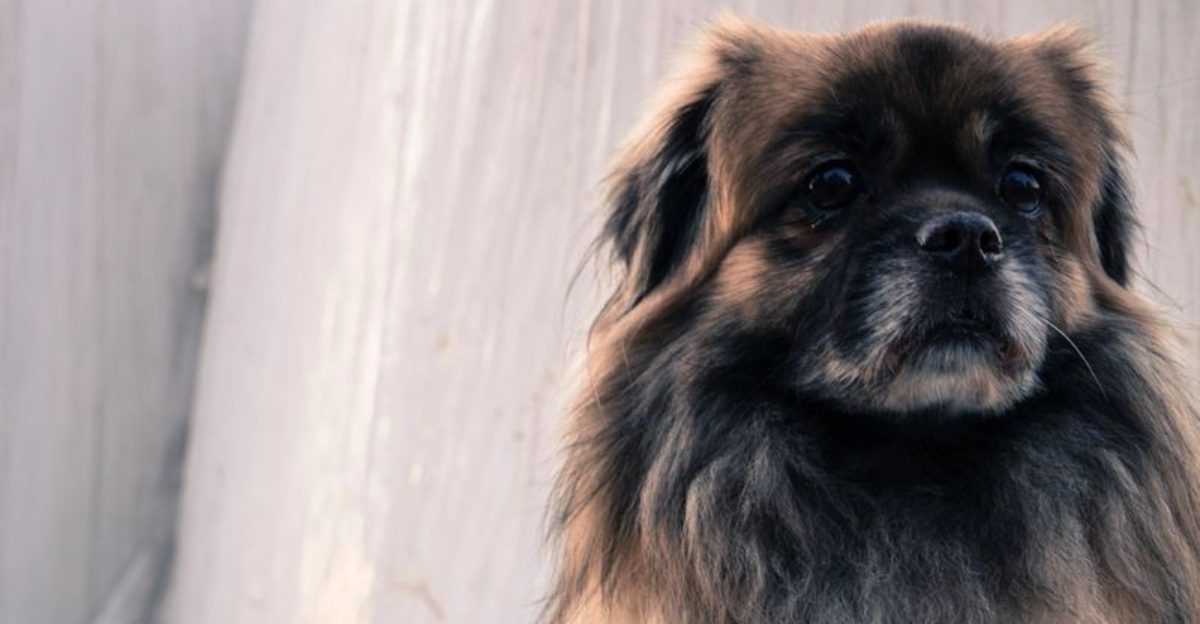
Some dogs enjoy a little peace and quiet to feel their best. After exercise or a busy day, a calm break can reset their mood and energy.
Quiet time helps them relax, think clearly, and avoid getting grumpy. Here are breeds that often come back happier after a short, uninterrupted pause.
Whippet
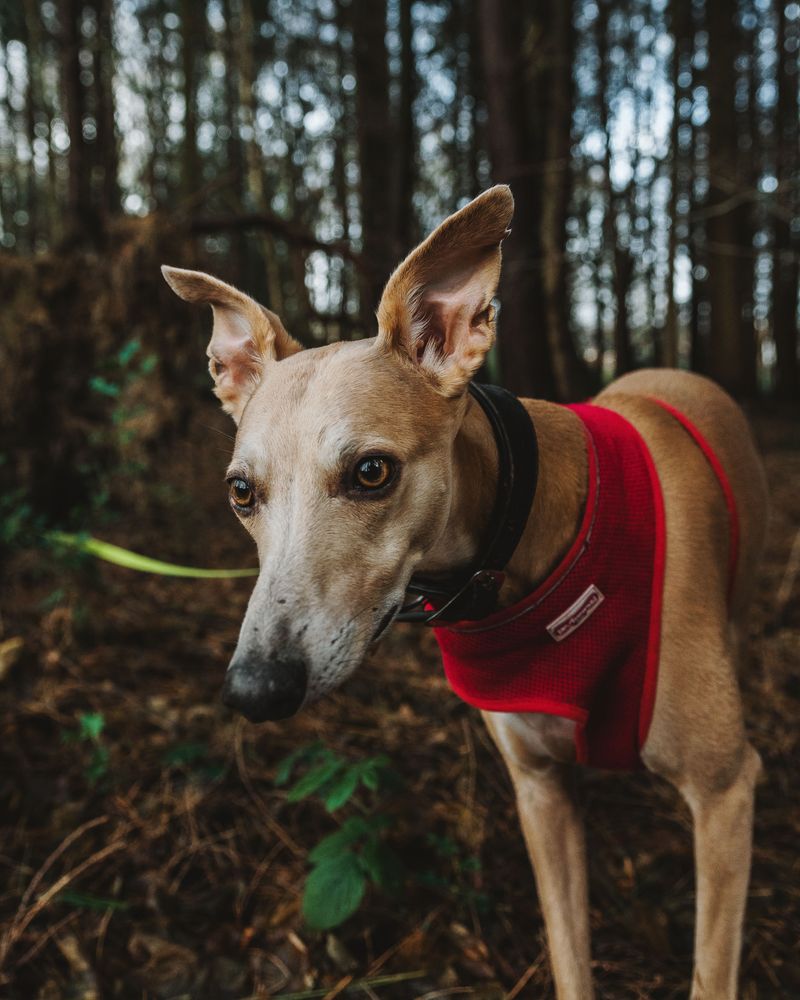
Clock a sprint, then watch the Whippet melt into a silent puddle on the couch. After bursts of speed, a calm corner with a soft blanket lets its heart rate and mind settle.
Keep visitors low, dim the lights, and offer a chew that rewards stillness. Short, predictable quiet breaks make recharging easy, so playful zoomies return without stress.
A crate covered with a breathable sheet can become a cozy nook.
Greyhound
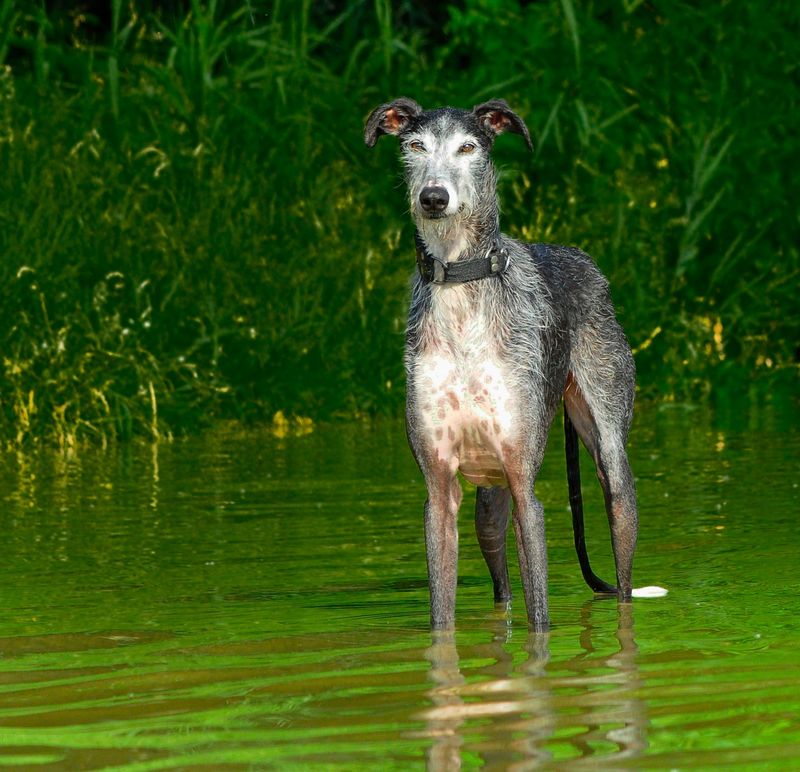
Fresh from the track life in their history, many Greyhounds adore peaceful downtime. Long legs tuck neatly, and a quiet room helps them process stimulation after walks or visits.
Use soft beds, gentle voices, and set a chill playlist at low volume. Fifteen-minute solitude sessions after exercise lower arousal and build confidence, leading to sweeter snuggles later.
Close curtains to reduce moving shadows that can trigger alertness.
Clumber Spaniel
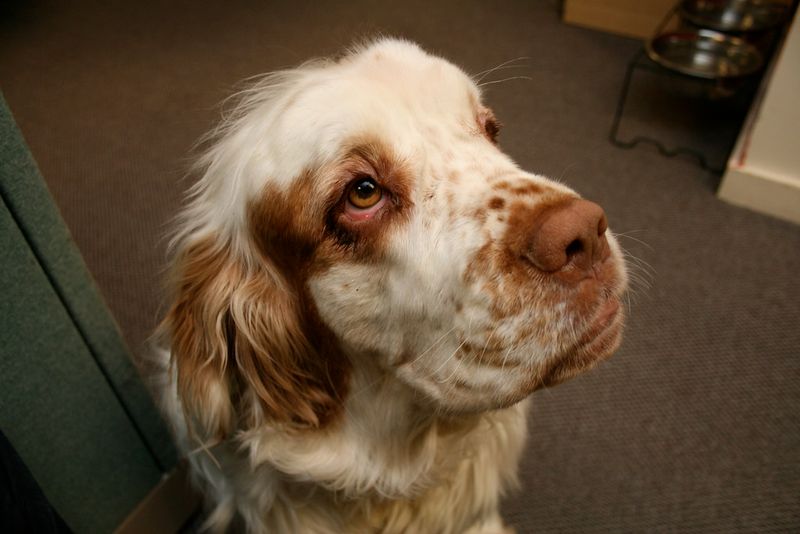
Big paws, bigger yawn, the Clumber prefers an unhurried world. Quiet breaks prevent cranky moods and support joint comfort after play.
Set a low-traffic room with cool flooring and a supportive bed. Offer a snuffle mat before rest, so the nose works, the brain tires, and then peace feels earned.
End sessions with a calm leash clip-off to avoid sudden excitement.
Shade and fresh water nearby keep recovery smooth during warmer days.
Akita
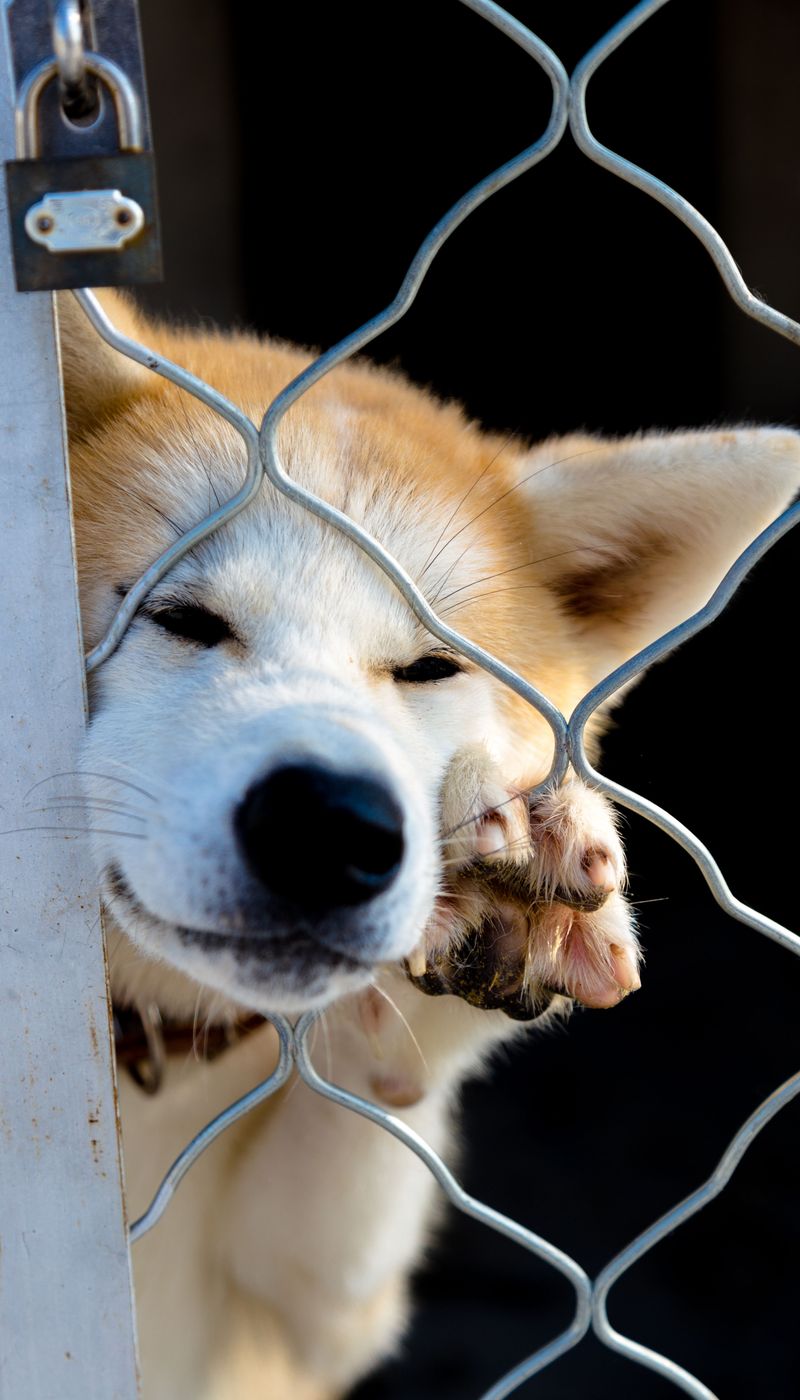
Silent watchers by nature, Akitas value a private zone to decompress. Too much chatter can feel pushy, so calm space helps them stay thoughtful and polite.
Create a defined boundary with a bed and a simple rule: when parked here, people let me rest. Short, regular quiet times reduce guarding urges, making greetings steadier.
Pair the break with a low-value chew to keep arousal down.
Shiba Inu
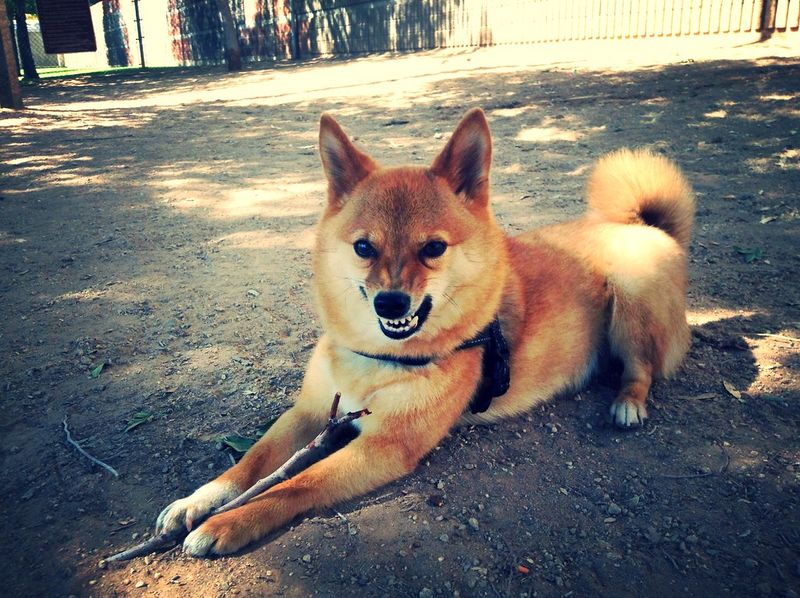
Independent minds sometimes need solo time to reset. A Shiba enjoys choosing when to engage, and respectful breaks prevent push-back behavior.
Set up a perch by a window with distance from busy sidewalks, then let the world pass quietly. Use routine signals like a light cue and place command.
After pausing, many Shibas return ready for training with brighter focus and less stubborn streak.
Rotate quiet-time toys to keep novelty high without extra noise.
Great Pyrenees
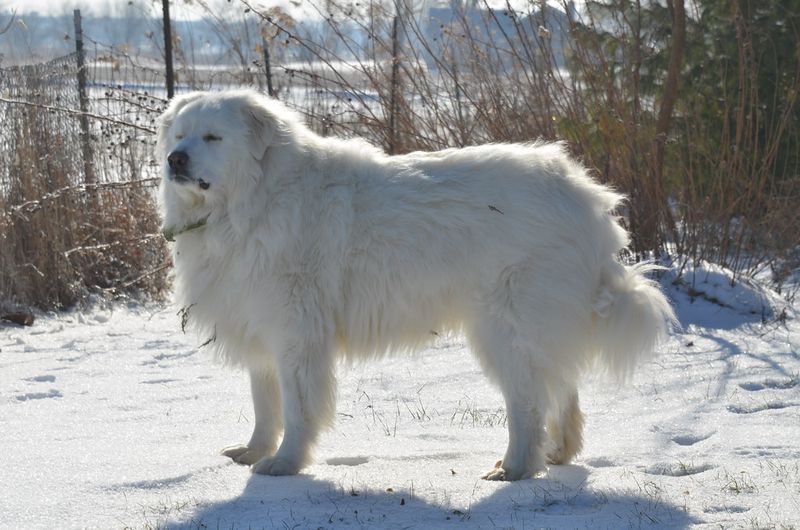
Night watch instincts run deep in the Great Pyrenees. Downtime in a cool, dim area quiets the urge to patrol every sound.
Offer a sturdy bed, light classical music, and a door closed gently. Schedule relaxation after yard duty so the mind shifts from guardian to napper.
Consistent quiet practice reduces nuisance barking and keeps energy ready for real jobs.
A cooling mat helps, especially during summer afternoons.
Newfoundland
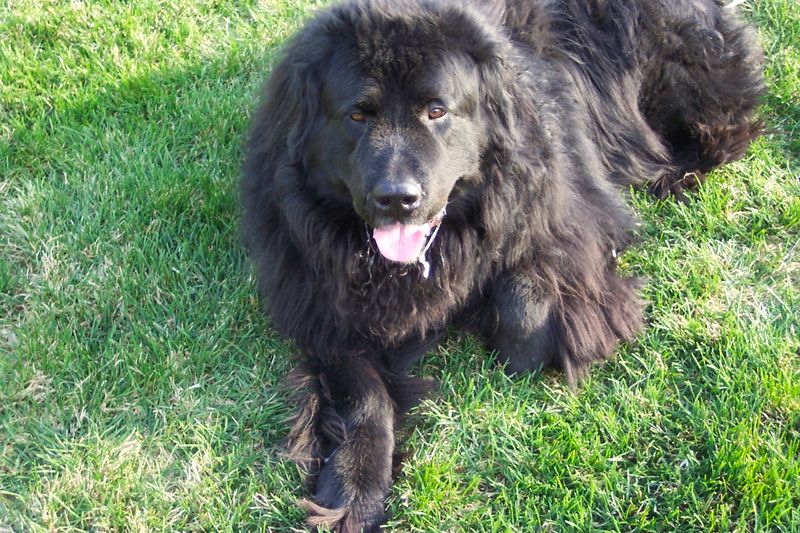
With a heart as big as its paws, the Newfoundland finds peace in slow moments. Water work or heavy play can tire muscles, so quiet stretches prevent stiffness.
Set a large, supportive bed and keep airflow steady. A brief grooming session before resting feels like a spa cue and settles the mind.
After that pause, their friendly attitude returns refreshed, and training usually clicks faster.
Bernese Mountain Dog
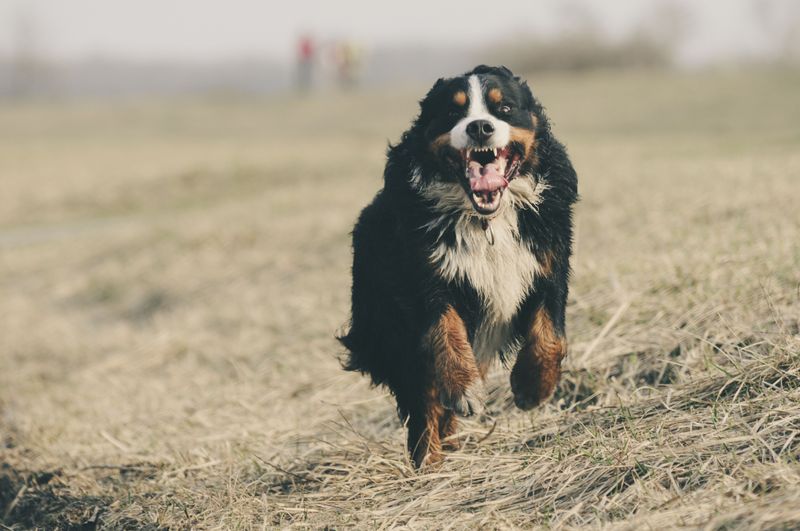
Farm-bred patience shows in the Bernese Mountain Dog, especially after a quiet break. Their big frame benefits from structured rest between family activities.
Use a comfy mat by a cool wall, and keep kids from climbing on the sleeper. Two or three short pauses through the day prevent overheating and help hips relax.
Afterward, you often get goofy smiles and willing teamwork.
Gentle stretching before naps can ease tight shoulders.
Tibetan Spaniel
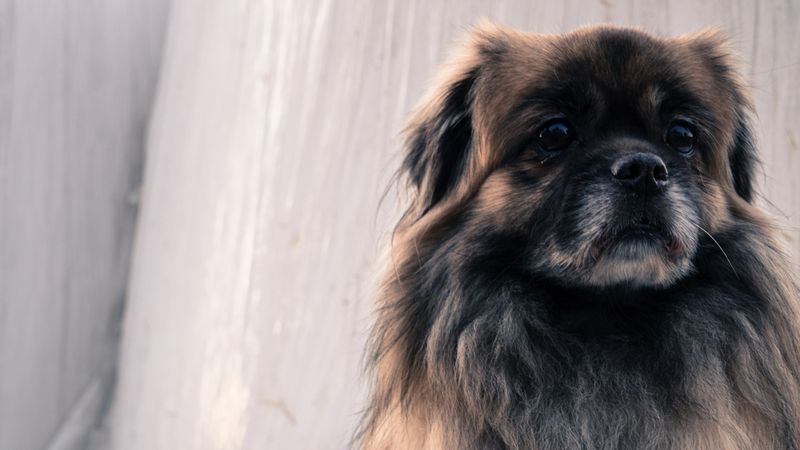
Window sentry by choice, the Tibetan Spaniel likes a perch, then a pocket of quiet. Small size does not mean endless energy, so silent time restores patience.
Provide a raised bed near your chair, and cue a rest with a gentle hand on the chest. Short calm sessions after alert barking teach balance.
Later, you will see softer eyes and fewer false alarms.
Toss a few treats for quiet breaths to reinforce calm.
English Setter
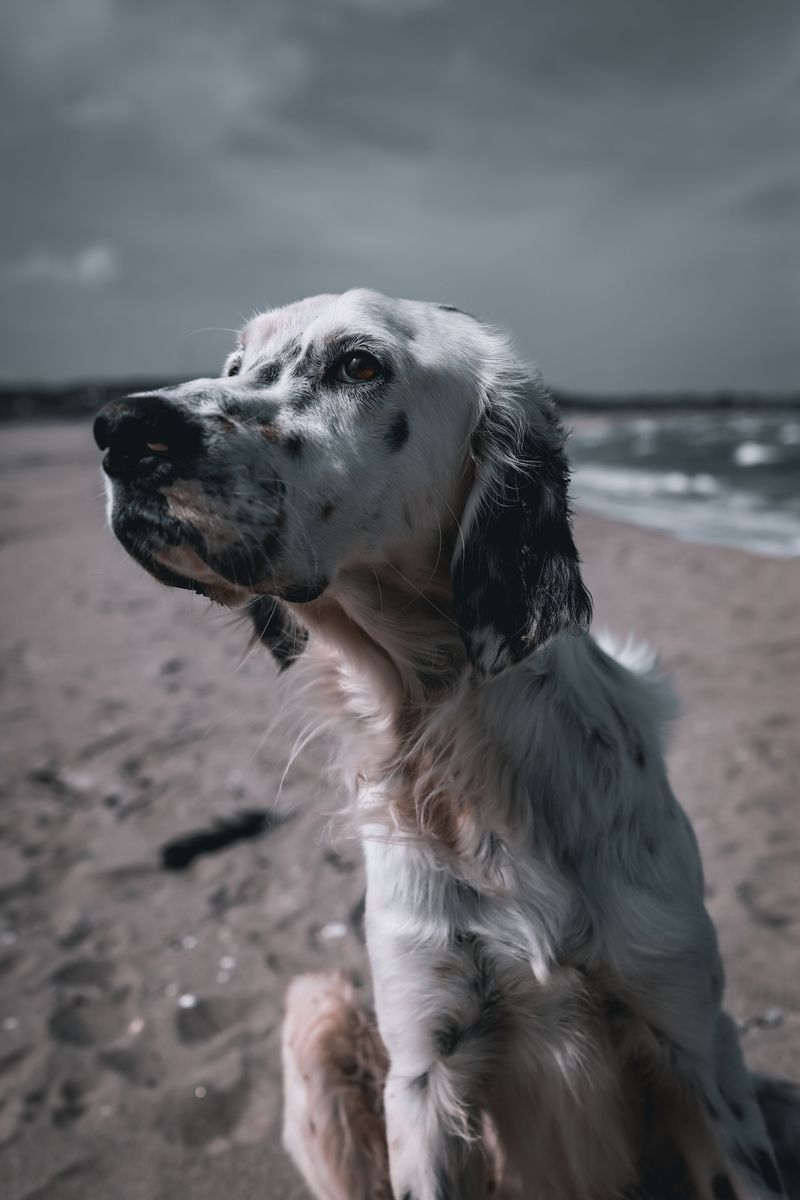
Birdy brains buzz with excitement, yet the English Setter thrives after pauses. Hunting heritage makes scents loud in the mind, so stillness helps reset.
Plan cooldowns after field games, using shade and cool water. A quiet crate with a light blanket tells the brain to switch channels.
Once refreshed, many Setters offer softer mouth control and recall improves.
Nosework puzzles before rest drain mental energy without rough play.
Keeshond
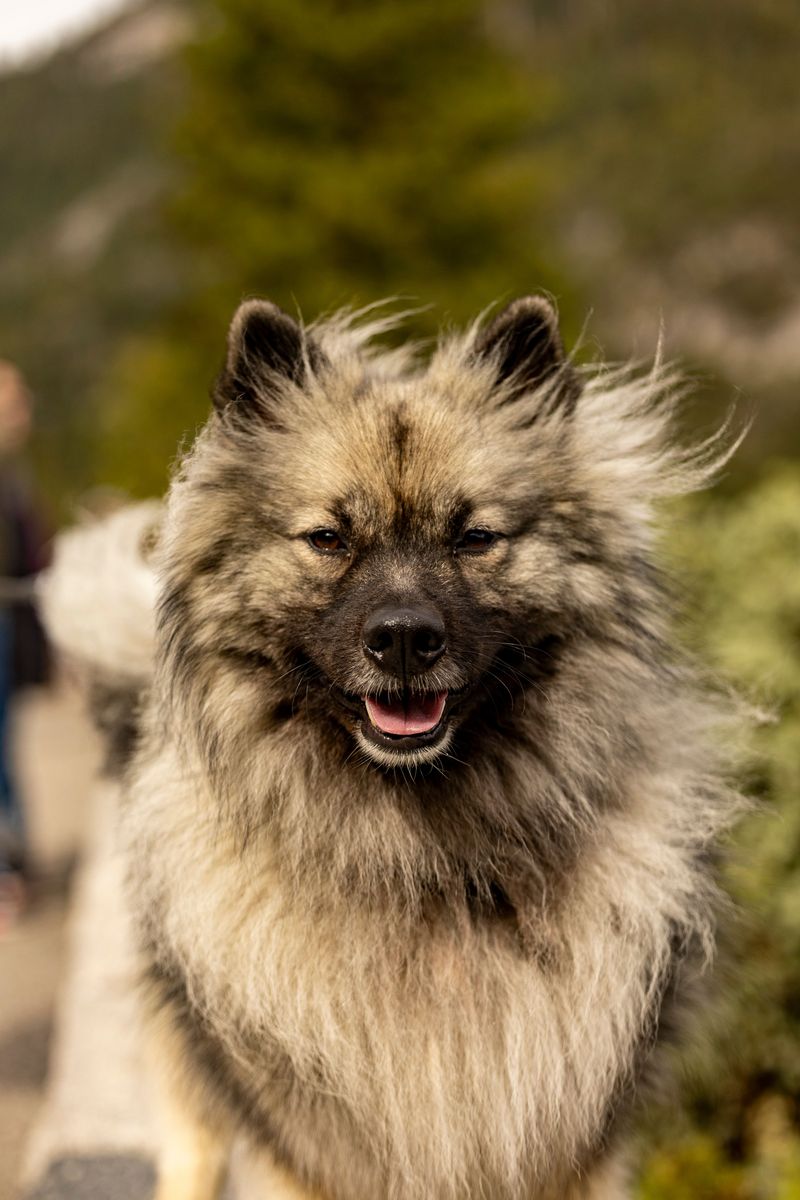
The family comedian, a Keeshond can get overstimulated by constant laughter and movement. A gentle timeout invites calm without hurting feelings.
Place a bed where the fan hum is steady and traffic is low. Offer a stuffed lick toy to slow breathing and keep paws occupied.
After a short reset, they bounce back cheerful, yet less barky.
Practice a release word so kids know when to re-engage play.
Basset Hound
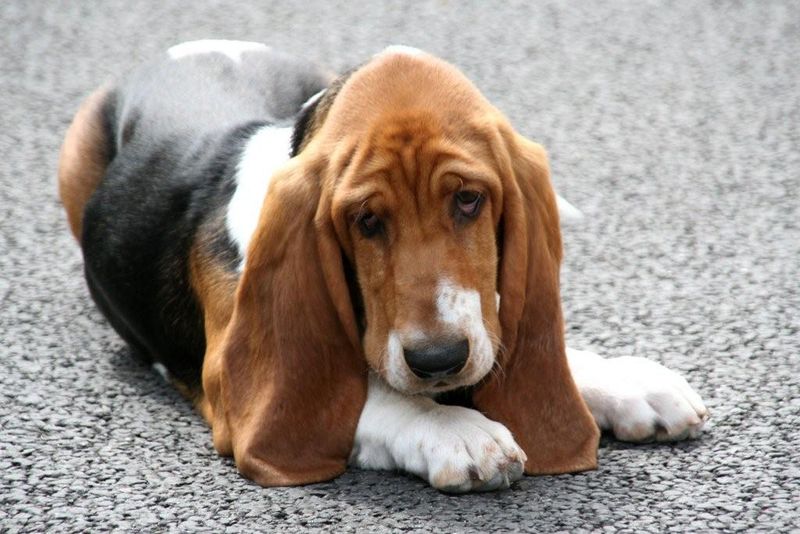
Ears like curtains, nose to the floor, the Basset Hound loves a slow afternoon. After scent adventures, quiet breaks lower excitement and protect tired joints.
Choose a low bed to spare back strain and give gentle rubs along the neck folds. Keep the room calm and limit foot traffic.
Once rested, many Bassets follow cues better and avoid stubborn lock-ups.
A warm blanket in winter seals the deal for deeper naps.