Some dogs do not leap before they look. They pause, watch, and learn before making a move.
That careful style can make them great problem solvers and steady companions. If you like a dog that thinks things through, these breeds might be a perfect match for your home and routine.
Akita
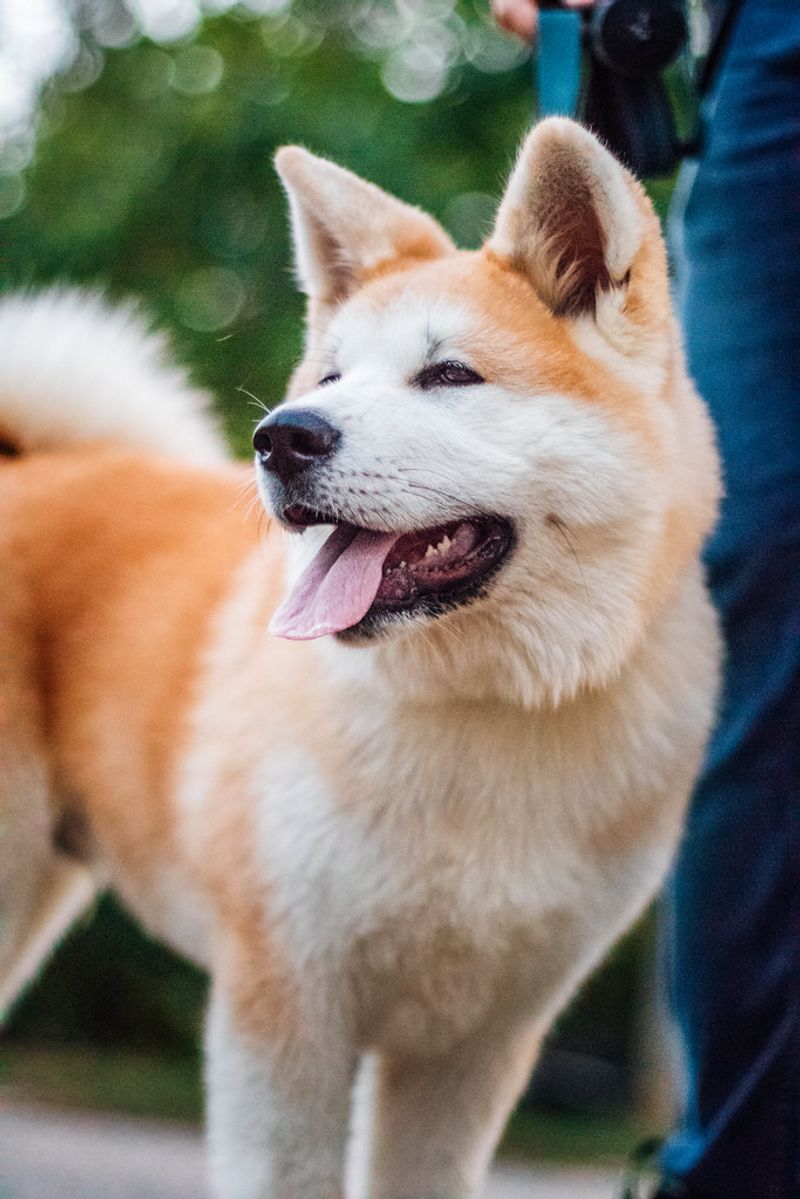
Pride shows in every step of the Akita. Instead of sprinting toward new sights, this breed studies from a safe distance.
That calm watchfulness can feel like a guard on duty, always reading the room before acting.
Training works best with patience, fairness, and clear rules. Keep greetings slow when meeting strangers or dogs.
Offer puzzle toys to satisfy a sharp mind. Daily walks with space to think help the Akita feel balanced and confident.
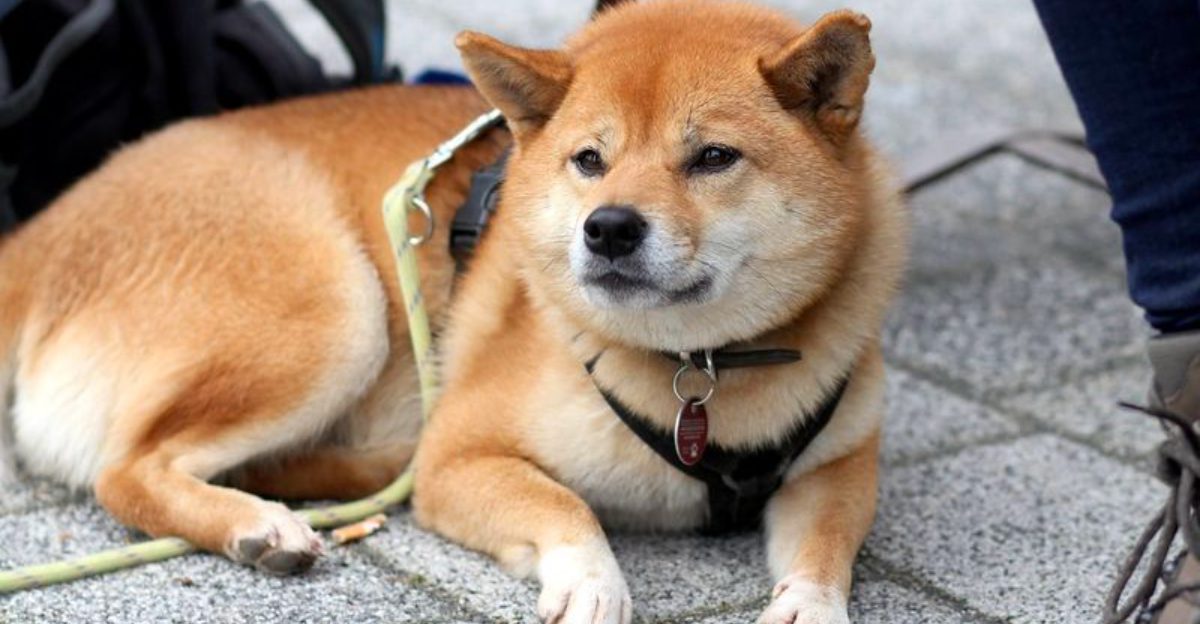
Shiba Inu
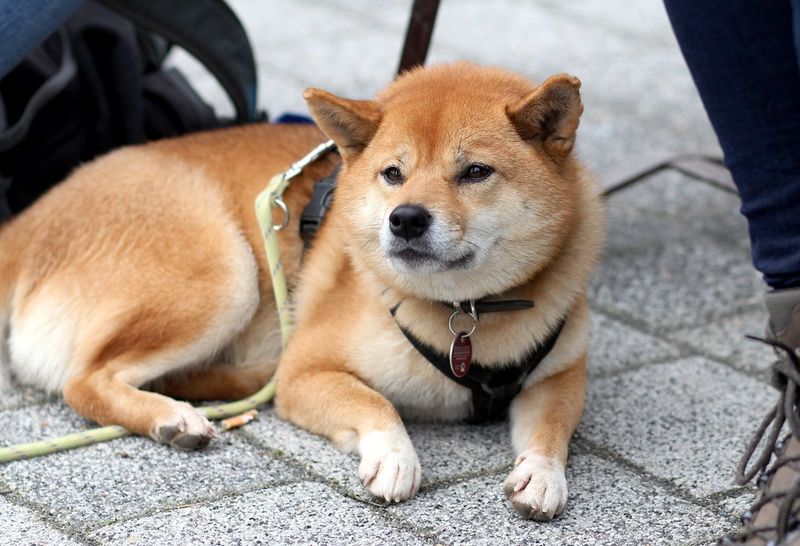
Curiosity meets caution in the Shiba Inu. You will notice the quick glance, then a pause, as if doing math in its head.
That pause is not fear, just careful thinking. Independence runs deep here.
Short training sessions with high-value treats keep attention. Let a Shiba approach new friends on its own timeline.
Secure fences are essential because curiosity may spark a quiet escape attempt. Mental games and scent walks help channel the clever, measured energy.
Great Pyrenees
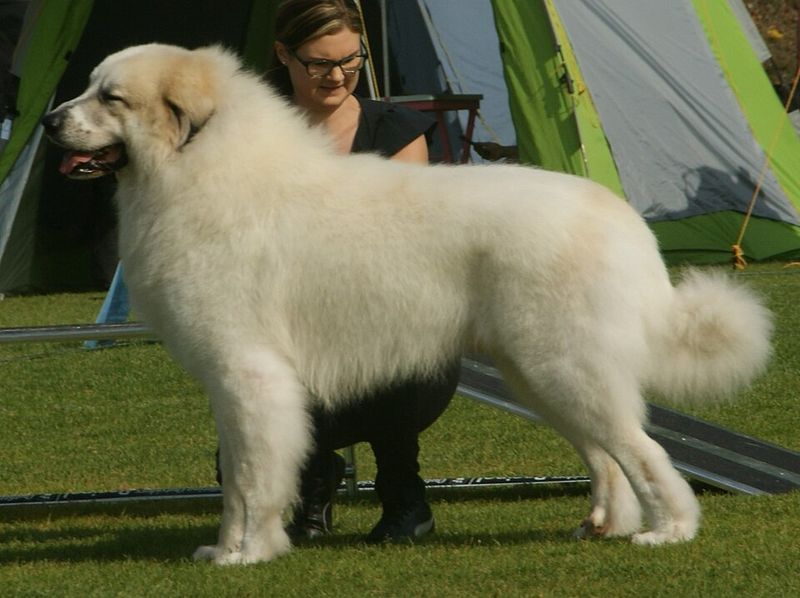
Like a night watch standing in daylight, the Great Pyrenees thinks before stepping. Bred to guard livestock, it weighs choices with a steady mind.
Sudden moves are rare because it trusts calm judgment.
Teach boundaries with consistent cues and a calm voice. Provide space to survey the yard, plus sturdy fencing.
Slow introductions prevent overwhelm. Regular brushing and peaceful walks keep stress low.
Offer jobs, like carrying a pack, to satisfy that purposeful heart.
Basenji
Silence speaks for the Basenji. Known for a unique yodel, it often observes without a bark, reading the wind and the scene.
Quick on feet, yet measured in choices, it balances curiosity with restraint.
Use games that reward eye contact and calm decisions. Keep sessions short, playful, and brainy.
A secure yard and long-line hikes let it explore while staying thoughtful. Rotate toys for novelty, and practice quiet recall in low-distraction places first.
Chow Chow
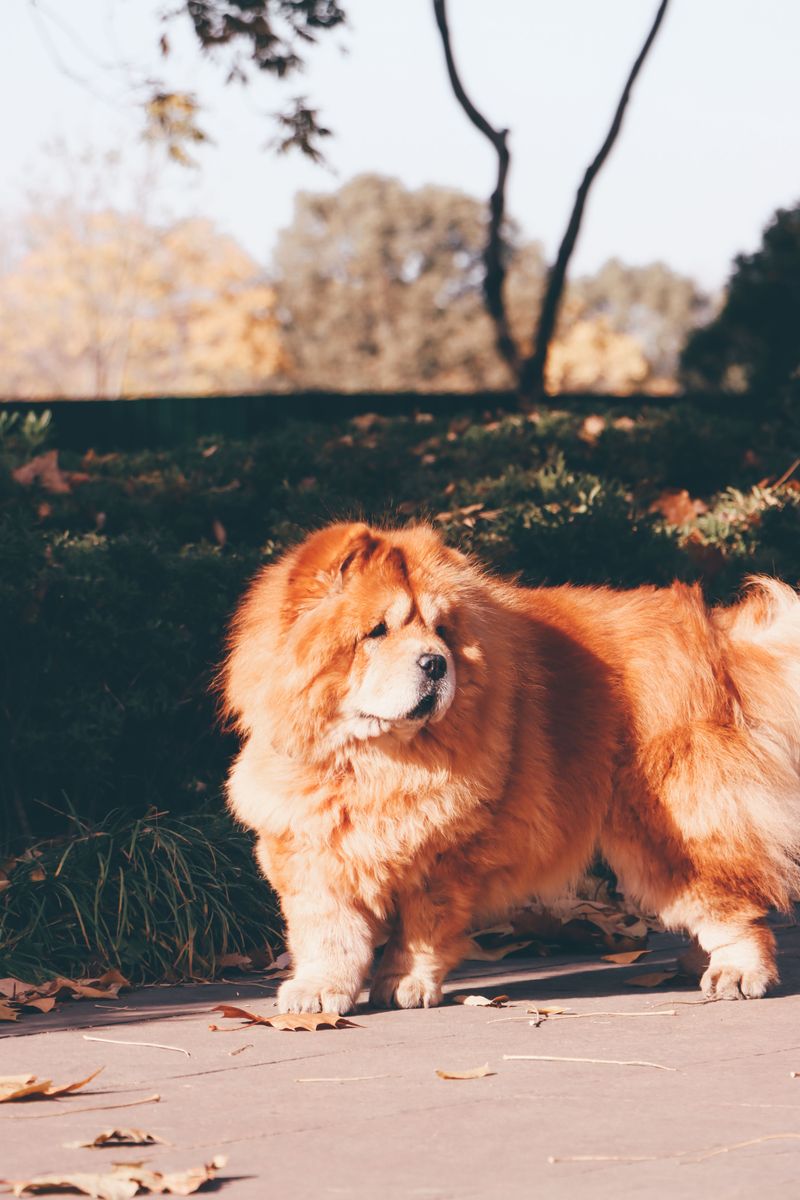
Reserved like a polite neighbor, the Chow Chow prefers to study strangers from a comfy spot. Loyalty is strong, yet it values personal space.
Its thoughtful nature shows in slow, deliberate movement and a steady gaze.
Positive training with gentle handling keeps trust high. Invite calm visitors and offer treats for quiet curiosity.
Short, regular walks fit the build. Keep grooming pleasant with breaks.
Teach a relaxed “place” cue so the Chow can watch and decide.
Beauceron
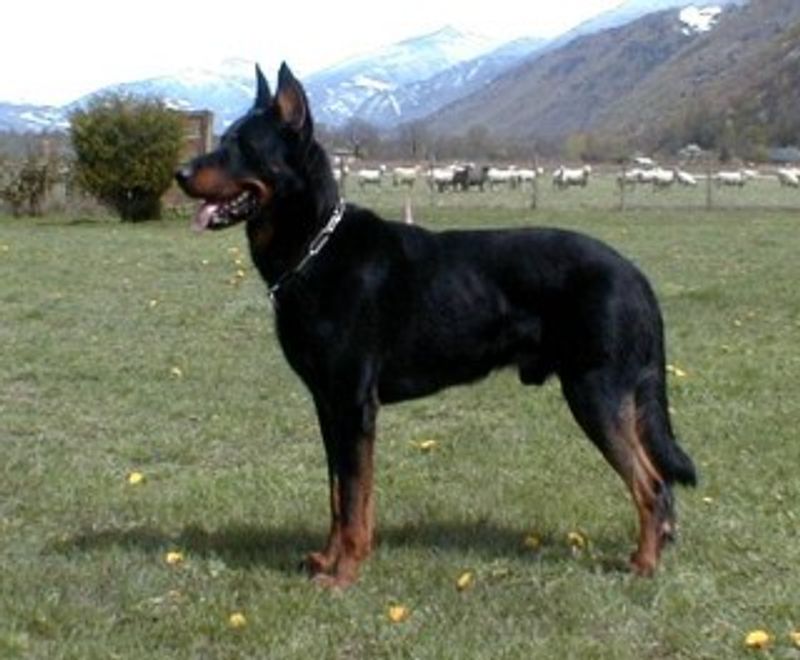
Strategy seems built into the Beauceron. Before moving, it gauges people, dogs, and terrain like a field captain.
Energy runs high, but choices feel calculated, not rushed.
Channel that brain with scent work, tracking games, and structured obedience. Clear cues and fair boundaries matter.
Introduce new places with a quick survey walk, then gradually add challenges. Exercise both body and mind daily.
With a job to do, the Beauceron turns patience into power and reliable teamwork.
Giant Schnauzer
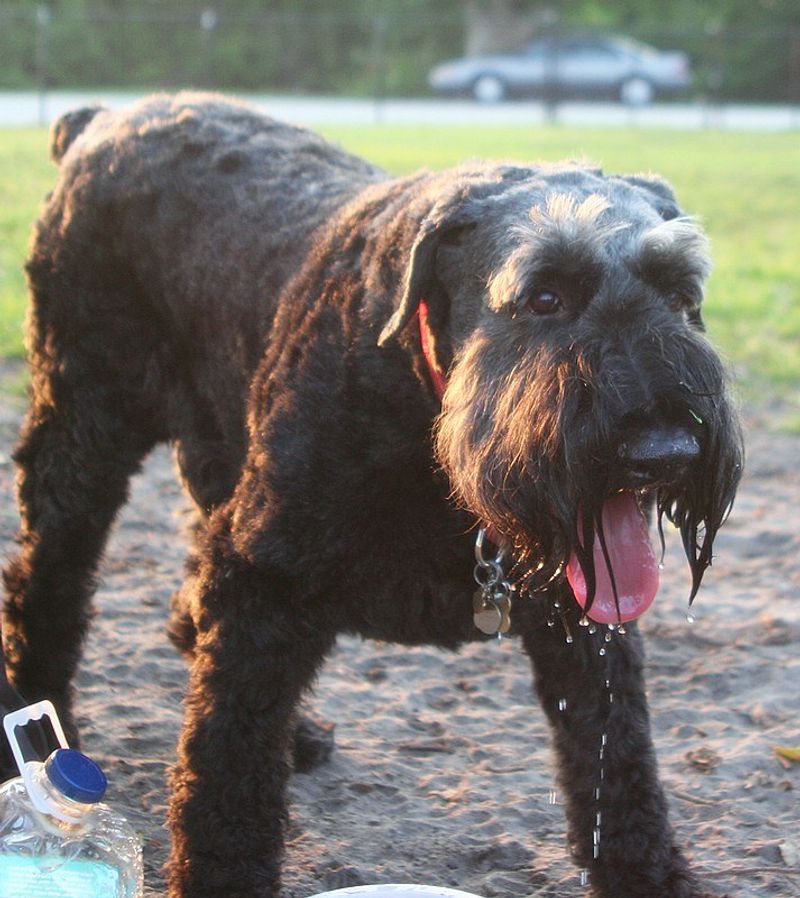
Big presence, bigger brain. The Giant Schnauzer reads crowds and noises like a security expert.
Instead of charging ahead, it checks for signals from its handler and the environment.
Reliable routines, advanced obedience, and tug or fetch with rules suit this thinker. Practice controlled greetings, then reward calm choices.
Urban walks can be training gold: stop, look, listen, then move. Puzzle feeders and protection sports, if appropriate, provide structure that matches the breed’s thoughtful drive.
Standard Schnauzer
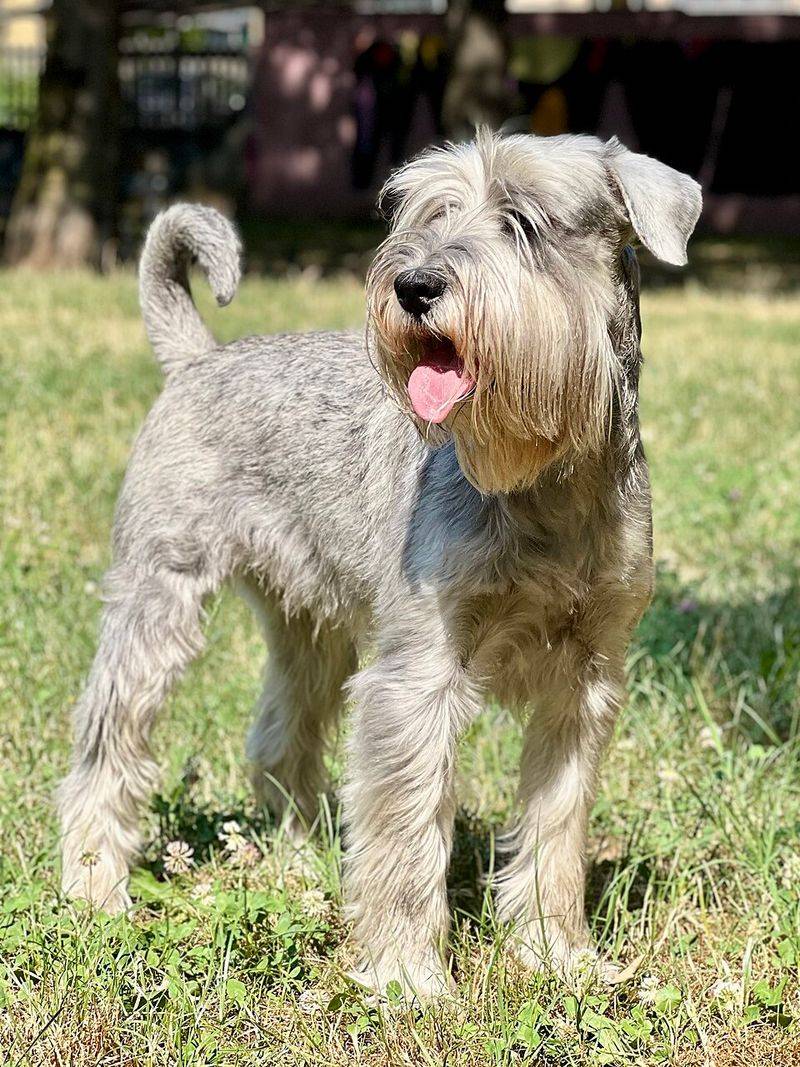
Ever the analyst, the Standard Schnauzer studies first, then greets. Those eyebrows are not just cute, they look busy calculating.
Playful and bright, it likes to learn how a scene will unfold before jumping in.
Short bursts of training keep lessons fun. Teach impulse control with sit-wait games at doors and curbs.
Rotate activities: agility one day, scent games the next. Respect that thinking pause, and you will see steady, confident choices grow.
Rhodesian Ridgeback
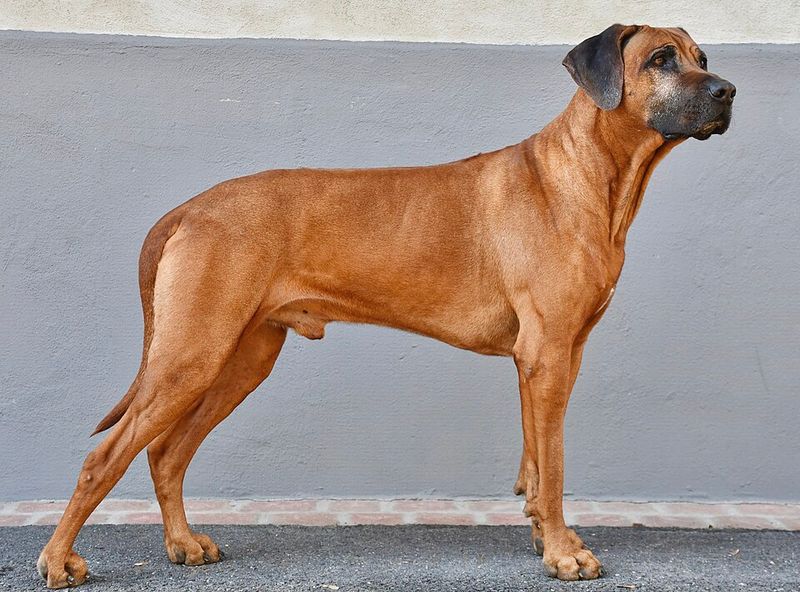
Strength wrapped in self-control, the Rhodesian Ridgeback notices everything, then decides. Bred for endurance and partnership, it stays composed under pressure.
Quick sprints are possible, yet choices come after a quiet read of the scene.
Use steady routines, long hikes, and recall practice on a long line. Reward attention and calm stands.
Controlled play with known dogs helps keep arousal in check. Mental challenges, like tracking or nose work, turn cautious observation into useful skills.
Finnish Lapphund
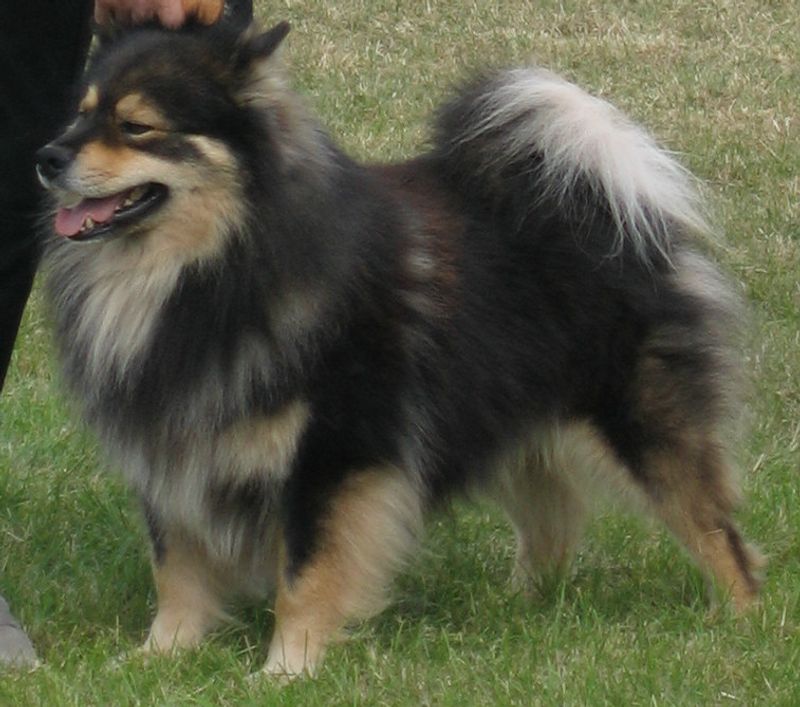
Kind eyes with a smart center, the Finnish Lapphund weighs choices like a seasoned helper. History with reindeer herding taught it to read movement and mood first.
You can see the gears turning before it reacts.
Encourage gentle greetings and reward checking in with you. Play herding-style games using a ball or flirt pole with rules.
Short training sessions in new places build confidence. Cozy downtime with chew toys helps this sensitive thinker relax after learning.
Anatolian Shepherd Dog
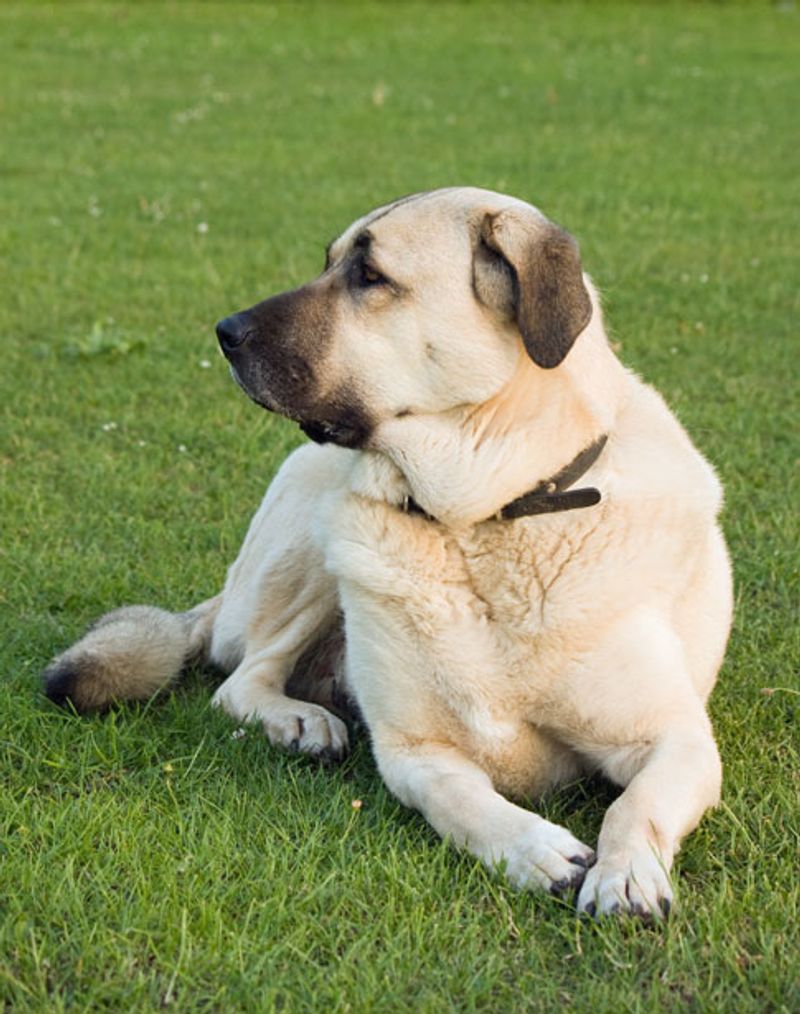
Serious about safety, the Anatolian Shepherd scans, judges, and only then responds. It was made to guard, not chase shadows.
Calm strength replaces hurry, even when distractions pop up.
Secure fencing, clear territory rules, and early socialization are essential. Keep training low-drama and consistent.
Provide purposeful tasks, like boundary walks and supervised livestock exposure where legal and safe. Long, quiet hikes give room to think.
Respect its independence, and you will gain a steady, thoughtful partner.
Rough Collie
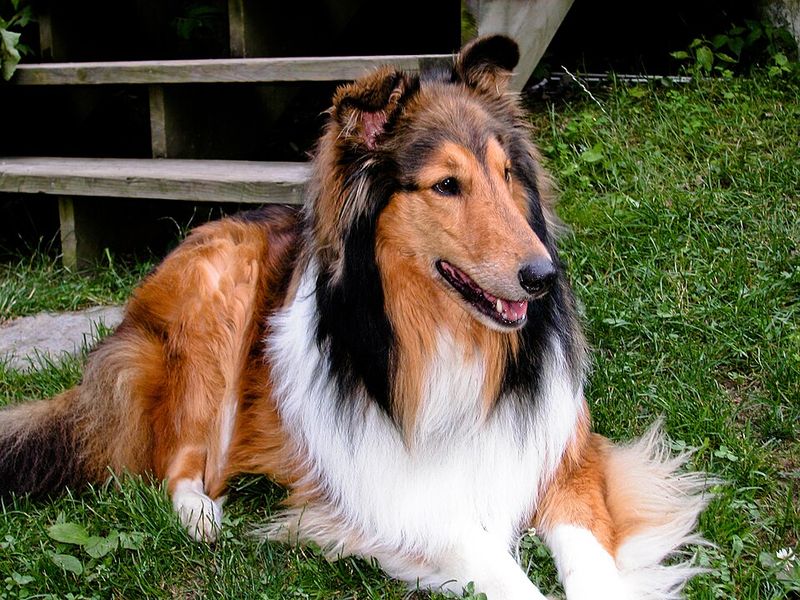
Grace and brains travel together in the Rough Collie. Instead of rushing, it scans the group and notices patterns.
That perceptive outlook makes it a calm communicator, tuned to people’s feelings and movements.
Train with kind words, light hands, and clear markers. Herding-style games, rally obedience, or trick training keep minds busy.
Gentle social time lets the Collie decide when to greet. Regular brushing and quiet walks round out a thoughtful, family-centered routine.