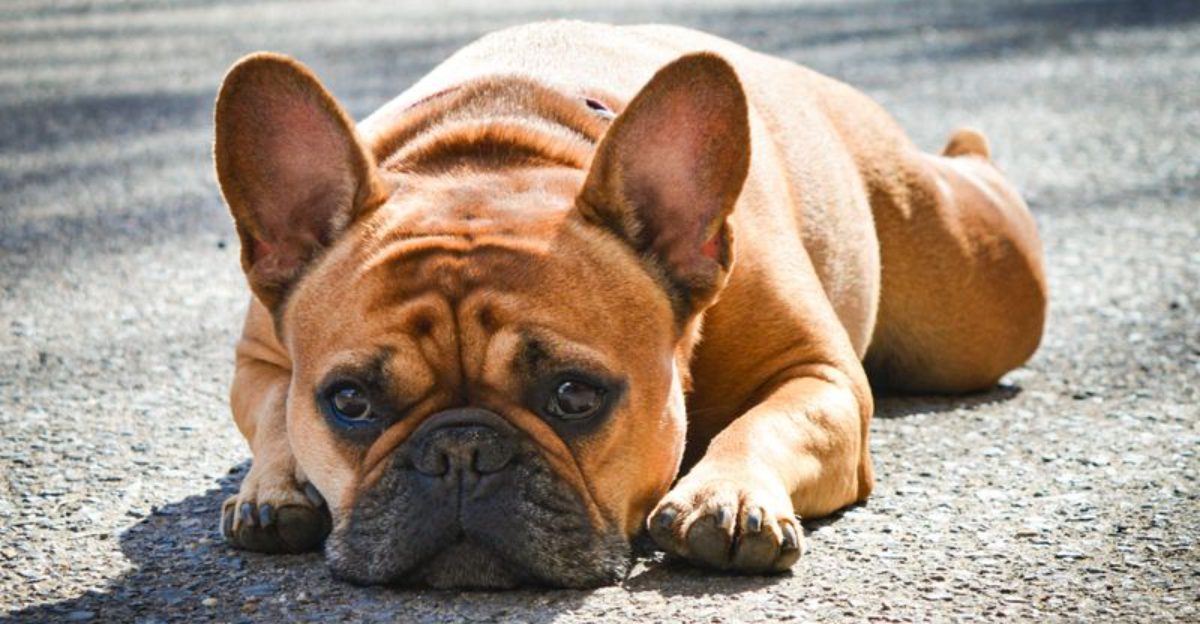
Sunny days feel great, but hot weather can be tough on certain dogs. Some breeds have short noses, thick coats, or heavy bodies that make cooling off harder.
Knowing which pups struggle in heat helps you plan safer walks, play, and travel. A little care goes a long way in keeping your best friend comfortable and healthy.
Bulldog
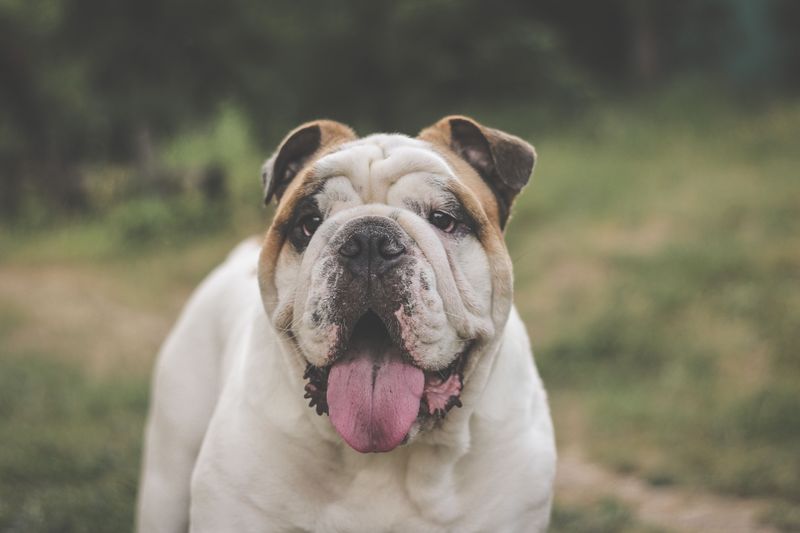
With a grin that melts hearts, the Bulldog can overheat quickly because of its short muzzle and broad head. Breathing gets tough when the air is hot and sticky.
Walks are best at sunrise or after dusk. Shade, cool floors, and a fan help a lot.
Keep exercise gentle, offer frequent water breaks, and watch for heavy panting or a wobble. A cooling vest and indoor games can satisfy energy without risking heat stress.
French Bulldog
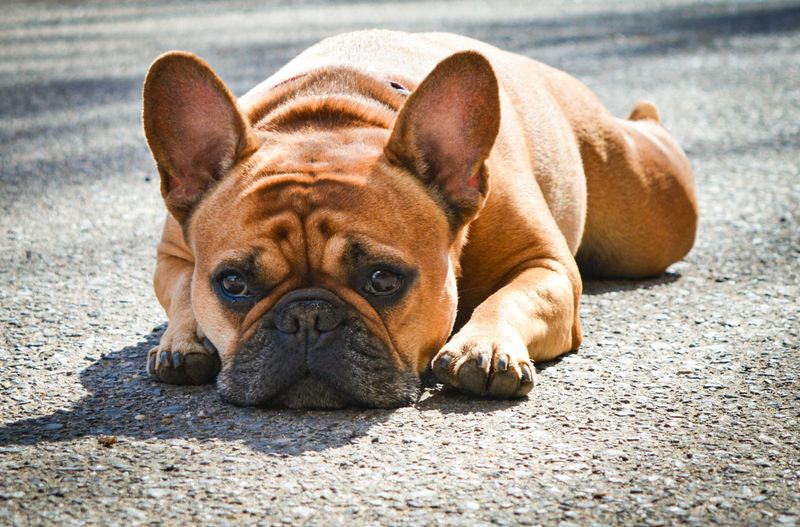
Little body, big personality, and a nose built for snorts, the French Bulldog struggles to cool down. Their narrow airways can swell in heat, making panting less effective.
Short, slow strolls and plenty of breaks are key on warm days.
Plan air-conditioned hangouts, not midday errands. Use a harness instead of a collar to reduce airway pressure.
If breathing sounds raspy or effortful, head inside, offer cool water, and call the vet if it does not ease.
Pug
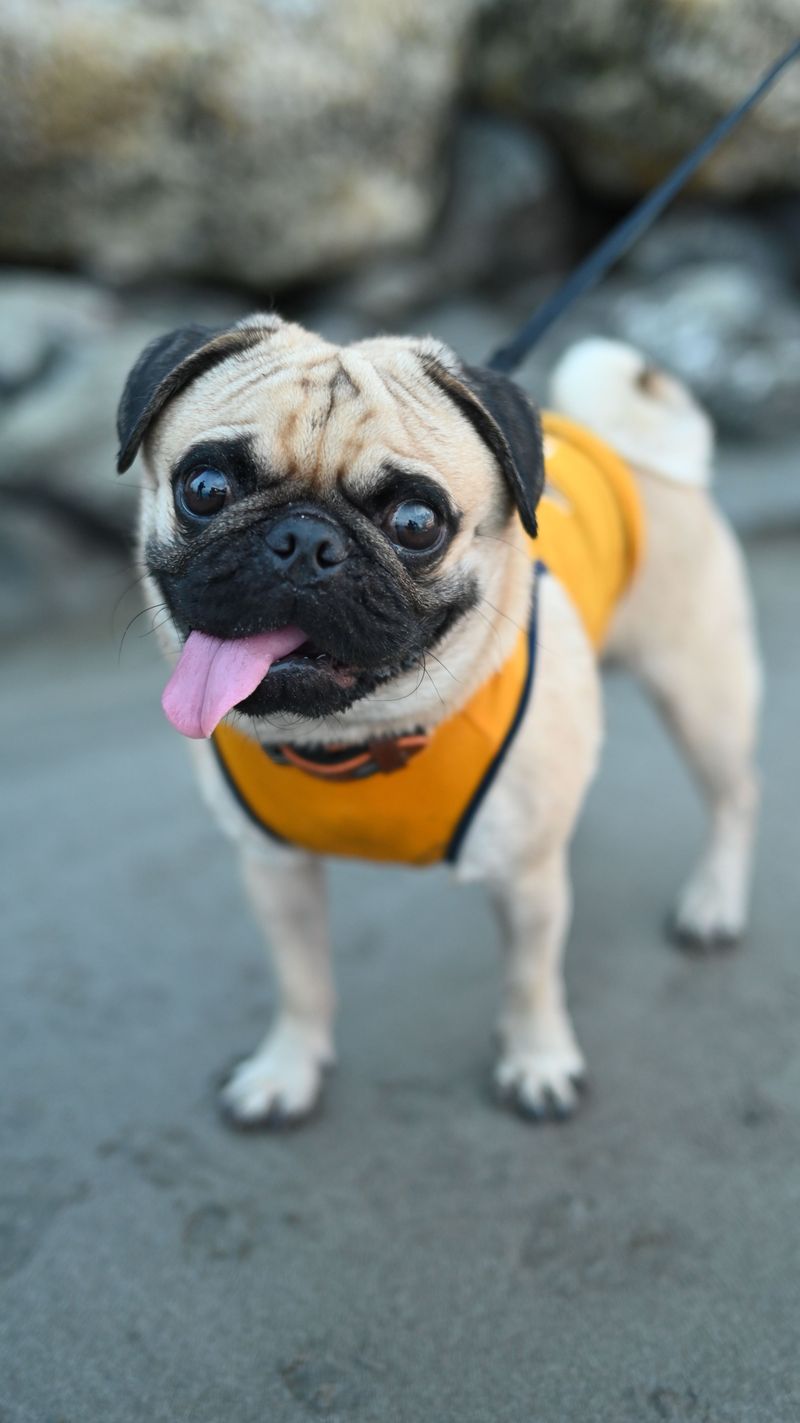
Those big eyes and short snout make Pugs adorable, yet they also make heat a challenge. Panting may not move enough air to cool their bodies.
Black-coated Pugs soak up sun faster too, so shade is gold.
Schedule potty breaks early and late. Keep water accessible in every room.
A damp cloth on the belly helps during warm spells. If you notice glassy eyes, drooling, or confusion, cool gradually and contact your veterinarian.
Boxer
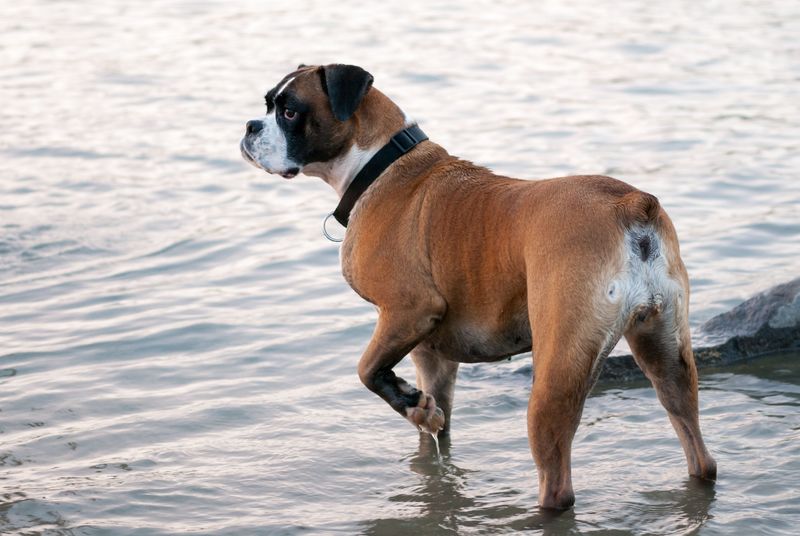
All springy legs and bright energy, the Boxer can overdo it before realizing the heat is winning. Their short coat helps a bit, but many have tight airways that limit cooling.
Excitement plus sun spells trouble fast.
Choose low-intensity games and water play when it is warm. Break activity into short bursts with shade rests.
Carry water and pause often. If gums look bright red or the dog slows suddenly, stop, cool gently, and seek help.
Chow Chow
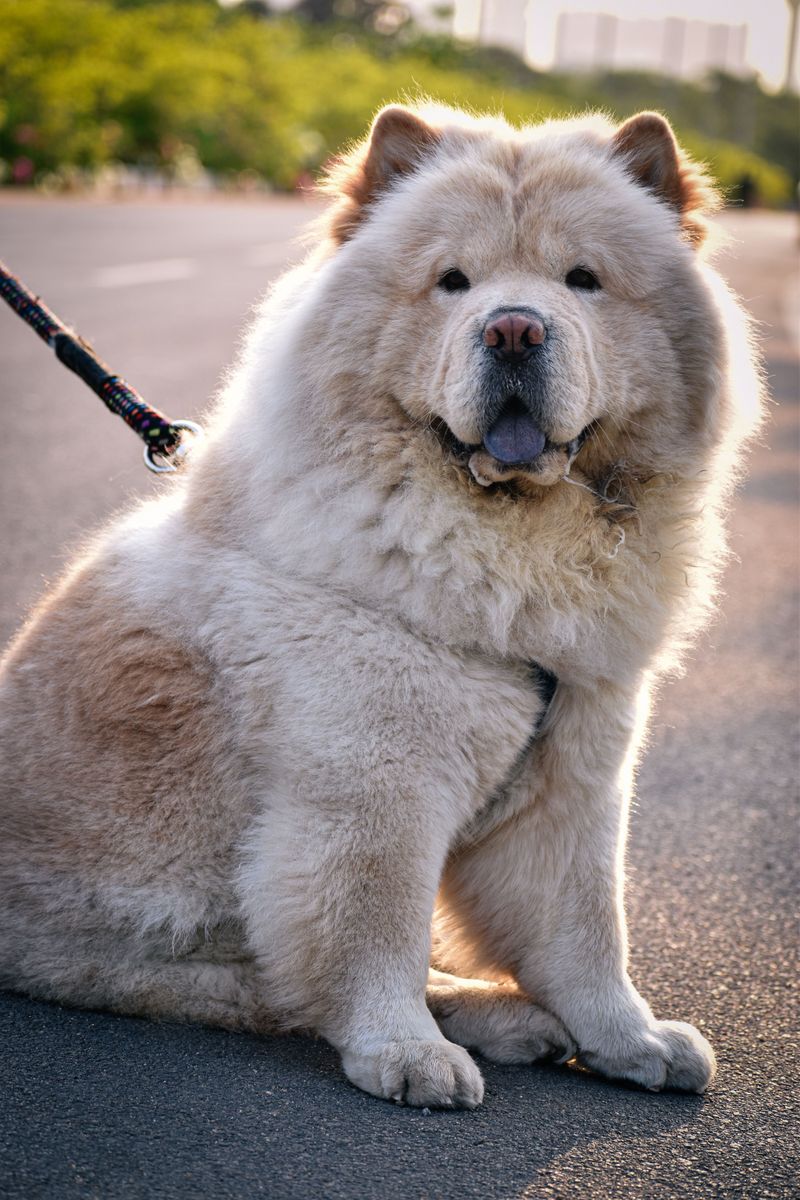
With a dense double coat and a sturdy frame, the Chow Chow wears a built-in parka. Warm, humid air traps heat close to their skin.
Their dark tongue and heavy fur do not cause overheating, but the insulation certainly adds to the load.
Regular de-shedding improves airflow. Provide shade, cool flooring, and a kiddie pool for paws.
Plan short, calm walks. Heat rash under the fur can hide, so part the coat often to check for irritation.
Newfoundland
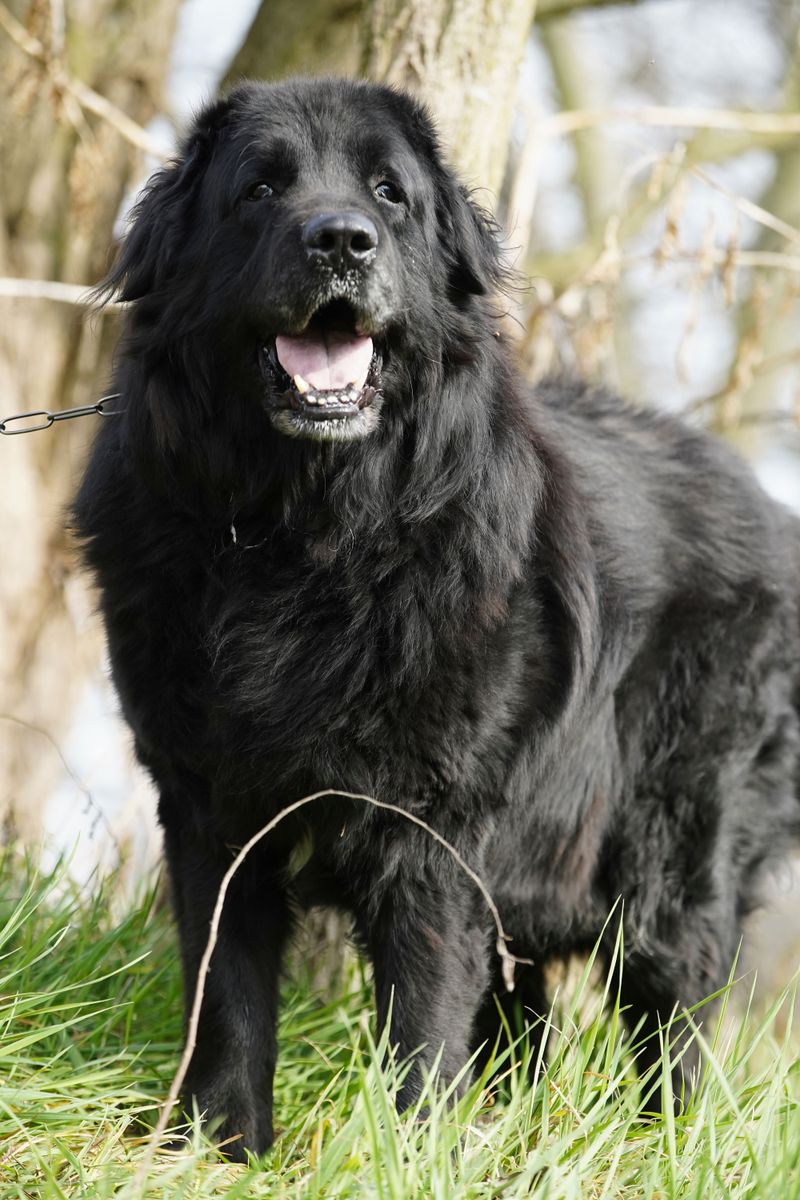
With a heart as big as its paws, the Newfoundland was bred for cold water rescues. That thick, water-resistant coat and heavy build trap warmth on hot days.
They tire quicker in heat and can silently struggle.
Cool swims at safe times are great, but avoid strong sun and hot sand. Offer long rests and plenty of water.
Keep indoor spaces breezy. Watch for drooling, dazed looks, or a slow, stiff gait, and cool them calmly.
Bernese Mountain Dog
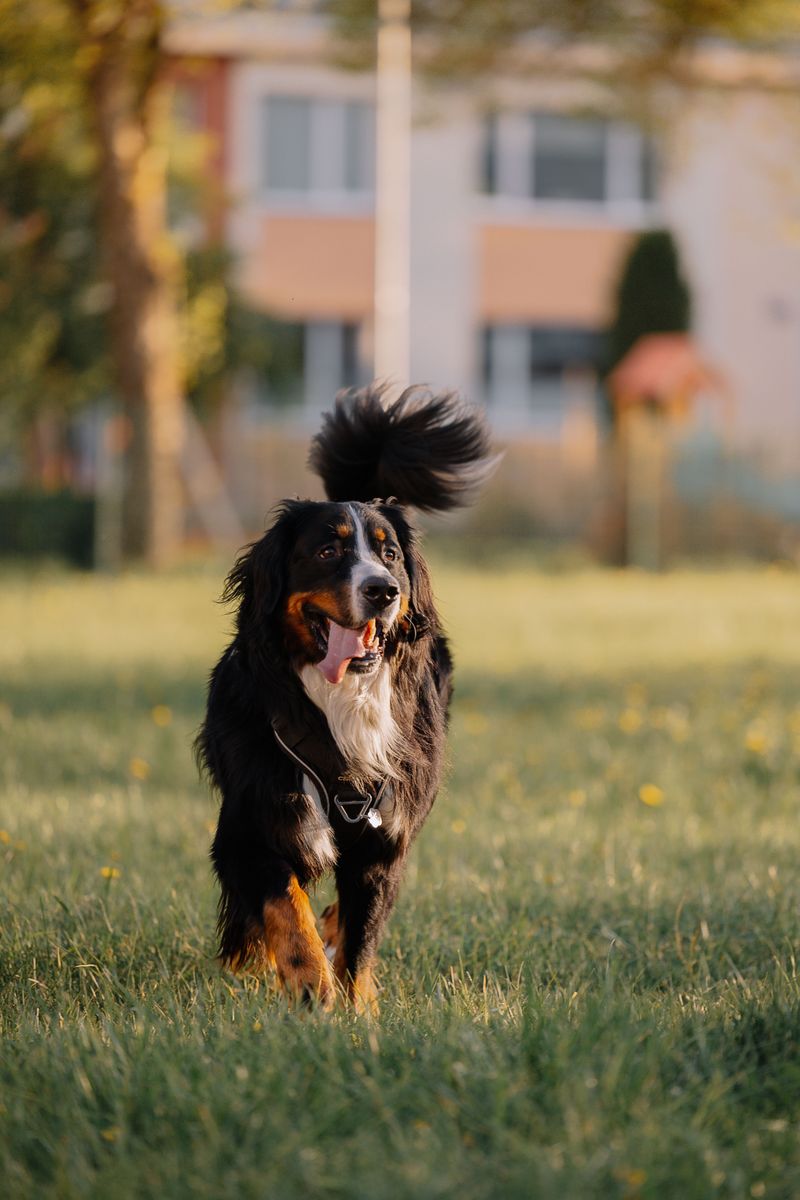
Bred for snowy slopes, the Bernese Mountain Dog carries a plush double coat that shines in winter but swelters in July. Their size also means more heat to shed and more stress on joints when it is hot.
Plan shady routes, bring extra water, and stop often. Groom out undercoat to improve airflow.
A cooling vest on hikes can help. If panting grows shallow or coordination fades, end the trip, move to shade, and cool gradually.
Saint Bernard
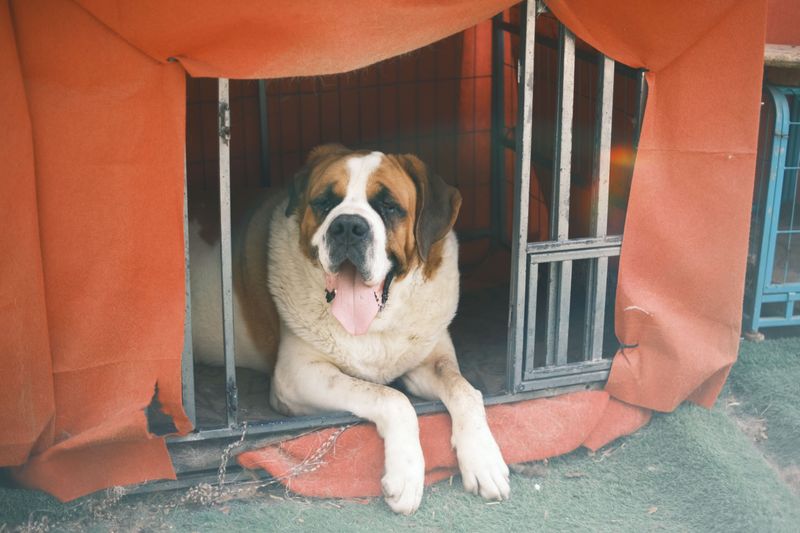
Famous for snowy rescues, the Saint Bernard is not built for scorching sidewalks. Their bulky frame and dense coat store warmth, and they can overheat long before seeming tired.
Even short car rides without air flow are risky.
Create a summer routine with early walks, shaded naps, and cool drinking water. Trim, do not shave, to protect skin.
If breathing gets noisy, gums redden, or the dog seems confused, begin cooling and call the vet.
Tibetan Mastiff
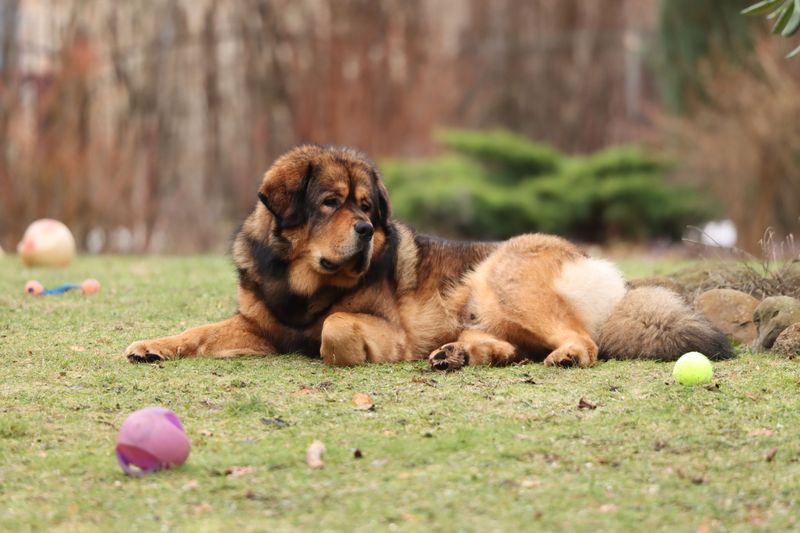
Built for chilly nights on high plateaus, the Tibetan Mastiff carries serious insulation. Hot afternoons can sap energy fast, and their independent nature may hide discomfort until it is severe.
Heat plus heavy exercise is a poor match.
Choose shaded yards, quiet mornings, and slow pacing. Provide sturdy water buckets and a large cooling mat.
Brush often to remove dead undercoat. If you spot restless pacing, thick drool, or staggering, move to shade and cool steadily.
Shih Tzu
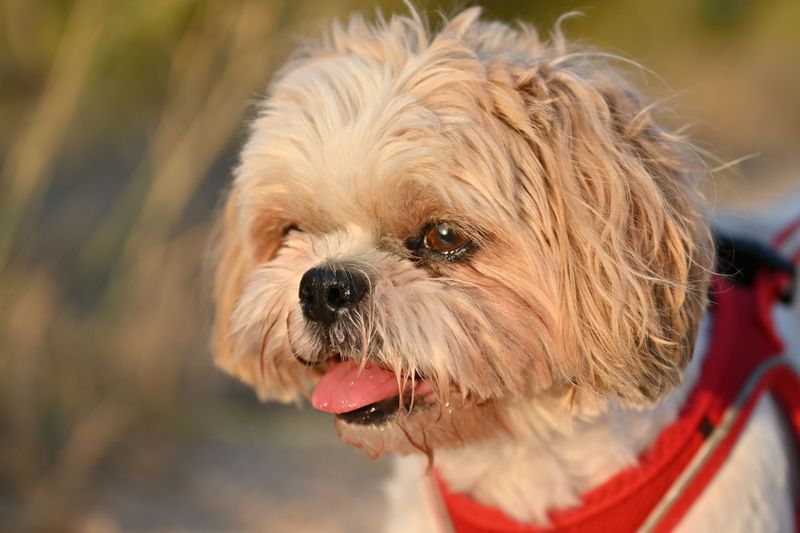
Small but classy, the Shih Tzu often has a short muzzle and a long, silky coat that traps warmth. Humid air makes panting less effective.
Long hair around the face can also block airflow and vision during warm playtime.
Keep the coat trimmed in a light summer cut, and tidy facial hair. Plan gentle play on cool floors and leave midday sun to naps.
Watch for wide-eyed panting, and cool with water sips and shade.
Pekingese
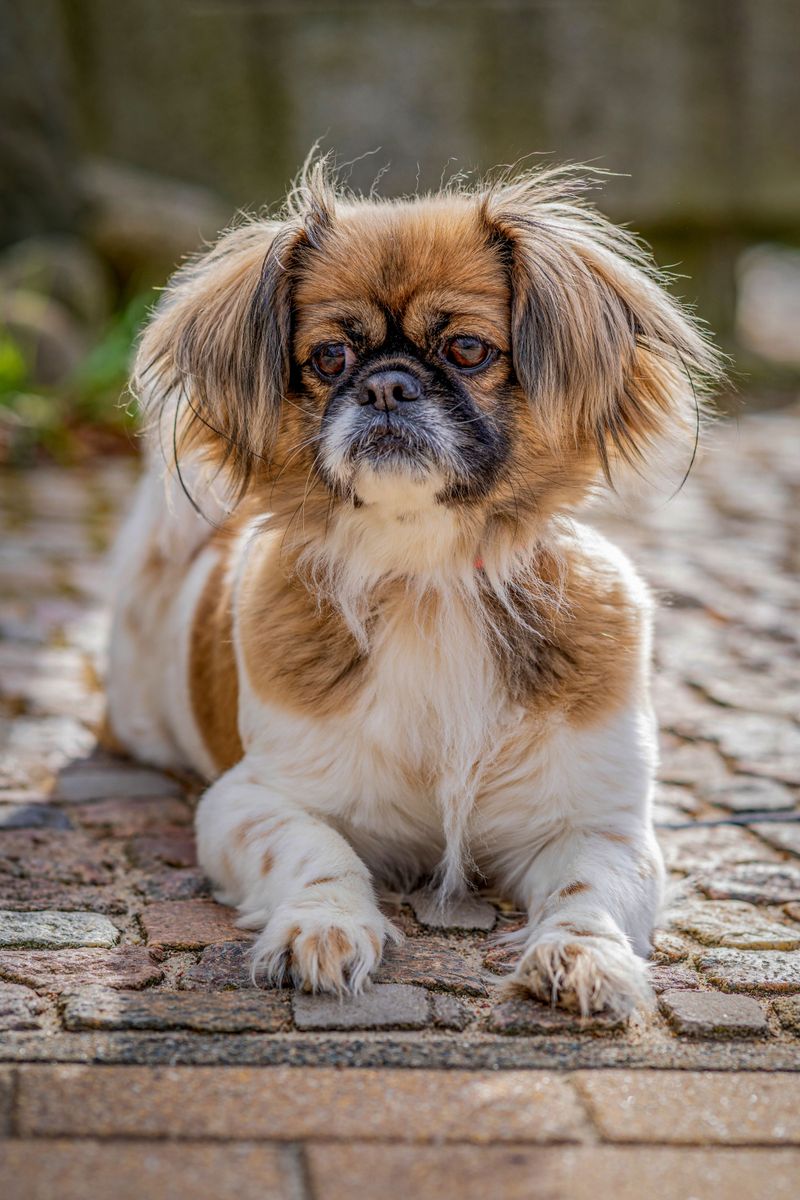
Royal looks meet summer struggles in the Pekingese. The combination of a flat face and a full, feathery coat makes cooling hard.
Even light effort in heat can leave them panting heavily and feeling drained.
Short, careful outings are best. Keep indoor spaces cool and breezy, and brush often to prevent mats that trap heat.
Offer lickable frozen treats for slow cooling. If breathing turns raspy or labored, seek shade immediately and contact your vet.
Cavalier King Charles Spaniel
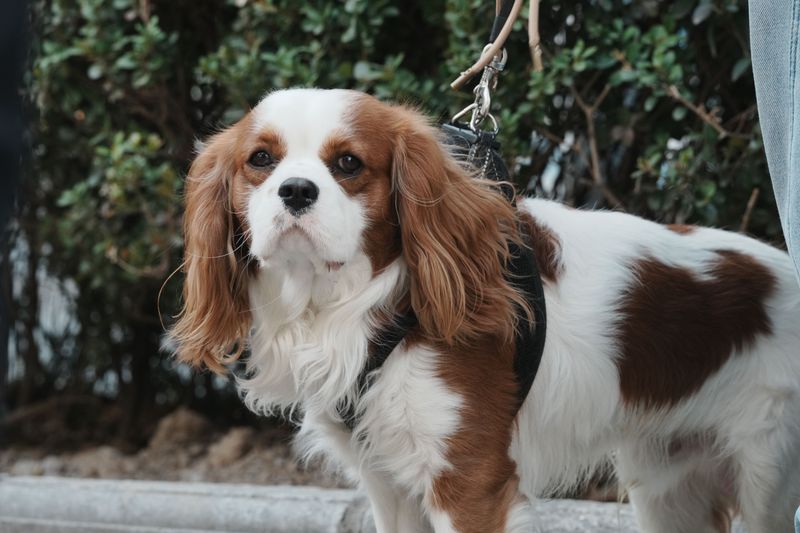
Sweet-natured and eager to please, the Cavalier can overheat faster than you might expect. Their silky coat insulates, and some have heart concerns that make heat stress riskier.
Playful spirits sometimes forget to rest.
Build cool-down breaks into every walk. Bring water, pick shaded paths, and stop when panting speeds up.
Grooming to reduce tangles improves airflow. If your Cavalier seems faint or wobbly, move to shade, wet the ears and paws, and call the vet.