
Some dogs are built for adventure. They love wide spaces, fresh air, and miles of room to move.
The right trail routine can turn all that energy into happy, healthy fun. If you enjoy exploring, these breeds might be your perfect trail buddies.
German Shorthaired Pointer
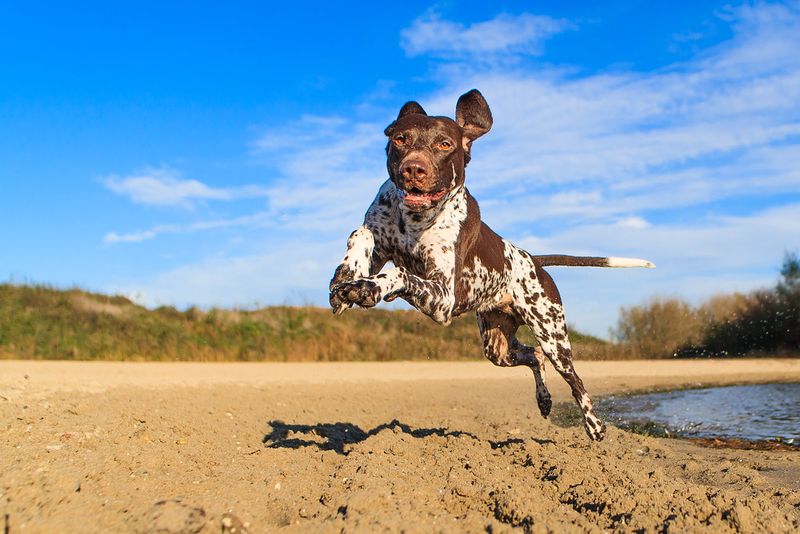
Born to roam, the German Shorthaired Pointer lights up when the trail stretches far ahead. Give brisk morning miles, then mix in sniffy stops to let their sharp nose work.
Finish with calm grooming.
Teach steady heel, reliable recall, and a settle cue so energy flows into focus. A sturdy harness, reflective leash, collapsible bowl keep adventures safe and smooth.
On hot days, switch to water-side paths and short retrieves to protect joints and spirit.
Vizsla
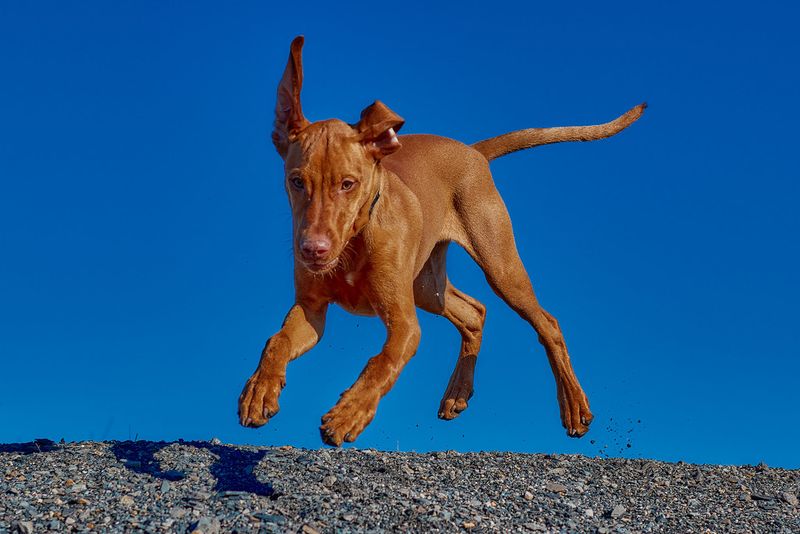
All heart and fire, the Vizsla sticks close, ready for a long, rolling trot. Trade monotonous loops for varied terrain, like grass, dirt, and light hills, to keep their mind busy.
Let them shine.
Build endurance slowly, track progress, and cap distance during growth. Short obedience games at trailheads teach patience while you clip the leash and check paws.
Carry soft treats, a lightweight jacket for drizzle, and end with cuddles that match their warmth.
Brittany
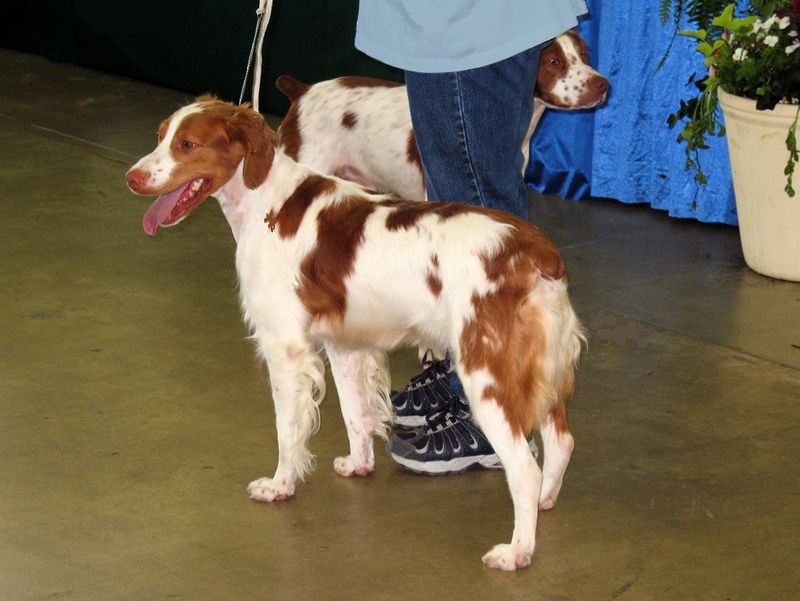
Small frame, big engine, the Brittany loves fast switchbacks and birdy scents on the breeze. A ten minute warmup jog prevents crazed starts, then you can alternate jogging, hiking, and quick recalls.
Let their tail wag.
Two or three brief sniff breaks keep focus without draining drive. Pack a whistle, bright bandana, and tick remover, since brushy edges call their name.
History note, Brittanys once worked close to foot hunters, which explains their people-oriented stride.
Weimaraner
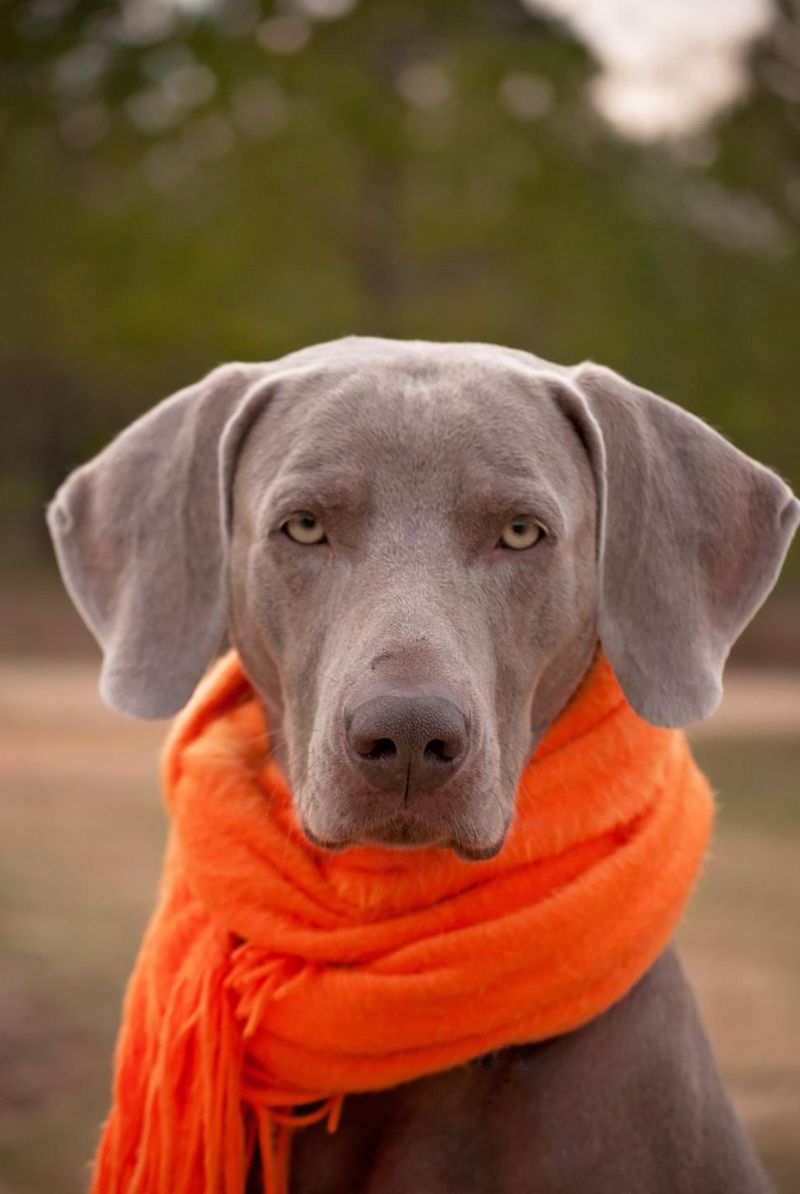
Silver speedster by design, the Weimaraner soars on open fire roads and long valley paths. Channel that drive with interval workouts, like three minutes trotting, one minute heeling, repeated several times.
Mind needs work too, so add article searches or nosework hides at rest stops. Cool early starts, shade checks, and frequent water breaks protect their heat sensitive coat.
End with a quiet down while you stretch calves and smile at those truly goofy ears.
Rhodesian Ridgeback
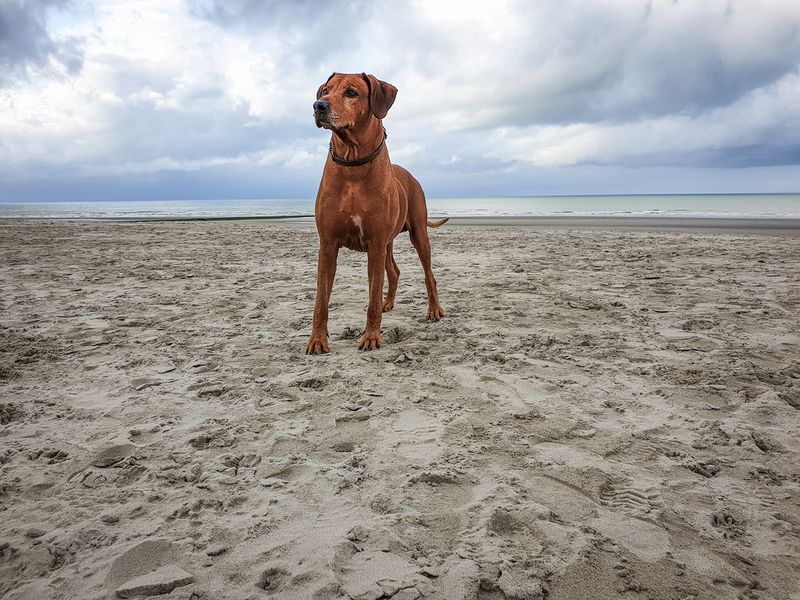
Stoic by nature, the Rhodesian Ridgeback opens up on wide savanna-like plains or sandy doubletracks. Long steady efforts suit them, so plan fewer turns and more time at even pace.
Because independence runs deep, practice check-ins and jackpot rewards when they choose to rejoin you. Heat management matters, with morning outings, paw checks on hot sand, and shaded water breaks.
After miles, gentle massage and a comfy mat keep that proud athlete happy at home.
Chesapeake Bay Retriever
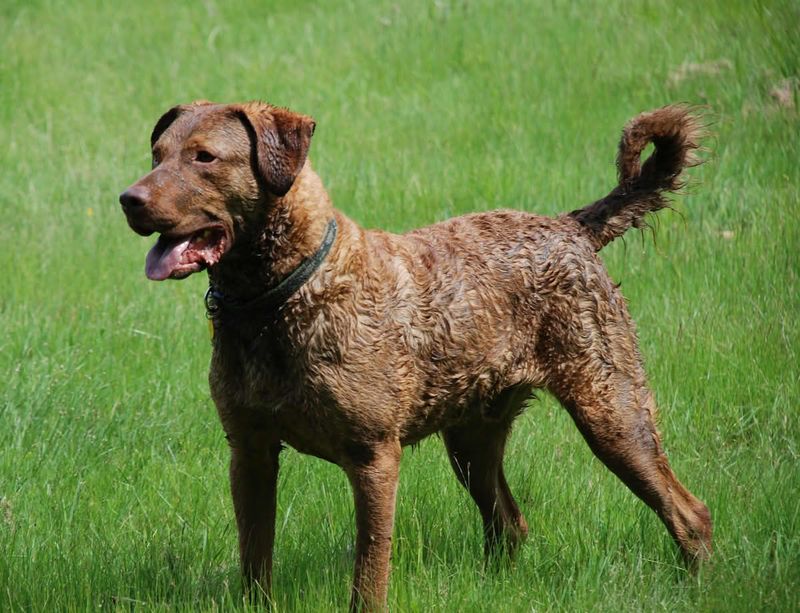
Tough as driftwood, the Chesapeake Bay Retriever thrives on windswept shore trails and splashy crossings. Mix hiking with water retrieves to satisfy both muscle and mind, then towel off to prevent chills.
Teach a strong drop, a steady wait, and careful entry on slippery banks. Because their coat holds moisture, bring a breathable vest for windy ridgelines and a spare towel.
Old decoy-dog history gives them grit, which shines brightest on long, happy work days.
English Setter
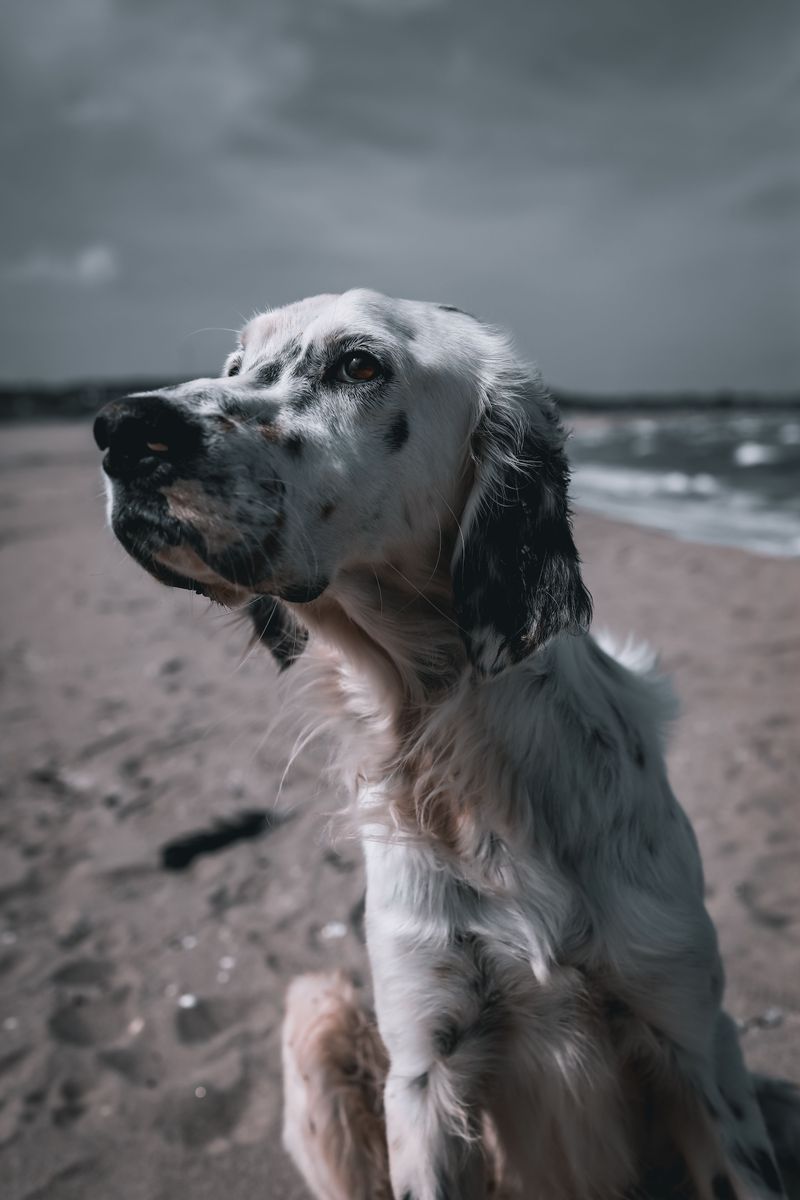
Feathered elegance meets stamina, and the English Setter glides through beautiful meadows like a quiet kite. Gentle by vibe yet lively at heart, they appreciate steady, scenic loops where birds flutter.
Practice soft whistle cues and loose-leash drifting to match their airy style and pauses. Carry a long line in new areas, plus a fine-tooth comb for burrs in fringes.
A calm cooldown with ear checks keeps the floaty mood going long after the walk.
Irish Setter
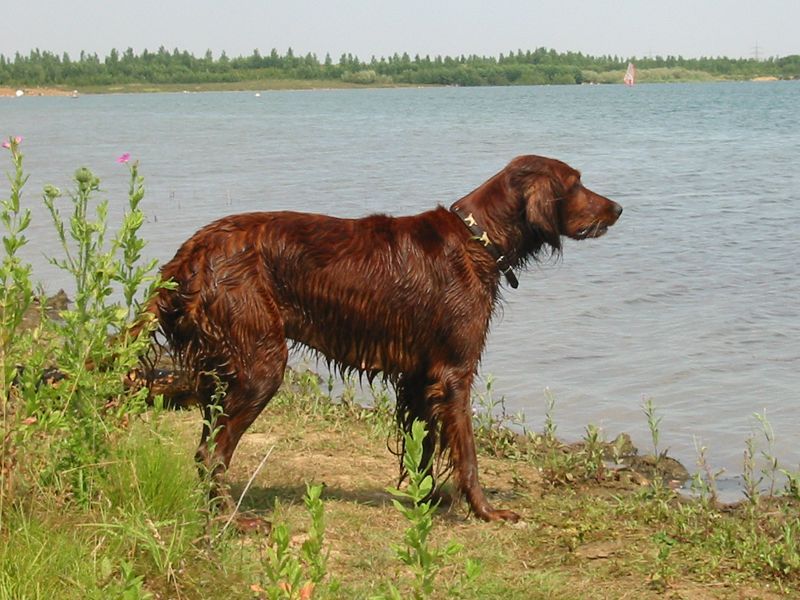
Red coat blazing, the Irish Setter turns any dirt road into a joyful parade. Keep sessions playful with figure eights, hide-and-seek recalls, and quick direction changes that spark grins.
Let laughter lead freely.
Condition gradually to protect growing joints, and limit hopping over logs until strength builds. A bright vest, clip-on light, and water stash make sunset miles safer for everyone.
Back at home, puzzle feeders help settle the happy whirlwind into a peaceful nap.
Wirehaired Pointing Griffon
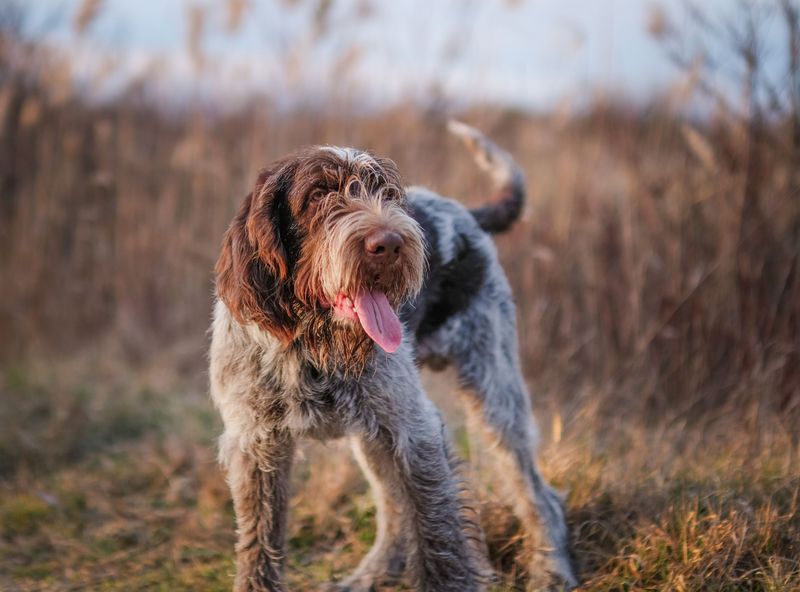
Shaggy eyebrows, serious worker, the Wirehaired Pointing Griffon is happiest mapping marsh edges and fields. Low, slow, and steady suits their tracking style, so offer zigzag paths with frequent scent puzzles.
Practice an off switch using place mats beside the trail while you snack and breathe. Because coats catch burrs, brush before the ride home and check armpits and beards.
Old European roots gave them the nickname supreme griff, and that steady heart still shows.
Australian Kelpie
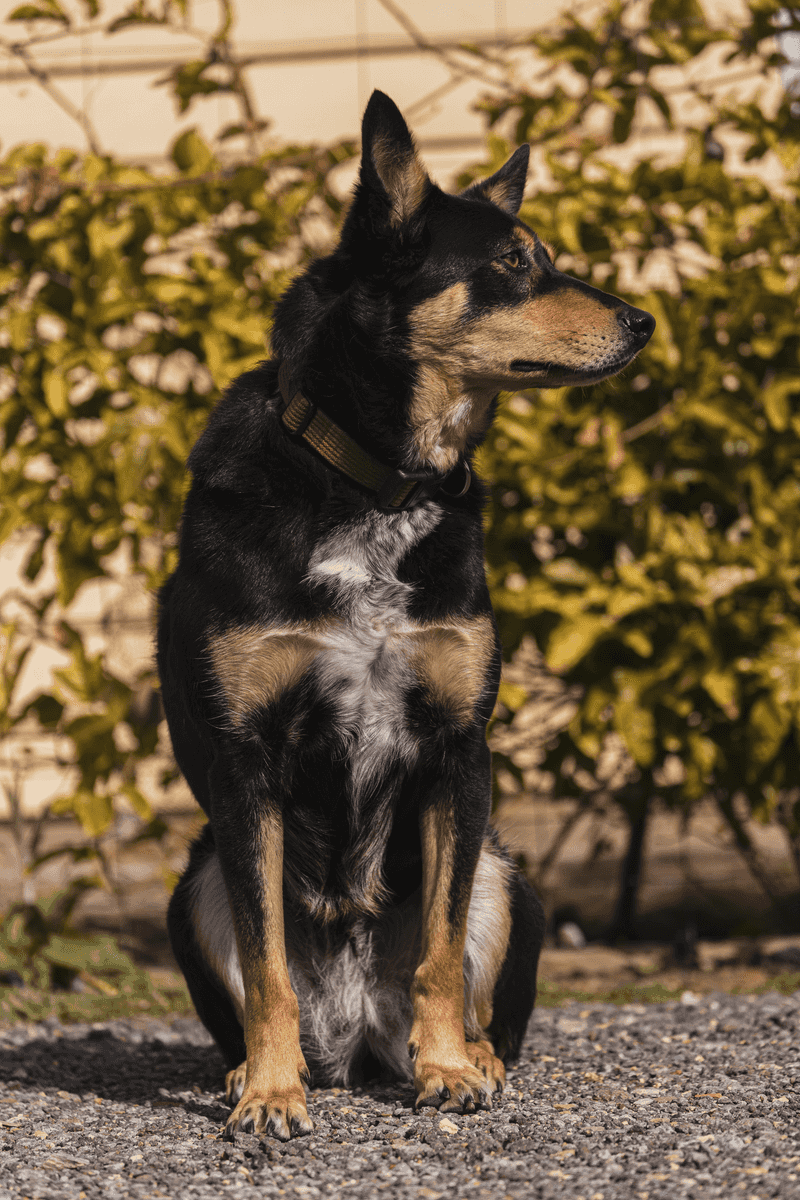
Born a workaholic, the Australian Kelpie treats long, open routes like a herding course without fences. Introduce structured jobs on the move, such as behind, left, right, and go on cues.
Mental work prevents over-arousal, so weave in platform downs and quiet eye contact breaks and pauses. Trim nails often, mind dewclaws, and give a post-run chew to settle the engine.
Fun fact, Kelpies earned fame driving sheep across huge stations, which explains their go-all-day vibe.
Curly-Coated Retriever
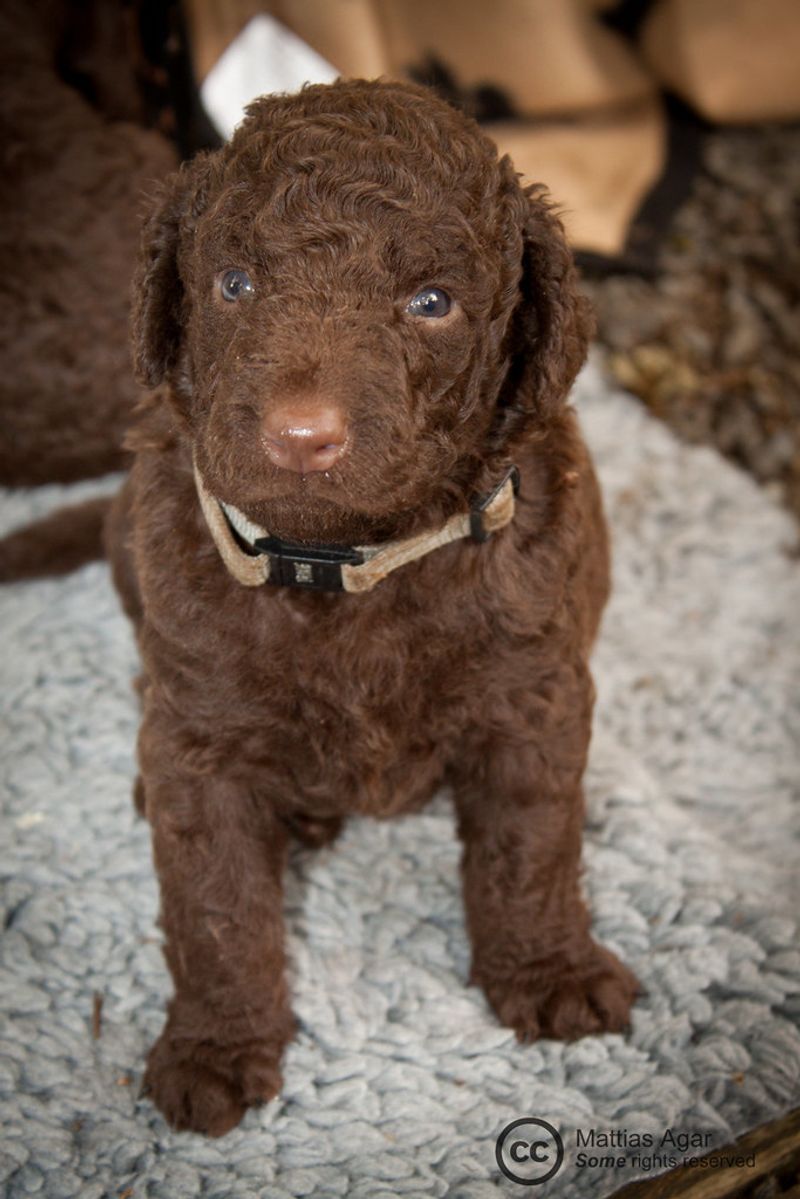
Curls that spring, the Curly-Coated Retriever powers down levee paths with cheerful determination. Cross-train with swim sets, easy trots, and carry drills that end in a tidy delivery.
Big smiles always follow for you.
Teach a gentle mouth, patient sits at gates, and calm greetings for trail users. Because tight curls hide debris, rinse after brambles, then brush through while drying.
Once conditioned, weekend distances feel easy, and that confident sparkle makes every outing bright.